How we built this comparison
This page combines traveler discussion patterns, published price ranges, flight schedules, and seasonal data to help you decide between Tokyo and Kuala Lumpur.
- Reviewed 50+ Reddit threads from r/travel, r/solotravel, r/JapanTravel, r/MalaysianTravel, r/digitalnomad
- Verified costs and logistics against current booking platforms like Booking.com, Skyscanner, and local transport sites in late 2023/early 2024
- Cross-referenced seasonal patterns and weather data from meteorological services and traveler blogs
⚡ The TL;DR Verdict
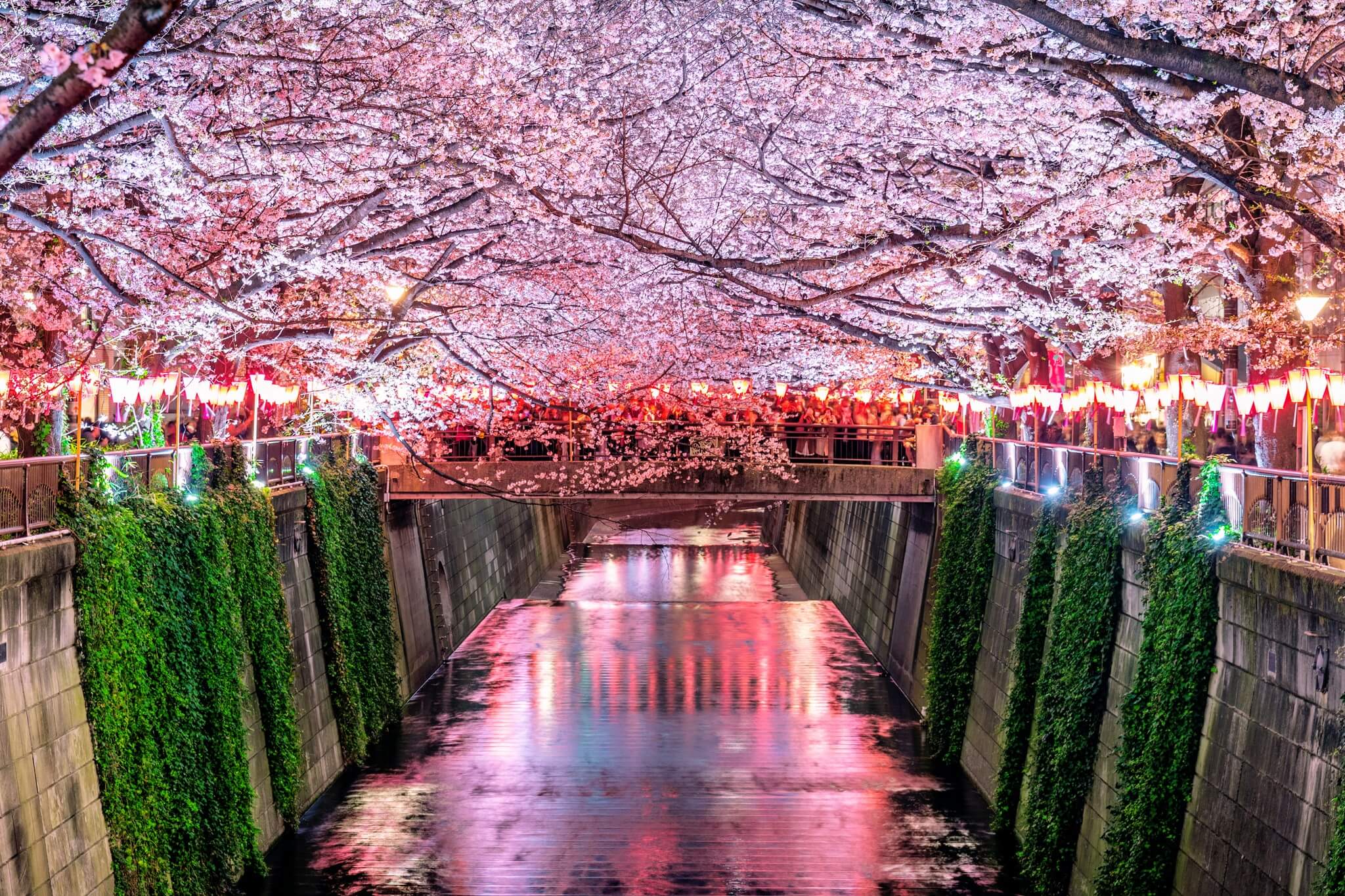
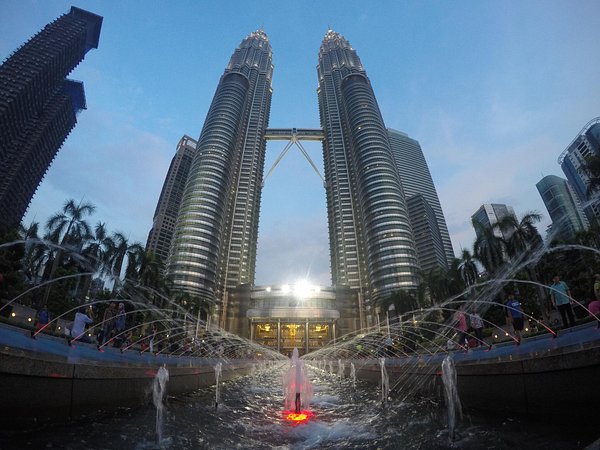
For those seeking unparalleled efficiency, unique cultural immersion, and are prepared for a higher budget, Tokyo is your clear winner, with daily costs ranging from $100-$250+. If vibrant street food, diverse cultures, and incredible value are your priorities, Kuala Lumpur offers an exciting adventure for a much more accessible $40-$100+ per day.
- Choose Tokyo: You're a meticulous planner who appreciates impeccable service, world-class public transport, unique fashion, unparalleled culinary artistry, and a truly safe, orderly environment, even if it comes with a premium price tag.
- Choose Kuala Lumpur: You're a budget-conscious explorer, a food enthusiast craving diverse street eats, or someone who loves experiencing a vibrant melting pot of cultures (Malay, Chinese, Indian) with a mix of modern skyscrapers and historical charm.
- Choose Both: If you have 2-3 weeks, combining them offers a fantastic contrast. Start in Tokyo for 7-10 days, then fly to KL for 5-7 days to experience both ends of the Asian travel spectrum without burnout.
Quick Comparison
| Category | Tokyo | Kuala Lumpur | Winner |
|---|---|---|---|
| Costs & Budget | Significantly higher daily expenses for accommodation, food, and transport. Expect less for your money. | Extremely budget-friendly, offering great value across all categories, from luxury hotels to street food. | Kuala Lumpur |
| Food Scene | World-renowned for precision, quality, and diverse cuisines, from Michelin-starred to incredible street food. | A vibrant melting pot of Malay, Chinese, and Indian flavors, famous for its hawker centers and incredible value. | Tokyo |
| Culture & History | A unique blend of ancient traditions (temples, shrines) and hyper-modern pop culture (anime, technology). | A rich tapestry of Malay, Chinese, and Indian influences, reflected in its architecture, festivals, and daily life. | Tokyo |
| Nightlife | World-class and incredibly diverse, from themed bars and neon-lit districts to intimate izakayas. | Bustling with rooftop bars, vibrant clubs, and lively street food markets, especially around Bukit Bintang. | Tokyo |
| Getting Around | Extremely efficient, punctual, and extensive public transport network (trains, subway). | Good public transport (LRT, Monorail), but often requires a mix with ride-sharing (Grab) for convenience. | Tokyo |
| Accommodation | Generally more expensive, with smaller room sizes, but high quality and service. | Significantly more affordable, offering spacious rooms and often luxurious amenities for budget prices. | Kuala Lumpur |
| Day Trips | Excellent variety of culturally rich and scenic day trips (Hakone, Nikko, Kamakura, Mt. Fuji). | Good options for nature, culture, and theme parks (Batu Caves, Melaka, Genting Highlands). | Tokyo |
| Weather & Seasons | Four distinct seasons with pleasant spring/autumn, hot/humid summers, and cold winters. | Tropical climate: consistently hot and humid year-round, with heavy rainfall during monsoon seasons. | Tie |
| Shopping | Global shopping mecca for fashion, electronics, unique souvenirs, and luxury brands. | Excellent for international brands, electronics, and local crafts, often at competitive prices. | Tokyo |
| Safety | One of the safest major cities in the world, with extremely low crime rates. | Generally safe for tourists, but petty crime (pickpocketing, bag snatching) can occur, especially in crowded areas. | Tokyo |
💰 Costs & Budget
Tokyo is notoriously expensive, easily requiring ¥15,000-25,000 (roughly $100-$170 USD) per day for a mid-range traveler just on food and accommodation. A decent ramen can cost ¥800-1200 ($5.50-$8), a simple hotel room ¥8,000-15,000 ($55-$100), and a metro ride ¥170-300 ($1.15-$2). Compare that to Kuala Lumpur, where you can live like royalty on a fraction of the cost. A delicious hawker meal at Jalan Alor is RM10-20 ($2-$4), a comfortable 4-star hotel often under RM200 ($45), and a Grab ride across the city might be RM10-15 ($2-$3). Entrance fees for attractions are also much lower in KL, like the Petronas Towers Skybridge for RM80 ($17) versus Tokyo SkyTree's ¥2,100 ($14). The difference is stark, making KL a backpacker's dream and Tokyo a planner's challenge. "Seriously, I spent more on coffee in Tokyo than on full meals in KL. It's wild how far your money goes there." - Reddit user r/travel.
Winner takeaway
- Winner: Kuala Lumpur
- Why: Kuala Lumpur offers unparalleled value for money, allowing travelers to enjoy a high standard of living and experiences at a significantly lower cost.
- Who this matters for: Budget travelers, long-term travelers, and those who want more luxury for less.
🍜 Food Scene
While Kuala Lumpur excels in diverse, affordable street food with iconic spots like Jalan Alor where you can feast on char kway teow or satay for RM10-20 ($2-$4), Tokyo's culinary scene is simply on another level in terms of artistry, innovation, and sheer variety. From perfectly crafted sushi (a high-end omakase can be ¥20,000+ / $135+, but conveyor belt sushi is ¥150-300 / $1-2 per plate) and rich ramen to delightful izakaya fare and exquisite French-Japanese fusion, Tokyo caters to every palate and budget. The city boasts more Michelin stars than any other, but you don't need to break the bank to eat incredibly well. A simple, perfect bowl of ramen at Ichiran or Afuri is a sublime experience for around ¥1,000 ($7). The attention to detail and dedication to quality in Japanese cuisine are unmatched. Even convenience store food in Tokyo is a cut above. "Tokyo food isn't just sustenance, it's an art form. Every meal feels like an experience, even a simple onigiri." - Reddit user r/JapanTravel.
Winner takeaway
- Winner: Tokyo
- Why: Tokyo's unparalleled quality, diversity, and dedication to culinary excellence, from street food to Michelin-starred dining, make it a global food capital.
- Who this matters for: Foodies, culinary adventurers, and those seeking the highest quality and most diverse gastronomic experiences.
⛩️ Culture & History
Tokyo offers a fascinating dichotomy: ancient serenity coexisting with futuristic dynamism. You can start your day exploring the historic Senso-ji Temple in Asakusa, observe traditional sumo wrestling, or wander through the serene Imperial Palace East Garden. By afternoon, you're immersed in the electric energy of Shibuya Crossing, the anime hub of Akihabara, or the trendy fashion districts of Harajuku. The reverence for tradition, politeness, and unique aesthetic permeates everything. Kuala Lumpur, while culturally rich, presents a different kind of blend. Its history is shaped by trade and colonialism, evident in sites like the Sultan Abdul Samad Building and the diverse religious sites like the Batu Caves (Hindu), Thean Hou Temple (Chinese), and Jamek Mosque (Islamic). However, Tokyo's distinct and deeply ingrained cultural identity, from tea ceremonies to modern J-Pop, feels more uniquely 'of its place' and offers a more profound immersion into a singular, yet diverse, national culture. "Tokyo's ability to be ancient and futuristic at the same time is just mind-blowing. One minute you're bowing at a shrine, the next you're in a robot restaurant." - Reddit user r/travel.
Winner takeaway
- Winner: Tokyo
- Why: Tokyo's unique blend of ancient traditions, deeply rooted customs, and cutting-edge pop culture creates a distinctive and immersive cultural experience.
- Who this matters for: Culture enthusiasts, history buffs, and those seeking a profound immersion into a distinct national identity.
🌃 Nightlife
Tokyo's nightlife is an absolute spectacle and arguably the best in the world. Shinjuku's Kabukicho and Golden Gai offer a bewildering array of tiny, themed bars where you can meet locals and other travelers. Shibuya's Dogenzaka is packed with massive clubs like Womb and Sound Museum Vision. Don't forget the themed bars, maid cafes, or karaoke boxes that are open until dawn. A beer can range from ¥500-1000 ($3.50-$7), and cocktails from ¥800-1500 ($5.50-$10). Kuala Lumpur has a respectable nightlife scene, particularly around Changkat Bukit Bintang, with numerous pubs, clubs, and rooftop bars offering stunning city views (e.g., Heli Lounge Bar, SkyBar). Drinks are generally cheaper, with a beer costing around RM15-30 ($3.50-$7). However, KL lacks the sheer variety, scale, and unique quirkiness that Tokyo offers. Tokyo's energy after dark is unmatched, with every street corner presenting a new discovery. "I thought I knew nightlife until I hit Golden Gai. It's like a maze of tiny, perfect bars, each with its own story. Unreal." - Reddit user r/solotravel.
Winner takeaway
- Winner: Tokyo
- Why: Tokyo offers an unparalleled and incredibly diverse nightlife experience, catering to every taste with its unique themed bars, world-class clubs, and endless entertainment options.
- Who this matters for: Party-goers, social butterflies, and those who love exploring unique and vibrant evening entertainment.
🚇 Getting Around
Tokyo's public transportation system is a marvel of efficiency, punctuality, and cleanliness. The JR trains and Tokyo Metro cover virtually every corner of the city, making navigation incredibly easy, even for first-timers (though it can seem complex initially). A Suica or Pasmo card makes tap-and-go travel seamless, with individual rides typically costing ¥170-300 ($1.15-$2). English signage is prevalent, and trains run like clockwork. Kuala Lumpur has a decent LRT (Light Rail Transit) and Monorail system that connects major points, and individual rides are very affordable, often RM2-5 ($0.45-$1.10). However, its coverage isn't as comprehensive as Tokyo's, and for many destinations, especially off the main lines, you'll find yourself relying on Grab (ride-sharing) which is also very cheap and convenient. While KL's system is good, Tokyo's unparalleled network and legendary punctuality mean you rarely wait more than a few minutes, making it the clear winner for seamless urban exploration. "Tokyo's trains are a dream. You set your watch by them. No stress, just pure efficiency. KL's is good, but you'll still Grab a lot." - Reddit user r/travel.
Winner takeaway
- Winner: Tokyo
- Why: Tokyo's public transport system is globally renowned for its efficiency, punctuality, extensive coverage, and ease of use, making urban travel seamless.
- Who this matters for: Efficiency seekers, public transport users, and those who prioritize convenience in urban exploration.
🏨 Accommodation
Accommodation in Tokyo, especially in central areas like Shinjuku, Shibuya, or Ginza, can be quite pricey, and rooms are famously compact. A clean, basic business hotel might cost ¥10,000-20,000 ($68-$135) per night, while a ryokan or mid-range hotel can easily exceed ¥25,000 ($170). Budget options include capsule hotels (¥3,000-6,000 / $20-$40) or hostels. Kuala Lumpur, on the other hand, offers incredible value for accommodation. You can find luxurious 4- or 5-star hotels with pools and city views (e.g., Grand Hyatt, Traders Hotel) for RM300-600 ($65-$130) per night, which would cost triple or quadruple in Tokyo. Mid-range hotels are often under RM200 ($45), and hostels are abundant for RM30-60 ($7-$13). The ability to get so much more space, comfort, and amenities for a fraction of the price in KL makes it a clear winner. "I stayed in a Hilton in KL for less than a tiny business hotel in Tokyo. The value is insane, definitely splurge on a nice pool view!" - Reddit user r/MalaysianTravel.
Winner takeaway
- Winner: Kuala Lumpur
- Why: Kuala Lumpur offers significantly more affordable and spacious accommodation options, allowing travelers to enjoy luxury and comfort for a much lower price point.
- Who this matters for: Budget-conscious travelers, those seeking luxury for less, and families needing more space.
⛰️ Day Trips
Tokyo offers an impressive array of accessible and diverse day trips that enrich the overall experience. You can easily escape the city's hustle to the serene temples and shrines of Nikko (2-hour train, ~¥5,000/$34 round trip), the historical samurai town of Kamakura with its giant Buddha (1-hour train, ~¥1,000/$7 round trip), or the scenic beauty of Hakone with views of Mt. Fuji (1.5-hour train, ~¥4,000/$27 round trip). Each destination provides a unique glimpse into Japan's history and natural beauty, with efficient transport making them hassle-free. Kuala Lumpur also has good day trip options. The impressive Batu Caves are a short Grab ride away (RM20-30/$4.50-$7). The UNESCO World Heritage city of Melaka, with its colonial charm and unique Peranakan culture, is about a 2-hour bus ride (RM15-20/$3.50-$4.50 one way). Genting Highlands offers a cool climate and theme park fun (1-hour bus, RM10-15/$2-$3 one way). While KL's options are good, Tokyo's day trips feel more iconic, varied, and are often better supported by public transport. "Hakone was a magical escape from Tokyo, and seeing Fuji-san just blew me away. So easy to get to, too." - Reddit user r/JapanTravel.
Winner takeaway
- Winner: Tokyo
- Why: Tokyo's day trips offer a more iconic, diverse, and easily accessible range of cultural, historical, and scenic experiences.
- Who this matters for: Culture enthusiasts, nature lovers, and those wanting to explore beyond the main city.
☀️ Weather & Seasons
This category is highly dependent on personal preference and travel timing. Tokyo experiences four distinct seasons. Spring (March-May) is famous for cherry blossoms and mild temperatures (10-20°C / 50-68°F). Summer (June-August) is hot and very humid (25-35°C / 77-95°F), often with typhoons. Autumn (September-November) brings beautiful fall foliage and comfortable weather. Winter (December-February) is cold, with occasional snow (0-10°C / 32-50°F). Kuala Lumpur, conversely, has a tropical rainforest climate, meaning it's consistently hot and humid year-round (28-35°C / 82-95°F). It experiences two monsoon seasons, generally from March to April and October to January, bringing heavy but often short-lived downpours. If you dislike extreme heat and humidity, Tokyo in spring or autumn is ideal. If you prefer consistent warmth and don't mind the rain, KL is your pick. "I loved Tokyo in autumn, the leaves were stunning. But going in August? Brutal humidity! KL's heat is constant, but you adapt and just embrace the mall AC." - Reddit user r/travel.
Winner takeaway
- Winner: Tie
- Why: Both destinations offer distinct weather patterns; Tokyo excels in its beautiful spring and autumn, while Kuala Lumpur provides consistent tropical warmth, making the 'winner' entirely dependent on personal preference.
- Who this matters for: Travelers with specific weather preferences, heat-sensitive individuals, or those chasing cherry blossoms/fall foliage.
🛍️ Shopping
Tokyo is a shopper's paradise, renowned for its incredible diversity and sheer volume of retail therapy. From the luxury boutiques of Ginza (think high-end fashion, department stores like Mitsukoshi and Isetan) to the trendy, quirky fashion of Harajuku's Takeshita Street, the electronics haven of Akihabara, and the mainstream fashion of Shibuya 109, there's something for everyone. You can find unique souvenirs, high-quality artisanal goods, cutting-edge gadgets, and rare collectibles. Prices can be high, but the quality and novelty are often unmatched. Kuala Lumpur also boasts impressive shopping, particularly its mega-malls like Pavilion KL, Suria KLCC (under the Petronas Towers), and Mid Valley Megamall. Here you'll find a wide array of international brands, electronics, and local goods, often at more competitive prices than in Tokyo due to lower taxes. The Central Market is great for local crafts and souvenirs. While KL offers great value, Tokyo's shopping scene is simply more dynamic, innovative, and offers a broader range of unique, 'only-in-Japan' items. "Tokyo shopping is an experience, not just a purchase. You can find anything from a ¥100 store gem to a designer masterpiece, often with incredible service." - Reddit user r/JapanTravel.
Winner takeaway
- Winner: Tokyo
- Why: Tokyo's shopping scene is unparalleled in its diversity, innovation, unique offerings, and sheer scale, catering to every style and interest.
- Who this matters for: Fashionistas, tech enthusiasts, souvenir collectors, and those seeking unique retail experiences.
🚨 Safety
Tokyo consistently ranks as one of the safest major cities globally. Crime rates are remarkably low, and travelers often feel comfortable walking alone at night, even in bustling areas. Lost items are frequently returned, and public spaces are meticulously maintained. This sense of security is a significant factor in the city's appeal. Kuala Lumpur is generally safe for tourists, and violent crime is rare. However, like any large city, petty crime is a concern. Pickpocketing and bag snatching (especially by motorcyclists) can occur in crowded areas like Bukit Bintang or Central Market, and visitors should be vigilant, particularly with valuables and while using their phones publicly. Taxis can sometimes overcharge, so using Grab is recommended for fair pricing. While both cities are generally safe, Tokyo's near-zero crime rate and inherent sense of order provide an unmatched level of peace of mind for travelers. "You can seriously leave your wallet on a table in Tokyo and come back an hour later, and it'll still be there. It's almost unbelievable." - Reddit user r/solotravel.
Winner takeaway
- Winner: Tokyo
- Why: Tokyo offers an exceptional level of safety and security, with incredibly low crime rates and a strong sense of public order, providing unmatched peace of mind for travelers.
- Who this matters for: Solo travelers (especially women), families, and anyone who prioritizes a worry-free travel experience.
❓ Frequently Asked Questions
Which city is better for first-time international travelers?
Kuala Lumpur is often more approachable for first-timers due to its widespread English proficiency, lower costs, and easily navigable Grab app for transport. Tokyo, while incredibly safe and efficient, can be overwhelming with its sheer scale and language barrier for some.
How long should I spend in each city?
For Tokyo, aim for 5-7 full days to cover the main districts and maybe one day trip. For Kuala Lumpur, 3-4 full days is usually sufficient to see the highlights, enjoy the food, and do a quick day trip to Batu Caves.
What's the best way to fly between Tokyo and Kuala Lumpur?
Direct flights are available from Tokyo's Narita (NRT) or Haneda (HND) airports to Kuala Lumpur International Airport (KUL). Airlines like Japan Airlines, ANA, Malaysia Airlines, and AirAsia X offer routes, with flight times typically around 7-8 hours.
Is English widely spoken in Tokyo or Kuala Lumpur?
In Kuala Lumpur, English is widely spoken, especially in tourist areas, hotels, and by younger generations due to its multicultural heritage. In Tokyo, English proficiency is lower, though major tourist hubs, train stations, and hotels will have staff who speak some English.
Which city is better for families with young children?
Tokyo wins for families due to its exceptional safety, clean public spaces, child-friendly attractions (DisneySea, Ghibli Museum), and dedicated facilities. Kuala Lumpur is also good, but Tokyo's overall ease and peace of mind for parents are superior.
What's the visa situation for US citizens for Japan and Malaysia?
US citizens typically do not need a visa for short tourist stays (up to 90 days) in both Japan and Malaysia. Always check the latest requirements before travel, as policies can change.
Which city offers better digital nomad amenities?
Kuala Lumpur is a stronger contender for digital nomads due to its significantly lower cost of living, excellent co-working spaces, strong expat community, and widespread English. Tokyo is expensive, though its connectivity is top-notch.
Are there any major cultural faux pas to avoid in either city?
In Tokyo, always be punctual, don't tip, avoid eating/drinking on public transport, and remove shoes indoors. In KL, dress modestly when visiting religious sites, use your right hand for eating or passing items, and be respectful of local customs, especially during religious festivals.
Ready to plan your unforgettable Asia trip?
Get a free custom itinerary for Tokyo, Kuala Lumpur, or both — built from real traveler insights and optimized for your style and budget.
🎟️ Book Tours & Experiences
Hand-picked tours and activities for both destinations — book with free cancellation
Experiences via Viator — free cancellation on most tours