How we built this comparison
This page combines traveler discussion patterns, published price ranges, flight schedules, and seasonal data to help you decide between Tokyo and Manila.
- Reviewed 50+ Reddit threads from r/travel, r/solotravel, r/Tokyo, r/Philippines, and r/JapanTravel for authentic traveler experiences and advice.
- Verified costs and logistics against current booking platforms (e.g., Agoda, Booking.com, Kayak, Grab) and official tourism sites.
- Cross-referenced seasonal patterns, weather data, and safety reports from trusted sources to provide realistic recommendations.
⚡ The TL;DR Verdict
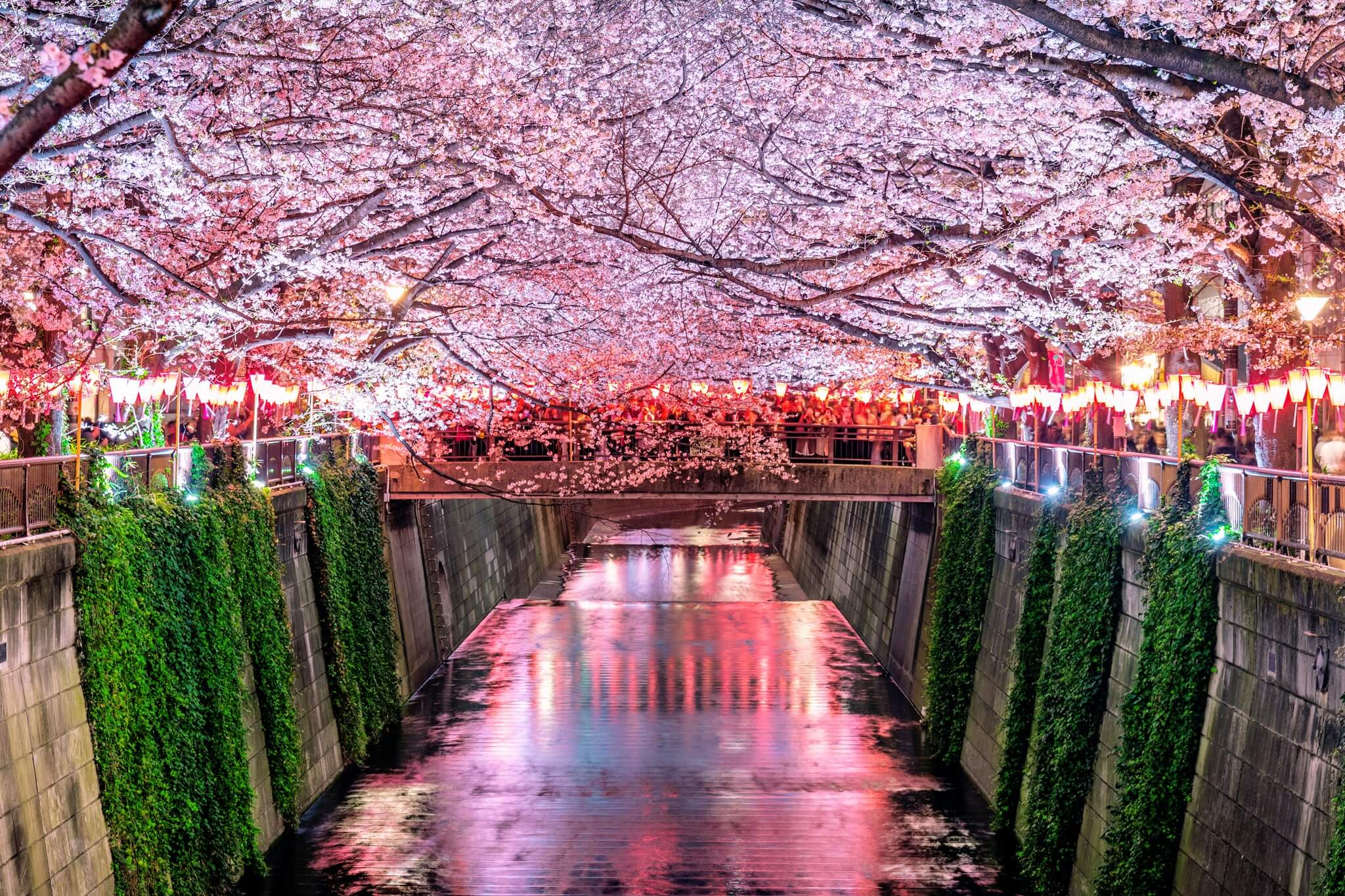
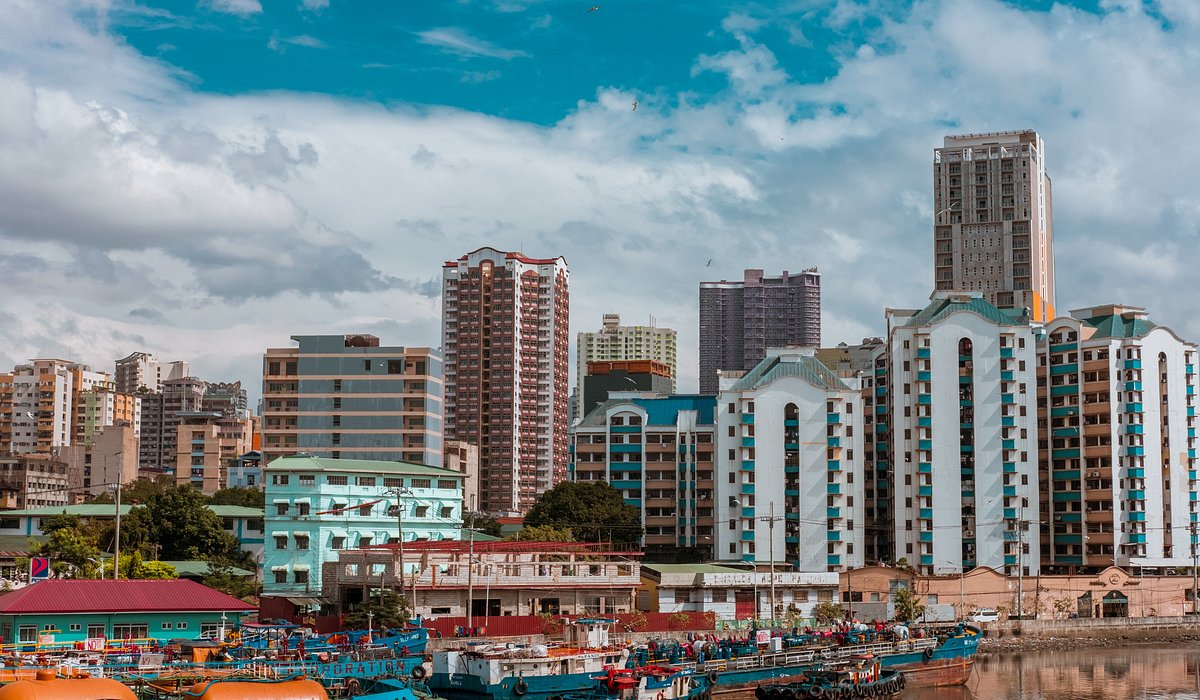
Tokyo is for travelers craving impeccable service, unparalleled safety, and a deep dive into unique culture with a higher budget. Manila offers a raw, authentic, and budget-friendly experience, best for adventurous souls willing to embrace its vibrant chaos before exploring the Philippines' stunning islands. Budget travelers will find Manila far more forgiving, generally needing $50-100 USD/day, while Tokyo usually requires $100-200 USD/day for a comfortable experience.
- Choose Tokyo: Choose Tokyo if you prioritize safety, efficiency, cutting-edge technology mixed with ancient traditions, world-class food, and don't mind a higher price tag. It's perfect for first-time Asia travelers, solo female travelers, and those seeking a seamless, immersive cultural experience.
- Choose Manila: Opt for Manila if you're on a tighter budget, seek a more 'real' and less polished urban experience, are comfortable navigating bustling cities, and plan to use it as a gateway to the incredible beaches and nature of the Philippines. It's ideal for backpackers, adventurous eaters, and culture explorers who enjoy a challenge.
- Choose Both: Consider visiting both if you have at least two weeks and want a comprehensive Asian urban experience. Start with Tokyo for its ease and 'wow' factor, then transition to Manila for a cultural contrast and a springboard to island adventures. It's a fantastic way to see the spectrum of Asian city life.
Quick Comparison
| Category | Tokyo | Manila | Winner |
|---|---|---|---|
| Costs & Budget | Significantly higher daily expenses for food, accommodation, and transport. Expect ¥15,000-¥25,000 ($100-$170) mid-range. | Much more budget-friendly, allowing for longer stays and more experiences. Expect ₱3,000-₱6,000 ($50-$100) mid-range. | Manila |
| Safety & Cleanliness | Among the safest cities globally, with exceptionally low crime rates and immaculate public spaces. | Requires more vigilance due to petty crime, chaotic streets, and varying levels of cleanliness. Safe in tourist areas but be aware. | Tokyo |
| Food & Dining | Culinary mecca with Michelin stars, diverse regional Japanese cuisine, and unparalleled quality. | Hearty, flavorful Filipino cuisine, vibrant street food scene, and growing international options. | Tokyo |
| Nightlife & Entertainment | Diverse nightlife from karaoke boxes to themed bars, vibrant districts like Shinjuku and Shibuya. | Energetic club scene, live music venues, and affordable drinks, especially in Makati and BGC. | Tie |
| Culture & History | Rich history intertwined with modern innovation, ancient temples, imperial palaces, and unique traditions. | A complex blend of indigenous, Spanish, American, and Asian influences, evident in architecture and daily life. | Tokyo |
| Getting Around | World-class, efficient public transport (subways, JR lines) that is punctual and easy to navigate. | Challenging traffic, reliance on Grab, jeepneys, and LRT/MRT, often slow and unpredictable. | Tokyo |
| Accommodation | High-quality, clean, and often compact rooms; diverse options from capsule hotels to luxury. | Budget-friendly options, but quality varies; luxury hotels offer excellent value. | Tokyo |
| Day Trips & Nature | Easy access to stunning natural beauty and historical sites like Hakone, Nikko, and Mount Fuji. | Proximity to beautiful beaches and volcanoes like Tagaytay/Taal, but often hampered by traffic. | Tokyo |
| Shopping | From luxury brands to quirky streetwear, electronics, and traditional crafts; a shopper's paradise. | Massive malls with international and local brands, good for bargains but less unique items. | Tokyo |
| Digital Nomad / Remote Work | Excellent infrastructure, reliable internet, safe, but high cost of living and less straightforward visa. | Lower cost of living, growing coworking scene, vibrant community, but connectivity and traffic challenges. | Manila |
💰 Costs & Budget
When it comes to your wallet, Manila is the clear winner. A typical budget traveler can easily get by on ₱1,500-₱3,000 ($25-$50) per day, covering a decent private room, street food, and local transport like Grab or jeepneys. For example, a delicious meal at a carinderia (local eatery) might cost you ₱100-₱200 ($2-$4), while a Grab ride across town is rarely over ₱300 ($5-6). A mid-range hotel in Makati or BGC can be found for ₱2,500-₱4,000 ($45-$70). In stark contrast, Tokyo demands a much higher budget. A ramen bowl can easily be ¥1,000-¥1,500 ($7-$10), and a short subway ride ¥180-¥250 ($1.20-$1.70). Accommodation in a clean, basic business hotel starts around ¥8,000-¥12,000 ($55-$80) per night, pushing your daily spend well over $100 even on a tight budget. For a comfortable mid-range experience, Tokyo averages ¥15,000-¥25,000 ($100-$170) a day. "Manila feels like you can really stretch your peso, had amazing street food for like a dollar, impossible to do that in Tokyo." This category isn't even close; Manila wins hands down for affordability, making it a dream for long-term travelers or those on a shoestring budget.
Winner takeaway
- Winner: Manila
- Why: Manila offers significantly lower costs across all categories, making it far more accessible for budget-conscious travelers.
- Who this matters for: Backpackers, long-term travelers, and anyone prioritizing budget above all else.
🚨 Safety & Cleanliness
Tokyo sets the gold standard for safety and cleanliness globally. Walking alone at night, even in bustling areas like Shinjuku or Shibuya, feels incredibly secure. Public transport is spotless, and you'll rarely see litter on the streets. Lost items are often returned, and respect for public order is ingrained. Incidents of petty crime like pickpocketing are exceedingly rare. For instance, you can confidently leave your phone on a restaurant table to reserve it while you order. "Tokyo is so safe, I forgot my wallet in a cafe and it was there two hours later, untouched." Manila, while not inherently dangerous in major tourist and business districts like Makati or Bonifacio Global City (BGC), demands a higher level of situational awareness. Petty theft, such as pickpocketing or bag snatching, can occur, especially in crowded markets or on public transport like jeepneys. The streets can be dusty and prone to litter, and air quality can be an issue. Taxis can sometimes overcharge, so using ride-sharing apps like Grab is highly recommended for safety and fair pricing. While locals are generally friendly, a traveler should always be alert. For example, while exploring Intramuros, keep valuables out of sight. The stark contrast in public order and personal security makes Tokyo an undisputed winner here.
Winner takeaway
- Winner: Tokyo
- Why: Tokyo boasts virtually non-existent petty crime, impeccable public spaces, and a profound sense of personal security.
- Who this matters for: Solo travelers (especially women), families, and anyone who values peace of mind and pristine environments.
🍣 Food & Dining
Tokyo is a global culinary capital, period. From 1-star ramen joints like Tsuta (now in Shibuya) for ¥1,500 ($10) to multi-Michelin-starred sushi experiences like Sukiyabashi Jiro (if you can get a reservation, expect ¥40,000+ or $270+), the quality and variety are astounding. Every neighborhood offers a distinct gastronomic adventure, whether it's yakitori in Shinjuku Golden Gai, tempura in Asakusa, or exquisite wagyu beef. Even convenience store food is a revelation. "Tokyo food is on another level, even a random convenience store sandwich tastes gourmet." Manila offers a different, equally compelling, but less refined culinary journey. Filipino food is a delicious blend of sweet, sour, and savory, with dishes like adobo, sinigang, and lechon being must-tries. The street food scene is vibrant, with skewers (ihaw-ihaw) and desserts like halo-halo easily found for ₱50-₱150 ($1-$3). Upscale dining in Makati and BGC features innovative Filipino fusion and international cuisine, with a good meal at places like Wildflour Cafe + Bakery costing around ₱800-₱1,500 ($15-$25). While Manila's food is incredibly flavorful and authentic, Tokyo's sheer range, consistent quality, and innovative spirit put it in a league of its own for foodies. It’s hard to beat a city with more Michelin stars than any other.
Winner takeaway
- Winner: Tokyo
- Why: Tokyo offers an unmatched diversity, quality, and innovation in dining, from street food to Michelin-starred restaurants.
- Who this matters for: Foodies, culinary adventurers, and anyone who considers eating a primary part of their travel experience.
🌃 Nightlife & Entertainment
Both Tokyo and Manila offer incredible nightlife, catering to very different tastes. Tokyo's nightlife is incredibly diverse and often quirky. You can sing your heart out in a private karaoke box in Shibuya, experience the tiny, themed bars of Shinjuku Golden Gai (drinks ¥800-¥1500, or $5-$10), or dance until dawn in mega-clubs like ageHa (entry ¥3,000-¥5,000, or $20-$35). The scene is clean, safe, and often ends with a late-night ramen. "Tokyo nightlife is wild, but in a good way. Golden Gai is tiny but every bar is an experience." Manila's nightlife, particularly in areas like Poblacion (Makati) and Bonifacio Global City (BGC), is famously energetic and more affordable. You'll find a mix of swanky rooftop bars, bustling live music venues like The Pop-Up Katipunan, and packed dance clubs where drinks are often ₱200-₱400 ($3.50-$7). The vibe is often more spontaneous and outwardly social, especially around Poblacion's many bars and speakeasies. Manila's party scene runs late, with many venues open well past 3 AM, and you'll find more opportunities to mingle directly with locals. While Tokyo offers unique niche experiences, Manila brings a raw, infectious energy and affordability that is hard to beat for a classic 'party' vibe. Both cities deliver, just in distinct styles.
Winner takeaway
- Winner: Tie
- Why: Both cities offer vibrant and distinct nightlife experiences, catering to different preferences for atmosphere and price.
- Who this matters for: Social butterflies, party-goers, and anyone looking for evening entertainment – just choose your preferred vibe.
🏯 Culture & History
Tokyo offers a masterclass in cultural contrasts, seamlessly blending ancient traditions with futuristic innovation. You can start your day exploring the serene Senso-ji Temple in Asakusa, Tokyo's oldest temple (free entry), then wander through the Imperial Palace East Garden, once part of Edo Castle. Later, immerse yourself in the vibrant, youth-driven culture of Harajuku or the digital wonderland of Akihabara. Museums like the Tokyo National Museum (¥1,000, or $7) provide deep dives into Japanese art and history. The meticulous attention to detail, ritual, and respect for tradition is evident everywhere, from tea ceremonies to sumo wrestling. "Tokyo's history is right there next to the skyscrapers, it's wild how it all fits." Manila's culture is a fascinating, if sometimes chaotic, tapestry woven from indigenous roots, Spanish colonial rule (400 years!), American influence, and Asian trade. The walled city of Intramuros (explore by kalesa for ₱500-₱1000, or $9-$18) is a powerful historical core, home to Fort Santiago (₱75, or $1.30 entry) and San Agustin Church. Beyond Intramuros, you'll see Spanish-era churches alongside American-era government buildings and modern high-rises. The National Museum of the Philippines (free entry) is a treasure trove of art and history. While Manila's cultural narrative is layered and raw, Tokyo's presentation of its heritage is more curated, accessible, and deeply embedded in its modern identity, offering a more profound and aesthetically pleasing cultural experience for a typical visitor.
Winner takeaway
- Winner: Tokyo
- Why: Tokyo's seamless blend of ancient traditions and cutting-edge modernity, presented with immaculate curation, offers a uniquely profound cultural experience.
- Who this matters for: History buffs, art lovers, and those seeking a deep immersion into a meticulously preserved and evolving culture.
🚇 Getting Around
Getting around Tokyo is a dream. The city boasts one of the most efficient, extensive, and punctual public transport systems in the world, primarily consisting of the Tokyo Metro and JR lines. A Suica or Pasmo card makes tap-and-go travel incredibly easy, with rides typically costing ¥180-¥400 ($1.20-$2.70). Trains run frequently, are immaculately clean, and maps are readily available in English. Walking is also a pleasant and safe way to explore. "Tokyo's subway system is unbelievably good, never late, always clean. Manila's traffic made me want to cry." Manila, on the other hand, is infamous for its soul-crushing traffic. What looks like a short distance on a map can take hours. Public transport includes the LRT/MRT trains, which are often overcrowded and can be unreliable, and iconic jeepneys, which are cheap (₱13-₱20, or $0.23-$0.35) but confusing for first-timers. Ride-sharing apps like Grab are essential for getting around comfortably and safely, but even then, journey times are heavily dependent on traffic, with a 30-minute journey easily stretching to 1.5-2 hours during rush hour. A Grab ride from Makati to Intramuros might cost ₱150-₱300 ($2.70-$5.40) but take an hour. The contrast in ease, speed, and comfort of transportation is stark, making Tokyo the unequivocal victor here.
Winner takeaway
- Winner: Tokyo
- Why: Tokyo's public transportation system is unparalleled in efficiency, punctuality, cleanliness, and ease of use, eliminating travel stress.
- Who this matters for: Everyone, especially those who value efficiency, timeliness, and ease of navigation in a sprawling city.
🏨 Accommodation
Tokyo offers an incredible range of accommodation, all characterized by impeccable cleanliness and service, even in budget options. You can experience a unique capsule hotel for ¥3,000-¥6,000 ($20-$40), stay in a cozy business hotel in Shinjuku for ¥8,000-¥15,000 ($55-$100), or splurge on luxury at the Park Hyatt Tokyo for ¥50,000+ ($340+). Even hostels are exceptionally well-maintained and often feature thoughtful amenities. Rooms tend to be compact due to space constraints, but they are always functional and well-designed. "Stayed in a tiny hotel room in Shibuya but it was spotless and had everything I needed." Manila's accommodation landscape is more varied. You can find very cheap guesthouses for ₱800-₱1,500 ($14-$27), but quality can be inconsistent. Mid-range hotels in areas like Makati or BGC, such as The Peninsula Manila or Holiday Inn & Suites Makati, offer excellent value for money, with rooms often starting around ₱4,000-₱7,000 ($70-$125) and providing significantly more space and amenities than a comparable Tokyo hotel. For luxury, Manila's high-end hotels are truly spectacular and often less expensive than their Tokyo counterparts. However, for sheer consistency in quality, cleanliness, and the unique experience of different lodging types, Tokyo edges out Manila. The standard of even basic accommodation in Tokyo is exceptionally high.
Winner takeaway
- Winner: Tokyo
- Why: Tokyo provides consistently high-quality, impeccably clean, and diverse accommodation options, regardless of budget.
- Who this matters for: Travelers who prioritize cleanliness, reliability, unique lodging experiences, and consistent service standards.
🏞️ Day Trips & Nature
Tokyo offers incredibly convenient and diverse day trip opportunities, leveraging Japan's efficient rail system. Within a few hours, you can be soaking in onsens with views of Mount Fuji in Hakone (Hakone Free Pass ¥5,000-¥6,000, or $35-$40), exploring the ancient shrines and temples of Nikko, or hiking through the scenic Chichibu-Tama-Kai National Park. These destinations are easily reachable by bullet train or direct local lines, ensuring a smooth and enjoyable excursion. The blend of cultural sites and natural beauty is fantastic and highly accessible. "Leaving Tokyo to see Fuji from Hakone was breathtaking, the train made it so easy." Manila's proximity to nature is also impressive, but the infamous traffic can make day trips a challenging endeavor. Tagaytay, with its panoramic views of Taal Volcano and Lake, is a popular choice, but what should be a 1-2 hour drive can easily become 3-4 hours each way, costing ₱2,000-₱4,000 ($35-$70) for a private car. Other options include beach towns like Batangas, but again, travel time is a major factor. While the natural beauty near Manila (especially the islands accessible by short flights) is arguably more dramatic, Tokyo wins for the sheer ease and reliability of accessing its fantastic day trip destinations without the headache of severe traffic congestion. The seamless transport truly elevates the experience.
Winner takeaway
- Winner: Tokyo
- Why: Tokyo offers unparalleled ease of access via efficient public transport to world-class natural and historical day trip destinations.
- Who this matters for: Travelers who love exploring outside the city, hikers, history buffs, and those seeking convenience in their excursions.
🛍️ Shopping
Tokyo is a global shopping mecca, offering everything from cutting-edge fashion to unique souvenirs and high-tech gadgets. Districts like Ginza (luxury brands), Shibuya (fashion, youth culture), Harajuku (quirky streetwear), Akihabara (electronics, anime/manga), and Shinjuku (department stores like Isetan, Takashimaya) each offer distinct retail experiences. You can find exquisitely crafted traditional items in Asakusa or delve into niche subcultures. Prices can be high, but the quality and uniqueness are often worth it. "Bought the coolest limited edition sneakers in Shibuya, Tokyo's shopping is next level." Manila's shopping scene revolves primarily around its mega-malls, such as SM Mall of Asia, Glorietta, and Greenbelt. These offer a vast array of international brands, local boutiques, electronics, and entertainment. You'll find good value, especially during sales, but the selection tends to be more mainstream compared to Tokyo's eclectic offerings. Divisoria Market offers incredibly cheap wholesale goods, but it's a chaotic experience. While Manila's malls are impressive in size and offer great air-conditioned escapes, Tokyo's diverse, trend-setting, and often quirky shopping districts provide a far more exciting and varied retail adventure, catering to every possible taste and interest, from high fashion to obscure collectibles.
Winner takeaway
- Winner: Tokyo
- Why: Tokyo offers an incredibly diverse, trend-setting, and high-quality shopping experience across multiple unique districts.
- Who this matters for: Fashionistas, tech enthusiasts, collectors, and anyone seeking unique souvenirs or high-end goods.
💻 Digital Nomad / Remote Work
For digital nomads, Manila offers a more pragmatic and community-driven base, primarily due to its significantly lower cost of living. Rent for a decent apartment in Makati or BGC can be ₱25,000-₱40,000 ($450-$700) per month, which is a fraction of Tokyo's prices. There's a burgeoning coworking scene, with places like Work Folk or WeWork, typically costing ₱5,000-₱10,000 ($90-$180) for a monthly hot desk. The widespread English proficiency makes daily life and networking easier. While internet can be a bit slower and less consistent than Tokyo's, it's generally sufficient for remote work. The biggest downside remains the traffic, but living in a walkable area like BGC mitigates this. "Manila's cheap rent and good coworking spots make it doable, just avoid rush hour commutes." Tokyo, while having unparalleled internet, safety, and infrastructure, suffers from an extremely high cost of living and a complex, less nomad-friendly visa situation for long stays. Rent for even a small studio can easily be ¥80,000-¥150,000 ($540-$1000+) per month. Coworking spaces exist but are pricier (¥15,000-¥30,000, or $100-$200+). While the quality of life is exceptional, the financial barrier and visa hurdles make it less ideal for the typical long-term digital nomad. Manila provides a more accessible and affordable ecosystem for remote workers seeking community and a vibrant base for Southeast Asian exploration.
Winner takeaway
- Winner: Manila
- Why: Manila offers a significantly lower cost of living, a growing coworking scene, and an easier social environment for digital nomads.
- Who this matters for: Digital nomads, remote workers, and anyone planning an extended stay on a budget.
❓ Frequently Asked Questions
Is Tokyo or Manila better for a first-time solo traveler to Asia?
Tokyo is overwhelmingly better for a first-time solo traveler. Its unparalleled safety, efficient transport, and clear signage (often in English) make navigation stress-free. Manila, while welcoming, requires more street smarts and vigilance due to higher petty crime rates and chaotic traffic.
Which city has better English proficiency for travelers?
Manila generally has higher English proficiency, especially among younger generations and in business/tourist areas, due to its history as an American colony. While many signs in Tokyo are translated, spontaneous English conversations can be more challenging, though staff in tourist-centric areas are usually proficient.
How long should I spend in each city?
For Tokyo, aim for at least 5-7 days to explore its diverse neighborhoods, temples, and museums, with an optional day trip. For Manila, 2-3 days is usually sufficient to see the main historical sites and experience the city's vibe before heading off to the islands.
What's the best time of year to visit Tokyo vs. Manila?
Tokyo is best in spring (March-May) for cherry blossoms or autumn (Sept-Nov) for vibrant foliage and pleasant weather. Manila is best during the dry season (December-May) to avoid heavy rains and typhoons, though it's hot year-round.
Which city is better for unique cultural experiences?
Both offer unique experiences. Tokyo provides a deep dive into traditional Japanese arts (tea ceremonies, sumo, kabuki) alongside hyper-modern subcultures. Manila offers a raw, vibrant mix of Spanish colonial history, indigenous traditions, and a bustling street culture that feels uniquely Filipino.
Are taxis safe and reliable in both cities?
In Tokyo, taxis are incredibly safe, clean, and reliable, though expensive. In Manila, it's highly recommended to use ride-sharing apps like Grab for safety, fair pricing, and convenience, as street taxis can sometimes overcharge or take indirect routes.
Can I use my credit card everywhere, or do I need cash?
In Tokyo, while major hotels and department stores accept cards, many smaller restaurants, shops, and attractions are cash-only. Always carry plenty of yen. In Manila, credit cards are widely accepted in malls and larger establishments, but cash is essential for street food, local markets, and smaller vendors.
Which city offers better nightlife for meeting locals?
Manila's nightlife, particularly in areas like Poblacion, tends to be more overtly social and easier for meeting locals due to higher English proficiency and a more outgoing culture. Tokyo's nightlife is vibrant but can be more insular, with many tiny bars catering to regulars, though larger clubs are more open.
Ready to plan your Asian adventure?
Get a free custom itinerary for Tokyo, Manila, or both — built from real traveler insights, tailored to your budget and interests.
🎟️ Book Tours & Experiences
Hand-picked tours and activities for both destinations — book with free cancellation
Experiences via Viator — free cancellation on most tours