How we built this comparison
This page combines traveler discussion patterns, published price ranges, flight schedules, and seasonal data to help you decide between Tokyo and Nagano.
- Reviewed 100+ Reddit threads from r/travel, r/solotravel, r/japantravel, and r/digitalnomad for authentic traveler perspectives and tips.
- Verified costs and logistics against current booking platforms (e.g., Google Flights, Japan Rail, major hotel chains) and official tourism sites.
- Cross-referenced seasonal patterns, weather data, and major event calendars to ensure accurate 'best season' recommendations.
- Incorporated local insights from Japanese travel blogs and forums to add nuanced, non-tourist-centric advice.
⚡ The TL;DR Verdict
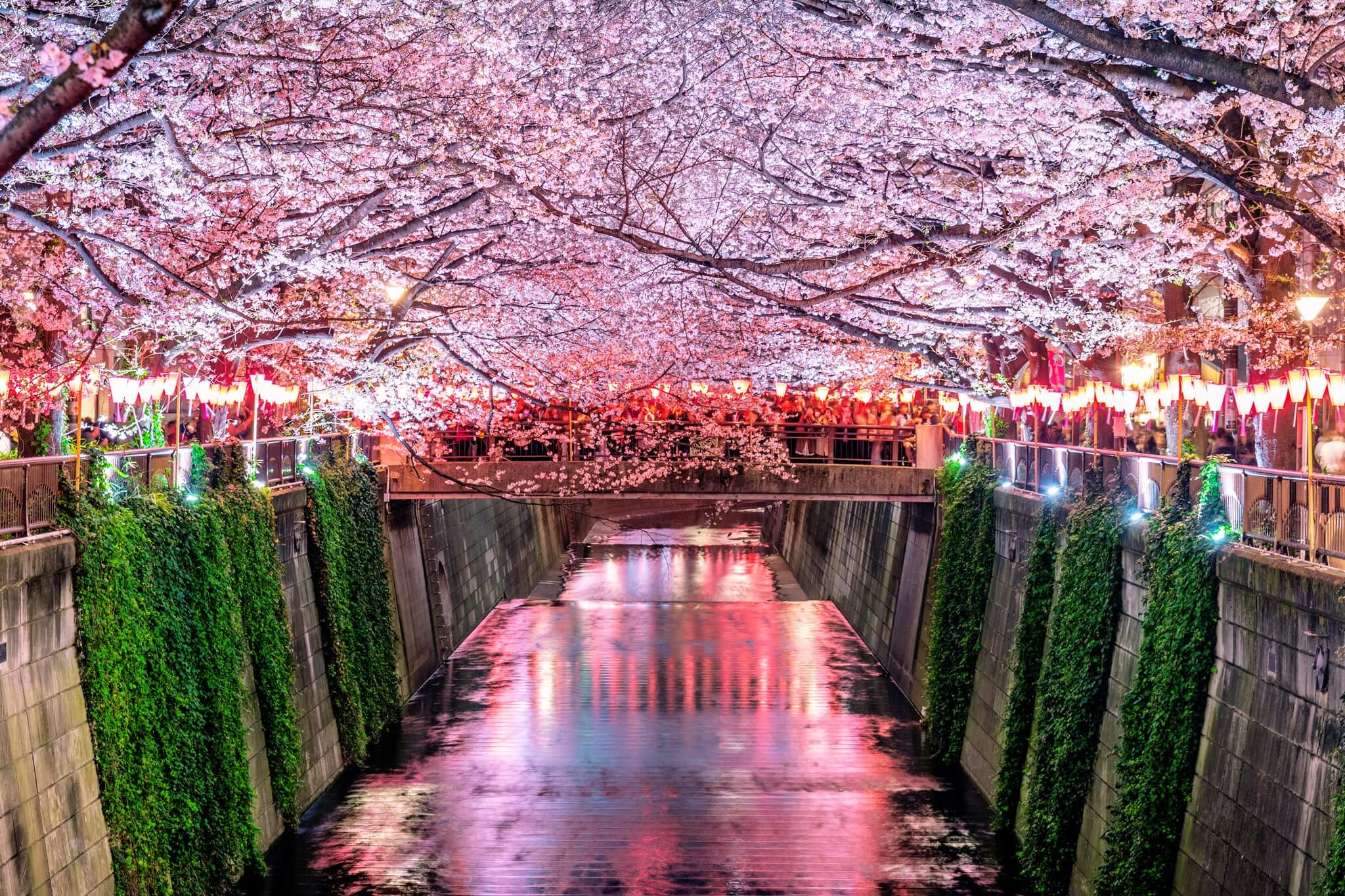
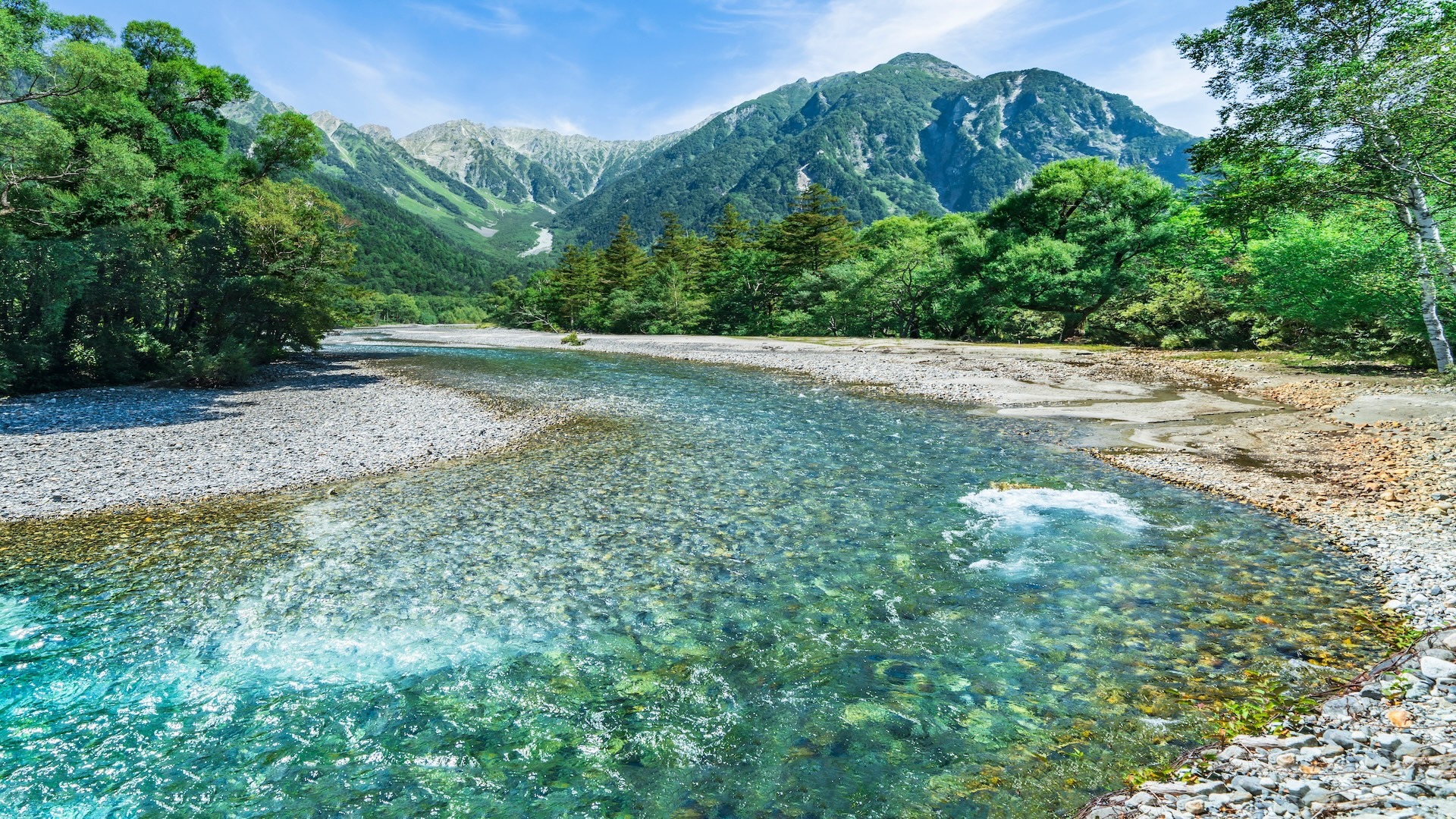
Tokyo is your go-to if you crave urban excitement, world-class dining, and endless entertainment with a daily budget of ¥12,000-25,000 ($80-$170). Nagano offers a tranquil escape into nature, cultural depth, and winter sports for those seeking a slower pace, typically costing ¥8,000-20,000 ($55-$135) per day (excluding premium ski resorts).
- Choose Tokyo: Choose Tokyo if you're a city lover, a foodie, a shopper, or someone who thrives on a vibrant, fast-paced environment with endless options for entertainment and modern culture.
- Choose Nagano: Opt for Nagano if you're an outdoor enthusiast, a history buff, a nature photographer, or simply looking to unwind in picturesque landscapes and experience traditional Japan.
- Choose Both: Many travelers do both! Start with 3-5 days in Tokyo for the urban immersion, then take a 1.5-hour Shinkansen to Nagano for 2-4 days of nature and culture. This offers a fantastic contrast.
Quick Comparison
| Category | Tokyo | Nagano | Winner |
|---|---|---|---|
| Costs & Budget | Higher across the board: accommodation, dining, entertainment. Expect to spend more. | Generally more affordable, especially outside peak ski season. Good value for food and lodging. | Nagano |
| Transportation & Getting Around | World-class, extensive subway and train network. Can be overwhelming but highly efficient. | Reliant on Shinkansen to reach, then local trains/buses. Rental car beneficial for rural areas. | Tokyo |
| Food & Drink | Culinary capital of the world: Michelin stars, street food, themed cafes, global cuisine. | Focus on local, seasonal specialties: soba, oyaki, apples, miso, wild game. More rustic charm. | Tokyo |
| Nightlife & Entertainment | World-class nightlife: themed bars, karaoke, clubs, entertainment districts like Shinjuku and Shibuya. | Quiet evenings focused on local izakayas, onsen, or traditional performances. Very subdued. | Tokyo |
| Culture & History | Mix of ancient traditions (Imperial Palace, temples) and cutting-edge modern culture (Harajuku, anime). | Deeply traditional and spiritual focus: Zenko-ji Temple, samurai history, folk arts, onsen culture. | Nagano |
| Nature & Outdoors | Limited green spaces within the city. Day trips needed for significant nature experiences. | Abundant natural beauty: Japanese Alps, stunning lakes, hot springs, national parks, famous Snow Monkeys. | Nagano |
| Shopping | Every possible retail experience: luxury brands, electronics, fashion, quirky souvenirs, anime goods. | Focus on local crafts, agricultural products (apples, sake), traditional souvenirs, outdoor gear. | Tokyo |
| Accommodation | Wide range from capsule hotels to luxury high-rises. Generally compact and pricier. | Ryokans, guesthouses, onsen hotels, and ski chalets. More spacious, often with traditional elements. | Tie |
| Day Trips | Easy access to Hakone, Nikko, Kamakura, Mt. Fuji views. Diverse historical and natural options. | Proximity to Matsumoto Castle, Karuizawa, Obuse, and various ski resorts. Focus on nature and history. | Tokyo |
| Best Seasons & Weather | Pleasant springs (cherry blossoms) and autumns (foliage). Hot, humid summers. Mild winters. | Distinct four seasons: heavy snows for skiing, vibrant spring blossoms, cool summers, stunning autumn foliage. | Nagano |
💸 Costs & Budget
Tokyo is undeniably more expensive. A decent mid-range hotel in Shibuya or Shinjuku starts around ¥15,000-25,000 ($100-$170) per night, whereas a comfortable ryokan or guesthouse in Nagano City or near the Snow Monkeys can be found for ¥8,000-15,000 ($55-$100). Food costs also vary significantly; a casual dinner in Tokyo might be ¥1,500-3,000 ($10-$20), while in Nagano, you can find delicious local meals for ¥800-2,000 ($5-$14). Transportation within Tokyo on the subway adds up, typically ¥1,000-1,500 ($7-$10) per day if you're exploring widely. Nagano's local transport is less frequent but often cheaper per ride. Activities too: a themed attraction in Tokyo like Disney or Universal is ¥7,900-9,400 ($55-$65), while many nature activities in Nagano are free or low cost. As one Redditor put it, "Tokyo's great, but my wallet definitely felt it. Nagano was a pleasant surprise budget-wise, especially for food and onsen visits." You really need to be savvy to keep Tokyo under ¥10,000 a day, while Nagano makes it much more feasible.
Winner takeaway
- Winner: Nagano
- Why: Nagano offers significantly better value for money, especially for accommodation and dining, allowing for a more budget-friendly trip.
- Who this matters for: Budget-conscious travelers, backpackers, and those planning longer stays.
🚆 Transportation & Getting Around
Tokyo's transportation system is a marvel of efficiency and connectivity, though it can feel like a labyrinth initially. The JR Yamanote Line, Tokyo Metro, and Toei Subway lines cover virtually every corner of the city. A Suica or Pasmo IC card makes tapping and going seamless, with individual rides costing ¥170-¥300 ($1.15-$2). Expect to walk a lot between stations and destinations, but the sheer speed and frequency are unmatched. Getting from Narita (NRT) to Tokyo Station is easy via Narita Express (N'EX) at ¥3,070 ($21). Nagano is served by the Hokuriku Shinkansen from Tokyo Station, taking about 1.5 hours and costing ¥8,000-9,000 ($55-$60) one-way. Within Nagano City, local trains and buses are sufficient for Zenko-ji Temple and the station area. However, accessing attractions like the Jigokudani Monkey Park (via local train to Yudanaka then bus, total ¥2,000 / $14 one-way from Nagano City) or the Japanese Alps often benefits greatly from a rental car, which offers freedom but adds cost (around ¥6,000-¥10,000 / $40-$70 per day plus fuel/tolls). "Tokyo's trains are insane but once you get the hang of it, you can get anywhere in minutes. Nagano felt a bit more spread out, needed a bus or taxi for half the cool stuff," noted a traveler. Tokyo wins for sheer convenience and coverage within the urban core.
Winner takeaway
- Winner: Tokyo
- Why: Tokyo's unparalleled public transport network offers superior convenience, frequency, and coverage for exploring a vast city.
- Who this matters for: First-time visitors to Japan, those without a rental car, and anyone prioritizing ease of movement.
🍣 Food & Drink
Tokyo is a foodie paradise, offering an overwhelming variety from casual street eats to multiple Michelin-starred restaurants. You can find everything from exquisite sushi at Sukiyabashi Jiro (reservations months in advance, ¥40,000+ / $270+) to delicious ramen at Ichiran (around ¥1,000 / $7), trendy cafes in Shibuya, and diverse international cuisine. Exploring depachikas (department store food halls) is an adventure in itself, with gourmet bentos for ¥800-¥2,000 ($5-$14). Nagano's food scene, while excellent, is more specialized and focused on its regional strengths. Must-tries include Shinshu soba noodles, oyaki (dumplings with various fillings like vegetable or anko bean paste, ¥200-¥300 / $1.30-$2 each), apples and apple products, and miso. Local izakayas offer hearty mountain fare, often featuring wild game (gibier) like deer or boar. Sake breweries are also prevalent, offering tastings for around ¥500-¥1,000 ($3-$7). "I loved Nagano's local food, especially the soba and oyaki after a hike. But Tokyo... man, the choices are just endless. Every meal was an event," a Reddit user recounted. While Nagano offers authentic regional tastes, Tokyo's sheer scale and diversity of culinary experiences simply cannot be beaten, catering to every palate and budget.
Winner takeaway
- Winner: Tokyo
- Why: Tokyo's unmatched culinary diversity, from street food to fine dining, offers an unparalleled gastronomic journey.
- Who this matters for: Foodies, adventurous eaters, and those seeking a vast range of dining experiences.
🌃 Nightlife & Entertainment
Tokyo is the undisputed champion for nightlife and entertainment. Districts like Shinjuku's Kabukicho and Golden Gai offer an incredible array of tiny, themed bars, karaoke boxes (prices vary greatly, but a few hours can be ¥2,000-¥5,000 / $14-$35 per person), and massive nightclubs with cover charges around ¥3,000-¥5,000 ($20-$35). Shibuya's Dogenzaka is another hub for clubs and bars, while Ginza offers upscale cocktail lounges. The city truly comes alive after dark, with dazzling neon lights and endless options for every mood, from arcades like Sega Shinjuku to themed restaurants. Nagano, by contrast, is very quiet in the evenings. The nightlife largely revolves around traditional izakayas (Japanese pubs, where a meal with drinks might be ¥3,000-¥6,000 / $20-$40) for local food and sake, or relaxing in an onsen (hot spring, entry typically ¥500-¥1,000 / $3-$7). In smaller towns, places might close by 9 PM. "After a day of hiking in Nagano, an onsen and a quiet meal was perfect. But if you want to dance till dawn, Tokyo is the only option in Japan," a traveler wisely pointed out. If you're looking for vibrant energy, late-night revelry, and diverse entertainment, Tokyo is the clear winner.
Winner takeaway
- Winner: Tokyo
- Why: Tokyo's vibrant and diverse nightlife, with endless options for bars, clubs, and entertainment, is unmatched.
- Who this matters for: Party-goers, social butterflies, and those who enjoy late-night exploration and entertainment.
🏯 Culture & History
While Tokyo has significant historical sites like the Imperial Palace East Garden (free), Senso-ji Temple (Asakusa), and museums like the Tokyo National Museum (¥1,000 / $7), its historical identity is often overshadowed by its modern, futuristic facade. Tokyo excels in contemporary culture – think Harajuku fashion, Akihabara's anime/manga scene, and Shibuya's iconic scramble crossing. Nagano, however, offers a much deeper dive into traditional Japanese culture and history. The iconic Zenko-ji Temple, one of Japan's most important and oldest Buddhist temples (free entry, ¥600 / $4 for inner sanctum), is a spiritual pilgrimage site. The town of Obuse offers a glimpse into Hokusai's life. Matsumoto Castle (¥700 / $5), just a short train ride away, is one of Japan's most beautiful original castles. The region is rich in samurai history, folk art, and the deeply ingrained onsen (hot spring) culture. Experiencing a traditional ryokan stay with kaiseki dining in Nagano (¥15,000-¥30,000+ / $100-$200+) feels far more authentic and immersive than many Tokyo experiences. "Nagano just felt more *Japan* to me, in the traditional sense. Zenko-ji and the old towns really delivered on that historical vibe," a visitor shared. Nagano offers a more concentrated and less diluted traditional cultural experience.
Winner takeaway
- Winner: Nagano
- Why: Nagano provides a more concentrated and authentic experience of traditional Japanese culture, history, and spiritual heritage.
- Who this matters for: History buffs, those seeking spiritual experiences, and travelers interested in traditional Japan.
🏞️ Nature & Outdoors
This is Nagano's unequivocal strong suit. Nestled in the heart of the Japanese Alps, Nagano offers breathtaking natural landscapes and outdoor activities. The famous Jigokudani Monkey Park (¥800 / $5.50 entry) allows visitors to observe snow monkeys bathing in hot springs, a unique wildlife encounter. The region boasts stunning national parks like Chubu Sangaku National Park, ideal for hiking, mountaineering, and scenic drives. Lake Aoki, Lake Kizaki, and Lake Suwa provide opportunities for boating and relaxation. During winter, Nagano transforms into a ski and snowboard mecca, home to world-class resorts like Hakuba Valley (a day pass can be ¥6,000-¥8,000 / $40-$55). Tokyo, while having beautiful parks like Shinjuku Gyoen National Garden (¥500 / $3.50) and Ueno Park, is primarily an urban jungle. Significant nature experiences require day trips to places like Mt. Takao (train ¥390 / $2.70 one-way) or Hakone. "If you want mountains, fresh air, and wildlife, Nagano is a no-brainer. Tokyo is concrete, beautiful concrete, but concrete," a traveler emphasized. Nagano offers immediate immersion in nature, making it perfect for outdoor enthusiasts.
Winner takeaway
- Winner: Nagano
- Why: Nagano's stunning alpine landscapes, national parks, and unique wildlife encounters offer unparalleled natural beauty and outdoor activities.
- Who this matters for: Hikers, skiers, nature photographers, and those seeking tranquility and outdoor adventure.
🛍️ Shopping
Tokyo is a global shopping mecca, catering to every taste and budget. Ginza is synonymous with luxury brands and high-end department stores like Ginza Mitsukoshi and Wako. Shibuya and Harajuku are the epicenters for youth fashion and trendy boutiques, with Takeshita Street offering quirky, affordable fashion. Akihabara is the ultimate destination for electronics, anime, manga, and gaming goods, where you can easily spend hours in stores like Yodobashi Akiba. Shinjuku's department stores like Isetan and Takashimaya are vast. Even souvenir shopping is elevated, with stores like Tokyu Hands offering unique Japanese crafts and goods. Prices range from budget-friendly ¥100 shops (Daiso) to designer labels costing hundreds of thousands of yen. Nagano's shopping scene is far more localized and niche. You'll find excellent regional products like delicious Shinshu apples, local sake (often available for tasting and purchase at breweries), oyaki, and traditional crafts near Zenko-ji Temple. Outdoor gear is also prominent, especially in ski towns like Hakuba. "If you need anything – a new camera, a designer bag, or just some weird Japanese candy – Tokyo has it. Nagano's more for edible souvenirs and cool local pottery," a tourist noted. Tokyo simply offers an unmatched scale and variety of shopping experiences.
Winner takeaway
- Winner: Tokyo
- Why: Tokyo provides an unparalleled shopping experience with an immense variety of goods, from luxury to quirky, across numerous dedicated districts.
- Who this matters for: Fashion enthusiasts, tech geeks, collectors, and anyone looking for extensive retail therapy.
🏨 Accommodation
Both Tokyo and Nagano offer excellent, albeit different, accommodation experiences, making this a tie. In Tokyo, you'll find everything from budget-friendly capsule hotels (¥3,000-¥6,000 / $20-$40 per night) and business hotels (¥8,000-¥15,000 / $55-$100) to luxurious international chains like the Park Hyatt Tokyo (¥50,000+ / $340+). Rooms tend to be compact due to urban density, but highly efficient and clean. Popular areas include Shinjuku, Shibuya, Ueno, and Ginza. Book well in advance, especially for peak seasons. Nagano excels in traditional Japanese accommodation. Ryokans (traditional inns) are a highlight, offering tatami rooms, futon beds, and often multi-course kaiseki dinners and private onsen access (¥15,000-¥30,000+ / $100-$200+ per person). Onsen hotels are prevalent, especially in areas like Yudanaka-Shibu Onsen, providing a deeply relaxing cultural experience. Guesthouses and ski chalets are common in winter sports areas like Hakuba. "Tokyo hotels are efficient but tiny. In Nagano, staying in a ryokan with an onsen was a trip highlight – so much more space and character for the price," a Reddit user commented. The 'winner' depends entirely on what type of experience you prioritize: modern urban convenience or traditional Japanese immersion.
Winner takeaway
- Winner: Tie
- Why: Both offer excellent but distinct accommodation experiences: Tokyo for urban convenience and variety, Nagano for traditional Japanese immersion.
- Who this matters for: Travelers seeking either ultra-modern efficiency or authentic traditional experiences, depending on their preference.
🚗 Day Trips
Tokyo offers an impressive array of convenient and diverse day trip options, making it a stronger base for wider exploration. From Shinjuku, you can reach Hakone (for Mt. Fuji views, onsen, and Lake Ashi cruises) in about 1.5-2 hours via the Odakyu Romancecar (around ¥2,500 / $17 one-way), or Kamakura (ancient temples, Great Buddha) in an hour via JR Yokosuka Line (¥940 / $6.50). Nikko (UNESCO World Heritage shrines and temples) is another popular choice, taking about 2 hours by Tobu Limited Express (¥2,900 / $20). These destinations offer a fantastic blend of history, nature, and culture. Nagano's day trip options are also excellent but tend to be more regionally focused. Matsumoto Castle (¥700 / $5 entry) is a must-see, reachable in about an hour by JR train (¥1,170 / $8) from Nagano City. Karuizawa (a popular mountain resort town with shopping and nature trails) is only 30 minutes by Shinkansen (¥3,200 / $22). Obuse, known for chestnuts and Hokusai's art, is a short local train ride away. "Tokyo's day trip game is just stronger. You can hit a temple, a volcano, or a beach town, all within a couple hours. Nagano's are great, but more of the same mountains and history vibe," observed a seasoned traveler. Tokyo simply offers more variety from a single base.
Winner takeaway
- Winner: Tokyo
- Why: Tokyo's strategic location allows for a wider variety of easily accessible and diverse day trips, encompassing history, nature, and culture.
- Who this matters for: Travelers who enjoy exploring beyond the main city and seek diverse experiences within short travel times.
☀️ Best Seasons & Weather
Nagano shines with its distinct and often more dramatic seasonal beauty. Winter (December-March) is prime for skiing and snowboarding in resorts like Hakuba, with abundant powder snow and average temperatures around -5°C to 5°C (23-41°F). Spring (April-May) brings beautiful cherry blossoms, slightly later than Tokyo, and pleasant hiking weather. Summer (June-August) offers a welcome escape from the humidity of major cities, with cooler mountain air, perfect for hiking and outdoor activities (average 20-25°C / 68-77°F). Autumn (September-November) is spectacular with vibrant fall foliage, especially around the Alps and lakes. Tokyo's best seasons are spring (late March-early April for cherry blossoms) and autumn (October-November for comfortable temperatures and foliage). However, Tokyo's summers are notoriously hot and humid (often 30-35°C / 86-95°F with high humidity), making extended outdoor exploration uncomfortable. Winters are mild but can be chilly. "Nagano in autumn was unreal with the colors, and summer there was actually bearable, unlike Tokyo's sauna. Winter skiing is a given," a Redditor enthused. While Tokyo has its moments, Nagano's pronounced seasonal beauty and more comfortable summer temperatures make it a stronger contender for year-round appeal depending on activities.
Winner takeaway
- Winner: Nagano
- Why: Nagano offers more comfortable summer temperatures and more distinct, visually stunning seasonal changes, especially for winter sports and autumn foliage.
- Who this matters for: Outdoor enthusiasts, skiers/snowboarders, nature photographers, and those sensitive to extreme summer heat.
❓ Frequently Asked Questions
Can I visit both Tokyo and Nagano on a single trip?
Absolutely! It's a very popular combination. The Hokuriku Shinkansen connects Tokyo and Nagano City in just 1.5 hours, making it an easy transition. Many travelers spend 3-5 days in Tokyo, then 2-4 days exploring Nagano's nature and culture. A Japan Rail Pass can make this leg of your journey more cost-effective.
What's the best way to get from Tokyo to Nagano?
The most efficient way is by the Hokuriku Shinkansen (bullet train) from Tokyo Station or Ueno Station to Nagano Station. It's a comfortable and scenic 1.5-hour ride, costing around ¥8,000-9,000 ($55-$60) for a non-reserved seat. It's fully covered by the Japan Rail Pass.
Is Nagano only for winter sports enthusiasts?
Not at all! While Nagano is world-renowned for its winter sports, it's a fantastic destination year-round. Spring offers cherry blossoms, summer provides cooler mountain air for hiking, and autumn boasts spectacular fall foliage. The Jigokudani Snow Monkey Park, Zenko-ji Temple, and Matsumoto Castle are popular attractions regardless of season.
Do I need to speak Japanese to visit Tokyo or Nagano?
No, it's not strictly necessary, especially in Tokyo where English is widely understood in major tourist areas, hotels, and train stations. In Nagano, English might be less common in very rural areas, but tourist information centers and major attractions usually have English support. Basic Japanese phrases (hello, thank you) are always appreciated and helpful.
How many days should I allocate for each city?
For Tokyo, 4-7 full days are ideal to cover major districts, attractions, and perhaps a day trip. For Nagano, 2-4 full days would allow you to see Nagano City, the Snow Monkeys, and possibly Matsumoto Castle or enjoy some hiking, depending on your interests and if you rent a car.
What's a unique local food I should try in each destination?
In Tokyo, definitely try a wide variety of ramen, from rich tonkotsu to lighter shio broths, and explore the diverse izakaya scene. In Nagano, you must try 'oyaki' – savory or sweet dumplings often filled with local vegetables or red bean paste, and 'Shinshu soba' noodles, which are famous in the region for their quality.
Is it safe to travel solo to Tokyo or Nagano?
Both Tokyo and Nagano are incredibly safe destinations for solo travelers, including solo female travelers. Japan has very low crime rates. Public transport is reliable, and people are generally very helpful. Use common sense, especially in crowded nightlife areas, but overall, you can feel very secure exploring independently.
Are there onsens (hot springs) in both Tokyo and Nagano?
While Tokyo has some urban onsen facilities, Nagano is renowned for its natural hot springs and traditional onsen towns like Yudanaka, Shibu Onsen, and Nozawa Onsen. These offer a more authentic and immersive onsen experience, often coupled with a stay in a ryokan (traditional inn) and beautiful mountain views.
Ready to plan your Japan trip?
Get a free custom itinerary for Tokyo, Nagano, or both — built from real traveler insights.
🎟️ Book Tours & Experiences
Hand-picked tours and activities for both destinations — book with free cancellation
Experiences via Viator — free cancellation on most tours