How we built this comparison
This page combines traveler discussion patterns, published price ranges, flight schedules, and seasonal data to help you decide between Tokyo and Nikko.
- Reviewed 50+ Reddit threads from r/JapanTravel, r/solotravel, r/travel, etc.
- Verified costs and logistics against current booking platforms like Booking.com, JR East, Tobu Railway, and local attraction websites.
- Cross-referenced seasonal patterns, weather data, and peak tourist times for optimal advice.
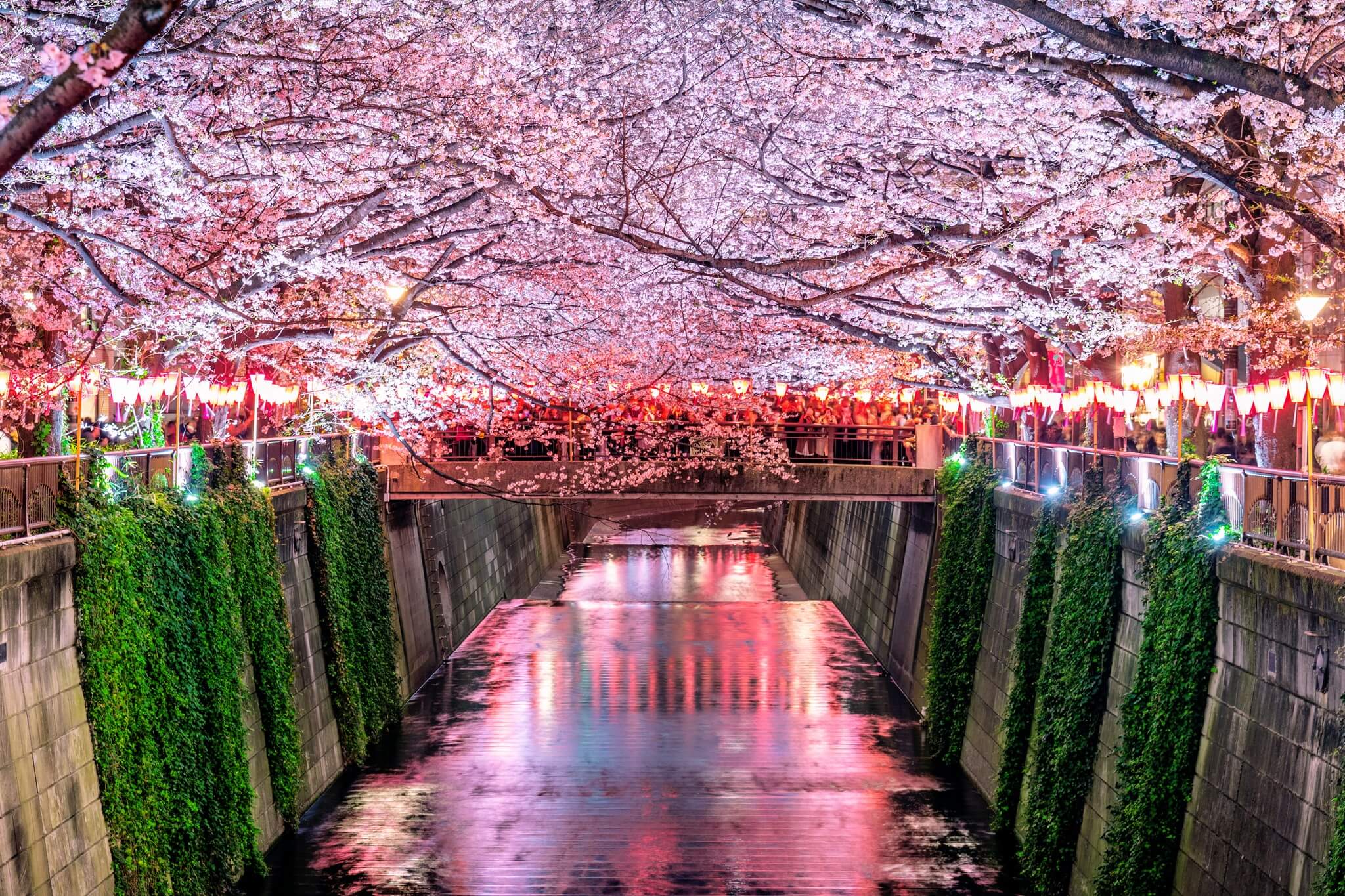
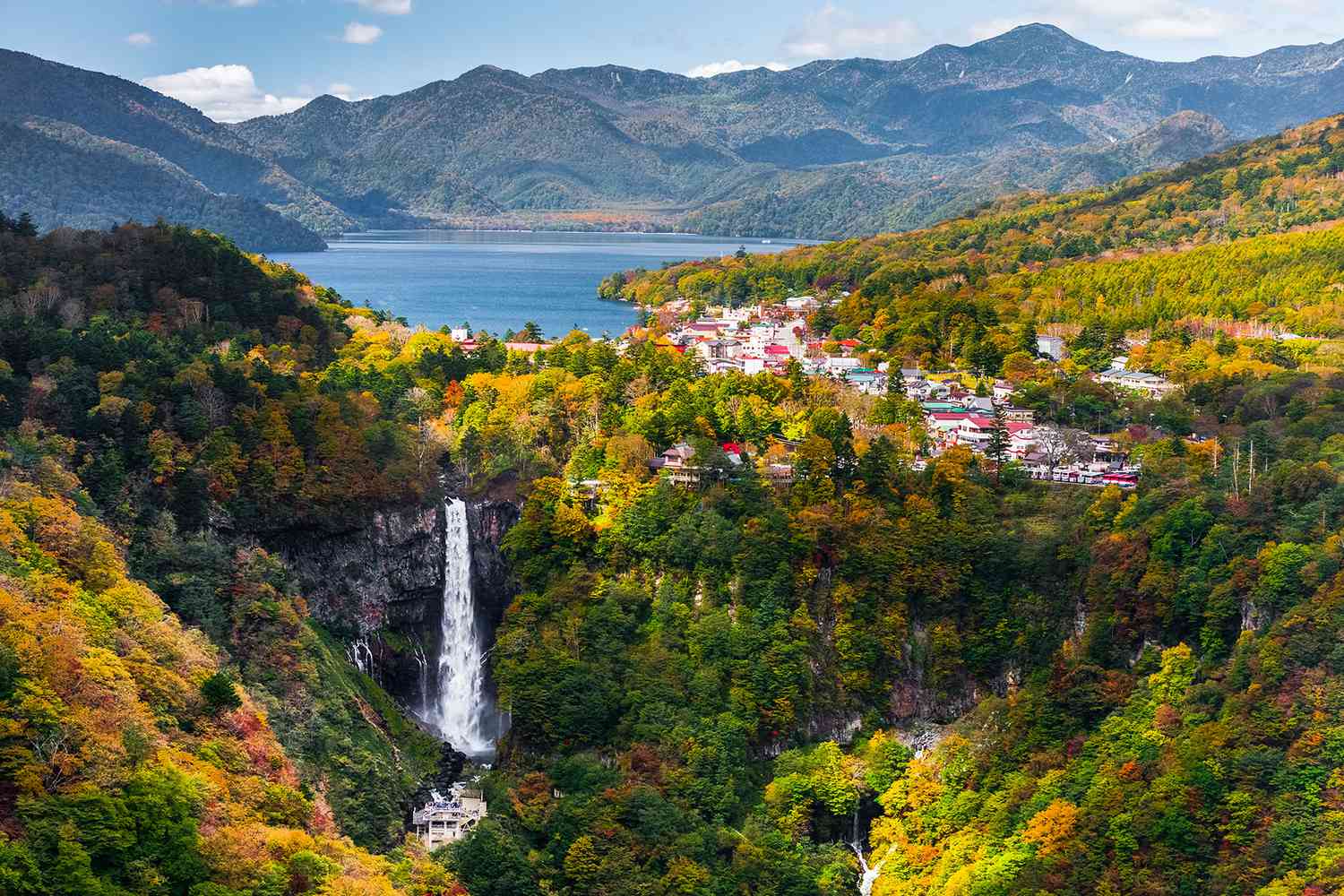
⚡ The TL;DR Verdict
Choose Tokyo if you crave endless urban exploration, world-class dining, and a vibrant nightlife scene, with a daily budget around ¥10,000-¥25,000 ($70-$170 USD). Opt for Nikko for an immersive dive into Japan's spiritual heritage, breathtaking nature, and a slower pace, easily doable on a ¥8,000-¥18,000 ($55-$120 USD) daily budget.
- Choose Tokyo: Perfect for first-timers, city lovers, foodies, and those seeking convenience, modernity, and a vast array of entertainment options. Ideal for longer stays.
- Choose Nikko: Best for culture enthusiasts, nature lovers, photographers, and those looking for a serene escape from the city hustle. Great as a 1-2 day trip.
- Choose Both: Absolutely do both! Dedicate 4-7 days to Tokyo, then take 1-2 full days (or an overnight) for Nikko. They offer a perfect contrast and complement each other beautifully, showcasing Japan's diverse appeal.
Quick Comparison
| Category | Tokyo | Nikko | Winner |
|---|---|---|---|
| Culture & History | Modern pop culture, diverse museums, historical sites like Imperial Palace, Meiji Jingu Shrine. | UNESCO World Heritage shrines and temples, deep spiritual significance, ancient traditions. | Nikko |
| Food Scene | Global culinary capital, Michelin stars, diverse street food, izakayas, endless variety. | Local specialties like yuba (tofu skin), traditional ryokan meals, mountain produce. | Tokyo |
| Nature & Scenery | Manicured gardens, city parks (Shinjuku Gyoen, Ueno Park), views from skyscrapers. | Breathtaking mountains, waterfalls (Kegon, Ryuzu), serene lakes (Chuzenji), autumn foliage, hot springs. | Nikko |
| Nightlife | Neon-lit districts, themed bars, karaoke, clubs, izakayas, diverse entertainment. | Quiet evenings, traditional ryokan experiences, stargazing. | Tokyo |
| Costs | Higher overall costs for accommodation, food, and transport, but wide range of budget options. | Generally more affordable, especially for traditional experiences; fewer high-end options. | Nikko |
| Getting There | Direct flights to Narita/Haneda, extensive local train/metro networks. | Train from Tokyo (Tobu or JR), usually 2-2.5 hours. | Tie |
| Getting Around | Extensive, efficient, and complex train/metro network; walking is key. | Compact town center walkable, bus network for shrines/Okunikko, rental cars for flexibility. | Tokyo |
| Accommodation | Vast range: capsule hotels, business hotels, luxury, hostels, unique themed stays. | Traditional ryokans, guesthouses, smaller hotels, onsen resorts. | Tokyo |
| Shopping | Fashion, electronics, anime, luxury brands, souvenirs, department stores, unique boutiques. | Local crafts, traditional souvenirs, regional food products, small artisan shops. | Tokyo |
| Solo Travel | Easy navigation, endless activities, safe, diverse food options for one, many social opportunities. | Safe, serene, great for quiet contemplation, but fewer social opportunities or solo dining options after dark. | Tokyo |
⛩️ Culture & History
While Tokyo boasts incredible historical pockets like the Imperial Palace East Garden and Meiji Jingu Shrine, plus an endless array of modern museums (e.g., Tokyo National Museum, Ghibli Museum), its historical sites often feel like islands in a sea of modernity. Nikko, however, is a living, breathing historical masterpiece. The Toshogu Shrine complex, Futarasan-jinja Shrine, and Taiyuinbyo Mausoleum are UNESCO World Heritage sites that demand respect and offer an unparalleled journey into Japan's spiritual past. The intricate carvings, vibrant colors, and centuries of tradition here are palpable. Walking through these grounds, especially early in the morning, feels like stepping back in time, a stark contrast to Tokyo's bustling, contemporary vibe. You can easily spend an entire day just exploring the shrines, imagining the Shoguns who once walked these paths. Entry to Toshogu is around ¥1,300 ($9 USD). "Honestly, walking through Toshogu felt more impactful than anything I saw history-wise in Tokyo, the atmosphere is just different."
Winner takeaway
- Winner: Nikko
- Why: Nikko offers a more concentrated and immersive experience into Japan's ancient spiritual and historical heritage.
- Who this matters for: History buffs, spiritual seekers, and those who appreciate architectural grandeur.
🍣 Food Scene
Tokyo is a culinary universe, hands down. From budget-friendly ramen joints like Ichiran (¥900-¥1200 / $6-8 USD) to world-renowned sushi at Sukiyabashi Jiro (reservations impossible, ¥40,000+ / $270+ USD) or amazing, more accessible spots like Sushi Dai in Tsukiji (¥4,000-¥6,000 / $27-40 USD), the options are limitless. You can find everything from exquisite kaiseki to quirky themed cafes, vibrant izakayas in Shinjuku, and amazing street food in Shibuya. Nikko's food scene, while delightful, is much more focused on local specialties. Yuba (tofu skin) is king here, served in various forms from fresh sashimi-style to fried dishes, and you'll find it in many restaurants and even as snacks. Try Nikko Yuba Maki Zen at Fudanraku (around ¥2,000 / $14 USD). Manju (sweet buns) are also popular. While charming and authentic, it can't compete with the sheer diversity and innovation of Tokyo's gastronomic landscape. "Tokyo's food just hits different, I ate everything from insane ramen to fancy sushi, Nikko was good but more limited."
Winner takeaway
- Winner: Tokyo
- Why: Tokyo's culinary diversity, innovation, and sheer volume of options make it an undisputed global food capital.
- Who this matters for: Foodies, adventurous eaters, and anyone looking for endless dining choices at every price point.
🏞️ Nature & Scenery
Tokyo offers lovely urban escapes like Shinjuku Gyoen National Garden (¥500 / $3.50 USD entry), the Imperial Palace East Garden, and panoramic city views from the Tokyo Skytree (¥2,100 / $14 USD) or Tokyo Metropolitan Government Building (free). But for raw, untamed, and truly stunning natural beauty, Nikko is unparalleled. The region is famous for its dramatic waterfalls, most notably Kegon Falls, one of Japan's three most beautiful, with a ¥600 ($4 USD) elevator ride for prime viewing. Lake Chuzenji, a serene caldera lake, offers boat cruises and scenic walks. The surrounding Okunikko area is a hiker's paradise, especially vibrant with autumn foliage (mid-October to early November) when the mountains explode in reds and golds. Hot springs (onsen) are also abundant, offering a relaxing soak after a day of exploration. It's a true escape into mountainous tranquility. "The autumn colors around Kegon Falls and Lake Chuzenji were absolutely mind-blowing, Tokyo's parks are nice but it's not the same."
Winner takeaway
- Winner: Nikko
- Why: Nikko's stunning natural landscapes, including waterfalls, lakes, and vibrant autumn foliage, far surpass Tokyo's urban greenery.
- Who this matters for: Nature lovers, photographers, hikers, and those seeking peace and quiet amidst beautiful scenery.
🌃 Nightlife
Tokyo's nightlife is legendary and never sleeps. From the glittering skyscrapers of Shinjuku's Golden Gai with its tiny, themed bars (drinks usually ¥800-¥1500 / $5-10 USD each) to the bustling clubs of Shibuya and Roppongi (entry ¥2,000-¥4,000 / $14-27 USD), there's something for every taste. Karaoke parlors are ubiquitous (starting from ¥500 / $3.50 USD per hour per person), and countless izakayas offer a lively atmosphere for late-night dining and drinking. Even just wandering through areas like Dotonbori in Shibuya or Kabukicho in Shinjuku offers an unforgettable sensory overload. Nikko, in stark contrast, is exceptionally quiet after dark. Most restaurants close early, and while some ryokans might offer evening entertainment or a nice bar, the town itself rolls up its sidewalks. Your evenings in Nikko will likely involve a traditional multi-course dinner at your accommodation, a relaxing onsen bath, and perhaps some stargazing. "Tokyo's nightlife is just insane, you can literally do anything all night, Nikko was totally dead after 7pm, which was fine but not for partying."
Winner takeaway
- Winner: Tokyo
- Why: Tokyo offers an unparalleled diversity and vibrancy of nightlife, from quiet bars to thumping clubs and unique entertainment.
- Who this matters for: Party-goers, social butterflies, and anyone looking for late-night entertainment and excitement.
💰 Costs
Tokyo is one of the world's most expensive cities, but it also offers incredible value at every budget. Accommodation can range from ¥3,000 ($20 USD) for a capsule hotel to ¥10,000+ ($70+ USD) for a business hotel, or ¥30,000+ ($200+ USD) for luxury. Food can be cheap (convenience store meals for ¥500 / $3.50 USD) or exorbitant. Local train travel is efficient but adds up (¥150-¥300 / $1-2 USD per ride). Nikko, by comparison, feels more accessible. Accommodation, especially guesthouses or smaller ryokans, can be found for ¥5,000-¥12,000 ($35-80 USD) per night. Meals, particularly local yuba dishes or soba, are typically ¥800-¥2,000 ($5.50-14 USD). The main costs are the Tobu Nikko Pass (¥2,120-¥4,780 / $14-32 USD depending on type) and entry fees to shrines (Toshogu ¥1,300). While transport from Tokyo adds to the overall trip cost, daily spending within Nikko itself is generally lower. "My hostel in Nikko was like half the price of a similar one in Tokyo, and food felt cheaper too, definitely good for saving yen."
Winner takeaway
- Winner: Nikko
- Why: Nikko generally offers more affordable daily spending on accommodation, food, and local activities compared to Tokyo.
- Who this matters for: Budget travelers, those looking to stretch their yen further, and visitors valuing traditional experiences over luxury.
🚅 Getting There
Getting to Tokyo is incredibly easy with two major international airports, Narita (NRT) and Haneda (HND), both well-connected to the city center by train (Narita Express, Keisei Skyliner, Limousine Bus taking 60-90 minutes, ¥3,000-¥4,000 / $20-27 USD) or local lines. Once in Tokyo, the city's vast and efficient train and metro system is unparalleled. Getting to Nikko involves a pleasant train journey from Tokyo. The most popular and often cheapest option is the Tobu Railway from Asakusa Station, taking about 2 hours on the Limited Express Spacia (around ¥3,000 / $20 USD one-way, or covered by various Tobu passes). Alternatively, you can take a JR Shinkansen to Utsunomiya (¥4,500 / $30 USD, 50 min) and then transfer to the JR Nikko Line (¥770 / $5 USD, 45 min), which is covered by the JR Pass. Both routes are straightforward and scenic. Tokyo wins for initial international arrival and within-city travel, but Nikko is easily accessible from Tokyo, making it a tie in terms of overall travel convenience when considering it as a side trip. "The Tobu Limited Express was super comfy and fast, felt way easier than trying to navigate the Tokyo metro with all my luggage."
Winner takeaway
- Winner: Tie
- Why: While Tokyo is the international entry point, Nikko is highly accessible from Tokyo via efficient train lines, offering different but equally convenient options.
- Who this matters for: All travelers; ease of access is important for everyone, whether arriving internationally or planning a day trip.
🚇 Getting Around
Tokyo's public transport system is a marvel of efficiency and punctuality. The JR Yamanote Line, multiple metro lines (Tokyo Metro, Toei Subway), and private railways connect every corner of the vast city. While initially daunting, navigating with Google Maps or Japan Transit Planner is seamless. A Suica/Pasmo card makes tapping on and off a breeze. Walking is also essential to explore neighborhoods. Nikko's main attractions (the shrine/temple complex) are a pleasant 20-30 minute walk from Tobu/JR Nikko Station, or a short bus ride (around ¥300 / $2 USD). To explore the wider Okunikko area (Lake Chuzenji, Kegon Falls, hot springs), the local bus network is essential, with unlimited passes available (e.g., ¥2,000 / $14 USD for a 2-day pass). While sufficient, these buses can be less frequent, especially off-peak or in winter. A rental car offers more flexibility in Nikko but isn't necessary for the main sights. Tokyo wins for its sheer scale, speed, and connectivity. "Tokyo's trains are insane, you can get anywhere in minutes, Nikko's buses are fine but you're definitely waiting around more."
Winner takeaway
- Winner: Tokyo
- Why: Tokyo's hyper-efficient, extensive, and punctual public transportation network provides unmatched convenience and speed for getting around.
- Who this matters for: Urban explorers, those without a car, and travelers who value speed and efficiency in covering long distances within a city.
🏨 Accommodation
Tokyo's accommodation options are incredibly diverse, catering to every budget and style. You can experience a futuristic capsule hotel (around ¥3,000-¥6,000 / $20-40 USD), stay in a clean, efficient business hotel like a Toyoko Inn (¥7,000-¥12,000 / $48-80 USD), splurge on a luxury hotel in Shinjuku or Ginza (¥25,000+ / $170+ USD), or find a cozy hostel in Asakusa. Unique stays like love hotels or themed rooms also exist. Nikko, on the other hand, specializes in traditional experiences. Ryokans (traditional Japanese inns) are the highlight, often featuring futon beds, tatami rooms, and multi-course kaiseki dinners (can be ¥15,000-¥30,000+ / $100-200+ USD per person, including meals). There are also charming guesthouses and smaller, more rustic hotels. While Nikko offers an authentic experience, Tokyo's sheer variety, from budget to luxury and modern to quirky, gives it the edge for overall choice and availability. "I loved my ryokan in Nikko, it was super unique, but for variety and ease of finding something last minute, Tokyo wins every time."
Winner takeaway
- Winner: Tokyo
- Why: Tokyo offers an unparalleled range of accommodation types, from budget-friendly capsules to luxury hotels, catering to every traveler's needs and preferences.
- Who this matters for: All travelers, especially those seeking variety, specific hotel types, or options across different price points.
🛍️ Shopping
Tokyo is a global shopping mecca. From the high-fashion luxury boutiques of Ginza to the quirky anime and electronics stores of Akihabara, the trendy streetwear of Harajuku, and the sprawling department stores like Isetan and Takashimaya, you can find absolutely anything here. Shibuya 109 is a mecca for youth fashion, while Kappabashi Street offers kitchenware. Even for souvenirs, you'll find more variety, from intricate crafts to bizarre gadgets. Nikko's shopping scene is much more subdued and focused on traditional souvenirs and local products. You'll find shops selling yuba-based snacks, local sake, wooden carvings (like the famous 'Hear No Evil, Speak No Evil, See No Evil' monkeys), and artisanal crafts near the shrine complex or along the main street. While charming for specific local items, it doesn't compare to the endless consumer paradise that is Tokyo. "I blew half my budget in Tokyo on clothes and electronics, Nikko was more about picking up a few small traditional things for gifts, nothing major."
Winner takeaway
- Winner: Tokyo
- Why: Tokyo offers an unmatched diversity and scale of shopping experiences, catering to every interest and budget, from luxury to quirky souvenirs.
- Who this matters for: Shopaholics, fashion enthusiasts, tech geeks, and anyone looking for a wide variety of goods.
🚶♀️ Solo Travel
Both Tokyo and Nikko are incredibly safe for solo travelers, but Tokyo offers a far richer and more convenient experience. In Tokyo, you can easily find single-person seating at ramen shops (like Ichiran with its solo booths), countless izakayas, and cafes. The public transport system is so efficient that getting around alone is effortless. There are endless activities to fill your days and nights, from exploring museums to going out to bars, attending concerts, or joining walking tours, providing ample opportunities for social interaction if desired. Many hostels and guesthouses also cater specifically to solo travelers. Nikko is peaceful and safe, perfect for quiet contemplation among the shrines and nature. However, after tourist hours, it becomes very quiet. Solo dining options are limited, and social opportunities are scarce beyond your accommodation. While a fantastic escape, it might feel a bit isolated for a longer solo stay compared to the constant buzz and variety of Tokyo. "As a solo female traveler, Tokyo felt totally safe and I never ran out of things to do or places to eat alone without feeling weird. Nikko was beautiful but definitely quieter at night."
Winner takeaway
- Winner: Tokyo
- Why: Tokyo provides an unmatched blend of safety, endless activities, convenient solo dining, and social opportunities for individual explorers.
- Who this matters for: Solo travelers seeking independence, diverse experiences, and opportunities for social interaction.
❓ Frequently Asked Questions
Is Nikko worth a day trip from Tokyo?
Absolutely, yes! Nikko is one of the most rewarding day trips from Tokyo, offering a stunning contrast of ancient spiritual sites and breathtaking natural beauty. While an overnight stay allows for a more relaxed pace and appreciation, a well-planned day trip (starting early!) is definitely feasible and highly recommended.
How many days should I spend in Tokyo vs. Nikko?
For Tokyo, aim for at least 4-5 full days to scratch the surface, with 7+ days ideal for deeper exploration. For Nikko, a single full day is sufficient for the main shrine/temple area and one natural highlight like Kegon Falls. For a more relaxed trip including Okunikko, consider 1-2 nights.
What's the best time of year to visit Tokyo and Nikko?
Spring (March-May) for cherry blossoms in Tokyo and pleasant weather in Nikko, or Autumn (October-November) for stunning fall foliage in Nikko and comfortable temperatures in Tokyo. Summer is hot and humid, while winter can be cold, especially in Nikko, but offers fewer crowds.
Do I need a JR Pass for Nikko?
A JR Pass covers the Shinkansen to Utsunomiya and the JR Nikko Line. However, if Nikko is your only long-distance trip, a JR Pass might not pay off. The Tobu Nikko Passes (like the All Nikko Pass) often offer better value for visitors solely focused on Nikko from Tokyo, covering train fare and local buses.
Is English widely spoken in Tokyo and Nikko?
In Tokyo, especially in tourist areas, major train stations, and hotels, English is increasingly common. In Nikko, you'll find English support at tourist information centers, major shrines, and some hotels/ryokans, but less so in local shops and restaurants. Having a translation app is always helpful.
What are the main differences in atmosphere between Tokyo and Nikko?
Tokyo is a bustling, high-energy metropolis with a blend of ultra-modern and traditional elements. It's vibrant, fast-paced, and constantly evolving. Nikko, conversely, is serene, historic, and deeply spiritual, offering a tranquil escape into nature and ancient traditions, moving at a much slower, contemplative pace.
Can I see Mount Fuji from Tokyo or Nikko?
You can occasionally see Mount Fuji from certain viewpoints in Tokyo on very clear days, such as from the Tokyo Skytree or Tokyo Metropolitan Government Building. Nikko is too far north and surrounded by mountains, so Mount Fuji is not visible from there.
Are there good hiking opportunities in Nikko?
Yes, Nikko is fantastic for hiking! The Okunikko region offers numerous trails around Lake Chuzenji, Senjogahara Marshland, and into the mountains, ranging from easy boardwalk strolls to more challenging treks. It's particularly popular during the autumn foliage season.
Ready to plan your Japan trip?
Get a free custom itinerary for Tokyo, Nikko, or both — built from real traveler insights.
🎟️ Book Tours & Experiences
Hand-picked tours and activities for both destinations — book with free cancellation
Experiences via Viator — free cancellation on most tours