How we built this comparison
This page combines traveler discussion patterns, published price ranges, flight schedules, and seasonal data to help you decide between Tokyo and Paris.
- Reviewed 50+ Reddit threads from r/travel, r/solotravel, r/TokyoTravel, r/ParisTravelGuide, r/japantravel for authentic traveler sentiment and advice.
- Verified costs and logistics against current booking platforms (e.g., Google Flights, Booking.com, local transit websites) in late 2023 / early 2024.
- Cross-referenced seasonal patterns, weather data, and major event calendars to provide optimal travel times and expectations.
⚡ The TL;DR Verdict
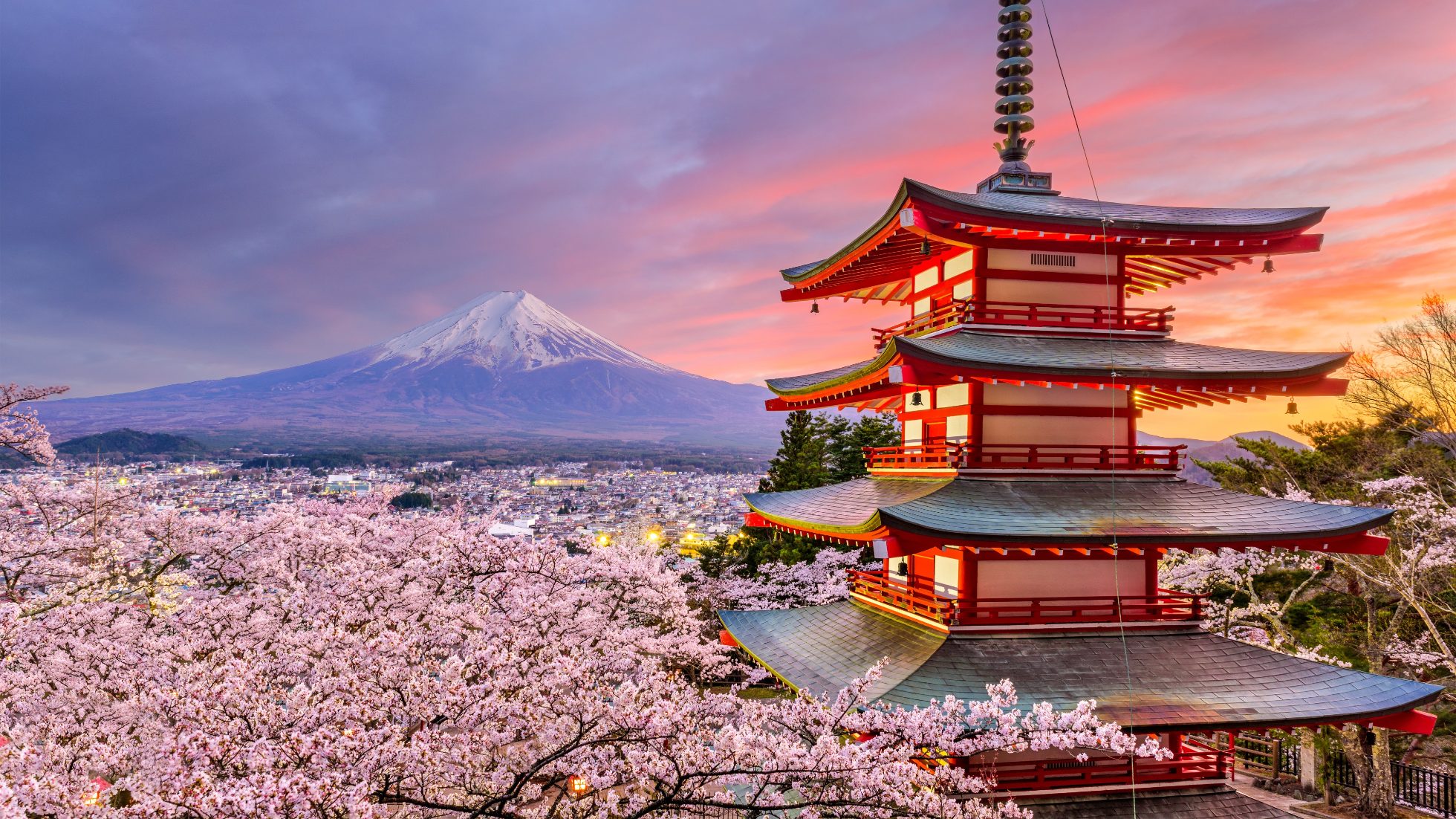
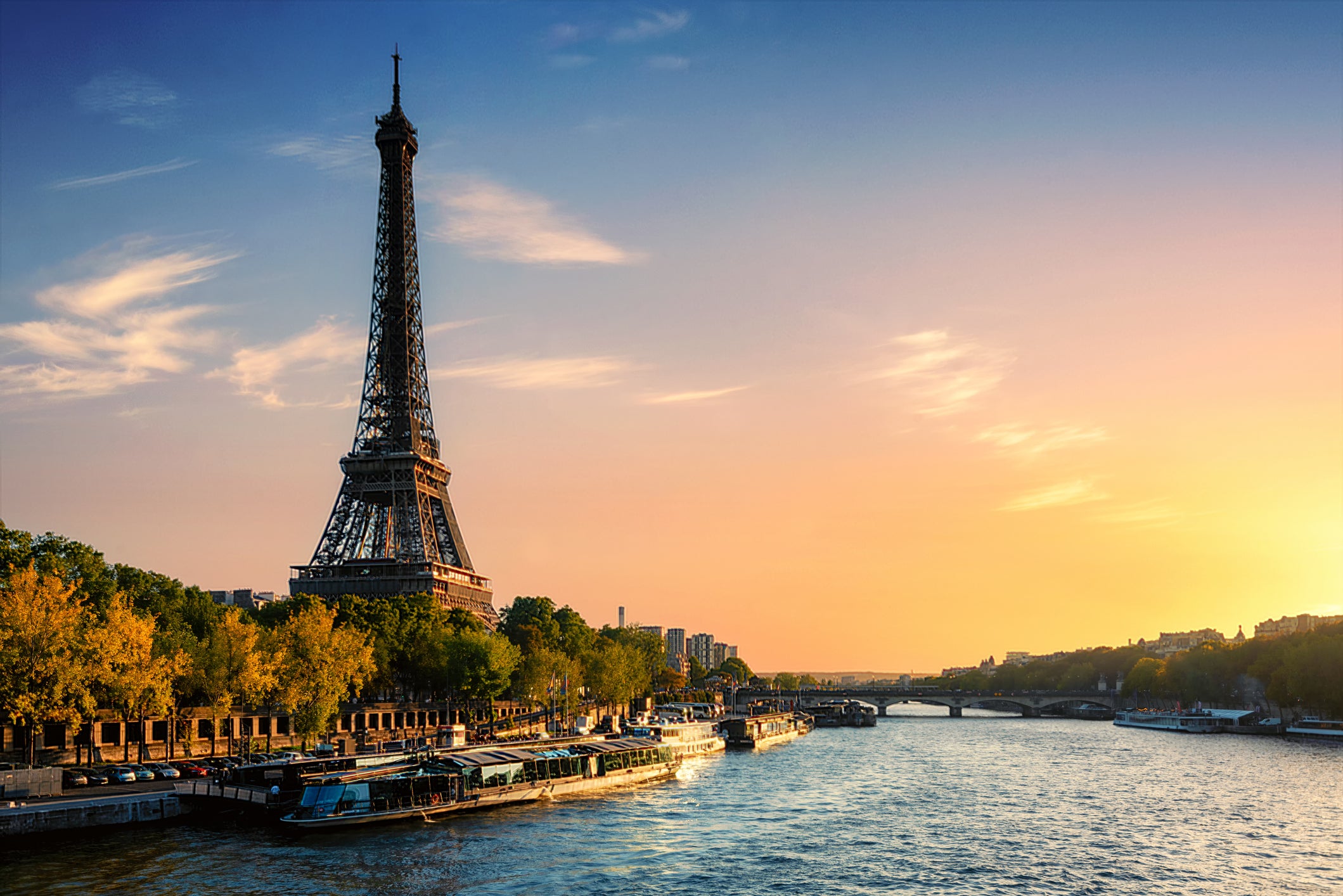
For those craving cutting-edge culture, unparalleled efficiency, and a truly alien yet welcoming experience, Tokyo is your pick, budget around $150-$250 USD daily. If romantic aesthetics, historical depth, and a vibrant arts scene are your priority, Paris beckons, expect to spend $180-$300 USD daily.
- Choose Tokyo: You're a solo traveler, value safety and efficiency, love unique food adventures, and thrive in a futuristic-yet-traditional urban landscape.
- Choose Paris: You're seeking romance, world-class art and history, café culture, and enjoy a more relaxed pace for exploring iconic landmarks.
- Choose Both: If you have 2+ weeks and a generous budget, definitely experience both! Start with a week in Tokyo for sensory overload, then unwind with a week in Paris for classical beauty.
Quick Comparison
| Category | Tokyo | Paris | Winner |
|---|---|---|---|
| Culture & History | Ancient temples next to skyscrapers, anime, unique traditions, pop culture, deeply polite society. | Iconic art, grand architecture, revolutionary history, café culture, romantic atmosphere. | Paris |
| Food & Dining | Unparalleled variety, Michelin stars, street food, themed cafes, sushi, ramen, tempura, omakase. | Classic French cuisine, pastries, cheese, wine, fine dining, charming bistros, café culture. | Tokyo |
| Costs & Budget | Flights are expensive, but local transport, food, and mid-range accommodation are reasonable. No tipping. | Flights can be cheaper, but accommodation, dining, and attractions are generally higher. Tipping expected. | Tokyo |
| Getting There | Long-haul flights (12-16+ hours) from North America/Europe, potential jet lag, well-connected airports. | Shorter flights (7-8 hours) from North America, excellent European connections, major global hub. | Paris |
| Getting Around | World-class, efficient, punctual public transport; metro and JR lines cover everything. Walking is key. | Extensive metro system, walkable city center, occasional strikes or delays, ride-sharing available. | Tokyo |
| Accommodation | Efficient, compact, clean hotels; unique options like capsule hotels and ryokans; excellent service. | Charming boutique hotels, classic Haussmannian apartments, smaller rooms by European standards, higher prices. | Tokyo |
| Safety & Security | Extremely safe, low crime rates, safe for solo travelers (especially women), lost items often returned. | Generally safe in tourist areas, but pickpocketing is common, especially around major attractions and on metro. | Tokyo |
| Nightlife & Entertainment | Neon-lit districts, karaoke, themed bars, izakayas, late-night dining, unique club scene, live music. | Chic cocktail bars, classic pubs, cabaret shows, vibrant club scene, jazz clubs, late-night cafes. | Tokyo |
| Day Trips | Iconic Mt. Fuji views, Hakone's hot springs, Kamakura's temples, Nikko's shrines, easily accessible via Shinkansen. | Versailles Palace, Giverny (Monet's Garden), Champagne region, Mont Saint-Michel (longer day), easily accessible by train. | Tie |
| Shopping | Electronics, fashion (Harajuku, Ginza), unique souvenirs, anime/manga, traditional crafts, department stores. | High fashion (designer brands), luxury goods, antique markets, art, specialty foods, charming boutiques. | Tokyo |
🏛️ Culture & History
Tokyo's culture is a fascinating blend of ancient traditions and hyper-modern innovation. You can visit the historic Senso-ji Temple in Asakusa in the morning and then dive into the neon-lit chaos of Shibuya or the anime haven of Akihabara by afternoon. The history, while deep, often feels less 'preserved' in plain sight compared to Europe, as much of Tokyo was rebuilt after WWII. For example, a visit to the Edo-Tokyo Museum gives context, but the city itself is more about experiencing a living, evolving culture. "Tokyo's history is there, but you gotta dig for it sometimes; Paris just slaps you with it." Paris, on the other hand, is a living museum. From the Louvre's priceless collections and the grandeur of Notre Dame to the historical weight of the Latin Quarter, history is literally built into every street. Its influence on Western art, philosophy, and fashion is undeniable, making it an essential pilgrimage for anyone interested in global cultural heritage. The sheer density of world-renowned sites within walking distance is astounding, offering an immersive historical journey without even trying too hard. A typical entry to the Louvre is around €17 ($18.50), while many smaller Parisian museums are free or affordable, making culture highly accessible.
Winner takeaway
- Winner: Paris
- Why: Paris offers a more immediate, pervasive, and globally influential historical and artistic cultural experience.
- Who this matters for: Art lovers, history buffs, and those seeking iconic European cultural immersion.
🍣 Food & Dining
Tokyo is a culinary wonderland, boasting more Michelin stars than any other city and an incredible range of dining experiences for every budget. From exquisite omakase sushi at Sukiyabashi Jiro (if you can get a reservation, expect ¥40,000+ / $270+) to delicious street food in Ueno's Ameya-Yokochō market for under ¥1,000 ($7), the quality and variety are astonishing. Ramen joints like Ichiran offer a unique solo dining experience, and convenience stores like 7-Eleven or FamilyMart are food paradises. "Honestly, you can't have a bad meal in Tokyo, even from a 7-Eleven." Paris certainly has its culinary charms, with world-famous patisseries like Pierre Hermé, traditional bistros serving coq au vin or steak frites (expect €20-€40 / $22-$44 for a main course), and a strong café culture perfect for people-watching with a croissant and coffee. However, for sheer diversity, innovation, and consistent excellence across all price points, Tokyo slightly edges it out. The adventurous eater will find endless discovery in Tokyo, while Paris excels in its beloved, traditional French offerings. You can find incredible value in Tokyo even at high-end places if you opt for lunch sets.
Winner takeaway
- Winner: Tokyo
- Why: Tokyo offers an unmatched diversity, innovation, and consistent high quality across all price points, from street food to Michelin-starred dining.
- Who this matters for: Foodies, adventurous eaters, and those seeking exceptional culinary experiences on any budget.
💰 Costs & Budget
When comparing overall travel expenses, Tokyo often surprises visitors with its relative affordability once you land. While round-trip flights from North America can be steep (e.g., $900-$1500+ from NYC), local transportation on the metro or JR lines is efficient and reasonably priced (daily pass ~¥800 / $5.50). Excellent meals can be found for ¥1,500-¥3,000 ($10-$20) and tipping is not customary. Mid-range hotels typically run ¥15,000-¥25,000 ($100-$170) per night. "I spent way less on food in Tokyo than I expected, even eating well every day." Paris, while potentially having slightly cheaper flights from North America ($600-$1000+ from NYC), can quickly add up. A single metro ticket is €2.15 ($2.30), and a decent meal in a bistro is often €20-€40 ($22-$44), plus a 10-15% tip is appreciated. Accommodation in a central, mid-range hotel can easily be €120-€200 ($130-$220) per night. Attractions like the Eiffel Tower (€29.40 / $32) or Louvre (€17 / $18.50) also add to the daily spend. Tokyo, despite its distance, often allows for a more extended trip for the same overall budget if you manage flights well.
Winner takeaway
- Winner: Tokyo
- Why: Tokyo generally offers better value for money on daily expenses like food, local transport, and accommodation, especially with no tipping culture.
- Who this matters for: Budget-conscious travelers, backpackers, and those wanting to maximize their daily spending power.
✈️ Getting There
Getting to Tokyo from most Western countries is a significant journey. Flights from major North American hubs like LAX or NYC typically range from 11-16 hours direct, often with a significant time difference leading to jet lag. Round-trip economy tickets usually cost $900-$1500+, depending on the season and booking time. Narita (NRT) and Haneda (HND) airports are both highly efficient and well-connected to the city center via express trains (e.g., Narita Express to Tokyo Station: ~¥3,070 / $21). "That flight to Tokyo felt like it took forever, but the airport transfer was super smooth." Paris, on the other hand, is a much more accessible destination for North American travelers, with direct flights from the East Coast taking as little as 7-8 hours. Prices typically range from $600-$1000+ for economy round-trip. From within Europe, it's easily reachable by short flights or high-speed rail. Charles de Gaulle (CDG) and Orly (ORY) airports are also well-connected to the city via RER trains or buses (RER B from CDG to central Paris: ~€11.80 / $12.80). The shorter flight time and smaller time difference make Paris a less arduous journey for many.
Winner takeaway
- Winner: Paris
- Why: Paris is significantly closer and involves shorter flight times for most Western travelers, making the journey less taxing.
- Who this matters for: Travelers with limited time off, those prone to severe jet lag, and visitors from North America or Europe.
🚇 Getting Around
Tokyo's public transportation system is a marvel of efficiency, punctuality, and cleanliness. The Tokyo Metro and JR lines crisscross the entire city, taking you literally everywhere you need to go. With a Suica or Pasmo IC card, navigating is incredibly easy – just tap and go. Trains run like clockwork, often down to the second, and are surprisingly quiet. English signage is prevalent, and staff are incredibly helpful. A 24-hour Tokyo Metro pass costs ¥800 ($5.50), offering excellent value. "Seriously, Tokyo's metro is like a dream. Never late, always clean, and you can get anywhere." Paris also boasts an extensive metro system, which is generally efficient for getting around the city. However, it can be older, sometimes less clean, and prone to strikes or delays, particularly during peak tourist season. While largely walkable, especially within arrondissements, long distances often require the metro or a bus. A single T+ ticket costs €2.15 ($2.30), or a pack of 10 for €17.35 ($18.50). Navigating Paris also feels a bit more intuitive for first-timers compared to Tokyo's sprawling network, but the sheer reliability and ease of use in Tokyo are unparalleled.
Winner takeaway
- Winner: Tokyo
- Why: Tokyo's public transportation is unmatched in efficiency, punctuality, and cleanliness, making getting around seamless and stress-free.
- Who this matters for: Travelers who rely heavily on public transport, those who value efficiency, and anyone wanting to avoid traffic and taxi costs.
🏨 Accommodation
Tokyo offers a diverse range of accommodation, from surprisingly spacious mid-range hotels to unique experiences like capsule hotels (e.g., Nine Hours Shinjuku, ¥4,000-¥7,000 / $27-$48 per night) and traditional ryokans. Even standard business hotels like APA or Dormy Inn provide incredibly clean, functional, and well-equipped rooms, often with excellent amenities like public baths. Expect to pay ¥15,000-¥25,000 ($100-$170) for a comfortable 3-4 star hotel room. The service is consistently exceptional. "The hotel rooms in Tokyo might be small, but they use every inch so smart, and everything is spotless." Paris accommodation is charming but often comes with a higher price tag for smaller spaces, especially in desirable central arrondissements. Boutique hotels in areas like Le Marais or Saint-Germain-des-Prés offer character but might cost €120-€200 ($130-$220) per night for a standard room. Airbnbs are popular but can be hit-or-miss in terms of quality and legality. While Parisian hotels offer a certain romantic allure, Tokyo generally provides better value for money, more modern amenities, and consistently high standards of cleanliness and service.
Winner takeaway
- Winner: Tokyo
- Why: Tokyo offers superior value, consistent cleanliness, and excellent service across a wider range of accommodation types.
- Who this matters for: Budget-conscious travelers, those who prioritize modern amenities and efficiency, and solo travelers.
🔒 Safety & Security
Tokyo consistently ranks as one of the safest major cities in the world. Crime rates are remarkably low, and travelers, including solo female travelers, often feel completely at ease exploring at any time of day or night. It's common to see people leave phones or bags unattended at cafes, and lost items are frequently returned to their owners. "I literally saw someone leave their wallet on a bench in Shinjuku, and it was still there hours later. Unheard of anywhere else." This sense of security significantly enhances the travel experience, allowing visitors to relax and immerse themselves fully. Paris is generally safe, especially in well-lit, tourist-heavy areas. However, it has a well-known issue with petty crime, particularly pickpocketing. Areas around the Eiffel Tower, Louvre, Montmartre, and on crowded metro lines are notorious hotspots. Travelers are constantly advised to be vigilant, secure their belongings, and be wary of common scams. While violent crime is rare, the constant need for awareness can detract from the relaxed enjoyment of the city. For peace of mind, Tokyo is the clear winner.
Winner takeaway
- Winner: Tokyo
- Why: Tokyo offers an unparalleled level of safety and security, allowing travelers to explore freely without constant worry.
- Who this matters for: Solo travelers, families, and anyone who prioritizes a worry-free travel experience.
🌃 Nightlife & Entertainment
Tokyo's nightlife is an electrifying, multi-faceted experience. Shinjuku's Kabukicho, with its neon lights, host bars, and Golden Gai's tiny, atmospheric pubs, offers a glimpse into a unique side of Japanese culture. Shibuya's famous scramble crossing lights up the night, leading to countless clubs, karaoke boxes (like Big Echo or Karaoke Kan, often ¥1,500-¥3,000 / $10-$20 per hour per person), and izakayas where you can enjoy small plates and drinks until late. "Tokyo at night is like another world, especially Golden Gai, it's tiny but so much fun." From futuristic clubs in Roppongi to cozy jazz bars, there's something for every taste, often with an emphasis on unique themes and experiences. Paris offers a sophisticated and varied nightlife, from chic cocktail bars in Le Marais to classic French pubs and world-renowned cabaret shows like the Moulin Rouge (tickets start around €100-€150 / $109-$163). Areas like Pigalle and Bastille buzz with clubs and live music venues. Jazz clubs, a strong part of Parisian history, are also popular. While Paris offers elegance and classic entertainment, Tokyo's sheer scale, diversity, and distinctly unique cultural offerings provide a more vibrant and adventurous nightlife experience for the curious traveler.
Winner takeaway
- Winner: Tokyo
- Why: Tokyo's nightlife is more diverse, unique, and offers a more exhilarating and culturally distinct experience.
- Who this matters for: Party-goers, adventurous socializers, and those seeking unique entertainment experiences.
🏞️ Day Trips
Both Tokyo and Paris offer an incredible array of accessible and rewarding day trips. From Tokyo, popular excursions include a journey to Hakone to witness stunning views of Mount Fuji, soak in an onsen (public bath access ~¥1,500-¥2,500 / $10-$17), and explore the open-air museum. Kamakura, with its Great Buddha and numerous temples, is a short train ride away. Nikko offers a UNESCO World Heritage site of elaborate shrines and temples. The efficiency of the Shinkansen (bullet train) makes even further destinations like Kyoto or Osaka plausible, though often better suited for an overnight stay. "Took the train to Hakone and it was perfect, saw Fuji-san, relaxed in an onsen, pure bliss." Paris offers equally compelling day trips. The opulent Palace of Versailles (entry ~€19.50 / $21.20) is an absolute must-do, easily reached by RER train. Monet's Garden in Giverny is a beautiful spring/summer escape. The Champagne region is a popular choice for wine enthusiasts, and even a longer day trip to the stunning Mont Saint-Michel is feasible by high-speed rail. Both cities are fantastic bases for exploring their respective regions, providing a perfect balance of urban adventure and serene escapes. The quality and diversity of day trips are so high that it's truly a tie based on personal preference for nature vs. history.
Winner takeaway
- Winner: Tie
- Why: Both cities provide an exceptional range of diverse and easily accessible day trips catering to various interests.
- Who this matters for: Travelers who enjoy exploring beyond the main city and experiencing regional highlights.
🛍️ Shopping
Tokyo is a shopper's paradise, catering to every conceivable interest and budget. From the glittering luxury boutiques of Ginza, where you'll find flagship stores for brands like Louis Vuitton and Chanel, to the youth fashion mecca of Harajuku (Takeshita Street is a must-see for quirky trends), the city's fashion scene is cutting-edge. Akihabara is the go-to for electronics, anime, and manga, with multi-story stores like Yodobashi Akiba. For unique souvenirs and traditional crafts, Nakamise-dori in Asakusa or department store basements (depachika) offer incredible selections. "I could spend all my money in Tokyo just on weird snacks and cool stationery, not even counting clothes." Paris is synonymous with luxury and high fashion. Avenue Montaigne, Rue Saint-Honoré, and Galeries Lafayette are pilgrimage sites for designer brands (e.g., Chanel, Hermès, Dior). You'll find exquisite antique markets like Les Puces de Saint-Ouen, charming independent boutiques in Le Marais, and specialty food shops for cheese, wine, and macarons. While Paris excels in classic luxury and refined taste, Tokyo offers a more diverse, dynamic, and often more innovative shopping experience, ranging from avant-garde fashion to quirky subcultures and futuristic tech, making it a more exciting destination for many shoppers.
Winner takeaway
- Winner: Tokyo
- Why: Tokyo offers a more diverse and exciting shopping experience, from unique subcultures to cutting-edge electronics and high fashion.
- Who this matters for: Trendsetters, tech enthusiasts, anime fans, and those seeking unique, diverse retail therapy.
❓ Frequently Asked Questions
Which city is better for first-time international travelers?
Tokyo, surprisingly! While the language barrier is more significant, Tokyo's incredible efficiency, clear signage, and extreme safety make it remarkably easy to navigate. Paris can sometimes feel more overwhelming with its pickpocketing concerns and less predictable public transport.
What about language barriers in Tokyo vs. Paris?
English is more widely spoken in tourist-heavy areas of Paris. In Tokyo, while major transit and tourist sites have English signs, basic Japanese phrases (hello, thank you) are incredibly helpful. Don't worry, many Japanese go out of their way to help despite language differences.
Which city is more romantic?
Paris, hands down. Its iconic architecture, charming cafes, Seine River cruises, and general atmosphere are globally recognized for romance. Tokyo has its own charm, but it's a different, more bustling kind of beauty rather than the classic romantic ideal.
Is one city better for families with children?
Tokyo wins for families. Its safety, cleanliness, incredible public transport, and numerous kid-friendly attractions like the Ghibli Museum (book far in advance!) or Disneyland Tokyo make it a fantastic choice. Paris can be enjoyed by families, but navigating with strollers on the metro and the constant vigilance against pickpockets can be more taxing.
Which city has better art museums?
Paris is the undisputed champion for world-class art museums. The Louvre, Musée d'Orsay, Centre Pompidou, and countless smaller galleries house masterpieces spanning centuries. Tokyo has excellent museums like the Tokyo National Museum, but Paris's collection and historical significance are unparalleled.
How many days do I need in each city?
For Tokyo, aim for at least 5-7 full days to experience its diverse neighborhoods and maybe one day trip. For Paris, 4-6 full days are sufficient to hit the major highlights and soak in the atmosphere, with an extra day or two for a Versailles trip.
What's the best time of year to visit Tokyo vs. Paris?
Spring (late March-April for cherry blossoms) and Autumn (October-November for fall foliage) are ideal for Tokyo. For Paris, Spring (April-June) and early Autumn (September-October) offer pleasant weather and fewer crowds than peak summer.
Which city is better for solo female travelers?
Tokyo is significantly better for solo female travelers due to its extremely low crime rate and safe public spaces, even late at night. While Paris is generally safe, the prevalence of pickpocketing and a different cultural dynamic means a higher degree of vigilance is required.
Ready to plan your unforgettable trip?
Get a free custom itinerary for Tokyo, Paris, or both — built from real traveler insights and personalized to your style.
🎟️ Book Tours & Experiences
Hand-picked tours and activities for both destinations — book with free cancellation
Experiences via Viator — free cancellation on most tours