How we built this comparison
This page combines traveler discussion patterns, published price ranges, flight schedules, and seasonal data to help you decide between Tokyo and Phuket.
- Reviewed 50+ Reddit threads from r/travel, r/solotravel, r/JapanTravel, r/ThailandTourism, and destination-specific subs for authentic traveler insights.
- Verified costs for flights, accommodation, food, and activities against current booking platforms (e.g., Google Flights, Booking.com, Kayak) and recent travel blogs.
- Cross-referenced seasonal weather patterns, visa requirements, and local transportation data to ensure accuracy and relevance for diverse travel styles.
⚡ The TL;DR Verdict
For a trip steeped in futuristic culture, impeccable service, and culinary exploration, Tokyo is your pick, budget around $150-250 USD/day. If laid-back island vibes, stunning beaches, and incredible value for money are your priorities, Phuket awaits, feasible on $60-120 USD/day.
- Choose Tokyo: Choose Tokyo if you crave a vibrant metropolis, deep cultural immersion, unparalleled public transport, world-class food, and don't mind a higher price tag. Ideal for culture vultures, foodies, and those seeking meticulous order.
- Choose Phuket: Opt for Phuket if you dream of tropical beaches, affordable relaxation, delicious street food, thrilling island hopping, and a more relaxed pace. Perfect for beach lovers, budget travelers, and adventure seekers.
- Choose Both: If you have 3+ weeks, consider a multi-country trip! Start with 7-10 days in Tokyo for the urban experience, then fly to Phuket for 7-10 days to unwind by the sea. It's a fantastic contrast, showing off Asia's incredible diversity.
Quick Comparison
| Category | Tokyo | Phuket | Winner |
|---|---|---|---|
| Food Scene | Michelin-starred dining to street-side ramen, a culinary paradise with unparalleled quality and diversity. | Fresh seafood, vibrant street food, authentic Thai dishes, and beachside dining, all incredibly affordable. | Tokyo |
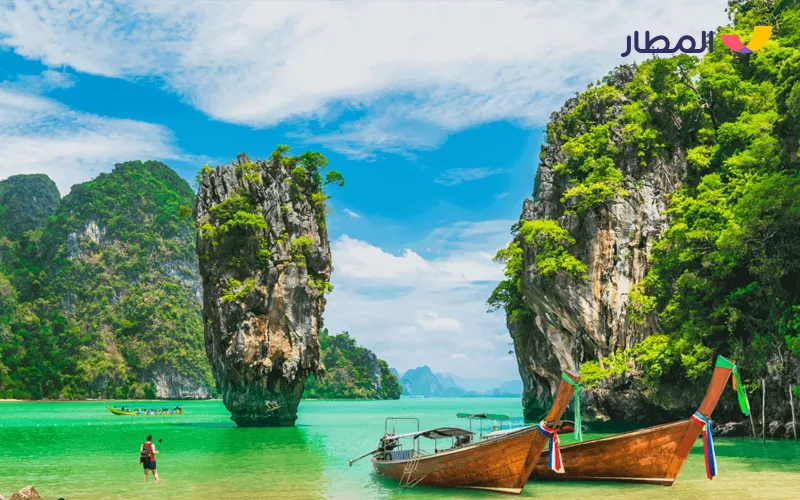
| Beaches & Nature | Limited natural beaches directly in the city; nature means urban parks or day trips to mountains/lakes. | Stunning white-sand beaches, crystal-clear waters, lush jungles, and incredible limestone karsts. | Phuket |
| Culture & History | A fascinating blend of ancient traditions (temples, shrines) and futuristic modernity (tech, anime). | Rich Buddhist heritage, Sino-Portuguese architecture in Old Town, and a vibrant local art scene. | Tokyo |
| Nightlife | Vibrant and varied, from themed bars in Shinjuku to sophisticated clubs in Shibuya and quirky izakayas. | Patong Beach is the epicenter of lively bars and clubs; other areas offer more relaxed beach bars. | Tokyo |
| Costs & Budget | Generally high, especially for accommodation and transport. Food can be affordable if you eat like a local. | Very budget-friendly, offering excellent value for money across accommodation, food, and activities. | Phuket |
| Getting There | Major international hub (Narita/Haneda) with direct flights from many global cities. Seamless airport transfer. | Phuket International Airport (HKT) has direct flights from Asia, some from Europe, often requires a connection. | Tokyo |
| Getting Around | World-class public transport (trains, subway) is efficient, punctual, and easy to navigate. | Relies on taxis, Grab, tuk-tuks, and scooter rentals. Public transport is limited and less integrated. | Tokyo |
| Safety | One of the safest major cities globally, with extremely low crime rates and a strong sense of public order. | Generally safe for tourists, but petty crime, scams, and traffic accidents are more common. | Tokyo |
| Accommodation | Ranges from capsule hotels to luxury, but space is at a premium and prices are higher. | Wide range of options from budget guesthouses to luxury resorts, offering great value for money. | Phuket |
| Day Trips | Excellent options like Hakone (Mt. Fuji), Nikko, or Kamakura are easily accessible by train. | World-class island hopping to Phi Phi, James Bond Island, or exploring the cultural sites of Phang Nga. | Tie |
🍜 Food Scene
Tokyo's food scene is simply legendary, a global benchmark for culinary excellence. You can find everything from exquisite kaiseki dinners (expect ¥15,000-30,000 / $100-200+ per person) and award-winning sushi at places like Sukiyabashi Jiro (reservations months out, ¥40,000+ / $270+) to incredibly delicious, affordable ramen at Ichiran (around ¥1,000-1,500 / $7-10) or tempura bowls for ¥800 / $5.50. The attention to detail, quality of ingredients, and sheer variety are unmatched. Phuket, on the other hand, offers a vibrant, flavorful, and incredibly affordable food experience. Think Pad Thai from a street vendor for ฿80-150 ($2.20-4), fresh seafood at Rawai Seafood Market where you buy your catch and have it cooked for around ฿500-1,000 ($14-28) per person, or authentic curries at local spots like Raya Restaurant. While less about Michelin stars, it's a sensory explosion of spices and fresh produce. "Honestly, Tokyo's food scene is next level. I spent a week just trying different ramen shops and still didn't scratch the surface. That omakase in Ginza? Blew my mind, but also my wallet, haha." Tokyo edges it for its sheer range and world-class recognition.
Winner takeaway
- Winner: Tokyo
- Why: Tokyo wins for its unparalleled diversity, Michelin-starred establishments, and a deep-rooted food culture that prioritizes perfection at every level.
- Who this matters for: Foodies, culinary adventurers, and those who prioritize high-quality dining experiences.
🏖️ Beaches & Nature
Phuket is synonymous with breathtaking natural beauty. Patong Beach is lively, Karon Beach is vast, and Kata Noi offers a quieter escape. Further south, Nai Harn Beach is popular with locals. The real magic happens on day trips to the surrounding islands like Phi Phi Islands (speed boat tours around ฿1,500-2,500 / $40-70 per person) or Phang Nga Bay with its iconic James Bond Island. You'll find vibrant coral reefs for snorkeling, hidden lagoons for kayaking, and lush rainforests inland. Tokyo, conversely, is a concrete jungle. While it has beautiful urban parks like Shinjuku Gyoen National Garden (¥500 / $3.50 entry) and the serene Meiji Jingu Shrine forest, natural beaches are non-existent within the city limits. To experience nature, you'd need to take a shinkansen to Hakone for views of Mt. Fuji or visit Nikko National Park, which are fantastic but require dedicated day trips. "Phuket beaches are just unreal. Spent a day jumping off the boat into Maya Bay, felt like a movie. Way better than trying to find a patch of green in Tokyo." Phuket is the undisputed champion here for anyone seeking sun, sea, and natural splendor.
Winner takeaway
- Winner: Phuket
- Why: Phuket's world-famous beaches, stunning island landscapes, and accessible marine life make it a clear winner for nature lovers.
- Who this matters for: Beach enthusiasts, snorkelers, divers, island hoppers, and anyone seeking tropical relaxation.
⛩️ Culture & History
Tokyo offers an incredibly rich and multi-layered cultural experience that blends ancient traditions with hyper-modernity. You can wander through the historic Senso-ji Temple in Asakusa, explore the serene Meiji Jingu Shrine, or witness a traditional sumo wrestling match. Then, just a train ride away, you're in Akihabara, a neon-lit hub of anime and electronics, or Shibuya with its iconic scramble crossing, symbolizing modern Japan. Museums are plentiful, from the Tokyo National Museum to the Ghibli Museum (requires advance booking, ¥1,000 / $7). Phuket's culture is deeply rooted in its Buddhist heritage and its history as a tin-mining town. Explore the beautiful temples like Wat Chalong (free entry), stroll through Phuket Old Town with its colorful Sino-Portuguese shophouses, and visit the Big Buddha for panoramic views (free entry, donations welcome). While rich, it's less overtly diverse and expansive than Tokyo's offerings. "Tokyo culture hits different. One day I was bowing at a shrine, the next I was in a robot restaurant. Blew my mind! Phuket was chill, but didn't have that crazy contrast." Tokyo provides a more profound and varied cultural immersion.
Winner takeaway
- Winner: Tokyo
- Why: Tokyo's unique juxtaposition of ancient traditions and cutting-edge modernity offers a vastly richer and more diverse cultural tapestry.
- Who this matters for: History buffs, anime fans, tech enthusiasts, and those seeking a dynamic cultural immersion.
🎉 Nightlife
Tokyo's nightlife is an experience in itself, incredibly diverse and vibrant. Shinjuku's Golden Gai offers tiny, unique bars each with its own character (drinks from ¥800-1,500 / $5.50-10). Kabukicho provides neon-soaked entertainment and host/hostess clubs. Shibuya boasts large clubs like Womb and Sound Museum Vision (entry ¥2,000-4,000 / $14-27), while Ginza is home to upscale cocktail lounges. Izakayas (Japanese pubs) are everywhere, offering delicious food and drinks for a relaxed evening. Public transport runs late enough for most outings. Phuket's nightlife largely centers around Patong Beach, especially Bangla Road, a pedestrian street bursting with go-go bars, nightclubs (entry often free, drinks from ฿150-300 / $4-8), and live music venues. It's loud, energetic, and geared towards tourists. Other areas like Kata and Karon offer more subdued beach bars. "Tokyo's nightlife is just…cooler. Golden Gai was a trip, squeezed into a bar with 5 locals, so much fun. Patong was a bit much for me after an hour." While Patong is famous, Tokyo offers a more sophisticated, varied, and unique nocturnal adventure.
Winner takeaway
- Winner: Tokyo
- Why: Tokyo offers a more diverse, sophisticated, and unique nightlife experience, catering to a wider range of preferences beyond just party streets.
- Who this matters for: Party-goers seeking variety, cocktail enthusiasts, and those looking for quirky, unique bar experiences.
💰 Costs & Budget
Phuket is significantly more budget-friendly than Tokyo. A decent guesthouse or mid-range hotel can be found for ฿800-2,000 ($22-55) per night, street food meals are ฿80-150 ($2.20-4), and even a massage costs around ฿300-500 ($8-14). Taxis and tuk-tuks can add up, but a scooter rental is around ฿200-300 ($5.50-8) per day. Day trips like island hopping are also reasonably priced. Tokyo, on the other hand, is one of the world's most expensive cities. Budget hotels or hostels start around ¥5,000-8,000 ($35-55) per night, while mid-range hotels are ¥15,000-25,000 ($100-170+). Meals can be affordable if you stick to ramen, udon, or convenience store food (¥800-1,500 / $5.50-10), but dining out often costs ¥3,000-5,000 ($20-35) per person. Public transport is efficient but adds up (day pass around ¥1,600 / $11). "My daily spend in Phuket was like a third of Tokyo's. Seriously, felt like I was living large on a backpacker budget there." Phuket offers tremendous value, allowing you to stretch your budget much further.
Winner takeaway
- Winner: Phuket
- Why: Phuket is a clear winner for budget-conscious travelers, offering significantly lower costs for accommodation, food, activities, and transport.
- Who this matters for: Budget travelers, backpackers, and anyone looking to maximize their travel funds.
✈️ Getting There
Getting to Tokyo is generally straightforward for international travelers. Narita (NRT) and Haneda (HND) are major global hubs, with direct flights from almost every major city in North America, Europe, and Asia. Flight times from major US cities like LAX are around 10-11 hours, from London 11-12 hours. From the airports, efficient services like the Narita Express (¥3,070 / $21 to Tokyo Station) or Limousine Bus (¥3,200 / $22) get you to the city center quickly. Phuket International Airport (HKT) is well-connected within Asia, with numerous direct flights from Bangkok, Singapore, Kuala Lumpur, and Hong Kong. It also has some direct charter flights from Europe during peak season. However, for travelers from North America, a connection (usually in Bangkok or a major Asian hub) is almost always required, adding 3-5 hours to an already long journey (total 18-24 hours). "Getting to Tokyo felt so easy, just one direct flight and then the Narita Express was a breeze. Phuket needed an extra stop, which adds up with jet lag." Tokyo wins for its superior global connectivity and seamless arrival experience.
Winner takeaway
- Winner: Tokyo
- Why: Tokyo's status as a major global hub with extensive direct flight options and seamless airport transfers makes it easier to reach for most international travelers.
- Who this matters for: Travelers prioritizing convenience, direct flights, and efficient arrival experiences.
🚇 Getting Around
Tokyo's public transportation system is legendary – it's the gold standard. The extensive network of JR trains and subway lines is incredibly efficient, punctual, clean, and safe. A Suica or Pasmo card makes navigating effortless, and Google Maps is your best friend. A single subway ride is around ¥170-300 ($1.20-2), while daily passes are available. Even during peak hours, it's organized chaos. Phuket's transportation is a different story. There's no comprehensive public transport system. You'll primarily rely on taxis, Grab (the Southeast Asian equivalent of Uber/Lyft), and tuk-tuks, which can be pricey due to a lack of competition. A 15-minute taxi ride can easily cost ฿300-500 ($8-14). Scooter rentals (around ฿200-300 / $5.50-8 per day) are popular but require caution and international driving permits. "Tokyo's trains are a dream, never waited more than 2 minutes. In Phuket, I felt like I was haggling for every ride, or risking my life on a scooter." Tokyo's infrastructure is simply superior for urban exploration.
Winner takeaway
- Winner: Tokyo
- Why: Tokyo's world-renowned public transportation system is exceptionally efficient, punctual, clean, and makes exploring the city effortless.
- Who this matters for: Urban explorers, those who prefer public transport, and travelers who value efficiency and ease of movement.
🔒 Safety
Tokyo is consistently ranked as one of the safest major cities in the world. Crime rates are exceptionally low, and it's common to see people (including solo female travelers) walking alone at night without issue. Lost wallets or phones are often returned with all contents intact. The sense of public order and respect is palpable. You'll rarely feel unsafe. Phuket is generally safe for tourists, but it's important to be more vigilant. Petty theft, especially from bags left unattended on beaches, does occur. There are also common scams, such as overcharging by tuk-tuk drivers or jet ski scams where renters are blamed for pre-existing damage. Traffic can be chaotic, and scooter accidents are unfortunately common. "I accidentally left my wallet on a train in Tokyo and got it back the next day with everything inside. You wouldn't try that in Phuket." Tokyo's safety record is virtually unmatched.
Winner takeaway
- Winner: Tokyo
- Why: Tokyo is renowned for its extraordinarily low crime rates, high levels of public safety, and a pervasive sense of trust and order.
- Who this matters for: Solo travelers (especially women), families, and anyone prioritizing peace of mind and security.
🏨 Accommodation
Phuket offers an incredibly diverse range of accommodation for every budget, usually at a much better price point than Tokyo. You can find basic guesthouses for ฿500-1,000 ($14-28), comfortable mid-range hotels with pools for ฿1,500-3,000 ($40-80), and luxurious beachfront resorts like The Slate or Trisara for ฿5,000-15,000+ ($140-400+) per night. Many options come with spacious rooms, pools, and beautiful views. Tokyo accommodation, while varied, comes at a premium, especially for space. Capsule hotels (¥3,000-6,000 / $20-40) are a unique budget option, while business hotels (small but efficient) are ¥8,000-15,000 ($55-100). For anything with significant space or amenities, you're looking at ¥20,000+ ($135+). "I got a huge room with a balcony and pool access in Phuket for less than a tiny shoebox hotel in Tokyo. The value is just insane." Phuket wins for its exceptional value and range of comfortable, spacious options.
Winner takeaway
- Winner: Phuket
- Why: Phuket provides significantly better value for money and a wider range of spacious, comfortable, and luxurious accommodation options.
- Who this matters for: Budget-conscious travelers, families, and those seeking luxury resorts or beachfront stays.
🗺️ Day Trips
Both destinations offer fantastic day trip opportunities, though of very different natures. From Tokyo, popular excursions include Hakone, famous for its views of Mount Fuji, hot springs (onsen), and the Open-Air Museum (transport via Hakone Free Pass, around ¥6,100 / $41). Nikko, a UNESCO World Heritage site with stunning shrines and temples, is another popular choice (train ticket around ¥5,000 / $34). Kamakura offers a giant Buddha and serene temples by the sea. All are easily accessible by efficient train. From Phuket, the main draw is island hopping. A full-day tour to the Phi Phi Islands, including snorkeling and lunch, costs around ฿1,500-2,500 ($40-70). Phang Nga Bay tours, featuring the iconic 'James Bond Island' and sea cave kayaking, are similarly priced. There are also local trips to ethical elephant sanctuaries (e.g., Phuket Elephant Sanctuary, ฿3,000 / $80) or exploring the waterfalls and viewpoints within Phuket itself. "Loved the efficiency of getting to Hakone from Tokyo, those views of Fuji were incredible. But then, snorkeling off Phi Phi? Also mind-blowing. Can't pick just one." It's a tie because the quality and appeal of day trips from both locations are equally high, simply catering to different tastes.
Winner takeaway
- Winner: Tie
- Why: Both Tokyo and Phuket offer equally compelling, high-quality day trip options that cater to different interests, making it impossible to pick a single winner.
- Who this matters for: Travelers who love exploring beyond the main city, whether for nature, history, or island adventures.
❓ Frequently Asked Questions
What's the best time of year to visit Tokyo vs. Phuket?
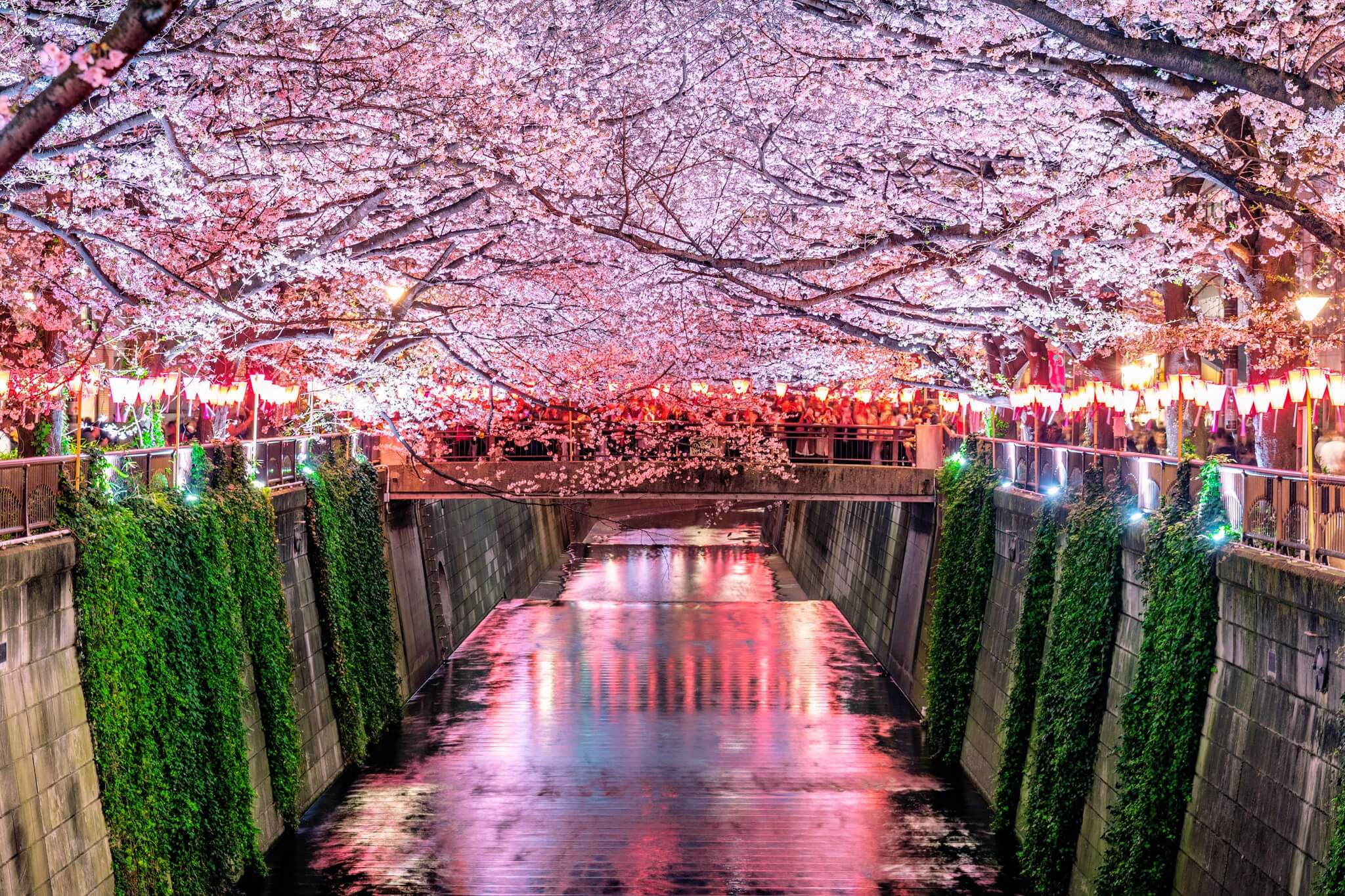
Tokyo is best in spring (March-May) for cherry blossoms and mild weather, or autumn (Sept-Nov) for vibrant foliage. Summers are hot and humid, winters are cold. Phuket's peak season is November to February when it's dry and sunny. March-May is hot and humid, while May-October is the rainy season, though showers are often brief.
Is English widely spoken in Tokyo and Phuket?
In Tokyo, English proficiency is generally lower outside of major tourist hubs, but signs are often bilingual, and staff in tourist areas usually speak some English. In Phuket, especially in tourist-heavy areas like Patong, English is widely understood and spoken in hotels, restaurants, and by tour operators. Local Thai people in less touristy areas might have limited English.
Are Tokyo and Phuket good destinations for solo travelers?
Absolutely! Tokyo is incredibly safe, efficient, and easy to navigate solo, offering endless exploration opportunities. Phuket is also popular with solo travelers, particularly backpackers, and is easy to meet other travelers, though you'll need to be more mindful of safety, especially at night or when riding scooters.
What are the visa requirements for US citizens for Japan and Thailand?
US citizens do not need a visa for stays of up to 90 days in Japan. For Thailand, US citizens are granted a 30-day visa exemption upon arrival when entering by air (or 15 days by land border crossing). Always check the latest requirements with the respective embassies before travel, as policies can change.
How do the flight times compare from major global cities?
From major US cities (e.g., LAX, JFK), a direct flight to Tokyo is 10-14 hours. A flight to Phuket typically requires a connection (often in Bangkok or other Asian hubs) and will be 18-24+ hours total. From Europe (e.g., London), Tokyo is 11-12 hours direct, while Phuket is 11-13 hours, often with one connection.
Can I use my credit card everywhere in Tokyo and Phuket?
In Tokyo, major credit cards are widely accepted in larger stores, hotels, and restaurants, but many smaller shops, ramen stalls, and some traditional establishments are cash-only. Always carry cash (Yen). In Phuket, credit cards are accepted at larger hotels and upscale restaurants, but cash (Baht) is king for street food, markets, smaller shops, and many activities. ATMs are readily available in both.
What's the Wi-Fi/data situation like in both destinations?
Both Tokyo and Phuket have excellent Wi-Fi and mobile data coverage. In Tokyo, you can rent pocket Wi-Fi devices, buy local SIM cards, or rely on widespread free Wi-Fi in train stations, cafes, and hotels. Phuket also has great coverage; local SIM cards are cheap and widely available at the airport or convenience stores, and most accommodations offer free Wi-Fi.
Are there any health considerations unique to Tokyo or Phuket?
Tokyo has very high hygiene standards, and tap water is safe to drink. Common sense health precautions apply. In Phuket, while generally safe, it's wise to be cautious with street food (eat where locals do and it's busy), drink bottled water, and use insect repellent to prevent mosquito-borne illnesses like Dengue fever. Consult your doctor for recommended vaccinations for Thailand.
Ready to plan your unforgettable trip?
Get a free custom itinerary for Tokyo, Phuket, or both — built from real traveler insights, tailored to your budget and interests.
🎟️ Book Tours & Experiences
Hand-picked tours and activities for both destinations — book with free cancellation
Experiences via Viator — free cancellation on most tours