How we built this comparison
This page combines traveler discussion patterns, published price ranges, flight schedules, and seasonal data to help you decide between Tokyo and Rome.
- Reviewed 100+ Reddit threads from r/travel, r/solotravel, r/JapanTravel, r/Rome, and r/ItalyTravel for real traveler experiences and advice.
- Verified current costs for flights, accommodation, food, and attractions against leading booking platforms and official tourism sites.
- Cross-referenced seasonal weather patterns and local event calendars to ensure accurate 'best season' recommendations.
⚡ The TL;DR Verdict
If you crave unparalleled efficiency, futuristic cityscapes, incredible food diversity, and a deep dive into a unique modern culture, Tokyo is your pick, with a daily budget typically ranging from $100-$200 USD. For those who dream of ancient history, world-class art, romantic cobblestone streets, and a more relaxed, sensory-rich European experience, Rome beckons, often doable on a $70-$150 USD daily budget.
- Choose Tokyo: Choose Tokyo if you're an adventurous eater, a tech enthusiast, value extreme safety and cleanliness, and don't mind navigating a bustling metropolis with impeccable public transport. It's perfect for solo travelers and those seeking a truly unique cultural immersion.
- Choose Rome: Opt for Rome if you're a history buff, an art lover, enjoy leisurely strolls through charming streets, and want to savor classic European cuisine and wine. It's ideal for couples, families, and anyone who appreciates a vibrant, slightly chaotic, and deeply historic atmosphere.
- Choose Both: Doing both is a bucket-list achievement but requires significant time and budget. Allocate at least 7-10 days for each to truly appreciate them, ideally on separate trips, or combine them for an epic 3-week adventure if you can manage the long flight between continents.
Quick Comparison
| Category | Tokyo | Rome | Winner |
|---|---|---|---|
| Food & Drink | Unmatched diversity from Michelin stars to street food, hyper-specialized eateries. | Classic Italian cuisine, rich history, fresh ingredients, slow food movement. | Tokyo |
| Culture & History | Blend of ancient traditions, futuristic technology, unique pop culture, impeccable manners. | Thousands of years of Roman Empire history, ancient ruins, Renaissance art, Catholic Church influence. | Rome |
| Costs & Budget | Generally high, but mid-range options exist; efficient transport saves money. | Mid-range for Europe, can be expensive for tourist traps but good value local spots. | Tie |
| Getting There | Long-haul flights, often 10-14+ hours, with higher costs from most Western origins. | Easily accessible from Europe/North America, many direct flights, shorter travel times. | Rome |
| Getting Around | World-class, hyper-efficient, clean, and punctual public transport network. | Decent public transport, but often relies on walking, can be congested. | Tokyo |
| Accommodation | Efficient use of space, high standards of cleanliness, unique capsule hotels. | Wide range from historic hotels to charming B&Bs, sometimes older infrastructure. | Tokyo |
| Day Trips | Fantastic bullet train network opens up mountains, hot springs, and historic cities. | Easy access to charming towns, coastal areas, and ancient sites via train or bus. | Tokyo |
| Safety | One of the safest major cities globally, low crime rates, high trust. | Generally safe, but petty crime (pickpocketing) common in tourist areas. | Tokyo |
| Nightlife & Entertainment | Vibrant, diverse, and goes all night, from neon-lit districts to quiet izakayas. | More relaxed, focused on dining, aperitivo, and late-night piazzas. | Tokyo |
| Weather & Best Seasons | Distinct seasons; cherry blossoms in spring, humid summer, colorful autumn, cold winter. | Pleasant spring/autumn, hot summer, mild winter, but can be rainy. | Tie |
🍜 Food & Drink
Tokyo's food scene is an absolute sensory overload, a city where you can literally eat a different, mind-blowing meal every day for months. From incredible street food like takoyaki and yakitori found in areas like Shinjuku's Omoide Yokocho (Piss Alley) to Michelin-starred ramen at Tsuta or sophisticated kaiseki, the dedication to culinary perfection is astounding. Expect to pay around ¥1,000-¥1,500 ($7-$10 USD) for a fantastic bowl of ramen, while a mid-range sushi omakase might set you back ¥8,000-¥15,000 ($55-$100 USD). Drinks range from vending machine sodas to world-class cocktails in Shibuya. Rome, on the other hand, excels in timeless, comforting classics: carbonara at Roscioli, pizza al taglio from Bonci Pizzarium, supplì, and rich gelato. A typical pasta dish costs €12-€18 ($13-$20 USD), a pizza around €10-€15 ($11-$16 USD), and a coffee just €1-€2 ($1-$2 USD). While Rome's food is undeniably delicious and comforting, Tokyo's sheer variety, innovation, and pursuit of perfection give it the edge for the truly adventurous eater. "Honestly, that tiny ramen spot near Golden Gai changed my life, totally worth the 45-minute queue in the rain. Rome's pasta is great, but Tokyo's food scene is just next level."
Winner takeaway
- Winner: Tokyo
- Why: Tokyo offers an unparalleled diversity, innovation, and dedication to culinary excellence, from street food to fine dining.
- Who this matters for: Foodies, adventurous eaters, and those seeking unique, world-class culinary experiences.
🏛️ Culture & History
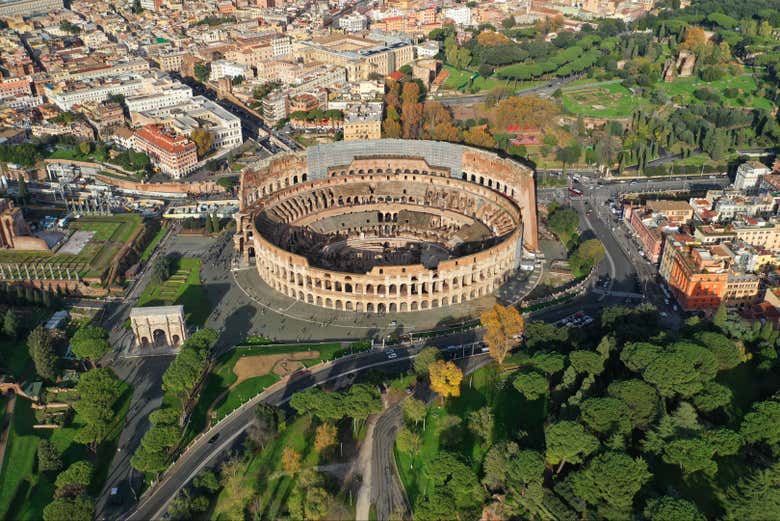
Rome is a living museum, where history literally surrounds you at every turn. From the awe-inspiring Colosseum and Roman Forum (entry ~€18, or ~$20 USD) to the Pantheon, Vatican City (St. Peter's Basilica is free, Vatican Museums ~€17, or ~$18 USD), and countless churches, every corner tells a story. The city itself is a testament to millennia of human civilization, offering a deeply tangible connection to the past. Tokyo's cultural tapestry is a fascinating blend of ancient Shinto shrines and Buddhist temples (like Senso-ji Temple in Asakusa, free entry) alongside ultra-modern skyscrapers, vibrant pop culture (Harajuku, Akihabara), and deeply ingrained etiquette. The Ghibli Museum (tickets ~¥1,000, or ~$7 USD) offers a unique modern cultural experience. While Tokyo's traditional arts like sumo, kabuki, and tea ceremonies provide rich insights, Rome's sheer volume, scale, and accessibility of ancient, world-changing history are unmatched. "I mean, walking past the Colosseum every day, you just *feel* the history. Tokyo's temples are cool, but Rome is on another level for ancient vibes."
Winner takeaway
- Winner: Rome
- Why: Rome offers an overwhelming abundance of ancient history, iconic landmarks, and world-changing art that is physically present everywhere.
- Who this matters for: History buffs, art lovers, and those seeking profound connections to ancient civilizations.
💰 Costs & Budget
Comparing costs requires nuance. Tokyo can feel expensive due to perceived luxury, but it's very possible to travel on a mid-range budget. Public transport is incredibly efficient (daily cost ~¥1,000-¥1,500, or ~$7-$10 USD), and cheap, delicious food is abundant (ramen, konbini meals for ~¥500-¥1,000, or ~$3.50-$7 USD). Mid-range hotels typically start from ¥15,000-¥25,000 ($100-$170 USD) per night. Rome offers good value for Europe, especially if you avoid tourist traps. Public transport is cheaper (single ticket ~€1.50, or ~$1.60 USD), and excellent casual meals are affordable. A sit-down dinner can be €30-€50 ($33-$55 USD) per person, but a pizza or panini can be had for €5-€15 ($5.50-$16 USD). Mid-range hotels are often €100-€180 ($110-$200 USD). Ultimately, a careful traveler can spend similarly in both. Tokyo's efficiency can offset some higher prices, while Rome's lower basic costs can be eaten up by a few bad tourist-trap choices. "I found Rome cheaper for a nice bottle of wine, but Tokyo was way cheaper for fantastic lunch meals. It really balances out if you're smart about it."
Winner takeaway
- Winner: Tie
- Why: Both cities offer avenues for budget-conscious travel, with different areas of expense balancing out.
- Who this matters for: Travelers mindful of their spending but willing to invest in key experiences.
✈️ Getting There
Getting to Rome from North America or most of Europe is generally simpler and more affordable. Direct flights from major North American hubs like New York (JFK) or Toronto (YYZ) typically range from 8-10 hours, with round-trip economy fares often between $600-$1,000 USD (or €550-€900). From within Europe, it's a short hop, often just 2-3 hours, with budget airlines offering fares for as little as €50-€150 ($55-$165 USD) round trip. Tokyo, on the other hand, involves a significant long-haul journey. Flights from North America usually take 10-14 hours, with economy round-trip fares typically starting from $900-$1,500+ USD (or ¥130,000-¥220,000). From Europe, it's an even longer trek, often 12-16 hours, with similar or higher pricing. The time difference and jet lag are also more substantial for Tokyo. "My flight to Rome was a breeze, direct and not too pricey. Tokyo felt like a whole day of travel, and the jet lag hit me hard."
Winner takeaway
- Winner: Rome
- Why: Rome is significantly more accessible with shorter flight times and generally lower airfare costs from major global hubs.
- Who this matters for: Travelers with limited vacation time, those on tighter budgets, or anyone averse to long-haul flights and severe jet lag.
🚇 Getting Around
Tokyo's public transportation system is legendary – a masterclass in efficiency, cleanliness, and punctuality. The Tokyo Metro and JR lines crisscross the entire city, making virtually every attraction easily accessible. A single ride typically costs ¥170-¥300 ($1.20-$2 USD), and pre-paid IC cards like Suica or Pasmo make tapping on and off seamless. Navigating can seem complex initially, but maps and apps like Google Maps are incredibly accurate. Rome's public transport, while present (metro, bus, tram), is not nearly as comprehensive or efficient. The metro has only a few lines, and buses can be subject to heavy traffic and delays. A single ATAC ticket costs €1.50 ($1.60 USD) and is valid for 100 minutes. Many central attractions in Rome are best explored on foot, which is charming but can be exhausting. Taxis and ride-sharing are available but add up quickly. "Tokyo's trains are insane, you can get anywhere so fast and they're always on time. Rome's metro is a bit rough, but saves so much walking if you're hitting the main sights."
Winner takeaway
- Winner: Tokyo
- Why: Tokyo's public transport system is unparalleled in its efficiency, coverage, cleanliness, and punctuality, making navigation effortless.
- Who this matters for: Anyone who values ease of movement, avoids driving, and wants to maximize sightseeing time without hassle.
🏨 Accommodation
Tokyo offers a diverse range of accommodation, all characterized by exceptional cleanliness and smart design, even in compact spaces. Mid-range hotels like APA Hotel or Dormy Inn typically cost ¥15,000-¥25,000 ($100-$170 USD) per night for a double, offering modern amenities and often excellent locations near train stations. For a unique experience, capsule hotels are a budget-friendly option, around ¥3,000-¥6,000 ($20-$40 USD) per night. Luxury options can easily exceed ¥40,000 ($270 USD). Rome has a vast selection, from historic hotels in elegant palazzo buildings to charming boutique B&Bs and budget guesthouses. Mid-range hotels in central areas like Trastevere or near the Pantheon often range from €100-€180 ($110-$200 USD) per night. While Rome's accommodations offer character, they can sometimes feel dated, and space might be more generous but less efficiently utilized compared to Tokyo. "I loved the efficiency of my Tokyo hotel; everything just worked. In Rome, my B&B was charming but a bit quirky with the plumbing."
Winner takeaway
- Winner: Tokyo
- Why: Tokyo consistently offers high standards of cleanliness, efficiency, and modern amenities, even in its more compact and budget-friendly options.
- Who this matters for: Travelers who prioritize spotless rooms, modern comforts, and efficient service, regardless of room size.
⛰️ Day Trips
Tokyo is an incredible hub for day trips, thanks to Japan's world-renowned Shinkansen (bullet train) network. Within an hour or two, you can reach diverse destinations. Hakone (approx. 1.5 hours, ~$20-30 USD one-way) offers stunning views of Mt. Fuji, hot springs (onsen), and lake cruises. Nikko (2 hours, ~$40 USD one-way) boasts UNESCO World Heritage shrines and temples amidst beautiful nature. Kamakura (1 hour, ~$7 USD one-way) provides a coastal escape with a giant Buddha. Rome also offers excellent day trip options. Ostia Antica (45 mins by train, ~€2.50 or $2.70 USD one-way) is a well-preserved ancient Roman port city, a fantastic alternative to Pompeii. Tivoli (1 hour by train/bus, ~€3-5 or $3.30-$5.50 USD one-way) features Hadrian's Villa and Villa d'Este. Further afield, Florence or Naples are reachable by high-speed train in under 2 hours (fares ~€30-60 or $33-$66 USD one-way). While Rome's day trips are rich in history, Tokyo's bullet train network and the sheer variety of experiences – from nature to traditional towns – give it an edge. "The Shinkansen trip to Hakone was incredible, felt like a whole different world in just an hour. Rome's Ostia Antica was cool, but not as diverse as the Japan options."
Winner takeaway
- Winner: Tokyo
- Why: Tokyo's bullet train network provides access to an incredibly diverse array of high-quality day trips, from natural wonders to historic sites.
- Who this matters for: Travelers who enjoy exploring beyond the main city and value efficient, comfortable travel to diverse destinations.
✅ Safety
Tokyo consistently ranks as one of the safest major cities in the world. Crime rates are remarkably low, even in bustling areas like Shibuya or Shinjuku late at night. You'll often see people leaving bags unattended in cafes, and lost items are frequently returned. Solo female travelers often report feeling completely at ease. While street scams are rare, be aware of occasional 'bar touts' in entertainment districts. Rome is generally safe for tourists, but it has a notorious reputation for petty crime, particularly pickpocketing and bag snatching, especially around major tourist attractions like the Colosseum, Termini station, and on crowded buses. Awareness and vigilance are key. Violent crime is rare, but tourists should be cautious of scams like 'friendship bracelets' or 'free' rose sellers. "Honestly, I felt safer walking around Shinjuku at 2 AM than I do in my own neighborhood. Rome was fine, but I was constantly clutching my bag."
Winner takeaway
- Winner: Tokyo
- Why: Tokyo is exceptionally safe with remarkably low crime rates, fostering a strong sense of security for all travelers at any time of day.
- Who this matters for: Solo travelers, families, and anyone who prioritizes a worry-free travel experience regarding personal safety and belongings.
🌃 Nightlife & Entertainment
Tokyo truly comes alive after dark, offering an unparalleled array of nightlife experiences that cater to every taste. Shinjuku's Kabukicho is a neon-drenched spectacle with themed bars, karaoke boxes (often ¥1,000-¥3,000/hour or $7-$20 USD), and host clubs. Shibuya offers trendy clubs and lively izakayas, while Ginza boasts sophisticated cocktail bars. Golden Gai in Shinjuku provides a unique, intimate bar hopping experience with tiny, quirky bars. The city runs late, with many places open until the first trains start around 5 AM. Rome's nightlife is more subdued and traditional. It revolves around long dinners, aperitivo culture (pre-dinner drinks with snacks, often €10-€15 or $11-$16 USD per drink), and then relaxing in lively piazzas like Piazza Navona or Campo de' Fiori. Trastevere is known for its charming, bustling bars and pubs, but serious clubbing options are fewer and often require a taxi ride out of the center. "Tokyo's nightlife is just wild; you can party all night in so many different kinds of places. Rome is more about a nice dinner and a few drinks, which is lovely but different."
Winner takeaway
- Winner: Tokyo
- Why: Tokyo offers an incredibly diverse, energetic, and long-lasting nightlife scene catering to every preference, from quiet bars to pulsing clubs.
- Who this matters for: Party-goers, night owls, and those seeking vibrant entertainment options after dark.
☀️ Weather & Best Seasons
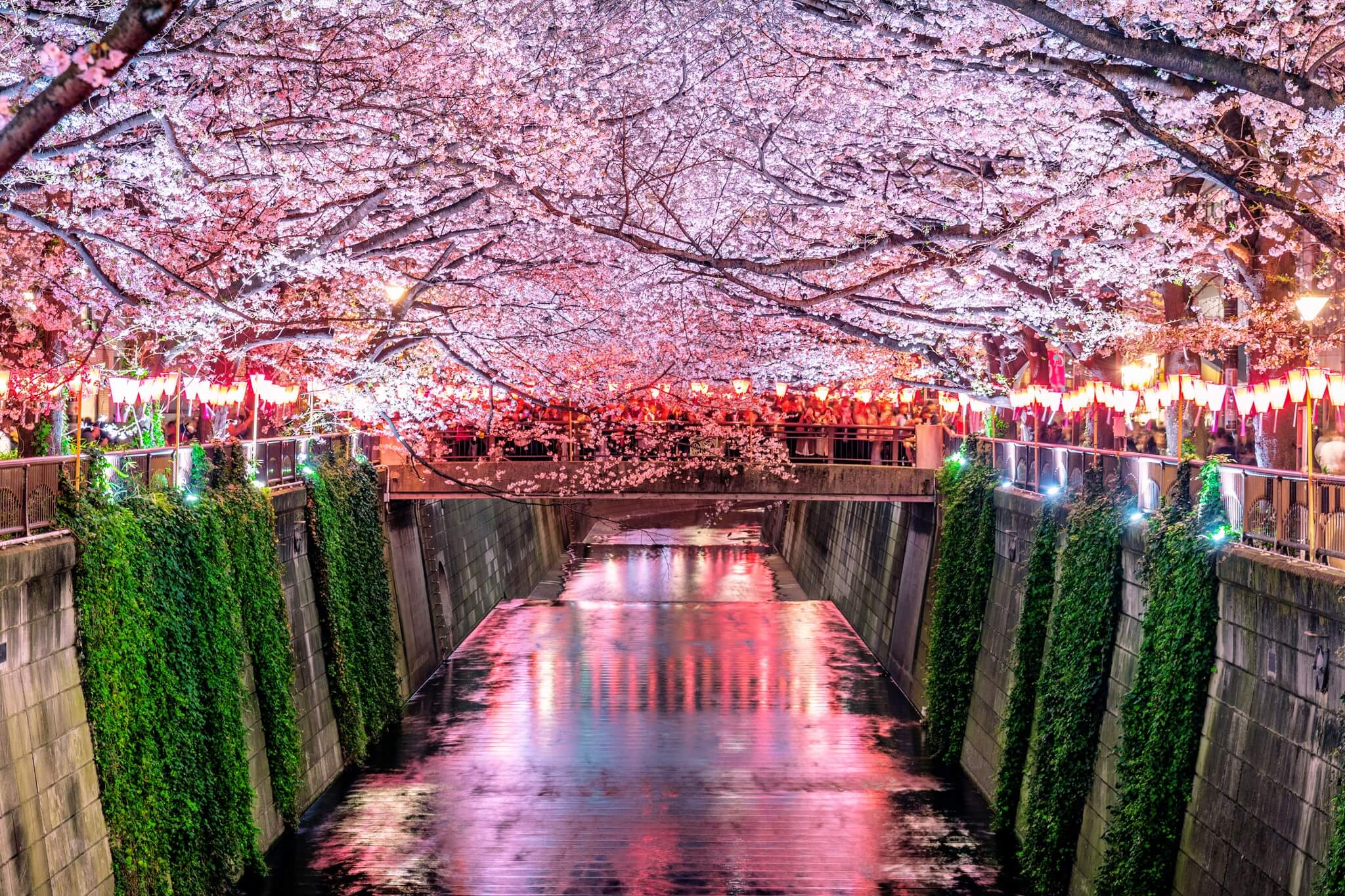
Both cities have distinct and appealing seasons, making it a tie. Tokyo's spring (March-April) is iconic for cherry blossoms (sakura), drawing massive crowds and higher prices, with pleasant temperatures around 10-20°C (50-68°F). Autumn (October-November) offers stunning fall foliage and comfortable temperatures (15-25°C / 59-77°F). Summer (July-August) is hot and very humid, often above 30°C (86°F). Winter (December-February) is cold but generally dry and sunny, around 0-10°C (32-50°F). Rome shines in spring (April-May) and autumn (September-October), with ideal temperatures (18-25°C / 64-77°F) perfect for walking and outdoor dining. Summer (July-August) can be intensely hot, often exceeding 30-35°C (86-95°F), with many locals leaving the city. Winter (November-March) is mild but can be rainy, with temperatures usually 5-15°C (41-59°F). "I loved Rome in October, perfect walking weather. But Tokyo's autumn leaves are something else, totally worth braving the cooler temps."
Winner takeaway
- Winner: Tie
- Why: Both destinations offer distinct and beautiful seasons, with spring and autumn being universally appealing for comfortable exploration.
- Who this matters for: Travelers who prioritize comfortable weather and seasonal beauty, with specific preferences for spring blossoms or autumn foliage.
❓ Frequently Asked Questions
Do I need a visa for Tokyo or Rome?
For short tourist stays (typically up to 90 days), citizens of many countries (including the US, Canada, EU, UK, Australia, New Zealand) do not need a visa for either Japan or Italy (part of the Schengen Area). Always check the latest requirements based on your nationality.
What's the language barrier like in Tokyo vs Rome?
In Tokyo, English proficiency is not widespread, especially outside major tourist areas. However, signage is often bilingual, and Japanese people are incredibly helpful. In Rome, English is more commonly spoken in tourist areas and hotels, but learning a few basic Italian phrases will greatly enhance your experience.
Which city is better for solo travelers?
Tokyo is often cited as one of the best cities for solo travelers due to its extreme safety, efficient public transport, and abundance of solo-friendly dining (ramen counters, izakayas). Rome is also great for solo travelers, offering endless exploration, but requires more vigilance against petty crime.
Can I use my credit card everywhere, or do I need cash?
In Rome, credit cards are widely accepted, especially in larger establishments, but smaller cafes, markets, and some shops prefer cash, particularly for small purchases. In Tokyo, credit card acceptance is growing, but cash is still king at many smaller restaurants, shops, and for transport top-ups. Always carry some local currency in both cities.
Which city is more walkable?
Rome is incredibly walkable, with many major attractions concentrated in the historic center, making it ideal for leisurely strolls (though bring comfortable shoes for cobblestones). Tokyo is also very walkable within its distinct neighborhoods, but distances between districts often necessitate using its extensive public transport system.
Are there good options for vegetarian/vegan travelers?
Rome is generally easier for vegetarians, with many pasta dishes, pizzas (hold the meat), and fresh vegetable sides. Vegan options require more research but are growing. Tokyo can be challenging for vegetarians/vegans due to hidden fish broth (dashi) in many dishes, but dedicated vegan restaurants are increasing, especially in popular areas like Shibuya and Shinjuku. HappyCow is a good resource for both.
How many days should I spend in each city?
For a comprehensive first-time visit, aim for at least 5-7 full days in each city. This allows enough time to explore major sights, take a day trip or two, and soak in the atmosphere without feeling rushed. Fewer days will require a very focused itinerary.
Is tipping customary in Tokyo or Rome?
Tipping is not customary and can even be considered rude in Tokyo; exceptional service is simply part of the culture. In Rome (and Italy generally), tipping is not obligatory but appreciated for excellent service. Rounding up the bill or leaving a few euros for good service in restaurants (especially if no 'coperto' charge is included) is common.
Ready to plan your unforgettable trip?
Get a free custom itinerary for Tokyo, Rome, or both — built from real traveler insights and tailored just for you.
🎟️ Book Tours & Experiences
Hand-picked tours and activities for both destinations — book with free cancellation
Experiences via Viator — free cancellation on most tours