How we built this comparison
This page combines traveler discussion patterns, published price ranges, flight schedules, and seasonal data to help you decide between Tokyo and Sapporo.
- Reviewed 100+ Reddit threads from r/travel, r/solotravel, r/JapanTravel, r/Tokyo, r/Hokkaido for nuanced traveler perspectives and real-world tips.
- Verified costs and logistics against current booking platforms (e.g., Google Flights, Booking.com, JR Pass Calculator) and official attraction websites for accuracy.
- Cross-referenced seasonal patterns, weather data, and major event calendars to provide accurate advice on timing and activities.
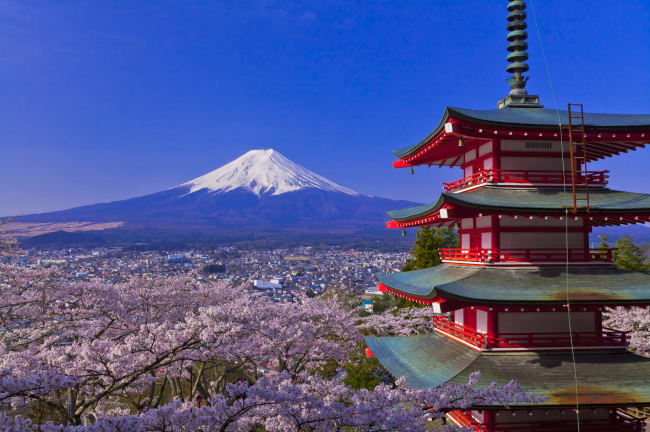
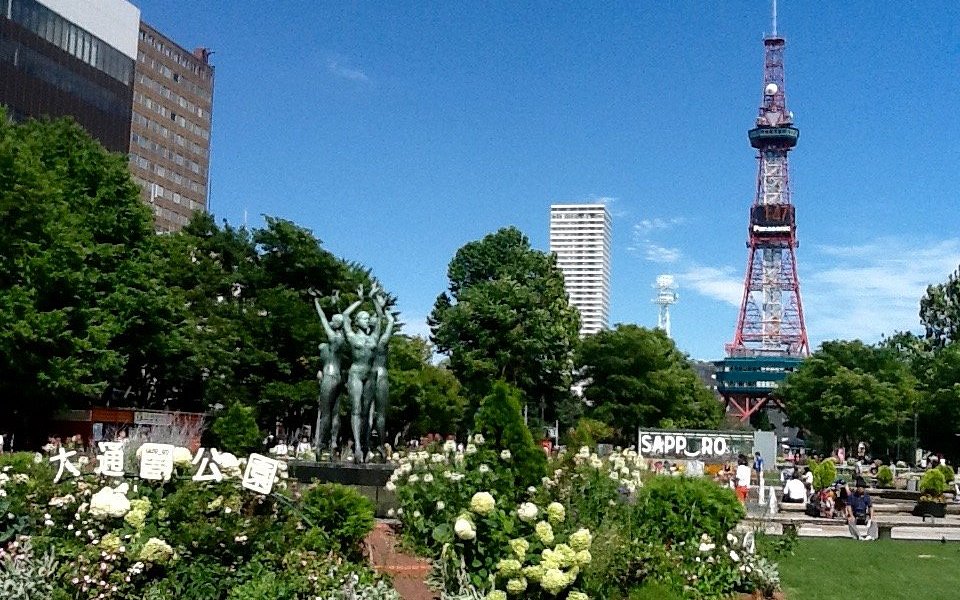
⚡ The TL;DR Verdict
Tokyo is your go-to for an unparalleled urban adventure, high-energy nightlife, and endless cultural deep dives, best for those with a mid-to-high budget (¥18,000-35,000 / $120-$230+ daily). Sapporo offers a refreshing, nature-infused escape, fantastic food, and a more relaxed pace, ideal for budget-conscious travelers or nature lovers (¥12,000-22,000 / $80-$150 daily).
- Choose Tokyo: Pick Tokyo if you crave an immersive mega-city experience with world-class dining, fashion, technology, and a vibrant nightlife that truly never sleeps. It's for the adventurer who thrives on sensory overload and wants to tick off iconic bucket list items.
- Choose Sapporo: Opt for Sapporo if you're seeking a more laid-back Japanese experience, stunning natural beauty (especially in winter or summer), incredible food (ramen, seafood, beer!), and an accessible gateway to Hokkaido's vast outdoors. It’s perfect for those who want a blend of city comfort and wilderness.
- Choose Both: If you have 10-14 days, absolutely do both! Fly from Tokyo (HND/NRT) to Sapporo (CTS) – it’s a quick ~90-minute flight, costing around ¥8,000-25,000 ($55-$170 USD) one-way, making it easily combinable for a comprehensive Japan experience blending urban intensity with natural tranquility.
Quick Comparison
| Category | Tokyo | Sapporo | Winner |
|---|---|---|---|
| Costs & Budget | Significantly more expensive, especially for accommodation and high-end dining. Daily budget typically starts higher. | Generally more affordable across the board, from hotels to food and transportation. Better value for money. | Sapporo |
| Food Scene | Unrivaled diversity, from Michelin stars to street food, representing every regional Japanese cuisine and international fusion. | Known for specific regional specialties: miso ramen, fresh seafood (crab!), jingisukan (lamb BBQ), and dairy products. | Tokyo |
| Nightlife & Entertainment | World-famous for its vibrant, diverse nightlife: tiny Golden Gai bars, Shibuya clubs, themed restaurants, and karaoke. | Lively but more condensed, centered around Susukino with izakayas, karaoke, and some clubs. More local feel. | Tokyo |
| Culture & History | Blends ancient traditions (Senso-ji, Imperial Palace) with cutting-edge modernity (Akihabara, TeamLab). | Rich in Ainu indigenous culture, frontier history, and a more relaxed, European-influenced urban planning. | Tokyo |
| Nature & Outdoors | Limited direct access to nature within the city, relying on urban parks and day trips for natural beauty. | Direct access to vast national parks, ski resorts, and stunning natural landscapes. A paradise for outdoor enthusiasts. | Sapporo |
| Getting There & Around | Excellent international air links (NRT, HND). Dense, efficient, but complex inner-city rail and subway network. | Good domestic air links (CTS), limited international. Simpler, more walkable city center with a smaller subway system. | Tie |
| Accommodation | Vast range from luxury hotels to capsule hotels, but generally higher prices and smaller room sizes. | Good selection of hotels, ryokans, and guesthouses, often at more attractive prices and potentially larger rooms. | Sapporo |
| Shopping | A global shopping mecca: luxury brands in Ginza, electronics in Akihabara, fashion in Harajuku, department stores everywhere. | Good for local specialties, crafts, and fashion, but on a smaller scale. Focus on unique Hokkaido products. | Tokyo |
| Seasonal Experience | Hot, humid summers; mild winters; beautiful spring (cherry blossoms) and autumn (fall foliage). | Cool, pleasant summers; heavy, snowy winters ideal for winter sports; later spring blossoms and earlier autumn colors. | Sapporo |
| Day Trips & Excursions | Access to iconic destinations like Hakone (Mt. Fuji), Nikko, Kamakura, and Yokohama, each offering distinct experiences. | Gateway to Hokkaido's diverse natural beauty: Otaru, Noboribetsu, Furano/Biei, and world-class ski resorts. | Tie |
💰 Costs & Budget
Tokyo is undeniably pricier, particularly for lodging. A decent hotel room in a central area like Shinjuku or Shibuya often starts at ¥15,000-25,000 ($100-$170 USD) per night, while a similar quality room in Sapporo's Susukino or Odori area might be ¥10,000-18,000 ($70-$120 USD). Food costs can be comparable for casual meals like ramen (around ¥900-1,200 / $6-8 in both), but Tokyo’s Michelin-starred restaurants or trendy izakayas will quickly blow your budget. Transportation within Tokyo, while efficient, adds up with multiple train lines costing ¥150-300 ($1-2) per ride. Sapporo's city core is more walkable, reducing transit costs, and its attractions often have lower entry fees. For instance, a day pass for the Sapporo Subway is ¥830 ($5.50), whereas Tokyo's equivalent for all metros (Tokyo Metro and Toei) is ¥900 ($6) and often requires additional JR line fares. "I managed to keep my Sapporo budget to around $70 a day including a decent hotel, food, and a few beers, which would be impossible in Tokyo unless I was couch-surfing." This reflects the general sentiment of travelers seeking value.
Winner takeaway
- Winner: Sapporo
- Why: Sapporo offers a significantly better value for money, allowing travelers to stretch their budget further without sacrificing quality.
- Who this matters for: Budget-conscious travelers, backpackers, and those planning longer stays.
🍜 Food Scene
Tokyo's food scene is a global culinary epicenter, offering an unparalleled range of experiences. You can find everything from world-renowned sushi at Sukiyabashi Jiro or Daiwa Sushi in Tsukiji Outer Market, to innovative ramen at Afuri or Ichiran, to high-end kaiseki, and casual yakitori under train tracks. The sheer volume and diversity mean you can eat something new and incredible every meal for weeks. Expect to pay ¥5,000-20,000+ ($35-135+) for a memorable sushi meal, or ¥1,000-2,000 ($7-14) for a fantastic ramen bowl. Sapporo, however, excels in its specific regional specialties. Sapporo Miso Ramen is legendary (try Sumire or Ramen Shingen for ¥900-1,200 / $6-8), and the fresh seafood, especially crab at Nijo Market (a crab bowl can be ¥2,500-5,000 / $17-35), is divine. Jingisukan (grilled lamb) is another must-try (around ¥3,000-5,000 / $20-35 per person at a place like Sapporo Beer Garden). While Sapporo's specialties are top-tier, Tokyo's breadth and depth are simply unmatched. "Tokyo has literally everything, I spent a week just eating my way through different neighborhoods. Sapporo ramen is good, but you can get that in Tokyo too."
Winner takeaway
- Winner: Tokyo
- Why: Tokyo's food scene is unmatched in its diversity, quantity, and quality, offering every possible culinary experience imaginable.
- Who this matters for: Foodies, gastronomes, and anyone looking for the widest range of dining experiences.
🌃 Nightlife & Entertainment
Tokyo's nightlife is legendary and operates on a scale few cities can rival. Shinjuku's Golden Gai offers hundreds of tiny, atmospheric bars where you can squeeze in with locals and tourists alike, often costing ¥500-1,000 ($3.50-7) for a drink. Shibuya's bustling streets host mega-clubs like Womb and Sound Museum Vision (entry ¥2,500-4,000 / $17-27), while Roppongi caters to an international crowd. Themed restaurants and bars, like the Robot Restaurant (entry ¥8,500 / $57, includes food/drink) or various maid cafes, add to the unique appeal. Karaoke is ubiquitous and fantastic everywhere. Sapporo's nightlife is concentrated in Susukino, a lively district filled with neon signs. You'll find plenty of cozy izakayas (¥3,000-6,000 / $20-40 per person for food/drinks), karaoke boxes (¥1,000-2,000 / $7-14 per hour), and some local clubs. It’s vibrant and fun, but on a much smaller, more manageable scale than Tokyo. "After a few nights in Shibuya, I felt like I'd seen a thousand different parties. Susukino was cool, but it's like a fraction of that energy."
Winner takeaway
- Winner: Tokyo
- Why: Tokyo offers an unparalleled diversity and scale of nightlife, catering to every taste and interest, from intimate bars to sprawling clubs.
- Who this matters for: Party-goers, social butterflies, and those who thrive on late-night exploration.
⛩️ Culture & History
Tokyo is a fascinating tapestry of old and new. You can start your day exploring the ancient Senso-ji Temple in Asakusa (free entry) and its Nakamise-dori market, then travel across the city to marvel at the Imperial Palace East Garden (free entry) or the Meiji Jingu Shrine (free). In the afternoon, dive into the futuristic neon-lit streets of Akihabara (electronics, anime) or experience immersive digital art at TeamLab Planets (¥3,200 / $22). The city's numerous museums, from the Tokyo National Museum (¥1,000 / $7) to the Ghibli Museum (¥1,000 / $7, book far in advance), offer endless cultural enrichment. Sapporo, while younger, offers a distinct cultural flavor. The Hokkaido University Museum (free) provides insights into the region's natural history, and the Sapporo Beer Garden and Museum (free entry, tasting sets ¥800 / $5.50) is a nod to its industrial heritage. Crucially, Sapporo is a gateway to understanding Ainu culture, with the Ainu Culture Promotion Center (free) and the larger Upopoy National Ainu Museum and Park (¥1,200 / $8) in Shiraoi, about an hour away. The city's European-influenced architecture, like the Former Hokkaido Government Office (Red Brick House, free), stands in contrast to traditional Japanese styles. While Sapporo offers unique historical perspectives, Tokyo's sheer breadth of historical sites, modern cultural phenomena, and artistic venues gives it the edge. "Tokyo lets you jump from a 7th-century temple to a hyper-modern digital art museum in an hour. Sapporo's history is interesting, but it's a different vibe entirely."
Winner takeaway
- Winner: Tokyo
- Why: Tokyo offers an unparalleled mix of ancient traditions, imperial history, and cutting-edge modern pop culture, providing a broader and deeper cultural experience.
- Who this matters for: History buffs, art lovers, and those interested in both traditional and contemporary Japanese culture.
🏞️ Nature & Outdoors
Sapporo is the undisputed champion for nature and outdoor enthusiasts. Located in Hokkaido, it serves as a fantastic base for exploring some of Japan's most pristine landscapes. Within the city, you have Odori Park and Moerenuma Park, but just a short drive away are breathtaking options. In winter, world-class ski resorts like Niseko and Rusutsu are easily accessible (shuttle buses from Sapporo, ¥3,000-5,000 / $20-35 one-way for a 2-3 hour ride, lift passes ¥8,000-12,000 / $55-80 per day). In summer, Daisetsuzan National Park, Shikotsu-Toya National Park, and the Shakotan Peninsula offer hiking, hot springs, and stunning coastal views. Even a day trip to Otaru offers picturesque canal views and sea breezes. Tokyo, while having beautiful urban oases like Shinjuku Gyoen National Garden (¥500 / $3.50) and Ueno Park, requires more effort to reach significant natural attractions. Day trips to Hakone (for Mt. Fuji views, around ¥3,000-4,000 / $20-27 by train one-way) or Nikko provide nature, but it's not as immediately immersive as Hokkaido. "After Tokyo's concrete jungle, Sapporo felt like a breath of fresh air. I was skiing an hour outside the city then back for ramen. Unreal."
Winner takeaway
- Winner: Sapporo
- Why: Sapporo offers immediate and easy access to vast, stunning natural landscapes, world-class outdoor activities, and national parks.
- Who this matters for: Hikers, skiers, nature photographers, and anyone seeking outdoor adventures and fresh air.
✈️ Getting There & Around
Getting to Tokyo is typically via Narita (NRT) or Haneda (HND) airports, both major international hubs with countless flights. From the airport, options like the Narita Express (¥3,000-4,000 / $20-27) or Limousine Bus (¥2,800-3,200 / $19-22) get you into the city. Getting around Tokyo is incredibly efficient thanks to its sprawling network of JR lines, Tokyo Metro, and Toei Subway, though it can be overwhelming for first-timers. A Suica or Pasmo card is essential. Sapporo is primarily accessed via New Chitose Airport (CTS), which has excellent domestic connections and some regional international flights. From CTS, the JR Rapid Airport Express takes you to Sapporo Station in about 40 minutes for ¥1,150 ($8). Within Sapporo, the city center is quite walkable, especially around Odori Park and Susukino. The subway system (three lines) is much simpler to navigate than Tokyo's, and city buses are also available. While Tokyo offers more international entry points, Sapporo's internal city navigation is arguably less stressful for tourists. "Tokyo's trains are amazing but honestly, I spent half my time figuring out which exit to take. Sapporo was so much easier to get around without feeling lost."
Winner takeaway
- Winner: Tie
- Why: Both cities offer highly efficient transport, but Tokyo's international connectivity balances Sapporo's simpler inner-city navigation.
- Who this matters for: Depends on preference: Tokyo for ultimate connectivity, Sapporo for easier local navigation.
🏨 Accommodation
Finding accommodation in Tokyo is never an issue due to the sheer volume of options, but pricing and room size are the main considerations. Luxury hotels like the Park Hyatt Tokyo can easily run ¥50,000-100,000+ ($330-670+) per night. Mid-range business hotels (e.g., APA, Dormy Inn) typically cost ¥15,000-25,000 ($100-170), often with compact rooms. Capsule hotels offer a unique experience for ¥3,000-6,000 ($20-40). In Sapporo, you generally get more bang for your buck. A well-located mid-range hotel like the Sapporo Grand Hotel or Cross Hotel Sapporo can be found for ¥10,000-18,000 ($70-120), often with more spacious rooms than their Tokyo counterparts. There are also charming local guesthouses and ryokans available at competitive prices, offering a more authentic stay. For budget travelers, hostels range from ¥2,500-5,000 ($17-35). The overall value and potential for larger, more comfortable rooms at a lower price point make Sapporo a more appealing choice for many. "My hotel in Sapporo was half the price of my Tokyo one and twice the size. Felt like a luxury for a normal budget."
Winner takeaway
- Winner: Sapporo
- Why: Sapporo offers better value and potentially larger, more comfortable rooms for the same budget compared to Tokyo.
- Who this matters for: Travelers seeking good value, more spacious accommodations, or those on a tighter budget.
🛍️ Shopping
Tokyo is a shopper's paradise with distinct districts catering to every possible desire. Ginza boasts high-end luxury brands and department stores like Ginza Six, where a designer item can easily cost ¥50,000-500,000+ ($330-3,300+). Akihabara is the go-to for electronics, anime, and manga, with items ranging from ¥1,000 ($7) trinkets to ¥100,000+ ($670+) cameras. Harajuku and Shibuya are fashion-forward hubs for youth culture and trendy boutiques. Shinjuku's sprawling department stores (Isetan, Takashimaya) offer everything under one roof. You can literally shop 'til you drop. Sapporo offers a more curated shopping experience, centered around its underground shopping arcades (Apia, Esta, Paseo – though Esta recently closed) and areas like Odori and Susukino. You'll find good Japanese fashion brands, souvenir shops, and excellent stores for local Hokkaido products like sweets (Shiroi Koibito ¥1,000-2,000 / $7-14 per box), dairy, and crafts. While Sapporo has good options, it simply cannot compete with the sheer scale, diversity, and global influence of Tokyo's shopping scene. "If you want to shop for literally anything, Tokyo has it. Sapporo is great for souvenirs and local stuff, but not the same league."
Winner takeaway
- Winner: Tokyo
- Why: Tokyo offers an unparalleled, diverse, and extensive shopping experience, catering to every niche and luxury desire.
- Who this matters for: Fashionistas, tech enthusiasts, souvenir hunters, and serious shoppers looking for the widest selection.
☀️ Seasonal Experience
The seasonal experiences in these two cities are dramatically different. Tokyo experiences very hot and humid summers (July-August, often 30-35°C / 86-95°F) which can be uncomfortable for sightseeing, and relatively mild winters (December-February, 0-10°C / 32-50°F) with occasional light snow. Spring (late March-early April) for cherry blossoms and autumn (late October-November) for fall foliage are spectacular and draw huge crowds. Sapporo, being further north, boasts beautifully cool and dry summers (July-August, 20-25°C / 68-77°F), making it a popular escape from Japan's heat. Its winters (December-March) are legendary for heavy snowfall, transforming the city into a winter wonderland and making it a prime destination for winter sports. The Sapporo Snow Festival (early February) is a world-famous event. Spring arrives later (late April-May for cherry blossoms) and autumn colors appear earlier (late September-October). For those sensitive to heat, Sapporo's summer is a dream. For winter sports enthusiasts, it's a paradise. The extreme yet distinct seasonal offerings make Sapporo's seasonal experience more unique and often more comfortable for specific activities. "I went to Sapporo in August to escape Tokyo's humidity and it was perfect. Mild days, cool nights, and no sticky feeling. Best summer ever in Japan."
Winner takeaway
- Winner: Sapporo
- Why: Sapporo offers more distinct and often more comfortable seasonal experiences, particularly its cool summers and epic snowy winters, ideal for specific activities.
- Who this matters for: Travelers seeking relief from summer heat, winter sports enthusiasts, and those who appreciate dramatic seasonal changes.
🗺️ Day Trips & Excursions
Both Tokyo and Sapporo serve as excellent bases for varied and enriching day trips, making this a tough call. From Tokyo, popular excursions include Hakone (approx. 1.5-2 hours by train, ¥2,500-4,000 / $17-27 one-way) for stunning views of Mt. Fuji, hot springs, and art museums. Nikko (2 hours by train, ¥2,800-4,000 / $19-27 one-way) offers UNESCO World Heritage shrines and temples amidst beautiful nature. Kamakura (1 hour by train, ¥900-1,200 / $6-8 one-way) provides a historical escape with its giant Buddha and numerous temples. Yokohama (30 mins by train, ¥500-700 / $3.50-5 one-way) is a modern port city with a large Chinatown. From Sapporo, you can easily visit the charming canal city of Otaru (30-45 mins by train, ¥750 / $5 one-way) known for its glassworks and seafood. The volcanic hot springs of Noboribetsu (1.5 hours by train/bus, ¥2,500-3,000 / $17-20 one-way) offer a dramatic landscape. In summer, the vibrant flower fields of Furano and Biei (2-3 hours by train/bus, ¥4,000-5,000 / $27-35 one-way) are a must-see. In winter, world-class ski resorts like Niseko and Rusutsu are within 2-3 hours. Both cities offer incredible, diverse day trip options that showcase different facets of Japan's beauty and culture. "Tokyo's day trips let me see so much history and variety, but Sapporo's trips to Otaru and the onsen towns felt like a completely different world, so peaceful."
Winner takeaway
- Winner: Tie
- Why: Both cities provide an outstanding array of diverse and accessible day trips catering to historical, cultural, and natural interests.
- Who this matters for: Travelers who enjoy exploring beyond the main city and experiencing regional highlights.
❓ Frequently Asked Questions
How long should I spend in each city?
For Tokyo, allocate at least 4-7 days to truly immerse yourself in its diverse neighborhoods and attractions. For Sapporo, 3-5 days is a good starting point, allowing you to explore the city and take one or two day trips into the surrounding Hokkaido region.
Is it easy to travel between Tokyo and Sapporo?
Yes, it's very easy! The quickest and most common way is by flying. Direct flights from Tokyo's Haneda (HND) or Narita (NRT) to Sapporo's New Chitose (CTS) take about 90 minutes. Airlines like JAL, ANA, and various LCCs offer frequent services, with prices typically ranging from ¥8,000-25,000 ($55-$170 USD) one-way.
Which city is better for families with young children?
Sapporo generally offers a more relaxed pace and easier navigation, which can be less overwhelming for families. It has great parks, family-friendly museums like Shiroi Koibito Park, and access to nature. Tokyo can be exciting but also very crowded, though places like Ueno Zoo and TeamLab Planets are big hits.
When is the best time to visit Sapporo for skiing?
The prime skiing season in Sapporo and surrounding Hokkaido resorts like Niseko is typically from mid-December to early March. February is often considered the best month for powder, coinciding with the famous Sapporo Snow Festival.
Are there good vegetarian/vegan options in both cities?
Tokyo has significantly more vegetarian and vegan-friendly restaurants, especially in popular areas like Shibuya, Shinjuku, and Harajuku, with apps like HappyCow being very useful. Sapporo's options are growing but are still more limited, often requiring more research to find dedicated establishments.
Do I need to speak Japanese to get around?
In both cities, especially in tourist areas, you'll find English signs and staff, particularly at major train stations, airports, and popular attractions. However, knowing a few basic Japanese phrases (hello, thank you, excuse me) will greatly enhance your experience and is always appreciated by locals.
Which city offers a more 'authentic' Japanese experience?
This is subjective. Tokyo offers an 'authentic' experience of modern, bustling Japan with deep historical roots. Sapporo offers an 'authentic' experience of Hokkaido's unique frontier history, Ainu culture, and a more relaxed, nature-integrated lifestyle. Neither is more authentic, just different facets of Japan.
Is the JR Pass worth it if I visit both Tokyo and Sapporo?
Generally, no, if your primary inter-city travel is just Tokyo-Sapporo return by flight. The Shinkansen to Hokkaido is very long and expensive, making flights much more practical and cost-effective for this route. A JR Pass only becomes worthwhile if you plan extensive long-distance train travel across many regions of Japan.
Ready to plan your Japan trip?
Get a free custom itinerary for Tokyo, Sapporo, or both — built from real traveler insights.
🎟️ Book Tours & Experiences
Hand-picked tours and activities for both destinations — book with free cancellation
Experiences via Viator — free cancellation on most tours