How we built this comparison
This page combines traveler discussion patterns, published price ranges, flight schedules, and seasonal data to help you decide between Tokyo and Shanghai.
- Reviewed 70+ Reddit threads from r/travel, r/solotravel, r/JapanTravel, and r/ChinaTravel for authentic traveler perspectives.
- Verified costs and logistics against current booking platforms (e.g., Google Flights, Booking.com, local transport apps, restaurant guides).
- Cross-referenced seasonal patterns, weather data, and major festivals to provide optimal travel timing advice.
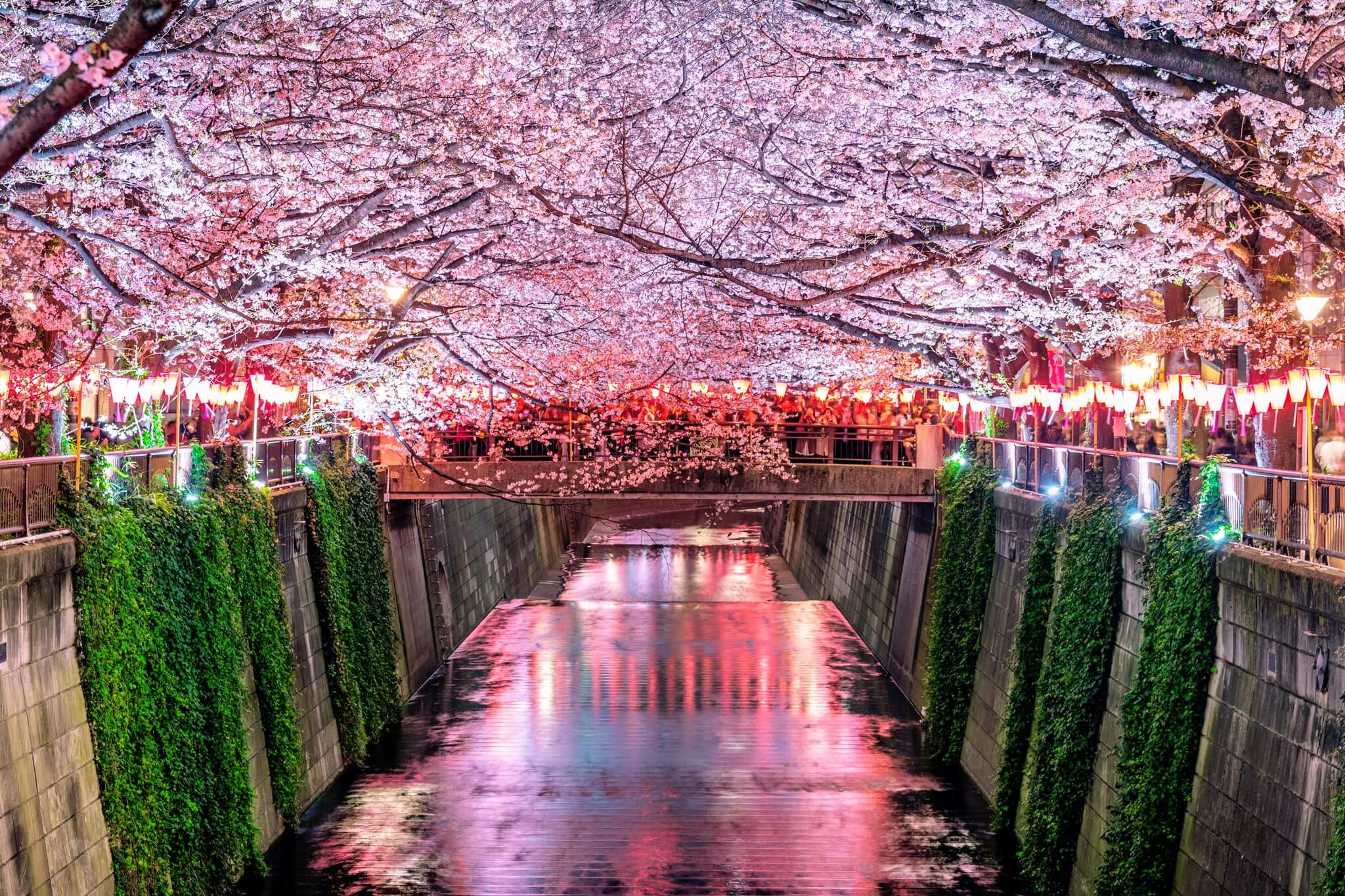
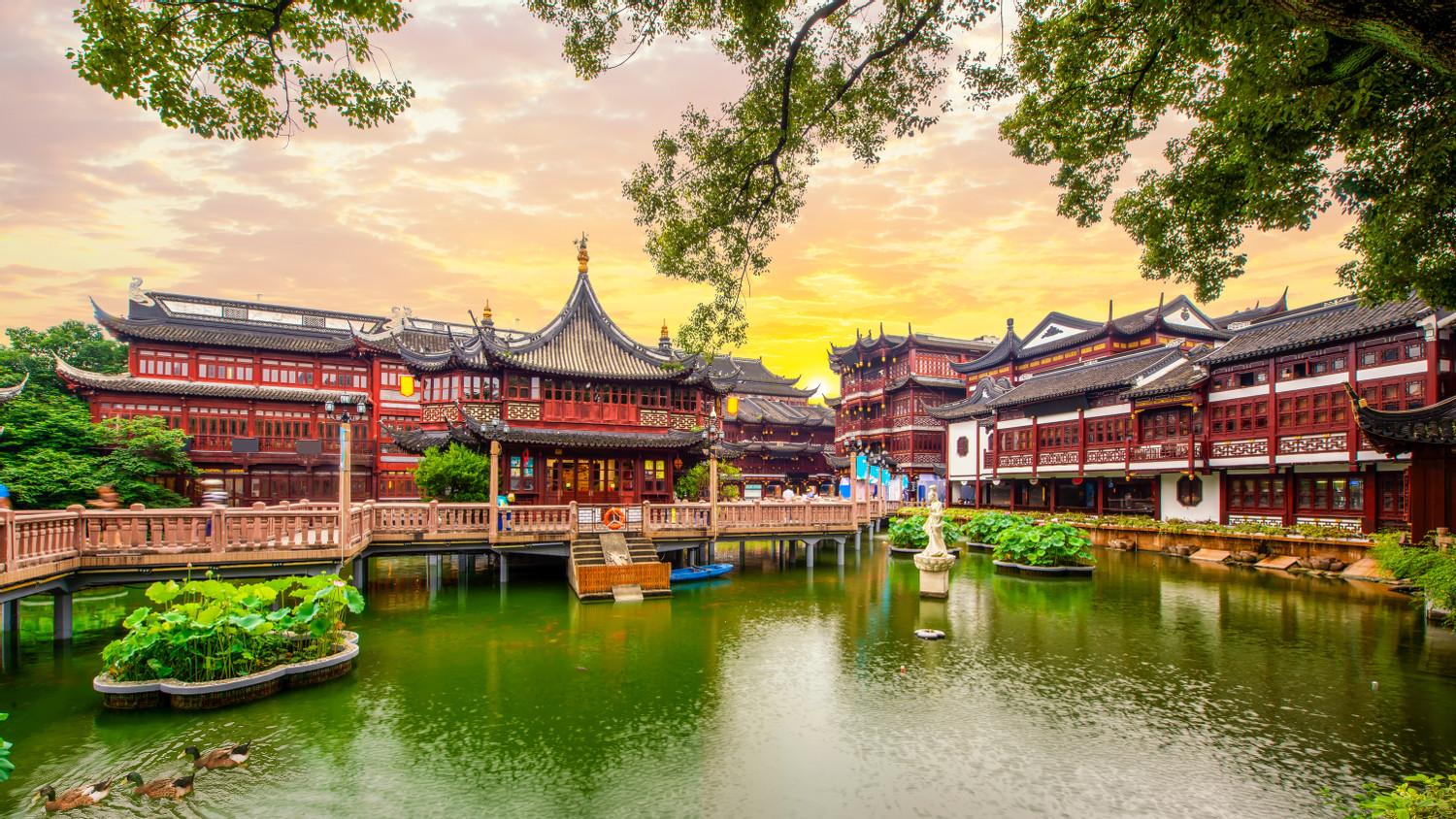
⚡ The TL;DR Verdict
For those seeking unparalleled cultural immersion, meticulous service, and cutting-edge pop culture, Tokyo is your pick (budget: $150-250+/day). If you crave a dynamic blend of colonial history, futuristic skylines, and a more budget-friendly, vibrant metropolis, Shanghai beckons (budget: $80-180+/day).
- Choose Tokyo: You prioritize exceptional food, pristine safety, deep cultural experiences, and seamless public transport, even if it means a higher price tag.
- Choose Shanghai: You're drawn to a bustling, ever-changing city with a vibrant international feel, impressive architecture, and more bang for your buck, plus a unique East-meets-West history.
- Choose Both: If you have 2-3 weeks, combining both offers a comprehensive East Asian experience, contrasting Japan's refined elegance with China's powerful dynamism. Fly between them, it's roughly 3 hours.
Quick Comparison
| Category | Tokyo | Shanghai | Winner |
|---|---|---|---|
| Food & Dining | Unrivaled culinary excellence from street food to Michelin stars; diverse, clean, and often budget-friendly lunch options. | A melting pot of regional Chinese cuisines and international flavors; vibrant street food and upscale dining on the Bund. | Tokyo |
| Nightlife & Entertainment | Eclectic options from tiny Golden Gai bars to futuristic Shibuya clubs and themed izakayas. | Glamorous rooftop bars, international superclubs, and sophisticated speakeasies dominate the scene, especially around the Bund. | Shanghai |
| Culture & History | Rich blend of ancient traditions, meticulous craftsmanship, and cutting-edge pop culture; numerous temples, museums, and historical districts. | A unique fusion of colonial past, traditional Chinese heritage, and modern communist influences; impressive art deco architecture and historical Bund. | Tokyo |
| Costs & Budget | Generally expensive, especially for accommodation and transport; food can be budget-friendly with careful choices. | Significantly more affordable across the board; accommodation, food, and local transport offer great value. | Shanghai |
| Getting There & Flights | Major international hub (NRT, HND) with excellent connections globally; direct flights from many Western cities. | Major international hub (PVG) with extensive global connections, but often requires a visa for many nationalities. | Tie |
| Getting Around (Local Transport) | Incredibly efficient, punctual, and extensive public transport (trains, subway); world-class system. | Excellent and affordable subway system covering most major attractions; taxis are plentiful and cheap. | Tokyo |
| Accommodation | Wide range from capsule hotels to luxury, but generally smaller rooms and higher prices. | More spacious rooms and luxury options at more affordable prices; diverse boutique hotels and international chains. | Shanghai |
| Shopping | World-class shopping from high fashion in Ginza to electronics in Akihabara and unique subculture items in Harajuku. | Huge shopping malls, luxury brands on Nanjing Road, and unique boutiques in the French Concession; known for tailored clothing. | Tokyo |
| Safety & Cleanliness | One of the safest and cleanest cities in the world; impeccable public spaces and low crime rates. | Very safe for tourists with low violent crime; generally clean, though some areas can be less pristine than Tokyo. | Tokyo |
| Day Trips & Nature | Easy access to iconic natural beauty like Mount Fuji, Hakone, and tranquil historical towns. | Access to charming water towns, classical gardens, and further afield, dramatic mountains. | Tokyo |
🍜 Food & Dining
Tokyo is, quite simply, a food paradise. From the humble convenience store konbini snacks (like Lawson's Karaage-kun for about ¥240 / $1.65) to world-renowned sushi counters and ramen joints, the quality and variety are astonishing. You can have an incredible ramen bowl at Ichiran for ¥1000-1300 ($7-9) or a multi-course omakase for ¥20,000+ ($135+). The attention to detail, presentation, and seasonal ingredients are unmatched. Shanghai, however, holds its own with incredibly diverse regional Chinese cuisines and fantastic international dining. You'll find everything from Xi'an noodles for ¥20 ($2.80) to exquisite Shanghainese xiaolongbao at Jia Jia Tang Bao (about ¥30-50 / $4-7) to high-end Western dining along the Bund. While Shanghai offers a wider range of Chinese regional specialties, Tokyo's overall consistency, cleanliness, and sheer number of top-tier eateries give it the edge. "Honestly, after two weeks in Tokyo, I felt like I'd barely scratched the surface of the food. Every meal was an experience, not just sustenance." The food safety standards in Tokyo are also universally high, making it easy to try anything without worry.
Winner takeaway
- Winner: Tokyo
- Why: Tokyo's culinary scene is a meticulous blend of tradition, innovation, and unparalleled quality, from street stalls to Michelin-starred establishments.
- Who this matters for: Foodies, gourmands, and anyone who considers eating a highlight of their travels.
🌃 Nightlife & Entertainment
Shanghai's nightlife feels more overtly glamorous and international, particularly around the Bund and French Concession. Rooftop bars like Bar Rouge offer stunning skyline views with cocktails costing ¥100-150 ($14-20), while world-class nightclubs like MYST or the legendary Arkham (before its closure) draw international DJs. There's a palpable energy and a more 'dressed-up' vibe. Tokyo, on the other hand, offers a more diverse and often quirky range of options. Shinjuku's Golden Gai has hundreds of tiny, intimate bars where a drink might be ¥800-1200 ($5.50-8.20), while Shibuya's bustling streets host mega-clubs like Womb and traditional izakayas. Karaoke is a national pastime, with rooms available for ¥2000-4000 ($13.50-27) per hour. While Tokyo has unique charm, Shanghai's modern, opulent, and globally-influenced club scene gives it a slight edge for those seeking a more high-octane, sophisticated party experience. "Shanghai's Bund clubs are something else. Felt like I was in a Bond movie. Tokyo's nightlife is cool, but a different vibe – more about cozy bars and themed places." Both cities are incredibly safe at night, allowing for worry-free exploration.
Winner takeaway
- Winner: Shanghai
- Why: Shanghai's nightlife boasts a more glamorous, international, and high-energy club and bar scene, particularly with its stunning skyline backdrops.
- Who this matters for: Party-goers, those seeking glamorous rooftop bars, and international club experiences.
🏯 Culture & History
Tokyo offers a deeper and more accessible dive into traditional Japanese culture alongside its futuristic façade. You can visit the serene Meiji Jingu Shrine (free entry) in the morning, explore the historic Asakusa district with Senso-ji Temple (free entry) and Nakamise-dori market, and then immerse yourself in the anime and electronics haven of Akihabara all in one day. The Edo-Tokyo Museum (¥600 / $4) provides excellent historical context. The reverence for tradition, attention to detail, and unique aesthetics are palpable everywhere. Shanghai, while historically significant, presents a different cultural tapestry. Its history is heavily influenced by its treaty port past, evident in the stunning art deco buildings of the Bund and the charming French Concession. The Shanghai Museum (free) is excellent, and the Yu Garden (¥30-40 / $4-5.50) offers a glimpse of classical Chinese gardens. However, the traditional Chinese elements often feel more fragmented, interspersed with a strong modern commercial drive. "For pure traditional immersion, Japan just hits different. Shanghai's history is fascinating, but it's more about layers of influence than a cohesive ancient culture experience." Tokyo's blend of ancient temples, tranquil gardens, and vibrant modern subcultures creates a more holistic and immersive cultural journey.
Winner takeaway
- Winner: Tokyo
- Why: Tokyo provides a more profound and consistently present cultural experience, from ancient traditions to global pop culture trends.
- Who this matters for: History buffs, culture seekers, and those interested in traditional arts and modern subcultures.
💸 Costs & Budget
Shanghai is undeniably more budget-friendly than Tokyo. A decent meal in a local eatery in Shanghai might cost ¥30-60 ($4-8), while in Tokyo, a similar meal would be ¥800-1500 ($5.50-10). Accommodation is where the difference becomes stark: a clean, well-located hotel room in Shanghai can be found for ¥400-600 ($55-85) per night, whereas a comparable hotel in Tokyo would easily run ¥12,000-20,000 ($80-135+). Public transport in Shanghai is incredibly cheap, with metro rides starting at ¥3 ($0.40), compared to Tokyo's starting ¥170 ($1.15). Taxis are also much cheaper in Shanghai. Entry fees to attractions are generally lower in Shanghai. For instance, the Oriental Pearl TV Tower is around ¥199 ($28), while the Tokyo Skytree is ¥2100-3100 ($14-21). For a backpacker or budget traveler, Shanghai stretches your dollar much further. "I saved a ton of money in Shanghai compared to my Tokyo trip last year. You can eat like a king for way less." If budget is a primary concern, Shanghai offers a world-class city experience without breaking the bank, allowing for longer stays or more splurges on specific experiences.
Winner takeaway
- Winner: Shanghai
- Why: Shanghai offers significantly better value for money across accommodation, food, and transport, making it more accessible for budget travelers.
- Who this matters for: Budget-conscious travelers, backpackers, and those looking to maximize their travel funds.
✈️ Getting There & Flights
Both Tokyo (Narita, NRT, and Haneda, HND) and Shanghai (Pudong, PVG) are massive international hubs with extensive direct flight connections from major cities worldwide. From Los Angeles (LAX), a direct flight to Tokyo takes roughly 10-11 hours, costing anywhere from $800-$1500 USD roundtrip depending on the season and airline. A direct flight to Shanghai from LAX is also around 11-12 hours, with prices typically in a similar range, perhaps slightly lower at $700-$1300 USD. The key difference lies in visa requirements. For Tokyo, most Western nationalities (US, Canada, UK, EU, Australia, etc.) can enter visa-free for up to 90 days. For Shanghai (and China), most Western nationalities *require* a visa in advance, which can be a bureaucratic process and an added cost ($140-185 USD for US citizens). However, Shanghai offers a 144-hour (6-day) visa-free transit policy for many nationalities if you have an onward ticket to a third country, which can be a game-changer for short visits. "The visa for China was a bit of a pain to get, but once I had it, flying into PVG was super smooth. Japan's visa-free entry just makes things so much easier though." If not for the visa hurdle, Shanghai would likely win on cost; however, the ease of entry tips the scales to a tie for overall accessibility.
Winner takeaway
- Winner: Tie
- Why: While flight times and costs are similar, Tokyo's visa-free entry for many nationalities balances Shanghai's occasional lower fares and transit visa option.
- Who this matters for: International travelers, especially those sensitive to visa processes and looking for maximum convenience.
🚆 Getting Around (Local Transport)
Tokyo's public transport system is arguably the best in the world. The combination of JR lines and subway networks is a masterpiece of efficiency, punctuality, and cleanliness. A Suica or Pasmo card makes navigating seamless, with fares typically ¥170-300 ($1.15-2) per ride. The Japan Rail Pass can be a good value for extensive inter-city travel but isn't always cost-effective for just Tokyo. Everything runs like clockwork, and English signage is abundant. Shanghai's metro system is also incredibly modern, extensive, and very user-friendly, covering almost every part of the city. Rides are significantly cheaper, starting at ¥3 ($0.40) and rarely exceeding ¥8 ($1.10) for longer journeys. Taxis are also plentiful and affordable, often a better option than in Tokyo for door-to-door convenience (a 15-minute ride might be ¥30-50 / $4-7). However, Tokyo's sheer scale, intricate network, and legendary punctuality give it the edge, especially for first-time visitors who might appreciate the predictability. "You could set your watch by the Tokyo trains. Never once got lost or felt stressed on their system. Shanghai's metro is great, but Tokyo's is next level." While both are excellent, Tokyo's system is a true marvel of urban engineering and visitor experience.
Winner takeaway
- Winner: Tokyo
- Why: Tokyo's public transport is world-renowned for its unparalleled efficiency, punctuality, cleanliness, and extensive network, making exploration effortless.
- Who this matters for: Travelers who rely heavily on public transport and value seamless, stress-free navigation.
🏨 Accommodation
Shanghai generally offers better value and more spacious accommodation for your money. You can find stunning boutique hotels in the French Concession, international luxury chains along the Bund, or comfortable business hotels, often for ¥500-800 ($70-110) per night for a well-located, quality room. For example, a stay at a 4-star hotel like Grand Hyatt Shanghai offers incredible views and luxury starting around ¥1500 ($200) per night. Tokyo's accommodation, while diverse (capsule hotels for ¥3000-5000 / $20-35, business hotels for ¥10,000-15,000 / $70-100), is typically smaller and more expensive for comparable quality. A 'standard' hotel room in Tokyo often feels compact. While Tokyo offers unique experiences like ryokans (traditional inns, ¥15,000-30,000+ / $100-200+), for pure comfort, space, and value in a modern hotel setting, Shanghai comes out ahead. "I got an amazing room with a city view in Shanghai for what I'd pay for a tiny shoebox in Tokyo. Definitely more bang for your buck there." If you value spaciousness and luxury without breaking the bank, Shanghai is the clear winner. However, Tokyo's options are incredibly clean and well-maintained.
Winner takeaway
- Winner: Shanghai
- Why: Shanghai provides more spacious, luxurious, and overall better value accommodation options compared to Tokyo's generally smaller and pricier rooms.
- Who this matters for: Travelers seeking comfort, luxury, and spacious rooms without a prohibitive price tag.
🛍️ Shopping
Tokyo's shopping scene is unparalleled in its diversity, quality, and sheer volume. Ginza offers luxury brands and department stores like Mitsukoshi, while Shibuya and Shinjuku are hubs for trendy fashion and electronics. Akihabara is the mecca for anime, manga, and electronics enthusiasts, where you can find anything from vintage consoles to the latest gadgets. Harajuku is the heart of unique street fashion and quirky accessories. Prices can be high, but the range of unique items, quality Japanese goods, and distinct subculture merchandise is unmatched. Shanghai holds its own with massive shopping malls like IFC Mall, luxury flagships on Nanjing Road, and charming boutiques in the French Concession. It's also famous for tailor-made clothing, with a custom suit often costing ¥1500-3000 ($200-400), a significant saving compared to Western prices. However, the overall 'excitement' and unique offerings found in Tokyo, especially for niche interests, give it the edge. "Tokyo's shopping is an experience in itself. I could spend days just browsing Harajuku or Akihabara. Shanghai has good malls, but it's not the same level of unique finds." From traditional crafts to cutting-edge fashion, Tokyo simply offers more to discover.
Winner takeaway
- Winner: Tokyo
- Why: Tokyo's shopping experience is more diverse, with distinct districts catering to every niche from high fashion to unique subcultures and electronics.
- Who this matters for: Fashionistas, tech enthusiasts, collectors, and anyone seeking unique souvenirs or specialty items.
✨ Safety & Cleanliness
Tokyo consistently ranks as one of the safest major cities globally. Crime rates are incredibly low, even petty theft is rare, and it's common to see people leaving bags unattended in cafes. Public spaces, including streets, parks, and especially public transport, are immaculately clean. You rarely see litter, and despite the population density, there's a strong sense of order and respect for communal spaces. Shanghai is also a remarkably safe city for tourists, with violent crime being very rare. You can generally feel comfortable walking around at night, and scams are not overly prevalent compared to some other global cities. However, the level of cleanliness, while good, doesn't quite match Tokyo's almost obsessive standards. Some older areas or less touristy spots might have more litter or less pristine conditions. "You could drop your wallet in Tokyo and expect to get it back. That level of honesty and cleanliness is just mind-boggling." While both are excellent choices regarding personal safety, Tokyo's legendary cleanliness and virtually non-existent petty crime rates make it feel exceptionally worry-free, especially for solo travelers.
Winner takeaway
- Winner: Tokyo
- Why: Tokyo is globally renowned for its extraordinary levels of safety, honesty, and impeccable cleanliness, offering a virtually worry-free travel experience.
- Who this matters for: Solo travelers, families, and anyone prioritizing peace of mind regarding personal safety and public hygiene.
🏞️ Day Trips & Nature
Tokyo offers an incredible array of accessible and iconic day trips that showcase Japan's natural beauty and historical depth. The most famous is a trip to Hakone, offering stunning views of Mount Fuji (weather permitting), relaxing onsen (hot springs), and scenic boat rides on Lake Ashi. A Hakone Free Pass costs around ¥6,100 ($42) and covers transport. Nikko, with its ornate shrines and beautiful autumn foliage, is another popular choice, accessible via a 2-hour train ride. For coastal charm, Kamakura, with its Great Buddha and temples, is just an hour away. Shanghai's day trip options are focused more on cultural and historical sites. Nearby water towns like Suzhou and Hangzhou (both reachable in 1-2 hours by high-speed rail, tickets ¥50-80 / $7-11 one-way) offer beautiful classical gardens, canals, and ancient architecture. While charming, they don't quite offer the dramatic natural landscapes and iconic views of Mount Fuji or the diverse experiences of Hakone. "Day-tripping from Tokyo felt like unlocking different parts of Japan's soul – from the spiritual peace of Nikko to the natural beauty of Hakone. Shanghai's water towns are pretty, but a different vibe." While the Yellow Mountains are spectacular, they require an overnight trip and are much further afield than Tokyo's readily accessible natural wonders. For sheer variety and iconic natural scenery within a comfortable day trip, Tokyo wins.
Winner takeaway
- Winner: Tokyo
- Why: Tokyo provides easier and more iconic day trip access to world-renowned natural wonders like Mount Fuji and rich historical sites like Hakone and Nikko.
- Who this matters for: Nature lovers, photographers, and travelers seeking easily accessible escapes from the urban bustle.
❓ Frequently Asked Questions
Is Tokyo or Shanghai better for a first-time Asia traveler?
Tokyo generally offers a more straightforward and less intimidating experience for first-time Asia travelers due to its exceptional public safety, clean environment, and extensive English signage. The cultural nuances are present but often presented in a very accessible way. Shanghai, while modern, can present challenges with language barriers outside tourist zones and requires navigating China's unique internet ecosystem.
How do internet and connectivity differ between the two cities?
In Tokyo, Wi-Fi is widely available, and you can easily purchase local SIM cards or rent pocket Wi-Fi devices. There are no internet restrictions. In Shanghai, Wi-Fi is also common, but China's 'Great Firewall' restricts access to many Western apps and websites (Google, Facebook, Instagram, WhatsApp, etc.). A VPN is essential for uninterrupted connectivity, which needs to be downloaded before arrival. Local SIM cards are available but require real-name registration.
Which city has better English accessibility?
Tokyo generally has better English accessibility in major tourist areas, train stations, and hotels. Many signs are bilingual, and staff in service industries often have basic English. Shanghai has improved, especially in international areas and on the metro, but outside of these zones, English proficiency drops significantly. You'll find more people speak English in Shanghai's international business districts, but overall, Tokyo is easier for English speakers.
What's the best time of year to visit Tokyo vs Shanghai?
Both cities are great in spring (March-May) for pleasant weather and cherry blossoms (Tokyo) or milder temperatures (Shanghai). Autumn (September-November) is also excellent for comfortable temperatures and beautiful foliage. Summers (June-August) are hot and humid in both, with typhoon season in late summer. Winters (December-February) are cold but usually dry, with less crowds.
Are there any specific etiquette differences I should be aware of?
In Tokyo, bowing, quietness on public transport, not eating or drinking while walking, and using two hands when exchanging money or cards are key. In Shanghai, general Chinese etiquette applies: don't stick chopsticks upright in rice, avoid public displays of affection, and be prepared for less strict queuing. Politeness and respect for elders are important in both.
Which city is better for luxury travel?
Both cities offer incredible luxury experiences. Tokyo excels with its meticulous service, world-class Michelin-starred dining, and unique high-end retail (Ginza). Shanghai offers more spacious luxury hotels and fine dining at more competitive prices, often with stunning skyline views (Bund). For sheer refined elegance and attention to detail, Tokyo might edge out, but Shanghai delivers grand opulence for less.
Is it easy to get around Tokyo or Shanghai if I don't speak the local language?
Yes, it's manageable in both! Tokyo has fantastic English signage on its public transport, and Google Maps is highly reliable. Translation apps are helpful for ordering food. Shanghai's metro also has excellent English signage, and ride-hailing apps like DiDi have English interfaces. For both, having offline maps and a translation app downloaded is highly recommended, and learning a few basic phrases goes a long way.
How do the 'vibe' and atmosphere compare?
Tokyo has a clean, orderly, and almost ethereal vibe, blending ancient traditions with futuristic technology in a polite, respectful society. It feels like stepping into a hyper-efficient, often quirky, but deeply rooted culture. Shanghai is a dynamic, bustling, and ambitious metropolis with a strong international pulse, a more 'anything goes' attitude, and a palpable energy of constant change and growth. It's a blend of colonial grandeur and modern Chinese dynamism.
Ready to plan your East Asia trip?
Get a free custom itinerary for Tokyo, Shanghai, or both — built from real traveler insights.
🎟️ Book Tours & Experiences
Hand-picked tours and activities for both destinations — book with free cancellation
Experiences via Viator — free cancellation on most tours