How we built this comparison
This page synthesizes traveler discussion patterns from Reddit, published price data, real transit costs, and seasonal weather information to make the Tokyo vs Singapore decision clearer.
- Reviewed hundreds of Reddit threads from r/travel, r/solotravel, r/JapanTravel, r/singapore, and r/expats comparing these two cities.
- Checked numeric claims for accommodation, food, and transit costs against 2025–2026 real prices.
- Every section ends with a clear verdict — not "both are great!" but an actual recommendation based on traveler type.
Best read as a decision guide, not universal truth. The right pick depends entirely on your budget, travel style, and what you actually want out of a trip.
⚡ The TL;DR Verdict
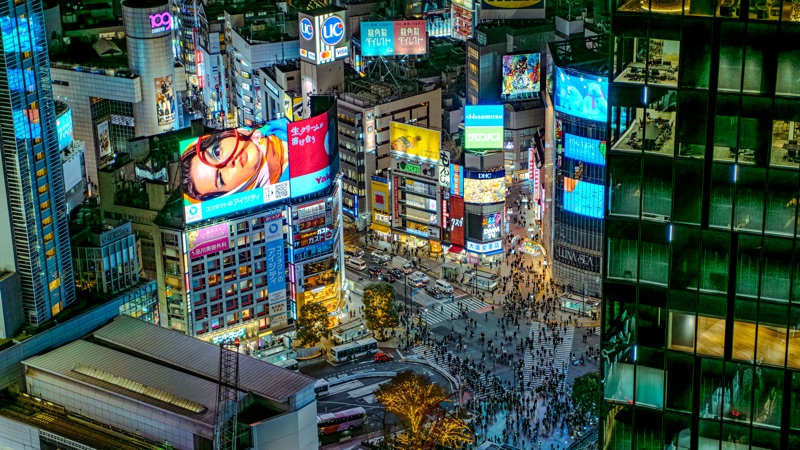
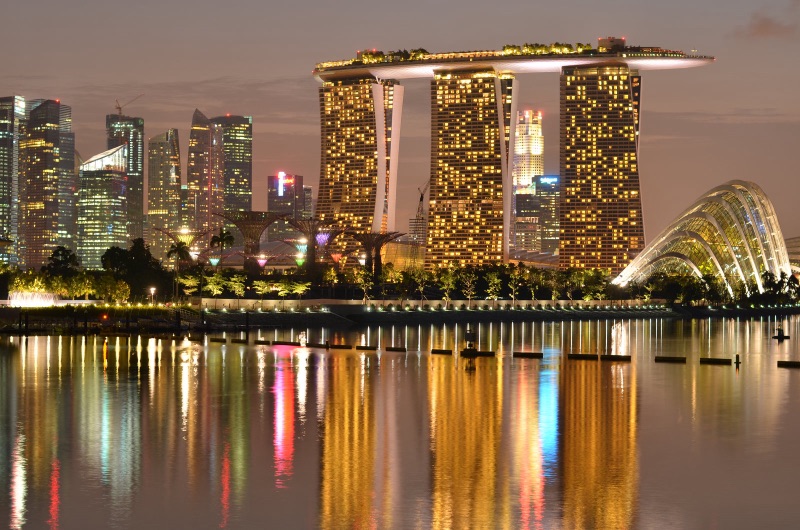
Tokyo is a 7-day immersion into a civilization unlike any other. Singapore is a 3-day city-state that does everything perfectly — and efficiently. They're not really competing; they're different products.
- Choose Tokyo: Culture depth-seekers, foodies, first-time Japan visitors, anyone with 7+ days.
- Choose Singapore: Southeast Asia hub travelers, first-time Asia visitors, families, short stopover (3–4 days), or if English comfort is a priority.
- Budget snapshot: Tokyo JPY 12,000–20,000/day ($80–135 USD); Singapore SGD 100–200/day ($75–150 USD).
- The honest verdict: Tokyo wins on depth, culinary range, and cultural richness. Singapore wins on ease, English, tropical climate, and as a regional Southeast Asia hub. If you can only do one: Tokyo for Japan-curious travelers; Singapore for Southeast Asia first-timers.
Choose Tokyo
Culture-seekers, food obsessives, Japan first-timers, anyone with 7+ days to explore one of Earth's most rewarding cities.
Choose Singapore
Southeast Asia hub travelers, families, first-time Asia visitors, short-trip planners. Maximum highlights in minimum time.
Quick Comparison
| Category | 🏙️ Tokyo | 🦁 Singapore | Winner |
|---|---|---|---|
| Daily Budget (mid-range) | JPY 12,000–20,000 (~$80–135) | SGD 100–200 (~$75–150) | Tie |
| Food Scene | Most Michelin stars globally, every cuisine, street food | World-class hawker centres, laksa, chili crab, char kway teow | Tie |
| Language | Japanese primary; limited English outside tourist zones | English official language; very easy to navigate | Singapore |
| Weather | 4 seasons; spring & autumn spectacular | Hot & humid year-round (26–32°C / 79–90°F) | Tokyo |
| Culture & Attractions | Temples, anime, fashion, neighborhoods, museums | Gardens by the Bay, Sentosa, Chinatown, hawker culture | Tokyo |
| Public Transit | World's largest metro (285 stations) | Compact, efficient MRT; air-conditioned | Tokyo |
| Safety | Exceptionally safe; top global rankings | Exceptionally safe; strict rule of law | Tie |
| Days Needed | 7–10 days minimum to scratch the surface | 3–4 days covers all highlights | Singapore |
| Nightlife | Shinjuku, Shibuya, Golden Gai, 24/7 options | Clarke Quay, Boat Quay; MRT stops at midnight | Tokyo |
| Regional Hub | Good Japan base; flights to Korea, Taiwan | Top Southeast Asia hub; Changi Airport is world's best | Singapore |
| Best For | Culture depth, food obsessives, Japan immersion | First-time Asia, families, SE Asia gateway | — |
🍜 Food & Dining
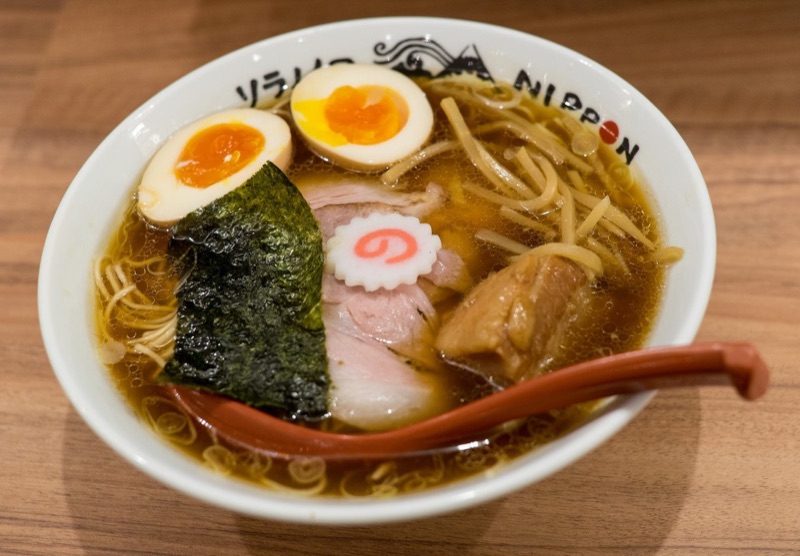
This is the most debated topic between these two cities on Reddit — and for good reason. Both have genuine claims to being among the world's great food cities, but they're completely different in character.
Tokyo holds the world record for Michelin-starred restaurants (over 200, more than any other city) and offers staggering culinary depth. Ramen from a specialist shop in Ikebukuro. Omakase sushi at a 9-seat counter in Shibuya. Yakitori under the Yurakucho tracks. Standing gyudon for JPY 400. The Tokyo cheap eats scene alone could occupy a week. Every regional Japanese cuisine is represented, plus world-class Italian, French, Chinese, and Indian.
Singapore's hawker culture is genuinely world-class and was recognized by UNESCO in 2020. Hawker centres like Maxwell Food Centre, Old Airport Road, and Lau Pa Sat serve meals for SGD 3–6 that rivals restaurant food in most cities. Dishes like Hainanese chicken rice, laksa, char kway teow, and bak kut teh represent a unique multicultural food heritage you won't find elsewhere. For chili crab, Singapore is unambiguously the world capital.
Price comparison: eating out
| Meal Type | 🏙️ Tokyo | 🦁 Singapore |
|---|---|---|
| Budget hawker/street meal | JPY 400–800 ($3–5) | SGD 3–6 ($2–4.50) |
| Mid-range restaurant | JPY 1,500–3,000 ($10–20) | SGD 20–40 ($15–30) |
| Ramen / Chicken rice | JPY 800–1,200 ($5–8) | SGD 4–7 ($3–5) |
| Beer (restaurant) | JPY 500–800 ($3.50–5) | SGD 10–18 ($7.50–13) |
| Fine dining (per person) | JPY 10,000–50,000+ ($65–330+) | SGD 100–300+ ($75–225+) |
💰 Cost Comparison
The "which is cheaper" question dominates Reddit threads about these two cities — and the answer has shifted in recent years. Historically Tokyo was seen as expensive; weak yen has made it surprisingly affordable for foreign visitors. Singapore has always been the most expensive city in Southeast Asia and consistently ranks among the world's priciest cities overall.
| Expense | 🏙️ Tokyo | 🦁 Singapore |
|---|---|---|
| Hostel dorm | JPY 3,000–5,000/night (~$20–33) | SGD 30–55/night (~$22–41) |
| Mid-range hotel | JPY 12,000–22,000/night (~$80–145) | SGD 180–320/night (~$135–240) |
| Luxury hotel | JPY 40,000–100,000+/night | SGD 400–1,200+/night |
| Day transit pass | JPY 600–1,000 ($4–7) | SGD 5–10 ($3.75–7.50) |
| Museum entry | JPY 500–2,000 ($3.50–13) | SGD 15–35 ($11–26) |
| Beer (convenience store) | JPY 200–300 ($1.50–2) | SGD 4–7 ($3–5) |
| Airport transfer | JPY 2,000–3,100 (Narita Express, ~$13–21) | SGD 2.50 (MRT, ~$1.85) — world's cheapest airport link |
| Mid-range daily budget | JPY 12,000–20,000 (~$80–135) | SGD 100–200 (~$75–150) |
The biggest cost differentiator is alcohol. Singapore has some of Asia's highest alcohol prices due to excise duties — a pint at a bar runs SGD 12–18 ($9–13), while convenience store beer costs SGD 4–7. In Tokyo, you can grab a tall can of Asahi from a FamilyMart for JPY 220 ($1.50) and drink it at a park. If you drink, Tokyo is dramatically cheaper.
🚃 Getting Around
Both cities have public transit systems that other cities should be embarrassed to compare themselves to. But they serve very different city scales.
Tokyo's Metro is the largest urban rail network in the world by annual ridership — 13 subway lines, 285 stations, plus the JR Yamanote Loop Line and dozens of private rail lines. It runs from roughly 5am to midnight and covers virtually every corner of the city. Navigation can be complex (multiple competing operators, overlapping lines), but the Suica or Pasmo IC card works seamlessly across all systems. Google Maps is excellent for Tokyo transit routing.
Singapore's MRT is newer, fully air-conditioned, and covers all major tourist areas with 6 lines and 131 stations. It's significantly easier to navigate — smaller city, cleaner signage, English everywhere. EZ-Link or Singapore Tourist Pass covers trains and buses. The catch: MRT stops running around midnight, which limits late-night options. Grab (Southeast Asia's Uber) fills the gap and is affordable.
Walking around each city is also very different. Singapore is walkable within neighborhoods but extremely hot — covered walkways and MRT air conditioning become essential. Tokyo's neighborhoods are incredibly walkable (Shimokitazawa, Yanaka, Nakameguro) and the weather in spring and autumn makes walking a joy. Both cities have excellent signage for tourists.
🌸 Best Time to Visit
This is where the two cities diverge dramatically. Tokyo has four genuine seasons; Singapore has two (wet and slightly less wet).
Tokyo by season:
- Spring (late March–May): Cherry blossom season. Best time to visit but extremely crowded and prices spike 30–50%. March–April average 10–17°C (50–63°F).
- Summer (June–August): Hot and humid (28–35°C / 82–95°F), typhoon season. Quieter temples but uncomfortable heat. Festivals (matsuri) are a highlight.
- Autumn (October–November): Fall foliage, ideal temperatures (15–22°C / 59–72°F), fewer crowds than spring. Many seasoned travelers' top pick.
- Winter (December–February): Cold (2–10°C / 36–50°F), very clear skies, fewer tourists. Best Mount Fuji views. Holiday illuminations in December are spectacular.
Singapore year-round: Hot and humid (26–32°C / 79–90°F) every month without exception. November–January is the wettest period (northeast monsoon). February–April is the driest and least rainy stretch. Showers are typically short tropical downpours rather than all-day rain. The heat means outdoor activities are best done in the morning or evening.
🏛️ Culture & Attractions
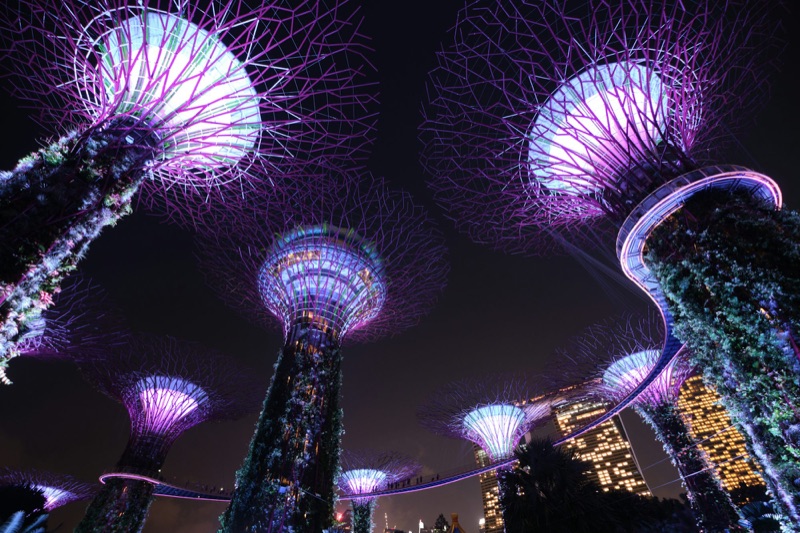
This is Tokyo's clearest advantage. As the capital of Japan — one of history's most distinctive civilizations — Tokyo offers a depth and diversity of cultural experiences that Singapore simply can't match in the same category.
Tokyo: Sensoji temple in Asakusa (founded 645 AD). Meiji Jingu shrine surrounded by 100,000 trees in the middle of Shibuya. TeamLab digital art installations. Ghibli Museum in Mitaka. Akihabara's multi-floor electronics and anime wonderlands. Harajuku's Takeshita Street. Yanaka, a preserved Edo-era neighborhood. The Sumida River fireworks festival. Kabuki at the Kabukiza Theatre. The sheer density of neighborhoods, each with its own character — Shimokitazawa, Nakameguro, Koenji, Kagurazaka — means Tokyo could consume months without getting boring.
Singapore: Iconic but finite highlights. Gardens by the Bay's Supertrees and Cloud Forest dome (SGD 28–53 entry). Marina Bay Sands SkyPark with the infinity pool (hotel guests only for pool; observation deck SGD 26). Chinatown and Little India. Universal Studios Singapore at Sentosa (SGD 83+). The National Museum. Haw Par Villa. The zoo (SGD 50+). Singapore's honest selling point isn't historical depth — it's extraordinarily executed contemporary attractions and multicultural neighborhoods packed into a tiny, efficient city.
🏨 Where to Stay
Both cities offer accommodation across every budget tier — but the pricing and neighborhood dynamics are very different.
Tokyo neighborhoods for travelers
Shinjuku — best transport hub, great nightlife access, huge range of accommodation. Shibuya — iconic crossing, trendy, convenient. Asakusa — traditional neighborhood, near Sensoji, budget-friendly hotels and ryokans. Akihabara / Ueno — mid-range sweet spot, good museum access. Shimokitazawa — for the vintage/indie crowd who wants to live like a local. A Tokyo ryokan (traditional inn) experience in Asakusa runs JPY 8,000–15,000/night and is one of the best decisions any traveler can make.
Singapore neighborhoods for travelers
Marina Bay — prime location, walkable to Gardens by the Bay; hotels here (Mandarin Oriental, Fullerton) run SGD 300–700+/night. Bugis / Arab Street — mid-range sweet spot, great street food, more local feel. Chinatown — budget hostels SGD 25–40/dorm, lively evenings. Orchard Road — shopping corridor, convenient but generic. Singapore's best budget accommodation is in Chinatown; mid-range in Bugis; splurge at Marina Bay or Sentosa.
🎉 Nightlife & Entertainment
For night owls, this comparison isn't close. Tokyo runs 24/7 and has entire neighborhoods dedicated to after-dark exploration. Singapore is genuinely fun at night but has a hard cutoff.
Tokyo nightlife: Golden Gai in Shinjuku — 200+ tiny bars, each fitting 8–10 people, each with its own personality. Shibuya's club scene. Roppongi's international bar strip. Koenji's izakaya alleys. Craft beer scene in Nakameguro. Karaoke until 4am everywhere. And crucially: trains and taxis run all night. You can close a bar at 4am and still get home.
Singapore nightlife: Clarke Quay and Boat Quay are the main entertainment strips — lively on weekends, bars and clubs along the Singapore River. Zouk is one of Asia's famous clubs. Rooftop bars at Marina Bay (1-Altitude, LeVeL33) have great skyline views. The issue: MRT stops running at midnight. After that, you're taking Grab or expensive taxis, and the fines for public drunkenness are real.
🛡️ Safety
Both Tokyo and Singapore rank among the safest cities on Earth — this is not a meaningful differentiator for most travelers. But there are some nuances worth knowing.
Tokyo safety: Japan has one of the world's lowest crime rates. Lost property routinely gets returned (there are official lost-and-found offices at every train station). Solo female travelers consistently rate Tokyo as one of the safest cities globally. Traffic accidents and pickpocketing are rare. The main concern is earthquake preparedness — Tokyo sits on active fault lines, and Japan has robust earthquake early warning systems.
Singapore safety: Singapore's safety comes partly from strict laws and enforcement — jaywalking fines, drug laws (trafficking carries the death penalty), vandalism laws, and gum bans are real. This creates an extremely orderly, low-crime environment. The result is a city where you can leave your laptop on a café table and go to the bathroom without a second thought.
🎒 Day Trips
Both cities serve as excellent bases for day trips — but they reach very different kinds of destinations.
From Tokyo:
- Kamakura — 1 hour south, Great Buddha, coastal temples, hiking trails. Under JPY 1,000 each way.
- Hakone — 90 minutes west, Mount Fuji views (weather dependent), open-air museum, ryokan culture, hot springs. Full day or overnight.
- Nikko — 2 hours north, UNESCO shrine complex, dramatic mountain scenery.
- Kyoto / Osaka — 2h15m by Shinkansen (JPY 13,000+), worth an overnight if possible. See our Tokyo vs Kyoto comparison.
- Mount Fuji (Fuji Five Lakes) — 2 hours by bus/train, seasonal.
From Singapore:
- Batam, Indonesia — 45-minute ferry, cheaper prices, resort options.
- Johor Bahru, Malaysia — 30 minutes by bus/taxi over the causeway, food and shopping.
- Malacca, Malaysia — 3 hours by bus, UNESCO heritage town, excellent local food.
- Bintan Island — 1-hour ferry, beach resort escape.
- Kuala Lumpur — 4 hours by bus or 45 min by flight; much cheaper city, Petronas Towers.
🎯 The Decision Framework
Enough data — here's the actual decision guide:
🏙️ Choose Tokyo If...
- Japan is your main destination
- You have 7+ days and want depth over efficiency
- You're a food obsessive who wants maximum culinary range
- You want four seasons — especially cherry blossoms or autumn foliage
- Nightlife matters and you want to stay out past midnight
- You want unique cultural accommodation (ryokan experience)
- You're interested in anime, fashion, tech culture, or traditional Japan
- You want the best day trips (Hakone, Kamakura, Nikko)
- Budget is a consideration — Tokyo at current JPY rates is genuinely affordable
🦁 Choose Singapore If...
- It's your first time in Asia and English comfort is a priority
- You have only 3–4 days and want maximum highlights
- You're using it as a Southeast Asia hub (Bali, Bangkok, KL are cheap flights away)
- You're traveling with family, especially kids (Universal Studios, Sentosa, cable car)
- You want multicultural Southeast Asian food culture in one compact city
- Tropical weather and year-round warm climate appeals to you
- You want the world's best airport (Changi) as your regional base
- You value the ease of English signage and English-speaking locals everywhere
❓ Frequently Asked Questions
Is Tokyo or Singapore better for first-time visitors to Asia?
Both are excellent first-time Asia destinations, but they serve different traveler types. Singapore is often called "Asia on easy mode" — everything is in English, transit is seamless, and it's extremely clean and safe. Tokyo is bigger, more complex, and less English-friendly, but infinitely more rewarding if you lean into it. Reddit's consensus: if you're nervous about language barriers or have only 4–5 days, start with Singapore. If you have 7+ days and a sense of adventure, Tokyo's depth is unmatched.
Which is more expensive, Tokyo or Singapore?
Singapore is significantly more expensive — especially for accommodation and alcohol. Budget travelers spend SGD 80–120/day (~USD 60–90) in Singapore vs JPY 8,000–12,000/day (~USD 55–80) in Tokyo at current exchange rates. The biggest cost differentiator is alcohol (Singapore has very high excise duties) and hotels (Singapore mid-range starts at SGD 200/night vs Tokyo JPY 12,000). Tokyo's street food and convenience store meals are cheaper than Singapore's hawker centres at the bottom end.
How many days do you need in Tokyo vs Singapore?
Singapore is compact — 3–4 days covers the major highlights comfortably. With 5+ days you'll be revisiting the same neighborhoods. Tokyo needs a minimum of 5–7 days for a first visit, and most travelers wish they had more. Tokyo has virtually unlimited things to do; the question is pacing. Singapore is often added as a 3-day stopover before or after longer Southeast Asia trips; Tokyo is usually the centerpiece of a Japan itinerary.
Is Singapore or Tokyo safer for solo female travelers?
Both rank among the safest cities in the world for solo female travelers. Singapore has extremely low crime and strict rule of law. Tokyo has an equally strong safety record — women traveling alone consistently rate it one of the world's safest destinations. Reddit's r/solotravel community rates both cities highly, though some note that Tokyo's late-night public transit is better connected than Singapore's (MRT stops around midnight). For solo female night travelers, Tokyo's 24h transit network is a practical advantage.
Which has better food — Tokyo or Singapore?
This is the most debated question on Reddit travel forums. Tokyo has more Michelin stars than any city on earth and unmatched depth across every cuisine. Singapore's hawker centre culture — laksa, chicken rice, char kway teow, chili crab — is world-class and extraordinarily affordable at SGD 3–6 per dish. Reddit consensus: Tokyo wins for Japanese food and overall culinary range; Singapore wins for Southeast Asian street food and value-for-money eating. If forced to pick one for a "best food city" award, it genuinely depends on your tastes.
What is the best time to visit Tokyo vs Singapore?
Tokyo's best months are late March–May (cherry blossoms) and October–November (autumn foliage). Autumn is preferred by experienced travelers — similar beauty to spring, fewer crowds, better prices. Summer is hot and humid; winter is cold but scenic. Singapore is hot and humid year-round (26–32°C) — February to April is slightly drier. For Tokyo, avoid Golden Week (late April–early May) and Obon (mid-August). Singapore has no bad time to visit weatherwise, just budget more for umbrellas and afternoon storms.
Can you do a trip combining Tokyo and Singapore?
Yes, and it's a popular combination. Direct flights between Tokyo (Narita/Haneda) and Singapore Changi take about 7 hours. Budget airlines like Scoot and Jetstar run routes from SGD 150–250 (~USD 110–190) if booked ahead. A typical itinerary: 7 days Tokyo + 3–4 days Singapore as a bookend. Singapore also works as a hub to add Bali, Bangkok, or Kuala Lumpur. For a pure Japan focus, see our Tokyo vs Kyoto comparison or Tokyo vs Taipei for East Asia alternatives.
Which city has better public transit — Tokyo or Singapore?
Both have world-class metro systems. Tokyo's is larger (285 stations, 13 lines) and runs virtually 24/7, covering the entire massive city. Singapore's MRT is newer, fully air-conditioned, and covers all major tourist areas with 6 lines and 131 stations — significantly easier to navigate for first-timers. For tourists, Singapore's system is slightly more beginner-friendly (smaller city, English everywhere). Tokyo's beats Singapore when you need to get home after midnight or explore outer neighborhoods. Both use tap-to-pay IC cards; airport connections are excellent in both cities.
Ready to plan your trip?
Get a free personalized itinerary for Tokyo or Singapore — built around your travel style, budget, and interests.
Also compare: Tokyo vs Kyoto · Tokyo vs Taipei · Tokyo vs Seoul · Dubai vs Singapore
🎟️ Book Tours & Experiences
Hand-picked tours and activities for both destinations — book with free cancellation
Experiences via Viator — free cancellation on most tours