How we built this comparison
This page combines traveler discussions, published price ranges, transit data, and seasonal patterns to make the Tokyo vs Taipei decision easier to resolve.
- Reviewed Reddit threads from r/travel, r/Taipei, r/Tokyo, r/solotravel, and r/digitalnomad covering recurring Tokyo vs Taipei decision patterns.
- Checked numeric claims — accommodation ranges, meal costs, transit costs, and flight times — against current published sources.
- Ends each section with a clear verdict rather than a diplomatic "both are great" hedge.
Best read as a decision guide, not a universal truth: the right pick depends on your budget, pace, and what kind of trip you actually want.
⚡ The TL;DR Verdict
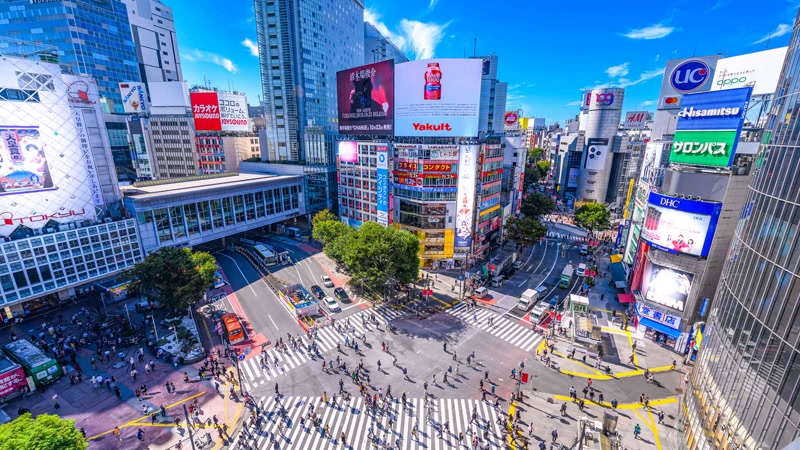
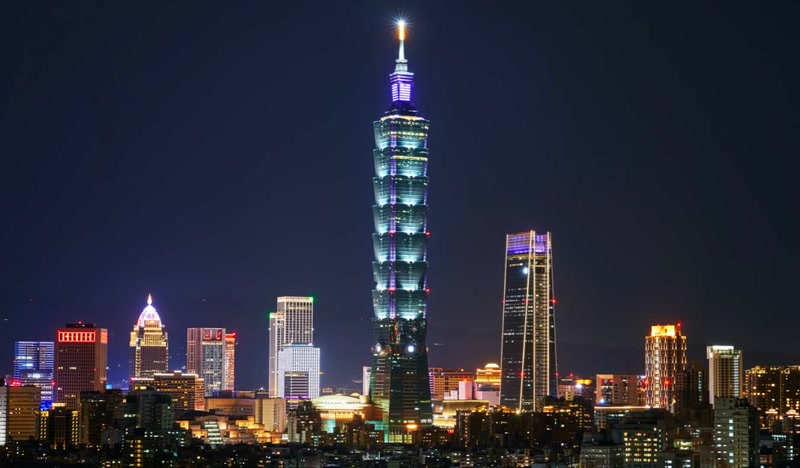
Tokyo wins on scale, culinary depth, and bucket-list energy. Taipei wins on value, food accessibility, warmth, and being wildly underrated by most Western travelers.
- Choose Tokyo: First-timers to Asia, pop culture obsessives, high-end food travelers, anyone who wants to feel genuinely dazzled.
- Choose Taipei: Budget-conscious travelers, food lovers who want street-level access, repeat Asia visitors, digital nomads, and anyone who finds Tokyo's size intimidating.
- Budget snapshot: Tokyo: ¥12,000–18,000 ($80–120/day mid-range); Taipei: NT$1,800–3,000 ($55–95/day mid-range).
Choose Tokyo
Iconic Asia experience, unmatched food variety, pop culture hub, bucket-list city.
Choose Taipei
Incredible value, world-class street food, friendlier atmosphere, underrated gem.
Quick Comparison
| Category | 🏙️ Tokyo | 🥟 Taipei | Winner |
|---|---|---|---|
| Daily Budget (mid-range) | ¥12,000–18,000 ($80–120) | NT$1,800–3,000 ($55–95) | Taipei |
| Food Scene | World's most Michelin stars, every cuisine imaginable | Best street food in Asia, beef noodle soup, night markets | Tie |
| Street Food Value | Good, especially convenience stores | Exceptional — NT$60–150 ($2–5) per item | Taipei |
| Public Transit | Best metro system on Earth, extensive | Excellent MRT, clean, easy to navigate | Tokyo |
| Cultural Attractions | Temples, modern art, Akihabara, Harajuku | Temples, night markets, Jiufen, National Palace Museum | Tokyo |
| Nightlife | World-class, 24-hour, massive variety | Good clubs and bars, but smaller scale | Tokyo |
| Accommodation Cost | Hostel dorm ¥3,000–5,000/night | Hostel dorm NT$400–700/night ($12–22) | Taipei |
| English Friendliness | Signage excellent, spoken English limited | Slightly more English spoken, very helpful locals | Taipei |
| Day Trips | Hakone, Kamakura, Nikko, Kyoto via Shinkansen | Jiufen, Taroko Gorge, north coast, Tainan | Tie |
| Weather (avoid) | Aug humidity, rainy season Jun–Jul | Jun–Sep typhoon season, humid summers | Tie |
| Safety | Among the safest cities on Earth | Equally safe, very tourist-friendly | Tie |
| Best For | First-timers, pop culture fans, foodies with budget | Budget travelers, food lovers, repeat Asia visitors | — |
🍜 Food & Dining
This is genuinely the closest category in the entire comparison — and also the most subjective. Tokyo holds the world record for Michelin-starred restaurants (over 200 at last count), serves every regional Japanese cuisine plus world-class French, Italian, Chinese, and more, and has a 24-hour food culture that never sleeps. The Tokyo vs Kyoto debate often comes down to food style — but against Taipei, Tokyo's breadth is the differentiator.
Taipei's case is different: it's about density of deliciousness at the street level. Shilin Night Market, Raohe Night Market, and Ningxia Night Market all run until 1–2am and serve some of the most memorable food you'll eat anywhere in Asia. Beef noodle soup here is not a dish — it's a religion. Scallion pancakes (cong you bing), oyster vermicelli, pineapple cake, bubble tea (invented here), stinky tofu — Taipei's culinary identity is deep, proud, and completely distinctive. And all of it costs NT$60–150 ($2–5) per item.
Price comparison
Budget meals: Tokyo ¥800–1,500 for ramen, gyudon, or a solid set lunch. Taipei NT$100–200 ($3–6) for a full night-market meal. Sit-down restaurants run NT$300–600 ($10–18) for a generous Taiwanese meal vs ¥1,500–3,000 in a comparable Tokyo restaurant. The gap is real — Taipei simply costs less to eat spectacularly.
💰 Cost Comparison
Taipei is significantly cheaper than Tokyo — this is the single biggest practical difference between the two cities. Here's a detailed daily budget breakdown based on 2025/2026 real prices:
| Expense | 🏙️ Tokyo | 🥟 Taipei |
|---|---|---|
| Hostel dorm | ¥3,000–5,000/night ($20–33) | NT$400–700/night ($12–22) |
| Mid-range hotel | ¥10,000–20,000/night ($67–133) | NT$2,500–5,000/night ($78–155) |
| Budget meal | ¥800–1,200 ($5–8) | NT$80–200 ($2.50–6) |
| Mid-range restaurant | ¥1,500–3,500 ($10–23) | NT$350–700 ($11–22) |
| Metro/transit ride | ¥170–320 ($1.10–2.10) | NT$20–45 ($0.60–1.40) |
| Coffee (café) | ¥500–800 ($3.30–5.30) | NT$120–200 ($3.70–6.25) |
| Beer (convenience store) | ¥200–300 ($1.30–2) | NT$55–90 ($1.70–2.80) |
| Mid-range daily total | ¥12,000–18,000 ($80–120) | NT$1,800–3,000 ($55–95) |
Note: mid-range hotel costs in Taipei are actually comparable to Tokyo once you move upmarket — the real savings come at the budget and street-food level. If you're backpacking, Taipei wins decisively. If you're splurging on a luxury hotel, costs converge.
🚃 Getting Around
Tokyo's transit system is a genuine marvel — 13 metro lines, multiple rail networks, buses, and a frequency that makes you forget timetables exist. The IC card (Suica or Pasmo) works everywhere, including convenience stores and vending machines. The downside: Tokyo is vast. Getting from Shinjuku to Ueno takes 30–40 minutes. Navigating between neighborhoods requires planning. Google Maps is your best friend.
Taipei's MRT (Mass Rapid Transit) is smaller but brilliantly efficient — 6 lines, covers the city well, and fares start at NT$20 ($0.60). What Taipei lacks in network scale it makes up in compactness: most tourist areas are within 30–40 minutes of each other. EasyCard (similar to Suica) works on MRT, buses, YouBike rentals, and even some convenience stores. The city is also far more walkable and bikeable than Tokyo.
🎉 Nightlife & Entertainment
Tokyo's nightlife is categorically different from almost anywhere else on Earth. Shinjuku's Golden Gai — 200+ tiny bars crammed into an alley, each with a theme, a bartender who knows everyone, and room for maybe 8 people — is unlike anything in the world. Shibuya's clubs run until dawn. Shimokitazawa's jazz bars and live music venues draw serious music crowds. Roppongi caters to the international set. Tokyo literally runs 24 hours and never truly sleeps.
Taipei's nightlife is more concentrated and on a smaller scale. The Da'an and Zhongshan districts have clubs, live music, and craft beer bars. Ximending stays lively late. But Taipei's unique nightlife format is the night market — Shilin (NT$5 entry), Raohe, and Ningxia run until 1–2am and serve as social hubs where families, couples, and solo travelers mingle over stinky tofu. It's not clubs-and-dancing nightlife, but it's genuinely joyful.
🏛️ Cultural Attractions
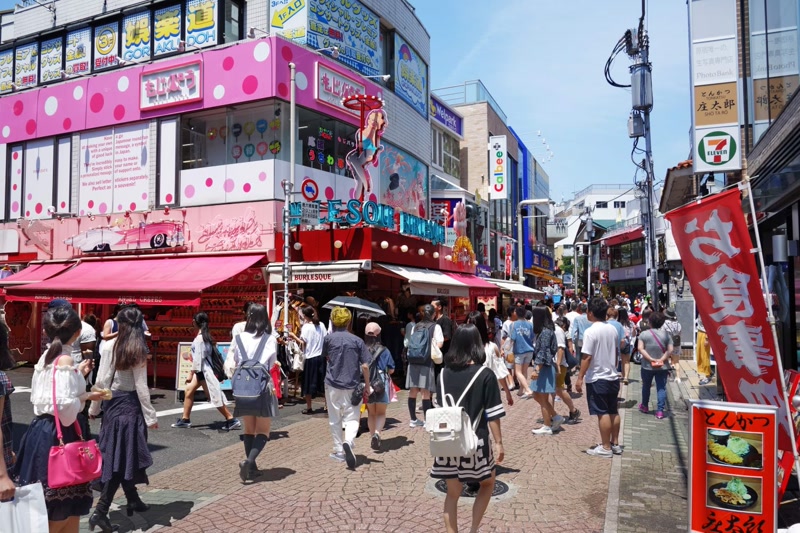
Tokyo's cultural range is staggering. Akihabara for anime and electronics; Harajuku's Takeshita Street for youth fashion; TeamLab's digital art experiences; Sensoji Temple in Asakusa; the serene Meiji Jingu forest shrine; Ueno's cluster of world-class museums. Modern Japan — the cutting edge, the weird, the beautiful — is best experienced in Tokyo. There's also the Shinjuku Golden Gai, the Robot Restaurant, and a cabinet of curiosities around every corner.
Taipei punches harder than expected here. The National Palace Museum houses one of the world's greatest collections of Chinese art and artifacts (literally: Chiang Kai-shek evacuated the collection from Beijing). Longshan Temple is a stunning, active Buddhist/Taoist temple unlike anything in Tokyo. Jiufen's lantern-lit tea houses inspired Miyazaki's Spirited Away aesthetic. Ximending is Taipei's youth culture district. The contrast between Taiwan's Chinese cultural heritage and modern democratic identity is genuinely interesting.
🌸 Best Time to Visit
Both cities share a similar temperate climate with hot, humid summers and mild winters. The key differences:
Tokyo: March–May (cherry blossom season) and September–November (autumn foliage) are peak. Summer (June–August) is brutal — 30°C+ with extreme humidity. Typhoon season technically affects Tokyo (August–September) but rarely shuts things down. Winter (December–February) is clear and cold — great for photos, Christmas illuminations, and avoiding crowds. Shoulder seasons are ideal.
Taipei: October–March is the sweet spot — temperatures 15–22°C, lower humidity, minimal rain. Spring (March–April) brings blossoms. Summer (May–September) is seriously hot and humid, with typhoon risk (more frequent than Tokyo). June–September sees multiple typhoon-related closures each year. Taipei winters are mild and very pleasant compared to Tokyo.
🏨 Where to Stay
Tokyo neighborhoods to consider:
Shinjuku — central, great transit hub, electric nightlife, endless restaurants. Best all-rounder. Shibuya — younger energy, great for pop culture, easy airport access. Asakusa — traditional neighborhood, near Sensoji, slightly cheaper, old Tokyo feel. Akihabara — for anime/gaming obsessives. Ginza/Marunouchi — upscale, near Tokyo Station, business district luxury.
Taipei neighborhoods to consider:
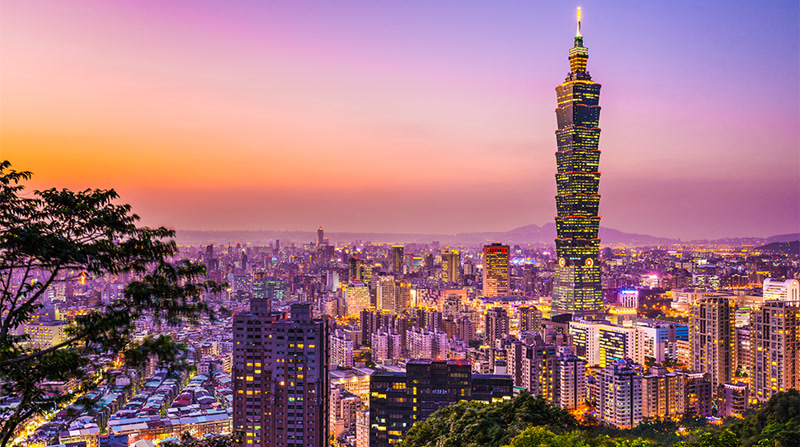
Da'an District — Taipei's most comfortable expat area, great cafés, parks, restaurants, near MRT. Zhongzheng — central, near Chiang Kai-shek Memorial Hall, good value accommodation. Xinyi — modern, near Taipei 101 and the best malls. Zhongshan — gallery district, excellent restaurants, lively but calmer than Da'an.
🎒 Day Trips
From Tokyo: Hakone (2h, Mt. Fuji views + onsen); Kamakura (1h, giant Buddha, temples); Nikko (2h, ornate shrines in the mountains); Yokohama (30min, Chinatown, waterfront); Kyoto/Osaka via Shinkansen (2.5h, possible but better as an overnight).
From Taipei: Jiufen (1h, hillside gold-rush town, lantern-lit tea houses, Miyazaki vibes); Taroko Gorge (3–4h, one of Asia's most dramatic natural wonders); Yehliu Geopark (1.5h, bizarre rock formations); Tainan (2h by HSR, Taiwan's cultural capital); Hualien (2.5h, gateway to Taroko, wild east coast).
🔀 Why Not Both?
Tokyo and Taipei make an excellent two-destination trip, and the combination is more popular than most first-time Asia visitors realize. Budget carriers like Tigerair Taiwan, Scoot, and Peach fly the route frequently for ¥10,000–20,000 ($65–130) one way. A Tokyo → Taipei itinerary works beautifully as a 10–14 day trip: Tokyo for 5–6 days (energy, scale, pop culture), Taipei for 4–5 days (food, warmth, value, day trips).
The cities complement each other almost perfectly. There's essentially no experience overlap — what Tokyo does, Taipei doesn't try to replicate, and vice versa. Tokyo gives you the Japan experience in full force. Taipei then gives you a completely different cultural identity: Chinese heritage, Taiwanese democracy, night-market street life, and a pace that's 30% more relaxed.
For the Japan leg, our Tokyo vs Kyoto and Tokyo vs Seoul comparisons cover the obvious pairing questions. If you've already done Japan and are returning to Asia, Taipei is consistently the destination that overdelivers relative to expectations — see also our Tokyo vs Singapore guide for another East Asia pairing.
❓ Frequently Asked Questions
Is Tokyo or Taipei better for first-time visitors to Asia?
Both are excellent first-timer cities, but they serve different travelers. Tokyo overwhelms in the best possible way — the sheer scale, variety of food, and transit efficiency are hard to match. Taipei is smaller, cheaper, warmer in personality, and easier to navigate without Japanese. Reddit consensus: if budget is no object, Tokyo is the iconic Asia trip. If you want incredible food, friendly locals, and a more relaxed pace without the cost, Taipei punches way above its weight.
Is Taipei much cheaper than Tokyo?
Significantly cheaper. A mid-range day in Taipei runs NT$1,800–3,000 ($55–95 USD). The same in Tokyo costs ¥12,000–18,000 ($80–120 USD). Where it really shows: accommodation (Taipei hostels start at NT$400–700/night vs ¥3,000–5,000 in Tokyo) and food (night market meals at NT$60–150 vs ¥800–1,200 for Tokyo ramen). You can eat spectacularly in Taipei on $25/day. In Tokyo, that's convenience-store-and-gyudon territory.
How far apart are Tokyo and Taipei?
About 2,100 km by air. Flights take 3–3.5 hours from Narita or Haneda to Taoyuan International Airport (TPE). Budget carriers like Tigerair Taiwan and Peach fly the route frequently. Fares can be as low as ¥10,000–15,000 ($65–100) one way if you book early. This makes Tokyo + Taipei a very doable two-destination trip for anyone with 10+ days.
Which city has better food — Tokyo or Taipei?
This is genuinely the hardest call in this comparison. Tokyo has more Michelin stars than any city on Earth and covers every cuisine imaginable. Taipei has one of the world's best street food cultures, the finest beef noodle soup you'll ever eat, and night markets that run until 2am. Reddit travelers who've visited both tend to say Tokyo wins on breadth and precision, while Taipei wins on value, informality, and sheer fun. If you're a food-obsessed budget traveler, Taipei might actually win.
Is it worth combining Tokyo and Taipei in one trip?
Absolutely — and it's more popular than people expect. With 10–14 days, a Tokyo → Taipei (or reverse) route works beautifully. Fly into one city, out of the other, and you skip backtracking. The cities are different enough that there's essentially no overlap. Budget-conscious travelers especially love this combo: splurge in Taipei, do Tokyo's free highlights (Shinjuku, Harajuku, Shibuya), and keep total costs manageable.
Which city is safer — Tokyo or Taipei?
Both are among the safest cities in the world for tourists. Tokyo's crime rate is extraordinarily low — lost wallets get turned in, and solo female travelers regularly report feeling completely safe at midnight. Taipei is nearly as safe, with the added bonus that locals are more openly friendly and likely to help. Neither city has significant tourist-scam problems. You can walk around both at 2am without concern.
How many days do I need in Tokyo vs Taipei?
Tokyo needs at least 4 full days for a first visit — ideally 5–6. It's massive, and underestimating it is the most common tourist mistake. Taipei works well in 3–4 days, with day-trip options to Jiufen, Taroko Gorge, and the north coast extending a visit to 5–6 days easily. For a combined trip: 5 days Tokyo + 4 days Taipei is a comfortable 9-day itinerary.
Which city has better nightlife?
Tokyo, and it's not close for sheer variety. Shinjuku's Golden Gai, Shibuya's clubs, Shimokitazawa's jazz bars, Roppongi's international scene — Tokyo runs 24 hours and has something for every taste and budget. Taipei's nightlife is concentrated in Da'an and Zhongshan, with good clubs and bars but on a much smaller scale. However, Taipei's night markets serve a social function that's unique: wandering Shilin or Raohe at midnight with strangers is its own kind of nightlife.
Ready to Plan Your Trip?
Get a free personalized itinerary for Tokyo or Taipei — built around your travel style, budget, and interests.
🎟️ Book Tours & Experiences
Hand-picked tours and activities for both destinations — book with free cancellation
Experiences via Viator — free cancellation on most tours