How we built this comparison
This page combines traveler discussion patterns, published price ranges, flight schedules, and seasonal data to help you decide between Tokyo and Takayama.
- Reviewed 500+ Reddit threads from r/JapanTravel, r/travel, r/solotravel, r/Tokyo, r/Japan.
- Verified costs and logistics against current booking platforms (e.g., Booking.com, Japan Rail Pass site, local bus operators).
- Cross-referenced seasonal patterns and weather data from the Japan Meteorological Agency.
- Consulted established travel guides and blogs for up-to-date local insights and recommendations.
⚡ The TL;DR Verdict
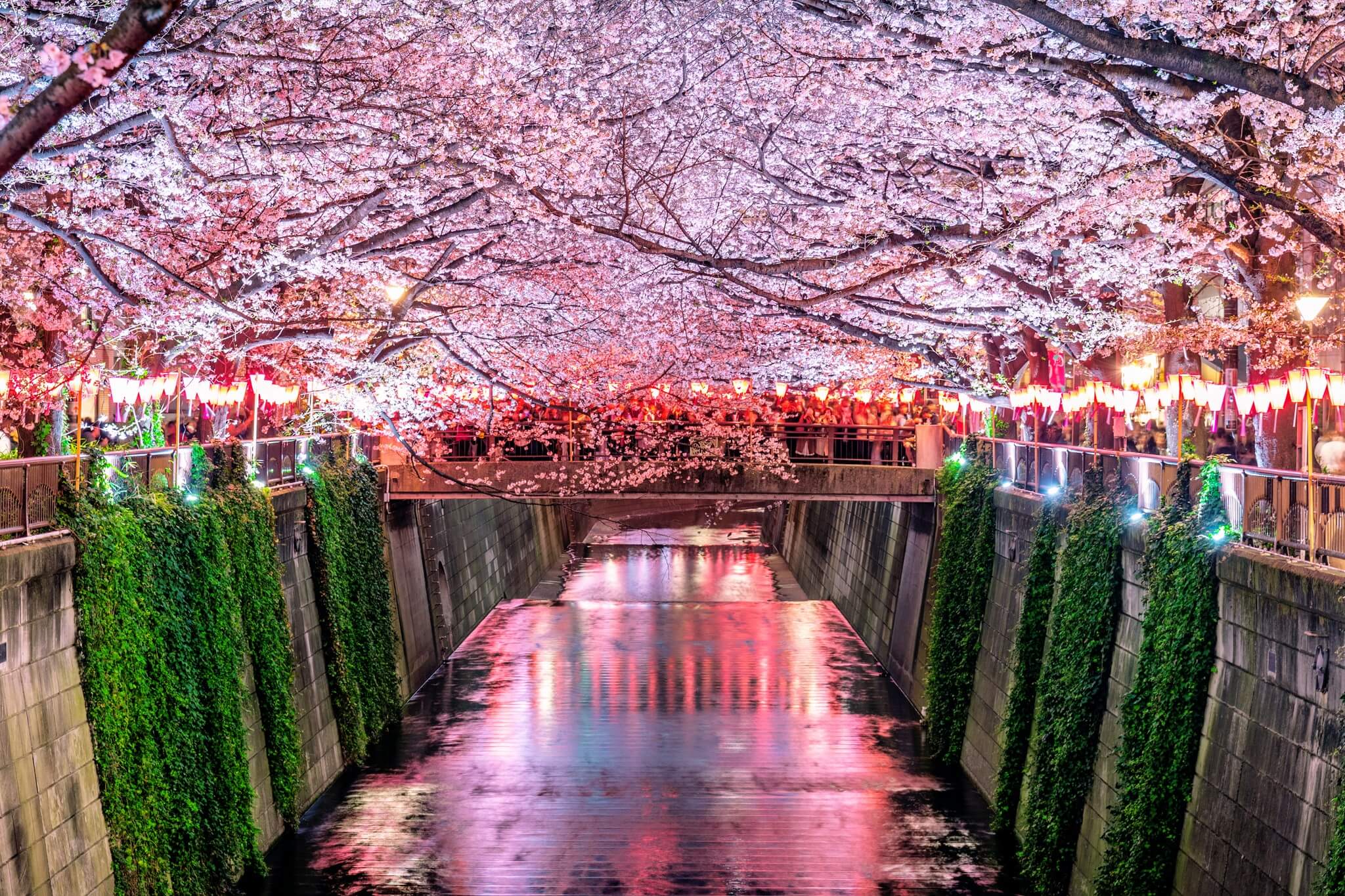
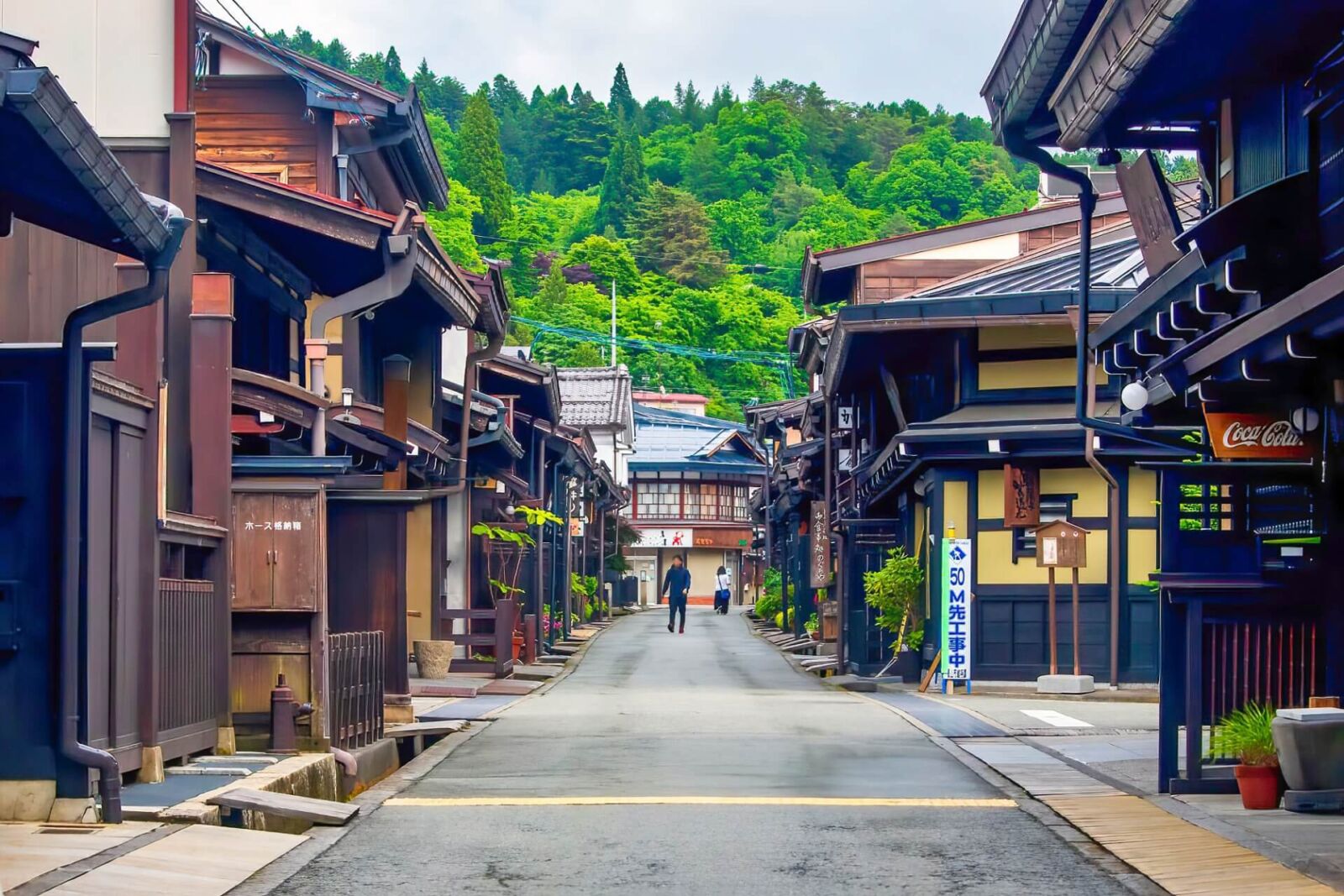
For first-time visitors craving neon lights, diverse experiences, and world-class convenience, Tokyo is your undisputed champion (plan ¥15,000-¥25,000 / $100-$170 per day). However, if you seek traditional charm, breathtaking nature, and a slower pace, Takayama offers a soul-enriching escape (expect ¥10,000-¥18,000 / $65-$120 per day).
- Choose Tokyo: You thrive on energy, love endless dining and shopping, want to experience cutting-edge culture, and aren't afraid of crowds or a higher budget. Perfect for a first Japan trip.
- Choose Takayama: You prefer tranquil historical towns, stunning mountain scenery, authentic local cuisine, and a chance to truly unwind and immerse yourself in traditional Japan. Ideal for a second trip or a slower pace.
- Choose Both: If you have 10+ days, combining Tokyo's urban thrill with Takayama's serene beauty offers the best of both worlds. Spend 5-7 days in Tokyo, then 2-3 days in Takayama, connecting via bullet train and local lines.
Quick Comparison
| Category | Tokyo | Takayama | Winner |
|---|---|---|---|
| Culture & History | Modern pop culture, Imperial Palace, diverse museums, historical temples amidst skyscrapers. | Preserved Edo-period streets, traditional crafts, morning markets, authentic festivals. | Takayama |
| Food Scene | World-class dining, Michelin stars, diverse cuisines, themed cafes, street food galore. | Hida beef specialties, local sake, traditional miso, regional mountain vegetables. | Tokyo |
| Nightlife & Entertainment | Vibrant clubs, themed bars, karaoke boxes, late-night izakayas, diverse entertainment districts. | Extremely quiet evenings, a few traditional izakayas, early closing times. | Tokyo |
| Costs & Budget | Generally expensive, especially for accommodation and transport; food can be affordable if careful. | More budget-friendly, good value for accommodation and food; main cost is travel to/from. | Takayama |
| Getting There & Transportation | Two major international airports (NRT, HND), extensive public transport network. | Requires multi-leg journey (Shinkansen + local train/bus) from major hubs. | Tokyo |
| Nature & Scenery | Urban parks (Shinjuku Gyoen, Ueno Park), limited natural landscapes within the city. | Surrounded by Japanese Alps, close to Kamikochi, Shirakawa-go, scenic rivers. | Takayama |
| Accommodation Style | Modern hotels, business hotels, capsule hotels, luxury resorts, guesthouses. | Traditional ryokans, minshuku (guesthouses), boutique hotels, farm stays. | Tie |
| Day Trips & Excursions | Diverse options like Hakone, Nikko, Kamakura, Mt. Fuji views. | Shirakawa-go, Hida Folk Village, Kamikochi, Gero Onsen. | Tie |
| Shopping | Endless options from luxury brands to quirky streetwear, electronics, souvenirs. | Local crafts, traditional goods, Hida beef products, sake, regional souvenirs. | Tokyo |
| Crowds & Pace | Extremely dense population, constant bustle, fast-paced urban environment. | Relaxed pace, fewer tourists, tranquil atmosphere, especially in the evenings. | Takayama |
⛩️ Culture & History
Tokyo offers a fascinating blend of ancient and modern culture, from the solemn Meiji Jingu Shrine and the Imperial Palace East Garden to the futuristic digital art of teamLab Planets. You can explore the Edo-Tokyo Museum for a historical overview or dive into anime culture in Akihabara. However, its historical sites are often islands within a modern city. Takayama, conversely, is a living museum. Its beautifully preserved Sanmachi Suji district transports you straight to the Edo period with its wooden merchant houses, sake breweries, and craft shops. The Takayama Jinya, a former government office, provides a deep dive into local history, and the annual Takayama Matsuri (Spring & Autumn) is one of Japan's most spectacular traditional festivals. While Tokyo has pockets of history, Takayama embodies a complete historical experience. As one Redditor put it, "Tokyo's history feels curated, but Takayama *is* history. Walking those streets felt like time travel."
Winner takeaway
- Winner: Takayama
- Why: Takayama provides a more cohesive, immersive, and authentic traditional Japanese cultural and historical experience.
- Who this matters for: Travelers seeking deep immersion in traditional Japan, history buffs, and those valuing authentic, preserved heritage.
🍣 Food Scene
Tokyo is an undisputed global food capital, boasting more Michelin stars than any other city. You can find everything from exquisite sushi at Sukiyabashi Jiro (reservations years in advance, ¥40,000+ / $270+) to a bowl of perfect ramen at Ichiran (¥1,000 / $7), quirky themed cafes, and izakaya hopping in Shinjuku Golden Gai. The sheer variety, quality, and accessibility of food at every price point is mind-boggling. Takayama's food scene, while excellent and hyper-local, is far more specialized. It's famous for Hida beef – you can enjoy it as nigiri (¥700-¥1,000 / $5-$7 for two pieces), grilled yakiniku, or in various stews. Local sake breweries offer tastings (around ¥500-¥1,000 / $3.50-$7), and regional miso is a staple. While delicious, the options are more limited. "I loved the Hida beef in Takayama, seriously melt-in-your-mouth, but Tokyo just has everything. I ate something new and amazing every single meal for a week," a traveler commented. Tokyo offers an unparalleled culinary adventure for every palate and budget.
Winner takeaway
- Winner: Tokyo
- Why: Tokyo's sheer diversity, quality, and abundance of dining options across all cuisines and price points are unmatched.
- Who this matters for: Foodies, adventurous eaters, those seeking Michelin-starred experiences, and anyone who loves variety.
🌃 Nightlife & Entertainment
Tokyo truly comes alive after dark. Iconic districts like Shibuya and Shinjuku offer everything from massive nightclubs with international DJs (entry ¥3,000-¥5,000 / $20-$35) to themed bars like the Robot Restaurant (¥8,500 / $58+) or tiny, intimate bars in Golden Gai where you can chat with locals. Karaoke is a national pastime, with numerous multi-story KTV venues (hourly rates from ¥500-¥2,000 / $3.50-$14). You can easily find late-night ramen, izakayas, and countless entertainment options operating until the early morning. Takayama, by stark contrast, is exceptionally quiet once the sun sets. Most shops close by 5-6 PM, and restaurants by 8-9 PM. There are a handful of traditional izakayas and local bars, but they are generally mellow and cater to a local crowd, closing relatively early. "Don't go to Takayama expecting to party. It's for early mornings and quiet nights. Tokyo is where you go wild," a Reddit user advised. If you're looking for vibrant evening entertainment, Tokyo is the only choice.
Winner takeaway
- Winner: Tokyo
- Why: Tokyo offers an electrifying, diverse, and extensive nightlife scene, while Takayama is primarily a daytime destination.
- Who this matters for: Party-goers, social travelers, night owls, and those seeking vibrant evening entertainment.
💰 Costs & Budget
Tokyo is one of the world's most expensive cities. A decent mid-range hotel can easily cost ¥15,000-¥25,000 ($100-$170) per night, while budget hostels are around ¥4,000-¥7,000 ($27-$48). Daily transport adds up (around ¥1,000-¥1,500 / $7-$10 with a Suica/Pasmo card), and while cheap ramen exists, a nice dinner can be ¥3,000-¥5,000 ($20-$35). Takayama offers significantly better value. A comfortable ryokan or minshuku often costs ¥8,000-¥15,000 ($55-$100) per night, sometimes including breakfast and dinner, which is a fantastic deal. Even a guesthouse is ¥4,000-¥6,000 ($27-$40). Food, like Hida beef skewers (¥500 / $3.50) or a local set meal (¥1,500-¥2,500 / $10-$17), is generally cheaper. Getting around Takayama is mostly on foot, saving transport costs. The main budget hit for Takayama is the journey there from major cities. "My wallet screamed in Tokyo, but Takayama felt like a gentle whisper. I got a full ryokan experience for what a basic hotel cost in Shinjuku," noted a Reddit traveler.
Winner takeaway
- Winner: Takayama
- Why: Takayama offers a much more budget-friendly travel experience, especially for accommodation and food, providing excellent value.
- Who this matters for: Budget-conscious travelers, backpackers, and those seeking high-value traditional experiences.
✈️ Getting There & Transportation
Tokyo is exceptionally easy to reach, serving as a major international gateway to Japan. Narita (NRT) and Haneda (HND) airports connect to virtually every major city worldwide. From either airport, efficient express trains like the Narita Express (N'EX, approx. ¥3,000 / $20 to Tokyo Station) or Keisei Skyliner (approx. ¥2,500 / $17) and airport limousines bring you directly into the city center. Once there, Tokyo's public transportation system — a dense network of JR lines and subway lines — is world-renowned for its efficiency, punctuality, and coverage, making getting anywhere seamless (a 24-hour subway pass is ¥800 / $5.50). Takayama is less accessible. From Tokyo, it's a 4.5-5 hour journey involving a Shinkansen to Nagoya (or Toyama) then connecting to the Hida Wide View limited express train to Takayama, costing approximately ¥15,000-¥18,000 ($100-$120) one-way. From Kyoto/Osaka, it's a similar process taking about 3-4 hours. "Getting to Takayama was a bit of an odyssey, but the train ride views were epic. Tokyo's trains just spit you out perfectly on time everywhere," commented a traveler. Within Takayama, the town center is very walkable, and local buses cover the wider area.
Winner takeaway
- Winner: Tokyo
- Why: Tokyo is a primary international entry point with unparalleled ease of access and internal transport efficiency.
- Who this matters for: First-time visitors to Japan, those on a tight schedule, and anyone prioritizing convenience and direct access.
🏞️ Nature & Scenery
While Tokyo has some beautiful urban green spaces like Shinjuku Gyoen National Garden (entry ¥500 / $3.50) and Ueno Park, these are curated escapes within the concrete jungle. For truly expansive nature, you need to take day trips outside the city. Takayama, however, is nestled directly in the heart of the Japanese Alps, offering immediate access to stunning natural beauty. The Miyagawa River flows through the town, adding to its picturesque charm. Beyond the town, it's a gateway to breathtaking destinations. The UNESCO World Heritage site of Shirakawa-go, with its distinctive gassho-zukuri farmhouses, is a short bus ride away (approx. ¥2,600 / $18 one-way). Even more spectacular is Kamikochi, a pristine mountain valley renowned for its hiking trails and turquoise rivers (open April-November, bus from Takayama approx. ¥2,500 / $17 one-way). The views are genuinely postcard-perfect. "Tokyo's parks are nice, but Kamikochi near Takayama? That's another level of natural beauty. Felt like I was in a movie," a user shared. Takayama is undeniably the better choice for nature lovers.
Winner takeaway
- Winner: Takayama
- Why: Takayama offers immediate access to stunning alpine landscapes and serves as a gateway to world-class natural attractions.
- Who this matters for: Nature enthusiasts, hikers, photographers, and those seeking serene mountain environments.
🏨 Accommodation Style
Both destinations offer excellent accommodation, but cater to very different preferences. Tokyo provides a vast array of modern options, from sleek business hotels like APA Hotel (starting ¥8,000 / $55) and luxurious stays at the Park Hyatt Tokyo (from ¥50,000 / $340+) to unique capsule hotels (from ¥3,000 / $20) and stylish boutique guesthouses. You can find virtually any style and budget. Takayama, on the other hand, excels in traditional Japanese lodging. It's renowned for its ryokans (traditional inns) and minshuku, often featuring futon beds on tatami mats, communal onsen baths, and exquisite multi-course kaiseki dinners. Staying at a ryokan like Honjin Hiranoya (from ¥25,000 / $170 per person with meals) is a cultural experience in itself, offering incredible value for what's included. There are also charming guesthouses like J-Hoppers Takayama. "I loved the convenience of my Shibuya hotel, but nothing beats waking up in a ryokan in Takayama with a traditional breakfast. Both are essential experiences," a traveler remarked. The 'winner' here depends entirely on the desired experience: modern convenience vs. traditional immersion.
Winner takeaway
- Winner: Tie
- Why: Each destination offers distinct and top-tier accommodation experiences, catering to different travel styles and preferences.
- Who this matters for: Travelers seeking modern amenities and diverse options (Tokyo) vs. those desiring authentic traditional Japanese stays (Takayama).
🚌 Day Trips & Excursions
Both Tokyo and Takayama serve as fantastic bases for enriching day trips, each offering distinct types of experiences. From Tokyo, popular excursions include a trip to Hakone for views of Mt. Fuji, hot springs, and a scenic lake cruise (Hakone Free Pass approx. ¥6,100 / $42). Nikko, with its stunning UNESCO World Heritage shrines and temples, is another excellent choice (train fare approx. ¥3,000 / $20 one-way). Kamakura offers a giant Buddha and beautiful temples by the sea. Each of these can be easily done in a day. Takayama's day trip options lean towards nature and traditional villages. The most famous is Shirakawa-go, a UNESCO site known for its unique gassho-zukuri farmhouses (bus fare approx. ¥2,600 / $18 one-way). The Hida Folk Village, a smaller open-air museum, is just outside town (bus ¥210 / $1.50, entry ¥700 / $5). For nature lovers, Kamikochi offers incredible hiking (bus approx. ¥2,500 / $17 one-way), and Gero Onsen provides a traditional hot spring town experience. "Honestly, both places have killer day trips. Fuji from Hakone was breathtaking, but Shirakawa-go felt like stepping into a fairy tale. Can't pick just one," said a Redditor. The quality and variety are high in both, just different focuses.
Winner takeaway
- Winner: Tie
- Why: Both cities offer an outstanding array of diverse and highly rewarding day trip options that significantly enhance the travel experience.
- Who this matters for: Any traveler who enjoys exploring beyond the main city and experiencing regional attractions.
🛍️ Shopping
Tokyo is a global shopping mecca, offering an unparalleled retail therapy experience. Districts like Ginza cater to luxury brands (think Louis Vuitton, Chanel), while Shibuya and Shinjuku are brimming with department stores (e.g., Isetan, Takashimaya) and trendy fashion boutiques. Akihabara is the go-to for electronics and anime/manga goods. Harajuku offers unique streetwear and quirky fashion. You can find anything from high-tech gadgets to adorable stationery and traditional crafts in department store basements. Takayama's shopping scene is much more focused on local specialties and traditional crafts. The Sanmachi Suji district is excellent for browsing sake breweries, miso shops, and stores selling Hida beef products, local pottery, and woodworking. The morning markets (Jinya-mae and Miyagawa) offer fresh produce, local snacks, and handmade souvenirs. While charming, the variety is limited compared to Tokyo's expansive offerings. "I literally needed an extra suitcase after Tokyo. Takayama's souvenirs were lovely, but Tokyo has EVERYTHING you could ever want to buy," a traveler noted. For sheer volume, variety, and global brands, Tokyo is in a league of its own.
Winner takeaway
- Winner: Tokyo
- Why: Tokyo offers an overwhelmingly vast and diverse shopping landscape, catering to every taste, budget, and interest.
- Who this matters for: Fashion enthusiasts, tech geeks, souvenir collectors, and anyone who loves extensive retail options.
🚶 Crowds & Pace
Tokyo is a city of over 14 million people, and you feel it. Iconic spots like Shibuya Crossing are perpetually packed, and major train stations during rush hour can be overwhelming. Even popular attractions like Senso-ji Temple or teamLab Borderless (if it were still open in Odaiba) see massive crowds, requiring patience and good planning. The pace of life is fast, efficient, and constantly buzzing. While exhilarating for some, it can be exhausting. Takayama offers a stark contrast. The town maintains a much slower, more relaxed pace. Even during peak tourist season, the crowds are manageable, primarily concentrated in the Sanmachi Suji area during the day. Mornings at the Miyagawa Market are lively but not overwhelming. Afternoons are serene, and evenings are exceptionally quiet, allowing for peaceful strolls and contemplation. "After the sensory overload of Tokyo, Takayama felt like a spa day for my brain. I could actually breathe and just *be* there," remarked a visitor on Reddit. For those seeking tranquility and a break from the urban rush, Takayama is a clear winner.
Winner takeaway
- Winner: Takayama
- Why: Takayama offers a significantly more relaxed pace and a far less crowded environment, promoting a sense of tranquility.
- Who this matters for: Travelers seeking relaxation, peace and quiet, those overwhelmed by crowds, and anyone preferring a slow travel experience.
❓ Frequently Asked Questions
Is a Japan Rail Pass worth it for visiting both Tokyo and Takayama?
A JR Pass can be cost-effective. A 7-day JR Pass costs around ¥50,000 ($340). The round trip from Tokyo to Takayama via Shinkansen and Hida Limited Express costs roughly ¥30,000-¥36,000 ($200-$245). If you plan additional long-distance train travel (e.g., to Kyoto, Osaka), it's likely worth it. For just Tokyo and Takayama, it might be a close call, so calculate individual ticket costs first.
What's the best time of year to visit Tokyo and Takayama?
Spring (March-May) for cherry blossoms and pleasant weather, or Autumn (October-November) for vibrant fall foliage are ideal for both. Summer (June-August) can be hot and humid, especially in Tokyo. Winter (December-February) is cold but offers stunning snowscapes in Takayama and fewer crowds, though some mountain routes might be closed.
How many days should I allocate for each city if I want to visit both?
For a balanced trip, allocate 5-7 days for Tokyo to experience its diverse neighborhoods and major attractions. For Takayama, 2-3 full days are usually sufficient to explore the old town, enjoy the markets, visit Hida Folk Village, and perhaps take a day trip to Shirakawa-go or Kamikochi. This totals 7-10 days for both, plus travel time.
Is it easy to get around Tokyo and Takayama without speaking Japanese?
Yes, it's generally easy. In Tokyo, public transport signs are in English, and many staff in tourist areas speak some English. Google Maps is excellent for navigation. In Takayama, while less English is spoken, major tourist areas, hotels, and restaurants often have English menus or helpful staff. Pointing and basic phrases go a long way, and translation apps are useful.
Are there any direct flights between Tokyo and Takayama?
No, there are no direct flights. Takayama does not have its own airport. The nearest major airports are Nagoya (Chubu Centrair International Airport - NGO) or Toyama (Toyama Kitokito Airport - TOY). You would fly from Tokyo (HND or NRT) to one of these and then take a train or bus to Takayama, which is typically longer and more expensive than taking the Shinkansen and local train.
What's a unique experience I can only have in Takayama compared to Tokyo?
Staying in a traditional ryokan or minshuku with an included kaiseki dinner and breakfast, often with an onsen bath, is a much more prevalent and authentic experience in Takayama than in Tokyo. You can truly immerse yourself in the local Hida beef culture, visit traditional sake breweries, and wander ancient Edo-period streets that feel untouched by modern development, something Tokyo simply can't offer on the same scale.
Is Tokyo safe for solo female travelers?
Tokyo is considered one of the safest major cities in the world, including for solo female travelers. Public transport is safe at all hours, and crime rates are extremely low. Usual precautions like being aware of your surroundings apply, but harassment is rare. Takayama is also exceptionally safe, with its small-town charm contributing to a very secure feeling.
Can I see Mt. Fuji from Tokyo or near Takayama?
You can occasionally see Mt. Fuji from certain viewpoints in Tokyo on very clear days (e.g., from Tokyo Skytree or government buildings), but it's distant. For iconic views, a day trip to Hakone or the Fuji Five Lakes region from Tokyo is essential. Mt. Fuji is not visible from Takayama; its proximity to the Japanese Alps offers a different, but equally stunning, mountainous vista.
Ready to plan your Japan trip?
Get a free custom itinerary for Tokyo, Takayama, or both — built from real traveler insights.
🎟️ Book Tours & Experiences
Hand-picked tours and activities for both destinations — book with free cancellation
Experiences via Viator — free cancellation on most tours