How we built this comparison
This page combines traveler discussion patterns, published price ranges, flight schedules, and seasonal data to help you decide between Tonga and Fiji.
- Reviewed 50+ Reddit threads from r/travel, r/solotravel, r/Fiji, r/Tonga, and r/backpacking for authentic insights.
- Verified costs and logistics against current booking platforms (e.g., Google Flights, Booking.com, local tour operators).
- Cross-referenced seasonal patterns and weather data from meteorological services for optimal travel times.
⚡ The TL;DR Verdict
Choose Tonga if you crave authentic Polynesian culture, wild adventure, and incredible marine life encounters without the crowds, with a budget from $80-150 USD/day. Opt for Fiji if you seek classic South Pacific luxury, easy access, vibrant resort life, and diverse activities, expecting $150-350 USD/day.
- Choose Tonga: For the adventurous soul seeking genuine cultural immersion, unparalleled whale swimming (July-October), and untouched natural beauty away from mass tourism. Ideal for independent travelers willing to embrace slower pace and simpler amenities.
- Choose Fiji: Perfect for families, honeymooners, or those desiring a more polished, accessible, and activity-rich island getaway with world-class resorts, easy island hopping, and a vibrant, welcoming atmosphere.
- Choose Both: If you have at least 3 weeks and want to experience both ends of the South Pacific spectrum. Start with Fiji for ease and luxury, then fly to Tonga for a raw, unforgettable cultural and marine adventure.
Quick Comparison
| Category | Tonga | Fiji | Winner |
|---|---|---|---|
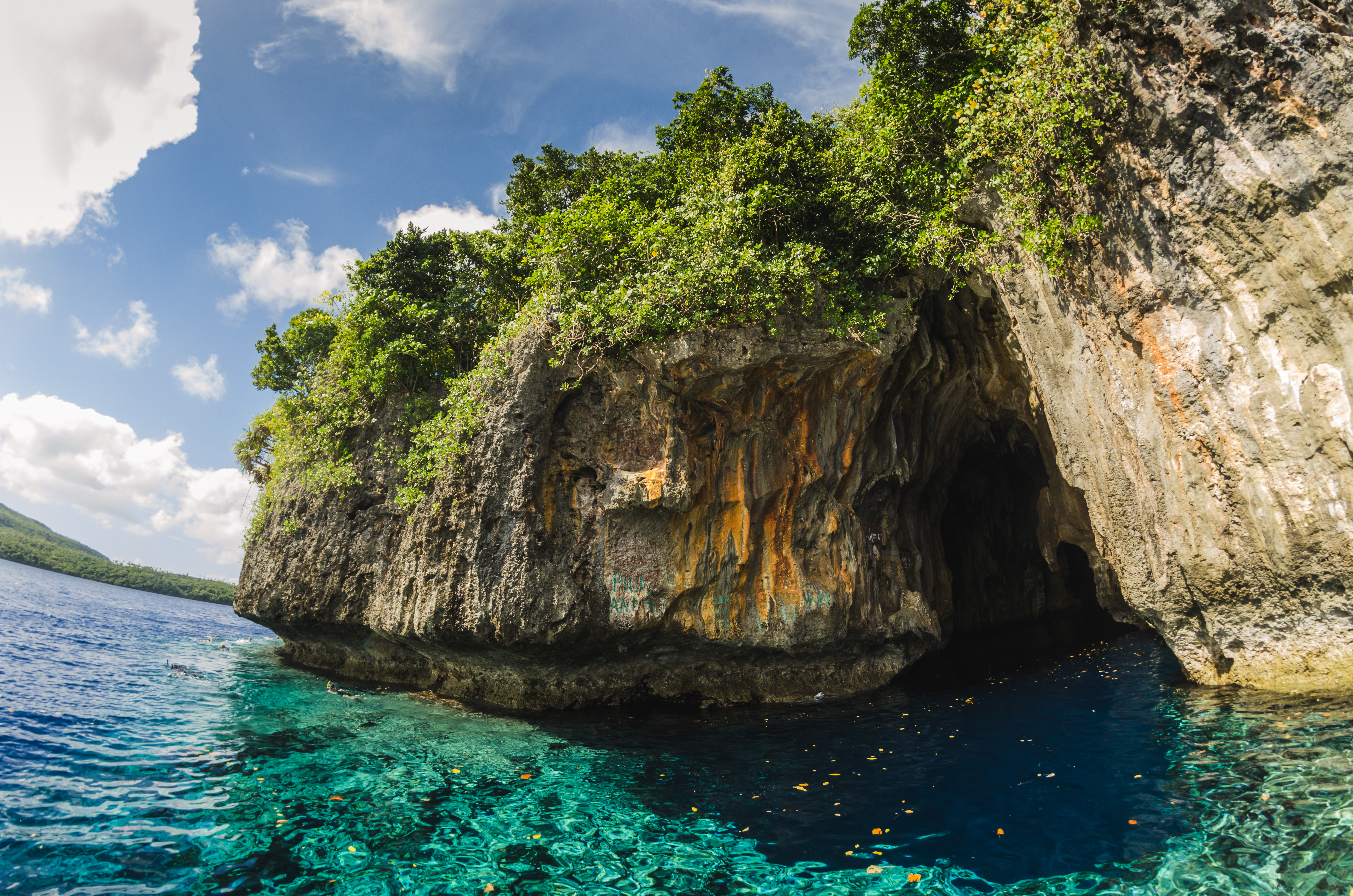
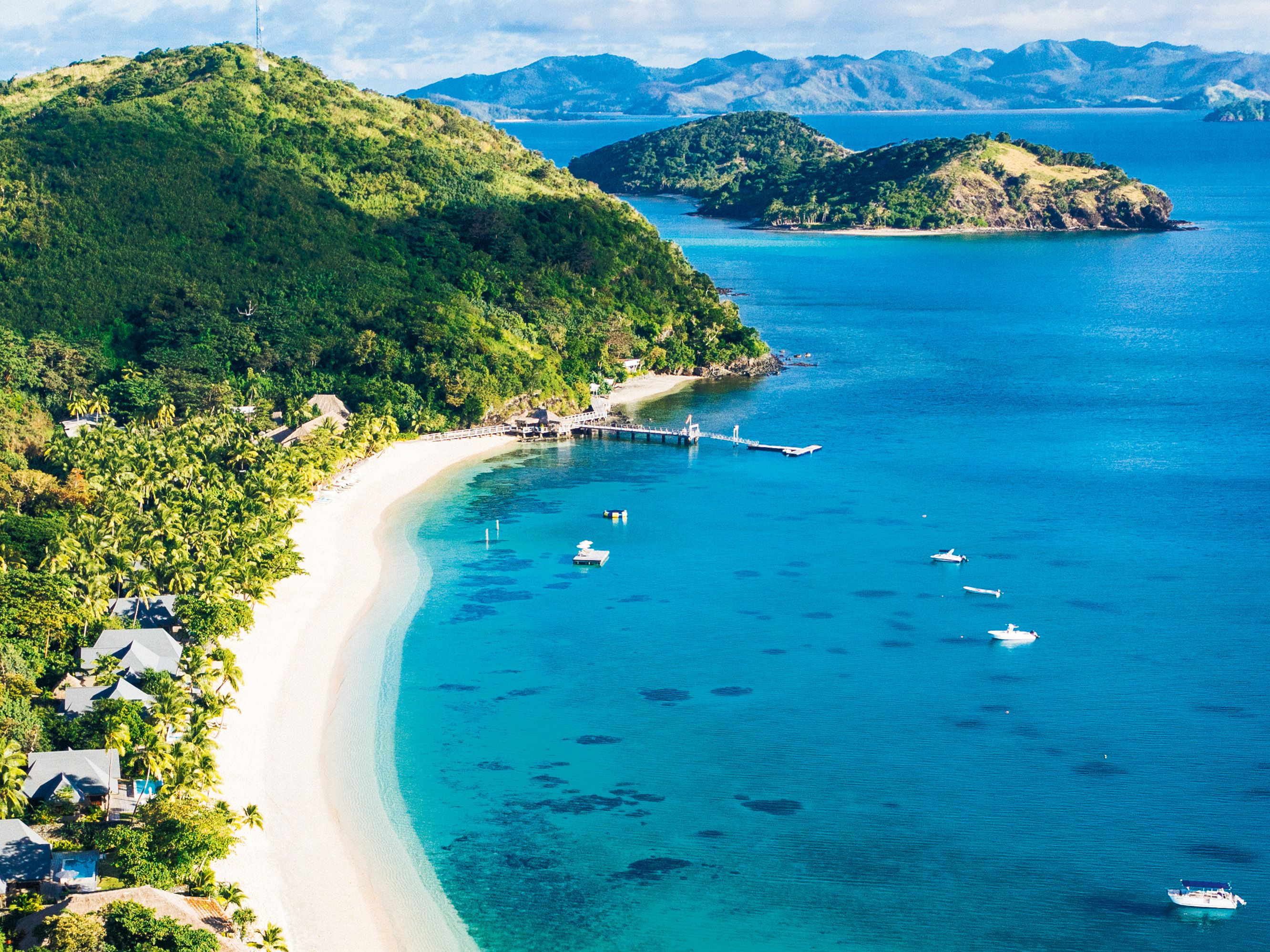
| Beaches & Scenery | Rugged, wild, and often deserted beaches; dramatic limestone cliffs and hidden caves. Less manicured, more natural beauty. | Iconic white-sand beaches with swaying palms, pristine blue lagoons, particularly stunning in the Mamanuca and Yasawa Islands. | Fiji |
| Culture & Authenticity | Deeply traditional Polynesian culture, strong monarchy, Sunday observance, less commercialized interactions. | Welcoming 'Bula' culture, accessible village visits, but often tailored for tourists, especially near resorts. | Tonga |
| Costs & Budget | Generally cheaper for local food and basic accommodation, but fewer luxury options and flight costs can be high. | Wide range from budget hostels to ultra-luxury resorts; more options for all budgets, but tourist activities can add up. | Fiji |
| Getting There | Fewer direct international flights, often requiring a stopover in Fiji, New Zealand, or Australia. | Major international hub (Nadi), direct flights from North America, Australia, New Zealand, and parts of Asia. | Fiji |
| Getting Around | Limited public transport, reliance on taxis or rental cars (can be rough), inter-island ferries/flights are less frequent. | Extensive bus network on main islands, readily available taxis, numerous inter-island ferry and flight options. | Fiji |
| Accommodation | Mostly guesthouses, small lodges, and local resorts; simpler amenities, focus on authentic experience. | Vast range from luxury 5-star resorts to boutique hotels, budget hostels, and private island retreats. | Fiji |
| Activities & Nature | World-renowned whale swimming, untouched coral reefs, sea caves, rugged hiking, unique limestone formations. | Exceptional diving/snorkeling, surfing, island hopping, rainforest hikes, waterfalls, hot springs, river adventures. | Tonga |
| Food & Drink | Simple, hearty Polynesian cuisine, fresh seafood, taro, yam; limited restaurant variety outside Nuku'alofa. | Diverse international cuisine, vibrant Indian influences, fresh seafood, Kava, resort dining, more varied nightlife. | Fiji |
| Safety & Health | Generally very safe, low crime rate; basic medical facilities, limited specialized care. | Generally safe, but petty crime can occur; more developed medical facilities, especially in Nadi/Suva. | Tie |
| Solo Travel / Backpacking | More challenging but deeply rewarding for independent, self-reliant solo travelers; less established backpacker scene. | Easier to meet people, well-trodden backpacker routes, established hostels and tour networks. | Fiji |
🏖️ Beaches & Scenery
Fiji's Mamanuca and Yasawa Islands set the global standard for picture-perfect tropical beaches. Think Vomo Island with its powdery sands or the famous Blue Lagoon in the Yasawas, offering postcard-perfect settings for swimming, snorkeling, and sunbathing. The infrastructure around these islands is purpose-built for tourism, with resorts often having their own private stretches of sand. Tonga's beaches, while beautiful, are more rugged and less developed, often requiring a bit more effort to reach. Places like 'Eua Island offer dramatic cliffs and untouched stretches of sand where you might be the only person for miles, but they lack the manicured feel of Fiji's resort beaches. If your vision of a South Pacific paradise involves endless stretches of soft white sand and crystal-clear turquoise waters right outside your resort, Fiji is the undisputed winner. "Fiji's beaches blew my mind, especially the Mamanucas. Felt like a screensaver come to life, even if it was a bit touristy." - u/IslandHopper87
Winner takeaway
- Winner: Fiji
- Why: Fiji's iconic, pristine white-sand beaches and vibrant lagoons, especially in its outer islands, are globally renowned and more accessible for traditional beach holidays.
- Who this matters for: Couples, families, and anyone seeking the quintessential, idyllic South Pacific beach experience with easy access and amenities.
🗿 Culture & Authenticity
Tonga is often called the 'Friendly Islands' for a reason, but its authenticity goes deeper than a greeting. It's the last remaining Polynesian monarchy, and traditional customs are an integral part of daily life, not just for show. Sundays are strictly observed as a day of rest and church, with most businesses closed. Attending a Tongan church service (malanga) in Nuku'alofa or a village like Kolovai is an incredibly moving and genuine experience, complete with beautiful hymns. Village visits feel less staged, offering a real glimpse into local life. While Fiji also boasts a rich culture, particularly its 'Bula' spirit and Kava ceremonies, much of what tourists experience, especially around Nadi and Denarau, is a curated version for visitors. True Fijian village experiences exist, but require more effort to find. For raw, living Polynesian culture that hasn't been significantly diluted by mass tourism, Tonga is a clear winner. Expect to pay around 50-80 TOP ($20-35 USD) for a traditional Tongan feast with cultural performances. "Tonga felt like going back in time, in the best way. Sundays are serious, but the church singing? Wow. No comparison to the 'cultural shows' in Fiji." - u/PolynesianWanderer
Winner takeaway
- Winner: Tonga
- Why: Tonga offers a more profound and less commercialized immersion into traditional Polynesian culture, with daily life deeply rooted in ancient customs and a strong monarchy.
- Who this matters for: Culture enthusiasts, history buffs, and travelers prioritizing genuine local interactions over tourist-oriented experiences.
💰 Costs & Budget
While Tonga can be cheaper for basic local meals (a 'lo'i' or takeaway fish and chips might be 15-25 TOP / $6-10 USD) and guesthouse stays (around 80-150 TOP / $35-65 USD per night), the overall trip cost often becomes higher due to fewer flight connections and limited competitive pricing for tours. Inter-island transport in Tonga (ferries, domestic flights) can also be surprisingly expensive or unreliable. Fiji, on the other hand, offers an incredibly diverse range of pricing. You can find backpacker hostels in Nadi or the Yasawas for 40-70 FJD ($18-30 USD) a night, local meals for 15-30 FJD ($7-13 USD), and cheap bus travel. Simultaneously, it boasts ultra-luxury resorts like Laucala Island where a night can easily exceed $5,000 USD. This broad spectrum means travelers can more easily tailor their Fiji trip to their budget, with a higher chance of finding deals for flights and accommodations. Activities like diving or island hopping are competitively priced due to high demand. "Fiji felt more expensive at the resorts, but I found some great cheap eats in Nadi town and my hostel was super reasonable. Tonga flights were brutal." - u/BudgetBackpacker
Winner takeaway
- Winner: Fiji
- Why: Fiji offers a more comprehensive range of budget-friendly options alongside luxury choices, with better flight connectivity and competitive pricing for tours due to higher tourism volume.
- Who this matters for: Budget-conscious travelers, backpackers, and those seeking predictable costs with a wider array of affordable choices, as well as luxury travelers.
✈️ Getting There
Fiji's Nadi International Airport (NAN) is a major South Pacific hub, making it incredibly accessible. You can find direct flights from Los Angeles (LAX) in about 10-11 hours, Sydney (SYD) in 4 hours, and Auckland (AKL) in 3 hours. Airfares from the US to Nadi can range from $800-$1,500 USD return, depending on the season and booking time. Tonga's Fuaʻamotu International Airport (TBU) near Nuku'alofa is much smaller and less connected. Most international travelers will need to fly into Nadi, Auckland, or Sydney first, and then catch a connecting flight to Tonga. Flights from Nadi to Nuku'alofa are typically 1.5-2 hours and can cost an additional $300-$500 USD return. This adds both time and cost to the journey to Tonga. The limited flight options mean less competition and higher prices overall. "Getting to Fiji was a breeze, direct from LAX. Tonga required an extra flight from Nadi, which added a whole day and a good chunk of cash." - u/LongHaulLover
Winner takeaway
- Winner: Fiji
- Why: Fiji is significantly easier and often cheaper to reach due to its status as a major international flight hub with direct connections from several continents.
- Who this matters for: All travelers, especially those with limited time, budget-conscious flyers, and anyone prioritizing convenience and direct routes.
🚗 Getting Around
Getting around Fiji is comparatively straightforward. On Viti Levu, local buses are plentiful and cheap (a ride from Nadi to Lautoka might be 2-5 FJD / $1-2 USD), taxis are metered and widely available (e.g., Nadi Airport to Denarau is around 30 FJD / $13 USD), and rental cars are an option for exploring. For island hopping, there are numerous ferry services like South Sea Cruises (Mamanucas) and Awesome Adventures Fiji (Yasawas), with passes available (e.g., 3-day Bula Pass around 400 FJD / $175 USD). Domestic flights connect major islands like Vanua Levu. Tonga is a different story. Public buses are sparse and often don't run on Sundays, taxis are available but can be pricey, and rental cars, while possible (around 100 TOP / $43 USD per day), often involve older vehicles and rough roads. Inter-island travel relies on fewer, less frequent, and sometimes less reliable domestic flights or ferries, such as the MV 'Otuanga'ofa, which sails between Tongatapu, Ha'apai, and Vava'u, taking hours and often departing late. "Renting a car in Tonga was an adventure, roads are... interesting. In Fiji, I just hopped on a bus or ferry, way easier." - u/IslandExplorer
Winner takeaway
- Winner: Fiji
- Why: Fiji offers a more developed, reliable, and diverse transportation network, making it significantly easier and more convenient to get around both on land and between islands.
- Who this matters for: Families, independent travelers, and anyone who values ease of movement and predictable travel logistics without significant hassle.
🏨 Accommodation
Fiji's accommodation landscape is incredibly diverse, catering to every budget and travel style. You can stay in ultra-luxurious private island resorts like The Brando on Tetiaroa or Vomo Island Resort (FJD 2000-5000+ / $870-2200+ USD per night), family-friendly havens like The Warwick Fiji (FJD 400-800 / $175-350 USD), vibrant backpacker hostels like Smugglers Cove in Nadi (FJD 50-80 / $22-35 USD), or charming boutique guesthouses. This means choice, competition, and often better value for money across different segments. Tonga, while offering wonderful hospitality, has a much more limited selection. Most options are family-run guesthouses and small, locally-owned resorts like Waterfront Lodge or Heilala Holiday Lodge in Tongatapu (TOP 150-300 / $65-130 USD per night). While these offer a genuine experience, they generally lack the extensive amenities, dining options, and luxury services found in Fiji's higher-end properties. "Found a great guesthouse in Tonga, really authentic. But Fiji has options for literally everyone, from super cheap dorms to crazy expensive private islands." - u/Traveler_Tara
Winner takeaway
- Winner: Fiji
- Why: Fiji offers an unparalleled variety of accommodation options, from world-class luxury resorts to budget-friendly hostels, providing more choices and better amenities for all types of travelers.
- Who this matters for: All travelers, especially those seeking specific levels of comfort, luxury, or budget-friendly stays, and families desiring resort amenities.
🤿 Activities & Nature
While Fiji offers fantastic diving and a wide array of water sports, Tonga truly shines for its unique, unparalleled nature experiences. The undisputed highlight is swimming with humpback whales in Vava'u (July-October). This is a legal, regulated, and truly intimate experience you won't find anywhere else in the world, often costing around 400-600 TOP ($170-260 USD) for a full day. Tonga also boasts stunning, untouched coral reefs perfect for snorkeling and diving, particularly around Ha'apai, with fewer boats and divers. The 'Eua Island offers rugged hiking through dense rainforests and dramatic cliffs, while the 'Anahulu Cave on Tongatapu provides a unique underground swimming experience. Fiji's nature, while beautiful (e.g., Bouma National Heritage Park waterfalls on Taveuni), is often more developed and accessible, with commercialized tours. For a truly wild, raw, and often solitary interaction with nature, particularly its marine giants, Tonga is a standout. "Swimming with the humpbacks in Vava'u changed my life. Nothing in Fiji even comes close to that level of raw nature experience." - u/WhaleWatcherKris
Winner takeaway
- Winner: Tonga
- Why: Tonga offers truly unique and unparalleled nature experiences, particularly its world-renowned, regulated swimming with humpback whales, and more untouched, pristine marine environments.
- Who this matters for: Wildlife enthusiasts, adventure seekers, divers/snorkeling fanatics, and travelers craving unique, intimate encounters with nature.
🍽️ Food & Drink
Fiji's culinary scene is far more diverse and developed than Tonga's. Due to its multicultural population (especially a significant Indian population), you'll find a fantastic array of Indian, Chinese, and international restaurants, particularly in Nadi and Suva. Resort dining offers everything from fine dining to casual beachside grills. Local Fijian cuisine, such as lovo (earth oven feast) and kokoda (marinated raw fish), is readily available and delicious. A main course at a mid-range restaurant in Nadi might be 30-60 FJD ($13-26 USD). Tonga's food is authentic and fresh, heavily featuring seafood (fresh fish, 'ota ika - raw fish salad), root crops like taro and yam, and roasted pork. However, dining options outside of a few restaurants in Nuku'alofa are limited to guesthouse meals or very basic local eateries. Nightlife in Tonga is almost non-existent beyond a few low-key bars. Fiji, conversely, has a more vibrant bar scene, especially in Nadi and Denarau, with happy hours and live music. "Fiji's food scene surprised me – great Indian curries, amazing seafood, and the resort buffets were actually good. Tonga was tasty but very simple." - u/FoodieExplorer
Winner takeaway
- Winner: Fiji
- Why: Fiji offers a significantly wider variety of culinary experiences, from diverse international cuisines to traditional local dishes, complemented by more developed restaurant scenes and lively nightlife options.
- Who this matters for: Foodies, those seeking diverse dining experiences, and travelers who enjoy vibrant nightlife and varied restaurant choices.
🩺 Safety & Health
Both Tonga and Fiji are generally considered very safe for tourists, with warm, welcoming populations. In Tonga, crime rates are extremely low, and travelers often feel very secure, even walking alone at night. The biggest 'dangers' are often poorly maintained roads or unpredictable weather. However, medical facilities are basic, primarily limited to small hospitals in Nuku'alofa and Neiafu, offering minimal specialized care. Serious medical emergencies often require evacuation to New Zealand or Australia. Fiji is also very safe, particularly within resorts and tourist areas. Petty crime like bag snatching or opportunistic theft can occur in crowded areas like Nadi town or Suva, but violent crime against tourists is rare. Fiji has more developed medical infrastructure, with larger hospitals in Nadi and Suva offering a broader range of services, though still not on par with Western standards. Travel insurance with medical evacuation is essential for both. "Felt incredibly safe in Tonga, never had a worry. Fiji was mostly fine too, but heard a few stories about pickpockets in Nadi market so kept my guard up." - u/CautiousTraveler
Winner takeaway
- Winner: Tie
- Why: Both destinations offer a high level of safety for travelers, with very low crime rates, though Fiji slightly edges out Tonga in terms of accessible medical facilities.
- Who this matters for: All travelers, with a slight edge for those prioritizing more accessible, albeit still basic, medical care options.
🚶♀️ Solo Travel / Backpacking
Fiji is a much more established destination for solo travelers and backpackers. Its well-developed hostel network, particularly in Nadi and the Yasawa Islands, makes it easy to meet other travelers. Companies like Awesome Adventures Fiji offer structured island-hopping packages (e.g., 'Bula Pass') that are perfect for solo adventurers looking for social interaction and hassle-free logistics, often including meals and activities. You can easily find budget-friendly dorms for around 40-70 FJD ($18-30 USD) a night and group tours. Tonga, while perfectly safe for solo travel, is less geared towards the typical backpacker crowd. There are fewer hostels, and the social scene is more subdued. Meeting other travelers often happens serendipitously at guesthouses or on whale swimming tours. Solo travel in Tonga requires more independence and willingness to navigate less developed infrastructure, but the rewards are profound: genuine local interaction and a sense of true exploration. "Fiji was super easy to solo travel, met loads of people at my hostel and on island-hopping boats. Tonga was more of a solo adventure, less social but more profound." - u/NomadGirl
Winner takeaway
- Winner: Fiji
- Why: Fiji offers a more established and supportive infrastructure for solo travelers and backpackers, with ample opportunities for social interaction, organized tours, and budget-friendly accommodations.
- Who this matters for: First-time solo travelers, social backpackers, and those who prefer ease of planning and meeting other travelers.
❓ Frequently Asked Questions
When is the best time to visit Tonga vs. Fiji?
For Tonga, the dry season from May to October is ideal, especially for whale swimming (July-October). Fiji also enjoys its best weather during the dry season (May-October), with less humidity and lower chances of cyclones. Both can be beautiful year-round, but the dry season avoids the peak cyclone risk.
Is Kava a popular drink in both countries?
Yes, Kava (yaqona in Fiji, kava in Tonga) is a significant traditional drink in both cultures, consumed in ceremonial and social settings. In Fiji, Kava ceremonies are often part of tourist cultural experiences. In Tonga, it's more ingrained in daily social life, especially among men, and tourist participation might be less formal but still welcoming.
Which destination is better for diving and snorkeling?
Both offer incredible diving and snorkeling. Fiji has world-renowned soft coral gardens (e.g., Rainbow Reef in Taveuni) and a more established dive tourism industry. Tonga offers more untouched reefs, incredible visibility, and the unique experience of diving with humpback whales, making it a strong contender for those seeking pristine, less crowded sites.
Can I easily travel between Tonga and Fiji?
Yes, you can. Fiji's Nadi International Airport (NAN) serves as a common hub, with several flights per week to Tonga's Fuaʻamotu International Airport (TBU) via Fiji Airways. The flight takes approximately 1.5-2 hours. While not daily, it's a relatively straightforward connection.
What should I pack differently for each country?
For Tonga, pack more modest clothing (shoulders and knees covered) for village visits and Sundays, especially church. Sturdy walking shoes are good for exploring rugged terrain. For Fiji, resort wear is common, but still pack respectful attire for village visits. Reef-safe sunscreen and insect repellent are essential for both.
Are there good options for families in both places?
Fiji is generally more family-friendly, with numerous resorts offering kids' clubs, dedicated pools, and family-oriented activities, making it easier for parents. Tonga can be great for adventurous families who enjoy exploring and cultural immersion, but it offers fewer structured kid-friendly amenities and activities than Fiji.
What's the internet and connectivity like?
Fiji has more reliable and widespread internet connectivity, especially in tourist areas and resorts, with accessible Wi-Fi and local SIM card options (Digicel, Vodafone). Tonga's internet is generally slower and less reliable, primarily available at guesthouses or specific hotspots, and can be more expensive. Expect to disconnect more in Tonga.
What are the visa requirements for US citizens for Tonga and Fiji?
For US citizens, both Tonga and Fiji typically offer visa-free entry for tourist stays of up to 4 months (Fiji) or 31 days (Tonga), provided you have a valid passport, onward/return ticket, and sufficient funds. Always check the latest requirements with their respective embassies before travel, as policies can change.
Ready to plan your South Pacific trip?
Get a free custom itinerary for Tonga, Fiji, or both — built from real traveler insights.
🎟️ Book Tours & Experiences
Hand-picked tours and activities for both destinations — book with free cancellation
Experiences via Viator — free cancellation on most tours