How we built this comparison
This page combines traveler discussion patterns, published price ranges, flight schedules, and seasonal data to help you decide between Toronto and Vancouver.
- Reviewed 100+ Reddit threads from r/travel, r/solotravel, r/CanadaTravel, r/Toronto, r/Vancouver, and related subreddits for authentic traveler opinions and tips.
- Verified costs and logistics against current booking platforms (e.g., Google Flights, Booking.com, local transit sites) in late 2023 / early 2024.
- Cross-referenced seasonal patterns and weather data from Environment Canada and popular travel guides to provide accurate climate expectations.
- Incorporated local insights from residents and frequent visitors to highlight unique aspects and hidden gems.
⚡ The TL;DR Verdict
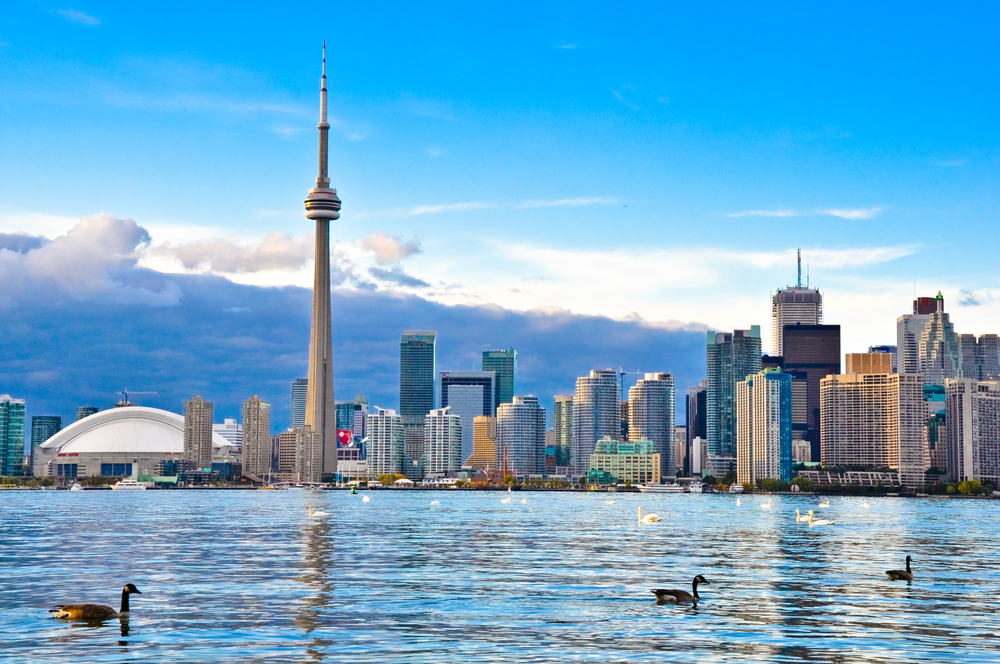
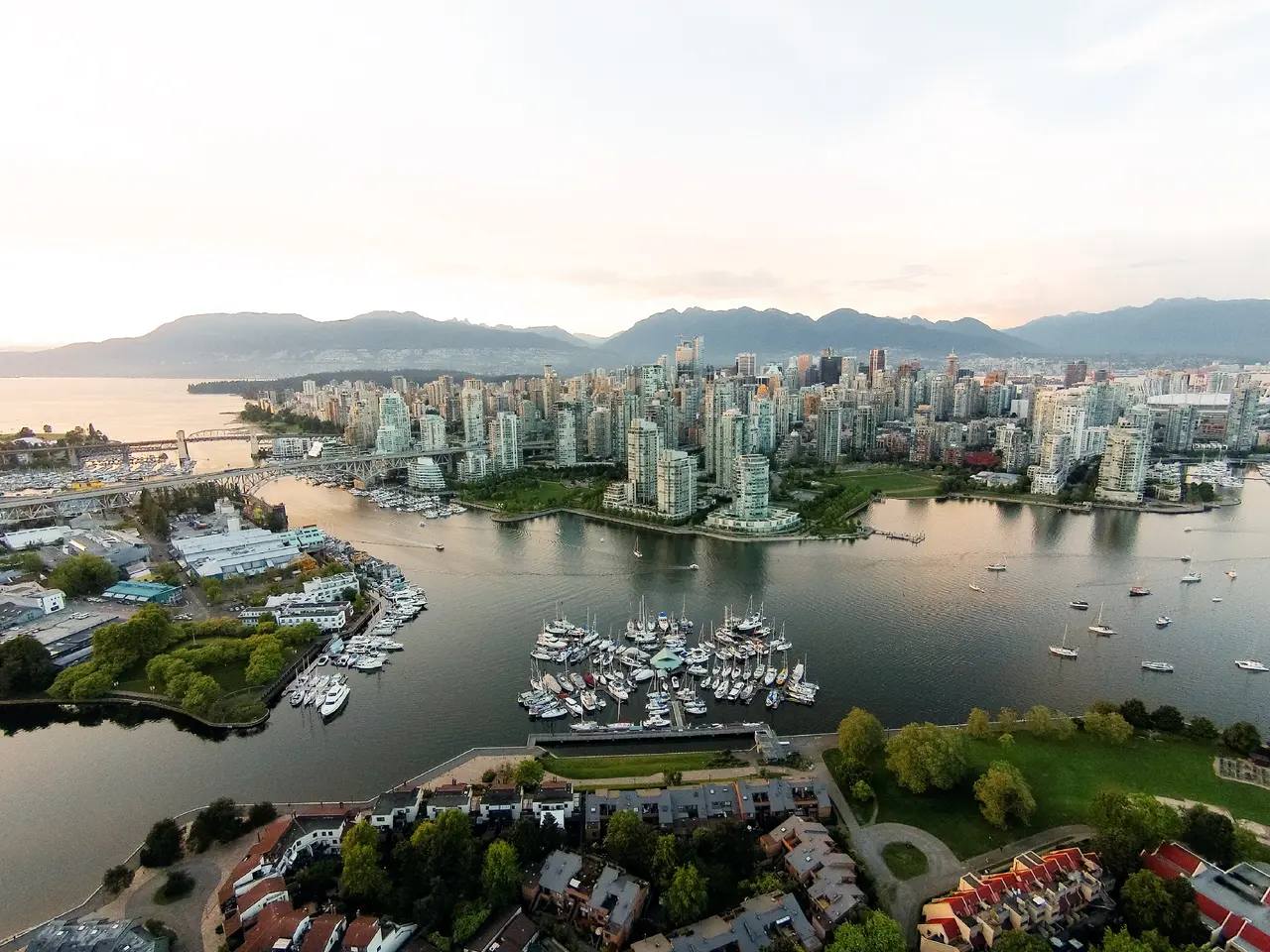
Toronto is for the urban explorer seeking diverse culture, electric nightlife, and a bustling city feel on a mid-range budget (CAD $120-200 / USD $90-150 daily). Vancouver calls to nature lovers and foodies craving mountains, ocean, and a relaxed, active lifestyle, though often at a higher price point (CAD $150-250 / USD $110-185 daily).
- Choose Toronto: If you crave a true metropolitan experience with endless neighborhoods to explore, world-class food from every corner of the globe, a vibrant arts scene, and a tangible sense of 'big city' energy. It's also often slightly more budget-friendly for daily expenses beyond accommodation.
- Choose Vancouver: If your ideal trip involves breathtaking natural beauty, immediate access to mountains and ocean, an active outdoor lifestyle, and a more relaxed, health-conscious vibe. The food scene here, particularly Asian cuisine and seafood, is exceptional, and the city feels seamlessly integrated with its stunning surroundings.
- Choose Both: If you have 10-14 days and want to experience the full spectrum of Canadian urban life. Fly into one, spend 4-5 days, then take a ~5-hour domestic flight (often CAD $200-400 / USD $150-300 round trip from Porter, Air Canada, WestJet) to the other for another 4-5 days. It's a long journey, but worth it for a comprehensive taste of Canada's biggest cities.
Quick Comparison
| Category | Toronto | Vancouver | Winner |
|---|---|---|---|
| Costs & Budget | Generally more affordable for daily expenses like food and entertainment, though accommodation can still be pricey. | Higher across the board, especially for dining out and accommodation, reflecting its desirable natural setting. | Toronto |
| Food & Drink Scene | Incredibly diverse, truly global culinary capital with distinct ethnic enclaves and a booming fine dining scene. | Renowned for fresh seafood, Asian cuisine, and farm-to-table dining, emphasizing quality ingredients and healthy options. | Toronto |
| Nightlife & Entertainment | Vibrant and diverse, with bustling club districts, live music venues, theatre, and late-night options. | More relaxed, focusing on craft breweries, cocktail bars, and live music in Gastown, generally less intense club scene. | Toronto |
| Culture & Vibe | A bustling, multicultural metropolis with a distinct urban energy, always moving and evolving. | Relaxed, outdoorsy, and health-conscious, seamlessly blending urban life with stunning natural surroundings. | Tie |
| Nature & Outdoors | Urban parks, island escapes, and waterfront activities, but significant natural beauty requires day trips. | Unparalleled access to mountains, ocean, forests, and beaches right within the city limits and immediate surroundings. | Vancouver |
| Getting Around | Extensive public transit (TTC) covers most areas, but traffic can be intense. Walkable downtown. | Efficient public transit (TransLink) including SeaBus, highly walkable downtown core, cycling-friendly. | Vancouver |
| Accommodation | Wide range of options from luxury hotels to budget hostels, but demand keeps prices high in desirable areas. | Fewer budget options, generally higher hotel prices, particularly for well-located properties. | Tie |
| Day Trips | Offers iconic trips like Niagara Falls and charming small towns/wine regions. | Features world-class mountain resorts, island escapes, and cross-border adventures. | Vancouver |
| Weather & Seasons | Hot, humid summers; cold, snowy winters; distinct four seasons. | Mild, rainy winters; dry, pleasant summers; generally temperate climate. | Vancouver |
| Safety & Vibe | Generally safe, but like any big city, requires awareness, especially at night in some areas. | Perceived as very safe, with a relaxed atmosphere, though Downtown Eastside has visible social issues. | Tie |
💸 Costs & Budget
When it comes to stretching your loonies and toonies, Toronto usually edges out Vancouver. A casual meal in Toronto, say a delicious pho or roti, can be found for CAD $15-20 (USD $11-15), while a comparable meal in Vancouver often starts at CAD $20-25 (USD $15-18). Public transport, a TTC day pass in Toronto runs about CAD $13.50 (USD $10), similar to Vancouver's TransLink day pass at CAD $11.25 (USD $8.50) for all zones. The main difference lies in the overall cost of living impacting everything from a pint of craft beer (CAD $8-10 in Toronto, CAD $9-12 in Vancouver) to entry fees for attractions. Accommodation, however, is a neck-and-neck race, with budget hotel rooms often starting at CAD $180-250 (USD $135-185) in both cities, though Toronto has more budget hostel options. 'Honestly, I found my money went further for food and drinks in Toronto, even with all the cool spots,' said a traveler on r/solotravel. For a mid-range traveler, expect to spend CAD $120-200 (USD $90-150) daily in Toronto, versus CAD $150-250 (USD $110-185) in Vancouver.
Winner takeaway
- Winner: Toronto
- Why: Toronto offers slightly better value for daily expenses, especially food and entertainment, making your travel dollar go a bit further.
- Who this matters for: Budget-conscious travelers and those planning longer stays who want to maximize their experiences without breaking the bank.
🍜 Food & Drink Scene
Toronto is a global culinary powerhouse, a true melting pot reflected in its food scene. You can literally eat your way around the world here. Head to Kensington Market for street eats and indie cafes, Little Italy for authentic pasta, or Scarborough for some of the best Sri Lankan or Hakka Chinese you'll ever taste. Don't miss Pai Northern Thai Kitchen (expect a wait, but worth it!), or a peameal bacon sandwich from St. Lawrence Market for CAD $7-10 (USD $5-7.50). Vancouver excels in fresh, local ingredients, particularly seafood and Asian cuisine, with Richmond being a dim sum paradise. Vij's offers innovative Indian fusion, while Granville Island Market is fantastic for fresh produce and gourmet treats. However, Toronto's sheer breadth and depth of options, from high-end to incredible hole-in-the-wall ethnic eateries, give it the edge. 'Toronto's food scene is just next level, you can find literally anything and it'll be amazing,' a recent Reddit post observed. You could spend weeks exploring Toronto's food and still not scratch the surface, whereas Vancouver, while excellent, feels more focused on certain specialties.
Winner takeaway
- Winner: Toronto
- Why: Toronto's unparalleled culinary diversity, from budget-friendly ethnic eats to world-class fine dining, offers a broader and more exciting gastronomic journey.
- Who this matters for: Foodies, adventurous eaters, and anyone who loves exploring new cuisines from around the globe.
💃 Nightlife & Entertainment
For those who like to party into the wee hours or catch a Broadway-caliber show, Toronto is your city. The Entertainment District and King West are packed with high-energy clubs like Rebel, sophisticated cocktail bars, and rooftop patios. Queen West offers a more indie and live music scene, with legendary venues like The Horseshoe Tavern (cover typically CAD $10-25 / USD $7.50-18). Mirvish Productions brings major theatrical shows to town, rivaling New York's offerings. Vancouver's nightlife is more laid-back, centered around Gastown's historic pubs and craft cocktail bars, or Yaletown's trendy lounges. While there are clubs, they don't have the same scale or variety as Toronto's. The craft beer scene in East Vancouver is thriving, with breweries like Brassneck and Parallel 49 offering tasting flights for CAD $12-18 (USD $9-13.50). 'Toronto just goes harder, simple as that. More options, later nights,' a user commented on r/CanadaTravel. If you're looking for a thumping club, a late-night diner, or a diverse array of live performances, Toronto delivers more consistently.
Winner takeaway
- Winner: Toronto
- Why: Toronto boasts a more extensive and diverse nightlife, offering everything from massive dance clubs to intimate live music venues and world-class theatre.
- Who this matters for: Party-goers, music lovers, theatre enthusiasts, and anyone looking for diverse late-night entertainment options.
🏙️ Culture & Vibe
This category is a true tie because both cities offer distinct, appealing vibes. Toronto is Canada's economic engine and cultural mosaic, a city of diverse neighborhoods each with its own character – from the Victorian charm of the Distillery District to the bohemian spirit of Kensington Market. It's fast-paced, ambitious, and incredibly multicultural, with over 200 different ethnic groups. The vibe is one of constant motion, opportunity, and urban exploration, often compared to a cleaner, friendlier New York. Vancouver, on the other hand, is defined by its breathtaking natural backdrop. The vibe here is laid-back, active, and health-conscious. People prioritize outdoor activities, fresh food, and a slower pace of life. It feels more connected to nature, a city where you can hike a mountain and be back for dinner downtown. 'Toronto feels like a world city, Vancouver feels like a really cool city that's part of the world,' a frequent Canadian traveler once explained. While Toronto's vibe is dynamic and urban, Vancouver's is serene and nature-integrated, appealing to different preferences. It's truly a matter of personal taste.
Winner takeaway
- Winner: Tie
- Why: Both cities offer unique and compelling cultural experiences, appealing to different travel preferences, making a definitive 'winner' impossible.
- Who this matters for: Everyone, as the 'vibe' of a city is a major factor in enjoyment, and both offer distinct, strong personalities.
⛰️ Nature & Outdoors
Vancouver is the undisputed champion of nature and outdoor access. Its city limits literally touch the ocean and are framed by towering mountains. Stanley Park, a massive 1,000-acre urban oasis, offers rainforest trails, seawall biking (rentals CAD $20-30/hr or $40-60/day / USD $15-22/hr or $30-45/day), and stunning views, all within minutes of downtown. Grouse Mountain is accessible by public transit and offers hiking, skiing, and the iconic Grouse Grind. The North Shore mountains (Cypress, Seymour) are perfect for skiing or hiking. Toronto has lovely urban parks like High Park, a beautiful waterfront, and the Toronto Islands (ferry CAD $9.50 / USD $7). You can kayak, paddleboard, or bike along the lake. However, true 'wilderness' or dramatic natural landscapes like mountains require at least an hour's drive, often more, to places like Blue Mountain or Algonquin Park. 'Vancouver is basically a national park with a city in it. You can't beat the immediate access to trails and ocean,' a traveler enthused on r/travel. For immediate, breathtaking natural beauty, Vancouver is simply unmatched.
Winner takeaway
- Winner: Vancouver
- Why: Vancouver's geographical location provides immediate, unparalleled access to mountains, ocean, and lush rainforests directly within and surrounding the city.
- Who this matters for: Outdoor enthusiasts, hikers, skiers, beach lovers, and anyone who wants to easily combine urban exploration with nature immersion.
🚇 Getting Around
Vancouver's public transit system, TransLink, is incredibly efficient and well-integrated. The SkyTrain is fast and connects downtown to the airport (YVR) and various suburbs, while the SeaBus provides a scenic commute across Burrard Inlet. A single zone fare costs CAD $3.15 (USD $2.35), with a day pass at CAD $11.25 (USD $8.50). The downtown core is very walkable, and the city is highly bike-friendly with dedicated lanes and the Mobi bike share program. Toronto's TTC (subway, streetcar, bus) is comprehensive and covers a vast area, making most attractions accessible. A single fare is CAD $3.30 (USD $2.45), and a day pass is CAD $13.50 (USD $10). However, Toronto's traffic can be notoriously bad, making surface transit slow during peak hours, and the subway doesn't cover as much ground as Vancouver's SkyTrain does outside the core. 'Vancouver's SkyTrain from the airport is a dream, and walking around downtown is so easy. Toronto felt more spread out,' a user noted on r/travel. While both have good systems, Vancouver's feels slightly more seamless, especially for tourists navigating key areas and getting to/from the airport.
Winner takeaway
- Winner: Vancouver
- Why: Vancouver's SkyTrain system is generally faster, more scenic (SeaBus), and provides better direct access to the airport and major attractions without getting stuck in traffic.
- Who this matters for: Travelers relying solely on public transport, those flying in/out of the main airport, and pedestrians who enjoy exploring on foot.
🏨 Accommodation
Accommodation costs are a significant hurdle in both Toronto and Vancouver, making this category a tie. Mid-range hotels in either city typically start at CAD $200-350+ (USD $150-260+) per night, especially in central areas like downtown Toronto (e.g., around the CN Tower, Entertainment District) or Vancouver (e.g., Gastown, Yaletown). Budget options, like hostels, can be found for CAD $40-70 (USD $30-50) for a dorm bed, with Toronto having a slightly larger selection of well-regarded hostels (e.g., The Only Backpacker's Inn). Airbnb options are available in both, but local regulations can impact availability and pricing. 'Finding an affordable hotel in either city that isn't a dump is a challenge, especially if you're not booking months ahead. Vancouver felt a bit pricier for the same quality,' remarked one traveler on r/solotravel. While Toronto might have a few more budget-friendly hostel beds or slightly more diverse neighborhood hotel options further out, the core hotel market is equally competitive and expensive in both, necessitating early booking for the best deals. Both cities demand a significant chunk of your budget for a decent night's sleep.
Winner takeaway
- Winner: Tie
- Why: Both cities present similar challenges and price points for accommodation, with high demand driving up costs across the board, resulting in no clear winner.
- Who this matters for: All travelers, as accommodation is often the largest single expense and requires careful planning and budgeting in either city.
🚗 Day Trips
Vancouver wins for the sheer variety and quality of its day trip options, leaning heavily into natural wonders. Whistler Blackcomb, a world-renowned ski resort and year-round adventure hub, is a stunning 1.5-hour drive via the Sea-to-Sky Highway. Victoria, the charming capital of British Columbia on Vancouver Island, is a beautiful ferry ride away (total journey ~3.5 hours, ferry cost CAD $18.50/person + car if applicable / USD $14). Bowen Island offers a quick, peaceful escape. You can even pop down to Seattle, USA (remember your passport!) if you have a car. Toronto's day trips are excellent but different. Niagara Falls is an iconic must-see (1.5-hour drive, bus tours CAD $80-120 / USD $60-90), often combined with the charming Niagara-on-the-Lake wine region. Blue Mountain Village offers skiing and hiking (2-hour drive). Prince Edward County is a fantastic wine and food destination (2-hour drive). 'Vancouver's day trips felt more 'epic' with the mountains and islands, though Niagara was a solid bucket list item from Toronto,' a Reddit user summarized. Vancouver's proximity to diverse and dramatic landscapes gives it the edge.
Winner takeaway
- Winner: Vancouver
- Why: Vancouver offers a wider range of truly world-class day trip destinations, from mountain resorts to charming island cities, all within a reasonable distance.
- Who this matters for: Adventurous travelers, nature lovers, and those looking to explore beyond the city limits without venturing too far.
☀️ Weather & Seasons
If you dislike extreme temperatures, Vancouver is likely your winner. It boasts a mild, oceanic climate. Winters are typically wet and grey but rarely see significant snowfall, with temperatures usually hovering around 0-8°C (32-46°F). Summers are glorious: warm, dry, and sunny, with temperatures often in the low to mid-20s°C (70s°F), perfect for outdoor activities. Toronto experiences more distinct, and often more extreme, four seasons. Summers are hot and humid, frequently hitting 30°C+ (86°F+) with sticky air. Winters are cold, snowy, and can be brutally windy, with temperatures often well below -10°C (14°F) for extended periods. Spring and fall are beautiful but transition quickly. 'I'd take Vancouver's rainy winters over Toronto's deep freeze any day, and the summers are just perfect for hiking,' commented a recent transplant on r/vancouver. While Toronto's crisp autumns are stunning, Vancouver's consistently temperate climate, especially its reliably pleasant summers and less harsh winters, make it more comfortable for year-round visiting and exploring.
Winner takeaway
- Winner: Vancouver
- Why: Vancouver's mild, temperate climate with less extreme winters and reliably pleasant, dry summers generally makes it more comfortable and predictable for travelers.
- Who this matters for: Travelers sensitive to extreme heat or cold, those planning outdoor activities, and visitors seeking a consistently comfortable climate.
🛡️ Safety & Vibe
Both Toronto and Vancouver are generally very safe cities for tourists, especially in their main visitor areas. However, like all major metropolitan centers, they have areas requiring more awareness. Toronto, being a larger, denser city, has a more 'big city' feel which can sometimes equate to a perception of less safety, particularly in certain areas late at night or around some transit hubs. Typical urban precautions apply. Vancouver generally feels very safe and relaxed, a reflection of its slower pace and integration with nature. Its main challenge is the Downtown Eastside (DTES), which is known for visible poverty, drug use, and homelessness. While largely confined to its own area and generally not violent towards tourists, it can be confronting. 'I felt perfectly safe walking alone at night in both, but Vancouver just had a more chill, less hectic vibe overall which felt safer,' a solo female traveler posted on r/solotravel. Ultimately, both cities are safe but require common sense. Avoid walking alone in poorly lit areas late at night, secure your belongings, and be aware of your surroundings. Neither city presents an outsized risk to a mindful traveler.
Winner takeaway
- Winner: Tie
- Why: Both cities are generally very safe for tourists, requiring similar levels of urban awareness, making it difficult to declare one definitively 'safer' than the other.
- Who this matters for: Solo travelers, families, and anyone prioritizing peace of mind and comfort during their urban exploration.
❓ Frequently Asked Questions
Which city is better for first-time visitors to Canada?
For a comprehensive Canadian urban experience, Toronto offers a rich tapestry of cultures, history, and a bustling city feel that's very accessible. Vancouver provides a stunning introduction to Canada's natural beauty, perfect if you prefer mountains and ocean with your city break. Both are excellent choices, depending on your primary interest.
Is it easy to get between Toronto and Vancouver?
Yes, direct flights between Toronto Pearson (YYZ) and Vancouver International (YVR) are frequent, lasting about 4.5 to 5 hours. Major airlines like Air Canada, WestJet, and budget carriers like Flair and Porter offer routes, with prices varying widely from CAD $200-500+ (USD $150-375+) depending on booking time and season. It's the most practical way to travel between them.
Which city has better shopping?
Toronto definitely wins for shopping diversity and scale. Bloor-Yorkville offers high-end luxury, while the Eaton Centre is a massive mall with popular brands. Queen West provides independent boutiques and vintage finds. Vancouver has Robson Street for mainstream brands and Gastown for unique boutiques, but Toronto's options are simply more extensive.
What's the best time of year to visit each city?
For Toronto, late spring (May-June) or early fall (September-October) offer pleasant weather for exploring. Summer can be hot and humid, while winter is very cold. Vancouver is best in summer (July-August) for warm, dry weather and outdoor activities, though spring and fall are also beautiful with mild temperatures and less rain than winter.
Are Toronto and Vancouver good for families with kids?
Absolutely! Toronto offers attractions like the CN Tower, Ripley's Aquarium, Ontario Science Centre, and High Park. Vancouver boasts Stanley Park, Science World, Vancouver Aquarium, and easy access to beaches and mountains. Both cities have plenty to keep kids entertained, with Vancouver perhaps having a slight edge for active, outdoor-loving families.
Which city is more walkable?
While both cities have highly walkable downtown cores, Vancouver feels more consistently walkable across its popular tourist neighborhoods due to its grid layout and integration with the Seawall. Toronto's core is walkable, but destinations beyond can require more reliance on public transit or longer walks, and the city is more spread out.
Do I need to rent a car in Toronto or Vancouver?
For exploring the city centers and main attractions, neither city requires a car due to excellent public transit. A car is only recommended if you plan extensive day trips outside the city (e.g., Niagara Falls from Toronto, Whistler from Vancouver) or prefer the flexibility, but be prepared for parking costs and urban traffic.
Which city has better museums and art galleries?
Toronto has a stronger offering for museums and art, home to the world-class Royal Ontario Museum (ROM) and the Art Gallery of Ontario (AGO), along with numerous smaller galleries. Vancouver has the Vancouver Art Gallery and several niche museums, but Toronto's institutions are generally larger and more renowned globally.
Ready to plan your Canadian adventure?
Get a free custom itinerary for Toronto, Vancouver, or both — built from real traveler insights and personalized to your style.
🎟️ Book Tours & Experiences
Hand-picked tours and activities for both destinations — book with free cancellation
Experiences via Viator — free cancellation on most tours