How we built this comparison
This comparison was meticulously crafted by analyzing current travel trends, expert reviews, and real traveler experiences shared across various platforms. We synthesized data on attractions, logistics, costs, and unique atmospheres to provide a balanced and insightful guide, helping you make an informed decision for your Norwegian adventure.
- Reddit discussion analysis from r/travel, r/solotravel, and destination-specific subreddits
- Real-time cost data and flight routes
- Seasonal patterns and local insights
⚡ The TL;DR Verdict
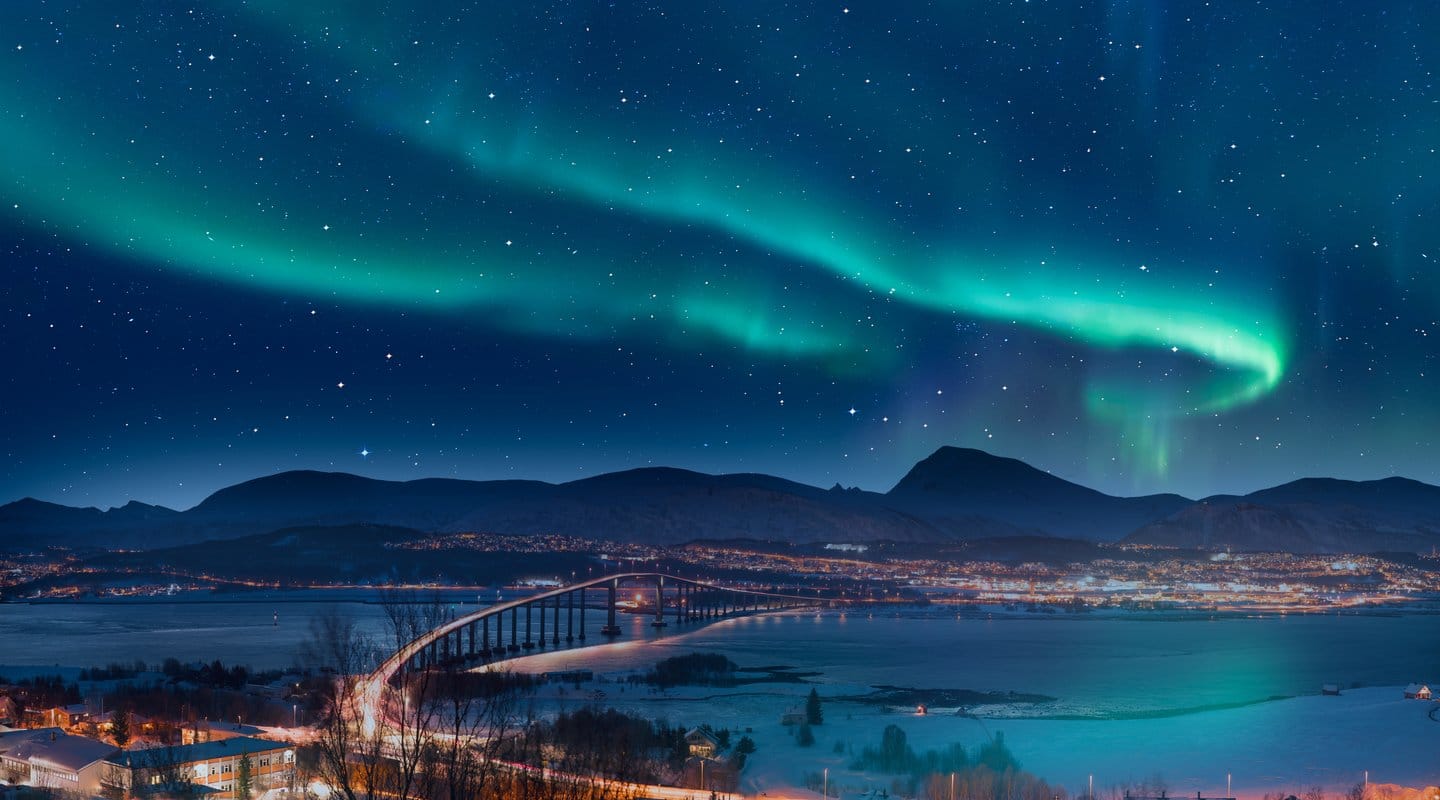
Tromso is better if you want an accessible Arctic city experience with a vibrant nightlife, easy Northern Lights tours, and whale watching. Lofoten is better if you want dramatic natural landscapes, world-class hiking, picturesque villages, and a more serene, nature-focused trip. Budget: Both are expensive, but Tromso might offer slightly cheaper flights and accommodation variety, while Lofoten's essential car rental can drive up costs.
- Choose Tromso: You should choose Tromso if you crave an accessible Arctic city experience, want guaranteed Northern Lights chase tours, enjoy a lively nightlife, prefer public transport options, are interested in whale watching, or seek a blend of outdoor activities and cultural attractions.
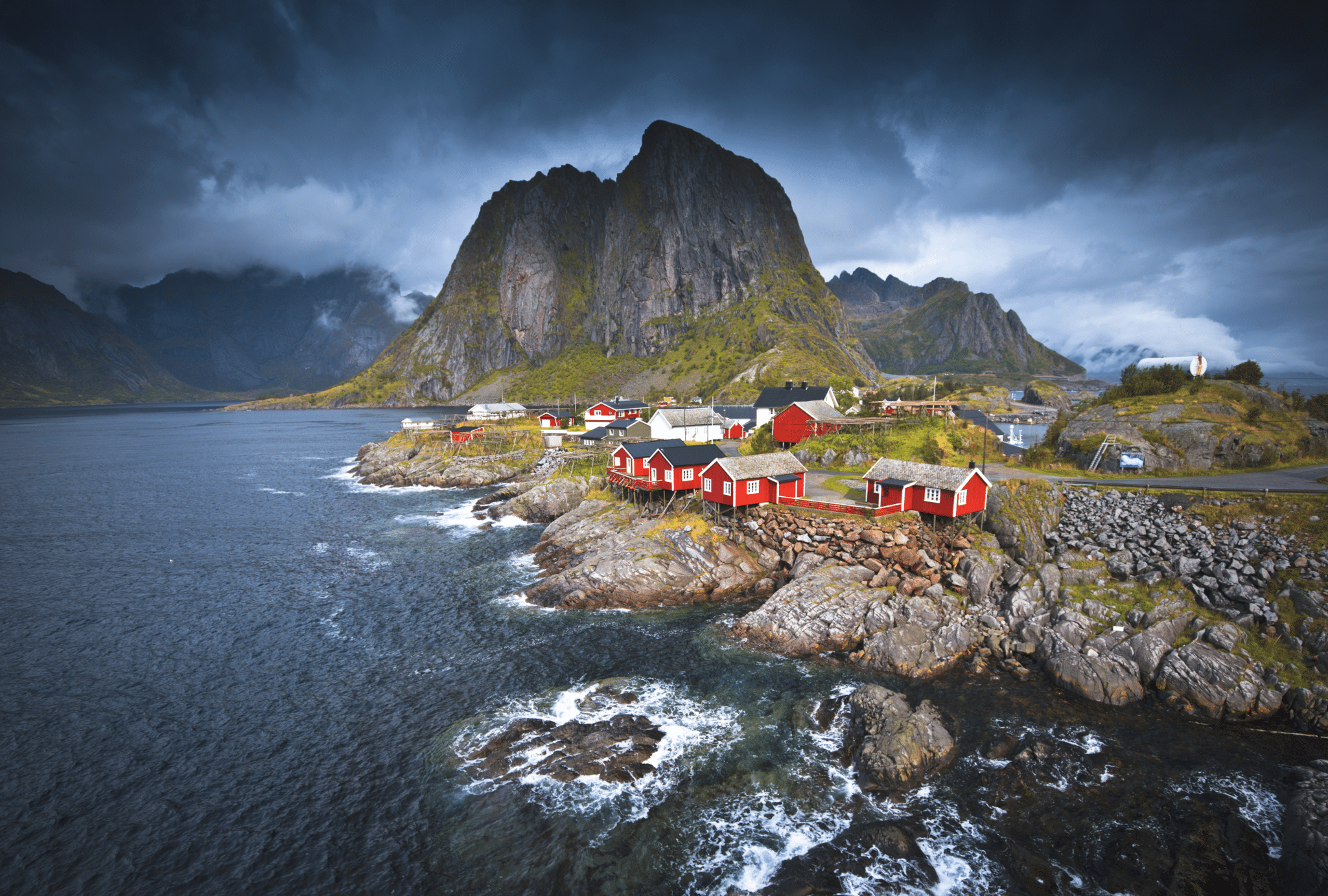
- Choose Lofoten: You should choose Lofoten if your priority is breathtaking natural scenery, dramatic fjords and mountains, world-class hiking, charming fishing villages, photography, serene road trips, or an escape from city life to immerse yourself in nature.
- Budget snapshot: Both destinations are significantly expensive by global standards. Tromso can be slightly more budget-friendly due to competitive flight routes and a wider range of accommodation, from hostels to hotels. Lofoten's accommodation, particularly traditional 'rorbuer', can be pricey, and a rental car is almost essential, adding a substantial cost.
Choose Tromso
Northern Lights Capital, Whale Watching Hub, Arctic City Culture, Easy Access, Vibrant Nightlife
Choose Lofoten
Dramatic Fjords & Mountains, Picturesque Fishing Villages, World-Class Hiking, Scenic Road Trips, Photography Paradise
Quick Comparison
| Category | 🏝️ Tromso | 🏖️ Lofoten | Winner |
|---|---|---|---|
| Overall Vibe | Bustling Arctic city with a lively atmosphere & rich culture. | Serene archipelago offering dramatic natural beauty & charming villages. | Depends |
| Northern Lights | Excellent accessibility to tours, higher chance of clear skies near city. | Less light pollution, but weather can be more unpredictable & tours less frequent. | Tromso |
| Landscape & Scenery | Fjords, mountains, & islands surrounding a city. Less dramatic immediately. | Iconic, dramatic peaks, white sand beaches, turquoise waters, picturesque villages. | Lofoten |
| Accessibility & Getting There | Major airport with direct flights from Oslo & other European hubs. | Requires flight to Bodø, then ferry or short flight to Svolvær/Leknes. Car rental essential. | Tromso |
| Getting Around | Walkable city center, good local bus system, tour operators. | Car rental highly recommended for flexibility. Limited public transport. | Tromso |
| Accommodation | Wide range: hostels, hotels, apartments. More competitive pricing. | Focus on 'rorbuer' (fishing cabins), guesthouses. Can be expensive & book fast. | Tromso |
| Food & Drink | Diverse restaurants, cafes, pubs. Seafood, local delicacies. | Excellent fresh seafood, local bakeries. Fewer high-end dining options outside main towns. | Tromso |
| Nightlife & Social | Vibrant bar scene, live music, student population. | Quiet evenings, cozy pubs in larger villages. Focus on relaxation. | Tromso |
| Outdoor Activities | Whale watching, dog sledding, snowmobiling, short hikes, fjord cruises. | World-class hiking, surfing, kayaking, fishing, scenic drives, photography. | Lofoten |
| Culture & History | Arctic Cathedral, Polaria, museums, Sami culture experiences. | Viking Museum (Borg), local fishing heritage, art galleries, charming village history. | Tie |
| Best Time to Visit | Winter for lights/snow, Summer for midnight sun/hiking. | Summer for hiking/midnight sun. Shoulder seasons (spring/fall) for fewer crowds & beautiful light. | Depends |
🏙️ Overall Vibe & Main Attractions
Tromso, often called the 'Gateway to the Arctic', pulses with a vibrant energy that belies its northern latitude. It's a bustling university city offering a fantastic blend of urban sophistication and wild Arctic adventure. Key attractions include the iconic Arctic Cathedral, the unique Polaria Arctic experience center, and the Fjellheisen cable car offering panoramic views. You'll find a lively downtown with shops, museums, and a surprising number of restaurants and bars.
In contrast, the Lofoten Islands present a far more serene and wild experience. This archipelago is a natural masterpiece, famous for its dramatic fjords, towering peaks, and picturesque fishing villages like Reine, Hamnøy, and Nusfjord. Life here revolves around the stunning scenery and outdoor pursuits. Attractions are less about man-made structures and more about soaking in the beauty, from white sand beaches like Haukland to the historic Viking Museum at Borg.
Winner takeaway
- Winner: Depends
- Why: Your preference for city amenities & activities versus raw natural beauty dictates the winner here.
- Who this matters for: Matters for travelers prioritizing either an urban experience or a nature immersion.
✨ Northern Lights Hunting
Tromso is arguably the best base for Northern Lights hunting due to its infrastructure and strategic location. The city offers an abundance of specialized tours, from large bus chases (around 1500 NOK per person) to intimate small-group tours and even dog sledding under the aurora. If the weather is poor directly over the city, tour operators can often drive to areas with clearer skies within a few hours' radius. The presence of a major airport also makes multi-day trips specifically for the lights more feasible.
While the Lofoten Islands lie within the 'aurora oval' and boast incredibly dark skies with minimal light pollution, consistent clear weather can be more challenging. The mountainous terrain can trap clouds, and chasing clear skies often requires driving significant distances in winding roads, which can be difficult in winter conditions. Tours are available, particularly from Svolvær, but they are less frequent and have fewer options than in Tromso. However, when the lights do appear over Lofoten's iconic landscapes, the photographic opportunities are unparalleled.
Winner takeaway
- Winner: Tromso
- Why: Tromso offers superior infrastructure, tour options, and flexibility for chasing the aurora.
- Who this matters for: Crucial for travelers whose primary goal is seeing the Northern Lights with reliable support.
⛰️ Dramatic Landscapes & Hiking
The landscapes immediately surrounding Tromso are beautiful but less dramatic than Lofoten. You can take the Fjellheisen cable car up Mount Storsteinen for stunning panoramic views of the city and surrounding fjords. There are accessible hikes like the Sherpatrappa stairs to the Fjellstua viewpoint or trails on Tromsdalstinden. Further afield, day trips can take you into beautiful fjords, but the truly iconic, jagged peaks are not as prevalent directly around the city.
The Lofoten Islands are world-renowned for their breathtaking and dramatic landscapes. Jagged peaks rise directly from the sea, creating stunning fjords and valleys. Hiking here is a primary attraction, with iconic trails like Reinebringen, Festvågtind, and Ryten offering unparalleled views of white sand beaches and turquoise waters. The scenery is consistent throughout the archipelago, making every drive and walk an awe-inspiring experience. It's truly a photographer's paradise with endless opportunities for capturing dramatic nature.
Winner takeaway
- Winner: Lofoten
- Why: Lofoten offers consistently more dramatic, iconic, and diverse landscapes for hiking and photography.
- Who this matters for: Essential for hikers, landscape photographers, and nature enthusiasts seeking unparalleled scenic beauty.
🍽️ Food & Drink Scene
As a university city and a major Arctic hub, Tromso boasts a diverse and vibrant food and drink scene. You'll find everything from traditional Norwegian fare to international cuisine. Excellent seafood restaurants like Fiskekompaniet offer exquisite local catches. There are also numerous cafes, bakeries, and a lively pub scene with craft beer options. Expect prices to be high, with a main course in a decent restaurant costing 250-400 NOK (approx. $25-40 USD).
The Lofoten Islands food scene is more focused on fresh, local seafood, reflecting its fishing heritage. You'll find charming local eateries, particularly 'fiskemottak' (fish receiving stations) that double as restaurants, serving fresh cod, salmon, and stockfish specialties. Restaurants like Anita's Sjømat in Sakrisøy are famous for their fish burgers. While delicious, the variety is less extensive than in Tromso, and fine dining options are scarce outside of a few larger towns like Svolvær. Prices are similarly high, if not more so for unique local offerings.
Winner takeaway
- Winner: Tromso
- Why: Tromso offers a wider variety of dining options, from casual to fine dining, and a more developed bar scene.
- Who this matters for: Important for foodies, those seeking diverse culinary experiences, and anyone who enjoys a vibrant nightlife.
💰 Budget & Costs
Norway is generally an expensive destination, and the Arctic regions are no exception. In Tromso, accommodation ranges from hostels (500-800 NOK/night for a dorm) to mid-range hotels (1200-2500 NOK/night). Flights to Tromso tend to be more competitive due to its larger airport. While food and tours are costly (e.g., Northern Lights chase 1500-2500 NOK), a good bus network can save on taxi costs. You can find grocery stores for self-catering to reduce food expenses.
Lofoten can be equally, if not more, expensive. Accommodation in traditional 'rorbuer' (fishing cabins) can start from 1500-3000 NOK/night, especially in popular villages like Reine. The biggest additional cost in Lofoten is often a rental car, which is almost essential for exploring, costing 700-1500 NOK/day plus fuel. Flights into smaller Lofoten airports (Svolvær, Leknes) via Bodø can also be pricier than direct flights to Tromso. Dining out and organized activities (e.g., kayaking 800-1200 NOK) are also high.
Winner takeaway
- Winner: Tromso
- Why: Tromso offers slightly more budget-friendly options for flights and accommodation, and less reliance on expensive car rental.
- Who this matters for: Significant for budget-conscious travelers or those looking to stretch their travel funds further.
✈️ Getting There & Around
Tromso is highly accessible. Tromso Airport (TOS) is a major hub, with multiple daily direct flights from Oslo (around 1.5-2 hours) and even some international connections from cities like London and Copenhagen. Once in the city, the center is walkable, and there's an efficient local bus system for reaching attractions like Polaria or the Arctic Cathedral. Many tour operators pick up directly from hotels.
Reaching the Lofoten Islands requires a bit more planning. The most common route is to fly to Bodø (BOO) from Oslo, then either take a ferry to Moskenes (a beautiful, scenic route, about 3-4 hours) or a short connecting flight to smaller airports like Svolvær (SVJ) or Leknes (LKN). While scenic, the ferry can be susceptible to weather delays. Once in Lofoten, a rental car is almost essential for exploring the archipelago's many villages, beaches, and hiking trails at your own pace. Public bus service exists but is infrequent and doesn't cover all the scenic spots effectively.
Winner takeaway
- Winner: Tromso
- Why: Tromso offers easier and more direct international and domestic flight connections, along with superior public transport options within the city.
- Who this matters for: Crucial for travelers prioritizing ease of access, those on a tighter schedule, or those preferring not to rent a car.
🏨 Accommodation Options
As a larger city, Tromso offers a broad spectrum of accommodation options to suit various budgets and preferences. You'll find well-known international hotel chains, boutique hotels like The Edge, a good selection of hostels such as Smarthotel Tromso or Comfort Hotel Xpress, and numerous Airbnb apartments. Booking in advance, especially during peak seasons (winter for Northern Lights, summer for Midnight Sun), is highly recommended, but last-minute availability is often possible due to the larger capacity.
The Lofoten Islands are famous for their unique 'rorbuer' – traditional fishermen's cabins converted into comfortable lodging, often perched on stilts over the water. Staying in a rorbu in villages like Reine or Nusfjord is a quintessential Lofoten experience but can be pricey (expect 1500-3000 NOK/night). Guesthouses, smaller hotels, and campsites are also available, but the overall capacity is much smaller than in Tromso. Due to high demand, especially during the summer, rorbuer and popular accommodations tend to book out many months in advance.
Winner takeaway
- Winner: Tromso
- Why: Tromso provides a wider variety of accommodation types and price points, with greater availability.
- Who this matters for: Important for travelers seeking specific types of lodging, those on a budget, or those booking closer to their travel date.
☀️ Best Time to Visit
The 'best' time to visit Tromso largely depends on your travel goals. For Northern Lights and snow activities (dog sledding, snowmobiling), winter (late September to mid-April) is ideal, with December-February offering peak darkness. Summers (mid-May to mid-July) bring the Midnight Sun, endless daylight, hiking opportunities, and fjord cruises. Shoulder seasons (April-May, late August-September) offer fewer crowds and unique transitional light, though fewer specific activities are available.
For the Lofoten Islands, summer (June-August) is the most popular time, offering the Midnight Sun, best hiking conditions, kayaking, and surfing. Expect more crowds and higher prices. Shoulder seasons (April-May, September-October) are arguably the most beautiful for photography, with stunning light, fewer visitors, and still decent hiking (though some high-altitude trails might have snow in early spring/late autumn). Winter offers potential for Northern Lights over dramatic landscapes, but driving conditions can be challenging, and many tourist facilities may be closed.
Winner takeaway
- Winner: Depends
- Why: Both destinations offer distinct, compelling experiences across different seasons; the 'best' time depends entirely on traveler preferences.
- Who this matters for: Critical for all travelers, as it directly impacts available activities, weather, and crowd levels.
🚌 Day Trips & Excursions
From Tromso, there's a wide array of organized day trips catering to various interests. Besides Northern Lights chases, popular excursions include whale watching safaris (October-January, for orcas and humpbacks near Skjervøy), dog sledding, reindeer sledding with Sami cultural experiences, snowmobiling adventures, and scenic fjord cruises. Most tours offer convenient hotel pick-ups and range from 1500-3000 NOK, offering a hassle-free way to experience the Arctic wilderness.
In the Lofoten Islands, day trips are more focused on self-guided exploration or smaller, localized activities. Popular activities include scenic drives along the E10, visiting charming villages like Nusfjord (a UNESCO site) and Henningsvær, surfing at Unstad Beach, kayaking in the fjords, and boat trips to remote areas like Trollfjord. While some organized tours (e.g., fishing trips, RIB safaris) are available from Svolvær, a rental car provides the most flexibility to hop between various beaches, viewpoints, and short hikes at your own pace.
Winner takeaway
- Winner: Tromso
- Why: Tromso offers a wider range of large-scale, professionally organized tours and unique Arctic experiences.
- Who this matters for: Important for travelers who prefer guided excursions, seek specific Arctic activities, or don't want to rent a car.
🌃 Nightlife & Social Scene
Tromso boasts a surprisingly vibrant nightlife for its size and location, largely due to its university population. The city center is packed with cozy pubs, trendy bars, and even some nightclubs. Places like Ølhallen (Macks Brewery pub) offer a historic atmosphere and a wide selection of local beers. You'll find live music, a friendly atmosphere, and plenty of opportunities to mingle with locals and other travelers. After a day of Arctic adventures, the city offers excellent options for unwinding and socializing.
The Lofoten Islands, by contrast, offer a much quieter and more laid-back social scene. Even in larger villages like Svolvær, nightlife is minimal, typically limited to a few cozy pubs or hotel bars. The focus here is on relaxing after a day of outdoor activities, enjoying the quiet beauty, and perhaps a good meal. Don't expect clubs or late-night entertainment; evenings are usually spent in your accommodation, enjoying the views, or maybe a quiet drink with friends or family. This can be a huge draw for those seeking tranquility.
Winner takeaway
- Winner: Tromso
- Why: Tromso offers a significantly more active and diverse nightlife and social scene.
- Who this matters for: Relevant for younger travelers, solo adventurers, or anyone who enjoys evenings out and socializing.
🤔 Making Your Choice: Tromso, Lofoten, or Both?
Ultimately, the choice between Tromso and Lofoten hinges on your priorities. If you're seeking a blend of urban comfort, diverse activities, vibrant culture, and highly accessible Northern Lights or whale watching tours, Tromso is your ideal destination. It's a fantastic choice for first-time Arctic travelers, those without a rental car, or individuals who appreciate city amenities alongside wilderness adventures. Tromso is perfect for a 3-5 day trip focusing on specific Arctic experiences.
If your dream Norwegian adventure involves dramatic, untouched natural landscapes, world-class hiking, picturesque fishing villages, and a profound sense of tranquility, then the Lofoten Islands will captivate your soul. It's best suited for those who love road trips, enjoy self-guided exploration, and are willing to embrace a slower pace. Lofoten truly shines with 5-7 days to explore thoroughly. For those with more time and a healthy budget, combining both destinations can offer the ultimate Northern Norway experience: start with Tromso's city adventures, then fly to Bodø and transition to Lofoten's stunning natural beauty.
Winner takeaway
- Winner: Depends
- Why: The 'winner' is entirely subjective, depending on the traveler's core interests and available time.
- Who this matters for: This section is crucial for all travelers, providing a decision framework based on their overall travel goals.
❓ Frequently Asked Questions
How many days are enough for Tromso?
For Tromso, a typical visit of 3-5 days allows you to experience the city's main attractions, go on a Northern Lights chase or whale watching tour (seasonal), and enjoy some local dining. Adding a day or two allows for more relaxed exploration or an extra excursion.
How many days are enough for Lofoten?
To truly appreciate the Lofoten Islands, we recommend 5-7 days. This allows ample time for scenic drives along the E10, multiple hikes, exploring picturesque villages like Reine and Henningsvær, and enjoying activities like kayaking without feeling rushed. A car rental is highly recommended for this duration.
Is it easy to travel between Tromso and Lofoten?
Traveling directly between Tromso and Lofoten isn't straightforward. The most common route involves flying from Tromso to Bodø, then connecting to a smaller Lofoten airport (Svolvær or Leknes) or taking a ferry from Bodø to Moskenes. It generally takes a full day of travel.
What is the main difference between Tromso and Lofoten?
The main difference lies in their character: Tromso is a vibrant Arctic city offering cultural sites, diverse dining, and readily available tours (e.g., Northern Lights, whale watching). Lofoten is an archipelago focused on dramatic natural landscapes, picturesque fishing villages, and outdoor activities like hiking, requiring a more self-guided approach.
Which destination is better for the Northern Lights?
Tromso generally offers a more reliable and accessible Northern Lights experience due to its extensive tour infrastructure, higher frequency of clear skies within driving distance, and larger airport for quick arrivals. While Lofoten has darker skies, weather can be more challenging, and tour options are fewer.
Which destination is better for hiking?
Lofoten is unequivocally better for hiking, offering world-class trails with breathtaking views of mountains, fjords, and white sand beaches (e.g., Reinebringen, Ryten). Tromso has good local trails and surrounding mountains, but the scale and drama of Lofoten's hiking are unmatched.
Can I visit both Tromso and Lofoten on one trip?
Yes, it's possible to visit both, especially if you have 8-10 days or more. Start with a flight to Tromso, enjoy 3-4 days, then fly to Bodø and connect to Lofoten for 4-6 days. This offers a comprehensive Northern Norway experience combining city life with stunning nature.
Is Norway expensive?
Yes, Norway, and especially its Arctic regions, is generally considered very expensive. Budget for high costs in accommodation, food, transportation (especially car rental in Lofoten), and tours. Self-catering and utilizing public transport (in Tromso) can help manage expenses.
Ready to plan your Arctic Norway trip?
Get a free custom itinerary for Tromso, Lofoten, or both — built from real traveler insights.
🎟️ Book Tours & Experiences
Hand-picked tours and activities for both destinations — book with free cancellation
Experiences via Viator — free cancellation on most tours