How we built this comparison
This page combines traveler discussion patterns, published price ranges, flight schedules, and seasonal data to help you decide between Tucson and Sedona.
- Reviewed 50+ Reddit threads from r/travel, r/solotravel, r/Arizona, r/Tucson, r/Sedona
- Verified costs and logistics against current booking platforms (Booking.com, Airbnb, Google Flights, rental car sites)
- Cross-referenced seasonal patterns, weather data, and local event calendars for optimal timing
⚡ The TL;DR Verdict
For the budget-conscious traveler seeking a blend of city life, rich history, and sprawling desert, Tucson is your winner with a daily budget of $150-$250. If breathtaking natural beauty, spiritual wellness, and world-class hiking are paramount, and you don't mind a higher price tag, Sedona beckons at $250-$500+ per day.
- Choose Tucson: Choose Tucson if you crave a more authentic, gritty, and affordable desert city experience with incredible food, unique culture, and vast natural parks right on its doorstep. It feels less 'touristy' and more 'real Arizona'.
- Choose Sedona: Opt for Sedona if your priority is awe-inspiring red rock scenery, world-class hiking, spiritual exploration, and a focus on wellness in a smaller, more upscale, and undeniably beautiful setting. It's a place to recharge and connect with nature.
- Choose Both: To experience the full spectrum of Arizona's diverse landscapes, do both! Fly into Phoenix (PHX), drive ~2 hours north to Sedona for 3-4 days, then drive ~3.5 hours south to Tucson for 3-4 days before flying out of Tucson (TUS) or PHX. This gives you a fantastic 6-8 day trip.
Quick Comparison
| Category | Tucson | Sedona | Winner |
|---|---|---|---|
| Nature & Outdoors | Saguaro National Park (east and west), Sabino Canyon, Catalina State Park; classic Sonoran Desert flora and fauna. | Stunning red rock formations, vortexes, Oak Creek Canyon, iconic hikes like Cathedral Rock and Boynton Canyon. | Sedona |
| Costs & Budget | Significantly more affordable across the board for accommodation, dining, and activities. Great value. | Considerably more expensive; luxury accommodation, upscale dining, and even basic services carry a premium. | Tucson |
| Food & Drink | UNESCO City of Gastronomy, famous for Sonoran hot dogs, vibrant Mexican cuisine, and diverse local restaurants. | Upscale dining with a focus on views, New American cuisine; fewer truly 'local' or budget-friendly options. | Tucson |
| Accommodation | Wide range of options from budget motels to historic hotels and luxury resorts; generally better value. | Primarily mid-to-high-end boutique hotels, resorts, and vacation rentals; fewer budget options, higher prices. | Tucson |
| Getting There & Around | Tucson International Airport (TUS) offers direct flights; easy to navigate by car, some public transport. | No major airport; typically fly into Phoenix (PHX) and drive ~2 hours. Car essential for exploration. | Tucson |
| Culture & History | Rich Spanish colonial history, Native American heritage, vibrant arts scene, Barrio Viejo, University of Arizona. | Focus on Native American history, New Age spirituality, thriving art galleries and artisan shops. | Tucson |
| Vibe & Atmosphere | Authentic, laid-back desert city, a bit gritty but charming, academic feel, diverse population. | Serene, spiritual, upscale, tourist-focused, centered around natural beauty and wellness. | Tie |
| Wellness & Spirituality | Limited options, mostly standard spas and yoga studios within hotels or local businesses. | World-renowned for vortexes, New Age shops, healing centers, abundant spas, and spiritual retreats. | Sedona |
| Day Trips | Historic Bisbee, Tombstone, Organ Pipe Cactus National Monument, Kitt Peak Observatory. | Grand Canyon South Rim, historic mining town of Jerome, Flagstaff, Slide Rock State Park. | Sedona |
| Best Time to Visit | Pleasant fall through spring (Oct-Apr); summers are extremely hot (May-Sept). | Great fall through spring (Sept-May); summers hot but slightly milder than Tucson, can get winter snow. | Tie |
🏞️ Nature & Outdoors
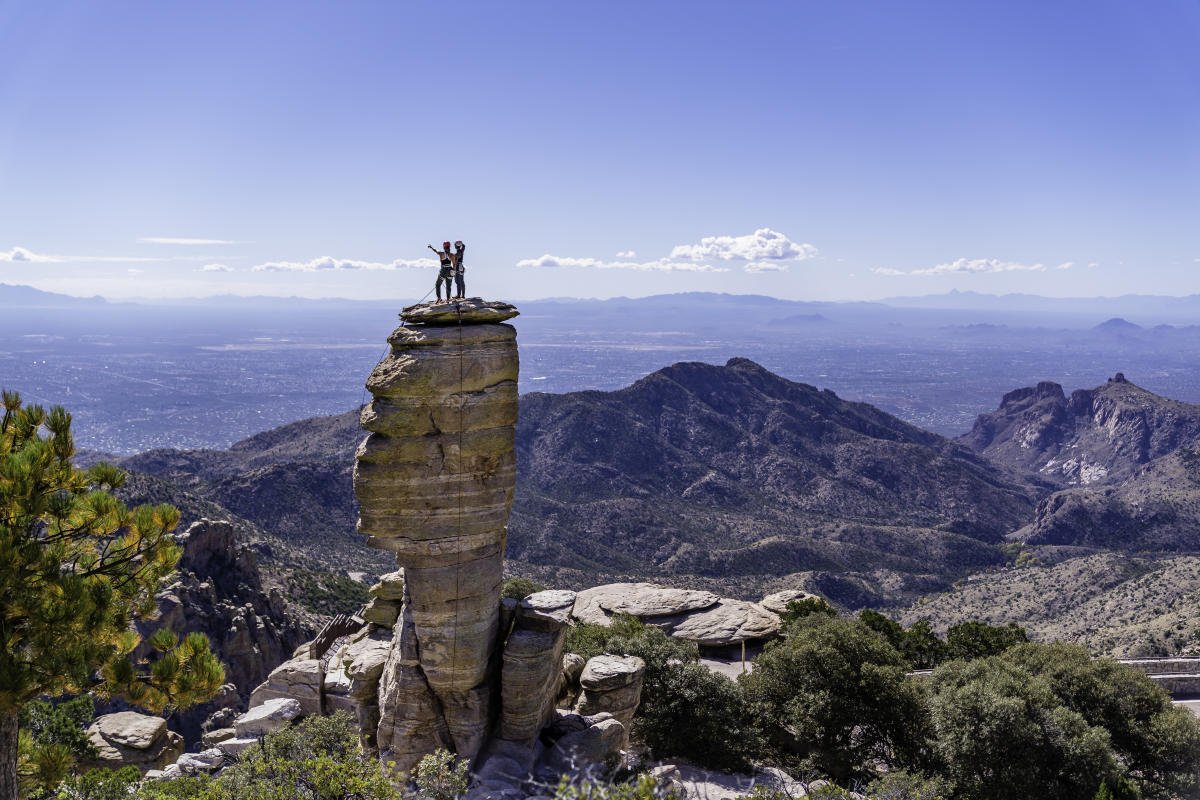
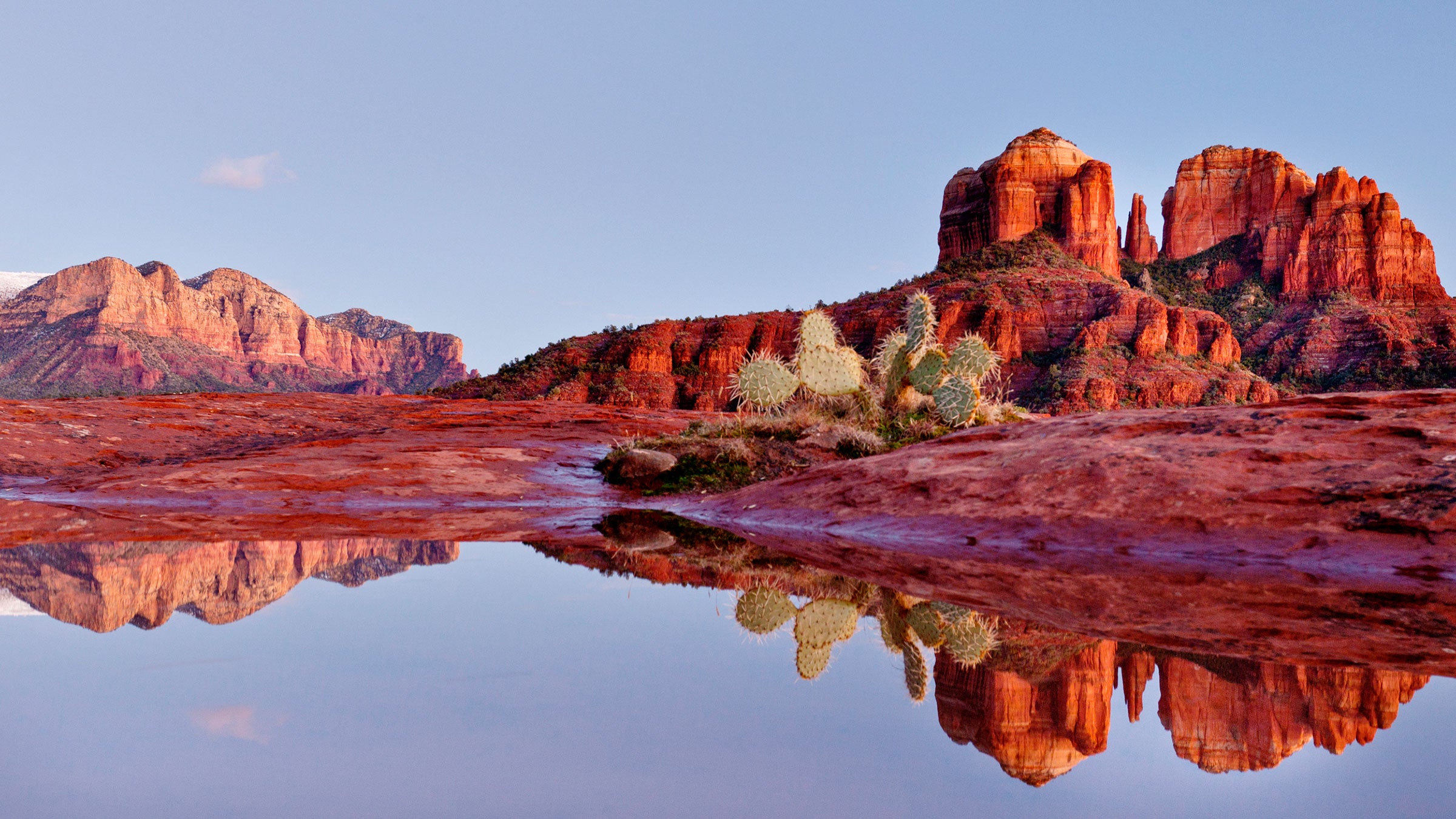
When it comes to sheer, jaw-dropping natural beauty that feels almost otherworldly, Sedona absolutely crushes Tucson. Its iconic red rock formations like Bell Rock, Cathedral Rock, and Airport Mesa are immediate, immersive, and unparalleled. Hiking trails are incredibly scenic, ranging from easy strolls to challenging climbs with rewarding views. Places like Oak Creek Canyon offer a different kind of beauty with lush vegetation and flowing water, a stark contrast to the surrounding desert. You can spend days exploring the various vortex sites, or simply enjoying the panoramic views from almost anywhere in town. Tucson, while beautiful with its saguaro forests in Saguaro National Park and the dramatic Catalina Mountains, offers a more 'classic' Sonoran Desert landscape. It's vast, rugged, and beautiful in its own right, but lacks the unique geological drama of Sedona. Tucson's desert is something you explore deeply, while Sedona's landscape is something that hits you immediately and profoundly. "Sedona's views literally make you stop and stare. Tucson's desert is cool, but it's not the same 'wow' factor every minute." Permits are generally for parking at trailheads (e.g., Red Rock Pass in Sedona, $5/day or $20/week; Saguaro NP entrance fee $25/vehicle for 7 days). While Tucson's natural areas like Sabino Canyon are gorgeous, they don't quite match the concentrated, accessible grandeur of Sedona's red rocks.
Winner takeaway
- Winner: Sedona
- Why: Sedona's concentrated, iconic red rock formations provide an immediate and unparalleled 'wow' factor for nature lovers.
- Who this matters for: Hikers, photographers, nature enthusiasts seeking dramatic landscapes, and those looking for readily accessible scenic views.
💰 Costs & Budget
Tucson is hands down the winner for the budget-conscious traveler. Accommodation can range from $100-$200 USD per night for a decent hotel like Hotel Congress or a comfortable Airbnb. Dining out at local favorites for a Sonoran hot dog or Mexican food might cost $10-$20 USD per person, with upscale meals at places like Penca or Janos still usually under $50-$70 USD. Activities like visiting the Arizona-Sonora Desert Museum ($27 USD) or Saguaro National Park ($25 USD per vehicle for 7 days) are reasonably priced. Gas and car rentals are standard Arizona rates. Sedona, on the other hand, comes with a significant premium. Expect to pay $250-$500+ USD per night for even mid-range accommodation, with luxury resorts like L'Auberge de Sedona easily exceeding $700+ USD. Dining is similarly inflated; a casual lunch can easily hit $25-$35 USD per person, while renowned spots like Elote Cafe (if you can get a reservation) will cost $50-$100+ USD per person. Even parking for trailheads can add up. "I swear I paid more for a coffee in Sedona than a full meal in Tucson. It's beautiful, but my wallet felt it." If your budget is a concern, Tucson allows you to stretch your dollars much further and experience more without breaking the bank.
Winner takeaway
- Winner: Tucson
- Why: Tucson offers a much more accessible price point for accommodation, dining, and activities, providing excellent value.
- Who this matters for: Budget travelers, families, and anyone looking to maximize their experience without overspending.
🌮 Food & Drink
Tucson's culinary scene is a powerhouse, earning it a UNESCO City of Gastronomy designation – the first in the US! It's a genuine food lover's paradise. You absolutely must try a Sonoran hot dog from iconic spots like El Guero Canelo or BK's Carne Asada & Hot Dogs (around $5-7 USD). Beyond that, the Mexican food scene is incredibly diverse and authentic, from hole-in-the-wall gems to upscale regional cuisine. Places like Seis Kitchen or Boca Tacos y Tequila offer fantastic experiences. Beyond Mexican, Tucson boasts a thriving farm-to-table movement, creative breweries like Borderlands Brewing, and unique local eateries across various cuisines. You can easily find a delicious, hearty meal for $15-25 USD. Sedona, while it has some excellent restaurants, tends to cater more to an upscale, tourist-driven palate, often with prices to match the views. Mariposa Latin Inspired Grill offers stunning views and delicious, but pricey, food ($40-60+ USD per entree). Elote Cafe is legendary but notoriously difficult to get into and also on the higher end. "Tucson's food scene is legit. Sedona has some good spots, but it feels like you're paying for the view more than the actual food quality sometimes." While Sedona has some fine dining, it lacks the breadth, authenticity, and affordability of Tucson's culinary landscape.
Winner takeaway
- Winner: Tucson
- Why: Tucson, a UNESCO City of Gastronomy, offers a more diverse, authentic, and affordable food scene, especially for Mexican cuisine.
- Who this matters for: Foodies, those seeking authentic local flavors, and budget-conscious diners.
🏨 Accommodation
Tucson offers a much broader and more budget-friendly selection of accommodations, catering to all types of travelers. You can find charming historic hotels like Hotel Congress (from $120 USD/night), comfortable mid-range chains, and sprawling luxury resorts such as the JW Marriott Starr Pass Resort & Spa or Loews Ventana Canyon Resort (from $250-400 USD/night), often at a better price point than comparable Sedona properties. There are also plenty of affordable Airbnb options and budget motels. The variety means you can almost always find something that fits your style and wallet. Sedona's accommodation landscape is heavily skewed towards the upscale and luxury market. While incredibly beautiful, with places like L'Auberge de Sedona (from $600+ USD/night) or Enchantment Resort offering unparalleled experiences, these come with a hefty price tag. Even standard chain hotels like the Hyatt Residence Club or Courtyard by Marriott can easily run $250-400 USD per night, especially during peak season. "Finding a decent, affordable place in Sedona felt like a treasure hunt. In Tucson, I had so many good options for half the price." Budget travelers will struggle in Sedona, while Tucson provides excellent options across the spectrum.
Winner takeaway
- Winner: Tucson
- Why: Tucson provides a wider range of accommodation choices at more accessible price points, offering better value for money.
- Who this matters for: All travelers, but especially those seeking variety, good value, or budget-friendly options.
🚗 Getting There & Around
When it comes to ease of access, Tucson has a distinct advantage. Tucson International Airport (TUS) offers direct flights from many major US cities, making it convenient to fly directly in. Once there, renting a car is advisable for exploring Saguaro National Park and surrounding areas, but the city itself has a grid system and some public transport options like Sun Link streetcar. Driving within Tucson is generally straightforward, and traffic is rarely an issue outside of rush hour. Sedona, conversely, does not have its own major airport. Travelers almost universally fly into Phoenix Sky Harbor International Airport (PHX), which is about a two-hour scenic drive north. This means adding at least a two-hour drive each way to your travel time. Once in Sedona, a car is absolutely essential for exploring the various trailheads, vortex sites, and Oak Creek Canyon, as public transport is very limited. "Flying into PHX for Sedona and then driving was fine, but flying directly into Tucson and being able to start exploring faster was definitely a plus for my shorter trip." While the drive to Sedona is beautiful, the added logistical step and reliance on a rental car for the entire duration give Tucson the edge for sheer convenience.
Winner takeaway
- Winner: Tucson
- Why: Tucson has its own international airport and is easier to navigate directly, reducing overall travel time and complexity.
- Who this matters for: Travelers prioritizing convenience, direct flights, and less reliance on long drives post-arrival.
📜 Culture & History
Tucson is steeped in a deeper, more tangible history and a vibrant, authentic culture that spans centuries. You can explore the beautifully preserved Mission San Xavier del Bac, a stunning example of Spanish colonial architecture and a living mission dating back to the late 17th century. Stroll through Barrio Viejo with its colorful adobe homes, visit the historic Hotel Congress, or delve into the region's past at the Arizona History Museum. The University of Arizona adds a youthful energy, and there's a strong local arts scene and indie music presence. "Tucson felt like it had stories on every corner, from the old missions to the funky shops downtown. Sedona felt more 'curated' for tourists." Sedona's cultural offerings are more focused on its Native American heritage, New Age spirituality, and a thriving art gallery scene (especially in Tlaquepaque Arts & Shopping Village). While fascinating, it doesn't have the same multi-layered, centuries-deep historical narrative that Tucson proudly displays. Tucson feels like a city that has evolved organically over time, with its history ingrained in its very fabric, whereas Sedona's cultural identity is more contemporary and themed around its natural wonders.
Winner takeaway
- Winner: Tucson
- Why: Tucson offers a richer, more diverse, and deeply historical cultural experience with centuries of layered influences.
- Who this matters for: History buffs, architecture enthusiasts, those interested in authentic local culture, and university town vibes.
✨ Vibe & Atmosphere
This category is a tie because the 'best' vibe is entirely subjective and depends on what you seek. Tucson radiates an authentic, unpretentious, and slightly gritty desert city vibe. It's a real place where people live and work, with a strong local identity and a laid-back attitude. The presence of the University of Arizona gives it a youthful, intellectual energy, and its diverse population contributes to a rich, multicultural atmosphere. It feels lived-in and genuine. Sedona, on the other hand, offers a serene, almost spiritual, and undoubtedly beautiful atmosphere. It's a place designed for relaxation, contemplation, and engagement with nature. The focus is on the breathtaking red rocks, wellness, and a slightly upscale, tourist-oriented experience. "Tucson's got that cool, funky desert town feel, while Sedona is pure zen beauty. Both are great, just totally different moods." If you prefer a bustling, character-filled city with a strong local pulse, Tucson wins. If you're seeking tranquility, stunning natural backdrops, and a focus on well-being, Sedona is your haven. Neither is 'better,' just distinctly different.
Winner takeaway
- Winner: Tie
- Why: Both destinations offer uniquely appealing atmospheres; Tucson is authentic and urban, while Sedona is serene and nature-focused.
- Who this matters for: Depends entirely on personal preference: urban explorers (Tucson) vs. peace-seekers (Sedona).
🧘 Wellness & Spirituality
Sedona is undeniably the global epicenter for wellness and spirituality in this comparison. It's famous for its powerful energy vortexes (such as Airport Mesa, Boynton Canyon, Cathedral Rock, and Bell Rock) which many believe emanate healing and inspiring energy. The town is dotted with New Age shops offering crystals, aura readings, and spiritual guidance. There are countless wellness retreats, meditation centers, and luxury spas (e.g., Mii amo, A Spa in Sedona, or the spas at Enchantment Resort) focused on holistic healing, yoga, and mindfulness. "If you're into crystals, vortexes, and just generally feeling 'zen,' Sedona is your absolute jam. Tucson doesn't even come close." Tucson has standard spas found in its resorts and local yoga studios, but it doesn't have the same ingrained, community-wide focus on spiritual exploration or the unique natural phenomena that draw wellness seekers to Sedona. If connecting with a deeper, spiritual side of nature or engaging in holistic practices is a priority, Sedona is in a league of its own.
Winner takeaway
- Winner: Sedona
- Why: Sedona's famous energy vortexes, abundant spiritual centers, and focus on holistic wellness create an unparalleled experience.
- Who this matters for: Spiritual seekers, wellness travelers, those interested in New Age practices, and anyone looking to recharge mentally and physically.
🗺️ Day Trips
Sedona makes an incredible base for some of Arizona's most iconic day trips, giving it a slight edge here. The undisputed king is the Grand Canyon South Rim, which is about a 2-hour drive north – an absolute must-see that many travelers combine with a Sedona visit. The historic mining town of Jerome, perched dramatically on a hillside, is a fascinating and quirky destination only about 45 minutes away. Flagstaff, a mountain town with a completely different vibe, is also less than an hour's drive. Plus, attractions like Slide Rock State Park offer family-friendly fun in Oak Creek Canyon. "Sedona as a base for Grand Canyon and Jerome just makes sense. Tucson's day trips are cool, but not 'world wonder' level." Tucson's day trip options are fantastic in their own right, but perhaps less world-renowned. Historic Bisbee, a charming and artsy mining town, is about 1.5 hours southeast. The legendary Wild West town of Tombstone is also a popular choice (1.5 hours). For nature lovers, Organ Pipe Cactus National Monument is a stunning but longer drive (2 hours), and Kitt Peak National Observatory offers unique stargazing opportunities. While both offer great excursions, Sedona's proximity to the Grand Canyon and quirky Jerome makes its day trip potential slightly more compelling for a broader audience.
Winner takeaway
- Winner: Sedona
- Why: Sedona offers easier access to the Grand Canyon, one of the world's most iconic natural wonders, and the unique town of Jerome.
- Who this matters for: Travelers prioritizing visiting major natural landmarks and charming historic towns within a short drive.
☀️ Best Time to Visit
Both Tucson and Sedona share a similar 'best time to visit' window, from late fall through spring (October to April), making this a tie based on personal weather preferences. During these months, temperatures are mild and pleasant, perfect for hiking and outdoor activities. Tucson typically experiences warmer winters, with daytime highs often in the 60s and 70s Fahrenheit (15-25°C), making it a popular snowbird destination. Its summers, however, are brutally hot, frequently exceeding 100°F (38°C) from May to September, often with monsoon thunderstorms in July-August. Sedona's elevation means its winters can be colder, with occasional snowfall (especially beautiful on the red rocks!), and daytime highs typically in the 40s-60s°F (5-18°C). Its summers are hot, but often a few degrees cooler than Tucson's, with slightly less extreme heat. "If you hate heat, definitely avoid both in summer. But Sedona's winter with snow on the red rocks is something special, while Tucson is more consistently mild." If you crave consistent warmth and sunshine even in winter, Tucson might edge it. If you appreciate the occasional magic of winter snow and slightly less extreme summer heat, Sedona is appealing. Both are fantastic outside of the intense summer months.
Winner takeaway
- Winner: Tie
- Why: Both destinations offer ideal weather from fall through spring, with distinct seasonal variations that appeal to different preferences.
- Who this matters for: Travelers seeking mild weather (fall/spring), snow lovers (Sedona winter), or consistent warmth (Tucson winter).
❓ Frequently Asked Questions
How many days should I plan for each destination?
For Tucson, 3-4 full days allow you to explore Saguaro National Park, the Desert Museum, Mission San Xavier, and its vibrant food scene. For Sedona, 3-4 days are perfect to hike several trails, explore the vortexes, visit Oak Creek Canyon, and enjoy the town's spiritual vibe. If you plan to do both, allocate 3-4 days for each.
Do I need a rental car for Tucson or Sedona?
Absolutely, a rental car is highly recommended for both. While Tucson has some public transport, the best attractions (Saguaro NP, Sabino Canyon) are outside the city center. For Sedona, a car is essential to reach trailheads, vortex sites, and explore Oak Creek Canyon and nearby towns like Jerome.
Which airport should I fly into?
For Tucson, fly directly into Tucson International Airport (TUS). For Sedona, the most common approach is to fly into Phoenix Sky Harbor International Airport (PHX) and rent a car for the ~2-hour drive north. If doing both, you could fly into PHX, visit Sedona, then drive to Tucson, and potentially fly out of TUS to save backtracking.
Can I visit both Tucson and Sedona in one trip?
Yes, it's a popular and highly recommended way to experience diverse Arizona landscapes. A common itinerary is to fly into PHX, drive to Sedona (2 hrs), spend 3-4 days, then drive south to Tucson (3.5-4 hrs), spend 3-4 days, and fly out of TUS or return to PHX. This takes about 6-8 days comfortably.
What's the main difference in hiking experiences?
Sedona's hiking is defined by dramatic red rock trails, often with significant elevation gain leading to panoramic views or vortex sites (e.g., Cathedral Rock, Boynton Canyon). Tucson's hiking is more about exploring the vast Sonoran Desert, focusing on saguaro cacti, desert flora, and riparian canyons (e.g., Saguaro National Park, Sabino Canyon). Both offer stunning scenery, just different ecosystems.
Is one better for families with children?
Tucson often wins for families due to its diverse attractions like the Arizona-Sonora Desert Museum, Pima Air & Space Museum, Old Tucson Studios, and more budget-friendly options. Sedona is also family-friendly, especially for active families who enjoy hiking, but its focus is more on nature-based activities, and costs can add up quickly.
What about nightlife options?
Tucson, being a larger city with a university, has a significantly more active and diverse nightlife, from historic bars and craft breweries (e.g., Hotel Congress, 4th Avenue) to live music venues. Sedona's nightlife is much quieter, typically limited to hotel bars, upscale restaurants with evening service, or stargazing opportunities. It's not a party destination.
Which destination is more 'spiritual'?
Sedona is unequivocally more spiritual. It's renowned globally for its energy vortexes, New Age shops, healing centers, and a strong focus on wellness, meditation, and spiritual growth. While Tucson has its own quiet contemplative spaces, spirituality is not a central theme of the destination as it is in Sedona.
Ready to plan your Arizona trip?
Get a free custom itinerary for Tucson, Sedona, or both — built from real traveler insights.
🎟️ Book Tours & Experiences
Hand-picked tours and activities for both destinations — book with free cancellation
Experiences via Viator — free cancellation on most tours