How we built this comparison
This page combines traveler discussion patterns, published price ranges, flight schedules, and seasonal data to help you decide between Tulum and Havana.
- Reviewed 70+ Reddit threads from r/travel, r/solotravel, r/Tulum, r/Cuba, etc.
- Verified costs and logistics against current booking platforms (Booking.com, Airbnb, Skyscanner)
- Cross-referenced seasonal patterns, weather data, and geopolitical travel advisories for Cuba
⚡ The TL;DR Verdict
For those craving upscale wellness, stunning cenotes, and a lively beach club scene, Tulum is your spot, budget $150-300+ USD/day. If you're after immersive culture, vintage charm, and an authentic, budget-friendly experience, Havana beckons, requiring $70-150 USD/day. It truly depends on your travel style and wallet.
- Choose Tulum: You're seeking pristine beaches, Instagram-worthy wellness, world-class dining, and a vibrant, albeit pricey, party scene. You don't mind spending more for comfort and aesthetics.
- Choose Havana: You're a culture vulture, history buff, or photographer eager to explore a city frozen in time. You appreciate authentic interactions, live music, and stretching your budget further for a unique experience.
- Choose Both: If you have at least 10-14 days and want a truly diverse Caribbean experience, fly into Cancún (for Tulum) and then catch a separate flight from Cancún (CUN) to Havana (HAV). Spend 5-7 days in each for a complete adventure.
Quick Comparison
| Category | Tulum | Havana | Winner |
|---|---|---|---|
| Beaches & Nature | Powder-soft white sand, turquoise waters, hidden cenotes, and lush jungle. Ideal for relaxation and natural exploration. | Historic Malecón waterfront, rocky shores with ocean views, but no classic swim-friendly beaches directly in the city. | Tulum |
| Food & Drink | High-end, health-conscious, fusion cuisine with excellent vegan options; also great street tacos. Pricey. | Authentic Cuban flavors, incredible rum cocktails, and a burgeoning private restaurant (paladar) scene. Budget-friendly options. | Tie |
| Nightlife & Parties | Boho-chic beach clubs, jungle parties, and renowned DJ sets. Trendy and high-energy. | Live music (salsa, son), classic cocktail bars, and street parties. Authentic and spontaneous. | Tulum |
| Culture & History | Ancient Mayan ruins overlooking the sea, vibrant indigenous heritage, modern spiritual and wellness culture. | A living museum of colonial architecture, revolutionary history, classic cars, and Afro-Cuban traditions. | Havana |
| Costs & Budget | Generally expensive, especially for accommodation, high-end dining, and beach club access. Budget travelers will struggle. | Very budget-friendly for local experiences, though tourist-centric services can add up. Good value for money. | Havana |
| Getting There & Flights | Fly into Cancún (CUN), then a 1.5-2 hour drive. Frequent direct flights from many major cities. | Fly into Havana (HAV), often fewer direct flights, and sometimes more complex booking from the US. | Tulum |
| Getting Around | Bicycles, scooters, taxis. Car rentals are an option for day trips. walkable within zones. | Classic car taxis, 'collectivos' (shared taxis), walking, local buses. No Uber/Lyft. | Tie |
| Accommodation | Boutique hotels, eco-chic resorts, Airbnbs, and hostels. Often design-focused and expensive. | Casa Particulares (guesthouses), state-run hotels. Authentic and budget-friendly with local charm. | Havana |
| Day Trips & Excursions | Cenotes, other Mayan ruins (Chichen Itza, Cobá), Sian Ka'an Biosphere, nearby towns like Valladolid. | Viñales Valley (tobacco farms), Trinidad (colonial town), Santa Clara (Che Guevara mausoleum). | Tulum |
| Safety & Vibe | Bohemian, spiritual, and chic with a strong wellness focus. Be aware of petty crime and drug-related incidents. | Vibrant, resilient, and authentic with a strong sense of community. Generally safe but be mindful of scams. | Havana |
🏖️ Beaches & Nature
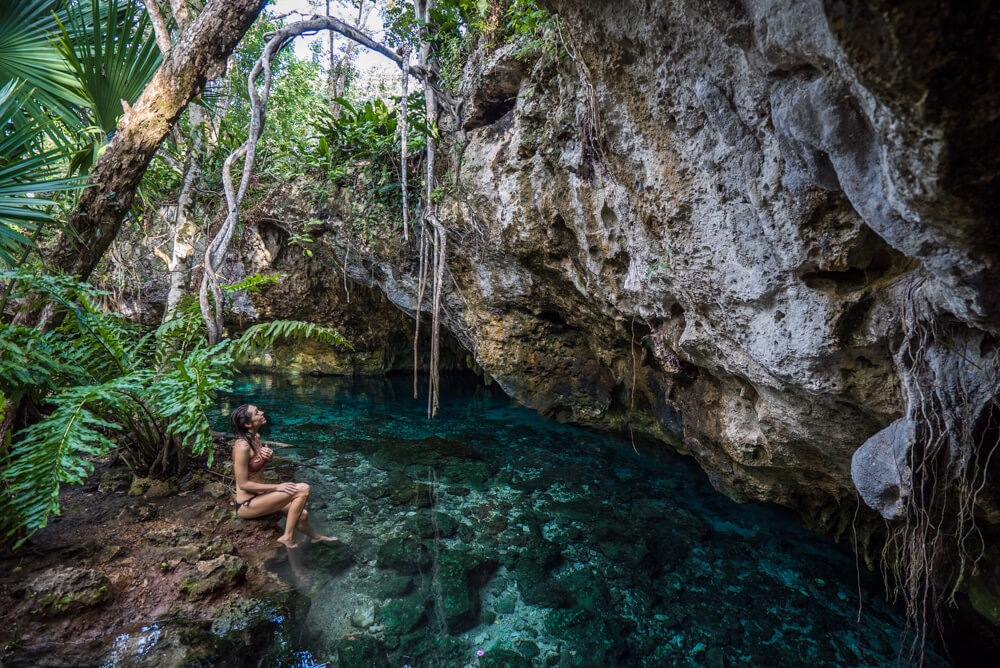
Tulum's beaches are postcard-perfect, famed for their fine, white sand and gentle, clear turquoise waters. Think Playa Paraíso or Akumal for turtle spotting. Beyond the coast, the Yucatán's cenotes (natural swimming holes like Gran Cenote or Dos Ojos) offer unparalleled freshwater snorkeling and diving experiences. The Sian Ka'an Biosphere Reserve provides incredible wildlife encounters and untouched natural beauty, accessible via guided tours for around $100-150 USD. You're constantly surrounded by lush, well-preserved natural beauty here. Havana, on the other hand, is a vibrant port city, and its coastline is primarily the iconic Malecón seawall – fantastic for sunset strolls but not for swimming. For a beach day from Havana, you’d need to head east to Playas del Este, like Santa María del Mar, about a 30-minute taxi ride costing $25-30 USD round trip. While pleasant, they lack the 'wow' factor and diverse natural attractions of Tulum. "Honestly, Tulum's cenotes alone are worth the trip. Havana's cool, but you won't be swimming in the city itself." The sheer variety and accessibility of natural wonders make Tulum the clear winner.
Winner takeaway
- Winner: Tulum
- Why: Tulum offers a stunning combination of world-class beaches, unique cenotes, and biodiverse reserves directly at your doorstep.
- Who this matters for: Beach lovers, snorkelers, divers, nature photographers, and those seeking serene natural beauty.
🌮 Food & Drink
Tulum’s food scene is defined by its 'jungle-to-table' ethos, focusing on fresh, local ingredients with a heavy emphasis on health, organic produce, and innovative fusion. You'll find everything from upscale dining at Hartwood or Arca (expect $70-150+ USD per person) to fantastic, authentic street tacos at Taqueria Honorio for a few dollars. Vegan and gluten-free options are abundant. Cocktails are crafted and creative, often featuring mezcal. Havana offers a completely different, yet equally compelling, culinary journey. Traditional Cuban food is hearty: Ropa Vieja, Lechon Asado, Moros y Cristianos. The real gems are the 'paladares' – private, often family-run restaurants like La Guarida or San Cristóbal Paladar, which offer a more refined experience for $30-60 USD per person. Simpler local fare is incredibly cheap, with a full meal costing $5-15 USD. Havana excels in cocktails, particularly its rum-based classics like Mojitos and Daiquiris (try El Floridita for a historic take, around $8-10 USD each). "For a true foodie, you need both – Tulum for its modern vibe, Havana for the soul food and rum." While Tulum offers variety and trendiness, Havana delivers authenticity and incredible value.
Winner takeaway
- Winner: Tie
- Why: Both destinations excel in their distinct culinary offerings, catering to different palates and budgets with equal passion and quality within their style.
- Who this matters for: Foodies who appreciate diverse styles – from high-end fusion to authentic street eats and classic cocktails.
🎉 Nightlife & Parties
Tulum's nightlife is legendary, especially during peak season. It's a blend of glamorous beach clubs, mystical jungle parties, and world-class DJ events. Venues like Papaya Playa Project or Gitano host vibrant parties under the stars, often running well past dawn. Expect cover charges around $20-50 USD, and cocktails at $15-25 USD. Many events require tickets purchased in advance, sometimes for hundreds of dollars depending on the DJ. The vibe is very 'see and be seen,' with a focus on electronic music and wellness-oriented festivities. Havana's nightlife is more about authentic Cuban rhythm and spontaneous fun. Live music venues like Casa de la Música (both Miramar and Galiano) or Fábrica de Arte Cubano (FAC) offer incredible salsa, son, and jazz experiences, with cover charges typically $5-15 USD. You can enjoy a classic Mojito at La Bodeguita del Medio for around $5-7 USD. The Malecón often turns into an impromptu street party on weekends. While Havana offers incredible cultural immersion and dance opportunities, it lacks the large-scale, international DJ scene and 'glam' factor of Tulum. "If you want to dance all night to a famous DJ on the beach, Tulum wins. Havana's more about soaking up authentic Cuban tunes with a mojito." Tulum's curated party scene, though expensive, is unparalleled.
Winner takeaway
- Winner: Tulum
- Why: Tulum offers a more diverse, high-energy, and internationally recognized party scene with renowned DJs and unique jungle club experiences.
- Who this matters for: Party-goers, electronic music enthusiasts, and those looking for a trendy, upscale nightlife experience.
🗿 Culture & History
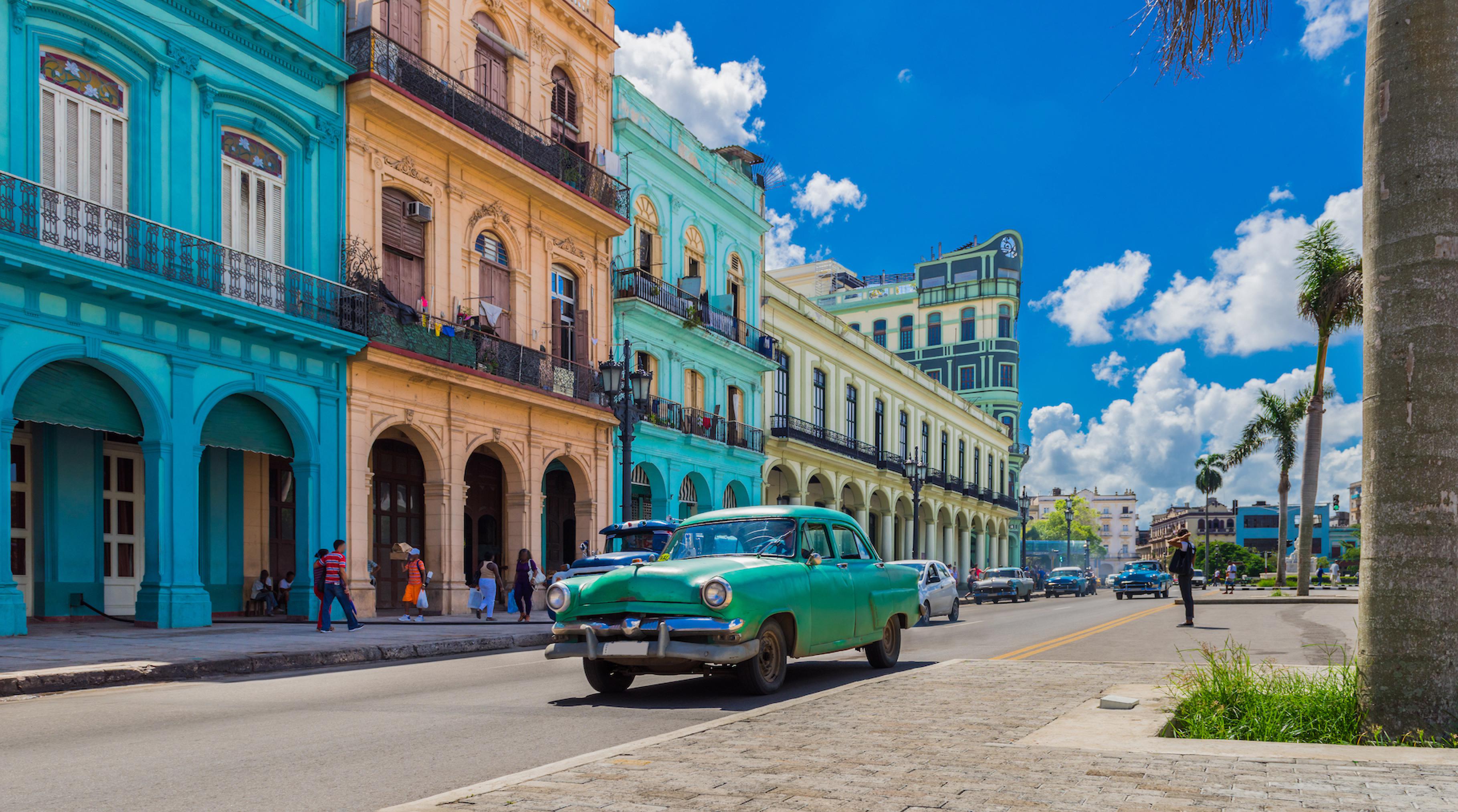
Havana is an absolute treasure trove for history and culture buffs. Its UNESCO-listed Habana Vieja (Old Havana) is a labyrinth of beautifully decaying colonial buildings, grand plazas like Plaza Vieja and Plaza de la Catedral, and vibrant street life. You can spend days exploring museums like the Museo de la Revolución or simply soaking in the atmosphere, watching classic American cars from the 1950s cruise by. The city breathes history, from Ernest Hemingway's haunts to the echoes of the Cuban Revolution. Afro-Cuban santería traditions are also deeply woven into the fabric of the city. Tulum boasts its own significant cultural heritage with the iconic Tulum Ruins, a stunning Mayan archaeological site perched dramatically on a cliff overlooking the Caribbean Sea (entry around $5 USD). Beyond this, there's a strong emphasis on modern wellness culture, yoga, and spirituality. While fascinating, it can't compete with Havana's sheer depth and breadth of living history, architecture, and vibrant cultural traditions that permeate every street corner. "Havana felt like stepping into a movie. Every corner had a story, every building a piece of history. Tulum's ruins are cool, but that's about it culturally." Havana is a living, breathing museum.
Winner takeaway
- Winner: Havana
- Why: Havana offers an unparalleled, immersive journey through centuries of colonial and revolutionary history, vibrant Afro-Cuban traditions, and iconic architecture.
- Who this matters for: History buffs, architecture enthusiasts, photographers, and travelers seeking deep cultural immersion.
💰 Costs & Budget
Tulum has become notoriously expensive. A decent beachfront hotel can easily run $200-500+ USD per night, while even a modest Airbnb in Aldea Zama starts at $100-150 USD. High-end meals are $70-150+ USD per person, cocktails $15-25 USD. Even basic items like water or sunscreen can be marked up significantly in the hotel zone. A 'budget' day in Tulum, staying in town and eating street food, might scrape by at $80-100 USD, but for the full 'Tulum experience,' expect $150-300+ USD daily. Havana, by contrast, offers incredible value. A comfortable private room (casa particular) costs $30-50 USD per night. Local meals can be as cheap as $5-15 USD, with upscale paladares around $30-60 USD. Taxis for tourists are pricier ($10-20 USD for short rides), but local buses or shared taxis are very cheap (a few CUP, less than $1 USD). Cocktails are $5-8 USD. "My Havana trip was a fraction of what my friends spent in Tulum, and I ate like a king and danced every night!" You can comfortably enjoy Havana on $70-150 USD per day, getting a much richer experience for your money than in Tulum.
Winner takeaway
- Winner: Havana
- Why: Havana offers significantly better value for money, allowing travelers to experience deep culture, history, and vibrant nightlife without breaking the bank.
- Who this matters for: Budget-conscious travelers, backpackers, and those who want to maximize their experience without excessive spending.
✈️ Getting There & Flights
Getting to Tulum is straightforward. You fly into Cancún International Airport (CUN), which receives numerous direct flights from major hubs across the US, Canada, and Europe daily. From CUN, Tulum is about a 1.5-2 hour drive. You can arrange a private transfer ($100-150 USD), take a shared shuttle ($30-50 USD), or use the comfortable ADO bus ($15-20 USD). The ease and frequency of flights into CUN make it highly accessible. Havana (HAV) is also well-connected, but flight options can be more limited, especially from the US due to ongoing regulations, though direct flights from Miami, Fort Lauderdale, and Houston are common. From other countries, flights from Toronto, Montreal, Mexico City, Panama City, and various European capitals are available. Flight times from Miami to CUN are ~1.5 hours, to HAV ~1 hour. From NYC, CUN is ~4 hours, HAV ~3.5 hours. "Booking my flight to Cancun was a breeze, and then the ADO bus to Tulum was super easy. Havana felt a bit more complicated with the visa stuff." The logistical simplicity and wider array of flight choices give Tulum the edge.
Winner takeaway
- Winner: Tulum
- Why: Tulum is more easily accessible with a greater frequency of direct international flights into Cancún and straightforward ground transportation options.
- Who this matters for: Travelers prioritizing ease of access, shorter travel times, and a wider choice of flight routes.
🛵 Getting Around
In Tulum, getting around depends on where you stay. If you're in Tulum Pueblo, walking or biking is easy. To get to the beach zone (a 15-20 minute bike ride), bicycles are popular ($5-10 USD/day rental). Scooters ($30-50 USD/day) offer more freedom. Taxis are abundant but can be notoriously overpriced, especially between the pueblo and beach zone ($10-25 USD for a short ride). "Taxis in Tulum are a rip-off, seriously. Just rent a bike or scooter and save your money." For day trips to cenotes or ruins, a rental car ($30-60 USD/day) is recommended. Havana offers a charming and functional transport system. Walking is best for Old Havana. For longer distances, classic American car taxis are iconic and readily available ($10-20 USD for tourist routes). Shared taxis ('collectivos') are a local experience, extremely cheap (less than $1 USD), but require knowing routes. Local buses are also very cheap but can be crowded and confusing for tourists. There are no ride-sharing apps like Uber or Lyft in either destination. Both cities have their quirks, but offer efficient, albeit different, ways to explore, making it a tie based on different strengths.
Winner takeaway
- Winner: Tie
- Why: Both destinations offer efficient, albeit distinct, transportation methods that suit their unique environments, providing convenience for different travel styles.
- Who this matters for: Travelers who appreciate diverse transportation experiences, from charming classic cars to eco-friendly bikes.
🏨 Accommodation
Tulum's accommodation scene is dominated by boutique eco-chic hotels and resorts, particularly along the beach road. These often blend into the jungle, offering rustic luxury, yoga studios, and direct beach access. Prices are steep, ranging from $200-800+ USD per night for even mid-range options. Airbnbs in Aldea Zama or Tulum Pueblo are more affordable ($100-200 USD) but require more travel to the beach. Hostels offer budget options starting around $30-50 USD for a dorm bed. Havana shines with its 'Casa Particulares,' government-licensed private guesthouses. Staying in a casa particular (typically $30-50 USD per night for a private room with a bathroom) offers an unparalleled cultural immersion, allowing you to interact directly with Cuban families, often including home-cooked meals for a small extra fee. State-run hotels in Havana Vieja or Vedado are also available ($80-200 USD) but lack the personal touch of a casa. "Staying in a casa particular in Havana was the highlight of my trip. My hosts were amazing, and it was so much cheaper than any hotel!" For genuine local experience, value, and character, Havana's casa particulares are unmatched.
Winner takeaway
- Winner: Havana
- Why: Havana provides a more authentic, charming, and significantly more affordable range of accommodations, especially through its beloved 'Casa Particulares.'
- Who this matters for: Budget travelers, those seeking authentic cultural immersion, and travelers who value personal interaction over resort amenities.
🗺️ Day Trips & Excursions
Tulum serves as an excellent base for exploring the Yucatán Peninsula. Beyond its own ruins and cenotes, you're within easy reach of world-famous Mayan sites like Chichen Itza (about a 2-hour drive, $30 USD entry + parking), the pyramid of Cobá (1 hour, $5 USD entry), and Ek Balam. The Sian Ka'an Biosphere Reserve offers unique ecological tours ($100-150 USD). You can also visit charming colonial towns like Valladolid. The infrastructure for these excursions is well-developed with tour operators and rental cars. Havana also offers fantastic day trips, but they often require more time and planning. The stunning Viñales Valley (a UNESCO site with tobacco farms and mogotes) is a popular 2-3 hour drive away, often done as an overnight trip or a very long day tour ($100-150 USD for a private taxi). The well-preserved colonial city of Trinidad is a 4-5 hour drive, best explored as an overnight stay. Santa Clara, with its Che Guevara mausoleum, is another popular historical stop. "Tulum's day trips felt so much easier to organize, and there were so many options within a short drive. Havana's trips were amazing but more of a commitment." Tulum's proximity to diverse and easily accessible attractions gives it the edge for variety and convenience.
Winner takeaway
- Winner: Tulum
- Why: Tulum offers a wider variety of easily accessible and diverse day trips, from ancient ruins to natural wonders and charming towns.
- Who this matters for: Adventure seekers, history enthusiasts, and those who enjoy exploring beyond the main destination.
🤝 Safety & Vibe
Tulum's vibe is undeniably trendy, boho-chic, and focused on wellness, spirituality, and luxury. It attracts a crowd interested in yoga, healthy eating, and high-end parties. However, safety can be a concern, especially at night. There have been increasing reports of petty crime (theft from hotel rooms or scooters), drug-related violence, and cartel activity, particularly in the hotel zone. While tourists are rarely direct targets of serious crime, staying aware is crucial. Havana, in contrast, feels remarkably safe, especially in tourist areas like Habana Vieja and Vedado. The government has a strong police presence, and violent crime against tourists is rare. The vibe is lively, resilient, and incredibly authentic, with music spilling into the streets and friendly locals eager to chat (though always be aware of common tourist scams like insistent 'guides' or exaggerated prices for goods). "I felt so much safer walking around Havana at night than I ever did in Tulum. Just be smart about your belongings in both places, but Havana's vibe is just more chill." While both require common travel sense, Havana's low crime rate and genuine local interactions contribute to a more relaxed and secure feeling for travelers.
Winner takeaway
- Winner: Havana
- Why: Havana offers a more consistently safe and genuinely authentic vibe, with lower rates of serious crime and more local interactions.
- Who this matters for: Solo travelers, families, and those prioritizing a sense of security and genuine cultural immersion.
❓ Frequently Asked Questions
Which destination is better for solo female travelers?
Havana generally feels safer for solo female travelers due to lower rates of violent crime and a strong community feel. You'll encounter more catcalling, but it's typically harmless. Tulum, while popular with solo travelers, has seen an uptick in petty crime and drug-related incidents that require more vigilance, especially at night or when out partying.
Do I need a visa for Cuba, and how complicated is it?
Yes, US citizens need a 'Tourist Card' (often called a visa), which can be obtained through your airline, a travel agency, or the Cuban Embassy. For non-US citizens, requirements vary by country, but many also need a Tourist Card. The process is generally straightforward but requires planning ahead to ensure you have the correct documentation for entry.
Is WiFi readily available in both Tulum and Havana?
Tulum has widespread and generally good WiFi, especially in hotels, cafes, and restaurants, though it can be spotty in some beach zone areas. Havana's WiFi is more limited and often slower. You'll typically find it in state-run ETECSA hotspots (requiring a purchased card for internet access) or in some hotels and upscale paladares. Don't expect seamless connectivity in Havana.
What's the best time of year to visit each destination?
Both destinations share similar dry (November to May) and wet (June to October) seasons. The best time for both is typically December to April when the weather is dry, sunny, and temperatures are pleasant. Avoid hurricane season (August-October) if possible, though travel is still common during those months.
Can I use US dollars in both Tulum and Havana?
In Tulum, US dollars are widely accepted alongside Mexican Pesos (MXN), especially in tourist areas, though you'll often get a better exchange rate paying in pesos. In Havana, while the official currency is the Cuban Peso (CUP), tourists often use USD or EUR for many transactions, especially in private businesses like 'casas' or 'paladares'. However, credit/debit cards from US banks generally do not work in Cuba.
Which destination is better for a romantic getaway?
Tulum, with its luxurious eco-boutique hotels, private cenotes, upscale dining, and stunning beach backdrops, is generally considered more romantic for couples seeking a tranquil, intimate, and aesthetically pleasing escape. Havana offers a romantic charm of a different kind – more vibrant, historic, and passionate, but less focused on secluded luxury.
Are there good options for sustainable or eco-friendly travel in either place?
Tulum has a strong emphasis on eco-conscious tourism, with many 'eco-chic' hotels, plant-based restaurants, and efforts to protect the Sian Ka'an Biosphere. However, its rapid development poses challenges. Havana, by its nature of less modern development and more local consumption, often feels more inherently sustainable in terms of lower carbon footprint for daily life, though direct eco-tourism initiatives are less explicit than in Tulum.
What are the key language differences for travelers?
In Tulum, Spanish is the official language, but English is widely spoken in tourist areas, hotels, and restaurants due to the high influx of international visitors. In Havana, Spanish is essential. While some tourism staff speak English, venturing outside major tourist zones will require basic Spanish phrases or a translation app to communicate effectively with locals.
Ready to plan your Caribbean adventure?
Get a free custom itinerary for Tulum, Havana, or both — built from real traveler insights.
🎟️ Book Tours & Experiences
Hand-picked tours and activities for both destinations — book with free cancellation
Experiences via Viator — free cancellation on most tours