How we built this comparison
This page combines traveler discussion patterns, published price ranges, flight schedules, and seasonal data to help you decide between Tuscany and Amalfi Coast.
- Reviewed 100+ Reddit threads from r/travel, r/ItalyTravel, r/solotravel, and r/Europe for real traveler insights and sentiment.
- Verified costs and logistics against current booking platforms (e.g., Booking.com, Kayak, Trenitalia) and official tourism sites.
- Cross-referenced seasonal patterns, weather data, and crowd forecasts to provide optimal travel timing recommendations.
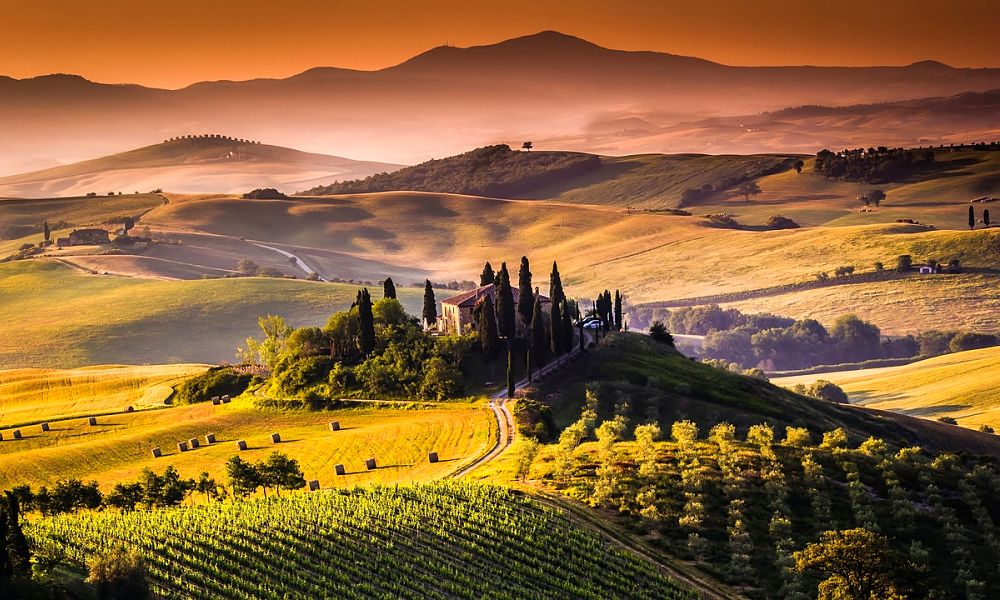
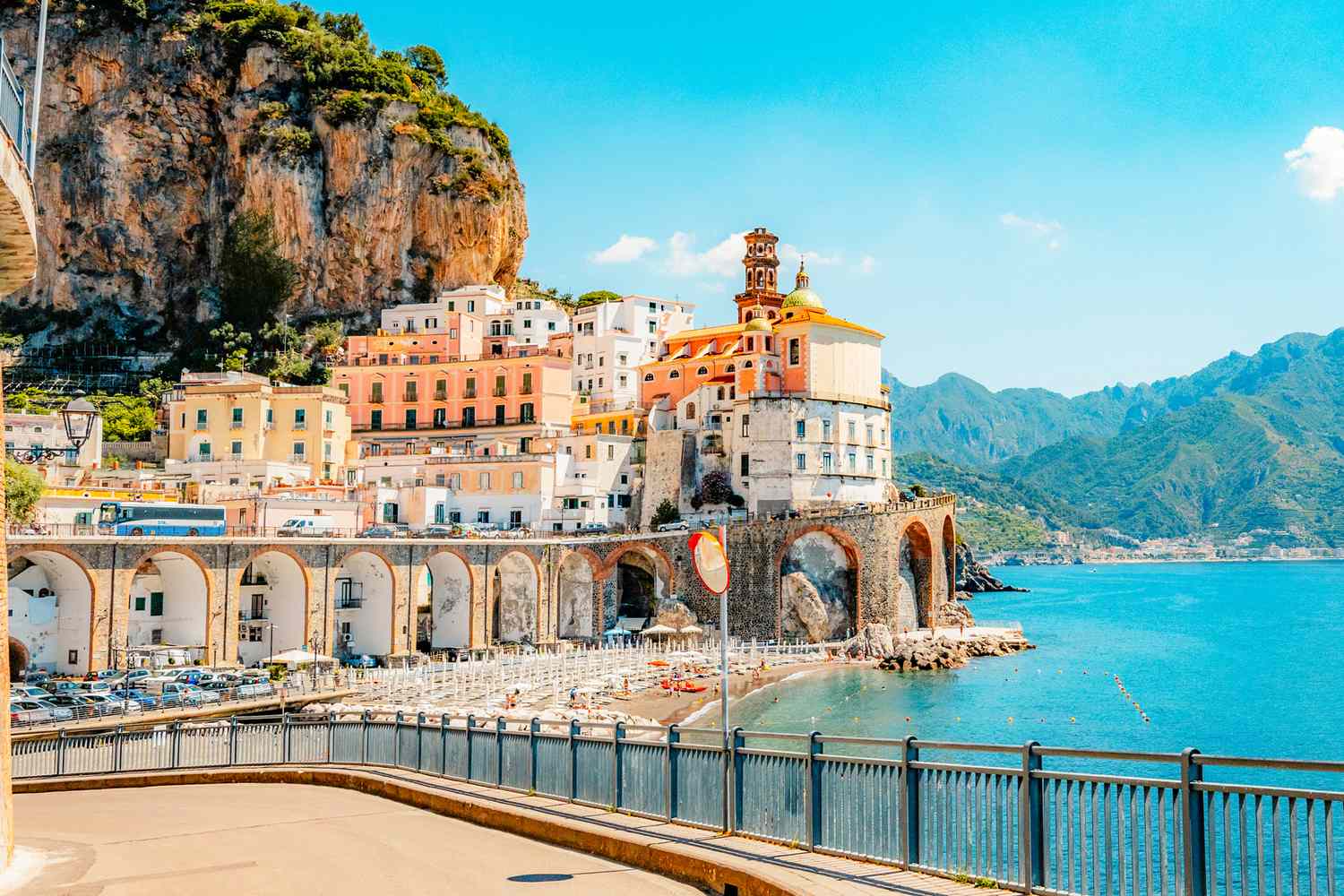
⚡ The TL;DR Verdict
If your dream Italian getaway involves picturesque drives through vineyards, Renaissance art, and hearty cuisine with a more relaxed pace and manageable budget, Tuscany is your winner (expect €100-200 / $110-220 daily). For those seeking dramatic coastal vistas, turquoise waters, glamorous cliffside towns, and a more luxurious, bustling experience, the Amalfi Coast beckons (budget €180-350+ / $200-380+ daily).
- Choose Tuscany: Choose Tuscany if you crave rich history, world-class art, exceptional wine, farm-to-table dining, and the freedom of self-driving through serene landscapes, ideal for families or those seeking a slower pace.
- Choose Amalfi Coast: Opt for the Amalfi Coast if you're chasing breathtaking sea views, chic beach clubs, boat excursions, fresh seafood, and don't mind navigating winding roads or busy ferry routes for a truly iconic, romantic, or luxurious escape.
- Choose Both: Consider combining both if you have at least 10-14 days and want the ultimate Italian experience, blending cultural depth with coastal splendor. Plan 5-7 days in each, perhaps flying into Florence or Pisa and out of Naples.
Quick Comparison
| Category | Tuscany | Amalfi Coast | Winner |
|---|---|---|---|
| Scenery & Vibe | Rolling hills, cypress-lined drives, ancient hilltop towns, golden vineyards, rustic elegance. | Dramatic cliffside villages, turquoise Mediterranean waters, vibrant pastel houses clinging to mountainsides, glamorous and bustling. | Amalfi Coast |
| Food & Wine | Hearty, rustic cuisine, world-renowned wines (Chianti, Brunello), truffle hunting, olive oil. | Fresh seafood, lemons in everything (limoncello), Neapolitan pizza (nearby), lighter Mediterranean fare. | Tuscany |
| Costs & Budget | Generally more affordable, especially outside major cities; good value agriturismos, diverse dining options. | Significantly more expensive, particularly for accommodation and dining in popular towns like Positano; luxury focus. | Tuscany |
| Getting Around | Car is highly recommended for flexibility, charming drives; trains connect major cities. | Challenging driving conditions, limited parking; best explored by ferries, SITA buses, or private drivers. | Tuscany |
| Accommodation | Abundant agriturismos (farm stays), historic villas, boutique hotels in charming towns, diverse range of budgets. | Cliffside hotels, luxurious boutique stays, B&Bs; often smaller, pricier, and book up quickly due to high demand. | Tuscany |
| Culture & History | Birthplace of the Renaissance, Etruscan roots, Roman influence, medieval towns, world-class art museums. | Coastal maritime history, Roman villas, proximity to Pompeii/Herculaneum; less focused on high art. | Tuscany |
| Beaches & Water Activities | Less famous for beaches; some coastal areas (Maremma) offer sandy stretches, but not the main draw. | Iconic, dramatic coves; vibrant beach clubs; excellent for boat tours, swimming, snorkeling. | Amalfi Coast |
| Day Trips & Activities | Florence, Siena, Pisa, Lucca, Chianti wine tours, hot air ballooning, cooking classes. | Pompeii, Herculaneum, Capri, Ischia, Path of the Gods hike, Naples, Vesuvius. | Amalfi Coast |
| Best Time to Visit / Weather | Spring (April-May) and Fall (Sept-Oct) are ideal; warm summers, chilly winters. | Spring (May-early June) and Fall (Sept-Oct) best; hot, crowded summers; quiet winters. | Tuscany |
| Pace & Crowds | Generally slower, more relaxed outside major cities; easier to find quiet moments. | Bustling, high energy, often very crowded, especially in popular towns and during peak season. | Tuscany |
🏞️ Scenery & Vibe
Tuscany offers a serene, almost painterly landscape of endless rolling hills, geometrically perfect vineyards, and iconic cypress-lined roads leading to medieval towns like Montepulciano or San Gimignano. The vibe is one of rustic charm, historical depth, and peaceful contemplation, perfect for leisurely drives or cycling tours. In contrast, the Amalfi Coast delivers an immediate, jaw-dropping 'wow' factor with its dramatic cliffs plunging into the sea, vibrant towns like Positano and Ravello precariously built into the landscape. The atmosphere is more energetic, luxurious, and visually stimulating, constantly vying for your attention. While Tuscany's beauty grows on you with its quiet grandeur, the Amalfi's dramatic scenery is an instant showstopper, especially when viewed from a boat or the legendary Path of the Gods. "The drive along the Amalfi Coast road felt like living in a postcard, even with the traffic. Tuscany was beautiful, but the sheer drama of Amalfi is just different." The contrast between the two is striking; Tuscany invites you to settle in, while Amalfi demands your gaze.
Winner takeaway
- Winner: Amalfi Coast
- Why: The Amalfi Coast wins for its unparalleled, instantly breathtaking, and dramatically picturesque coastal scenery that feels truly iconic.
- Who this matters for: First-time visitors to Italy, honeymooners, and anyone seeking 'postcard-perfect' dramatic natural beauty.
🍷 Food & Wine
Tuscan cuisine is a celebration of 'cucina povera' – simple, high-quality ingredients transformed into incredibly flavorful dishes. Think thick 'Pappa al Pomodoro' soup, wild boar ragu, 'Bistecca alla Fiorentina' (Florentine steak, typically €50-80 for two), and Pecorino cheese. The region is synonymous with world-class wines like Chianti Classico, Brunello di Montalcino, and Vino Nobile di Montepulciano, with countless wineries offering tastings (typically €20-50 per person). You can even go truffle hunting near San Miniato! The Amalfi Coast excels in super fresh seafood – grilled fish, 'spaghetti alle vongole,' and octopus salads – often enjoyed with a view. And, of course, the ubiquitous lemons feature in everything from desserts to the potent Limoncello. While the pizza in Naples (a popular day trip) is legendary, the Amalfi itself leans more seafood-centric. "Tuscany just hit different with its food. Every meal felt like a hug, and the wine tours were incredible value compared to some of the tourist trap seafood spots on the coast." For overall breadth, depth, and value in culinary experiences, Tuscany takes the crown.
Winner takeaway
- Winner: Tuscany
- Why: Tuscany offers a more diverse, rich, and globally recognized culinary and wine experience with exceptional value.
- Who this matters for: Foodies, wine connoisseurs, families, and those seeking authentic, hearty Italian meals.
💰 Costs & Budget
Budgeting for Tuscany is generally more forgiving. You can find lovely agriturismos for €100-180 ($110-200) per night, charming B&Bs in towns like Siena for similar prices, and even quality city hotels in Florence starting around €150 ($165). Meals in trattorias often range from €20-40 ($22-44) per person for a multi-course dinner with wine. Car rental is essential but can be budgeted for (around €40-70/$44-77 per day). The Amalfi Coast, however, is notoriously pricey. Entry-level hotels or B&Bs in Positano can easily start at €250-400 ($275-440) per night, with luxury options soaring past €1000 ($1100). Even smaller towns like Maiori or Minori offer few 'budget' options, still commanding €150-250 ($165-275). Dining out, especially with a view, can quickly add up, with main courses often €25-40 ($27-44) and full dinners €50-80+ ($55-88+). Transportation via ferries and private transfers also adds up. "Amalfi was beautiful but my wallet cried. I wish I'd known how much just a casual lunch would set me back compared to the amazing €30 dinners we had near Montepulciano." For value, Tuscany is a clear winner.
Winner takeaway
- Winner: Tuscany
- Why: Tuscany provides a much better overall value for accommodation, dining, and activities, making a longer or more comfortable trip more accessible.
- Who this matters for: Budget-conscious travelers, families, and those planning extended stays.
🚗 Getting Around
Tuscany is truly best experienced with a rental car, offering the freedom to explore hidden villages, winding vineyard roads, and picturesque viewpoints at your own pace. Driving is generally straightforward outside of major city centers like Florence, which has ZTLs (limited traffic zones). You can pick up a car at Florence (FLR) or Pisa (PSA) airports. Distances between towns like Siena, Montepulciano, and San Gimignano are manageable (typically 30-90 minutes). The Amalfi Coast, however, is a different beast entirely. The iconic SS163 coastal road is narrow, winding, and often congested, especially in peak season. Parking is scarce and expensive (€5-10/hour). Most travelers rely on the efficient but often crowded SITA public buses, or the scenic ferries connecting towns like Positano, Amalfi, and Ravello. Private drivers are available but costly (e.g., Naples to Positano can be €100-150 / $110-165). "Don't even *think* about driving on the Amalfi Coast unless you're a masochist. The ferries were amazing, but in Tuscany, having our own car made the trip." For ease and flexibility of independent exploration, Tuscany is the clear winner.
Winner takeaway
- Winner: Tuscany
- Why: Tuscany's extensive road network and charming countryside drives make car travel a joy and essential for exploration, unlike the challenging Amalfi roads.
- Who this matters for: Independent travelers, those who prefer self-driving, families, and photographers.
🏡 Accommodation
Tuscany's accommodation options are incredibly diverse and often offer great value. The region is famous for its 'agriturismos,' working farms that offer charming guest rooms or apartments, often with pools, cooking classes, and farm-to-table dining. These range from €100-250 ($110-275) per night. You can also find beautiful historic villas, urban hotels in cities like Florence or Siena, and quaint B&Bs in smaller towns. There's truly something for every budget and style. On the Amalfi Coast, accommodation is often boutique and luxurious, built into the dramatic cliff faces. Iconic hotels like Le Sirenuse in Positano can cost upwards of €1500 ($1650) a night. Even more modest B&Bs or guesthouses in Positano or Amalfi typically start at €200-400 ($220-440) per night, especially during peak season. Options are fewer, book up far in advance, and come at a premium. "We stayed at an amazing agriturismo in Tuscany for a fraction of what a basic hotel room cost us in Amalfi, and it included breakfast and a pool!" For variety, authentic charm, and overall value, Tuscany has the edge.
Winner takeaway
- Winner: Tuscany
- Why: Tuscany offers a wider range of unique, high-quality accommodation options at more accessible price points, particularly the authentic agriturismos.
- Who this matters for: Travelers seeking unique local experiences, families, budget-conscious groups, and those wanting a peaceful retreat.
🏛️ Culture & History
Tuscany is arguably the heartland of Italian culture and history. Florence alone boasts the Uffizi Gallery (reserve tickets, €20-25), the Accademia Gallery (David, €16-20), and masterpieces like Brunelleschi's Duomo. Siena's Piazza del Campo and its Duomo are medieval marvels. Beyond the big cities, towns like Cortona, Arezzo, and San Gimignano are living museums. This region was the cradle of the Renaissance, profoundly influencing Western civilization. The Amalfi Coast's history is more intertwined with maritime trade, Roman settlements, and medieval duchies. While beautiful villas in Ravello (Villa Rufolo, Villa Cimbrone - €8-10 entry each) offer glimpses into its past, its primary cultural draw is its proximity to the ancient Roman cities of Pompeii and Herculaneum (day trip from Amalfi, Pompeii entry ~€19). "If you want to feel history breathing down your neck and see world-changing art, Tuscany is unmatched. Amalfi is pretty, but it's not the Uffizi." For sheer depth, breadth, and significance of historical and artistic heritage, Tuscany is an undisputed champion.
Winner takeaway
- Winner: Tuscany
- Why: Tuscany's unparalleled Renaissance heritage, world-class art, and numerous historically significant towns make it a cultural powerhouse.
- Who this matters for: Art lovers, history buffs, academics, and those seeking profound cultural immersion.
🏖️ Beaches & Water Activities
When it comes to beaches and water activities, the Amalfi Coast is in a league of its own. While its beaches are typically small, pebbly coves nestled between dramatic cliffs, they are incredibly scenic. Towns like Positano (Spiaggia Grande, Fornillo), Amalfi, and Maiori offer lively 'lidos' (private beach clubs where you rent chairs and umbrellas, typically €20-40/$22-44 per person per day) and opportunities for swimming in the crystal-clear Tyrrhenian Sea. Boat tours are a highlight, whether to Capri, exploring hidden grottoes, or simply cruising the coastline, often costing €50-100+ ($55-110+) per person for group tours. Kayaking and paddleboarding are also popular. Tuscany's coastline, particularly in the Maremma region, offers long, sandy beaches like those near Follonica or Castiglione della Pescaia. However, they lack the dramatic charm and vibrant atmosphere of the Amalfi, feeling more like traditional beach resorts rather than a seamless part of the cultural experience. "If you want to feel like you're in a travel magazine, sipping Aperol Spritz on a tiny beach with cliffs all around, Amalfi wins. Tuscany's beaches are... fine." For iconic coastal experiences, Amalfi is the clear choice.
Winner takeaway
- Winner: Amalfi Coast
- Why: The Amalfi Coast boasts dramatically beautiful beaches and offers superior opportunities for boating, swimming, and iconic coastal relaxation.
- Who this matters for: Beach lovers, luxury travelers, honeymooners, and those seeking iconic coastal photos and activities.
🗺️ Day Trips & Activities
Tuscany offers an incredible array of day trips centered around its major cities and wine regions. From a base in Florence, you can easily reach Siena, Pisa, Lucca, and the Chianti region by train or car. Wine tasting tours and cooking classes are incredibly popular, often costing €80-150 ($88-165) per person. Hot air balloon rides over the Tuscan landscape are a bucket-list item (approx. €250-350/$275-385). The Amalfi Coast, however, packs an astonishing number of world-famous attractions into a compact area. From any coastal town, you can take a ferry to the glamorous island of Capri (ferry €20-30 return) or the volcanic Ischia. The ancient ruins of Pompeii and Herculaneum are easily accessible via train from Sorrento or Salerno. Hiking the breathtaking Path of the Gods (Sentiero degli Dei) offers unparalleled views. You can also venture to Naples for authentic pizza and vibrant city life. "The Amalfi Coast just has so many heavy hitters within reach – Pompeii, Capri, the Path of the Gods. Every day was an adventure, whereas Tuscany was more about savoring the small towns." While Tuscany's activities are charming, the sheer volume and iconic status of Amalfi's nearby excursions give it the edge.
Winner takeaway
- Winner: Amalfi Coast
- Why: The Amalfi Coast offers a higher concentration of world-renowned, diverse, and easily accessible day trips and unique activities.
- Who this matters for: Adventurous travelers, history buffs, island hoppers, and those seeking a dynamic itinerary.
☀️ Best Time to Visit / Weather
Tuscany truly shines in its shoulder seasons. Spring (April-May) brings lush green landscapes, blooming poppies, and comfortable temperatures (15-25°C / 59-77°F), perfect for hiking and outdoor activities. Fall (September-October) offers the grape harvest, rich autumn colors, and pleasant weather, often with fewer crowds. Summers (June-August) can be hot, regularly exceeding 30°C (86°F), making city sightseeing a bit tiring, though evenings are pleasant. Winters are cooler and can be rainy, but offer a cozy, authentic experience. The Amalfi Coast also has its ideal shoulder seasons. May-early June and September-October provide warm, sunny weather (20-28°C / 68-82°F) for swimming and exploring, with fewer crowds than peak summer. However, July and August are incredibly hot and notoriously crowded, making navigation and enjoying the towns challenging. "We went to Tuscany in early May and it was perfect – not too hot, everything was green and blooming. Amalfi in August was beautiful but packed, I wish we'd gone in September." Tuscany's slightly broader and more consistently pleasant shoulder season, coupled with less severe peak season crowds, makes it a more versatile choice.
Winner takeaway
- Winner: Tuscany
- Why: Tuscany offers a more extended and comfortable shoulder season, making it enjoyable across more months without the extreme crowds and heat of Amalfi's peak summer.
- Who this matters for: Travelers sensitive to heat, those avoiding peak crowds, and anyone looking for a more relaxed visit.
🚶♀️ Pace & Crowds
Tuscany offers a delightful blend of vibrancy in its major cities like Florence and Siena, coupled with incredible tranquility in its countryside and smaller hilltop towns. While Florence can be very busy, it's easy to escape to a quiet agriturismo or a charming village like Pienza or Montalcino, where life moves at a much slower, more authentic pace. You can enjoy serene drives, peaceful walks through vineyards, and unhurried meals. The Amalfi Coast, by contrast, is almost perpetually bustling, especially in its most famous towns like Positano and Amalfi. Even in shoulder season, the narrow streets are packed with tourists, and the coastal road can be bumper-to-bumper. Finding a quiet spot requires seeking out smaller villages or embarking on hikes like the Path of the Gods. The energy is high, but it can also feel overwhelming for some. "Tuscany was so relaxing, we felt like we could breathe and just soak it all in. Amalfi was gorgeous but felt like a constant battle with crowds, even just trying to get a coffee." For those seeking a more peaceful, unhurried vacation, Tuscany is the clear preference.
Winner takeaway
- Winner: Tuscany
- Why: Tuscany offers a more relaxed pace and greater opportunities to escape crowds, providing a more serene and authentic experience.
- Who this matters for: Travelers seeking relaxation, solitude, families with young children, and those sensitive to noise and congestion.
❓ Frequently Asked Questions
Is it possible to visit both Tuscany and the Amalfi Coast in one trip?
Yes, but it requires careful planning and ideally at least 10-14 days to truly enjoy both without feeling rushed. A common approach is to fly into Florence/Pisa for Tuscany, then take a high-speed train to Naples or Salerno, and transfer to the Amalfi Coast. This minimizes travel time between regions.
Which destination is better for families with young children?
Tuscany generally offers a more family-friendly experience. Agriturismos often have pools, open spaces, and activities for kids. The slower pace, easier driving, and diverse food options cater well to families. The Amalfi Coast, with its steep stairs, crowded streets, and limited stroller access, can be challenging with very young children.
Which is more romantic for a honeymoon or couples' trip?
Both offer immense romance, but in different ways. The Amalfi Coast, with its dramatic views, luxury hotels, and private boat tours, is often considered the quintessential honeymoon destination for its glamour and breathtaking beauty. Tuscany offers a more understated, intimate romance with its charming villas, wine tastings, and secluded countryside drives.
Do I need a car for both regions?
A car is highly recommended for Tuscany to fully explore the countryside and smaller towns at your leisure. For the Amalfi Coast, a car is generally discouraged due to narrow, winding roads, limited parking, and heavy traffic. Public transport (buses, ferries) or private drivers are the preferred ways to get around there.
Which region has better shopping opportunities?
Tuscany, particularly Florence, offers superior shopping. You'll find high-end fashion (Gucci, Prada), artisanal leather goods, local crafts, and specialty food items like truffle products and olive oil. The Amalfi Coast focuses more on local ceramics (Vietri sul Mare), limoncello, and resort wear, with fewer diverse options.
How far apart are Tuscany and the Amalfi Coast?
The distance between the heart of Tuscany (e.g., Florence) and the Amalfi Coast (e.g., Positano) is approximately 500-600 km (310-370 miles). Travel typically involves a high-speed train from Florence to Naples or Salerno (around 3-4 hours), followed by a regional train, ferry, or private transfer to your specific Amalfi Coast town (1-2 hours).
Is one region significantly safer than the other?
Both regions are generally very safe for tourists. As with any popular destination, be mindful of pickpocketing in crowded tourist areas, especially in Florence or Naples. The main 'danger' on the Amalfi Coast is navigating the narrow, winding roads if driving, or the potential for motion sickness on buses/ferries.
Can I find good hiking in both areas?
Yes, both offer fantastic hiking. Tuscany has beautiful trails through vineyards, olive groves, and along ancient pilgrimage routes like the Via Francigena. The Amalfi Coast boasts iconic, more dramatic coastal hikes like the 'Path of the Gods' (Sentiero degli Dei) and various trails around Ravello, offering stunning sea views.
Ready to plan your Italian dream trip?
Get a free custom itinerary for Tuscany, Amalfi Coast, or both — built from real traveler insights.
🎟️ Book Tours & Experiences
Hand-picked tours and activities for both destinations — book with free cancellation
Experiences via Viator — free cancellation on most tours