How we built this comparison
This page combines traveler discussion patterns, published price ranges, flight schedules, and seasonal data to help you decide between Tuscany and Bordeaux.
- Reviewed 500+ Reddit threads from r/travel, r/solotravel, r/italy, r/france, r/europe for real traveler experiences and advice.
- Verified costs for flights, accommodation, car rentals, and attractions against current booking platforms (Skyscanner, Booking.com, Kayak, official attraction websites).
- Cross-referenced seasonal patterns and weather data from NOAA and local tourism boards to determine optimal visiting times.
⚡ The TL;DR Verdict
If you dream of rustic charm, Renaissance art, and hearty Tuscan cuisine with stunning vistas, Tuscany is your soulmate, budgeting around $150-250 (€140-230) per day. For sophisticated wine tours, gourmet French dining, and elegant city life, Bordeaux offers a more refined, often pricier experience, expecting $200-350+ (€185-320+) daily.
- Choose Tuscany: Choose Tuscany if you crave a classic Italian escape: rolling hills, cypress-lined roads, historic hill towns, incredible pasta, and world-class wine, often with a more rustic, family-friendly feel. Perfect for road trips, cooking classes, and exploring art-filled cities.
- Choose Bordeaux: Opt for Bordeaux if your ideal trip involves exquisite French wine tasting, Michelin-starred dining, grand architecture, and a sophisticated, slightly more luxurious atmosphere. It's ideal for those who appreciate fine living, elegant city strolls, and deep dives into viticulture.
- Choose Both: Consider doing both if you have at least 10-14 days and want to experience the best of both worlds – the rustic charm of Italy and the refined elegance of France. Fly into Florence/Pisa, explore Tuscany for 5-7 days, then take a flight or train to Bordeaux for another 5-7 days of exploration, perhaps via a connecting flight through Paris.
Quick Comparison
| Category | Tuscany | Bordeaux | Winner |
|---|---|---|---|
| Food & Wine Scene | Hearty, fresh, pasta-focused Tuscan cuisine with Chianti and Brunello. More rustic and accessible. | Sophisticated French gastronomy, foie gras, canelés, and the world's most famous wines (Bordeaux reds). | Bordeaux |
| Scenery & Vibe | Iconic rolling hills, cypress trees, medieval hill towns, and rustic charm. Warm, inviting atmosphere. | Elegant vineyards, grand châteaux, Garonne River, and sophisticated urban landscapes. Refined and stately. | Tuscany |
| Costs & Budget | Generally more budget-friendly for food and accommodation, especially outside Florence. Daily budget $150-250 (€140-230). | Higher price point overall, particularly for wine tours, fine dining, and châteaux stays. Daily budget $200-350+ (€185-320+). | Tuscany |
| Getting There & Around | Fly into Florence (FLR) or Pisa (PSA), or Rome (FCO). Car rental is highly recommended for exploring the countryside. | Fly into Bordeaux-Mérignac (BOD). Car rental is essential for visiting vineyards. | Tie |
| Accommodation Style | Agriturismos (farm stays), rustic villas, charming B&Bs, and boutique hotels in historic centers. Authentic and cozy. | Elegant châteaux hotels, refined boutique hotels in the city, charming guesthouses. Luxurious and polished. | Tuscany |
| Culture & History | Cradle of the Renaissance (Florence), Etruscan and Roman influences, medieval hill towns, rich artistic heritage. | Roman ruins, medieval pilgrimage routes, 18th-century grandeur, strong wine culture heritage. | Tuscany |
| Day Trips & Excursions | Siena, San Gimignano, Pisa, Cinque Terre, Rome (longer day trip), Val d'Orcia, thermal baths. | Saint-Émilion, Arcachon (oysters, sand dunes), Cognac, Blaye (citadel), Dune du Pilat. | Tuscany |
| Best Season to Visit | Spring (April-May) and Fall (September-October) offer ideal weather and fewer crowds. | Late Spring (May-June) and early Fall (September-October) are perfect for vineyard tours and pleasant weather. | Tie |
| Activities Beyond Wine | Art museums, cooking classes, hiking, cycling, hot springs, historical site exploration. | City exploration, river cruises, oyster tasting, Dune du Pilat climbing, market visits. | Tuscany |
| Travel Style & Demographics | Romantic couples, families, foodies, art lovers, road trippers. More casual and rustic. | Affluent couples, sophisticated travelers, wine enthusiasts, gourmands. More refined and luxurious. | Tuscany |
🍷 Food & Wine Scene
Tuscany's food scene is a rustic dream: think pappa al pomodoro, wild boar ragu, bistecca alla fiorentina, and fresh pecorino cheese. The wines, primarily Chianti Classico, Brunello di Montalcino, and Vino Nobile di Montepulciano, are bold and approachable. You can enjoy a fantastic trattoria meal for €20-40 ($22-45) per person, often with house wine. Cooking classes are ubiquitous and highly recommended, costing around €80-150 ($88-165) for a half-day experience. Bordeaux, however, steps into a different league of culinary refinement. It's the land of duck confit, oysters from Arcachon, canelés, and of course, its unparalleled red wines from Médoc, Saint-Émilion, and Pomerol. Dining here can range from excellent brasseries at €30-60 ($33-66) to Michelin-starred experiences costing upwards of €100-200+ ($110-220+) per person. Wine tours are meticulously organized, often visiting grand châteaux like Château Margaux or Château Latour, with tastings typically ranging from €20-80 ($22-88) per person. "Honestly, the canelés in Bordeaux changed my life – totally worth the extra calories after all that wine tasting!" While Tuscany offers incredible value and deliciousness, Bordeaux's sheer sophistication and global impact on wine earn it the win.
Winner takeaway
- Winner: Bordeaux
- Why: Bordeaux's legendary status in wine production and its sophisticated culinary scene offer an unparalleled, world-class gastronomic experience.
- Who this matters for: Serious foodies, wine connoisseurs, and those seeking refined dining experiences.
🏞️ Scenery & Vibe
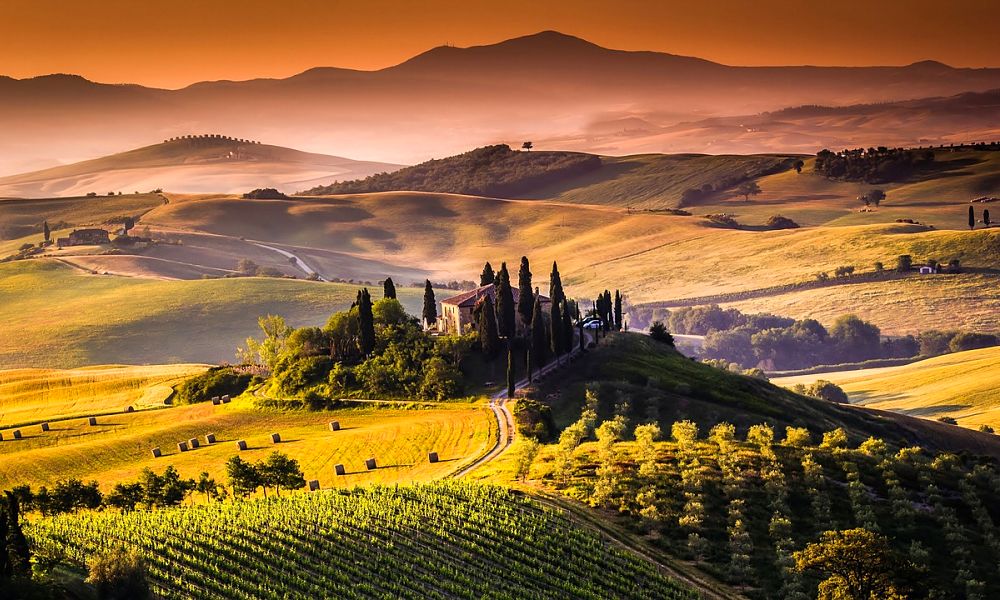
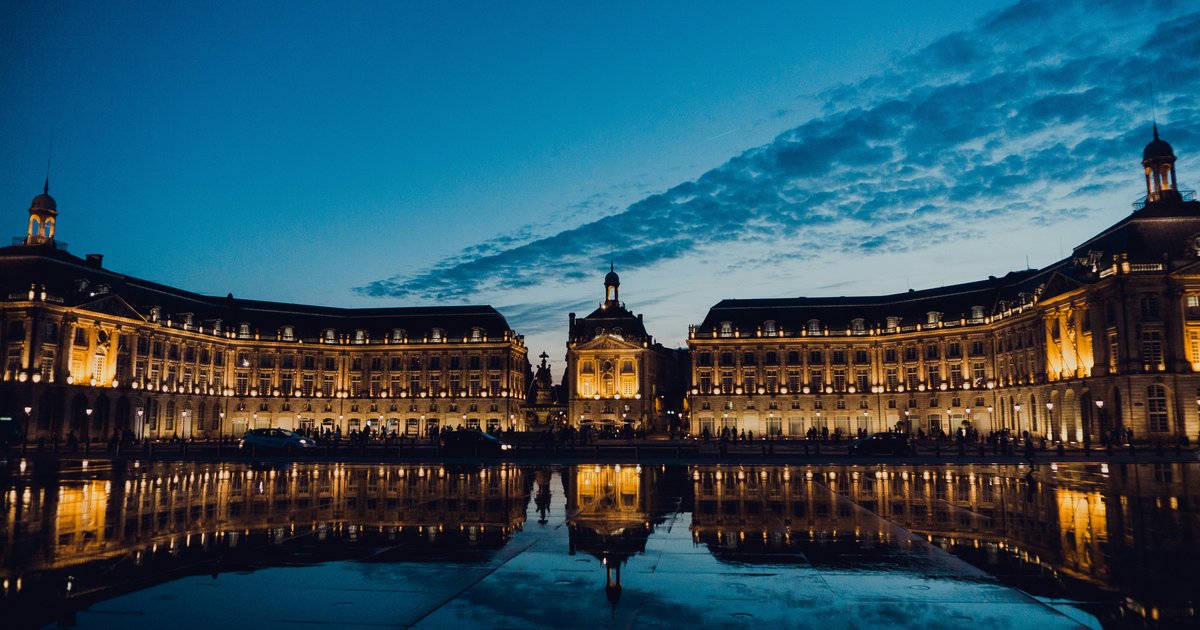
Tuscany's landscape is instantly recognizable and breathtakingly beautiful: endless rolling hills, geometrically perfect vineyards, olive groves, and iconic cypress-lined avenues leading to ancient farmhouses and medieval hill towns like San Gimignano or Pienza. The vibe is one of rustic romance, history, and a slower pace of life, inviting you to linger over a meal or simply soak in the view from an agriturismo. Sunsets here are legendary. Bordeaux, on the other hand, offers a different kind of beauty. Its countryside is dominated by perfectly manicured vineyards, interspersed with impressive châteaux that look like something out of a fairy tale. The city of Bordeaux itself is a UNESCO World Heritage site, boasting grand 18th-century architecture, wide boulevards, and the elegant Garonne River. It feels more refined and structured, a testament to its wealthy wine heritage. While both are stunning, Tuscany’s iconic, diverse, and universally appealing landscape, from Florence's art to the Val d'Orcia's curves, gives it an edge. "Tuscany just feels like a postcard everywhere you look, even the tiny villages are stunning."
Winner takeaway
- Winner: Tuscany
- Why: Tuscany's iconic, diverse, and universally appealing landscape of rolling hills, ancient towns, and cypress groves is simply unmatched for sheer picturesque beauty.
- Who this matters for: Photographers, romantics, and anyone seeking a classic, idyllic European countryside experience.
💰 Costs & Budget
When it comes to your wallet, Tuscany offers more bang for your buck without sacrificing quality. A comfortable agriturismo stay can range from €100-200 ($110-220) per night, while a quality dinner with wine might be €30-50 ($33-55) per person. Car rentals are essential for exploring both, costing around €40-70 ($44-77) per day, plus fuel. Public transport within cities like Florence is efficient and cheap. Bordeaux tends to be a bit pricier across the board. Mid-range hotels in the city start around €150-250 ($165-275) per night, and a decent meal in a brasserie often hits €40-70 ($44-77). Guided château tours and tastings can add up quickly, with individual visits sometimes costing €30-80 ($33-88) each. If you're looking for a luxury wine experience, Bordeaux can easily become very expensive. Even basic groceries and local wines are slightly more expensive in France compared to Italy. "We found great value staying in a small town outside Siena and driving everywhere in Tuscany, saved a ton compared to staying in Florence." While both can be done on a budget, Tuscany offers more opportunities for cost-saving without feeling like you're missing out.
Winner takeaway
- Winner: Tuscany
- Why: Tuscany generally offers a more accessible price point for quality accommodation, food, and experiences, making it better value for money.
- Who this matters for: Budget-conscious travelers, families, and those looking to stretch their travel funds further without compromising quality.
🚗 Getting There & Around
For Tuscany, major entry points are Florence (FLR) and Pisa (PSA) airports, with more international options often available via Rome (FCO), which is a 1.5-hour high-speed train ride to Florence. From NYC (JFK) to Florence (FLR) expect around 8-10 hours flight time with one stop, costing $700-1200 depending on season. Once there, a rental car is almost non-negotiable for exploring the charming hill towns and vineyards; expect to pay €40-70 ($44-77) per day. Roads are generally well-maintained, though some hill town access can be tricky. Bordeaux is best accessed via Bordeaux-Mérignac Airport (BOD), with direct flights from major European hubs. From NYC (JFK) to Bordeaux (BOD) also takes 8-10 hours with one stop, usually costing $800-1300. In Bordeaux, a car is equally essential for touring the various wine regions. Public transport within both main cities (Florence and Bordeaux) is good, with trams and buses, but the magic of both regions lies outside the urban centers, requiring a car. "Renting a car in Tuscany was the best decision, we could stop anywhere for photos and explore tiny villages." Both destinations require similar logistical planning for exploration, making it a tie.
Winner takeaway
- Winner: Tie
- Why: Both regions equally necessitate a rental car for exploration beyond their main cities, and offer comparable flight access from international hubs.
- Who this matters for: Travelers comfortable with driving abroad and those prioritizing flexibility in their itinerary.
🏨 Accommodation Style
Tuscany truly shines with its unique accommodation options. Agriturismos, working farms often producing wine or olive oil, offer an authentic and immersive experience, sometimes including cooking classes or farm-to-table meals. Expect to pay €100-250 ($110-275) per night for a lovely one, often with a pool and stunning views. Rustic villas, sometimes shared with other guests or rented entirely, also abound. In cities like Florence or Siena, you'll find charming boutique hotels and B&Bs housed in historic buildings. Bordeaux offers more in the way of grand châteaux hotels, often situated directly within vineyards, providing a luxurious escape starting at €200-500+ ($220-550+) per night. The city of Bordeaux itself has a range of elegant boutique hotels and stylish guesthouses. While Bordeaux's options are undeniably luxurious, Tuscany's agriturismos offer a more distinctive, culturally rich, and often more intimate experience that many travelers actively seek. "Staying at an agriturismo near Montepulciano was the highlight, fresh breakfast every morning and incredible views from our room. Felt truly Italian!" Tuscany provides a wider variety of unique, charming, and characterful stays that are integral to the region's appeal.
Winner takeaway
- Winner: Tuscany
- Why: Tuscany's agriturismos and rustic villas offer a truly unique, immersive, and charming accommodation experience that is integral to the region's character.
- Who this matters for: Travelers seeking authentic local experiences, family-friendly options, and charming, rustic stays.
🏛️ Culture & History
Tuscany is an absolute powerhouse of culture and history. Florence alone is a living museum, home to masterpieces like Michelangelo's David, Botticelli's 'Birth of Venus' at the Uffizi Gallery (€26-30 / $28-33 entry), and Brunelleschi's Dome. Beyond Florence, you have the medieval Siena with its Piazza del Campo, the Etruscan roots of Cortona, and the Roman influence visible throughout. Every hill town tells a story, and the region's contribution to art, architecture, and literature is immense. Bordeaux's history is also rich, dating back to Roman times (Burdigala) and flourishing as a medieval port city. The city's 18th-century golden age is evident in its stunning neoclassical architecture, like the Place de la Bourse and the Grand Théâtre. La Cité du Vin (€22 / $24 entry) provides a deep dive into wine history. However, while Bordeaux offers elegant history, Tuscany's sheer depth and breadth of world-changing artistic and historical impact, especially the Renaissance, makes it the clear winner. "Walking through Florence felt like stepping into a history book, seeing all those masterpieces in person was unreal." Tuscany offers a more profound and globally significant cultural experience.
Winner takeaway
- Winner: Tuscany
- Why: Tuscany, as the heart of the Renaissance, offers an unparalleled concentration of world-changing art, architecture, and historical significance.
- Who this matters for: Art lovers, history buffs, academics, and those seeking profound cultural immersion.
🗺️ Day Trips & Excursions
Tuscany boasts an incredible array of diverse and easily accessible day trips. From Florence, you can reach Siena, with its stunning Piazza del Campo, or the iconic medieval towers of San Gimignano in under an hour. Pisa's leaning tower is a quick 1-hour train ride. For coastal beauty, the Cinque Terre is a feasible (though long) day trip by train. The entire Val d'Orcia region offers endless scenic drives and charming small towns like Pienza and Montepulciano. Even Rome is manageable for a very long day trip by high-speed train. Bordeaux also has excellent day trip options, primarily focused on wine regions. Saint-Émilion, a UNESCO World Heritage site known for its monolithic church and incredible wines, is a must-visit, only 45 minutes drive from Bordeaux. The coastal town of Arcachon, famous for its oysters and the majestic Dune du Pilat (Europe's tallest sand dune), offers a different kind of natural beauty an hour away. Cognac, for brandy lovers, is also within reach. However, Tuscany's sheer variety—from world-famous art cities to dramatic coastlines, ancient spa towns, and iconic landscapes—offers a broader appeal. "Every day trip from our villa in Tuscany was unique, from historical towns to amazing vineyards. Never ran out of things to see!"
Winner takeaway
- Winner: Tuscany
- Why: Tuscany offers a wider and more varied range of iconic and culturally significant day trips, from art cities to coastal wonders and picturesque valleys.
- Who this matters for: Active travelers who enjoy exploring multiple facets of a region and maximizing their itinerary.
☀️ Best Season to Visit
Both Tuscany and Bordeaux share similar optimal travel seasons. Spring (April-May) and Fall (September-October) are hands-down the best times for both regions. In Tuscany, temperatures range from 15-25°C (59-77°F), ideal for walking tours, hiking, and enjoying outdoor meals. The countryside is either lush green with wildflowers in spring or bursting with autumn colors during harvest season. Summers (June-August) can be very hot, hitting 30-35°C (86-95°F), and crowded, especially in popular spots like Florence. Bordeaux also thrives in late spring (May-June) and early fall (September-October), with similar pleasant temperatures of 18-28°C (64-82°F). This is prime time for vineyard visits, as the vines are either blossoming or heavy with grapes, and wine festivals are common. Summers here can also be quite warm, though usually tempered by proximity to the Atlantic. Winters are generally mild but damp and less appealing for extensive outdoor activities. "Everyone says spring or fall for both, and they're right – we did Tuscany in May and the weather was absolutely perfect, not too hot, not too many people." Since both regions offer comparable experiences and weather patterns during their peak shoulder seasons, it's a tie.
Winner takeaway
- Winner: Tie
- Why: Both regions offer their best experiences during the shoulder seasons of spring and fall, with comparable pleasant weather and beautiful scenery.
- Who this matters for: Travelers who prioritize comfortable weather, fewer crowds, and the beauty of nature's transitions.
🚴 Activities Beyond Wine
While wine is central to both, Tuscany offers a more diverse range of activities beyond the vineyard. You can spend days exploring world-class art museums in Florence, like the Uffizi or Accademia Gallery, or take immersive cooking classes focusing on pasta and regional specialties (from €80/$88). The rolling hills are perfect for hiking and cycling, with numerous trails for all levels. Thermal baths like Saturnia offer relaxation. Exploring medieval hill towns, browsing local markets, and even truffle hunting are all popular. Bordeaux, while vibrant, has a more urban and wine-centric activity set. Beyond château tours, you can explore the elegant city of Bordeaux on foot or by tram, take a Garonne River cruise, visit La Cité du Vin, or indulge in oyster tasting in Arcachon, followed by climbing the impressive Dune du Pilat (€2-3/$2-3 parking fee). However, the sheer variety of cultural, active, and leisure pursuits in Tuscany beyond its wine production gives it the edge. "I loved the cooking class in Florence, but then we went hiking in the Val d'Orcia and it was just as amazing. So much to do besides wine!"
Winner takeaway
- Winner: Tuscany
- Why: Tuscany provides a broader and more diverse array of engaging activities beyond wine, catering to varied interests like art, history, and outdoor adventures.
- Who this matters for: Active travelers, families, and those who want a wider range of activities beyond just wine tasting.
👨👩👧👦 Travel Style & Demographics
Tuscany appeals to a very broad demographic. It's a perennial favorite for romantic couples seeking an idyllic escape, but it's equally fantastic for families due to its agriturismos, open spaces, and accessible cultural sites. Foodies and art lovers flock here for obvious reasons. Its rustic charm and varied landscape also make it perfect for solo travelers and road trippers looking for adventure and beauty. The atmosphere is generally more relaxed and casual. Bordeaux tends to draw a slightly older, more affluent, and discerning crowd. It's ideal for couples seeking a sophisticated, luxurious getaway focused on gourmet dining and world-class wine. Wine connoisseurs will find endless opportunities for deep dives into viticulture. While families are welcome, the region's primary appeal skews towards refined adult experiences rather than rustic, kid-friendly adventures. "Tuscany just feels so welcoming and everyone is so friendly, we saw families with kids, young couples, older groups, everyone seemed to love it." Tuscany's broader appeal and versatility in catering to various travel styles and demographics, from adventurous solo travelers to multi-generational families, makes it the winner.
Winner takeaway
- Winner: Tuscany
- Why: Tuscany’s diverse offerings, from rustic agriturismos to historical cities, appeal to a broader range of travelers including families, solo adventurers, and budget-conscious groups.
- Who this matters for: Families, diverse travel groups, and those seeking a more broadly accessible and welcoming travel experience.
❓ Frequently Asked Questions
Is English widely spoken in Tuscany and Bordeaux?
In major tourist areas and cities like Florence or Bordeaux, you'll find English speakers, especially in hotels, restaurants, and wineries. However, in smaller towns and rural areas of both regions, a basic understanding of Italian or French will go a long way and is always appreciated by locals. Google Translate and a phrasebook are your friends!
Do I need to book wine tours in advance?
Yes, absolutely! Especially for specific châteaux in Bordeaux or popular wineries in Tuscany (like those in Chianti Classico or Montalcino), booking several weeks or even months in advance is highly recommended. Many smaller producers in both regions operate by appointment only. Spontaneous drop-ins are rarely successful for quality experiences.
Are both regions suitable for travelers with kids?
Tuscany is generally more kid-friendly due to its agriturismos with pools, open spaces, and more casual dining. Kids often love pasta and pizza! Bordeaux is also welcoming, but its focus on fine dining and extensive wine tours might be less engaging for younger children. Both require car seats if you're renting a car.
What's the typical duration for a visit to each region?
For a good introduction to either Tuscany or Bordeaux, a minimum of 4-5 full days is recommended to allow for a mix of city exploration, countryside drives, and wine experiences. To truly savor and explore multiple sub-regions, 7-10 days would be ideal for each, especially if you plan on day trips.
Are there good hiking opportunities?
Tuscany offers fantastic hiking, especially in areas like the Val d'Orcia, Chianti hills, and around medieval towns, with trails ranging from easy strolls to challenging treks. Bordeaux's countryside is flatter, offering pleasant walks through vineyards, but less in the way of strenuous hiking compared to Tuscany's varied terrain.
Can I visit both Florence and Siena in one trip to Tuscany?
Yes, absolutely! Florence and Siena are both must-visits in Tuscany and are easily combined. They are about an hour's drive apart, or accessible by bus. Many travelers base themselves in one city or a central agriturismo and take day trips to the other, alongside exploring smaller hill towns.
What's the best way to get from Paris to Bordeaux?
The fastest and most convenient way to get from Paris to Bordeaux is by high-speed TGV train. The journey from Paris Montparnasse to Bordeaux Saint-Jean takes approximately 2 hours and 15 minutes, with frequent departures throughout the day. Booking in advance can secure better prices.
Is it worth visiting either in the off-season (winter)?
Visiting either in winter (November-March) can offer unique charm, fewer crowds, and lower prices. However, many agriturismos and smaller wineries in Tuscany might be closed, and vineyard tours in Bordeaux can be less scenic without leaves on the vines. Expect cooler, potentially rainy weather, but cities like Florence and Bordeaux remain vibrant for cultural activities.
Ready to plan your unforgettable trip?
Get a free custom itinerary for Tuscany, Bordeaux, or both — built from real traveler insights, tailored just for you.
🎟️ Book Tours & Experiences
Hand-picked tours and activities for both destinations — book with free cancellation
Experiences via Viator — free cancellation on most tours