How we built this comparison
This page combines traveler discussion patterns, published price ranges, flight schedules, and seasonal data to help you decide between Ulaanbaatar and Almaty.
- Reviewed 50+ Reddit threads from r/travel, r/solotravel, r/mongolia, r/kazakhstan, etc.
- Verified costs and logistics against current booking platforms (Booking.com, Airbnb, Yandex Go, Skyscanner)
- Cross-referenced seasonal patterns and weather data for optimal travel timing
- Consulted multiple travel blogs and expat forums for up-to-date local insights
⚡ The TL;DR Verdict
If you crave raw, untamed adventure, nomadic culture, and don't mind a bit of grit, Ulaanbaatar is your pick, budget around $40-60/day. For a more comfortable, scenic, and slightly more developed Central Asian experience with great food and nightlife, Almaty wins, budget around $60-90/day.
- Choose Ulaanbaatar: Choose Ulaanbaatar for a truly unique cultural immersion into nomadic life, vast steppes, and ancient traditions. It's for the intrepid traveler seeking off-the-beaten-path experiences and isn't afraid of roughing it a little. Expect fewer Western comforts and more genuine local interactions.
- Choose Almaty: Pick Almaty if you're looking for stunning mountain landscapes right on the city's doorstep, a vibrant cafe culture, modern amenities, and a more accessible, albeit still exotic, Central Asian experience. It's a great choice for those who appreciate good infrastructure, varied dining, and outdoor activities combined with urban exploration.
- Choose Both: If you have 3-4 weeks and a decent budget, doing both offers an incredible contrast. Start with Ulaanbaatar for 7-10 days (including a Gobi tour), then fly to Almaty for 7-10 days, exploring the city and surrounding mountains. It's a fantastic way to see the diverse landscapes and cultures of this often-overlooked region.
Quick Comparison
| Category | Ulaanbaatar | Almaty | Winner |
|---|---|---|---|
| Costs | Generally cheaper, especially outside the capital. Budget accommodations and food are very affordable. Tours can add up but offer great value. | Slightly more expensive, closer to Eastern European prices. Good value for money compared to Western Europe, but transport and some activities cost more. | Ulaanbaatar |
| Getting There | Fewer direct international flights, mostly via Seoul, Beijing, or Istanbul. Limited train options. | Better connected with more direct flights from Europe, Middle East, and Asia. Easier train access from Russia/CIS. | Almaty |
| Getting Around | UB's public transport is basic but cheap. Taxis are common. Outside UB, shared vans or tour vehicles are essential. | Almaty has an excellent metro system, efficient bus network, and very affordable ride-sharing (Yandex Go). | Almaty |
| Accommodation | Hostels and basic hotels in UB, gers (yurts) on tours. Rustic charm, fewer luxury options. | Wide range from budget hostels to international hotels. More modern amenities and varied options. | Almaty |
| Food Scene | Meat-heavy, dairy-rich, simple Mongolian cuisine. Limited international options, but improving. | Diverse, modern Central Asian cuisine with strong Russian and Korean influences. Excellent cafes, global options. | Almaty |
| Nightlife | More limited, with a few pubs and karaoke bars. Can be gritty but authentic. | Lively and diverse, with many bars, clubs, and lounges. European influence, often quite chic. | Almaty |
| Culture & History | Nomadic heritage, Genghis Khan, Buddhist monasteries. Rich, ancient, and deeply traditional. | Silk Road legacy, Soviet influence, Kazakh traditions. A blend of East and West. | Ulaanbaatar |
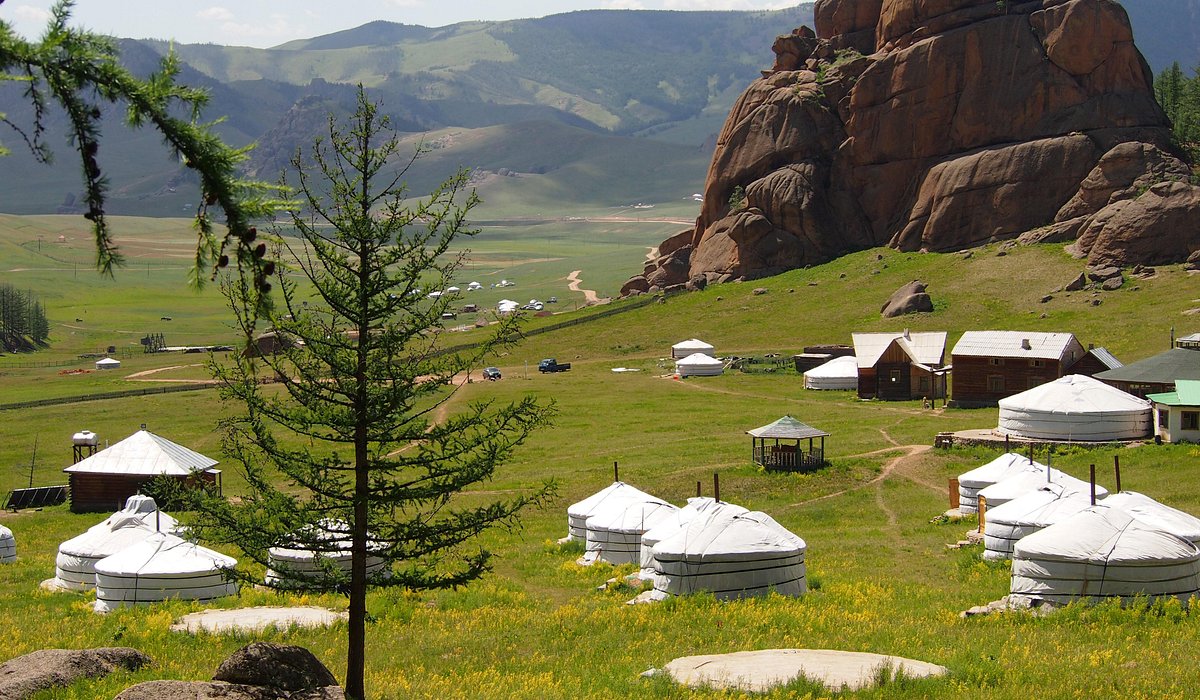
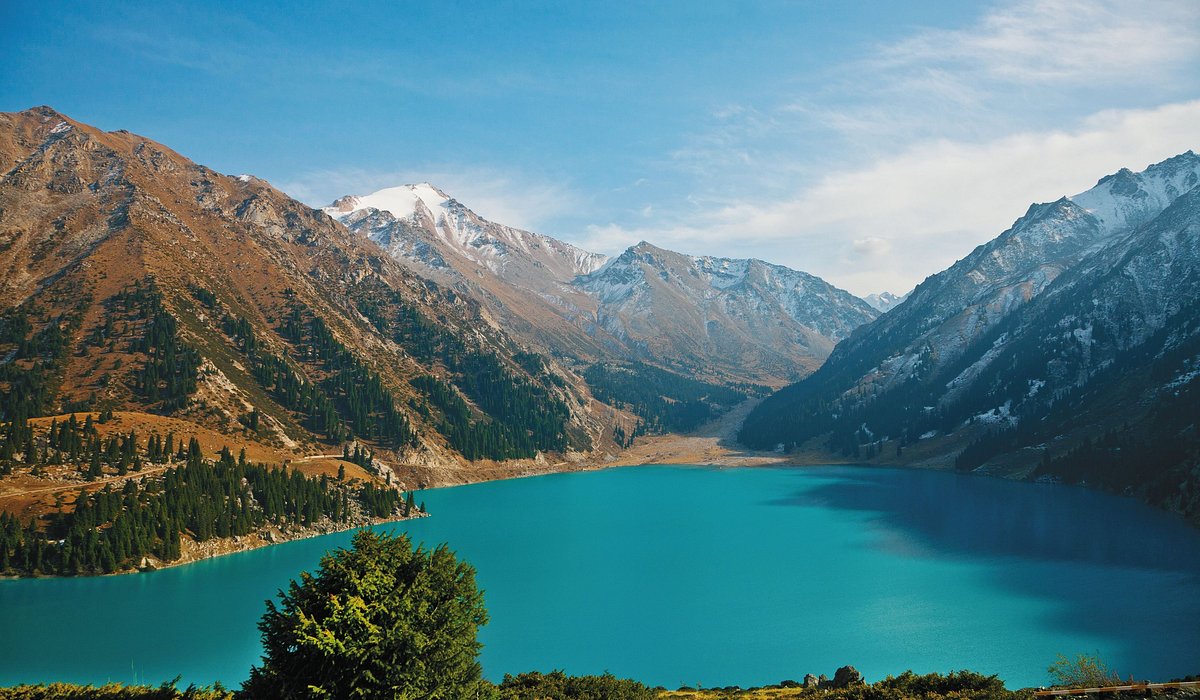
| Nature & Day Trips | Vast steppes, Gobi Desert, Terelj National Park, wild horses. Raw, dramatic, and expansive. | Stunning Tian Shan mountains, Big Almaty Lake, Shymbulak ski resort. Accessible alpine beauty. | Almaty |
| Safety | Generally safe, but pickpocketing and opportunistic crime can occur, especially at night. Road safety is a concern. | Relatively safe, low crime rates. Standard precautions apply. Traffic can be hectic. | Almaty |
| Digital Nomad Friendliness | Improving internet, but fewer co-working spaces and a less established expat scene. Visa can be tricky for longer stays. | Good internet, growing co-working scene, active expat community. Longer visa-free stays for many nationalities. | Almaty |
💰 Costs
Ulaanbaatar undeniably wins on overall costs, especially if you're a budget-conscious traveler. A decent guesthouse bed in UB can be found for ₮25,000-40,000 ($7-12) and a hearty meal of khuushuur or tsuivan at a local spot like The Bull Restaurant will set you back around ₮10,000-20,000 ($3-6). Public transport is dirt cheap at ₮600 ($0.18) per ride, and a taxi across town typically costs ₮5,000-10,000 ($1.50-3). The main expense will be multi-day tours into the Gobi or Terelj, which can range from $70-120 per day, but these are all-inclusive with transport, food, and accommodation. Almaty is still affordable by Western standards but pricier than UB. A hostel dorm is around ₸4,000-8,000 ($9-18), and a main course at a good local restaurant like Navat is typically ₸3,000-6,000 ($7-14). Public transport is ₸150 ($0.34) for a metro ride, and Yandex Taxi rides are often ₸700-1500 ($1.60-3.40). Skiing at Shymbulak or cable cars can add up. "Honestly, UB felt like I was back in SE Asia for prices, Almaty more like a cheaper Prague." This really captures the difference. Almaty also has more options for higher-end dining and hotels, widening the potential spend.
Winner takeaway
- Winner: Ulaanbaatar
- Why: Ulaanbaatar offers a significantly lower cost of living and travel, making it ideal for budget backpackers.
- Who this matters for: Budget travelers, long-term backpackers, and anyone looking to maximize their travel funds.
✈️ Getting There
Getting to Almaty is generally easier and often cheaper than Ulaanbaatar. Almaty International Airport (ALA) is a major hub for Central Asia, with direct flights from Istanbul (Turkish Airlines, ~5 hours, $300-500 round trip), Dubai (FlyDubai/Air Astana, ~4 hours, $250-450), Moscow, and various European cities. Air Astana, Kazakhstan's national carrier, is well-regarded. Ulaanbaatar's Chinggis Khaan International Airport (UBN) has fewer direct routes, primarily connecting through Seoul (Korean Air/MIAT, ~3.5 hours, $400-600 round trip), Beijing, or Istanbul (Turkish Airlines, longer and pricier). Flight times from Western Europe can be 8-12 hours for Almaty and often 12-16+ hours with layovers for Ulaanbaatar. Both are stops on the Trans-Siberian/Trans-Mongolian railway, but flying is typically preferred for time. "Getting to Almaty was a breeze, flew direct from Frankfurt. UB felt like a real journey with all the layovers, but worth it for the adventure." The availability and frequency of flights, coupled with more competitive pricing, give Almaty a clear edge for accessibility.
Winner takeaway
- Winner: Almaty
- Why: Almaty boasts better international flight connectivity, more direct routes, and often more competitive airfares.
- Who this matters for: Travelers looking for convenience, shorter travel times, and more flight options, especially from Europe or the Middle East.
🚌 Getting Around
Almaty has a significantly more developed and user-friendly public transport system. The Almaty Metro is clean, efficient, and beautifully decorated, covering key areas for just ₸150 ($0.34) per ride. An extensive bus and trolleybus network complements this, and most importantly, Yandex Go (Kazakhstan's equivalent of Uber) is incredibly reliable and cheap, with rides across the city typically costing ₸700-1500 ($1.60-3.40). You rarely need to haggle. In Ulaanbaatar, public buses are very cheap (₮600 / $0.18) but can be crowded and confusing without local language skills. Taxis are common, but it's essential to agree on a price beforehand or use apps like UBCab or similar, as meters are rare for street hails. A typical cross-city taxi ride is ₮5,000-10,000 ($1.50-3). Outside of UB, transport is largely reliant on hiring private drivers, shared minibusses (marshrutkas) to nearby towns like Terelj, or joining organized tours. "Almaty's metro was a godsend, so easy to get around. UB was more of an adventure just figuring out the bus system!" The sheer convenience and reliability of Almaty's modern transport infrastructure make it a clear winner here. While UB offers a more 'authentic' struggle, Almaty gives you more time to explore rather than navigate.
Winner takeaway
- Winner: Almaty
- Why: Almaty offers a superior, more efficient, and easier-to-navigate public transportation network, including a metro and reliable ride-sharing apps.
- Who this matters for: Independent travelers, those who prefer convenience, and anyone not wanting to haggle for every ride.
🛌 Accommodation
Almaty offers a far broader and higher quality range of accommodation options. You can find excellent hostels like ART Hostel or Alma Hostel for ₸4,000-8,000 ($9-18) per night, mid-range hotels like Hotel Kazakhstan for ₸25,000-40,000 ($55-90), and international chains like The Ritz-Carlton Almaty (₸100,000+ / $220+) with stunning mountain views. Airbnbs are also plentiful and good value. Ulaanbaatar's accommodation scene is more basic. Hostels like Khongor Guest House or UB Guesthouse offer dorms for ₮25,000-40,000 ($7-12) and are often the hub for tour bookings. Mid-range hotels like the Bayangol Hotel can be found for ₮100,000-200,000 ($30-60), but the quality can vary, and true luxury options are limited and often feel dated compared to Almaty. Outside UB, your main option is staying in traditional gers, which are unique and immersive but offer very basic facilities. "After a week in gers, Almaty's modern hotels felt like pure luxury. UB hotels are... functional." If comfort, variety, and modern amenities are a priority, Almaty is the undisputed champion. UB's charm lies more in its authenticity and the experiences outside the city, not its urban lodging.
Winner takeaway
- Winner: Almaty
- Why: Almaty provides a wider range of accommodation choices, from budget to luxury, with higher standards and more modern amenities.
- Who this matters for: Travelers prioritizing comfort, diverse lodging options, and those accustomed to modern hotel standards.
🍽️ Food Scene
Almaty's food scene is a vibrant and diverse culinary delight compared to Ulaanbaatar's more rustic offerings. In Almaty, you'll find everything from traditional Kazakh dishes like Beshbarmak (noodles with boiled meat) and Lagman (hand-pulled noodles) at spots like Navat or Gosti to excellent Korean, Uighur, Russian, and European restaurants. The city boasts a thriving cafe culture with places like Nedelka and Coffee Boom serving great coffee and pastries. Doner kebabs are plentiful and delicious. A meal at a mid-range restaurant is typically ₸3,000-6,000 ($7-14). Ulaanbaatar's cuisine is heavily meat-based (mutton, beef) and dairy-rich, reflecting its nomadic heritage. Staples include Khuushuur (fried meat dumplings), Buuz (steamed dumplings), Tsuivan (fried noodles with meat), and Aaruul (dried curd). While hearty and comforting, variety is limited, though some international restaurants like Millie's Espresso for burgers or modern Mongolian fusion at The Mug are emerging. A local meal is ₮10,000-20,000 ($3-6). "Almaty's cafes and diverse restaurants were a lifesaver. UB felt like a lot of variations on meat and potatoes, which is fine, but not for every meal." For foodies, Almaty offers a much more exciting and varied culinary journey.
Winner takeaway
- Winner: Almaty
- Why: Almaty offers a far more diverse and sophisticated culinary landscape with excellent international options, cafes, and local Central Asian flavors.
- Who this matters for: Foodies, those who appreciate culinary variety, and anyone with dietary restrictions beyond 'meat and potatoes'.
🌃 Nightlife
Almaty's nightlife is significantly more developed and diverse than Ulaanbaatar's. The city has a vibrant scene with numerous bars, clubs, and lounges, many of which cater to a stylish crowd. Popular spots include bars like The Bar with its cocktails, and clubs such as Barkhat for dancing. There are also many pubs with live music, and the atmosphere can feel quite European. Prices for drinks are reasonable, with a local beer around ₸800-1,500 ($1.80-3.40) and cocktails ₸2,000-4,000 ($4.50-9). Ulaanbaatar's nightlife is more modest. You'll find a handful of pubs, often expat-heavy, like the Grand Khaan Irish Pub or Naadam Bar. Karaoke is popular, and some local clubs exist, but they can be rough around the edges and aren't always tourist-friendly. The scene is less sophisticated and more focused on drinking than dancing or socializing in diverse settings. A local beer is ₮5,000-10,000 ($1.50-3). "Almaty has proper clubs and cool cocktail bars, I had some great nights out. UB was... interesting, but more of a dive bar vibe." If you're looking to party, enjoy cocktails, or dance the night away, Almaty is the clear choice.
Winner takeaway
- Winner: Almaty
- Why: Almaty offers a much more varied, sophisticated, and accessible nightlife scene with more options for bars, clubs, and lounges.
- Who this matters for: Party-goers, social travelers, and those who enjoy a vibrant evening entertainment scene.
🏛️ Culture & History
Ulaanbaatar is an absolute powerhouse for deep, authentic cultural and historical immersion, especially concerning nomadic traditions and the legacy of Genghis Khan. The city itself hosts key sites like Gandantegchinlen Monastery, a functioning Buddhist monastery with a massive gilded Buddha, and Sukhbaatar Square, the heart of the city with the Chinggis Khaan monument. The National Museum of Mongolia offers a fantastic overview of the country's history and nomadic lifestyle. But the real cultural magic happens outside the city, where you can visit nomadic families, experience their hospitality, and witness horse-riding traditions – a truly unique and unfiltered experience. Almaty, while historically significant as a Silk Road city and former Soviet capital, offers a different flavor. The Central State Museum showcases Kazakh history, and the Zenkov Cathedral (Ascension Cathedral) is a beautiful wooden structure. Kok Tobe Hill offers great views, and the Green Bazaar provides a glimpse into local life. However, Almaty's more modern development means a less 'ancient' feel than UB. "Visiting a ger and seeing the nomadic way of life in Mongolia was profoundly moving, something you just can't get anywhere else." Ulaanbaatar's direct connection to a vibrant, living nomadic culture and its ancient empire gives it a profound edge.
Winner takeaway
- Winner: Ulaanbaatar
- Why: Ulaanbaatar offers a more profound and authentic immersion into ancient nomadic culture, the legacy of Genghis Khan, and traditional Buddhist practices.
- Who this matters for: Culture vultures, history buffs, and travelers seeking unique, immersive cultural experiences off the beaten path.
🏞️ Nature & Day Trips
While Ulaanbaatar is the gateway to the truly epic Gobi Desert and the vast, wild steppes (which are incredible but require multi-day tours), Almaty wins for accessible, varied, and jaw-dropping nature right on its doorstep. Within an hour or two from Almaty, you can be hiking in the pristine Tian Shan mountains to Big Almaty Lake, a stunning turquoise alpine reservoir (entry ~₸500 / $1.10). The Shymbulak ski resort offers world-class skiing and snowboarding in winter and scenic gondola rides in summer, with panoramic views (gondola tickets ~₸4,500-8,500 / $10-19 depending on season/length). Medeu Skating Rink is another iconic spot. Day trips can also extend to Charyn Canyon, often called the 'Grand Canyon of Central Asia' (~3-4 hours drive). For UB, Terelj National Park is a popular day or overnight trip with rock formations like Turtle Rock and opportunities for horseback riding (entry ₮3,000 / $0.90). The Genghis Khan Statue Complex is also a common visit. However, truly experiencing Mongolia's vastness requires committing to multi-day tours, whereas Almaty's best natural assets are effortlessly reachable. "The mountains right outside Almaty were insane, hiked to Big Almaty Lake and it felt like a postcard. So easy to get to." The immediate proximity and variety of activities give Almaty the edge for easily accessible natural beauty.
Winner takeaway
- Winner: Almaty
- Why: Almaty offers incredibly accessible, diverse, and stunning natural attractions (mountains, lakes, ski resorts) within a short drive of the city.
- Who this matters for: Outdoor enthusiasts, hikers, skiers, nature photographers, and those who want breathtaking scenery without long, arduous journeys.
🚨 Safety
Almaty generally feels safer for tourists, particularly in its central areas. While petty crime like pickpocketing can occur in crowded places like the Green Bazaar, violent crime against tourists is rare. The city is well-lit, and walking around at night feels relatively comfortable. Traffic can be fast and aggressive, so road safety for pedestrians requires vigilance. Ulaanbaatar is also generally safe during the day, but at night, especially around pubs or less-traveled areas, there can be issues. Drunken altercations are not uncommon, and muggings, while not rampant, do happen. Pickpocketing is a concern in crowded markets like Narantuul. Taxis hailed from the street at night can sometimes overcharge or attempt scams, making ride-sharing apps a safer bet. "I never felt truly unsafe in Almaty, just watched my bag. In UB, I heard a few stories about late-night incidents, so I stuck to groups." While both cities require common sense precautions, Almaty presents a slightly more reassuring environment for travelers, with less reported petty crime and a generally calmer nighttime atmosphere for foreigners.
Winner takeaway
- Winner: Almaty
- Why: Almaty has a slightly lower incidence of petty crime and a more comfortable, safer feel for tourists, especially after dark.
- Who this matters for: Solo travelers (especially women), first-time international travelers, and those who prioritize peace of mind.
💻 Digital Nomad Friendliness
Almaty is significantly more digital nomad-friendly. Kazakhstan offers generous visa-free stays for many nationalities (up to 30 days for many, 90 days for some), making it easier for longer visits. The internet infrastructure is robust and fast, with reliable Wi-Fi in cafes and co-working spaces like SmArt.Point or Multispaces. There's a growing and active expat community, making it easier to network and find resources. The cafe culture provides plenty of spots to work from. Ulaanbaatar, while improving, lags behind. While internet speeds in UB are decent, especially in cafes and some hostels, dedicated co-working spaces are fewer and less developed. The expat scene is smaller and more focused on specific industries. Visa requirements for Mongolia can be more restrictive for longer stays depending on nationality, often requiring more upfront planning. "Almaty was surprisingly easy for working remotely, good cafes with strong Wi-Fi and a few solid co-working spots. UB was more of a 'get your work done fast' kind of place." The overall infrastructure, visa policies, and community support make Almaty a much more conducive environment for digital nomads.
Winner takeaway
- Winner: Almaty
- Why: Almaty offers better internet infrastructure, more co-working spaces, easier visa-free access for longer stays, and a more established expat community.
- Who this matters for: Digital nomads, remote workers, and long-term travelers needing reliable connectivity and a supportive environment.
❓ Frequently Asked Questions
What's the best time of year to visit Ulaanbaatar vs Almaty?
For Ulaanbaatar, July and August are ideal for pleasant weather and cultural festivals like Naadam. For Almaty, late spring (May-June) and early autumn (September-October) offer beautiful hiking weather. Winter (December-March) is great for skiing in Almaty.
Do I need a visa for Mongolia or Kazakhstan?
Many nationalities (including US, UK, EU, Canada) can visit Kazakhstan visa-free for up to 30 days, some for 90 days. For Mongolia, many nationalities also have visa-free access for 30 days, but always check the latest requirements for your specific nationality before traveling, as policies can change.
How safe are these cities for solo female travelers?
Both cities are generally safe for solo female travelers with common sense precautions. Almaty feels slightly more comfortable with its modern infrastructure and lower reported petty crime. In Ulaanbaatar, be more vigilant at night, especially outside main tourist areas or when taking taxis alone.
What are the must-do day trips from each city?
From Ulaanbaatar, a day trip to Terelj National Park (Turtle Rock, Chinggis Khaan Statue) is a must. From Almaty, visiting Big Almaty Lake and riding the gondola at Shymbulak ski resort are essential. Charyn Canyon is a popular longer day trip from Almaty.
What kind of budget should I expect for a week in each city?
For a budget traveler, expect around $280-420 for a week in Ulaanbaatar (excluding multi-day tours). For Almaty, budget approximately $420-630 for a comfortable week, including activities and decent meals.
Is English widely spoken in Ulaanbaatar or Almaty?
In both cities, English is not widely spoken, especially outside of major tourist-focused hotels, hostels, and some younger generations. Learning a few basic phrases in Mongolian or Russian (Kazakhstan) will go a long way. Translation apps are highly recommended.
How reliable is the internet connection in these cities?
Almaty generally has excellent and reliable internet, with good Wi-Fi in cafes and dedicated co-working spaces. Ulaanbaatar's internet is decent in the capital, but can be spotty or non-existent once you venture into the countryside or stay in gers.
What's the public transport like in each city?
Almaty boasts an efficient metro, extensive bus network, and very reliable, affordable ride-sharing (Yandex Go). Ulaanbaatar relies on a basic bus system and taxis; ride-sharing apps are available but less ubiquitous than in Almaty. Outside UB, tours or private drivers are typical.
Ready to plan your Central Asian adventure?
Get a free custom itinerary for Ulaanbaatar, Almaty, or both — built from real traveler insights.
🎟️ Book Tours & Experiences
Hand-picked tours and activities for both destinations — book with free cancellation
Experiences via Viator — free cancellation on most tours