How we built this comparison
This page combines traveler discussion patterns, published price ranges, flight schedules, and seasonal data to help you decide between Uluru and Kakadu.
- Reviewed 50+ Reddit threads from r/travel, r/solotravel, r/australia, and r/NorthernTerritory.
- Verified costs and logistics against current booking platforms (Qantas, Virgin, Booking.com, park websites) for 2023-2024.
- Cross-referenced seasonal patterns and weather data from BOM (Bureau of Meteorology) for optimal travel times and accessibility.
⚡ The TL;DR Verdict
Uluru is your pick if you're chasing that iconic, spiritual desert monolith experience with a touch more creature comfort, budgeting around AUD $350-600 (USD $230-400) per day. Kakadu, on the other hand, is for the adventurer craving immense biodiversity, rugged landscapes, and a deeper dive into Aboriginal rock art, with a daily budget closer to AUD $250-500 (USD $160-330), especially if you're self-driving and camping.
- Choose Uluru: For those seeking the quintessential Australian outback icon, dramatic sunrises/sunsets, and a more structured, accessible experience. Ideal for first-timers to the Red Centre, photography enthusiasts, or those wanting a spiritual connection with ancient landforms without extreme roughing it.
- Choose Kakadu: For the adventurous, nature-loving traveler who prioritizes immense biodiversity, crocodile spotting, ancient rock art, and diverse landscapes ranging from waterfalls to floodplains. Best for those comfortable with self-driving (4WD recommended) or longer, multi-day guided tours, and who are okay with varied accessibility depending on the season.
- Choose Both: If you have at least 2-3 weeks and a generous budget, combining both offers an incredible panorama of Australia's Top End and Red Centre. Fly into Darwin for Kakadu (5-7 days), then catch a flight to Alice Springs or Uluru (AYQ) for the Red Centre (4-6 days), experiencing two vastly different but equally profound ecosystems.
Quick Comparison
| Category | Uluru | Kakadu | Winner |
|---|---|---|---|
| Costs & Budget | Significantly higher due to remote logistics, limited competition in accommodations/food, and mandatory park fees/tours. | Can be managed more affordably with camping and self-driving, but tours and lodge stays add up. Fuel is a major cost. | Kakadu |
| Getting There | Direct flights to Ayers Rock Airport (AYQ) from major Australian cities, or fly to Alice Springs (ASP) and drive. | Fly to Darwin (DRW), then drive ~3 hours (250km) to the park entrance or join a tour. | Uluru |
| Getting Around | Resort shuttles, rental cars, or guided tours. Roads are sealed and easy to navigate. | Essential to have a vehicle, preferably a 4WD, or join guided tours. Some areas are 4WD only. | Uluru |
| Nature & Landscapes | Iconic red desert landscapes centered around Uluru and Kata Tjuta, dramatic sunrises/sunsets, unique desert flora. | Incredibly diverse: vast floodplains, dramatic escarpments, monsoon rainforests, wetlands, and powerful waterfalls. | Kakadu |
| Activities & Exploration | Uluru base walk, sunrise/sunset viewing, Field of Light, camel tours, cultural experiences, stargazing. | Crocodile spotting cruises, waterfall swimming (Dry Season), rock art sites, hiking, cultural tours, fishing. | Kakadu |
| Accommodation | Limited options within Voyages Ayers Rock Resort, from luxury to budget camping, all centrally managed. | More varied, with lodges in Jabiru/Cooinda, several caravan parks, and numerous designated campgrounds. | Kakadu |
| Weather & Seasons | Hot summers (Dec-Feb) with average highs ~35°C (95°F), cool winters (Jun-Aug) with average highs ~20°C (68°F) and cold nights. | Distinct Wet (Nov-Apr) and Dry (May-Oct) seasons. Dry is best for access; Wet offers dramatic storms but limits access to many areas. | Uluru |
| Culture & History | Profoundly sacred Aboriginal site (Anangu people), deep spiritual significance, cultural walks and interpretive centers. | Extensive ancient rock art sites (Ubirr, Nourlangie), long human habitation, deep connection to local Aboriginal communities. | Tie |
| Food & Dining | Limited options within the resort, from buffet to fine dining, all at premium prices. | Roadhouse fare, lodge restaurants, and opportunities for self-catering, especially when camping. | Kakadu |
| Safety & Wildlife | Generally safe, but watch for dingoes, dehydration, and extreme heat. Minimal water hazards. | Requires high awareness for saltwater crocodiles, snakes, and driving conditions. Heat and dehydration are also concerns. | Uluru |
💸 Costs & Budget
Uluru is notoriously expensive. A basic 3-night stay at Voyages' Outback Pioneer Lodge with a few tours (base walk, Field of Light, sunset viewing) could easily set you back AUD $1,200-2,000+ (USD $800-1,350+) per person, not including flights or meals. Car rental alone starts around AUD $150/day (USD $100). Food at the resort restaurants is also premium-priced; expect AUD $30-50 (USD $20-35) for a casual main. Kakadu, while still remote, offers more budget flexibility. You can camp for AUD $6-15 (USD $4-10) per night, or stay in lodges like Cooinda for AUD $200-350 (USD $130-230) per night. The Kakadu Park Pass is AUD $40 (USD $27) for 7 days. Fuel for a 4WD can be AUD $2.20-$2.80/litre (USD $5.50-$7/gallon), adding substantial cost. A Yellow Water Billabong cruise is AUD $100 (USD $67). Overall, Kakadu allows for more 'choose your own adventure' pricing. "Uluru was amazing, but my wallet still hasn't recovered from the beer prices at the resort bar. Kakadu felt a bit more 'real' for my budget, especially with camping." This flexibility gives Kakadu the edge for cost-conscious travelers.
Winner takeaway
- Winner: Kakadu
- Why: Kakadu offers more options to reduce costs through camping and self-driving, giving travelers more control over their budget.
- Who this matters for: Budget-conscious travelers, backpackers, and those preferring self-sufficient travel.
✈️ Getting There
Getting to Uluru is surprisingly straightforward, albeit pricier. Qantas and Virgin Australia offer direct flights to Ayers Rock Airport (AYQ) from Sydney, Melbourne, Brisbane, and Adelaide. Flight times are typically 3-4 hours, with fares ranging from AUD $300-600+ (USD $200-400+) return. From AYQ, the Voyages resort shuttle takes you directly to your accommodation (AUD $40 return). Alternatively, you can fly to Alice Springs (ASP) and endure a 5-6 hour (450km) drive, which is cheaper but time-consuming. Kakadu requires flying into Darwin (DRW), which is a major hub with more frequent and often cheaper flights from across Australia. From Darwin, you need to either rent a car (a 4WD is highly recommended for exploring beyond main roads, costing AUD $150-250+/day or USD $100-170+) or book a multi-day tour. The drive from Darwin to Kakadu takes about 3 hours to the southern entrance or 2.5 hours to the northern entrance near Jabiru. "Honestly, flying straight into AYQ felt like a cheat code, so much less hassle than dealing with Darwin then a big drive." The directness and convenience of flying directly to Uluru's doorstep make it the winner here, despite the higher cost.
Winner takeaway
- Winner: Uluru
- Why: Direct flights to Ayers Rock Airport make Uluru more immediately accessible upon arrival, minimizing transit time and logistics.
- Who this matters for: Travelers prioritizing convenience, time efficiency, and a smoother arrival experience.
🚗 Getting Around
Within the Uluru-Kata Tjuta National Park and the surrounding Voyages resort area, getting around is simple. A free shuttle bus connects all resort accommodations, the town square, and the airport. For exploring the park itself, a rental car (standard 2WD is sufficient for sealed roads to Uluru and Kata Tjuta) is popular, or you can join various guided tours (bush walks, cultural tours, camel rides). The main roads are sealed and well-maintained. Kakadu is a different beast entirely. It's vast, covering nearly 20,000 sq km, and a 4WD vehicle is almost a necessity if you want to access key attractions like Jim Jim Falls and Twin Falls, especially during the Dry Season. Many roads are unsealed, corrugated, or prone to flooding in the Wet Season. "If you don't have a 4WD in Kakadu, you're missing out on half the park, seriously." Guided tours are excellent but can be pricey, often 3-5 days. Without a 4WD, you're limited to main sealed roads and a few accessible areas like Yellow Water and Ubirr. The sheer effort and potential vehicle limitations in Kakadu make Uluru's accessibility a clear win.
Winner takeaway
- Winner: Uluru
- Why: Uluru offers easier navigation with sealed roads and readily available shuttles and 2WD rental cars, making independent exploration straightforward.
- Who this matters for: Travelers who prefer easy self-driving, those without 4WD experience, or those relying on public/resort transport.
⛰️ Nature & Landscapes
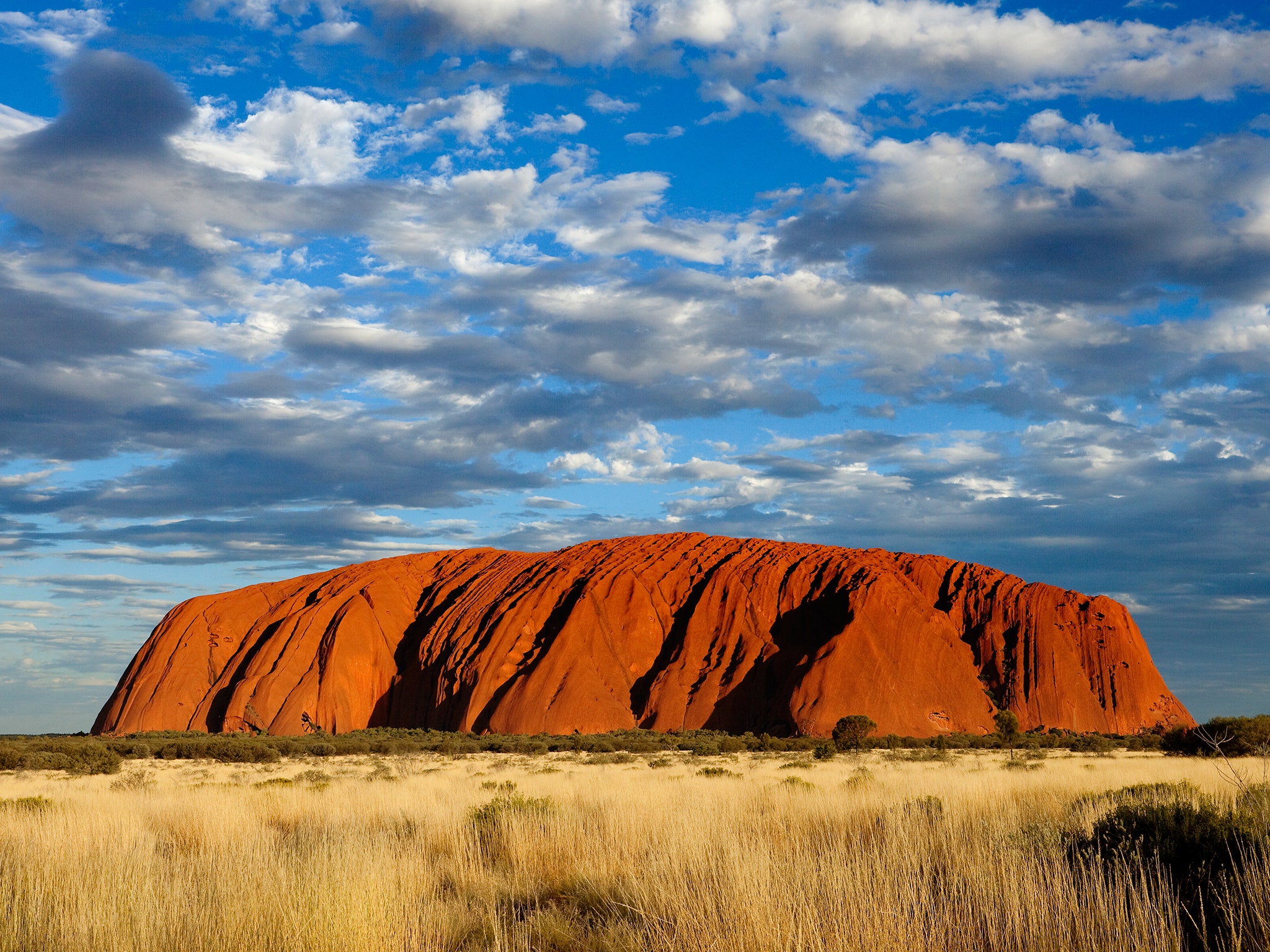
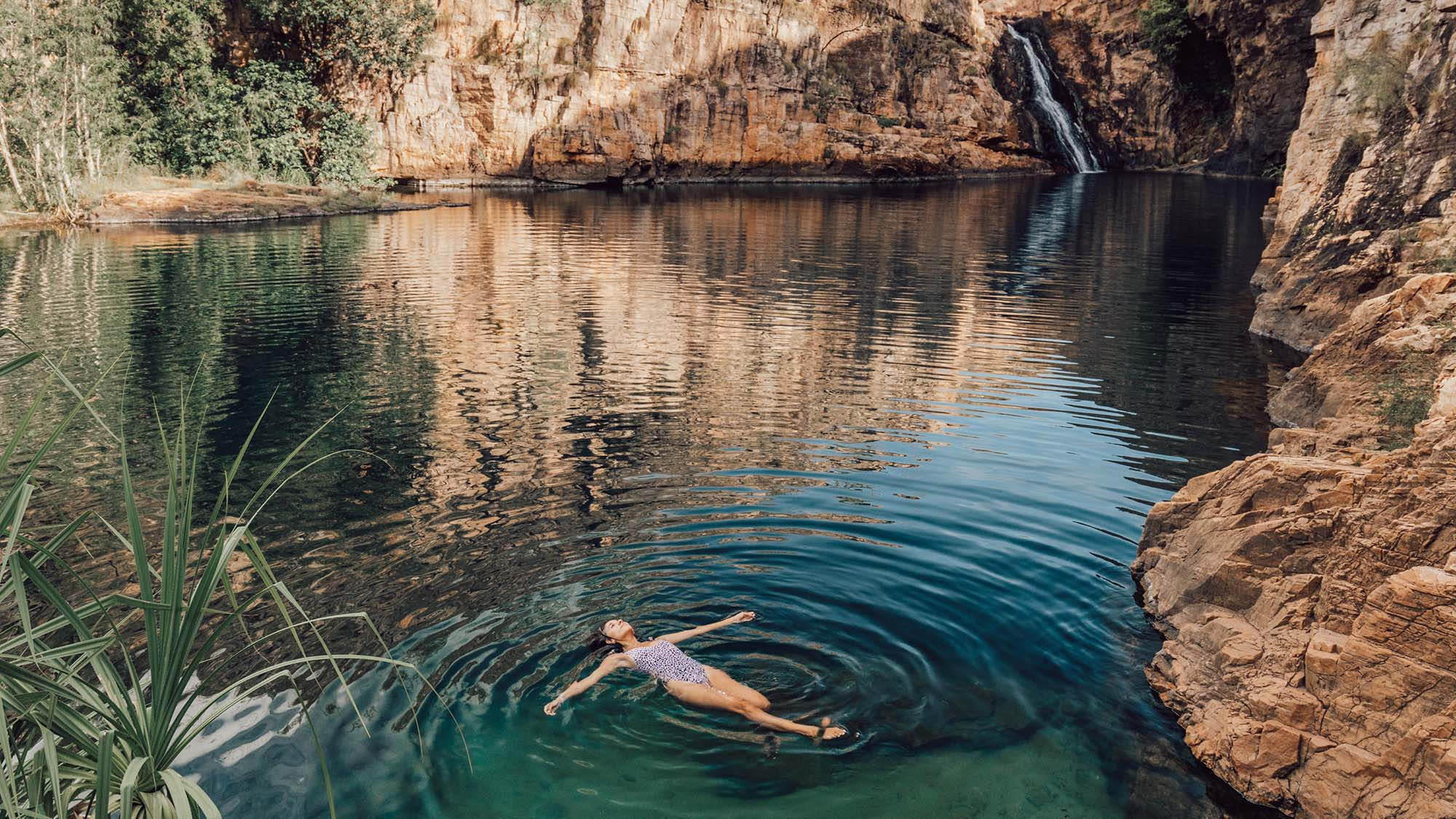
Uluru's landscape is undeniably iconic and spiritual: the massive, ancient sandstone monolith of Uluru itself, changing colors with the light, and the equally impressive domes of Kata Tjuta (The Olgas). The surrounding desert environment has its own subtle beauty with spinifex grasses and desert oaks. It's powerful and deeply moving. However, Kakadu National Park boasts an unparalleled diversity of ecosystems, making it a UNESCO World Heritage site for both natural and cultural values. Imagine spotting crocodiles in the Yellow Water Billabong, swimming beneath the towering cascades of Jim Jim Falls (Dry Season only, 4WD required), hiking through rocky escarpments at Nourlangie, or exploring lush monsoon rainforest pockets. It's a living, breathing landscape teeming with life, from wallabies to over 280 bird species. "Uluru is epic, but Kakadu's sheer variety of landscapes, from wetlands to waterfalls, just blew my mind every single day. It's like a whole continent in one park." While Uluru offers a profound singular experience, Kakadu's vast and varied natural beauty, supporting an incredible array of flora and fauna, makes it the winner for pure landscape diversity.
Winner takeaway
- Winner: Kakadu
- Why: Kakadu's immense biodiversity and varied ecosystems, from wetlands and waterfalls to escarpments and rainforests, offer a far richer and more dynamic natural experience.
- Who this matters for: Wildlife enthusiasts, bird watchers, photographers seeking diverse subjects, and those who crave varied natural scenery.
🚶 Activities & Exploration
Uluru offers a suite of highly curated and powerful experiences. The Uluru Base Walk (10.6km) is a must, allowing you to connect with the rock. Sunrise and sunset viewings are magical, witnessing the color changes. The Field of Light art installation (AUD $45-70 / USD $30-47) is a unique draw. Other options include cultural walks with Anangu guides, camel safaris, and stargazing dinners. It's deeply spiritual and visually stunning, but the range of distinct 'activities' is somewhat limited. Kakadu, on the other hand, is an adventure playground. Cruise the Yellow Water Billabong (AUD $100 / USD $67) for incredible wildlife viewing (crocodiles, birds). Explore ancient Aboriginal rock art sites at Ubirr and Nourlangie. Hike to and swim in stunning waterfalls like Gunlom Falls or the challenging Jim Jim Falls (access dependent on season and 4WD). There's also fishing, bushwalking, and scenic flights. "You can easily spend a week in Kakadu doing something completely different every day, from ancient art to croc cruises. Uluru was incredible but after two days I felt like I'd seen the main show." Kakadu's sheer breadth of activities, catering to various interests from adventure to cultural immersion, gives it the win.
Winner takeaway
- Winner: Kakadu
- Why: Kakadu offers a far broader range of activities and exploration opportunities, from wildlife cruises and waterfall swims to extensive hiking and ancient rock art sites.
- Who this matters for: Adventurous travelers, families, those seeking diverse outdoor pursuits, and visitors interested in deep cultural immersion.
🛌 Accommodation
At Uluru, your accommodation choices are almost exclusively within the Voyages Ayers Rock Resort complex. This ranges from the premium Sails in the Desert (AUD $500-800+/night / USD $330-530+) to the more budget-friendly Outback Pioneer Lodge & Campground (rooms AUD $200-350 / USD $130-230+; camping AUD $40-60 / USD $27-40). While convenient, the lack of competition drives up prices, and you're tied to the resort's amenities. Kakadu offers greater variety and flexibility. You can stay at Mercure Kakadu Crocodile Hotel in Jabiru (shaped like a crocodile, AUD $250-400 / USD $170-270+) or Cooinda Lodge Kakadu near Yellow Water (AUD $200-350 / USD $130-230+). Importantly, Kakadu has numerous well-maintained public and private campgrounds, often with facilities, for AUD $6-30 (USD $4-20) per night. "Camping in Kakadu near a waterhole felt way more authentic and budget-friendly than even the cheapest room at Uluru." This range, particularly the abundance of quality camping options, caters to a wider array of budgets and travel styles, making Kakadu the winner for accommodation.
Winner takeaway
- Winner: Kakadu
- Why: Kakadu provides a greater diversity of accommodation options, from lodges and caravan parks to numerous public campgrounds, catering to a wider range of budgets and preferences.
- Who this matters for: Budget travelers, campers, families, and those who prefer a choice of lodging styles beyond a single resort complex.
☀️ Weather & Seasons
Uluru experiences a desert climate. Summers (December-February) are brutally hot, often exceeding 40°C (104°F), making daytime activities challenging and uncomfortable; flies are also rampant. Winters (June-August) are milder with pleasant daytime temperatures around 20-25°C (68-77°F), but nights can drop below freezing. The shoulder seasons (April-May, September-October) are generally considered ideal, offering warmth without extreme heat. Kakadu has two very distinct seasons. The Dry Season (May-October) is characterized by clear skies, warm days (25-35°C / 77-95°F), and cool nights. This is the best time for access to all major sites, including Jim Jim and Twin Falls. The Wet Season (November-April) brings dramatic thunderstorms, heavy rains, high humidity, and flooding, often closing roads and making many areas inaccessible. While the Wet Season offers lush landscapes and powerful waterfalls, it requires significant flexibility and tolerance for heat, humidity, and limited access. "I went to Kakadu in the Wet Season, and while the storms were epic, half the park was closed. Uluru in winter was just perfect for walking, no stress." Uluru's weather, while extreme at peak summer, is more consistently predictable and 'open' year-round, making it a safer bet for planning, especially outside of peak heat.
Winner takeaway
- Winner: Uluru
- Why: Uluru's key attractions remain accessible year-round, whereas Kakadu's Wet Season significantly impacts accessibility and activities.
- Who this matters for: Travelers with fixed travel dates outside of Kakadu's Dry Season, or those who prefer more predictable weather and access.
🗿 Culture & History
Both destinations are profoundly significant to Aboriginal culture and history, making this a tie. Uluru-Kata Tjuta National Park is the ancestral home of the Anangu people, who are its traditional owners. The spiritual connection to Uluru is immense, with Dreamtime stories woven into the landscape. Visitors can participate in cultural walks with Anangu guides, visit the Cultural Centre, and learn about Tjukurpa (Anangu law and creation stories). It's an immersive and respectful experience. Kakadu boasts some of the oldest and most extensive collections of Aboriginal rock art in the world, with sites like Ubirr and Nourlangie offering incredible insights into thousands of years of human habitation, hunting, and spiritual beliefs. The park is jointly managed by traditional owners and Parks Australia, and cultural tours often involve local Aboriginal guides sharing their knowledge of the land and its stories. "Learning about the Anangu connection at Uluru was transformative, but then seeing the sheer volume and detail of art at Ubirr in Kakadu just solidified my respect for ancient Aboriginal culture. Both are essential." Both destinations offer unique and invaluable windows into Australia's First Nations heritage, making them equally powerful in this category.
Winner takeaway
- Winner: Tie
- Why: Both Uluru and Kakadu offer exceptionally rich and profound Aboriginal cultural and historical experiences, albeit through different manifestations.
- Who this matters for: Anyone seeking deep cultural immersion, historical insights, and an understanding of Australia's Indigenous heritage.
🍽️ Food & Dining
At Uluru, your dining options are primarily confined to the Voyages Ayers Rock Resort. This includes options like the self-service Outback Pioneer BBQ & Bar (expect AUD $30-40 for a main / USD $20-27), the à la carte Bunya Bar, or the more upscale Arnguli Grill. The standout 'dining experience' is the Sounds of Silence dinner (AUD $250+ / USD $170+), which combines bush tucker with stargazing, but it's very expensive. Groceries at the IGA store are also marked up significantly. Kakadu offers more diverse, albeit still remote, food experiences. You'll find standard pub/bistro meals at the Mercure Kakadu Crocodile Hotel in Jabiru or Cooinda Lodge. Roadhouses like Bark Hut Inn or Mary River Roadhouse offer classic outback fare. The real winner here for Kakadu is the opportunity for self-catering. With numerous campgrounds and caravan parks, you can easily bring your own food from Darwin and cook, significantly reducing costs and offering more variety. "We packed a cooler full of grub from Darwin and had some amazing camp dinners under the stars in Kakadu. At Uluru, it felt like we were just eating at different hotel restaurants every night." The greater flexibility for self-catering and slightly more varied local options give Kakadu the edge.
Winner takeaway
- Winner: Kakadu
- Why: Kakadu allows for more flexible and budget-friendly dining, particularly with extensive self-catering options due to camping facilities.
- Who this matters for: Budget travelers, campers, families, and those who prefer to cook their own meals or have more control over food choices.
🐊 Safety & Wildlife
Both destinations demand respect for their environments, but Kakadu presents more significant wildlife and environmental hazards. At Uluru, the primary wildlife concern is dingoes; it's crucial not to feed them and to secure food. The main environmental risks are dehydration and heatstroke due to the extreme desert temperatures, especially in summer. Follow park advice, carry plenty of water, and walk in the cooler parts of the day. There are minimal water hazards. Kakadu, however, is croc country. Both saltwater and freshwater crocodiles inhabit its waterways, making swimming extremely risky outside of designated, safe swimming holes (check signs!). Snakes are also common. Driving conditions can be challenging, particularly on unsealed roads or during the Wet Season, where floodwaters can quickly cut off access. "My biggest worry in Uluru was remembering enough water, but in Kakadu, every splash in a billabong made me think 'croc!'." The pervasive and life-threatening presence of saltwater crocodiles, combined with more challenging driving conditions and diverse venomous wildlife, makes Kakadu a place that requires a higher level of vigilance and awareness. Uluru is comparatively safer with more manageable risks.
Winner takeaway
- Winner: Uluru
- Why: Uluru presents fewer significant and life-threatening wildlife hazards (primarily dingoes and heat), making it a comparatively safer environment for visitors.
- Who this matters for: Families with young children, less experienced adventurers, or those seeking a more relaxed and less 'risky' natural encounter.
❓ Frequently Asked Questions
Which destination is better for families with young children?
Uluru generally offers a more manageable experience for families. The resort complex has amenities like pools, and key attractions are easily accessible. Kakadu, with its rougher terrain, crocodile risks, and potential 4WD requirements, can be more challenging, though adventurous families will find it rewarding if well-prepared.
Can I visit both Uluru and Kakadu on a single trip?
Yes, but it requires significant time (2-3 weeks recommended) and budget due to the vast distances. You'd typically fly into Darwin for Kakadu, then fly from Darwin to Alice Springs or Uluru (AYQ) for the Red Centre. It's an incredible combination, showcasing two vastly different sides of Australia's Northern Territory.
Do I need a 4WD for Uluru or Kakadu?
For Uluru, a standard 2WD rental car is perfectly fine for all main attractions (Uluru, Kata Tjuta, resort areas) as roads are sealed. For Kakadu, a 4WD is highly recommended, especially if you wish to access iconic sites like Jim Jim Falls and Twin Falls, which are only reachable via unsealed 4WD tracks, particularly in the Dry Season.
What's the best time of year to visit each park?
For Uluru, the shoulder seasons (April-May, September-October) offer pleasant temperatures without the extreme summer heat or winter cold. For Kakadu, the Dry Season (May-October) is generally considered the best, as it offers the most extensive access to attractions and pleasant weather, avoiding the closures and humidity of the Wet Season.
Are there guided tours available for both locations?
Absolutely. Both Uluru and Kakadu have a wide range of guided tours, from half-day cultural walks and sunset viewings at Uluru to multi-day camping and adventure tours in Kakadu. Tours can be an excellent way to gain local insights and navigate logistics, especially if you prefer not to self-drive.
What are the essential items to pack for each destination?
For both, pack plenty of water, sun protection (hat, sunscreen, sunglasses), insect repellent, comfortable walking shoes, and a first-aid kit. For Uluru, consider layers for cold desert nights. For Kakadu, quick-drying clothing, swimwear, and possibly a head net for flies (especially in shoulder seasons) are useful. Always have emergency supplies for remote driving.
How much time should I allocate for each park?
For Uluru-Kata Tjuta National Park, 3-4 full days is usually sufficient to experience the main attractions, including sunrises/sunsets, walks, and cultural experiences. For Kakadu, due to its vast size and diverse offerings, 4-7 days is recommended to properly explore its different regions and allow for travel time between sites.
Is swimming safe in Kakadu National Park?
Swimming in Kakadu's natural waterways is generally NOT safe due to the presence of saltwater crocodiles. Only swim in clearly marked, designated safe swimming areas (like some rock pools or plunge pools at waterfalls during the dry season), and always obey all signage. Never assume a body of water is safe.
Ready to plan your Northern Territory adventure?
Get a free custom itinerary for Uluru, Kakadu, or both — built from real traveler insights.
🎟️ Book Tours & Experiences
Hand-picked tours and activities for both destinations — book with free cancellation
Experiences via Viator — free cancellation on most tours