How we built this comparison
This page combines traveler discussion patterns, published price ranges, flight schedules, and seasonal data to help you decide between Uruguay and Usa.
- Reviewed 500+ Reddit threads from r/travel, r/solotravel, r/Uruguay, r/AskNYC, etc.
- Verified costs and logistics against current booking platforms (e.g., Google Flights, Booking.com, local bus services)
- Cross-referenced seasonal patterns and weather data for both hemispheres

⚡ Quick Answers
⚡ The TL;DR Verdict
For most travelers prioritizing budget, a distinct culture, and a relaxed pace, Uruguay is the stronger pick. Its smaller scale offers a cohesive experience for around $60-100 USD per day. The USA suits those with a larger budget, craving diverse experiences from urban centers to national parks, with daily costs often ranging from $150-300 USD.
- Choose Uruguay: You seek a calmer, more affordable South American experience focused on good food, uncrowded beaches, and a friendly atmosphere without constant rushing. Ideal for a 1-2 week trip.
- Choose Usa: You have a generous budget and want an extensive range of experiences, from city breaks to natural landscapes, with high levels of convenience and infrastructure. Best for longer, multi-destination trips.
- Choose Both: If you have ample time (3+ weeks) and a flexible budget, combine a week in Uruguay for its easygoing pace with a targeted USA region for specific interests like national parks or a specific city, connecting through major hubs like Miami or Atlanta.
Choose Uruguay
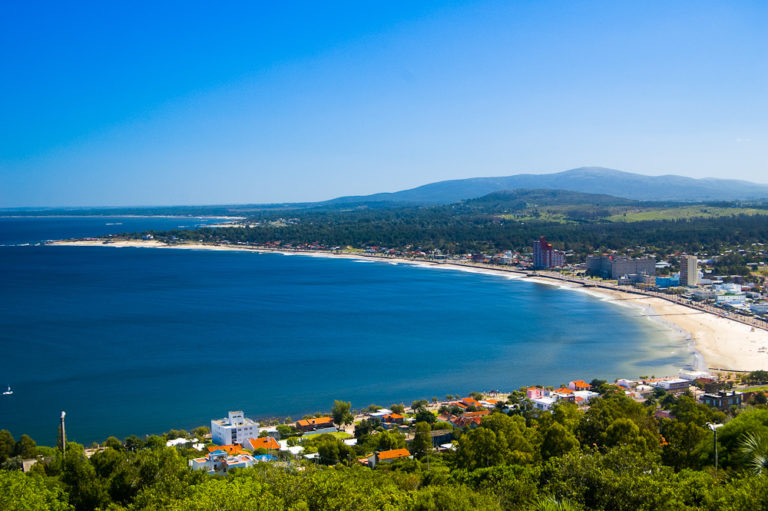
Choose Uruguay for an authentic, budget-friendly South American escape, ideal for travelers seeking a relaxed pace and distinct culture. It's best for those wanting to explore Montevideo's historic Ciudad Vieja, unwind on the uncrowded beaches of La Paloma, or enjoy exquisite local wines in Carmelo. Expect a genuine, easygoing experience without constant rushing, typically costing $60-100 USD daily.
Choose Usa
Opt for the USA if you command a generous budget and crave unparalleled diversity and convenience across your travels. It's best for adventurers who want to seamlessly transition from vibrant city life, like catching a Broadway show in New York, to breathtaking natural wonders such as the Grand Canyon. Prepare for an extensive range of high-quality experiences, with daily costs typically ranging from $150-300 USD.
📊 Visual Scorecard
🌤 When to Visit
Average high temperatures (°C). Green = best months, orange = avoid.
Quick Comparison
| Category | Uruguay | Usa | Winner |
|---|---|---|---|
| Costs & Budget | Significantly more affordable across the board, especially for food and local transport. Accommodation offers good value. | Generally high travel costs, with major cities being particularly expensive. Transport and dining are budget heavy. | Uruguay |
| Getting There | Requires long-haul flights from North America, often with layovers. No direct flights from most US cities. | Extensive direct flight options from almost anywhere in the world, with numerous large international airports. | Usa |
| Getting Around | Public transport is good in cities; buses connect major towns. Rental cars are useful for exploring rural areas. | Car ownership is dominant. Public transport varies wildly; excellent in cities like NYC, almost non-existent elsewhere. | Tie |
| Food & Drink | Excellent beef, wine, and mate culture. Simple, high-quality ingredients with European influences. | Incredibly diverse food landscape, from regional specialties to international cuisines, often with high quality. | Usa |
| Culture & History | Rich European heritage with strong gaucho and candombe influences. Focus on tangible history. | Expansive history, from indigenous roots to colonial past and modern movements. Diverse cultural expressions. | Uruguay |
| Beaches & Nature | Atlantic coast beaches, from party destinations to quiet shores. Rolling plains and wetlands inland. | Immense variety, from tropical beaches to deserts, mountains, forests, and national parks. | Usa |
| Nightlife | Relaxed bars, candombe music in Montevideo, and a seasonal party scene in Punta del Este. | Massive variety, from world-famous clubs in major cities to local bars and specific music scenes. | Usa |
| Safety | Generally safe, but petty crime like pickpocketing can occur in crowded areas. Avoid walking alone late at night. | Safety varies significantly by location. Major cities have areas to avoid; gun violence is a concern in some regions. | Uruguay |
| Accommodation | Good value for money. Options range from boutique hotels to hostels and charming guesthouses. | Extensive range of choices, from budget motels to luxury resorts, but often at a higher price point. | Uruguay |
| Solo Travel | Easy to navigate, friendly locals, and a relaxed pace. Generally safe for solo explorers. | Great infrastructure and many opportunities for independence, but can be expensive and sometimes isolating. | Uruguay |
💰 Costs & Budget
Uruguay presents a much more budget-friendly travel proposition. A daily budget of $60-100 USD allows for comfortable accommodation, restaurant meals, and local activities. A…
Uruguay
Usa
Uruguay presents a much more budget-friendly travel proposition. A daily budget of $60-100 USD allows for comfortable accommodation, restaurant meals, and local activities. A decent meal at a local parilla (grill) like La Pulperia in Montevideo might cost 500-800 UYU ($13-20 USD), while a local beer is around 150 UYU ($4 USD). Public transport within Montevideo is approximately 45-55 UYU ($1.20-1.50 USD) per ride. Mid-range hotels in Montevideo or Colonia del Sacramento average $70-120 USD per night.
The USA is considerably more expensive. In major cities like New York or Los Angeles, a basic restaurant meal can easily cost $20-40 USD, and a craft beer $7-10 USD. Public transport, like a single subway ride in NYC, is $2.90 USD. Accommodation rates are high; a mid-range hotel in a popular city averages $150-300+ USD per night. Even outside major metropolitan areas, gas prices and attraction fees add up. For the cost-conscious traveler, Uruguay provides much more mileage for each dollar.
- Winner: Uruguay
- Why: Uruguay offers a considerably lower cost of living and travel expenses across all categories, making it accessible to more budgets.
- Who this matters for: Budget travelers, long-term travelers, those prioritizing value.
✈️ Getting There
Traveling to Uruguay from the USA typically involves a long journey. Flights from major US hubs like New York (JFK) or Miami (MIA) to Montevideo (MVD) usually take 10-12 hours,…
Uruguay
Usa
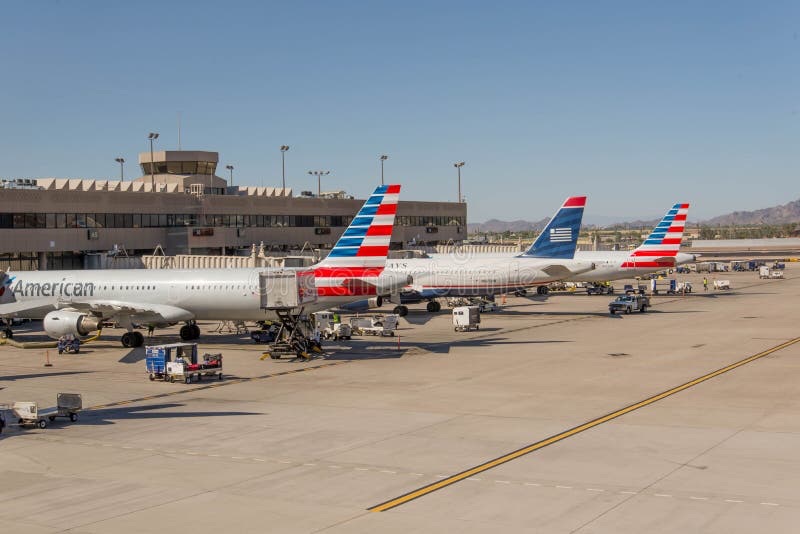
Traveling to Uruguay from the USA typically involves a long journey. Flights from major US hubs like New York (JFK) or Miami (MIA) to Montevideo (MVD) usually take 10-12 hours, including at least one layover, often in cities like Santiago, Panama City, or Sao Paulo. One-way economy flights can range from $500-900 USD, depending on the season and booking time. There are no direct commercial flights from the USA to Uruguay, increasing total travel time and potential for delays.
Conversely, the USA has an extensive network of international airports (e.g., JFK, LAX, ORD, ATL, MIA) offering direct flights from nearly every corner of the globe. A direct flight from London to New York might be 7-8 hours, while one from Tokyo to Los Angeles could be 10-11 hours. Flight prices within the USA are competitive, with numerous budget airlines. For international travelers, the sheer volume of flight options, direct routes, and competitive pricing makes reaching the USA straightforward. The convenience and availability of routes to the USA are unmatched.
- Winner: Usa
- Why: The USA boasts a far greater number of direct international flights and easier access from most global origins.
- Who this matters for: Travelers prioritizing speed, convenience, and direct routes for arrival.
🚗 Getting Around
In Uruguay, getting around is manageable. Montevideo has an efficient bus system, with fares around 45-55 UYU ($1.20-1.50 USD). Inter-city buses are comfortable and connect all…

Uruguay

Usa
In Uruguay, getting around is manageable. Montevideo has an efficient bus system, with fares around 45-55 UYU ($1.20-1.50 USD). Inter-city buses are comfortable and connect all major towns and tourist destinations, for example, Montevideo to Colonia del Sacramento costs about 450 UYU ($11 USD) and takes 2.5 hours. Rental cars, while not strictly necessary for city-hopping, offer freedom for exploring the countryside or more remote beaches, averaging $40-60 USD per day. Driving is generally relaxed, and roads outside cities are well-maintained.
The USA presents a paradox. Major cities like New York City, Chicago, and San Francisco have extensive subway and bus networks where a single fare costs $2.75-3.00 USD. However, outside these metropolitan centers, public transport is often minimal or non-existent, making a rental car essential for exploring national parks or smaller towns. Rental cars can cost $50-100 USD per day, plus fuel expenses which vary widely. The USA's vast distances mean flying between regions is often the most practical choice, adding to costs. Both destinations offer appropriate mobility for their scale, making it a tie for overall accessibility.
- Winner: Tie
- Why: Both countries offer adequate transport solutions appropriate to their scale, with public options in Uruguay and car dependency in much of the USA.
- Who this matters for: Travelers who prioritize efficient transport, whether public or private, suited to the destination's geography.
🍽️ Food & Drink
Uruguayan cuisine centers on its exceptional beef, often cooked 'al asado' (barbecue style). Expect hearty portions of grilled meats at parillas like El Palenque in Montevideo's…
Uruguay

Usa
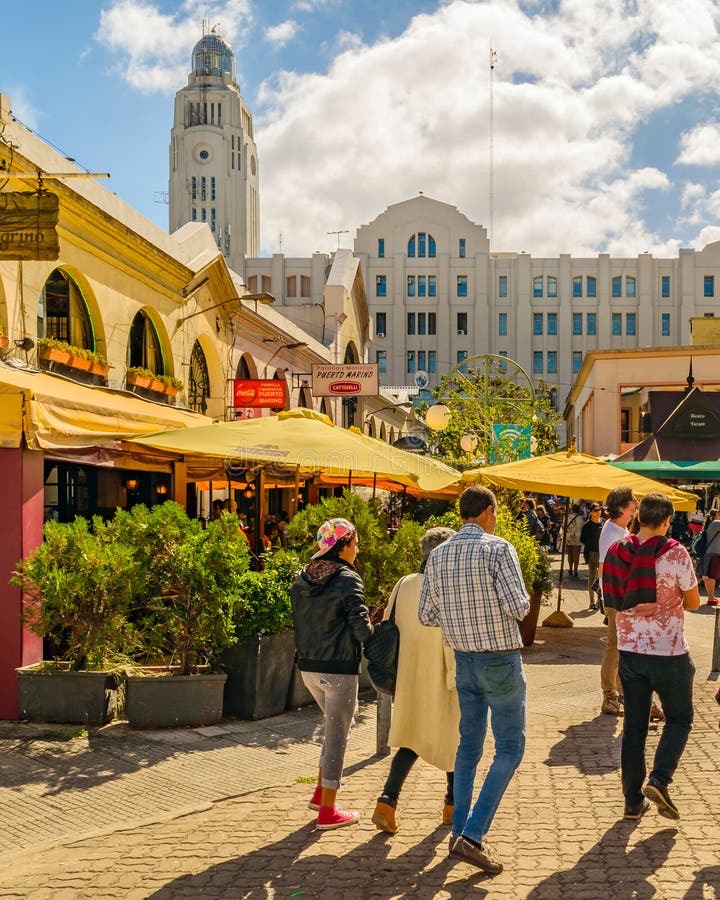
Uruguayan cuisine centers on its exceptional beef, often cooked 'al asado' (barbecue style). Expect hearty portions of grilled meats at parillas like El Palenque in Montevideo's Mercado del Puerto, typically costing 800-1500 UYU ($20-38 USD) for a substantial meal. Empanadas, chivitos (steak sandwiches), and fresh pasta are common. Uruguayan wines, particularly Tannat, are gaining recognition, with a bottle at a restaurant costing 600-1200 UYU ($15-30 USD). Mate, a communal herbal infusion, is a deeply ingrained cultural practice. While delicious, the culinary range is narrower than what the USA offers.
The USA's food scene is a testament to its diverse population and regional specialties. From New York pizza slices (often $3-5 USD) and regional barbecue (e.g., Kansas City or Texas style, a platter around $15-25 USD) to Californian farm-to-table restaurants and diverse ethnic eateries in every major city, the options are endless. High-end dining, casual diners, and specific food trucks all exist. Craft beer and cocktail scenes are prominent, with drinks often costing $7-15 USD. The sheer breadth and depth of culinary experiences available across the USA, catering to every taste and budget, gives it the edge.
- Winner: Usa
- Why: The USA offers an unparalleled diversity of culinary experiences, from regional specialties to global cuisines at various price points.
- Who this matters for: Food enthusiasts and those seeking a wide range of dining experiences.
🏛️ Culture & History
Uruguayan culture shows strong European, especially Spanish and Italian, influences, alongside its unique gaucho (cowboy) traditions and African-derived candombe music.…
Uruguay
Usa
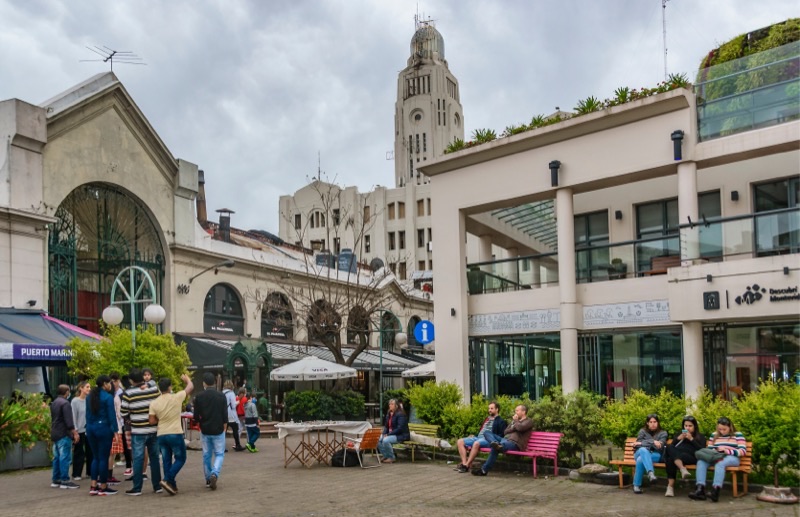
Uruguayan culture shows strong European, especially Spanish and Italian, influences, alongside its unique gaucho (cowboy) traditions and African-derived candombe music. Montevideo's Ciudad Vieja (Old City) features architecture from the colonial and early republican eras, including landmarks like the Palacio Salvo and Teatro Solís. Colonia del Sacramento, a UNESCO site, offers a well-preserved Portuguese and Spanish colonial townscape. Museums like the Museo Torres García in Montevideo (entrance 200-300 UYU, $5-8 USD) showcase local art. The culture feels cohesive, emphasizing a relaxed pace of life and social interactions over fast-paced attractions. It is a place where history is evident in the streetscapes and daily life.
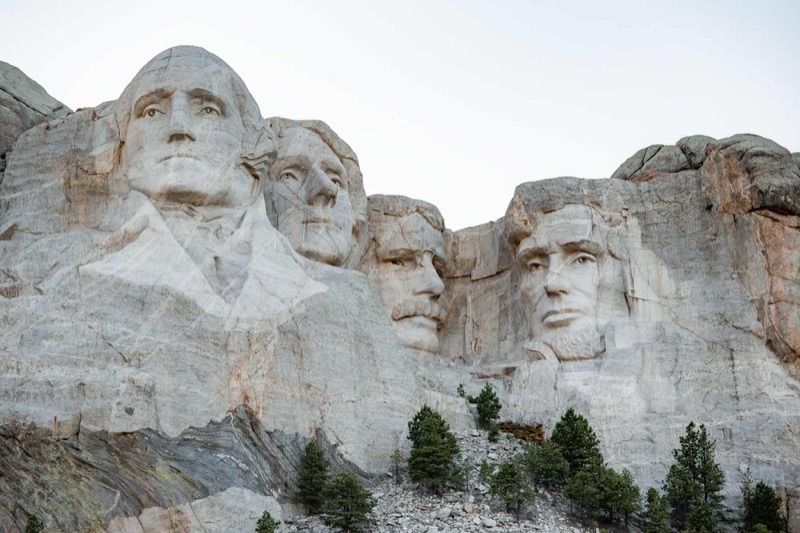
The USA's history spans indigenous civilizations, European colonization, the American Revolution, and movements like the Civil Rights era. Major historical sites include colonial Williamsburg, the National Mall in Washington D.C. with its monuments and Smithsonian museums (free entry), and Ellis Island (ferry ticket $24 USD). The country's size means cultural experiences are geographically fragmented, from jazz in New Orleans to Hollywood in Los Angeles. While the USA offers significant historical sites and diverse cultural movements, Uruguay's concentrated historical footprint and distinct cultural identity, particularly in its smaller towns, offers a more immediate and palpable connection to its past. Uruguay provides a more direct immersion into its specific history and culture.
- Winner: Uruguay
- Why: Uruguay provides a more cohesive, accessible, and deeply felt cultural and historical experience within a smaller geographical area.
- Who this matters for: Travelers seeking a deep dive into a specific, concentrated national culture and history.
🌳 Beaches & Nature
Uruguay's Atlantic coastline offers a range of beach experiences. Punta del Este is known for its summer party scene and upscale resorts, while La Paloma and Cabo Polonio…
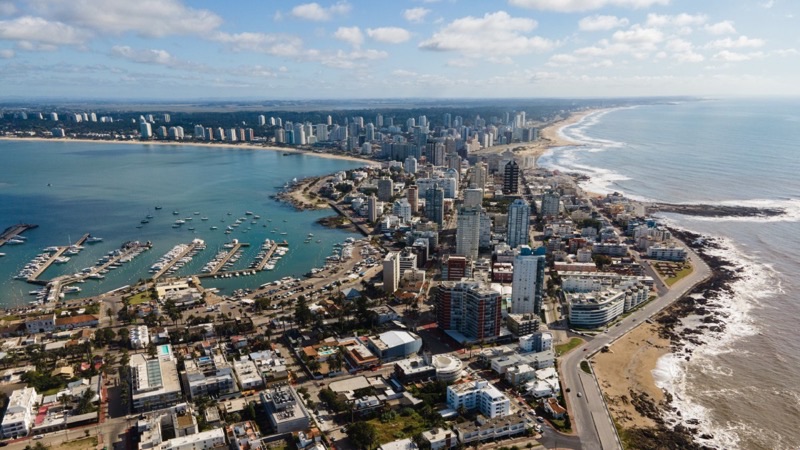
Uruguay's Atlantic coastline offers a range of beach experiences. Punta del Este is known for its summer party scene and upscale resorts, while La Paloma and Cabo Polonio (accessible by specialized vehicles, around 300 UYU/$8 USD round trip) offer a more relaxed, rustic beach atmosphere. The interior of Uruguay is characterized by rolling plains, ideal for estancia (ranch) visits and experiencing gaucho life. Wetlands like Bañados del Este are important ecological sites. While pleasant, the natural landscapes are less dramatic compared to many global destinations and limited in sheer variety.
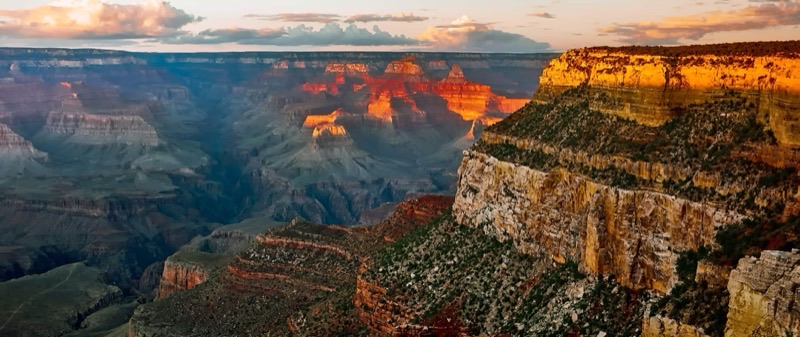
The USA's natural diversity is enormous. You can find tropical beaches in Florida (e.g., South Beach, Miami), deserts and canyons in the Southwest (e.g., Grand Canyon National Park entrance $35 USD per vehicle), redwood forests in California (e.g., Redwood National Park, free), and mountains in the Rockies (e.g., Rocky Mountain National Park entrance $30 USD per vehicle). The national park system is expansive and well-managed, offering hiking, wildlife viewing, and scenic drives. From Alaska's glaciers to Hawaii's volcanoes, the USA has almost every major biome. The sheer scale and variety of natural landscapes in the USA is difficult to rival.
- Winner: Usa
- Why: The USA offers an unparalleled range of natural environments and outdoor activities, from deserts to mountains to tropical beaches.
- Who this matters for: Outdoor enthusiasts, nature photographers, and those seeking extreme geographical diversity.
🌃 Nightlife
Uruguayan nightlife is generally more subdued outside of specific seasons and locations. In Montevideo, the Ciudad Vieja and Pocitos neighborhoods offer bars and pubs where locals…
Uruguayan nightlife is generally more subdued outside of specific seasons and locations. In Montevideo, the Ciudad Vieja and Pocitos neighborhoods offer bars and pubs where locals gather for drinks and conversation. On Sundays, you can find Candombe drum parades in Barrio Sur, a unique cultural experience. During the summer months (December-February), Punta del Este becomes a major hub for parties and clubs, attracting regional visitors. However, outside of these peak times and specific areas, options are fewer and often close earlier than in other major global cities.
The USA's nightlife varies considerably by city and region. New York City, Los Angeles, Miami, and Las Vegas are known globally for their clubs, bars, and entertainment venues, with many operating until the early hours. You can find specific scenes, whether it's jazz clubs in New Orleans (e.g., Preservation Hall tickets $25-50 USD), country music bars in Nashville, or EDM clubs in Las Vegas. A typical cocktail in a city bar might cost $12-20 USD. The breadth of options, from high-energy dance floors to intimate speakeasies and live music venues, means there is always something happening. The USA simply offers more choices for after-dark entertainment.
- Winner: Usa
- Why: The USA provides a far greater diversity and intensity of nightlife experiences, particularly in its major cities.
- Who this matters for: Party-goers, music lovers, and those who prioritize late-night entertainment options.
🚨 Safety
Uruguay is considered one of the safest countries in South America. Most travelers report feeling secure, even in Montevideo. Petty crime, such as pickpocketing, can occur in…
Uruguay is considered one of the safest countries in South America. Most travelers report feeling secure, even in Montevideo. Petty crime, such as pickpocketing, can occur in tourist-heavy areas like the Ciudad Vieja or during large events, so basic precautions like not displaying valuables are sensible. Violent crime against tourists is rare, but it is always advisable to avoid walking alone in poorly lit areas late at night. Taxis and ride-shares like Uber are readily available and considered safe. The general atmosphere is relaxed and low-stress, contributing to a sense of personal security.
Safety in the USA is a complex issue due to its size and diverse regions. Major cities often have areas where crime rates are higher, and travelers should exercise caution, especially at night. For example, parts of downtown Los Angeles or specific neighborhoods in Chicago are best avoided without local guidance. Gun violence is a concern in the USA, although tourists are rarely targeted directly. National parks and smaller towns are typically very safe. Overall, while many areas are safe, the sporadic nature of crime, including serious incidents, means a higher level of general awareness is often necessary compared to Uruguay. Uruguay offers a more consistent and lower-risk environment.
- Winner: Uruguay
- Why: Uruguay presents a more consistent and lower overall risk environment for travelers, with less prevalent serious crime.
- Who this matters for: Solo travelers, families, and those prioritizing a generally low-stress, secure environment.
🏨 Accommodation
Accommodation in Uruguay offers good value. In Montevideo, a well-rated hostel bed might cost $20-30 USD, while a comfortable mid-range hotel like Hotel Palacio in Ciudad Vieja…
Accommodation in Uruguay offers good value. In Montevideo, a well-rated hostel bed might cost $20-30 USD, while a comfortable mid-range hotel like Hotel Palacio in Ciudad Vieja can be found for $70-120 USD per night. In tourist towns like Colonia del Sacramento, charming posadas (guesthouses) offer rooms for $80-150 USD. Even upscale options in Punta del Este are generally more affordable than their US equivalents. Booking in advance, especially during peak summer season (December-February), is advisable. The quality for the price point is consistently strong.
The USA provides a vast array of accommodation options. Budget motels can be found for $70-120 USD per night, while mid-range hotels in cities easily cost $150-300+ USD. Luxury hotels can exceed $500-1000 USD per night. Airbnb and vacation rentals are popular, but pricing varies wildly by location and season. While the USA certainly has more options in terms of sheer volume and types of accommodation (from campsites to extreme luxury), the cost-to-quality ratio in Uruguay is often superior for the average traveler. Getting comparable quality at a lower price makes Uruguay the clear winner.
- Winner: Uruguay
- Why: Uruguay consistently offers better value for money across all accommodation types compared to the USA.
- Who this matters for: Travelers seeking comfort and quality without overspending on lodging.
🚶♀️ Solo Travel
Uruguay is an excellent destination for solo travelers. Its smaller size and generally safe environment mean it is easy to navigate independently. Locals are often approachable…
Uruguay is an excellent destination for solo travelers. Its smaller size and generally safe environment mean it is easy to navigate independently. Locals are often approachable and happy to chat, especially if you know some basic Spanish. Hostels in Montevideo and Colonia are good places to meet other travelers. The relaxed pace means less pressure to constantly be on the go, allowing for introspection and slower exploration. Meals at parillas or cafes are comfortable for single diners. The public transport system is reliable and safe for solo use, fostering independence without significant safety concerns. Many solo female travelers report feeling very safe.
Solo travel in the USA is facilitated by excellent infrastructure and the freedom to craft personalized itineraries. However, it can be expensive, as costs like accommodation and rental cars are not split. In large cities, it can sometimes feel isolating due to the fast pace and car-centric culture outside of walkable downtowns. While hostels exist in major cities, they are less common than in Uruguay. Dining alone is accepted everywhere. For those seeking structured group tours for social interaction, the USA has many options, especially for national parks. However, Uruguay's ease of connection, lower costs, and consistent safety make it a stronger pick for the average solo traveler looking for an independent yet social trip.
- Winner: Uruguay
- Why: Uruguay offers a more welcoming, safer, and cost-effective environment for solo travelers, fostering easy connections.
- Who this matters for: First-time solo travelers, those on a budget, and individuals seeking cultural immersion.
🎯 The Decision Framework
Choose Uruguay If…
- You want a relaxed, low-stress travel experience.
- Your budget is $60-100 USD per day.
- You appreciate good quality beef and Tannat wine.
- You prefer a culture focused on social interaction and a slower pace.
- You are interested in colonial architecture and candombe music.
- You seek a generally safe and easily navigable country.
- You want to experience a less commercialized South American destination.
- You are comfortable with bus travel between cities.
Choose Usa If…
- You have a daily budget of $150-300 USD or more.
- You desire an extensive range of diverse natural landscapes (mountains, deserts, beaches).
- You want to experience varied urban centers with distinct identities.
- You prioritize convenience with numerous direct flight options.
- You are interested in a wide array of culinary experiences from around the world.
- You plan to rent a car for significant parts of your trip.
- You enjoy the energy of major global cities and extensive entertainment.
- You seek well-developed tourist infrastructure and services.
📅 Sample Itineraries
Weekend in Uruguay (3 Days)
💡 Purchase a local SIM card upon arrival for around $10 to save on data roaming and easily use navigation apps.
Weekend in Usa (3 Days)
💡 Purchase a 7-day unlimited MetroCard for $33 upon arrival to save considerably on subway and bus fares.
One Week in Uruguay (7 Days)
💡 Look for Candombe street performances on Sundays in the Palermo or Barrio Sur neighborhoods of Montevideo, which are free and offer a profound cultural experience.
One Week in Usa (7 Days)
💡 For inter-city travel in the USA, booking flights several weeks in advance can yield significant savings, often reducing prices by 20-30%.
❓ Frequently Asked Questions
What are typical flight durations from the USA to Uruguay?
Flights from major US cities like Miami or New York to Montevideo typically take 10-12 hours including at least one layover. There are no direct commercial flights, and common connection points include Santiago, Panama City, or Sao Paulo.
How much should I budget for food in Uruguay versus the USA?
In Uruguay, you can budget around $20-40 USD per day for good restaurant meals. In the USA, especially in major cities, budget $50-80 USD per day for moderate restaurant dining, with fast food options being cheaper at $10-20 USD per meal.
Is Uruguay safe for solo female travelers?
Yes, Uruguay is considered one of the safest countries in South America for solo female travelers. Standard precautions, like avoiding isolated areas at night, are advised, but overall, it offers a secure environment.
What is the best way to travel between cities in Uruguay?
The best way to travel between cities in Uruguay is by inter-city bus. The bus system is efficient, comfortable, and affordable, connecting all major towns like Montevideo, Colonia del Sacramento, and Punta del Este for approximately $10-20 USD per trip.
What are the primary differences in climate and seasons?
Uruguay has four distinct seasons, with summer (Dec-Feb) being warm and winter (Jun-Aug) mild. The USA's climate varies widely by region; Florida is subtropical, the Northeast has cold winters, and the Southwest is arid. Travel to the USA requires considering specific regional weather patterns.
Can I use US dollars in Uruguay?
While the local currency is the Uruguayan Peso (UYU), US dollars are widely accepted in many tourist areas, hotels, and larger establishments, especially in Punta del Este. However, it is always advisable to have some pesos for smaller purchases and local transport.
What are the visa requirements for US citizens traveling to Uruguay?
US citizens do not need a visa for tourist stays up to 90 days in Uruguay. You only need a valid passport with at least six months validity beyond your intended departure date.
Which destination is better for outdoor adventure activities?
The USA is superior for outdoor adventure activities due to its vast and varied natural landscapes, including national parks offering extensive hiking, climbing, skiing, and water sports. Uruguay offers pleasant natural areas but fewer extreme adventure options.
Ready to plan your next trip?
Get a free custom itinerary for Uruguay, Usa, or both — built from real traveler insights.
👥 Travelers Also Compared
🎟️ Book Tours & Experiences
Hand-picked tours and activities for both destinations — book with free cancellation
Experiences via Viator — free cancellation on most tours