How we built this comparison
This page combines traveler discussion patterns, published price ranges, flight schedules, and seasonal data to help you decide between Uyuni and Atacama.
- Reviewed 100+ Reddit threads from r/travel, r/solotravel, r/SouthAmerica, r/Bolivia, r/Chile
- Verified costs and logistics against current booking platforms (Booking.com, Expedia, local tour operators)
- Cross-referenced seasonal patterns and weather data from meteorological sources
- Consulted recent travel blogs and forums for up-to-date traveler experiences and tips
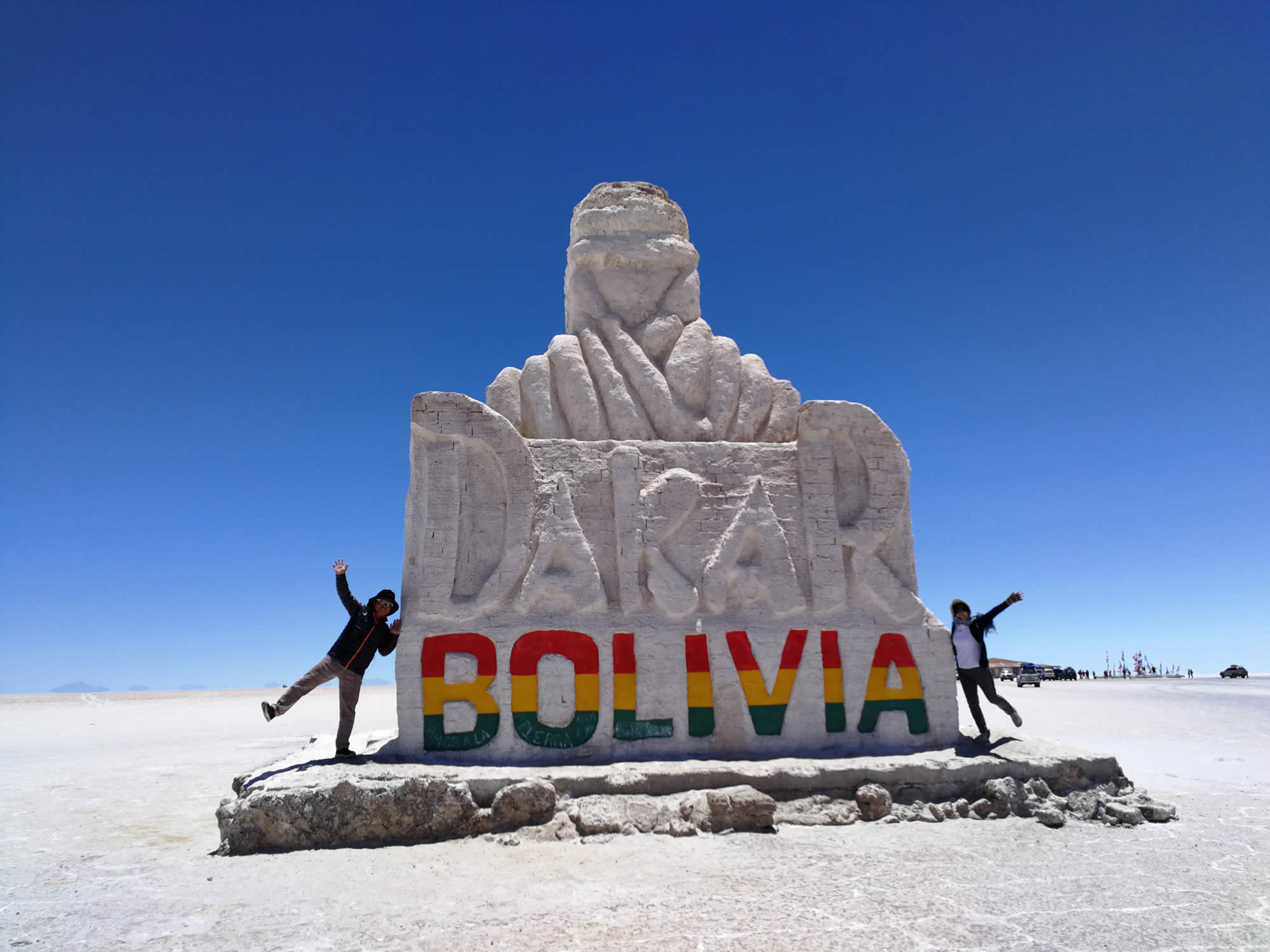
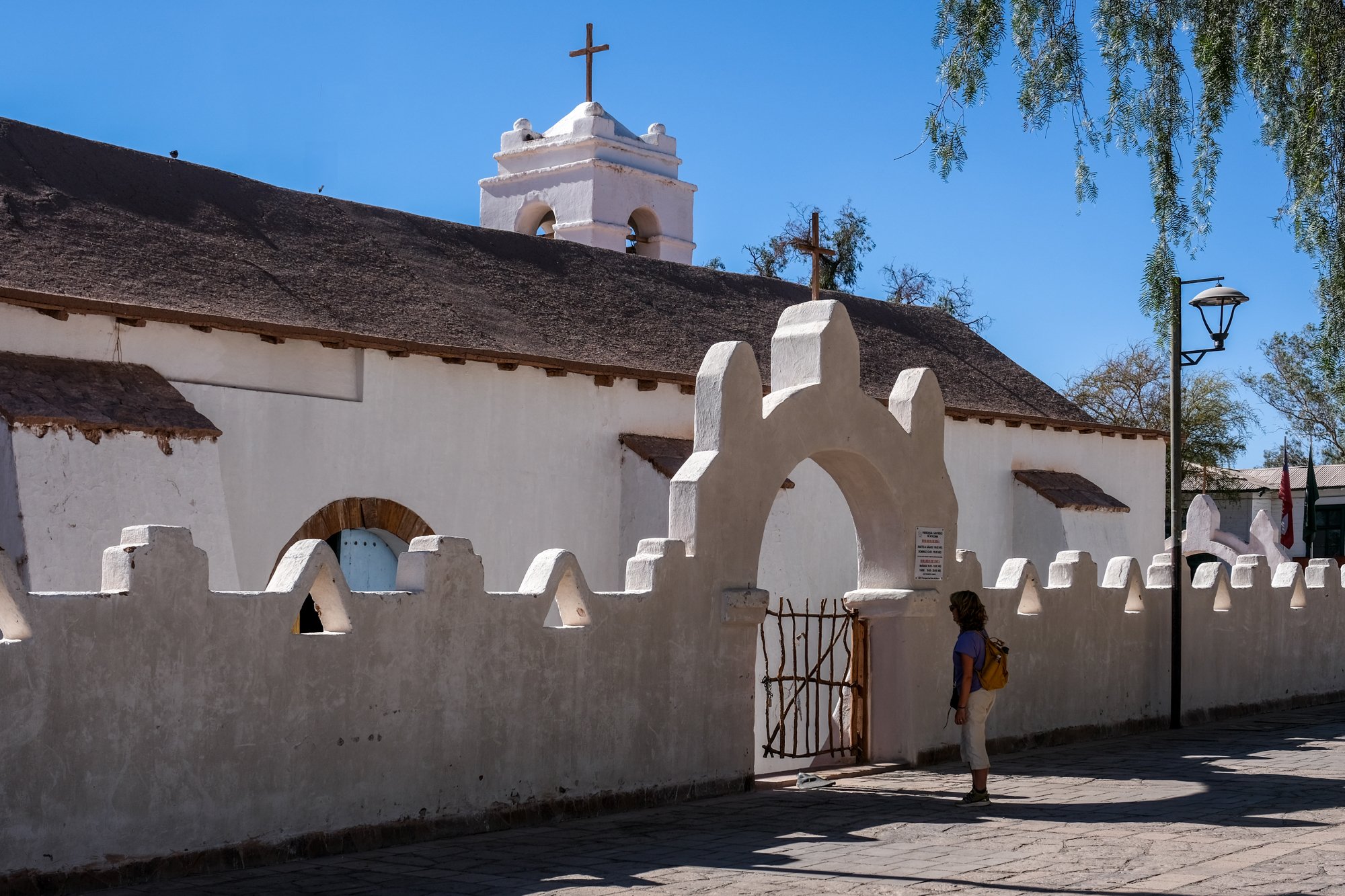
⚡ The TL;DR Verdict
For raw, budget-friendly natural spectacle and a truly off-the-grid experience, Uyuni is your pick (budget $40-80/day). For diverse landscapes, better infrastructure, comfort, and more varied activities with a higher budget (budget $80-150+/day), Atacama shines. Both offer unique high-altitude beauty, but cater to different travel styles.
- Choose Uyuni: Choose Uyuni if you're on a tighter budget, prioritize truly unique, surreal landscapes (especially the mirror effect), and don't mind basic amenities. It's an adventure into the heart of the Bolivian Altiplano.
- Choose Atacama: Opt for Atacama if you seek a more comfortable, varied desert experience with a wider range of activities, better food, and more established tourism infrastructure. It's ideal for those who appreciate comfort while exploring dramatic scenery.
- Choose Both: If you have 10-14 days and a flexible budget, combine them! Start in San Pedro de Atacama, then take a 3-day cross-border tour to Uyuni (or vice versa). It's a logical and rewarding route that covers the best of both worlds.
Quick Comparison
| Category | Uyuni | Atacama | Winner |
|---|---|---|---|
| Costs & Budget | Significantly cheaper, especially tours and local food. Accommodation is basic but affordable. | More expensive across the board, reflecting Chilean prices. Tours, food, and lodging add up. | Uyuni |
| Nature & Landscapes | Iconic salt flats, lagoons, geysers, and unique rock formations. Known for the 'mirror effect'. | Diverse desert valleys, moon-like terrain, high-altitude lagoons, volcanoes, and geysers. | Tie |
| Getting There & Around | Fly to La Paz (LPB) then connecting flight to Uyuni (UYU), or a long bus. Cross-border tours from Atacama are popular. | Fly to Calama (CJC) from Santiago (SCL), then a short, easy bus to San Pedro. Well-connected. | Atacama |
| Accommodation | Basic hostels in Uyuni town, rudimentary dorms/private rooms on tours, or unique but simple salt hotels. | Wide range from budget hostels to boutique hotels with pools and spas. More comfort and variety. | Atacama |
| Food & Drink | Simple, hearty Bolivian fare on tours. Limited restaurant options in Uyuni town. | Diverse culinary scene in San Pedro, from local Chilean to international, with better quality. | Atacama |
| Weather & Seasons | Dry season (May-Nov) for clear skies, colder nights. Rainy season (Dec-Apr) for the mirror effect, but can cause tour disruptions. | Dry desert climate year-round with hot days, cold nights. Best time is spring/autumn for milder temps. | Atacama |
| Activities & Tours | Primarily multi-day salt flat tours, visiting lagoons, geysers, and unique islands. Focus is the journey. | Wide array of day trips: geysers, lagoons, valleys, sandboarding, stargazing, hot springs, hiking. | Atacama |
| Culture & Local Life | Authentic, raw Bolivian Altiplano culture, indigenous communities, less developed tourism. | More tourist-oriented with a blend of indigenous (Atacameño) and modern Chilean influences. | Uyuni |
| Safety & Infrastructure | Basic infrastructure, tour vehicle breakdowns can happen. Scams are possible. High altitude. Bolivia generally less developed. | Better infrastructure, reliable tour operators. San Pedro is generally safe, but petty theft can occur. High altitude. | Atacama |
| Solo Travel Appeal | Excellent for meeting people on multi-day tours. Basic solo accommodation in town. Language barrier can be higher. | Great hostel scene, easy to join tours and meet people. More independent exploration possible. Safer feel. | Atacama |
💸 Costs & Budget
Uyuni is undeniably the budget champion. A standard 3-day/2-night salt flat tour, which includes transportation, a guide, basic food, and accommodation (sometimes in a salt hotel or basic refugio), typically costs around 800-1200 BOB (approx. $115-170 USD). Outside the tour, meals in Uyuni town are cheap, often 20-40 BOB ($3-6 USD). Atacama, by contrast, operates on Chilean pricing. Day tours range from 25,000-60,000 CLP ($27-65 USD) each, and you'll likely do 3-4. A basic dinner in San Pedro de Atacama can easily be 10,000-18,000 CLP ($11-20 USD). "Honestly, Uyuni was so cheap I felt like I was stealing, especially compared to Chile!" It's a stark difference, with Uyuni offering incredible value for its unique experience.
Winner takeaway
- Winner: Uyuni
- Why: Uyuni offers a much more budget-friendly adventure, making its unique landscapes accessible without breaking the bank.
- Who this matters for: Budget travelers, backpackers, and anyone looking to maximize their experience per dollar.
🏜️ Nature & Landscapes
Both destinations offer landscapes that feel straight out of another planet, making this a near-impossible category to pick a clear winner. Uyuni's Salar de Uyuni is famous for its vast, blinding white expanse and, crucially, the mesmerizing 'mirror effect' during the rainy season (Dec-April). The multi-day tours also visit vibrant colored lagoons like Laguna Colorada, bubbling geysers at Sol de Mañana, and bizarre rock formations like the 'Arbol de Piedra'. Atacama, centered around San Pedro, boasts the Valle de la Luna and Valle de la Muerte with their dramatic sand dunes and Martian-like geology, high-altitude lagoons like Miscanti and Miñiques reflecting towering volcanoes, and the impressive El Tatio Geysers field at dawn. "The Uyuni mirror effect blew my mind, but Atacama's stargazing and the sheer variety of weird valleys just hit different." Both are stunning, but Atacama probably has slightly more *variety* within its desert theme, while Uyuni has one utterly unique, world-famous spectacle.
Winner takeaway
- Winner: Tie
- Why: Both destinations present utterly unique, otherworldly natural beauty that are equally compelling for different reasons.
- Who this matters for: Anyone seeking awe-inspiring natural wonders; it's a matter of preference for 'mirror' vs. 'Martian'.
✈️ Getting There & Around
Getting to Atacama is significantly more straightforward and comfortable. You'll typically fly into Santiago (SCL), then catch a ~2-hour domestic flight to Calama (CJC), with fares often between $50-150 USD. From Calama airport, numerous shuttle services (e.g., Turbus, Pullman) run directly to San Pedro de Atacama for about 5,000-8,000 CLP ($5-9 USD), taking just over an hour. Uyuni, on the other hand, usually requires flying into La Paz (LPB) first, then either a ~1-hour flight to Uyuni (UYU) for $80-150 USD, or a ~10-12 hour overnight bus journey (around 100-150 BOB / $14-21 USD) which can be notoriously bumpy. "Getting to San Pedro was a breeze, Uyuni felt like a proper expedition even with the flight." While cross-border tours from San Pedro to Uyuni are a popular and efficient way to see both, reaching Uyuni directly is more of a trek.
Winner takeaway
- Winner: Atacama
- Why: Atacama offers a much smoother, quicker, and more comfortable journey to its main tourist hub.
- Who this matters for: Travelers who prefer ease of access, less travel time, and modern transport infrastructure.
🛌 Accommodation
Atacama definitely takes the crown for accommodation quality and variety. San Pedro de Atacama has everything from lively backpacker hostels like Hostal Campo Base (beds from 15,000 CLP / $16 USD) to charming boutique hotels such as Tierra Atacama or Nayara Alto Atacama, offering luxurious amenities, pools, and gourmet dining for 300,000+ CLP ($320+ USD) per night. In Uyuni, outside of the tours, options are basic. You'll find simple hostels like Hotel Jardines or Hostal La Magia in Uyuni town for 50-100 BOB ($7-14 USD). On the salt flat tours, accommodation is often shared, unheated dorm-style rooms in basic refugios, with shared bathrooms and limited electricity. "After a few nights on the Uyuni tour, showering in San Pedro felt like pure luxury, not gonna lie." While salt hotels offer a unique novelty, they are still quite rustic compared to Atacama's offerings.
Winner takeaway
- Winner: Atacama
- Why: Atacama provides a significantly wider range of accommodation options, from budget-friendly to luxury, with a focus on comfort and amenities.
- Who this matters for: Travelers who prioritize comfort, amenities, and a good night's sleep after a day of exploring.
🍽️ Food & Drink
Atacama offers a far more developed and varied food scene. San Pedro de Atacama, despite its small size, boasts numerous restaurants catering to tourists. You can find excellent Chilean cuisine at places like Adobe or La Estaka, serving delicious lomo a lo pobre or fresh fish for 12,000-20,000 CLP ($13-22 USD). There are also options for pizza, pasta, and healthy vegetarian meals. In Uyuni, tour food is typically basic but filling: pasta, rice, chicken, or canned tuna. In Uyuni town, dining options are limited to very local, inexpensive eateries serving simple Bolivian staples like salteñas or soups for 15-30 BOB ($2-4 USD). "After a week in Bolivia, San Pedro's restaurant scene felt like a Michelin star experience, even the basic stuff was amazing." For those who appreciate good food as part of their travel experience, Atacama is the clear winner.
Winner takeaway
- Winner: Atacama
- Why: Atacama provides a much richer and more diverse culinary experience, with better quality and variety compared to Uyuni's basic offerings.
- Who this matters for: Foodies, travelers who enjoy dining out, and those with dietary restrictions who need more options.
☀️ Weather & Seasons
Both are high-altitude desert climates with significant temperature swings between day and night, but Atacama offers slightly more consistent and predictable conditions. Uyuni has a distinct rainy season (December to April) where the salt flats can flood, creating the famous 'mirror effect' – truly magical. However, heavy rains can make some roads impassable, leading to tour cancellations or route changes. The dry season (May to November) offers clear skies and incredible stargazing, but nights are intensely cold, often dropping below -15°C (5°F). Atacama generally experiences a dry desert climate year-round, with hot, sunny days (especially Oct-Mar) and cool-to-cold nights. "Uyuni's mirror effect was insane, but getting stuck for a day because of rain wasn't ideal. Atacama felt more reliable weather-wise." While Uyuni's unique mirror effect is a draw, Atacama's relative weather stability and less extreme temperature variations make it slightly more appealing for consistent planning.
Winner takeaway
- Winner: Atacama
- Why: Atacama's weather is more consistently dry and predictable year-round, making trip planning less susceptible to rain-related disruptions.
- Who this matters for: Travelers who prefer consistent weather, avoid extreme cold, and want guaranteed access to attractions without seasonal worries.
🔭 Activities & Tours
Atacama offers a broader and more customizable range of activities. From San Pedro, you can choose from dozens of day tours: sunrise at El Tatio Geysers (approx. 45,000 CLP / $49 USD), sunset at Valle de la Luna (approx. 25,000 CLP / $27 USD), high-altitude lagoons like Miscanti and Miñiques, hot springs, rock climbing, sandboarding, and world-class stargazing tours (approx. 30,000 CLP / $33 USD). You can tailor your days based on energy and interest. Uyuni's experience is almost exclusively centered around the 3-day/2-night salt flat tour (or shorter variations). While this tour is epic, covering the salt flats, Laguna Colorada, and geysers, it's a fixed itinerary. "Atacama had so many options, I could pick and choose every day. Uyuni was just 'the tour,' which was amazing, but still just one thing." If you crave variety and flexibility in your desert adventures, Atacama wins hands down.
Winner takeaway
- Winner: Atacama
- Why: Atacama provides a significantly wider range of diverse activities and tours, allowing for more customization and varied experiences.
- Who this matters for: Adventurous travelers, those who want diverse activities beyond a single main attraction, and photographers.
🗿 Culture & Local Life
Uyuni, and the surrounding Bolivian Altiplano, offers a more raw and authentic glimpse into traditional Andean culture. You'll encounter indigenous Aymara and Quechua communities, often in small, remote villages, living a life relatively untouched by mass tourism. The towns are less polished, and interactions feel more genuine, though language can be a barrier if you don't speak Spanish. On the salt flat tours, you pass through tiny villages and see local life unfold. San Pedro de Atacama, while retaining its charm and Atacameño heritage, is undeniably a tourist hub. The town feels geared towards visitors, with many tour agencies, souvenir shops, and international restaurants. "Uyuni felt like I was really in Bolivia, seeing how people lived. San Pedro was more like a desert resort town." For a deeper, less commercialized cultural immersion, Uyuni has the edge.
Winner takeaway
- Winner: Uyuni
- Why: Uyuni offers a more authentic and less tourist-driven experience of traditional Andean culture and local life.
- Who this matters for: Culture seekers, travelers interested in genuine local interactions, and those who prefer off-the-beaten-path experiences.
🚨 Safety & Infrastructure
Atacama generally feels safer and has more reliable infrastructure. Chile is a more developed country than Bolivia, and this is reflected in tourist services. San Pedro de Atacama is a tourist town with well-established tour agencies, and while petty theft can occur, violent crime is rare. Roads are in better condition, and vehicle maintenance standards for tours are typically higher. In Uyuni, especially on the salt flat tours, vehicle breakdowns are not uncommon, and safety standards can vary significantly between operators. There have been reports of irresponsible driving or guides under the influence, although many operators are excellent. Altitude sickness is a risk in both, but having better medical facilities and evacuation options in Atacama is a plus. "I felt way more secure with the tour companies and overall infrastructure in Atacama. Uyuni was a bit more 'wild west'." The difference in development and regulation makes Atacama feel like a safer bet.
Winner takeaway
- Winner: Atacama
- Why: Atacama benefits from better overall infrastructure, more regulated tour operations, and generally higher safety standards.
- Who this matters for: Solo female travelers, first-time international travelers, and those who prioritize safety and reliable services.
🚶♀️ Solo Travel Appeal
Both destinations are fantastic for solo travelers due to their tour-centric nature, but Atacama edges out Uyuni for overall solo appeal. In Uyuni, you'll inevitably join a 3-day tour, which is a perfect way to meet other travelers and form a temporary group. However, outside the tour, Uyuni town itself offers fewer social opportunities. Atacama, specifically San Pedro, has a thriving backpacker and hostel scene, making it incredibly easy to connect with fellow travelers. Hostels like Hostal Florida or La Casa de Don Tomas are known for their social atmosphere, where you can easily find companions for day tours or evening drinks. "I met so many awesome people at my hostel in San Pedro, way easier to organize stuff and hang out than in Uyuni town." The flexibility to choose different day tours and the stronger social hub in San Pedro give solo travelers more independence and opportunities to socialize.
Winner takeaway
- Winner: Atacama
- Why: Atacama offers a more vibrant social scene in San Pedro de Atacama, with numerous hostels and easier opportunities to meet fellow travelers for independent or group activities.
- Who this matters for: Solo travelers looking to easily connect with others, those who enjoy a lively hostel environment, and those who value flexibility.
❓ Frequently Asked Questions
What's the best time of year to visit Uyuni vs Atacama?
For Uyuni, if you want the 'mirror effect,' visit during the rainy season (Dec-April). For clear skies and stargazing, the dry season (May-Nov) is best, but expect freezing nights. Atacama is great year-round, with spring (Sept-Nov) and autumn (Mar-May) offering milder temperatures, though summer (Dec-Feb) is hot and winter (Jun-Aug) is cold at night.
Is altitude sickness a big issue for these destinations?
Yes, both are at high altitudes (Uyuni town ~3,700m/12,100ft; San Pedro de Atacama ~2,400m/7,900ft, but tours go much higher). It's crucial to acclimatize for a day or two before doing strenuous activities, drink plenty of water, avoid alcohol, and consult your doctor about medication like Diamox if concerned.
Can I do a cross-border tour from Atacama to Uyuni (or vice versa)?
Absolutely, this is a very popular option! Many agencies in San Pedro de Atacama offer 3-day/2-night tours that cross the border into Bolivia and end in Uyuni (or continue to La Paz). Similarly, tours from Uyuni can drop you off at the Chilean border for onward travel to San Pedro. It's a fantastic way to see both.
What's the internet and phone signal like in these areas?
In San Pedro de Atacama, you'll find decent Wi-Fi in most accommodations and restaurants, and cellular signal is generally reliable. In Uyuni town, Wi-Fi and signal are more intermittent and slower. On the multi-day Uyuni salt flat tours, expect little to no signal or Wi-Fi for the duration.
What should I pack for a trip to Uyuni or Atacama?
Layers are key! Pack warm clothing (fleece, down jacket, thermal underwear) for cold nights/mornings, light clothing for sunny days, a wide-brimmed hat, sunglasses, high SPF sunscreen, good walking shoes, and a refillable water bottle. For Uyuni, a good headlamp is essential, and consider a sleeping bag liner for extra warmth on tours.
Are these destinations suitable for families with young children?
While incredibly beautiful, both can be challenging for very young children due to the high altitude, extreme temperatures, and long travel times/basic amenities on tours. Atacama offers more comfortable options and shorter day trips, making it slightly more family-friendly for older children. Uyuni tours are quite rugged and best suited for older kids who can handle discomfort.
Do I need to speak Spanish to visit?
While not strictly necessary as many tour guides and some hotel staff speak English, knowing basic Spanish phrases will significantly enhance your experience, especially in Uyuni. In Atacama, English is more widely understood due to the higher volume of international tourists. Using translation apps is always helpful.
How far in advance should I book tours and accommodation?
For Atacama, especially during peak season (Dec-Feb, July-Aug), it's advisable to book popular accommodations a few months in advance. Tours can often be booked a few days prior in San Pedro. For Uyuni tours, especially if you have a specific operator in mind, booking a few weeks in advance is wise, particularly during the mirror effect season. Otherwise, you can usually find a tour a day or two before.
Ready to plan your South American adventure?
Get a free custom itinerary for Uyuni, Atacama, or both — built from real traveler insights, tailored to your budget and interests.
🎟️ Book Tours & Experiences
Hand-picked tours and activities for both destinations — book with free cancellation
Experiences via Viator — free cancellation on most tours