How we built this comparison
This page combines traveler discussion patterns, published price ranges, flight schedules, and seasonal data to help you decide between Uzbekistan and Iran.
- Reviewed 100+ Reddit threads from r/travel, r/solotravel, r/uzbekistan, r/iran, and r/backpacking for recent traveler experiences and advice.
- Verified costs for accommodation, transport, and food against current booking platforms (Booking.com, 1stQuest) and recent traveler reports (2023-2024).
- Cross-referenced seasonal patterns, flight routes (Google Flights, Skyscanner), and visa policies with official government sources and travel agencies.
⚡ The TL;DR Verdict
For an easier, more accessible dive into Silk Road history and stunning architecture without visa hurdles, Uzbekistan is your pick (budget ~$40-60/day). If you crave a deeper, more challenging cultural immersion, unparalleled hospitality, and ancient Persian history, Iran calls (budget ~$30-50/day, excluding visa/tour costs which can be significant for some nationalities).
- Choose Uzbekistan: Ideal for first-time Central Asia travelers, those seeking magnificent Islamic architecture, easier logistics, and a generally more 'open' travel experience with less political complexity.
- Choose Iran: Perfect for seasoned travelers looking for profound cultural exchange, incredibly welcoming people, diverse landscapes, and a deeper dive into ancient Persian civilization, willing to navigate specific entry requirements and local customs.
- Choose Both: A combined trip offers an incredible journey across ancient trade routes, showcasing diverse Islamic and Persian heritage. Dedicate at least 3 weeks total, perhaps flying into Tehran, overland to Mashhad, then flying or bussing to Turkmenistan (if feasible) or flying to Uzbekistan (Tashkent) to complete the Silk Road arc.
Quick Comparison
| Category | Uzbekistan | Iran | Winner |
|---|---|---|---|
| Culture & History | Architectural marvels of the Silk Road: Samarkand, Bukhara, Khiva. Focus on Islamic Golden Age. | Millennia of Persian civilization, diverse religious sites, profound poetic and artistic heritage. | Iran |
| Costs & Value | Very affordable, good value for money, especially for accommodation and domestic transport. Entrance fees add up. | Extremely cheap for Westerners once inside, due to currency depreciation. Visa costs can be a major hurdle. | Iran |
| Ease of Travel & Logistics | Relatively straightforward. E-visa available for many. Excellent train network. Less political sensitivity. | More complex. Visa acquisition can be challenging. Sanctions complicate payment. Internal travel can be slow. | Uzbekistan |
| Food Scene | Hearty, meat-heavy Central Asian cuisine. Plov, samsa, shashlik are staples. Less vegetarian options. | Diverse, flavorful Persian cuisine. Stews, kebabs, rice dishes. Excellent vegetarian options. | Iran |
| Safety & Solo Travel | Extremely safe, low crime rates, especially for solo female travelers. Welcoming locals. | Very safe for tourists, low crime. Solo female travelers must adhere to dress code, but often well-protected by locals. | Tie |
| Nature & Landscapes | Steppe, desert, mountains in the east. Less diverse than Iran's dramatic variations. | Incredibly diverse: snow-capped mountains, deserts, Caspian Sea beaches, lush forests, salt lakes. | Iran |
| Accommodation | Charming, traditional guesthouses (B&Bs) in historic centers. Mid-range hotels available. | Wide range from traditional houses (often with beautiful courtyards) to modern hotels. Hospitality is key. | Tie |
| Local Hospitality & People | Warm, curious, and welcoming. Often invite tourists for tea. A bit more reserved initially. | Legendary hospitality, incredibly open and generous. Expect frequent invitations and deep conversations. | Iran |
| Shopping & Souvenirs | Vibrant bazaars with ceramics, textiles (suzani), spices, and traditional clothing. | Rich artisan traditions: Persian carpets, miniature paintings, enamel work, saffron, spices. | Iran |
| Getting There (Flights & Accessibility) | Good connectivity via Istanbul or Dubai. Tashkent is the main international airport. | Limited direct flights due to sanctions. Often requires layovers in Istanbul, Doha, or Dubai. Tehran is main hub. | Uzbekistan |
🏛️ Culture & History
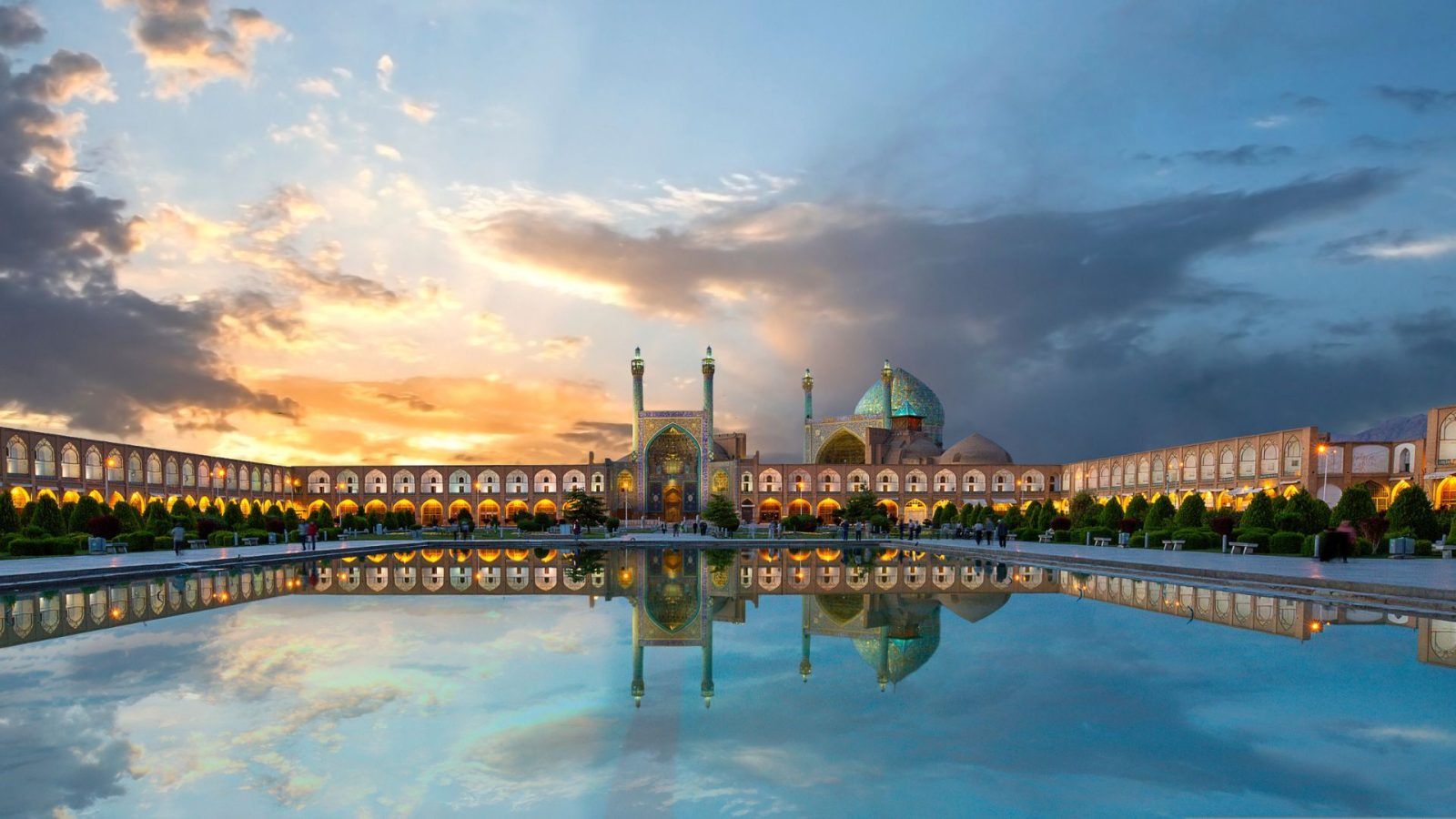
Uzbekistan dazzles with its turquoise domes and intricate tilework in Samarkand's Registan, Bukhara's Poi Kalyan complex, and the walled city of Khiva. It's a visual feast of Islamic architecture from the Timurid era. However, Iran offers a richer, more layered historical tapestry stretching back to the Achaemenid Empire (Persepolis, Pasargadae), Sassanian period, and a profound Islamic heritage, blending with Zoroastrian roots. Its museums, like the National Museum of Iran in Tehran, are world-class, and cities like Isfahan with Naqsh-e Jahan Square, Shiraz (tombs of Hafez and Saadi), and Yazd offer incredible depth beyond just visuals. While Uzbekistan is stunning, Iran provides a more holistic cultural immersion into ancient civilizations, rich poetry, and enduring traditions. "Uzbekistan's Registan blew me away, but walking through Persepolis and feeling that ancient history, then hearing people recite Hafez in Shiraz, that's just a different level of cultural depth."
Winner takeaway
- Winner: Iran
- Why: Iran's historical depth spans millennia, encompassing pre-Islamic empires and a profound, living cultural heritage that feels more integrated into daily life.
- Who this matters for: History buffs, those seeking deep cultural immersion, and lovers of ancient civilizations.
💰 Costs & Value
Both countries are remarkably affordable once you're on the ground. In Uzbekistan, a comfortable daily budget (mid-range hostel/guesthouse, local food, domestic trains, some entrance fees) is around $40-60 USD (approx. 490,000-740,000 UZS). A nice meal might be 50,000-80,000 UZS ($4-6.50). Domestic trains are efficient and cheap; a fast train from Tashkent to Samarkand is around 100,000 UZS ($8). Iran, however, can be even cheaper for daily expenses due to the highly depreciated Rial. Once you convert your USD/EUR to Rial (often at unofficial but widely used rates), your money goes incredibly far. A delicious meal can be 200,000-400,000 IRR ($0.50-$1 USD at current exchange rates), and a good hostel bed $5-10 USD. The main cost barrier for Iran can be the visa ($50-150 USD depending on nationality, plus mandatory travel insurance, and potentially an authorized tour/guide for US/UK/Canadian citizens which can cost thousands). For those nationalities, Uzbekistan is vastly cheaper overall. But for others, Iran's daily costs are unbeatable. "Honestly, once I got past the visa stuff, Iran was probably the cheapest travel I've ever done. My hostel in Isfahan was like $8, and a huge dinner was less than a dollar."
Winner takeaway
- Winner: Iran
- Why: For travelers whose nationalities allow for easier visa entry, Iran's incredibly favorable exchange rate makes daily expenses almost unbelievably low.
- Who this matters for: Budget travelers, those looking to maximize their travel duration on a tight budget (assuming visa is not a prohibitive cost).
🗺️ Ease of Travel & Logistics
Uzbekistan has significantly streamlined its travel logistics in recent years. Many nationalities can get an e-visa online within days, and some are even visa-free. The Afrosiyob high-speed train connects major Silk Road cities (Tashkent, Samarkand, Bukhara) efficiently and comfortably. English is increasingly spoken in tourist areas, and public transport is easy to navigate. Iran presents more hurdles: visa processing can be lengthy and unpredictable for many, and US/UK/Canadian citizens often require an escorted tour. International credit/debit cards don't work due to sanctions, requiring travelers to carry all cash. While locals are incredibly helpful, language barriers outside major cities can be more pronounced. Domestic flights are cheap but prone to delays, and bus travel is extensive but slow. "Getting my Uzbek e-visa was a breeze, and hopping on that fast train between cities was so smooth. Iran felt like a constant puzzle, but a rewarding one."
Winner takeaway
- Winner: Uzbekistan
- Why: Uzbekistan offers a much simpler visa process, reliable modern infrastructure, and fewer logistical challenges related to international sanctions.
- Who this matters for: First-time independent travelers, those short on planning time, and anyone seeking a low-stress travel experience.
🍲 Food Scene
Uzbekistan's cuisine is satisfyingly hearty, centered around dishes like Plov (rice pilaf with meat and carrots), Laghman (noodles), Samsa (meat pastries), and Shashlik (kebabs). It's delicious but can feel a bit repetitive after a while, and vegetarian options are limited beyond salads and bread. Famous spots include Central Asian Plov Centre in Tashkent. Iran, however, offers a wider and more refined culinary palette. Persian cuisine is renowned for its aromatic stews (Khoresh), diverse kebabs (Koobideh, Barg), and incredible rice dishes (Chelow, Polo) often infused with saffron, herbs, and dried fruits. Vegetarian options are abundant, from delightful eggplant dishes (Kashk-e Bademjan) to various bean stews. The use of fresh herbs, spices, and unique combinations creates a truly memorable dining experience. "I loved the plov in Samarkand, but Iran's food just blew me away with its flavors. Every meal felt like a discovery, and I could actually find great veggie options easily."
Winner takeaway
- Winner: Iran
- Why: Iran's cuisine is more diverse, nuanced, and offers a wider range of flavors and options, including excellent choices for vegetarians.
- Who this matters for: Foodies, those who appreciate diverse flavors, and vegetarians.
🛡️ Safety & Solo Travel
Both Uzbekistan and Iran are remarkably safe for tourists, boasting low crime rates. In Uzbekistan, travelers, including solo females, report feeling very secure, even at night. The main concerns are minor scams or overcharging by taxis, which are common in many developing countries. Locals are generally reserved but helpful. In Iran, the personal safety for tourists is also exceptionally high; serious crime against travelers is rare. However, solo female travelers need to be mindful of adhering to the mandatory dress code (headscarf and modest clothing) in public. While this is a cultural adjustment, it's generally respected, and women are often shown immense respect and protection by Iranian families. The 'danger' in Iran is often perceived due to media narratives, but on the ground, it's a very hospitable and safe environment. "I was a bit nervous about Iran as a solo female, but honestly, I felt safer walking around Isfahan at night than I do in some European cities. People were constantly checking on me, offering help."
Winner takeaway
- Winner: Tie
- Why: Both destinations offer a very safe environment for travelers, with low crime rates and friendly locals, though Iran requires adherence to a specific dress code.
- Who this matters for: Solo travelers (especially women), families, and anyone prioritizing personal safety and peace of mind.
⛰️ Nature & Landscapes
Uzbekistan's natural beauty primarily lies in its vast deserts (Kyzylkum), fertile oases, and the fringes of the Tian Shan mountains in the east. The Aral Sea remnants offer a poignant, stark landscape, but overall, the variety is somewhat limited for a nature-focused trip. Trekking opportunities exist in the Nuratau Mountains, but it's not the primary draw. Iran, on the other hand, boasts an astonishing diversity of landscapes. You can find snow-capped peaks of the Alborz and Zagros ranges (great for skiing near Tehran or hiking), vast salt deserts like Dasht-e Kavir and Dasht-e Lut (a UNESCO site, one of the hottest places on Earth), lush forests along the Caspian Sea, volcanic landscapes, and even subtropical beaches on the Persian Gulf. From the colorful mountains of Tabriz to the Martian-like kaluts of Shahdad Desert, Iran offers an unparalleled range of natural wonders. "Uzbekistan's deserts were cool, but Iran's diversity blew my mind. We went from skiing in Dizin to exploring the incredibly unique Lut Desert in just a week. It's unreal."
Winner takeaway
- Winner: Iran
- Why: Iran offers a far greater and more dramatic diversity of natural landscapes, from high mountains and deserts to forests and coastlines.
- Who this matters for: Adventure seekers, hikers, nature photographers, and those who want varied outdoor experiences.
🛌 Accommodation
Both countries excel in providing charming and affordable accommodation. In Uzbekistan, you'll find an abundance of small, family-run guesthouses, especially in Bukhara and Khiva, often built in traditional styles with lovely courtyards, like the Amelia Boutique Hotel in Bukhara or the Zaynab Guesthouse in Khiva, averaging $25-50 USD per night. Tashkent offers more modern hotels. Iran also shines with its traditional houses (sometimes called 'traditional hotels') often centered around a beautiful courtyard in cities like Yazd, Kashan, and Isfahan – think Darbe Shazdeh Boutique Hotel in Isfahan, offering incredible value and atmosphere for $30-70 USD. Modern hotels are available in larger cities. Both prioritize hospitality, but Iran's traditional houses often feel more immersive with their Persian architectural elements and gardens. The quality for the price is outstanding in both. "The guesthouses in Bukhara were so cute, but nothing beat staying in a traditional Persian house in Yazd with that central courtyard. It felt like living history."
Winner takeaway
- Winner: Tie
- Why: Both destinations offer excellent, affordable, and culturally immersive accommodation options, particularly in traditional guesthouses.
- Who this matters for: Travelers seeking authentic experiences, budget-conscious travelers, and those who appreciate unique stays.
🤝 Local Hospitality & People
Uzbeks are genuinely warm and curious, especially in smaller towns. You'll often be invited for tea or a quick chat, and children will excitedly greet you. They are proud of their heritage and generally happy to share it, though they can be a bit more reserved initially compared to Iranians. Iran's hospitality, however, is truly legendary and often cited as the highlight of a trip there. Iranians go out of their way to help, invite you for meals, offer rides, and engage in heartfelt conversations. The concept of 'Taarof' (a complex system of politeness and deference) means initial refusals are common, but persistent generosity is genuine. Expect to be overwhelmed (in a good way!) by kindness and an eagerness to connect. This deep sense of hospitality is pervasive, from taxi drivers to shopkeepers to families. "I thought Uzbeks were friendly, but Iran… it's like everyone wants to adopt you. I couldn't walk 10 feet without someone offering me tea or inviting me to their home. It's truly special."
Winner takeaway
- Winner: Iran
- Why: Iranian hospitality is unparalleled, consistently described as one of the most profound and heartwarming aspects of a visit, leading to countless genuine connections.
- Who this matters for: Travelers seeking deep cultural exchange, those who love connecting with locals, and anyone valuing genuine human interaction.
🛍️ Shopping & Souvenirs
Uzbekistan's bazaars, like Siyob Bazaar in Samarkand or Chorsu Bazaar in Tashkent, are lively and colorful. You'll find exquisite ceramics (Rishtan pottery is famous), vibrant suzani textiles, silk carpets, spices, dried fruits, and traditional clothing. Haggling is expected and part of the experience. It's a fantastic place for unique, handmade gifts. Iran, however, takes traditional craftsmanship to an even higher level. The Grand Bazaar in Tabriz and Naqsh-e Jahan Square Bazaar in Isfahan are UNESCO sites themselves and offer an incredible array of goods. Persian carpets, known for their intricate designs and quality, are a major draw (though shipping can be costly). Other specialties include miniature paintings, delicate enamel work (Minakari), turquoise jewelry (Firoozeh Koobi), high-quality saffron, pistachios, and spices. The artistry and variety feel more refined and historically significant. "I got some beautiful suzani in Bukhara, but the sheer artistry in Isfahan's bazaar – the miniature paintings, the carpets, the metalwork – it felt like walking through a living museum of craft. My wallet cried."
Winner takeaway
- Winner: Iran
- Why: Iran boasts a more diverse and globally renowned tradition of artisan crafts, offering higher quality and more unique, historically significant items.
- Who this matters for: Art collectors, souvenir hunters seeking high-quality craftsmanship, and those interested in traditional arts.
✈️ Getting There (Flights & Accessibility)
Getting to Uzbekistan is relatively straightforward. Uzbekistan Airways offers direct flights from several European cities, and major hubs like Istanbul (Turkish Airlines) or Dubai (FlyDubai) provide excellent connections to Tashkent (TAS), Samarkand (SKD), or Urgench (UGC). Flight times from Western Europe typically range from 6-8 hours, plus layover. Iran's accessibility is more complicated due to international sanctions. Direct flights from North America are non-existent, and European options are fewer. The most common routes involve layovers in Istanbul (Turkish Airlines), Doha (Qatar Airways), or Dubai (Emirates/FlyDubai) to Tehran (IKA). Flight times can be similar to Uzbekistan (6-8 hours from Europe) but options are less frequent, and prices can sometimes be higher for a comparable route due to less competition. The visa process itself, especially for certain nationalities, adds another layer of complexity to simply 'getting there'. "Booking flights to Tashkent was simple via Istanbul. For Iran, it felt like I had fewer options, and I had to coordinate it carefully with my visa agent to ensure my entry."
Winner takeaway
- Winner: Uzbekistan
- Why: Uzbekistan has better international flight connectivity, more direct routes from major hubs, and simpler entry requirements, making it logistically easier to reach.
- Who this matters for: Travelers prioritizing direct routes, convenience, and less complex travel planning, especially from Western countries.
❓ Frequently Asked Questions
Which country is better for solo female travelers?
Both are excellent choices. Uzbekistan is perhaps slightly easier due to no mandatory dress code, but Iran offers unparalleled protection and respect from locals, albeit with the necessity of wearing a headscarf. You'll feel very safe in either, just be mindful of cultural norms.
Is English widely spoken in Uzbekistan or Iran?
In both countries, English is increasingly common in tourist-centric areas (hotels, major attractions, younger generations). Outside of these areas, basic phrases in Russian (Uzbekistan) or Farsi (Iran) are very helpful. Google Translate and offline maps are indispensable.
How do payment systems work in these countries?
Uzbekistan accepts international credit/debit cards in larger hotels and some shops, but cash (UZS, USD) is king. ATMs are available. In Iran, international cards DO NOT work due to sanctions. You MUST bring all your spending money in cash (USD/EUR) and exchange it locally, or use a local tourist debit card service.
What's the best time of year to visit both?
Spring (April-May) and Autumn (September-October) are ideal for both. Temperatures are pleasant, perfect for sightseeing. Summers (June-August) can be extremely hot, especially in the desert cities of Uzbekistan and southern Iran. Winters (November-March) are cold, but offer unique, less crowded experiences, particularly in Iran's ski resorts.
Are there any specific cultural sensitivities to be aware of?
In Uzbekistan, modest dress is appreciated, especially when visiting religious sites, but no headscarf is mandatory for women. In Iran, strict Islamic dress code applies to all women (headscarf, loose clothing covering arms/legs) and men should also dress modestly. Public displays of affection are frowned upon in both. Always ask permission before photographing people.
Can I combine a trip to Uzbekistan and Iran?
Yes, it's a fantastic combination! The most common route involves flying between the two, typically via a hub like Istanbul or Dubai. Overland travel between them is very challenging due to Turkmenistan's difficult transit visa requirements. Plan at least 2-3 weeks to do both justice.
Which country has better infrastructure for tourists?
Uzbekistan generally offers better tourist infrastructure with its efficient high-speed train network connecting major cities, clearer signage, and more readily available information in English. Iran's infrastructure is decent but older, and public transport outside major cities can be less user-friendly for non-Farsi speakers.
What about internet and communication?
Both countries offer readily available local SIM cards for affordable data (Ucell, Beeline in Uzbekistan; Irancell, MCI in Iran). Internet speeds are generally good in cities. Note that some social media apps (like WhatsApp) work fine, but others (like Telegram, X, Facebook) might be blocked in Iran, requiring a VPN.
Ready to plan your Silk Road adventure?
Get a free custom itinerary for Uzbekistan, Iran, or both — built from real traveler insights, tailored to your budget and interests.
🎟️ Book Tours & Experiences
Hand-picked tours and activities for both destinations — book with free cancellation
Experiences via Viator — free cancellation on most tours