How we built this comparison
This page combines traveler discussion patterns, published price ranges, flight schedules, and seasonal data to help you decide between Valencia and Barcelona.
- Reviewed 500+ Reddit threads from r/travel, r/solotravel, r/Barcelona, r/Valencia, r/Spain.
- Verified costs and logistics against current booking platforms (Booking.com, Skyscanner, Renfe).
- Cross-referenced seasonal patterns and weather data from meteorological sources for accuracy.
⚡ The TL;DR Verdict
Barcelona is your pick for iconic architecture, bustling nightlife, and a truly global city vibe, but be prepared for higher costs and crowds, budgeting roughly €80-150 (~$85-160 USD) daily. Valencia offers a more laid-back, authentic Spanish experience, incredible food, and better value, ideal for those seeking culture and relaxation without the big city hustle, with a comfortable daily budget of €50-100 (~$55-110 USD).
- Choose Valencia: You prioritize authentic Spanish culture, incredible food (especially paella), less tourist crowds, beautiful urban beaches, and better value for money. Perfect for a relaxing, cultured city break.
- Choose Barcelona: You're drawn to iconic architecture (Gaudí!), world-class museums, a buzzing international atmosphere, energetic nightlife, and a wider range of high-end shopping and dining options. Great for first-time Spain visitors who want a 'greatest hits' experience.
- Choose Both: If you have 8-10 days or more, combining both is fantastic. Start in Barcelona for 3-4 days to hit the major sights, then take the high-speed train (approx. 3 hours, €30-€60) down to Valencia for another 3-4 days to unwind, enjoy the food, and experience a different side of Spain.
Quick Comparison
| Category | Valencia | Barcelona | Winner |
|---|---|---|---|
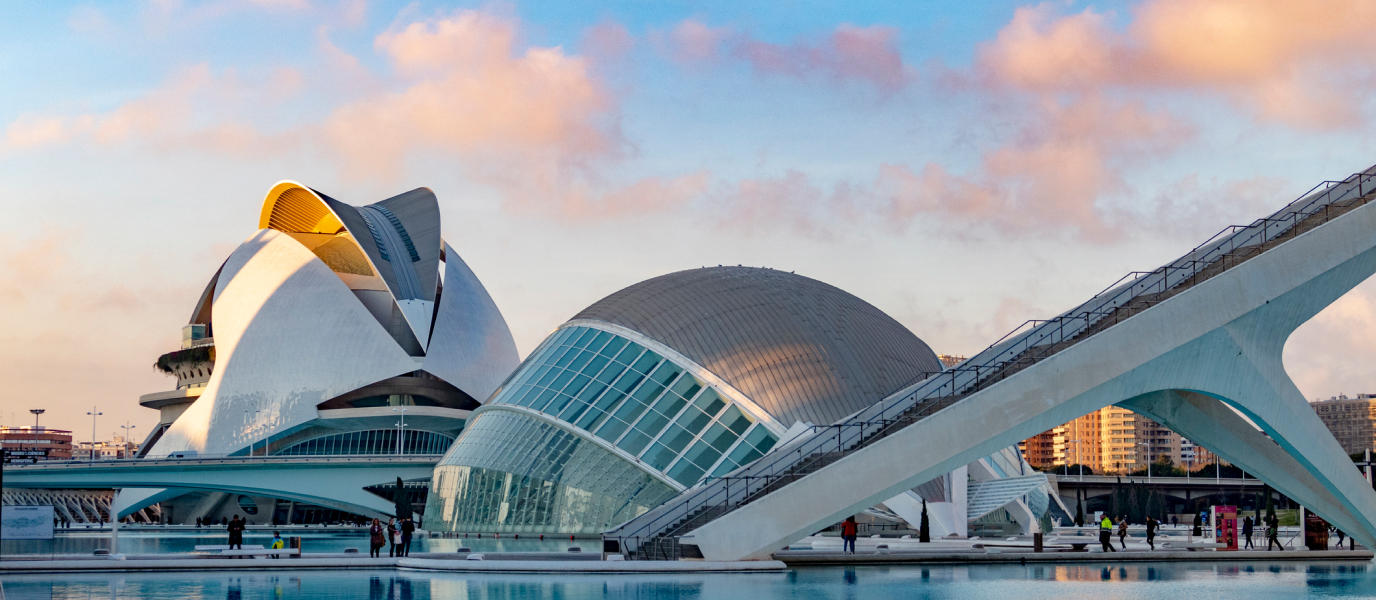
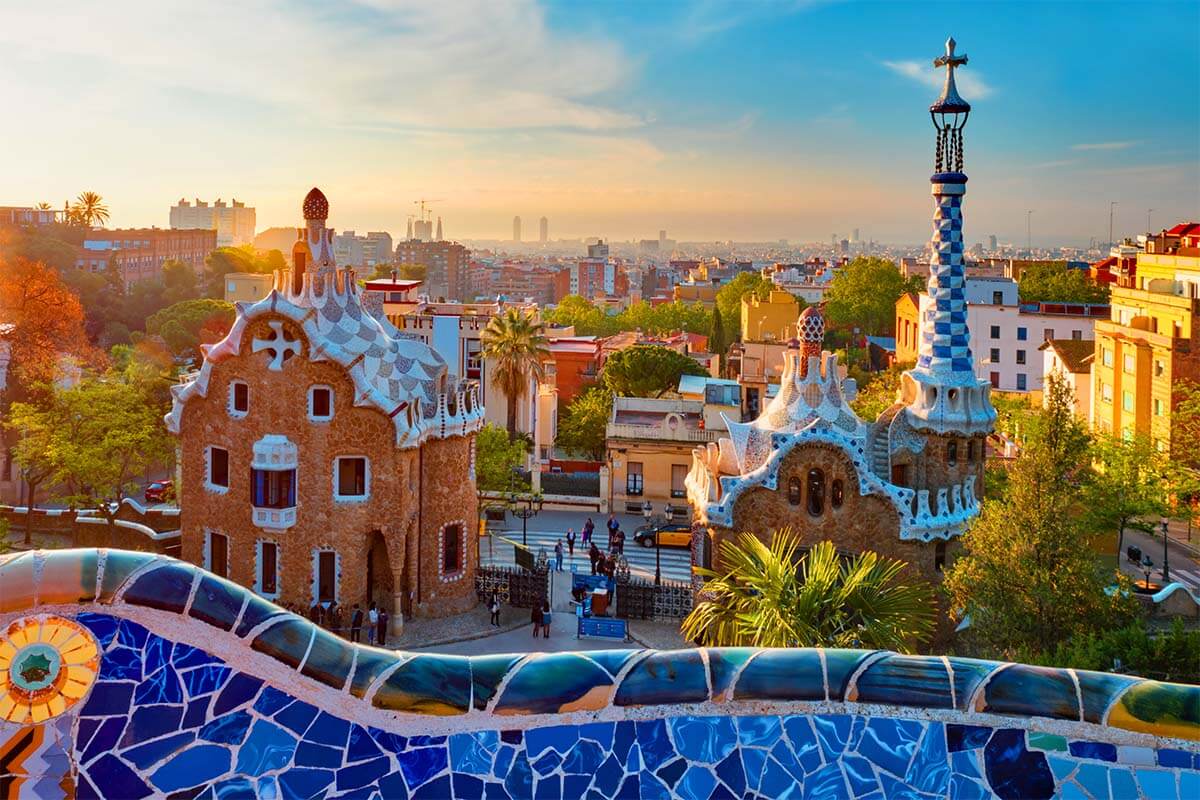
| Culture & History | Architectural marvels like City of Arts and Sciences, ancient Roman and Moorish history, strong local traditions. | Gaudí's masterpieces (Sagrada Familia, Park Güell), Gothic Quarter, Picasso Museum, Modernista movement. | |
| Food & Drink | Birthplace of paella, vibrant Mercado Central, authentic tapas, horchata. | Catalan cuisine, extensive tapas culture, Michelin-starred restaurants, La Boqueria Market. | Valencia |
| Beaches | Wide, sandy, easily accessible urban beaches (Malvarrosa, Las Arenas) with excellent facilities. | City beach (Barceloneta) is convenient but often crowded; nearby Sitges offers better quality. | Valencia |
| Nightlife | Lively local scene, Carmen neighborhood, Ruzafa district, beach clubs in summer. | World-famous clubs, diverse bars, late-night culture, international DJs, Poble Sec and El Born areas. | |
| Costs & Value | Significantly more affordable for accommodation, food, and transport, offering excellent value. | Higher prices across the board for lodging, dining, attractions, and public transport. | Valencia |
| Getting There & Away | Smaller international airport (VLC) with good European connections, high-speed train to Madrid. | Major international hub (BCN) with global connections, extensive high-speed rail network. | |
| Getting Around | Compact and walkable city center, excellent public transport (metro, bus, tram), bike-friendly. | Extensive metro/bus network, highly walkable but can be sprawling, some hills. | Valencia |
| Accommodation | Wider range of affordable, high-quality options, from boutique hotels to apartments. | Extensive selection across all budgets, but generally more expensive, especially in peak season. | Valencia |
| Day Trips | Albufera Natural Park, Sagunto, Peñíscola, Requena wine region. | Montserrat, Sitges, Girona, Tarragona, Figueres (Dalí Museum). | |
| Weather & Seasons | Mild winters, hot but breezy summers, generally more sunshine than Barcelona. | Mild winters, hot and humid summers, occasional coastal fog. | Valencia |
🏛️ Culture & History
Barcelona’s cultural punch is undeniable, centered around the surreal genius of Antoni Gaudí. The Sagrada Familia, Park Güell, Casa Batlló, and La Pedrera are not just buildings; they're experiences, drawing millions. Beyond Gaudí, the winding alleys of the Gothic Quarter tell tales of millennia, from Roman ruins to medieval splendor. World-class museums like the Picasso Museum and MNAC (National Art Museum of Catalonia) offer deeper dives into art history. Valencia, while rich in its own right with the futuristic City of Arts and Sciences and the UNESCO-listed Lonja de la Seda (Silk Exchange), simply doesn't have the same global recognition or sheer volume of instantly recognizable architectural icons. Its history is deep, visible in the Roman foundations and Moorish influences, but it’s less 'in your face' than Barcelona's grand statements. "Honestly, nothing prepares you for the Sagrada Familia in person. It's just mind-blowing every time, even with the crowds." It's a city that continuously reinvents itself while respecting its past, making it a cultural powerhouse.
Winner takeaway
- Winner: Barcelona
- Why: Barcelona wins for its unparalleled concentration of iconic, globally recognized architectural masterpieces and a broader range of high-profile museums.
- Who this matters for: First-time visitors to Spain, art and architecture enthusiasts, and those who love iconic landmarks.
🥘 Food & Drink
If you're coming to Spain for authentic cuisine, Valencia is your undisputed champion, especially for paella. This is where paella was born, and you'll find it done right, from traditional paella Valenciana with rabbit and chicken to seafood versions, often enjoyed right by the beach at places like La Pepica or Casa Carmela. The Mercado Central is a sensory overload, bursting with fresh produce, seafood, and local delicacies at prices far more reasonable than its Barcelona counterpart. A meal with wine at a mid-range restaurant in Valencia might cost €20-30 (~$22-33 USD) per person, whereas a similar experience in Barcelona easily hits €35-50 (~$38-55 USD). Barcelona has fantastic food, no doubt – amazing tapas bars (like Bar del Pla or Ciudad Condal), innovative Catalan cuisine, and a plethora of Michelin-starred options. La Boqueria is famous but often a tourist trap. "Skip La Boqueria, seriously. Go to Mercado Central in Valencia instead, it's the real deal and way less crowded." While Barcelona offers more culinary diversity, Valencia delivers on authenticity, value, and its signature dish with unmatched passion.
Winner takeaway
- Winner: Valencia
- Why: Valencia offers a more authentic, higher-quality, and better-value culinary experience, especially for its signature dish, paella.
- Who this matters for: Foodies, budget travelers, and anyone seeking authentic regional cuisine without the tourist markups.
🏖️ Beaches
Valencia's beaches are a revelation. Malvarrosa and Las Arenas are incredibly wide, golden sandy beaches, easily reachable by tram or bus from the city center in about 15-20 minutes. They boast excellent facilities – changing rooms, showers, lifeguards, and a fantastic promenade lined with restaurants (perfect for beachfront paella). Crucially, even in summer, they rarely feel as oppressively crowded as Barcelona's Barceloneta. You can find a spacious spot, relax, and enjoy the Mediterranean without feeling like you're on top of your neighbor. Barcelona’s Barceloneta beach is super convenient, right in the city, but it's often packed, the sand isn't always pristine, and it can feel a bit like a perpetual party. "Valencia's beaches are just better, period. Cleaner, wider, easier to relax without fighting for space." While Barcelona has charming beach towns like Sitges an hour away by train, Valencia's superior urban beaches are right on its doorstep, making spontaneous beach days a breeze.
Winner takeaway
- Winner: Valencia
- Why: Valencia's urban beaches are significantly wider, cleaner, and less crowded, offering a more relaxing and enjoyable experience.
- Who this matters for: Beach lovers, families, and anyone looking for easy access to quality sun and sand without leaving the city.
🕺 Nightlife
Barcelona's nightlife is legendary and truly world-class, catering to every taste imaginable. From massive superclubs like Razzmatazz and Opium on the beach to intimate jazz clubs, trendy cocktail bars in El Born and Gràcia, and vibrant streets in Poble Sec, the city truly comes alive after midnight. You'll find international DJs, diverse crowds, and a party scene that can go until dawn, often costing €15-€30 (~$16-33 USD) for club entry. Valencia offers a fantastic nightlife, but it's more geared towards a local crowd and has a slightly less 'global party hub' feel. Areas like El Carmen and Ruzafa buzz with tapas bars, indie clubs, and cozy pubs. During summer, the beach clubs along Malvarrosa add a vibrant element, but they don't quite reach the scale or international reputation of Barcelona's scene. "If you want to party hard and see big DJs, Barcelona is the only choice. Valencia is fun, but it's a different vibe." For sheer variety, energy, and late-night options, Barcelona takes the crown.
Winner takeaway
- Winner: Barcelona
- Why: Barcelona offers a more diverse, internationally renowned, and energetic nightlife scene with world-class clubs and bars.
- Who this matters for: Party-goers, young travelers, and those seeking a vibrant, late-night atmosphere.
💰 Costs & Value
This is where Valencia truly shines. On nearly every metric, from accommodation to dining to public transport, Valencia offers significantly better value for money. A decent mid-range hotel in Valencia might cost €60-100 (~$65-110 USD) per night, while a comparable stay in Barcelona would be €120-200 (~$130-220 USD) or more. Meals are substantially cheaper: a menu del día (set lunch menu) in Valencia can be found for €12-18 (~$13-20 USD), whereas in Barcelona, it’s closer to €18-25 (~$20-27 USD) and often less comprehensive. Public transport cards (like the Bonobus or tourist passes) are very economical, with a 10-trip card costing around €8-10 (~$9-11 USD). "Honestly, my €50 budget in Valencia felt like €100 in Barcelona. Everything just costs less, and you get more for it." Even attractions, while fewer in number, often have lower entry fees. Barcelona, being a global tourism magnet, has seen prices steadily climb, making it one of Spain's more expensive cities. For budget-conscious travelers or those who simply appreciate getting more bang for their buck, Valencia is the clear winner.
Winner takeaway
- Winner: Valencia
- Why: Valencia is consistently more affordable across all major travel expenses, offering superior value for money.
- Who this matters for: Budget travelers, families, digital nomads, and anyone looking to extend their trip without breaking the bank.
✈️ Getting There & Away
Barcelona’s El Prat Airport (BCN) is a major international hub, one of Europe's busiest, with direct flights from virtually everywhere across the globe, including numerous North American cities. This often translates to more flight options and potentially cheaper airfares, especially from outside Europe. It's incredibly well-connected to the city center via metro, train (RENFE), and Aerobus. Valencia's Manises Airport (VLC) is smaller but still well-served, primarily by European low-cost carriers (Ryanair, Vueling, EasyJet). While you can fly to Valencia from many European cities, direct intercontinental flights are rare, often requiring a layover in Madrid or a larger European hub. For train travel within Spain, both cities are well-connected by high-speed AVE/Avlo trains. A train from Madrid to Barcelona takes about 2.5-3 hours (€60-€100), and Madrid to Valencia is around 1.5-2 hours (€30-€60). "Flying into Barcelona was so easy, felt like endless options. Valencia was fine but definitely needed a connection from the US." For overall ease of international access and a wider choice of carriers, Barcelona is the clear winner.
Winner takeaway
- Winner: Barcelona
- Why: Barcelona's airport is a major international hub with more direct global flight connections and greater frequency.
- Who this matters for: International travelers, those with limited time, and anyone seeking the easiest and most direct travel options.
🚲 Getting Around
Valencia is an absolute dream to navigate. Its historic center is wonderfully compact and pedestrian-friendly, making it easy to explore on foot. Beyond the old town, the city boasts an efficient, clean, and affordable public transport system (metro, bus, tram) that connects all major attractions, including the City of Arts and Sciences and the beaches. A 10-trip Bonobus card costs around €8.50 (~$9.30 USD), making individual rides under €1. The flat terrain and extensive network of bike lanes also make cycling incredibly popular and safe; a 24-hour Valenbisi pass (bike share) is very cheap. Barcelona's public transport is excellent and extensive, covering the entire city with metro and buses, but the city itself is much larger and more sprawling. While walkable, distances between neighborhoods like Gràcia, Gothic Quarter, and Eixample can be significant. "Valencia felt so easy to get around, especially on a bike. Barcelona's metro is good, but I walked way more there and my feet hurt!" Plus, Barcelona has more hills, which can be a factor for some. Valencia’s more manageable scale and bike-friendly infrastructure give it the edge.
Winner takeaway
- Winner: Valencia
- Why: Valencia's compact, flat layout and superb cycling infrastructure make it exceptionally easy and pleasant to get around.
- Who this matters for: Families, those with mobility issues, eco-conscious travelers, and anyone who prefers a less sprawling urban experience.
🏨 Accommodation
Finding quality accommodation in Valencia for a reasonable price is significantly easier than in Barcelona. You can snag a charming boutique hotel or a well-located apartment in neighborhoods like El Carmen or Ruzafa for €80-120 (~$85-130 USD) per night, even during shoulder season. Options like Hotel Helen Berger or Hotel Palacio Vallier offer excellent value for their prime locations and amenities. Hostels also tend to be cheaper, with dorm beds starting from €20-25 (~$22-28 USD). Barcelona, on the other hand, commands premium prices. While it has an enormous selection of hotels, hostels, and Airbnb apartments, you’ll pay a premium. A similar quality hotel could easily be €150-250 (~$160-270 USD) or more, and even basic hostels start around €35-50 (~$38-55 USD) for a dorm. Popular areas like the Gothic Quarter or Eixample are particularly pricey. "I paid €90 for a really nice hotel in Valencia city center, couldn't find anything close to that price in Barcelona without being super basic or far out." For travelers seeking comfortable, well-located lodging without breaking the bank, Valencia offers far better bang for your buck.
Winner takeaway
- Winner: Valencia
- Why: Valencia provides better value and more affordable high-quality accommodation options across all budget ranges.
- Who this matters for: Budget-conscious travelers, families, and those seeking good value without sacrificing comfort or location.
🏞️ Day Trips
Barcelona offers an incredible array of diverse and easily accessible day trips, making it a fantastic base for regional exploration. The iconic Montserrat monastery, with its breathtaking mountain views, is just an hour away by train and cable car. The charming coastal town of Sitges (30 min by train) offers beautiful beaches and a lively atmosphere. Further afield, the medieval city of Girona (38 min by high-speed train) and the Roman ruins of Tarragona (30 min by high-speed train) provide rich historical and cultural experiences. For art lovers, Figueres (1 hr by train) is home to the surreal Dalí Theatre-Museum. Valencia has some excellent day trip options, too, such as the serene Albufera Natural Park (a short bus ride), famous for its rice paddies and boat trips, and the ancient Roman city of Sagunto. The Requena wine region is also nearby. "Montserrat was absolutely stunning, and Girona was a perfect half-day trip from Barcelona, so much history and charm." While Valencia's day trips are rewarding, Barcelona's offerings are more numerous, diverse, and often more globally recognized, making it a stronger base for exploration.
Winner takeaway
- Winner: Barcelona
- Why: Barcelona boasts a greater number and diversity of iconic and easily accessible day trip destinations.
- Who this matters for: Travelers who enjoy exploring beyond the main city and have an interest in varied landscapes, history, and art.
☀️ Weather & Seasons
Both cities enjoy a Mediterranean climate, meaning mild, often sunny winters and hot, dry summers. However, Valencia generally has a slight edge due to its slightly warmer average temperatures in winter and often less humidity in summer, especially with a refreshing sea breeze. From October to May, Valencia typically sees more sunny days and fewer rainy ones than Barcelona. Winter temperatures in Valencia rarely drop below 10°C (50°F), making it pleasant for sightseeing. Summers can be hot, averaging 30-32°C (86-90°F) in July/August, but the coastal location usually provides a good breeze. Barcelona's summers are similarly hot, often feeling more humid, and it can experience more coastal fog or overcast days, particularly in spring. "Valencia's weather in October was perfect, warm but not scorching, and barely any rain. Barcelona was a bit more hit-or-miss with the clouds." For consistent sunshine and slightly more comfortable conditions year-round, Valencia edges out Barcelona, particularly in the shoulder seasons (spring and fall) when the weather is ideal for exploring.
Winner takeaway
- Winner: Valencia
- Why: Valencia generally offers more consistent sunshine, slightly warmer winters, and often less summer humidity than Barcelona.
- Who this matters for: Sun-seekers, those planning shoulder-season trips, and anyone sensitive to high humidity.
❓ Frequently Asked Questions
Which city is better for families with children?
Valencia generally wins for families due to its more relaxed pace, safer feel, fantastic City of Arts and Sciences (especially the Oceanogràfic and Science Museum), and less crowded, child-friendly beaches. It also offers better value on accommodation and food, making family travel more affordable.
Is one city safer than the other?
Valencia is widely considered safer, especially for solo travelers and at night. While both cities are generally safe, Barcelona, like any major tourist hub, has a higher incidence of petty crime like pickpocketing, particularly in crowded areas like La Rambla and the metro. Valencia feels more laid-back and less prone to such issues.
Which city has better shopping opportunities?
Barcelona is superior for shopping, offering a vast range from high-end designer boutiques on Passeig de Gràcia to quirky independent shops in El Born and large department stores. Valencia has good shopping too, particularly around Colón street and unique local boutiques in Ruzafa, but it can't match Barcelona's sheer scale or international brand presence.
Can I easily travel between Valencia and Barcelona?
Yes, traveling between the two cities is straightforward. The high-speed train (Renfe) is the best option, taking approximately 3-3.5 hours and costing between €30-€60 depending on how far in advance you book. Buses are cheaper but take longer (around 4-5 hours).
Which city is better for a weekend trip?
For a quick weekend trip, Barcelona is often easier due to its major international airport and concentration of iconic sights that can be seen in a shorter timeframe. However, if you're looking for a more relaxed and authentic experience without the rush, Valencia can be a fantastic, manageable weekend escape.
Are English speakers common in both cities?
In Barcelona, especially in tourist areas, you'll find English widely spoken by hotel staff, restaurant servers, and attraction workers due to its international appeal. In Valencia, English is less prevalent outside the main tourist zones, but most people in the service industry will speak enough to assist. Learning a few basic Spanish phrases is always appreciated in both.
Which city has more green spaces and parks?
Valencia boasts the incredible Turia Gardens, a 9km long park built in a former riverbed, offering vast green space for walking, cycling, and relaxation, making it a standout feature. Barcelona has lovely parks like Parc de la Ciutadella and Park Güell, but the sheer scale and integration of Turia Gardens within Valencia's urban fabric are unique.
Is it worth visiting during major festivals?
Absolutely! Barcelona's La Mercè (September) and Valencia's Las Fallas (March) are both spectacular and truly unique cultural experiences. Las Fallas, with its enormous ephemeral sculptures and fire, is a UNESCO Intangible Cultural Heritage event, making Valencia a truly unforgettable destination in March. Be aware that during these times, both cities will be extremely crowded and accommodation prices will skyrocket.
Ready to plan your Spain trip?
Get a free custom itinerary for Valencia, Barcelona, or both — built from real traveler insights.
🎟️ Book Tours & Experiences
Hand-picked tours and activities for both destinations — book with free cancellation
Experiences via Viator — free cancellation on most tours