How we built this comparison
This page combines traveler discussion patterns, published price ranges, flight schedules, and seasonal data to help you decide between Valparaiso and Santiago.
- Reviewed 100+ Reddit threads from r/travel, r/solotravel, r/chile, r/backpacking for authentic experiences and advice.
- Verified costs and logistics against current booking platforms (Booking.com, Hostelworld, Uber, local bus companies).
- Cross-referenced seasonal patterns and weather data from meteorological sources for optimal travel timing.
- Incorporated insights from recent travel blogs and reputable Chilean tourism sites.
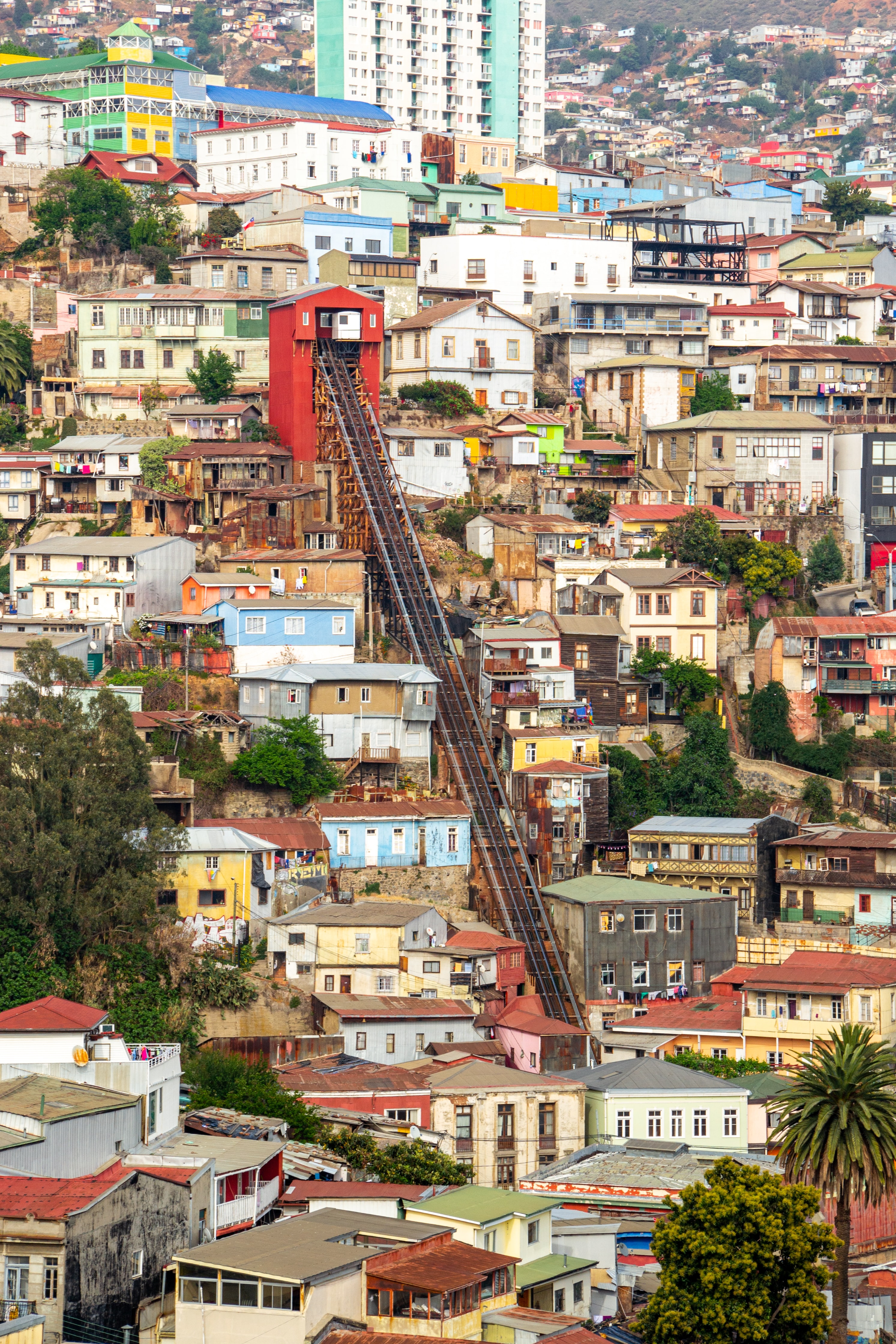

⚡ The TL;DR Verdict
If you're after gritty charm, street art, and a more bohemian vibe on a tighter budget, Valparaiso is your pick, likely around $40-70 USD/day. For a sophisticated, modern city experience with diverse dining and easy access to mountains and wine, Santiago wins, with a budget closer to $70-120 USD/day. Many travelers choose to combine both for a comprehensive Central Chile experience.
- Choose Valparaiso: Perfect for artists, backpackers, and those seeking a unique, colorful, and slightly chaotic experience. If street art, steep hills, and a laid-back, bohemian atmosphere appeal, with a focus on budget-friendly travel.
- Choose Santiago: Ideal for those who prefer a modern, cosmopolitan city with world-class dining, museums, shopping, and excellent infrastructure. If you appreciate diverse neighborhoods, a vibrant upscale nightlife, and easy access to day trips.
- Choose Both: Absolutely do both! They're only a 1.5-2 hour bus ride apart. Spend 2-3 full days exploring Valparaiso's cerros and then 3-4 days in Santiago to soak in its urban energy and perhaps a wine tour. This combo gives you the best of Chile's central region.
Quick Comparison
| Category | Valparaiso | Santiago | Winner |
|---|---|---|---|
| Costs & Budget | Significantly more budget-friendly across the board, from hostels to local eateries and transport. | More expensive, aligning with a major capital city; mid-range to high-end options are prevalent. | Valparaiso |
| Culture & Art Scene | Famous for its vibrant street art, bohemian culture, and historic hills. Every corner is a canvas. | Home to national museums, theaters, and a more formal arts scene, with a growing gallery presence. | Valparaiso |
| Nightlife & Entertainment | Gritty, bohemian, and authentic dive bars, live music venues, and local pubs. | Diverse options from upscale cocktail bars and craft breweries to large nightclubs and lively 'barrios'. | Santiago |
| Food & Drink | Known for fresh seafood, traditional Chilean dishes, and a growing casual dining scene. | A culinary hub with diverse international cuisine, fine dining, and excellent wine bars. | Santiago |
| Safety & Vibe | Grittier, bohemian, and a bit more rough around the edges; requires increased street smarts. | Generally safer, especially in upscale areas; more polished and cosmopolitan feel. | Santiago |
| Getting Around & Logistics | Relies on funiculars ('ascensores'), local buses, colectivos, and walking up steep hills. | Excellent, efficient metro system, extensive bus network, and ride-sharing apps. | Santiago |
| Accommodation Options | Dominantly charming boutique hostels, guesthouses, and smaller hotels, often with character. | Wide range from luxury hotels and international chains to stylish boutique hotels and budget hostels. | Santiago |
| Day Trips & Excursions | Primarily focuses on nearby Viña del Mar; limited other major excursions. | Excellent base for diverse day trips: wine valleys, Andes mountains, coastal towns. | Santiago |
| Nature & Green Spaces | Limited green spaces within the city; focus is on urban landscape and sea views. | Numerous large parks, easy access to mountain views, and nearby outdoor activities. | Santiago |
| Overall Atmosphere & Local Experience | Bohemian, gritty, artistic, authentic, and charmingly chaotic; feels more 'raw' and local. | Cosmopolitan, modern, diverse, and often more polished; offers a varied urban experience. | Valparaiso |
💸 Costs & Budget
Valparaiso consistently comes out cheaper, making it a backpacker's paradise. A hostel bed in Valpo averages $15-25 USD (CLP 13,000-22,000) compared to $25-40 USD (CLP 22,000-35,000) in Santiago. A hearty 'menu del día' lunch in Valpo can be found for $5-8 USD (CLP 4,500-7,000), while in Santiago, a similar meal would be $10-15 USD (CLP 9,000-13,000), particularly in areas like Lastarria or Providencia. Local transport via 'colectivo' or 'micro' in Valpo is around $0.50-$0.80 USD (CLP 450-700), whereas Santiago's Metro system is $0.80-$1.20 USD (CLP 700-1,100) per ride depending on the time. Even a craft beer in a Valpo bar like Bar Cinzano is usually a few dollars cheaper than in Santiago's Bellavista. 'Honestly, I saved so much just eating empanadas and completos in Valpo, could stretch my budget way further than in Santiago,' a Reddit user mentioned.
Winner takeaway
- Winner: Valparaiso
- Why: Valparaiso offers a much better value for budget-conscious travelers without sacrificing quality or experience.
- Who this matters for: Backpackers, long-term travelers, and anyone on a strict budget.
🎨 Culture & Art Scene
Valparaiso is unequivocally the art capital of Chile. Its UNESCO-listed 'cerros' (hills) like Cerro Alegre and Cerro Concepción are open-air museums, with incredible murals and graffiti adorning every wall, staircase, and building. You can spend days just wandering, discovering new pieces, and visiting small galleries like Galería de Arte Bahía Utópica. The city also has a strong literary heritage, most notably with Pablo Neruda's house, La Sebastiana, offering stunning views and a peek into his eccentric life. Santiago, while having impressive institutions like the Museo Nacional de Bellas Artes and the Museo Chileno de Arte Precolombino, offers a more traditional and curated art experience. Barrio Lastarria and Barrio Italia have smaller galleries and design shops, but they lack the raw, organic, and pervasive artistic energy of Valpo. 'The street art in Valpo is just on another level; it's the city's soul,' a traveler on r/chile posted.
Winner takeaway
- Winner: Valparaiso
- Why: Valparaiso's entire urban landscape is a dynamic, living art gallery, offering an unparalleled street art and bohemian cultural immersion.
- Who this matters for: Art lovers, photographers, bohemian spirits, and those who appreciate unique urban aesthetics.
🍻 Nightlife & Entertainment
Santiago offers a far more diverse and sophisticated nightlife. Barrio Bellavista is famous for its concentration of bars, pubs, and clubs, catering to all tastes, from traditional Chilean fondas to modern dance clubs. Barrio Lastarria offers trendier wine bars and gastro-pubs, while Providencia and Vitacura boast upscale cocktail lounges and craft breweries like Cervecería Kross. Valparaiso's nightlife is charmingly gritty and authentic. Areas around Plaza Aníbal Pinto and Calle Cumming are packed with small, often cash-only bars like Bar Cinzano (a century-old institution with live music) and student hangouts. It's more about local interaction and less about a polished club scene. 'Santiago has options for every mood, from fancy cocktails to a sweaty reggaeton club. Valpo is more about cheap beers and good vibes in a dingy bar,' as one Reddit user put it.
Winner takeaway
- Winner: Santiago
- Why: Santiago provides a broader range of nightlife experiences, from sophisticated lounges to bustling clubs, catering to more diverse preferences and budgets.
- Who this matters for: Party-goers, those seeking variety, and travelers who enjoy upscale entertainment options.
🍽️ Food & Drink
Santiago, as a major capital, boasts a superior and more diverse food scene. You can find everything from high-end gastronomic experiences in Vitacura and Providencia (e.g., Boragó) to fantastic international cuisine in Barrio Italia and excellent traditional Chilean food at places like Liguria. Its wine bars, such as Bocanáriz in Lastarria, offer an unparalleled selection of Chilean wines. Valparaiso excels in fresh seafood, especially at the bustling Mercado Puerto (though check its safety reputation) or more refined spots in Cerro Alegre like Restaurant El Internado. You'll find incredible empanadas, 'chorrillana' (a massive plate of fries, meat, and eggs), and 'curanto' (a traditional seafood and meat stew). While Valpo's food is delicious and authentic, it's generally less varied and lacks the fine-dining pedigree of Santiago. 'Santiago's food scene is next level, especially if you're into fine dining or specific international flavors. Valpo is great for seafood and local grub, but that's about it,' a user mentioned on r/travel.
Winner takeaway
- Winner: Santiago
- Why: Santiago offers a much broader and more sophisticated culinary landscape, including world-class restaurants, international options, and exceptional wine experiences.
- Who this matters for: Foodies, gourmands, and those looking for diverse dining experiences beyond traditional local fare.
🛡️ Safety & Vibe
Santiago generally feels safer, particularly in its well-heeled neighborhoods like Providencia, Las Condes, and even Lastarria. While petty crime like pickpocketing exists in crowded areas (e.g., city center, Bellavista at night), violent crime is less common for tourists. The city has a polished, bustling, and modern vibe. Valparaiso, by contrast, has a distinctly grittier, more bohemian, and somewhat chaotic charm. Its steep, winding alleys, while beautiful, can feel less secure, especially at night or in less-trafficked 'cerros'. Petty theft and muggings can be more prevalent if you're not vigilant. The city's vibe is undeniably unique and captivating, but it demands a higher level of street awareness. 'Santiago felt like any big city, just be aware. Valpo was amazing but definitely felt like I needed to keep my wits about me, especially after dark on some of those hills,' someone shared on r/solotravel.
Winner takeaway
- Winner: Santiago
- Why: Santiago offers a generally safer environment and a more polished, comfortable vibe for travelers, especially those less accustomed to urban grit.
- Who this matters for: Solo female travelers, families, first-time international travelers, and those prioritizing personal security.
🚌 Getting Around & Logistics
Santiago boasts a far more efficient and comprehensive public transport system. Its Metro is clean, fast, and covers most major areas, making navigation a breeze. The integrated bus network complements the Metro, and ride-sharing apps like Uber and Cabify are readily available and affordable. Getting from Santiago's Arturo Merino Benítez Airport (SCL) to the city center is also straightforward via bus (Turbus, Centropuerto, ~CLP 2,000-3,000 / $2-3.50 USD) or taxi/rideshare. Valparaiso's charm lies in its unique 'ascensores' (funiculars) which are a tourist attraction in themselves (costing around CLP 300 / $0.35 USD per ride), connecting the lower city to the upper 'cerros'. However, these can be old, slow, and not always conveniently located. Walking the steep hills is part of the experience but can be tiring. Local 'micros' (buses) and 'colectivos' (shared taxis) exist but can be confusing for newcomers. 'Santiago's metro is a lifesaver, especially if you're trying to cover a lot of ground. Valpo is all about those funiculars and walking, which is cool but slower,' a Reddit user remarked.
Winner takeaway
- Winner: Santiago
- Why: Santiago's modern and efficient public transport system makes navigating the city much easier and quicker for travelers.
- Who this matters for: Travelers who prefer convenience, have limited mobility, or want to maximize their sightseeing time.
🏨 Accommodation Options
Santiago offers a significantly broader and more varied selection of accommodation. You'll find everything from luxurious 5-star hotels in Las Condes (e.g., Ritz-Carlton Santiago) and Providencia (e.g., Hotel Cumbres Lastarria), to stylish boutique hotels in Lastarria and Barrio Italia, and numerous budget-friendly hostels (e.g., Rado Hostel, Hostal Forestal). This diversity caters to every budget and preference, often with higher standards of amenities. Valparaiso, while having many charming and unique places, leans heavily towards boutique hostels, guesthouses (like La Valija Hostal or Hostal Voyage), and smaller, characterful hotels built into old mansions on the hills. While these offer an authentic experience, the options for luxury or international chain hotels are limited. 'Santiago just has way more options, whether you want a fancy hotel or a solid budget hostel. Valpo is more about charming, quirky guesthouses,' a traveler shared on r/travel.
Winner takeaway
- Winner: Santiago
- Why: Santiago provides a much wider array of accommodation types, price points, and luxury levels, catering to all traveler needs.
- Who this matters for: Luxury travelers, business travelers, families, and those seeking specific hotel amenities or brand familiarity.
⛰️ Day Trips & Excursions
Santiago is an unparalleled hub for diverse and exciting day trips. Within a 1-2 hour drive, you can explore the renowned Casablanca Valley for wine tasting (e.g., Viña Indómita, Emiliana Organic Vineyards – tour prices from $20-50 USD / CLP 18,000-45,000), hit the ski slopes of Valle Nevado or Farellones in the Andes (seasonal, of course), or visit charming artisan towns like Pomaire. Cajón del Maipo offers stunning mountain scenery, hot springs, and hiking opportunities. Valparaiso's primary day trip is the adjacent, more upscale beach resort city of Viña del Mar, easily reachable by local bus or metro in 15-20 minutes. While Viña offers beaches, a casino, and gardens, it's a less diverse offering compared to Santiago's numerous options. 'Santiago is unbeatable for day trips; you've got mountains, wine, and the coast all within reach. Valpo is really just Valpo and Viña,' remarked a frequent traveler on r/chile.
Winner takeaway
- Winner: Santiago
- Why: Santiago serves as a fantastic base for a much broader and more varied range of accessible day trips, from world-class wine regions to the stunning Andes mountains.
- Who this matters for: Adventure seekers, wine enthusiasts, nature lovers, and those wanting to explore beyond the city limits.
🌳 Nature & Green Spaces
Santiago, despite being a bustling metropolis, offers surprisingly abundant and well-maintained green spaces. Cerro San Cristóbal, with its panoramic views, extensive trails, and attractions like the Funicular and Teleférico (around CLP 2,500-3,500 / $3-4 USD return), is a massive urban park perfect for hiking, biking, or just enjoying the city from above. Parque Forestal, Parque O'Higgins, and Parque Bicentenario provide lush oases for relaxation and recreation. The proximity to the Andes also means stunning mountain backdrops are visible from many parts of the city, and excursions to places like Cajón del Maipo are very accessible. Valparaiso's natural beauty comes from its dramatic coastal setting and the views of the Pacific Ocean from its hills. However, traditional green parks within the city are scarce, replaced by the urban art landscape. While Viña del Mar offers a more traditional 'beach park' experience, Valpo itself is more about the urban jungle. 'I loved the vibe of Valpo, but sometimes I just needed a big park to relax in, and Santiago has plenty of those, plus the mountains right there,' a Reddit user shared.
Winner takeaway
- Winner: Santiago
- Why: Santiago provides far more accessible and expansive green spaces within the city, along with stunning mountain views and easy access to natural excursions.
- Who this matters for: Families, nature lovers, runners, and those who appreciate urban parks and outdoor activities.
✨ Overall Atmosphere & Local Experience
Valparaiso's atmosphere is truly singular and infectious. It possesses a raw, authentic, and bohemian energy that is hard to match. The city is a living canvas, with music often drifting from open windows and locals engaged in lively conversations on street corners. Its chaotic beauty, steep winding alleys, and vibrant street art create an immersive, almost dreamlike experience that feels deeply Chilean, yet completely unique. It's a place where you feel immediately connected to the local pulse, despite the occasional grittiness. Santiago, while diverse and dynamic, has a more global, modern, and polished feel. Its various 'barrios' offer distinct vibes—from the historic elegance of Lastarria to the trendy sophistication of Providencia. It's a fantastic capital city, but it doesn't possess the same kind of 'soul-stirring', organic, and truly bohemian atmosphere that saturates every inch of Valparaiso. 'Valpo just *feels* alive in a way Santiago doesn't. It's messy, beautiful, and completely unforgettable,' a r/travel poster summarized.
Winner takeaway
- Winner: Valparaiso
- Why: Valparaiso offers a uniquely immersive, bohemian, and authentically chaotic atmosphere that provides a more distinctive and memorable local experience.
- Who this matters for: Travelers seeking unique experiences, artists, photographers, and those who prioritize local charm over urban polish.
❓ Frequently Asked Questions
How much time should I allocate for Valparaiso and Santiago?
For Valparaiso, 2 full days are ideal to explore its main 'cerros' and soak in the atmosphere. For Santiago, 3-4 days allows you to visit key attractions, enjoy its dining scene, and perhaps take a day trip. If combining, a week total (3 Valpo, 4 Santiago) is a good balance.
Is it easy to travel between Valparaiso and Santiago?
Yes, it's very easy. Frequent direct buses connect the two cities, departing from Santiago's Alameda or Pajaritos bus terminals to Valparaiso's main terminal. The journey takes about 1.5 to 2 hours and costs around CLP 7,000-10,000 ($8-12 USD).
Which city is better for solo travelers?
Santiago is generally considered easier for solo travelers due to its efficient public transport, broader range of accommodations, and slightly safer reputation in main tourist areas. Valparaiso is also popular with solo backpackers but requires a higher level of street awareness, especially after dark.
Are there beaches near Valparaiso or Santiago?
Valparaiso is a port city, not known for swimmable beaches within its immediate limits. However, the adjacent city of Viña del Mar, a short 15-20 minute bus or metro ride away, has several popular beaches like Playa Acapulco and Playa Reñaca. Santiago is inland, so beaches require a 1.5-2 hour drive to the coast.
What's the best time of year to visit both cities?
The Chilean summer (December to February) offers the best weather, with warm, sunny days perfect for exploring. Spring (September to November) and Autumn (March to May) are also excellent, with pleasant temperatures and fewer crowds. Winters (June to August) are cooler and can be rainy, especially in Valparaiso.
Can I do a day trip to Valparaiso from Santiago?
Yes, it's a very popular day trip! Many tour operators offer guided trips, or you can easily take a bus from Santiago's Pajaritos terminal. While a day trip gives you a taste, it's quite rushed. To truly experience Valparaiso's charm, an overnight stay is highly recommended.
Which city has better hiking opportunities?
Santiago definitely wins for hiking. Its proximity to the Andes mountains provides numerous trails and outdoor adventure opportunities, particularly in Cajón del Maipo. While Valparaiso has strenuous walks up its 'cerros,' these are urban explorations rather than traditional nature hikes.
Is English widely spoken in Valparaiso and Santiago?
In Santiago, especially in tourist areas, hotels, and upscale restaurants, you'll find a good number of English speakers. In Valparaiso, particularly outside of main tourist spots, English is less common, so knowing some basic Spanish phrases will be very helpful.
Ready to plan your Central Chile trip?
Get a free custom itinerary for Valparaiso, Santiago, or both — built from real traveler insights.
🎟️ Book Tours & Experiences
Hand-picked tours and activities for both destinations — book with free cancellation
Experiences via Viator — free cancellation on most tours