How we built this comparison
This page combines traveler discussion patterns, published price ranges, flight schedules, and seasonal data to help you decide between Venice and Amsterdam.
- Reviewed 50+ Reddit threads from r/travel, r/solotravel, r/ItalyTravel, r/Amsterdam, and r/europetravel for authentic traveler perspectives.
- Verified costs and logistics against current booking platforms (e.g., Booking.com, Google Flights, official museum sites) to ensure real-world accuracy.
- Cross-referenced seasonal patterns, weather data, and major event calendars to provide relevant advice on timing and crowd levels.
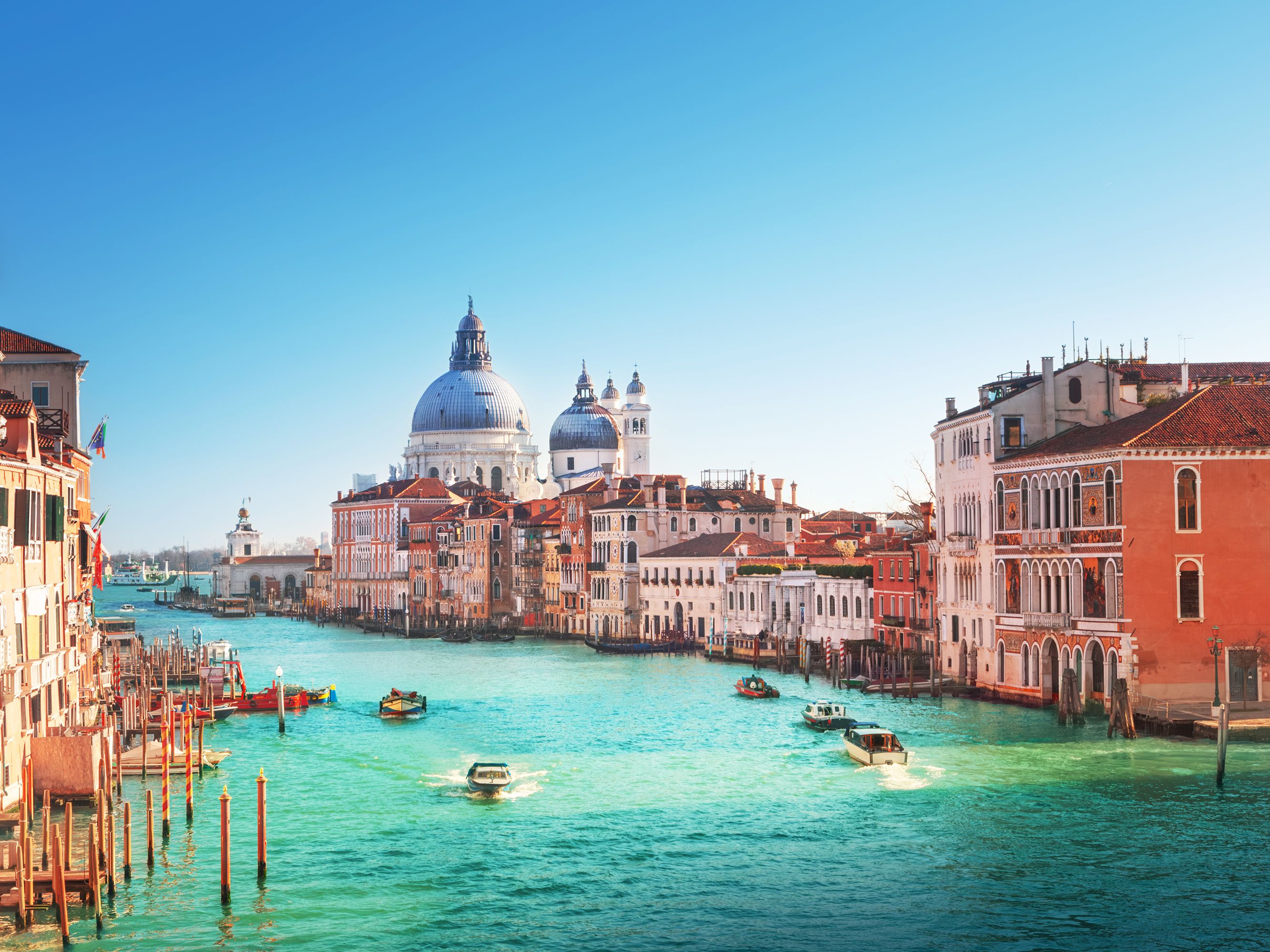
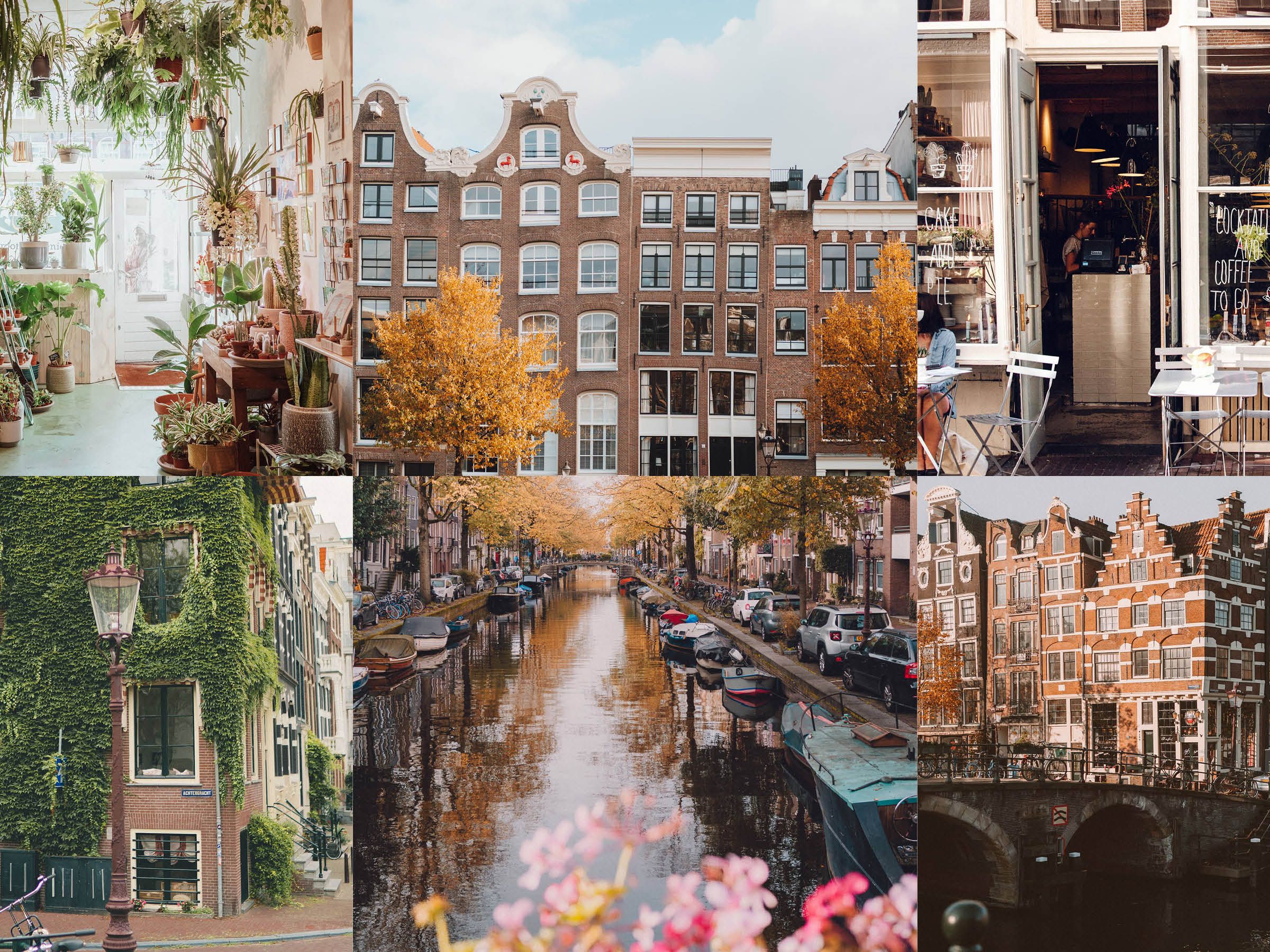
⚡ The TL;DR Verdict
For those seeking classic romance, unparalleled history, and a slower pace, Venice is your dream, budgeting around €150-250 ($160-270) daily. If you crave vibrant city life, diverse culture, excellent museums, and a more active, bike-friendly atmosphere, Amsterdam, with a similar daily budget of €160-270 ($170-290), will captivate you. Neither is a budget destination, but both offer unforgettable experiences.
- Choose Venice: You're a romantic at heart, seeking unique historical charm, gondola rides, intricate alleyways, and world-class art without the hustle of cars. Perfect for couples or those seeking a magical, unique atmosphere.
- Choose Amsterdam: You love dynamic cities, world-class museums, cycling culture, picturesque canals with a livelier vibe, and diverse nightlife. Ideal for solo travelers, groups, or those who appreciate a blend of history and modernity.
- Choose Both: If you have 8-10 days and want to experience two distinct, iconic European canal cities. You could fly into Venice, spend 3-4 days, then take a connecting flight (e.g., from Venice Marco Polo VCE to Amsterdam Schiphol AMS, typically 1h 45m - 2h flight time) to spend another 4-5 days in Amsterdam.
Quick Comparison
| Category | Venice | Amsterdam | Winner |
|---|---|---|---|
| Costs & Budget | Can be expensive, especially for tourist traps. Savvy travelers can find deals. Eating out is a major cost. | Generally on par with Venice, but more options for budget travelers, especially food and transport. | Amsterdam |
| Culture & History | Unmatched Renaissance art, unique Venetian history, Doge's Palace, St. Mark's Basilica. Every corner breathes history. | Rich Golden Age history, world-class museums (Rijksmuseum, Van Gogh), Anne Frank House, unique canal houses. | Venice |
| Food & Drink | Italian classics, seafood, cicchetti. Can be touristy and overpriced, but authentic gems exist. | Diverse international cuisine, local Dutch comfort food, great craft beer scene, coffee shops. | Amsterdam |
| Nightlife & Entertainment | Quiet, romantic evenings. Aperitivo culture, local bars with cicchetti, opera, classical music. | Vibrant and diverse. World-renowned clubs, cozy 'brown cafes,' live music venues, Red Light District. | Amsterdam |
| Getting Around | Walk everywhere, Vaporetto (water bus) for longer distances, gondolas for iconic experiences. No cars. | Excellent public transport (trams, buses, metro), cycling is king, walkable city center. | Tie |
| Accommodation | Historic hotels, B&Bs. Can be pricey and small. Booking in advance essential, especially for canalside views. | Wide range from hostels to luxury. Boutique hotels in canal houses, modern chains. High demand year-round. | Amsterdam |
| Day Trips | Murano (glass), Burano (colorful houses), Torcello (ancient church). Easy Vaporetto access. | Zaanse Schans (windmills), Keukenhof (tulips, seasonal), Haarlem, Utrecht. Easy train access. | Tie |
| Weather & Seasons | Hot, humid summers; mild, wet winters with 'acqua alta' (flooding); pleasant springs/autumns. | Mild summers, cold and damp winters. Springs can be lovely (tulips), autumn is crisp. | Venice |
| Solo Travel | Safe and easy to navigate. Can feel very romantic and couple-oriented, some restaurants cater to groups. | Extremely solo-traveler friendly. Abundant hostels, social activities, easy to meet people, safe to explore. | Amsterdam |
| Families & Kids | Magical for older kids, but strollers are a nightmare. Limited kid-specific attractions, lots of walking. | Very family-friendly. Parks, museums with kid activities, playgrounds, safe cycling, NEMO Science Museum. | Amsterdam |
💰 Costs & Budget
Both cities sit at the higher end of European travel budgets, but Amsterdam edges out Venice slightly for overall value. In Venice, a typical tourist budget for accommodation, food, and activities will run you €150-250 ($160-270) per day. A simple pasta dish near St. Mark's Square can be €18-25 ($20-27), and a gondola ride is a fixed €80 ($87) for 25-30 minutes during the day (up to 5 people). Expect to pay €120-200 ($130-215) for a decent 3-star hotel. Amsterdam's daily budget is similar, €160-270 ($170-290), but you can stretch it further with diverse food options like a 'broodje' (sandwich) for €4-7 ($4.50-7.50) or a delicious 'patat' (fries) for €3-5 ($3.25-5.50). Museum entry, like Rijksmuseum at €22 ($24) or Anne Frank House at €16 ($17), can add up, but the city's excellent public transport (day pass €8.50/$9.20) and abundant bike rentals (€10-15/$11-16 per day) offer cheaper alternatives to constant water taxis. "Honestly, getting a decent meal in Venice without feeling ripped off was tougher than in Amsterdam where there are just so many good, affordable spots if you know where to look. Venice is beautiful, but the €5 espresso tax is real if you sit down." The perception of value in Amsterdam often feels higher due to more varied options at different price points.
Winner takeaway
- Winner: Amsterdam
- Why: Amsterdam offers more diverse options across budget ranges, especially for food and local transport, making it slightly easier to manage costs.
- Who this matters for: Budget-conscious travelers, solo explorers, and those who prefer more control over their daily expenses.
🏛️ Culture & History
Both cities are steeped in history, but Venice offers a truly unique, immersive historical experience that feels almost frozen in time. Venice's entire existence is a testament to human ingenuity against nature, with its intricate canal system, stunning Byzantine-influenced architecture, and a history as a powerful maritime republic. Exploring Doge's Palace (€25/$27), St. Mark's Basilica (free entry, but optional skip-the-line/Pala d'Oro tickets at €3-7/$3.25-7.50), and countless smaller churches and 'scuole' (guild halls) feels like stepping into a living museum. Amsterdam, on the other hand, boasts an incredible Golden Age legacy and poignant modern history. The Rijksmuseum (€22/$24) houses masterpieces like Rembrandt's 'The Night Watch,' the Van Gogh Museum (€22/$24) is a must-see, and the Anne Frank House (€16/$17) offers a deeply moving experience. However, Amsterdam's modern vibrancy sometimes overshadows its past, whereas in Venice, history is literally the ground beneath your feet. "Venice just feels different, like you're walking through a painting. Amsterdam's museums are phenomenal, but Venice is the museum itself." The sheer density of historical and artistic marvels in Venice, coupled with its car-free environment, creates an unparalleled historical immersion.
Winner takeaway
- Winner: Venice
- Why: Venice's entire city is a UNESCO World Heritage site, offering a living museum experience with unparalleled unique history and art, unlike anywhere else.
- Who this matters for: History buffs, art lovers, and travelers seeking a truly unique historical atmosphere.
🍝 Food & Drink
While Venetian cuisine offers delicious Italian classics, seafood, and the famous 'cicchetti' (small snacks, like tapas), it can be notoriously hit-or-miss for tourists, often overpriced in popular areas. Finding truly authentic, high-quality food requires research away from the main thoroughfares. Expect to pay €15-25 ($16-27) for a decent pasta dish and €5-7 ($5.50-7.50) for a glass of house wine. Amsterdam, however, shines with its incredible diversity and quality, catering to all tastes and budgets. Beyond traditional Dutch snacks like 'bitterballen' (€6-9/$6.50-9.75) and 'stroopwafels' (€2-4/$2.20-4.30), the city boasts fantastic Indonesian (rijsttafel at €25-40/$27-43 per person), Surinamese, and international fine dining. The craft beer scene is thriving, with breweries like Brouwerij 't IJ, and its café culture extends beyond the famous 'coffee shops' to excellent spots for actual coffee. "I loved the pasta in Venice when I found a good spot, but in Amsterdam, I could get amazing Indonesian food one night, then a killer burger, and then some proper Dutch comfort food the next. Way more variety and generally better value." Amsterdam's culinary landscape is simply more dynamic and accessible for a broader range of preferences.
Winner takeaway
- Winner: Amsterdam
- Why: Amsterdam offers a far more diverse and consistently high-quality food scene, from international cuisine to craft beers, appealing to a wider range of tastes and budgets.
- Who this matters for: Foodies, adventurous eaters, and those who appreciate culinary variety beyond local specialties.
🎉 Nightlife & Entertainment
Venice is not a city for wild nights; its nightlife is serene and romantic. Evenings are best spent with an aperitivo in a local bar (like El Refolo or Osteria al Squero), enjoying cicchetti and a glass of Aperol Spritz (€4-7/$4.30-7.50), followed by a leisurely dinner. Opera at La Fenice or a classical concert provides sophisticated entertainment, but late-night clubs are virtually non-existent. Amsterdam, conversely, is a vibrant nightlife hub. You can choose from the cozy, traditional 'brown cafes' (pubs) like Cafe Chris (Amsterdam's oldest) for a relaxed drink (€4-6/$4.30-6.50 for a beer), world-famous techno clubs in areas like Rembrandtplein or Leidseplein (entry €10-25/$11-27), or live music venues such as Paradiso or Melkweg. The Red Light District, while controversial, also draws crowds with its unique atmosphere. "After 9 PM in Venice, it's mostly quiet strolls or a final drink. In Amsterdam, the city just comes alive with so many options, from chill pubs to full-on dance floors. There's something for everyone." The sheer variety and energy of Amsterdam's after-dark offerings make it the clear winner for those seeking entertainment beyond a quiet dinner.
Winner takeaway
- Winner: Amsterdam
- Why: Amsterdam offers a vastly more diverse and energetic nightlife, catering to all tastes from cozy pubs to world-class dance clubs, unlike Venice's quiet, romantic evenings.
- Who this matters for: Party-goers, social butterflies, and anyone looking for lively evenings out.
🚶 Getting Around
Both cities excel in unique modes of transport, making this a tie. Venice is famously car-free, meaning you'll spend most of your time walking through its labyrinthine alleys and over its countless bridges. For longer distances or a scenic route, the Vaporetto (water bus) is your public transport, with a single ride costing €9.50 ($10.30) or a 24-hour pass for €25 ($27). Gondolas are iconic but purely for experience, not transport (€80/$87 day rate). It's an unforgettable way to navigate, but can be tiring. Amsterdam boasts an exceptional public transport network of trams, buses, and a metro, with day passes starting around €8.50 ($9.20). However, cycling is the quintessential Amsterdam experience. Renting a bike for €10-15 ($11-16) per day allows you to explore like a local, with dedicated bike lanes everywhere. The city center is also very walkable. "Venice's vaporetto system is amazing for sightseeing, but getting lost on foot is half the fun. Amsterdam on a bike feels like pure freedom, nothing beats it." Each city offers a distinct and highly efficient way to get around that perfectly suits its unique layout and vibe.
Winner takeaway
- Winner: Tie
- Why: Both cities offer iconic and highly effective, yet distinct, ways of getting around that are integral to their charm and visitor experience.
- Who this matters for: Travelers who appreciate unique local transport experiences and immersive exploration.
🏨 Accommodation
Accommodation in both cities can be expensive, but Amsterdam offers more variety and generally better value, especially for budget and mid-range options. In Venice, hotels are often charming but can be older, smaller, and command high prices, particularly for those precious canal views. A standard 3-star hotel can easily be €120-200 ($130-215) per night, and budget options are scarce and fill up quickly. Many travelers opt to stay on the mainland in Mestre to save money, but it lacks the Venetian magic. Amsterdam has a robust selection, from vibrant hostels like The Flying Pig Downtown (€30-60/$32-65 for a dorm bed) and Generator Amsterdam (€40-80/$43-87 for a dorm) to charming boutique hotels nestled in canal houses (e.g., Hotel Pulitzer, from €300/$325+) and modern chains. While still pricey, especially for peak season, the sheer volume and diversity mean you're more likely to find something that fits your style and budget. "Finding a decent, affordable hotel in Venice that wasn't super far out felt impossible. Amsterdam had so many cool boutique places and even hostels that felt really clean and modern." The better availability across different price points, coupled with generally higher standards of modern amenities, gives Amsterdam the edge.
Winner takeaway
- Winner: Amsterdam
- Why: Amsterdam offers a broader range of accommodation types and price points, from excellent hostels to boutique canal-side hotels, providing better value and choice than Venice.
- Who this matters for: Budget travelers, solo travelers, and those seeking more modern amenities or a wider selection of lodging styles.
🗺️ Day Trips
Both cities offer fantastic and easily accessible day trip options, making this category a tie. From Venice, the trio of Murano, Burano, and Torcello are classic choices, easily reached by Vaporetto. Murano is famous for its glass-blowing demonstrations (free to watch, but expect pressure to buy, small items from €10/$11), Burano for its incredibly colorful fishermen's houses, and Torcello for its ancient cathedral. A Vaporetto pass (€25/$27 for 24h) covers these. For a longer trip, Verona or Padua are also within reach by train (€10-20/$11-22 return). Amsterdam's surrounding area is equally appealing. Zaanse Schans (windmills, wooden shoes) is a picturesque open-air museum, just a 20-minute train ride (€8/$8.70 return) from Amsterdam Centraal. During spring, Keukenhof Gardens (entry €19.50/$21) is an absolute must-see for its stunning tulip displays, about an hour by special bus. Historic cities like Haarlem or Utrecht are also easy train rides away. "I loved seeing the glass blowers in Murano, and Burano was like a fairytale. But then, cycling through the windmills at Zaanse Schans was just pure magic, totally different vibes but equally amazing." Each city serves as an excellent base for exploring its unique regional treasures, catering to different interests.
Winner takeaway
- Winner: Tie
- Why: Both cities provide an array of unique, easily accessible, and highly rewarding day trip options that showcase different facets of their respective regions.
- Who this matters for: Travelers who enjoy exploring beyond the main city and experiencing local culture and landscapes.
☀️ Weather & Seasons
While both have distinct seasons, Venice's shoulder seasons (spring and autumn) offer a truly sublime experience that edges out Amsterdam's variable weather. Venice in April-May or September-October provides pleasant temperatures (15-25°C / 59-77°F), fewer crowds than summer, and beautiful light. Summers (June-August) can be hot and very humid (25-35°C / 77-95°F), with large crowds and higher prices. Winters are mild but can be damp and subject to 'acqua alta' (high water), which, while unique, can disrupt travel. Amsterdam's summers (June-August) are generally mild and pleasant (18-25°C / 64-77°F), but rain is always a possibility. Winters (December-February) are cold, damp, and often grey (0-7°C / 32-45°F). Spring (March-May) is famous for the tulips, but can still be quite chilly and windy. "I went to Venice in May, and it was perfect – warm but not sweltering, and the light was incredible. Amsterdam in March was beautiful with the crocuses, but I definitely needed a warm jacket and still got caught in some rain." Venice's extended periods of reliably pleasant weather, particularly in spring and early autumn, make it a more consistently comfortable and picturesque destination for sightseeing.
Winner takeaway
- Winner: Venice
- Why: Venice's spring and autumn offer more consistently pleasant weather and magical atmosphere, perfect for exploration, compared to Amsterdam's more variable climate.
- Who this matters for: Travelers prioritizing comfortable sightseeing weather and beautiful photographic conditions.
🚶♀️ Solo Travel
Amsterdam is hands-down more accommodating and vibrant for solo travelers than Venice. While Venice is perfectly safe and easy to navigate alone, its inherently romantic atmosphere can sometimes feel isolating if you're not part of a couple or group, and many restaurants are geared towards larger parties. Finding a single table can occasionally be challenging. Amsterdam, however, thrives on its solo traveler culture. The city boasts an incredible array of hostels (like Flying Pig, Stayokay) with vibrant common areas and organized social events, making it super easy to meet fellow travelers. Its café culture, diverse bars, and constant buzz mean you're never truly alone unless you want to be. Public transport is excellent and safe at night, and walking/cycling around feels very secure. "As a solo female traveler, Amsterdam was fantastic. So many friendly faces, easy to join a pub crawl or just hang out in a brown cafe and chat. Venice was beautiful solo, but definitely more introspective." For sheer ease of socializing, variety of activities, and a general welcoming vibe for individuals, Amsterdam is the superior choice for solo adventurers.
Winner takeaway
- Winner: Amsterdam
- Why: Amsterdam is exceptionally solo-traveler friendly with abundant social hostels, diverse activities, and a welcoming atmosphere that makes meeting people easy.
- Who this matters for: Solo travelers looking to socialize, meet new people, and explore a city with ease and confidence.
👨👩👧👦 Families & Kids
For families, especially those with younger children, Amsterdam offers a much more accommodating and engaging experience than Venice. Venice's charm for kids lies in the novelty of water transport and getting lost in alleys, but the sheer number of bridges (steps!), lack of cars, and crowded thoroughfares make it a nightmare for strollers or toddlers. There are few attractions specifically for children. Older kids might enjoy a gondola ride (€80/$87) or exploring Doge's Palace, but sustained engagement can be tough. Amsterdam, in contrast, is incredibly family-friendly. It's flat and walkable, with excellent parks like Vondelpark for running and playgrounds. Many museums, like the Rijksmuseum and Van Gogh Museum, offer kid-friendly audio guides or activities. The NEMO Science Museum (€17.50/$19) is a hands-on paradise. Cycling is safe, and many rental shops offer bikes with child seats. "I took my 5-year-old to Venice, and it was beautiful, but so much crying about walking and carrying the stroller up stairs. Amsterdam was a breeze; she loved the parks, and NEMO was a huge hit." The practicalities, combined with a wealth of engaging activities, make Amsterdam a far less stressful and more enjoyable family destination.
Winner takeaway
- Winner: Amsterdam
- Why: Amsterdam is more practical and entertaining for families with children, offering parks, kid-friendly museums, and easier navigation compared to Venice's challenging terrain for strollers.
- Who this matters for: Families with young children, those needing accessibility, and travelers seeking diverse kid-friendly activities.
❓ Frequently Asked Questions
Which city is better for a romantic getaway?
Venice, without a doubt. Its car-free canals, gondola rides, hidden bridges, and historic charm create an unparalleled romantic atmosphere. Amsterdam is beautiful, but its lively, modern vibe leans more towards a fun, active couples trip rather than pure romance.
Is Venice really that crowded?
Yes, especially in peak season (summer, carnival, public holidays) and around major attractions like St. Mark's Square. Early mornings or late evenings offer a quieter experience. Visiting in the shoulder seasons (April-May, Sept-Oct) helps, but Venice is almost never 'empty'.
Can I visit both Venice and Amsterdam on one trip?
Absolutely! With about 8-10 days, you can comfortably experience both. Fly into one (e.g., Venice Marco Polo VCE), spend 3-4 days, then take a direct flight to the other (e.g., Amsterdam Schiphol AMS, ~2-hour flight). It's a fantastic way to compare two unique canal cities.
Which city has better art museums?
Amsterdam takes the lead for traditional art museums with its world-class Rijksmuseum and Van Gogh Museum. Venice excels in historical art and architecture integrated into the city itself, and unique collections like the Peggy Guggenheim Collection, but Amsterdam's dedicated institutions are unparalleled.
Is it safe to walk alone at night in either city?
Both Venice and Amsterdam are generally very safe cities, even for solo travelers at night. Common sense precautions apply – stay aware of your surroundings, stick to well-lit areas, and avoid overly deserted alleys. Amsterdam's central areas are often bustling late into the night.
What's the best way to avoid tourist traps in Venice?
Venture away from St. Mark's Square and Rialto Bridge. Explore lesser-known sestieri (districts) like Cannaregio or Castello. Look for 'Osteria' or 'Trattoria' signs that look local, and check menus for 'coperto' (cover charge) and 'servizio' (service charge) before sitting down. Ask for recommendations from locals.
Are there any 'must-do' experiences unique to each city?
In Venice, a gondola ride is the quintessential experience, as is getting wonderfully lost in its labyrinthine streets. In Amsterdam, cycling through the canals and visiting the Anne Frank House or a world-class museum like the Rijksmuseum are absolutely essential experiences.
Which city is better for shopping?
Amsterdam offers a much broader and more diverse shopping experience, from high-street brands and boutique fashion in areas like 'The 9 Streets' to unique markets and souvenir shops. Venice focuses more on specific crafts like Murano glass, Carnival masks, and local artisan goods, with fewer general retail options.
Ready to plan your European canal city trip?
Get a free custom itinerary for Venice, Amsterdam, or both — built from real traveler insights, tailored to your budget and interests.
🎟️ Book Tours & Experiences
Hand-picked tours and activities for both destinations — book with free cancellation
Experiences via Viator — free cancellation on most tours