How we built this comparison
This page combines traveler discussion patterns, published price ranges, flight schedules, and seasonal data to help you decide between Venice and Rome.
- Reviewed 75+ Reddit threads from r/travel, r/solotravel, r/ItalyTravel, r/Rome, and r/Venice.
- Verified costs and logistics against current booking platforms (e.g., Trenitalia, Booking.com, Google Flights, museum sites).
- Cross-referenced seasonal patterns, weather data, and typical tourist crowd levels for optimal timing.
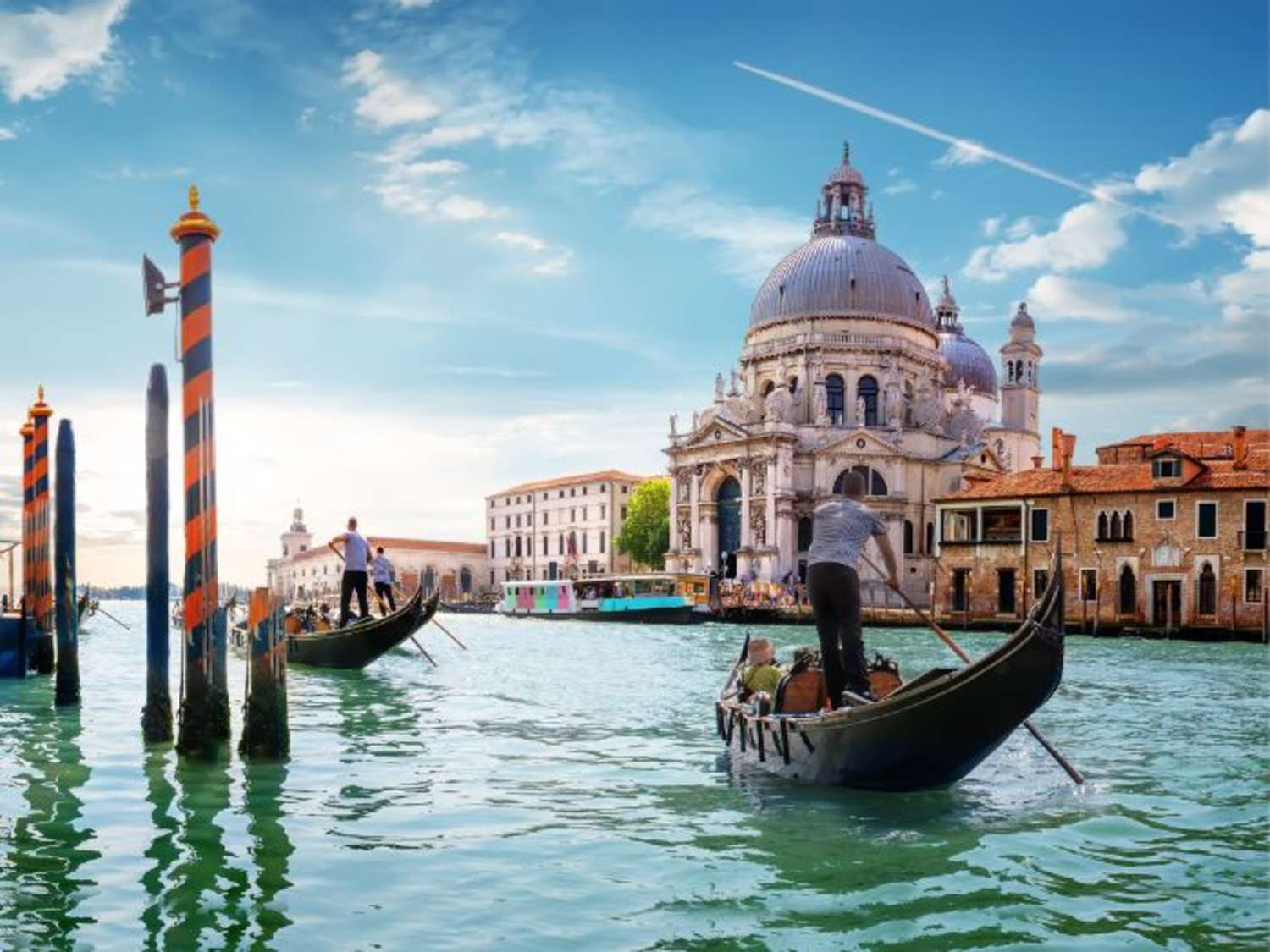
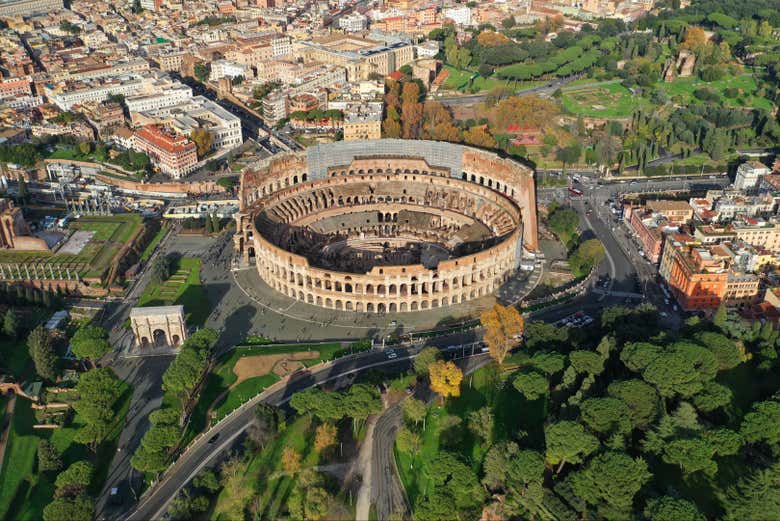
⚡ The TL;DR Verdict
For those craving ancient history, bustling city life, and incredible food on a mid-range budget (€100-€200/day), Rome is your champion. If you dream of unique romantic beauty, tranquil strolls, and don't mind a higher budget (€150-€250+/day), Venice offers an unparalleled experience.
- Choose Venice: Pick Venice if you're seeking a profoundly unique, romantic, and visually stunning escape, prioritizing atmosphere over a jam-packed itinerary. It's perfect for couples, art lovers, and those who appreciate a slower pace.
- Choose Rome: Opt for Rome if you're a history buff, a foodie, or a first-time visitor to Italy wanting to experience the 'Eternal City's' iconic sights, vibrant street life, and diverse culinary scene. It's great for families, solo travelers, and those on a moderate budget.
- Choose Both: Combine both if you have at least 7-10 days, flying into one city (e.g., Venice VCE) and out of the other (Rome FCO). The high-speed train connects them in about 3.5-4 hours, making it a manageable, albeit busy, itinerary for a comprehensive Italian experience.
Quick Comparison
| Category | Venice | Rome | Winner |
|---|---|---|---|
| Food & Drink | Known for seafood, cicchetti (tapas-like snacks), and Spritz. Fewer traditional 'restaurants' than Rome. | The heartland of classic Italian cuisine: pasta, pizza, Roman-Jewish dishes, and vibrant trattorias. | Rome |
| Culture & History | Unique maritime history, Renaissance art, Venetian Gothic architecture, and a focus on visual beauty. | Centuries of ancient Roman, Renaissance, and Baroque history; home to the Colosseum, Vatican, and countless ruins. | Rome |
| Costs & Budget | Generally more expensive due to unique logistics and high demand. Expect higher prices for accommodation and transport. | More affordable overall, with a wider range of budget options for food, accommodation, and transport. | Rome |
| Getting Around | Primarily walking, vaporetto (water bus), or gondola. No cars, unique experience but can be slow. | Extensive public transport (Metro, buses, trams) and very walkable. Can be overwhelming at first. | Venice |
| Accommodation | Fewer options, often more expensive, especially within the historic center. Book well in advance. | Wide range of options from hostels to luxury hotels, generally more competitive pricing. | Rome |
| Nightlife & Entertainment | Quiet evenings, romantic dinners, and cicchetti hopping. Not a party destination. | Vibrant and diverse nightlife, from lively aperitivo scenes to bustling bars and clubs. | Rome |
| Day Trips & Excursions | Easy access to charming lagoon islands (Murano, Burano) and nearby cities like Verona or Bologna. | Countless options including ancient Pompeii, scenic Tuscany, or picturesque coastal towns. | Rome |
| Solo Travel & Safety | Generally very safe, easy to navigate solo, but can feel isolating due to romance focus. | Generally safe, but requires more awareness for pickpockets. Vibrant solo travel scene. | Venice |
| Weather & Seasons | Best in spring/fall, hot/humid summers, foggy/cold winters with potential for 'acqua alta'. | Pleasant spring/fall, very hot summers, mild winters with some rain. | Tie |
| Vibe & Atmosphere | Unique, romantic, enchanting, tranquil, but can feel overly touristy and crowded. | Lively, chaotic, grand, historical, authentic, but can be overwhelming and gritty. | Venice |
🍝 Food & Drink
Venice offers a distinct culinary experience, heavily influenced by its lagoon environment, focusing on fresh seafood like 'sarde in saor' (marinated sardines) and 'risotto al nero di seppia' (cuttlefish ink risotto). The cicchetti scene is fantastic – small, affordable bites at bacari (wine bars) like All'Arco or Cantina Do Spade, typically costing €2-4 per piece. However, traditional sit-down meals can be pricey and tourist-trappy if you don't research. Rome, on the other hand, is a gastronomical powerhouse for traditional Italian food. Carbonara, Amatriciana, Cacio e Pepe, supplì, and thin-crust Roman pizza are staples. You'll find authentic, delicious, and often more affordable trattorias and osterias in neighborhoods like Trastevere or Testaccio, with a classic pasta dish averaging €12-€18 and a full meal around €25-€40. The sheer variety and consistent quality make Rome a food lover's paradise. As one Redditor put it, "Rome's food scene is just on another level, I still dream about the carbonara from Roscioli."
Winner takeaway
- Winner: Rome
- Why: Rome wins for its incredible variety, authenticity, and generally better value for classic Italian cuisine.
- Who this matters for: Foodies, budget travelers, and those seeking iconic Italian dishes.
🏛️ Culture & History
Venice's history is deeply tied to its maritime power and trade, visible in the opulent Doge's Palace, the Byzantine-influenced St. Mark's Basilica, and the stunning Venetian Gothic architecture lining its canals. It's a city that feels frozen in time, offering a romantic, almost theatrical, cultural experience. Entry to Doge's Palace and St. Mark's Basilica (with skip-the-line) might cost around €30-€40. However, Rome is simply unrivaled in its sheer volume and historical significance. From the ancient Roman Forum and Colosseum (combined ticket ~€18) to the Pantheon's architectural marvel, the Vatican City with St. Peter's Basilica and the Vatican Museums (including the Sistine Chapel, ~€20-€30), the city is an open-air museum. Every corner reveals layers of history spanning millennia. The immersive experience of walking among ruins where emperors once stood is truly profound. "Nothing prepares you for seeing the Colosseum in person, it's just mind-blowing," is a common sentiment among travelers.
Winner takeaway
- Winner: Rome
- Why: Rome offers an unparalleled concentration of world-famous historical sites spanning thousands of years.
- Who this matters for: History buffs, art lovers, and those wanting to see iconic world heritage sites.
💸 Costs & Budget
Venice is notoriously one of Italy's most expensive cities. A basic hotel room can easily run €150-€250+ per night, especially in the main island. Gondola rides are fixed at €80 for 25-30 minutes during the day, €120 at night. A 24-hour vaporetto pass is €25. Even a simple coffee in St. Mark's Square can be €8-€10. A mid-range daily budget often hits €200-€300 per person. Rome, while not 'cheap,' offers much better value. You can find decent hotel rooms for €90-€180 per night, and hostels for €30-€50. Public transport (Metro/bus) is a bargain at €1.50 per ticket or a €7 24-hour pass. Meals are more reasonably priced, as mentioned in the Food category. A comfortable mid-range daily budget in Rome is closer to €120-€200. "My Venice trip cost way more than I expected, even with trying to be frugal. Rome was much easier on the wallet for similar experiences," a Reddit user noted. Rome offers more choices across all price points.
Winner takeaway
- Winner: Rome
- Why: Rome provides significantly better value for money across accommodation, food, and transport, making it more accessible.
- Who this matters for: Budget-conscious travelers, families, and those planning longer trips.
🚶♀️ Getting Around
Venice's 'getting around' is an experience in itself. With no cars, you'll walk everywhere, which is part of its charm, allowing you to discover hidden alleys and bridges. The primary public transport is the vaporetto (water bus). A single ride is €9.50, but a 24-hour pass at €25 is essential for island hopping (Murano, Burano) or crossing the Grand Canal. While slow, riding the vaporetto down the Grand Canal is a must-do. Rome, being a vast, sprawling city, relies heavily on its Metro, bus, and tram network. A single ticket is €1.50, valid for 100 minutes, allowing transfers. The Metro is efficient for major sites, but buses cover more ground. Walking is also excellent for exploring neighborhoods like Trastevere or Centro Storico, but expect to cover many kilometers. The winner here comes down to uniqueness and enjoyment. While Rome's system is efficient, Venice's car-free environment and water transport offer an unparalleled, charming, and less stressful way to navigate. "Honestly, the vaporetto pass saved my life in Venice, and just riding it was half the fun of exploring," said one traveler.
Winner takeaway
- Winner: Venice
- Why: Venice offers a unique, charming, and car-free transportation experience that is part of its allure.
- Who this matters for: Travelers seeking unique experiences, those who enjoy walking, and those who prefer a tranquil environment.
🏨 Accommodation
Finding accommodation in Venice requires careful planning. Hotels on the main island are often boutique, charming, but significantly pricier, starting around €150-€250+ for a decent mid-range option. Availability also dwindles quickly, especially during peak season or events like Carnival. Staying in Mestre (on the mainland) is a budget alternative, with train/bus connections taking 10-15 minutes, but you lose the magic of waking up in Venice. Rome offers a vast array of accommodation types. You can find hostels near Termini Station for €30-€60, charming B&Bs in Trastevere or Monti for €80-€150, and luxury hotels scattered throughout the city. The sheer volume of options means competition, often leading to better prices and last-minute availability compared to Venice. "We got a fantastic Airbnb in Trastevere for way less than any decent hotel in Venice was asking for," a Reddit user commented. The choice and value in Rome are simply superior.
Winner takeaway
- Winner: Rome
- Why: Rome offers a wider selection of accommodation options across all price points, with better value and availability.
- Who this matters for: Budget travelers, families, and those seeking more flexibility in lodging choices.
🥂 Nightlife & Entertainment
Venice's nightlife is decidedly low-key and romantic. Evenings are best spent enjoying a leisurely dinner, taking a quiet stroll along canals, or hopping between bacari for cicchetti and a Spritz (usually around €4-€6). The city essentially shuts down early, with most shops closing by 8-9 PM. There are a few jazz clubs and cocktail bars, but it's not a place for dancing until dawn. Rome, conversely, has a vibrant and diverse nightlife. The aperitivo culture is strong, with many bars offering complimentary snacks with your drink. Neighborhoods like Trastevere, Testaccio, and Monti come alive after dark with bustling bars, pubs, and live music venues. Campo de' Fiori is popular with younger crowds, and there are numerous clubs outside the city center. A pint of beer averages €5-€7, cocktails €8-€12. "If you want to actually GO OUT, Rome is the place. Venice gets eerily quiet after like 9 PM," summed up one traveler's experience. Rome caters to a much broader range of evening preferences.
Winner takeaway
- Winner: Rome
- Why: Rome offers a much more diverse and lively nightlife scene, catering to various tastes beyond just quiet romance.
- Who this matters for: Younger travelers, solo travelers, groups of friends, and those seeking vibrant evenings.
🗺️ Day Trips & Excursions
From Venice, popular day trips often involve a vaporetto ride to the colorful fishing village of Burano or the glass-making island of Murano, both easily reachable within 30-45 minutes and costing just a vaporetto ticket. Further afield, Verona (Romeo & Juliet's city) is a 1-hour train ride (€10-€20), and Bologna (food capital) is 1.5 hours (€15-€30). These offer a nice contrast to Venice's unique landscape. Rome, however, is a fantastic hub for day trips offering an incredible variety. You can visit the ancient ruins of Pompeii and Mount Vesuvius (2.5-hour train, ~€30-€50 + tour costs), explore the stunning villas of Tivoli (Hadrian's Villa and Villa d'Este, 1-hour train/bus, ~€5-€10), or even take a high-speed train to Florence (1.5 hours, €30-€70) for a taste of Tuscany. The options are more diverse historically, geographically, and culturally. As one Redditor explained, "Rome as a base lets you hit so many different types of places – ancient sites, beautiful gardens, even a glimpse of the coast or Tuscany. Venice's day trips are good, but Rome's are epic."
Winner takeaway
- Winner: Rome
- Why: Rome provides a far greater diversity and historical depth in its day trip options.
- Who this matters for: Travelers wanting to explore different regions, history enthusiasts, and those with longer itineraries.
🧘♀️ Solo Travel & Safety
Venice is exceptionally safe for solo travelers, particularly for women. The lack of vehicles and well-lit, albeit labyrinthine, streets contribute to a peaceful atmosphere. Getting lost is part of the charm, and it's generally safe to wander at night. However, its romantic ambiance can feel a bit isolating for solo travelers, and there aren't many dedicated social venues outside of the cicchetti bars. Rome is also generally safe, but like any major capital, it has its share of petty crime. Pickpocketing is prevalent around major tourist attractions (Colosseum, Trevi Fountain) and on crowded public transport. Vigilance is key. That said, Rome has a more social atmosphere, with a thriving hostel scene, walking tours, and bustling piazzas perfect for people-watching, making it easier to meet others. "I felt super safe walking around Venice alone, even late at night. Rome was fine, but I definitely kept my bag clutched tighter," a solo female traveler shared. Venice's tranquility and very low crime rate give it the edge for feeling completely at ease.
Winner takeaway
- Winner: Venice
- Why: Venice offers a remarkably safe and peaceful environment, making it ideal for solo exploration without significant safety concerns.
- Who this matters for: Solo travelers, particularly women, who prioritize safety and a tranquil experience.
☀️ Weather & Seasons
Venice is magical in spring (April-May) and fall (September-October) with pleasant temperatures (15-25°C / 60-75°F) and fewer crowds. Summers (June-August) are hot and humid (25-35°C / 77-95°F) and extremely crowded, often with a smell from the canals. Winters (November-March) can be cold, foggy, and bring 'acqua alta' (high tide flooding), though this offers a unique perspective. Rome shares similar peak seasons. Spring and fall are ideal, with comfortable temperatures (18-28°C / 65-82°F) for walking and exploring. Roman summers are notoriously hot (30-40°C / 86-104°F) and dry, requiring early morning starts and afternoon siestas. Winters are milder than Venice's, with average temperatures around 8-15°C (46-59°F) and some rainy days, but generally very manageable for sightseeing. "Honestly, both are gorgeous in spring, but Rome's summer heat is brutal. Venice gets a bit humid but at least there's a breeze from the water," one traveler reflected. The choice depends on your heat tolerance and aversion to unique winter conditions. Neither truly 'wins' as their challenges are different.
Winner takeaway
- Winner: Tie
- Why: Both cities have distinct seasonal challenges and charms, with optimal visiting times in spring and fall.
- Who this matters for: Travelers sensitive to extreme heat, those who prefer fewer crowds, and those seeking specific seasonal experiences.
✨ Vibe & Atmosphere
Venice's atmosphere is truly unparalleled. It's a city built on water, free from cars, and designed for walking and getting lost. The quiet lapping of water, the intricate architecture, and the feeling of stepping into a painting create an incredibly romantic and enchanting vibe. Even with the crowds around St. Mark's Square, it's easy to find quiet corners and hidden bridges that feel magical. It's a city that encourages slow travel and absorption. Rome, in contrast, is a bustling, chaotic, and vibrant metropolis. Its energy is palpable, with scooters zipping by, street vendors, and constant chatter. The grandeur of its ancient ruins juxtaposed with modern life creates a dynamic and exhilarating atmosphere. While authentic and lively, it can also feel overwhelming, noisy, and sometimes a bit gritty. "Venice just *feels* different. Like nowhere else on earth. Rome is amazing, but it's still a big city. Venice is pure magic," a seasoned traveler commented. For pure, unique, captivating atmosphere, Venice takes the prize.
Winner takeaway
- Winner: Venice
- Why: Venice offers an utterly unique, dreamlike, and profoundly romantic atmosphere unmatched by any other city.
- Who this matters for: Couples, artists, photographers, and those seeking an escape to a truly distinctive environment.
❓ Frequently Asked Questions
How many days should I spend in Venice vs Rome?
For Venice, 2-3 full days are usually sufficient to explore the main island, visit St. Mark's Square, Doge's Palace, and take a day trip to Murano/Burano. For Rome, you'll want at least 4-5 full days to adequately cover major historical sites like the Colosseum, Vatican, and Pantheon, plus time to explore charming neighborhoods and enjoy the food scene.
Is Venice truly 'too touristy'?
Venice certainly draws massive crowds, especially around St. Mark's Square and Rialto Bridge. However, if you venture just a few streets away from these hotspots, you'll find quiet canals, local bacari, and authentic neighborhoods. Visiting in the shoulder seasons (April/May, September/October) and exploring early mornings or late evenings can significantly enhance your experience.
Which city is better for families with young children?
Rome might be slightly better for families due to its more varied attractions (gladiatorial schools, large parks like Villa Borghese), more accessible transport (strollers on vaporetto in Venice can be tricky), and wider range of accommodation and food options. Venice's charm is very adult-oriented, though kids might enjoy the gondola rides.
What's the best way to travel between Venice and Rome?
The high-speed Frecciarossa train is by far the best option. It connects Venezia Santa Lucia station directly to Roma Termini in about 3.5-4 hours. Prices range from €30 for a super economy ticket (booked in advance) to €80+ for last-minute or premium seats. It's scenic, comfortable, and much faster than flying when considering airport transfers.
Can I do both Venice and Rome on a 5-day trip?
It's possible, but it would be very rushed. You'd likely need to allocate 2 days for Venice and 3 for Rome, including travel time. This would only allow for hitting the absolute highlights. For a more relaxed and immersive experience, it's better to choose one city or extend your trip to at least 7 days.
Which city has better art museums?
While Venice boasts stunning art collections like the Peggy Guggenheim Collection and the Gallerie dell'Accademia (featuring Venetian masters), Rome offers an unparalleled array of art spanning millennia. The Vatican Museums, Borghese Gallery, Capitoline Museums, and Galleria Doria Pamphilj alone offer a breathtaking spectrum from classical sculpture to Renaissance masterpieces. For sheer volume and variety of world-class art, Rome wins.
Is it worth it to visit Venice in winter?
Visiting Venice in winter (November-February) offers a unique, quieter, and often more atmospheric experience with fewer crowds and potentially cheaper accommodation. However, expect cold, foggy weather and the possibility of 'acqua alta' (high water), which can flood parts of the city. Be prepared with waterproof shoes and an open mind; it can be incredibly beautiful.
What are the typical flight times and costs from North America?
From major North American hubs like NYC, direct flights to Rome FCO typically take 8-9 hours, costing around $600-$1000 USD roundtrip. Flights to Venice VCE often involve one stop and can take 9-11 hours, with prices generally a bit higher, ranging from $700-$1100 USD roundtrip. Booking several months in advance usually yields the best fares.
Ready to plan your Italian trip?
Get a free custom itinerary for Venice, Rome, or both — built from real traveler insights.
🎟️ Book Tours & Experiences
Hand-picked tours and activities for both destinations — book with free cancellation
Experiences via Viator — free cancellation on most tours