How we built this comparison
This page combines traveler discussion patterns, published price ranges, flight schedules, and seasonal data to help you decide between Victoria Falls and Iguazu Falls.
- Reviewed 100+ Reddit threads from r/travel, r/solotravel, and regional subreddits
- Verified costs and logistics against current booking platforms (e.g., Skyscanner, Booking.com, local tour operators)
- Cross-referenced seasonal patterns, weather data, and visa requirements from official government and tourism sources
⚡ The TL;DR Verdict
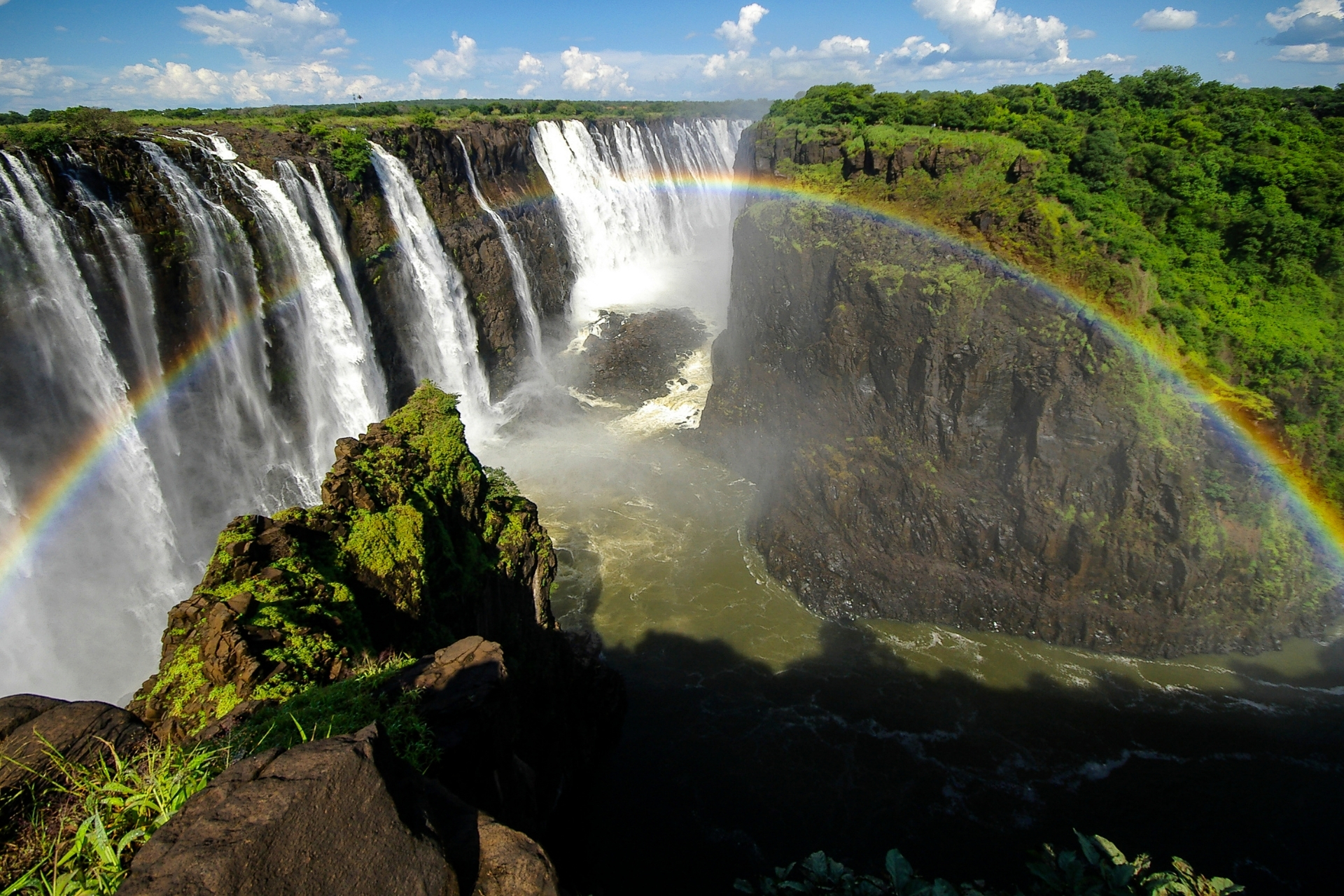
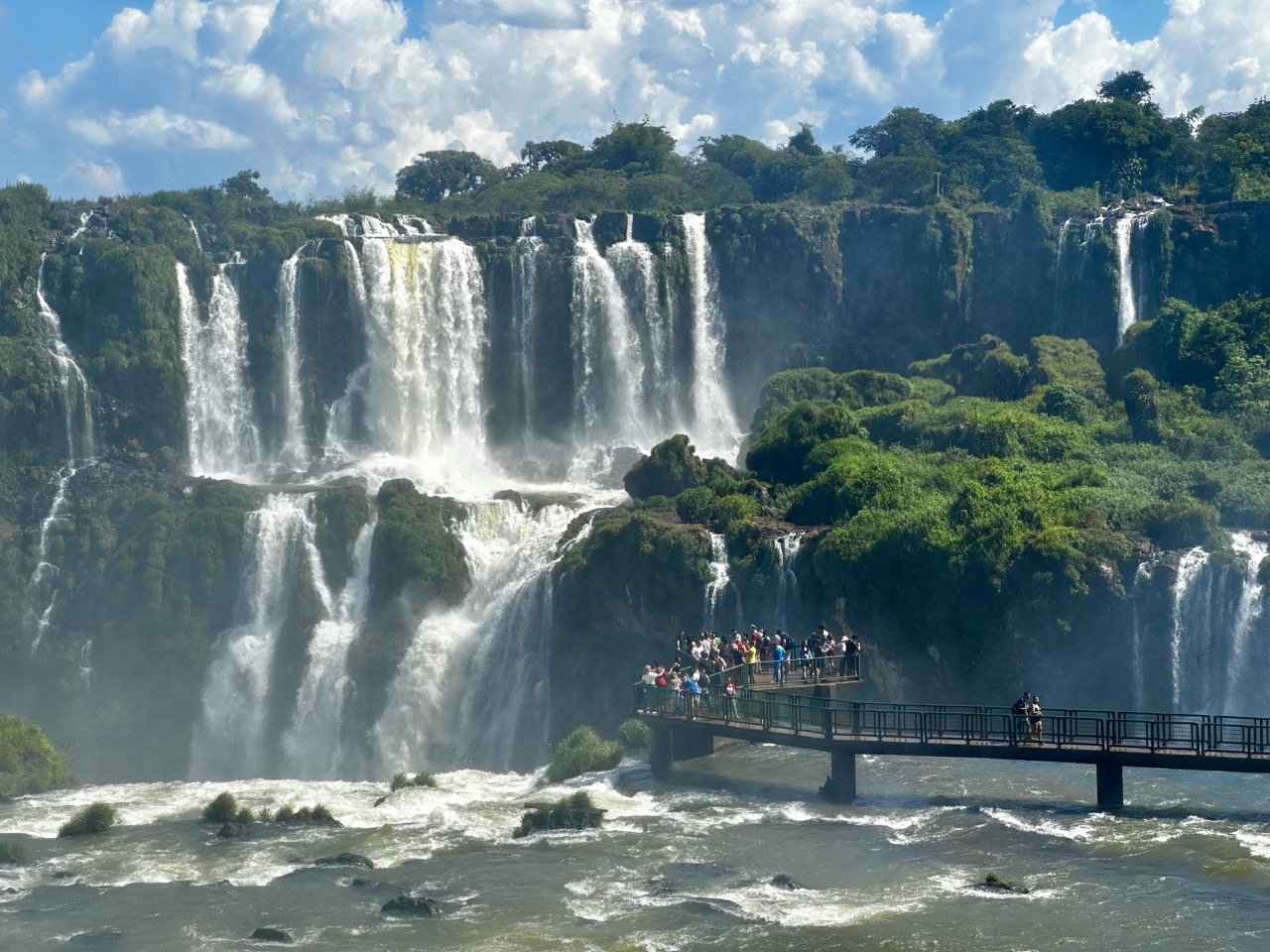
For those craving adrenaline, wildlife, and a quintessential African safari feel, Victoria Falls is your pick, budget around $250-400 USD/day. If you're after a more accessible, grander scale of falls, incredible biodiversity, and a vibrant Latin American blend, Iguazu Falls shines brighter, with daily budgets from $150-300 USD.
- Choose Victoria Falls: Choose Victoria Falls if you're an adventure seeker looking for iconic thrills like bungee jumping or white-water rafting, want easy access to a safari, and don't mind a higher price tag for a more 'bucket list' African experience.
- Choose Iguazu Falls: Opt for Iguazu Falls if you prioritize sheer scale and immersion in nature, love a good hiking trail, prefer a more budget-friendly trip, and want to experience a vibrant cultural crossroads between Brazil and Argentina.
- Choose Both: Doing both is a major undertaking, best suited for a longer, multi-continent trip (3+ weeks) where you can combine South America with Southern Africa. It would require significant travel time and budget, but would offer an unparalleled 'waterfall world tour'.
Quick Comparison
| Category | Victoria Falls | Iguazu Falls | Winner |
|---|---|---|---|
| Costs & Budget | Generally more expensive, especially activities and flights. USD is preferred currency. | More budget-friendly, particularly for accommodations and food; local currencies (ARS/BRL) offer better value. | Iguazu Falls |
| Getting There & Logistics | Requires longer, often more expensive flights, usually connecting via major African hubs. Cross-border travel is straightforward. | Easier and cheaper to reach from major South American cities. Cross-border movement between Argentina and Brazil is seamless. | Iguazu Falls |
| Nature & Wildlife | Classic African big game wildlife (elephants, hippos, crocs) readily available. Iconic Zambezi River ecosystem. | Lush Atlantic Rainforest with incredible biodiversity, diverse birdlife, coatis, and monkeys. | Victoria Falls |
| Activities & Adventure | High-octane adventure capital: bungee jumping, white-water rafting, helicopter rides, Devil's Pool. | Immense network of trails, immersive boat rides into the falls, bird park, and cultural experiences. | Victoria Falls |
| Accommodation | Mix of luxurious colonial hotels, safari lodges, and basic hostels. Can be pricey. | Wide range from luxury resorts to boutique hotels and budget-friendly hostels. More options across price points. | Iguazu Falls |
| Food & Dining | Limited but high-quality international dining options, some local dishes. Higher prices. | Vibrant culinary scene with Argentinian and Brazilian specialties, great value. | Iguazu Falls |
| Safety & Health | Generally safe in tourist areas, but malaria risk exists. Tap water usually not safe. | Safe in tourist zones, urban areas require caution. Dengue risk, tap water generally safe in towns but bottled preferred. | Tie |
| Best Time to Visit | Dry season (June-October) for Devil's Pool/rafting, Wet season (Feb-May) for fullest flow. | Shoulder seasons (March-May, Sept-Nov) offer good weather and fewer crowds. Peak flow is also wet season (Dec-Feb). | Victoria Falls |
| Local Culture & Vibe | Authentic African village feel, strong focus on wildlife and adventure tourism, welcoming locals. | Vibrant blend of Argentinian and Brazilian cultures, lively towns, strong emphasis on nature. | Iguazu Falls |
| Day Trips & Surroundings | Easy access to Chobe National Park (Botswana) for world-class safari. Zambezi River activities. | Triple Frontier, Parque das Aves, Itaipu Dam. Cities offer plenty to explore. | Victoria Falls |
💰 Costs & Budget
Victoria Falls, particularly the Zimbabwe side, tends to be a more premium destination. Park entry is about $50 USD per person. Activities like a helicopter flight over the falls are $150-280 USD, bungee jumping is ~$160 USD, and a decent safari game drive can easily run $80-150 USD. Meals at mid-range restaurants might be $25-50 USD per person. Accommodation, even at mid-tier lodges like Ilala Lodge, starts around $250-400 USD/night. Flights into VFA or LVI are often long and pricy, usually involving a connection through Johannesburg. Conversely, Iguazu Falls offers better value. Park entry is around R$86 (approx. $17 USD) on the Brazilian side and ARS 10,000 (approx. $10-15 USD for foreigners) on the Argentinian side. A fantastic Gran Aventura boat ride is $60-80 USD. Meals in Puerto Iguazú (Argentina) can be as low as ARS 5,000-10,000 ($5-10 USD) for a great steak, while Foz do Iguaçu (Brazil) offers churrascarias for R$80-150 ($16-30 USD). Mid-range hotels are often $80-150 USD/night. 'Iguazu felt way more accessible and I could stretch my pesos way further, especially on the Argentinian side. Victoria Falls was breathtaking, but my wallet definitely felt it more.'
Winner takeaway
- Winner: Iguazu Falls
- Why: Iguazu Falls provides a more accessible and diverse range of budget options for all aspects of a trip, from entry fees to dining.
- Who this matters for: Budget-conscious travelers, backpackers, and families looking for value.
✈️ Getting There & Logistics
Reaching Victoria Falls typically involves a long-haul flight into Johannesburg (JNB) or Addis Ababa (ADD), followed by a regional flight to Victoria Falls Airport (VFA) in Zimbabwe or Livingstone Airport (LVI) in Zambia. A round trip from the US or Europe can easily cost $1500-2500+ USD, with total travel times often exceeding 20-30 hours. Once there, getting around is mostly via hotel shuttles or taxis, costing $20-40 USD for a short ride. Crossing between the Zambian and Zimbabwean sides is easy via the Victoria Falls Bridge, often requiring a KAZA Uni-Visa (approx. $50 USD). For Iguazu, flights are generally cheaper and shorter from major South American hubs like Buenos Aires (EZE/AEP) or São Paulo (GRU). A return flight from Buenos Aires to Puerto Iguazú (IGR) can be as low as $100-200 USD, taking about 2 hours. From Foz do Iguaçu (IGU) in Brazil, similar pricing applies. Internal flights are frequent. Getting between the Argentinian and Brazilian sides is very simple via public bus (R$5-10 / ARS 500-1000, approx. $1-2 USD) or taxi (R$50-80 / ARS 5000-8000, approx. $10-15 USD). 'Flying into Iguazu from Buenos Aires was a breeze, super quick and affordable. Victoria Falls felt like a real journey, though totally worth it for the adventure.'
Winner takeaway
- Winner: Iguazu Falls
- Why: Iguazu Falls is significantly easier, quicker, and more affordable to access from major international gateways, particularly within South America.
- Who this matters for: Travelers with limited time, those combining it with other South American destinations, and budget-conscious flyers.
🦁 Nature & Wildlife
Victoria Falls offers an unparalleled African wildlife experience right on its doorstep. The Zambezi National Park (Zimbabwe) and Mosi-oa-Tunya National Park (Zambia) provide easy access to game drives where you'll almost certainly spot elephants, buffalo, hippos, crocodiles, and various antelope species. The Zambezi River itself is teeming with life, and sunset cruises often provide excellent wildlife viewing opportunities, sometimes even lions. The sheer power of the falls combined with the 'big five' feel makes it iconic. Iguazu Falls, on the other hand, is nestled within the vibrant Atlantic Rainforest, a biodiversity hotspot. While you won't find elephants or lions, you'll be constantly surrounded by a symphony of exotic birds (like toucans and parrots), playful coatis, capuchin monkeys, and an incredible array of butterflies. The Parque das Aves (Bird Park) on the Brazilian side is a fantastic, immersive experience for bird lovers. While beautiful, the wildlife at Iguazu is more about smaller, diverse species within a lush jungle, whereas Victoria Falls offers that classic large African mammal encounter. 'Seeing elephants cross the road near Vic Falls was insane. At Iguazu, it was all about the jungle sounds and those curious coatis, which was cool, but different.'
Winner takeaway
- Winner: Victoria Falls
- Why: Victoria Falls offers the iconic 'big game' African wildlife experience directly alongside the falls, a truly unique combination.
- Who this matters for: Safari enthusiasts, wildlife photographers, and those dreaming of seeing Africa's megafauna.
🎢 Activities & Adventure
Victoria Falls is synonymous with adventure. The iconic bungee jump off the Victoria Falls Bridge (Zambia/Zimbabwe border) is a must for thrill-seekers, offering a 111-meter plunge with the falls as a backdrop. White-water rafting on the Zambezi River is world-class, with Grade 5 rapids that are truly exhilarating. Helicopter flights ('Flight of Angels') provide breathtaking aerial views of the entire falls system. For a seasonal thrill, the Devil's Pool on the Zambian side allows brave souls to swim right to the edge of the falls. Other options include gorge swings, zip lines, and river cruises. Iguazu offers its own brand of adventure, primarily focused on immersive experiences with the falls. The 'Gran Aventura' boat ride (Argentina) or 'Macuco Safari' (Brazil) takes you right into the spray of the falls – a phenomenal, drenching experience. The extensive network of well-maintained trails allows for hours of exploration and different perspectives, including the magnificent Garganta del Diablo (Devil's Throat). While less 'extreme' than Vic Falls, the sheer scale and immersive nature of Iguazu's activities are impressive. 'Vic Falls just kept delivering adventure after adventure. My adrenaline was pumping for days. Iguazu was more about awe and getting totally soaked.'
Winner takeaway
- Winner: Victoria Falls
- Why: Victoria Falls is an undisputed hub for high-adrenaline activities, offering a wider and more extreme range of adventure options.
- Who this matters for: Adrenaline junkies, extreme sports enthusiasts, and those looking for once-in-a-lifetime thrills.
🏨 Accommodation
Victoria Falls offers a distinct range of accommodations. On the Zimbabwean side, you have the iconic, historic Victoria Falls Hotel, a grand colonial-era property (from $500 USD/night), and high-end lodges like Ilala Lodge (from $300 USD/night) which is a short walk to the falls. Budget options are more limited but exist, like Shoestrings Backpackers. Zambia's Livingstone offers similar options, with more resorts along the Zambezi River like The Royal Livingstone Victoria Falls Zambia Hotel (from $450 USD/night). Many options are focused on a safari-lodge experience. Iguazu Falls, spread across two countries, offers a far greater diversity and volume of accommodation. On the Brazilian side, the Belmond Hotel das Cataratas (from $700 USD/night) offers unparalleled access within the park. In Foz do Iguaçu, you'll find numerous mid-range hotels like Hotel das Cataratas (not the Belmond) or San Martin Cataratas Resort (both $100-200 USD/night), plus many hostels. Puerto Iguazú in Argentina boasts charming boutique hotels like La Aldea de la Selva Lodge (from $150 USD/night) and a plethora of budget hostels. The variety and competitive pricing make Iguazu a clear winner here. 'I loved how many cool, affordable hostels and guesthouses I found in Puerto Iguazú. Vic Falls felt like either super fancy or really bare bones, not much in between.'
Winner takeaway
- Winner: Iguazu Falls
- Why: Iguazu Falls provides a significantly broader range of accommodation choices across all budget levels, offering more value and options for travelers.
- Who this matters for: All travelers, but especially those on a budget or looking for specific types of lodging (boutique, resort, hostel).
🍽️ Food & Dining
Dining near Victoria Falls, especially in Zimbabwe, is generally more geared towards international palates at hotel restaurants, which can be pricey. Places like The Boma - Place of Eating offer an immersive cultural dinner show with local dishes like sadza (maize porridge) and game meats (about $50-70 USD per person). Smaller local eateries exist but are less prominent for tourists. Expect to pay $25-50 USD for a decent meal at a mid-range restaurant without drinks. In Livingstone, Zambia, options are similar. Iguazu Falls, on the other hand, benefits from its proximity to major Argentinian and Brazilian towns. Puerto Iguazú (Argentina) is fantastic for Argentinian steak (asados), empanadas, and Malbec wine, with meals often costing ARS 5,000-10,000 ($5-10 USD) for high quality. Foz do Iguaçu (Brazil) offers excellent churrascarias (Brazilian steakhouses) where you can feast for R$80-150 ($16-30 USD) and sample local dishes like feijoada. The variety, quality, and affordability of dining in Iguazu's surrounding towns are superior. 'The food scene in Puerto Iguazú was amazing. So many great steakhouses and empanadas for super cheap. Vic Falls had good food at our lodge, but it felt limited outside of that.'
Winner takeaway
- Winner: Iguazu Falls
- Why: Iguazu Falls boasts a more diverse, authentic, and significantly more affordable culinary landscape influenced by both Argentinian and Brazilian traditions.
- Who this matters for: Foodies, budget travelers who love to eat well, and those seeking local culinary immersion.
🩹 Safety & Health
Both destinations are generally safe for tourists within the main visitor areas and national parks, but require common-sense precautions. Victoria Falls (Zambia/Zimbabwe) is a malaria-risk area, so prophylaxis is highly recommended, especially during the wet season. Crime against tourists is relatively low but pickpocketing or petty theft can occur in town markets. Always use reputable transport. Health infrastructure is basic outside of private clinics. Iguazu Falls (Argentina/Brazil) is in a region with dengue fever, so mosquito repellent is crucial, though malaria risk is low. Urban areas like Foz do Iguaçu and Puerto Iguazú, like any city, can have petty crime, so be aware of your surroundings, especially at night. Tap water in hotels is generally treated, but bottled water is always safer in both locations. Both destinations are well-equipped for first aid within the park boundaries. 'I felt pretty safe in both places, but I was definitely more on guard in the towns around Iguazu. For Vic Falls, my main concern was just the mosquitos and getting my malaria pills right.'
Winner takeaway
- Winner: Tie
- Why: Both destinations offer similar levels of safety for tourists, with specific health considerations (malaria vs. dengue) that balance out.
- Who this matters for: All travelers, especially those with health concerns or traveling with families.
☀️ Best Time to Visit
Victoria Falls has distinct seasons that dramatically alter the experience. The wet season (February-May) sees the falls at their most powerful, creating immense spray that can obscure views but is incredibly awe-inspiring. This is also when the Devil's Pool is closed. The dry season (June-October) offers clearer views of the rock face and allows access to Devil's Pool (usually Sept-Dec, water levels permitting) and provides optimal conditions for white-water rafting as water levels recede. Early dry season (June-August) is often considered ideal, balancing good flow with clearer views and pleasant weather. Iguazu Falls also has seasonal variations, but they are less extreme. The shoulder seasons of March-May and September-November are often ideal, offering comfortable temperatures, manageable humidity, and fewer crowds than the peak summer months (December-February). During the wet season (Dec-Feb), the falls are at their most voluminous, but it can be hot and humid with more rain. The dry season (June-August) has slightly lower water flow but cooler, drier weather. Victoria Falls wins for its distinct and iconic seasonal experiences that cater to different adventure preferences. 'We went to Vic Falls in August and it was perfect – saw the falls clearly and did Devil's Pool. Iguazu in October was also great, less crowded than I expected.'
Winner takeaway
- Winner: Victoria Falls
- Why: Victoria Falls offers more dramatic and distinct seasonal experiences, allowing travelers to tailor their visit to specific activities like Devil's Pool or prime rafting conditions.
- Who this matters for: Adventure seekers, those with specific activity preferences, and photographers chasing specific visual conditions.
🎭 Local Culture & Vibe
Victoria Falls offers a distinct African experience, with the local Tonga and Ndebele cultures evident through craft markets, traditional performances at places like The Boma, and interactions with local guides. The vibe is very much 'African adventure meets natural wonder,' often feeling more isolated and focused purely on the falls and wildlife. It's welcoming but can feel a bit curated for tourists. Iguazu Falls, on the other hand, sits at a vibrant cultural crossroads. On the Argentinian side, Puerto Iguazú has a laid-back, charming small-town feel with excellent Argentinian food and a relaxed pace. On the Brazilian side, Foz do Iguaçu is a bustling city with a diverse population, including significant communities of Lebanese, Chinese, and Paraguayan descent, creating a fascinating cultural mosaic. You can easily cross the border to Ciudad del Este in Paraguay for a true border town experience. This blend of Latin American energy, diverse cuisines, and the vibrant daily life of two countries makes Iguazu a richer cultural experience. 'I loved the vibe in Puerto Iguazú, felt like a real Argentinian town, not just a tourist trap. Foz do Iguaçu was so lively too. Vic Falls was cool, but the cultural stuff felt a bit more 'put on' for visitors.'
Winner takeaway
- Winner: Iguazu Falls
- Why: Iguazu Falls provides a more immersive and diverse cultural experience, allowing travelers to explore the vibrant blend of Argentinian and Brazilian life.
- Who this matters for: Culture enthusiasts, travelers who enjoy exploring local towns, and those seeking a dynamic borderland experience.
🗺️ Day Trips & Surroundings
Victoria Falls serves as an incredible gateway to some of Africa's best wildlife. The most popular day trip is to Chobe National Park in Botswana, just a 1.5-hour drive away. Chobe is renowned for its massive elephant herds and abundant wildlife, offering river cruises and game drives that are easily organized from both the Zambian and Zimbabwean sides of Vic Falls. A Chobe day trip typically costs $150-250 USD, including transfers, park fees, and activities. Other options include visiting local villages, taking a sunset cruise on the Zambezi River, or even multi-day safaris into Hwange National Park (Zimbabwe). The focus is heavily on nature and wildlife extensions. Iguazu Falls also offers compelling excursions. The Parque das Aves (Bird Park) on the Brazilian side is a fantastic, immersive wildlife experience ($15-20 USD entry). The Itaipu Dam, one of the world's largest hydroelectric dams, offers fascinating tours ($10-20 USD). You can visit the 'Triple Frontier' viewpoint where Argentina, Brazil, and Paraguay meet. While interesting, these excursions don't quite match the sheer 'wow' factor and global reputation of a Chobe safari. 'Doing a Chobe day trip from Vic Falls was mind-blowing, saw so many elephants. Iguazu had cool stuff like the bird park, but it wasn't the same level of safari epicness.'
Winner takeaway
- Winner: Victoria Falls
- Why: Victoria Falls wins due to its unparalleled proximity to Chobe National Park, offering a world-class safari day trip that significantly enhances the overall experience.
- Who this matters for: Wildlife lovers, safari enthusiasts, and those looking to combine a waterfall visit with a premier African safari.
❓ Frequently Asked Questions
Which falls are bigger: Victoria Falls or Iguazu Falls?
Iguazu Falls is geographically larger, comprising a network of 275 individual falls stretching nearly 2.7 km (1.7 miles) across. Victoria Falls, while not as wide, is considered the single largest curtain of falling water in the world, with its main curtain over 1.7 km (1 mile) wide and dropping 108 meters (354 feet).
Do I need a visa to visit Victoria Falls (Zambia/Zimbabwe)?
Yes, most nationalities require a visa for Zambia and/or Zimbabwe. The KAZA Uni-Visa (approx. $50 USD) is often recommended as it covers both countries and allows for day trips into Botswana. Always check current visa requirements based on your nationality before traveling.
Do I need a visa to visit Iguazu Falls (Argentina/Brazil)?
Visa requirements depend on your nationality. Many countries, including the US and EU, do not require a visa for tourist visits to Argentina or Brazil. However, always verify the latest entry requirements for both countries well in advance, especially if you plan to visit both sides of the falls.
Is it better to see Iguazu Falls from the Brazilian or Argentinian side?
Most travelers agree that the Argentinian side offers a more immersive experience with extensive walking trails that take you right over and into the falls, allowing for closer views. The Brazilian side provides more panoramic, wide-angle views of the entire system. Ideally, you should visit both sides to get the full perspective.
What's the best currency to use at Victoria Falls?
In Zimbabwe, the USD is widely accepted and often preferred for tourist activities, hotels, and even some restaurants. In Zambia (Livingstone), the local currency is the Zambian Kwacha (ZMW), but USD is also commonly accepted for tourist services. It's always good to have small denominations of USD and some local currency.
What's the best currency to use at Iguazu Falls?
On the Argentinian side, the Argentinian Peso (ARS) is the official currency, but USD is widely accepted and often preferred, especially for larger purchases. On the Brazilian side, the Brazilian Real (BRL) is the currency. It's best to have both local currencies or a travel card that offers good exchange rates.
Is it safe to drink tap water in Victoria Falls or Iguazu Falls?
Generally, it is not recommended to drink tap water directly in either Victoria Falls or Iguazu Falls. While some hotels may filter their water, it's safest to stick to bottled water throughout your trip to avoid any stomach issues. This applies to both sides of the falls at both locations.
Can I do a safari from Victoria Falls?
Absolutely! Victoria Falls is an excellent base for safari adventures. You can take a day trip to Chobe National Park in Botswana, famous for its large elephant populations and river safaris. Multi-day safaris into Hwange National Park in Zimbabwe or Kafue National Park in Zambia can also be arranged.
Ready to plan your unforgettable journey?
Get a free custom itinerary for Victoria Falls, Iguazu Falls, or both — built from real traveler insights and personalized to your unique style.
🎟️ Book Tours & Experiences
Hand-picked tours and activities for both destinations — book with free cancellation
Experiences via Viator — free cancellation on most tours