How we built this comparison
This page combines traveler discussion patterns, published price ranges, flight schedules, and seasonal data to help you decide between Vietnam and Indonesia.
- Reviewed 100+ Reddit threads from r/travel, r/solotravel, r/vietnam, r/bali, and r/indonesia for authentic traveler experiences and advice.
- Verified costs and logistics against current booking platforms (e.g., Agoda, Grab, Google Flights) and recent traveler reports.
- Cross-referenced seasonal patterns and weather data from meteorological sources to provide accurate climate guidance.
⚡ The TL;DR Verdict
For the budget-conscious foodie and history buff seeking immersive experiences, Vietnam is your clear winner with a daily budget of $35-60. If you prioritize stunning beaches, spiritual retreats, and vibrant island nightlife, Indonesia, particularly Bali, beckons, though expect to spend $50-80 daily, potentially more for comfort.
- Choose Vietnam: Go for incredible street food, rich history, diverse landscapes from mountains to deltas, and exceptional value for money. Perfect for backpackers, culture seekers, and culinary adventurers.
- Choose Indonesia: Pick Indonesia for world-class surfing, idyllic islands, volcanic treks, unique Hindu culture (Bali), and a focus on relaxation and spiritual well-being. Ideal for beach lovers, adventure seekers, and those who enjoy a more 'resort-style' backpacking.
- Choose Both: If you have 4-6 weeks and a slightly larger budget, combining both offers an unparalleled Southeast Asian experience. Start with Vietnam's north-to-south journey, then fly to Indonesia for island hopping and relaxation.
Quick Comparison
| Category | Vietnam | Indonesia | Winner |
|---|---|---|---|
| Costs & Budget | Significantly more affordable across the board, from street food to transport and accommodation. | Generally pricier, especially in popular areas like Bali; value can still be found but requires more effort. | Vietnam |
| Food & Culinary Scene | World-renowned street food, incredible variety, fresh ingredients, and distinct regional flavors. | Delicious, hearty food with strong influences from different islands, though less globally recognized. | Vietnam |
| Nature & Landscapes | Dramatic limestone karsts (Ha Long), terraced rice fields (Sapa), vast caves (Phong Nha), and lush deltas. | Volcanic peaks (Bromo, Rinjani), lush rice paddies (Ubud), stunning waterfalls, and diverse marine life. | Tie |
| Beaches & Islands | Decent coastal beaches (Da Nang, Phu Quoc), but generally not the primary draw. | World-class white sand beaches, exceptional diving/snorkeling, and a myriad of diverse islands. | Indonesia |
| Culture & History | Rich imperial history, colonial influences, and a resilient, vibrant national identity. | Diverse island cultures with strong spiritual traditions, particularly Hindu in Bali and ancient temples in Java. | Vietnam |
| Nightlife & Parties | Lively street-side beer culture, busy bars in tourist areas, but less focused on large-scale clubs. | World-famous party scene in Bali (Kuta, Seminyak, Canggu), laid-back island vibes on the Gilis. | Indonesia |
| Getting Around | Excellent network of affordable buses, trains, and Grab; easy to navigate cities. | Scooters are king, but often less public transport; Gojek/Grab widespread but sometimes restricted. | Vietnam |
| Accommodation | Excellent value for money, from high-quality hostels to boutique hotels. | Good range, but quality for price can be hit-or-miss; luxury villas abundant in Bali. | Vietnam |
| Weather & Seasons | Complex regional variations; North has distinct seasons, South is tropical year-round. | Generally tropical climate with distinct wet and dry seasons; consistent heat and humidity. | Tie |
| Solo Travel & Safety | Very safe for solo travelers, easy to meet people, low crime rates (petty theft exists). | Generally safe, especially in popular areas; Bali is very popular for solo travelers, some scams exist. | Vietnam |
💸 Costs & Budget
Vietnam takes the crown for budget travelers. You can easily feast on delicious street food like a Banh Mi for 25,000 VND (~$1 USD) or a bowl of Pho for 40,000-50,000 VND (~$1.60-2 USD). A comfortable hostel bed in Hanoi's Old Quarter or Ho Chi Minh City can be found for $8-15 USD, while a nice private room in a guesthouse often runs $25-40 USD. Local transport via Grab (ride-sharing app) is incredibly cheap, with short rides costing as little as 30,000 VND (~$1.20 USD). Entry fees for major attractions like the Imperial City in Hue (200,000 VND / ~$8 USD) are reasonable. In Indonesia, particularly Bali, costs can quickly add up. A decent meal in a touristy area might be 70,000-150,000 IDR (~$4.50-10 USD). Hostel beds range from $10-25 USD, and mid-range private rooms start at $40-70 USD. Transport via Gojek/Grab is common but often subject to 'local taxi mafia' restrictions in certain areas, pushing up prices. Attractions like the Monkey Forest in Ubud cost 85,000 IDR (~$5.50 USD). While you can still travel cheaply in Indonesia, especially outside Bali, Vietnam offers consistent, undeniable value. As one Redditor put it, "In Vietnam, I felt like a king on a backpacker budget. In Bali, my dollars stretched, but not nearly as far."
Winner takeaway
- Winner: Vietnam
- Why: Vietnam consistently offers better value for money across food, accommodation, and transportation, making your budget stretch further.
- Who this matters for: Budget backpackers, long-term travelers, and those who want to experience local life without breaking the bank.
🍜 Food & Culinary Scene
Vietnam's food scene is a culinary paradise, period. From the iconic Pho (noodle soup) to Banh Mi (baguette sandwich) and Bun Cha (grilled pork with noodles), every corner offers an explosion of flavors. Hanoi is famous for its street food tours, where you can sample dozens of dishes for a mere $20-30 USD. Don't miss Egg Coffee at Cafe Giang (Hanoi) for 30,000 VND (~$1.20) or the fresh spring rolls at Madam Khanh - The Banh Mi Queen (Hoi An) for 20,000 VND (~$0.80). The freshness of ingredients and the balance of sweet, sour, salty, and spicy are unparalleled. Indonesia also boasts incredible food, with staples like Nasi Goreng (fried rice), Mie Goreng (fried noodles), and Satay (grilled skewers). Balinese specialities like Babi Guling (suckling pig) or Betutu (slow-cooked chicken/duck) are must-tries, but often found in specific warungs (local eateries) rather than ubiquitous street stalls. A good Babi Guling meal at Warung Babi Guling Pak Malen in Seminyak might cost 50,000 IDR (~$3.20). While delicious, Indonesian food can sometimes be heavier and less diverse in its widespread street offerings compared to Vietnam. "Vietnam's street food game is just on another level. I could eat something different and amazing every single meal for weeks," a traveler confessed on r/travel.
Winner takeaway
- Winner: Vietnam
- Why: Vietnam offers a more diverse, globally acclaimed, and accessible street food scene with incredible flavors and value.
- Who this matters for: Foodies, culinary adventurers, and anyone who loves eating authentic, affordable local cuisine.
⛰️ Nature & Landscapes
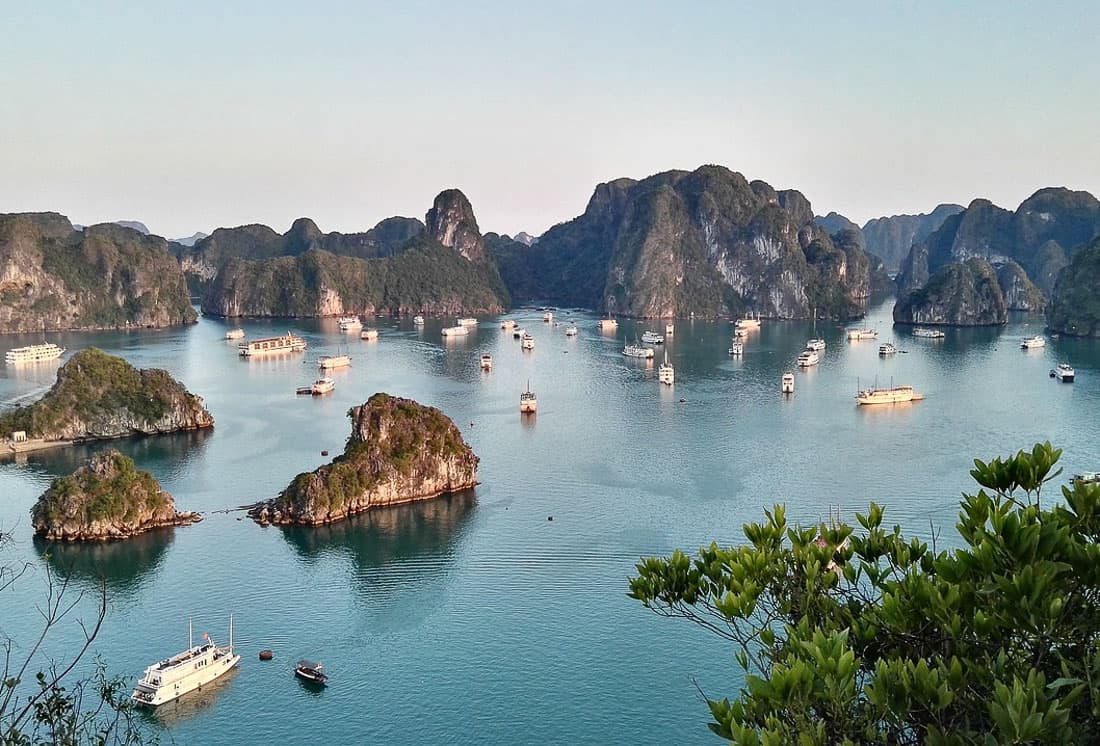
This category is a tough call as both countries offer breathtaking natural beauty. Vietnam stuns with its iconic Ha Long Bay (or the quieter Lan Ha Bay), where emerald waters meet thousands of towering limestone islets. A 2-day/1-night cruise typically costs $120-250 USD, offering kayaking and cave exploration. The terraced rice fields of Sapa (trekking tours ~$30-60 USD/day) and the colossal caves of Phong Nha-Ke Bang National Park (Paradise Cave entry 250,000 VND / ~$10 USD) are also truly world-class. Vietnam's landscapes are often dramatic and ancient, reflecting millennia of geological formation. Indonesia, on the other hand, is a land of volcanoes and lush tropical forests. Mount Bromo on Java offers an ethereal sunrise experience (tour ~$50-100 USD from Yogyakarta), while the trekking up Mount Rinjani on Lombok is a multi-day challenge. Bali's iconic Tegalalang Rice Terraces (entrance 25,000 IDR / ~$1.60) are postcard-perfect, and the waterfalls like Sekumpul (entrance 20,000 IDR / ~$1.30) are stunning. Indonesia's nature often feels more 'active' and tropical, with volcanoes, dense jungles, and pristine marine environments. "Honestly, you can't go wrong with either for nature. Vietnam has the epic karsts and caves, Indonesia has the volcanoes and crazy marine life. It just depends what you're into more," a seasoned backpacker noted.
Winner takeaway
- Winner: Tie
- Why: Both countries offer distinct yet equally stunning natural wonders, catering to different preferences for geological formations, tropical environments, and marine ecosystems.
- Who this matters for: Adventure seekers, photographers, hikers, and anyone who loves exploring diverse natural environments.
🏖️ Beaches & Islands
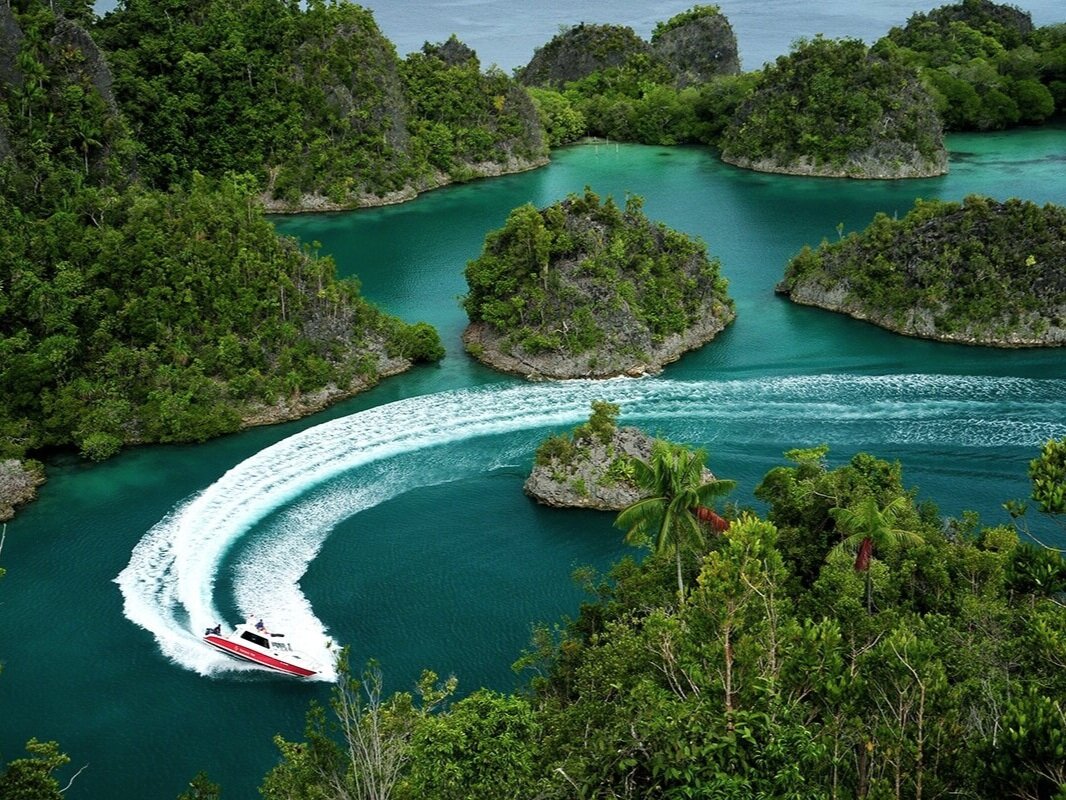
Indonesia is a beach and island paradise, making it the undisputed winner here. Bali alone offers a range of beaches from the vibrant surf breaks of Canggu and Seminyak to the calmer white sands of Nusa Dua. But beyond Bali, you have the stunning Gili Islands (Trawangan, Meno, Air) with their car-free charm and incredible snorkeling right off the shore, Lombok's pristine southern beaches, and the jaw-dropping Komodo National Park (Flores) where you can swim with manta rays and visit pink beaches. A boat trip to Komodo National Park from Labuan Bajo can cost $80-150 USD for a day trip. The marine biodiversity for diving and snorkeling around Raja Ampat, Komodo, and the Gilis is world-renowned. Vietnam has some nice beaches, particularly around Da Nang, Nha Trang, and the island of Phu Quoc. Long Beach on Phu Quoc is pleasant, but lacks the dramatic beauty or vibrant underwater life of Indonesia. A day trip to a Phu Quoc island for snorkeling might cost $20-40 USD. While fine for a relaxing day, they rarely inspire the same awe or offer the same activity range as their Indonesian counterparts. "Indonesia's beaches are just unreal. Spent a week hopping between the Gilis and Nusa Islands, and every day was a postcard. Vietnam's beaches are nice, but not a reason to go there," shared one Redditor.
Winner takeaway
- Winner: Indonesia
- Why: Indonesia boasts a far greater quantity and quality of world-class beaches and islands, offering superior snorkeling, diving, and island-hopping experiences.
- Who this matters for: Beach lovers, surfers, divers, honeymooners, and anyone seeking idyllic tropical island escapes.
🏯 Culture & History
Vietnam's history is incredibly rich and palpable, from ancient empires to recent wars, making it a powerful winner for culture and history buffs. Ho Chi Minh City offers the War Remnants Museum (entry 40,000 VND / ~$1.60) and Cu Chi Tunnels (entry 110,000 VND / ~$4.40), providing raw insights into the Vietnam War. Hanoi's Old Quarter, Temple of Literature (entry 30,000 VND / ~$1.20), and Ho Chi Minh Mausoleum offer glimpses into imperial and revolutionary history. The ancient city of Hoi An (entry 120,000 VND / ~$4.80) with its lantern-lit streets and UNESCO-listed architecture, and the Imperial City of Hue (entry 200,000 VND / ~$8) are living museums. The cultural resilience and traditions, from water puppet shows to traditional crafts, are deeply interwoven into daily life. Indonesia's cultural offerings are equally profound but different. Bali, with its unique Hindu-Balinese traditions, offers vibrant ceremonies, intricate temples like Uluwatu (entry 50,000 IDR / ~$3.20) and Tanah Lot (entry 60,000 IDR / ~$3.80), and captivating dance performances (Kecak dance at Uluwatu ~150,000 IDR / ~$9.70). Java is home to the majestic Borobudur (entry for foreigners ~$25 USD) and Prambanan (entry for foreigners ~$25 USD) temples, both UNESCO World Heritage sites. While Indonesia's cultural depth is undeniable, Vietnam's historical narrative feels more cohesive and accessible for travelers to understand the country's journey. "Vietnam's history just hits different. You feel the weight of it in every city, from the ancient ruins to the war museums. Bali's culture is beautiful, but it's a different kind of immersion," shared a history enthusiast.
Winner takeaway
- Winner: Vietnam
- Why: Vietnam offers a more tangible and accessible historical narrative, from ancient empires to modern conflicts, creating a deeply immersive cultural experience.
- Who this matters for: History buffs, culture seekers, and those interested in understanding complex national identities.
🎉 Nightlife & Parties
If you're looking to party, Indonesia, specifically Bali, is your go-to. Kuta, Seminyak, and especially Canggu offer a vibrant and diverse nightlife scene, from pulsating nightclubs like La Favela (Seminyak) and Atlas Beach Fest (Canggu) to trendy beach clubs such as Finns Beach Club (Canggu) and Potato Head (Seminyak), where cocktails can range from 120,000-200,000 IDR (~$8-13 USD). The Gili Islands, particularly Gili Trawangan, also have a lively backpacker party scene with beach bars and full moon parties. Vietnam's nightlife is more about local experiences and bustling street scenes. Bui Vien Walking Street in Ho Chi Minh City is famous for its cheap 'Bia Hoi' (fresh beer for ~10,000 VND / ~$0.40) and lively atmosphere, with numerous bars and pubs. Hanoi's Old Quarter also has its 'Beer Corner' where locals and tourists gather on plastic stools. While there are some clubs in major cities, they don't quite match the scale or international reputation of Bali's party scene. The focus is more on social drinking, live music in smaller venues, and people-watching. "For actual clubbing and big parties, Bali runs circles around Vietnam. Bui Vien is fun for a night, but Canggu goes off every single night," a party-goer commented on Reddit.
Winner takeaway
- Winner: Indonesia
- Why: Indonesia, particularly Bali, offers a more established, diverse, and internationally renowned nightlife and party scene with large clubs and beach festivals.
- Who this matters for: Party-goers, clubbers, young backpackers, and those seeking a vibrant social scene after dark.
🛵 Getting Around
Vietnam makes getting around incredibly easy and affordable. Major cities are well-connected by an efficient and budget-friendly bus system (e.g., overnight sleeper buses from Hanoi to Sapa for 200,000-300,000 VND / ~$8-12 USD) and a decent train network. For shorter distances or within cities, Grab (ride-hailing app for cars and motorbikes) is ubiquitous and very cheap, with rides usually costing $1-5 USD. Renting a scooter is also popular, costing around 100,000-150,000 VND (~$4-6 USD) per day. The roads, while busy, are generally manageable. Indonesia relies heavily on scooters, especially in tourist hubs like Bali, where daily rentals are 60,000-100,000 IDR (~$4-6.50 USD). Gojek and Grab are widely available but face challenges from local taxi services, sometimes making pick-ups difficult or more expensive in certain areas. Inter-island travel typically requires domestic flights or ferries. While domestic flights are affordable (e.g., Bali to Yogyakarta for $40-80 USD), ground transport between major points can be less structured and more time-consuming than in Vietnam. "Vietnam's Grab app is a lifesaver. Never had to haggle, and it was ridiculously cheap for everything. Indonesia felt a bit more chaotic getting around without a scooter," a solo traveler observed.
Winner takeaway
- Winner: Vietnam
- Why: Vietnam offers a more comprehensive, affordable, and easily navigable public transport system and ride-hailing services, making travel between and within cities seamless.
- Who this matters for: Budget travelers, those uncomfortable on scooters, and travelers who prefer structured, easy-to-book transport options.
🏨 Accommodation
Vietnam offers exceptional value for accommodation at every budget level. High-quality hostels with private pods, free breakfast, and great social vibes can be found for $8-15 USD a night (e.g., Little Charm Hostel in Hanoi). Mid-range boutique hotels with swimming pools and excellent service often cost $30-60 USD, even in prime locations. Luxury options are also significantly cheaper than in many other countries. You consistently get more for your money in Vietnam. Indonesia has a vast range of accommodation, from basic homestays to ultra-luxurious villas, especially in Bali. Hostel prices are comparable ($10-25 USD), but mid-range hotels ($40-80 USD) might offer slightly less polish for the same price compared to Vietnam. The real draw in Indonesia, particularly Bali, is the abundance of stunning private villas with pools, which can be surprisingly affordable if splitting with a group (e.g., a nice 2-bedroom villa for $100-200 USD/night). However, for solo travelers or couples looking for mid-range comfort and value, Vietnam generally comes out on top. "I was blown away by the hostels in Vietnam – felt like I was staying in a boutique hotel for $12 a night. Bali's hostels were fine, but not the same 'wow' factor for the price," a backpacker recalled.
Winner takeaway
- Winner: Vietnam
- Why: Vietnam consistently provides higher quality and better value accommodation options across all budget ranges, from hostels to boutique hotels.
- Who this matters for: Budget-conscious travelers, backpackers, and those seeking comfortable mid-range stays without splurging.
☀️ Weather & Seasons
Both countries have complex weather patterns, making it a tie as the 'best' depends entirely on when and where you travel. Vietnam's weather varies significantly by region. The North (Hanoi, Sapa, Ha Long Bay) experiences four distinct seasons, with cool, dry winters (Nov-Feb, 15-20°C) and hot, humid summers (May-Sept, 30-35°C). Central Vietnam (Hue, Da Nang, Hoi An) has dry, warm weather from Jan-Aug and a rainy season with potential typhoons from Sept-Dec. The South (Ho Chi Minh City, Phu Quoc) is tropical year-round, with a dry season from Nov-April (25-30°C) and a wet season from May-Oct. Indonesia, being equatorial, has a more consistent tropical climate across its islands, primarily defined by wet (Nov-April) and dry (May-Oct) seasons, with average temperatures around 28-32°C and high humidity. The dry season (May-Oct) is generally considered the best time to visit most of Indonesia, offering sunny days perfect for beaches and outdoor activities. However, even in the wet season, rain typically comes in short, heavy bursts, and bright periods are still common. "Choosing between them based on weather is a headache, honestly. Vietnam's north can be chilly when Bali is sunny, or the other way around. You really need to check specific regions for your travel dates," advised a traveler.
Winner takeaway
- Winner: Tie
- Why: Both countries present unique seasonal challenges and advantages depending on the specific region and time of year, requiring careful planning rather than a clear 'winner'.
- Who this matters for: Travelers with fixed travel dates, those sensitive to extreme heat or rain, and anyone planning activities like trekking or beach holidays.
🚶♀️ Solo Travel & Safety
Vietnam is an incredibly safe and welcoming destination for solo travelers. Petty theft (like bag snatching from motorbikes) can occur in big cities like HCMC, but violent crime against tourists is rare. Locals are generally helpful and friendly, and it's easy to meet other travelers in hostels or on tours. The well-established backpacker trail and efficient transport make solo navigation a breeze. You'll often find yourself sharing meals or experiences with new friends. "As a solo female traveler, I felt incredibly safe in Vietnam, even walking alone at night in most places. People were always looking out," recounted a Redditor. Indonesia is also generally safe for solo travelers, particularly Bali, which is a huge hub for solo female travelers and digital nomads. However, scooter accidents are a common concern, and some areas in Bali (like Kuta) can have more aggressive touts or instances of drink spiking. Scams, especially around money exchange or taxi services, are also more prevalent in some Indonesian tourist areas. While both countries are excellent for solo adventurers, Vietnam's slightly lower prevalence of tourist-targeted scams and the ease of getting around without relying on scooters or haggling gives it a slight edge in terms of perceived safety and simplicity for the solo explorer.
Winner takeaway
- Winner: Vietnam
- Why: Vietnam offers an extremely safe and straightforward solo travel experience with minimal scams and easy navigation, fostering a strong sense of security.
- Who this matters for: Solo travelers (especially solo female travelers), first-time international travelers, and those prioritizing a hassle-free and secure experience.
❓ Frequently Asked Questions
Which is better for a first-time Southeast Asia trip?
Vietnam often gets the nod for first-timers due to its excellent infrastructure, incredibly affordable prices, and clear backpacker trail from North to South. It's easy to navigate, communicate, and enjoy diverse experiences without much hassle, making it a gentle introduction to the region.
How long should I plan for each country?
For a comprehensive trip, aim for at least 2-3 weeks in Vietnam to cover the major highlights from Hanoi to HCMC. For Indonesia, 2 weeks is a good minimum to explore Bali and perhaps one other island like Lombok or a Nusa. If you want to do both, allocate 4-6 weeks.
Is English widely spoken in either country?
In both countries, English is widely spoken in tourist areas, hotels, and by tour operators. However, outside of these areas, communication can be challenging, especially in rural parts. Having a translation app like Google Translate is highly recommended for both.
Which country is better for adventure activities?
Indonesia, particularly with its volcanic treks (Mount Bromo, Rinjani), world-class surfing (Bali, Lombok), and exceptional diving/snorkeling, offers a slightly broader range of high-adrenaline adventure sports. Vietnam excels in caving (Phong Nha) and trekking (Sapa) but less so in water sports like surfing.
What's the visa situation like for Western tourists?
For Vietnam, many nationalities (including US, UK, EU) require an e-visa in advance, which is straightforward to obtain online and typically valid for 30 days. For Indonesia, many nationalities (including US, UK, EU) can enter visa-free for 30 days (though this often requires paying for a 'Visa on Arrival' or VOA at the airport for specific purposes and extensions). Always check the latest requirements for your nationality before travel.
Which has better options for vegetarians/vegans?
Both countries have growing vegetarian/vegan scenes, especially in tourist areas. Vietnam offers delicious 'com chay' (vegetarian rice dishes) and 'pho chay', and many restaurants cater to dietary needs. Bali, with its health-conscious tourist demographic, has an abundance of dedicated vegan and vegetarian cafes and restaurants, arguably making it slightly easier for dedicated plant-based eaters.
Are they good for family travel with kids?
Both can be excellent for families. Vietnam offers engaging historical sites, safe cities, and diverse activities like water puppet shows and lantern making in Hoi An. Indonesia, especially Bali, is incredibly family-friendly with resorts catering to kids, beautiful beaches, and activities like monkey forests and water parks. It largely depends on the family's interests, but Bali might have a slight edge for resort-style family holidays.
What's the internet and digital nomad scene like?
Both have strong internet infrastructure in major cities and tourist hubs. Vietnam offers fast, cheap SIM cards and reliable Wi-Fi, with a growing number of co-working spaces in Hanoi and HCMC. Indonesia, particularly Bali (Canggu, Ubud), is a world-renowned digital nomad hotspot with a huge community, numerous co-working spaces, and cafes with excellent Wi-Fi, making it the clear winner for digital nomads seeking community and infrastructure.
Ready to plan your Southeast Asia trip?
Get a free custom itinerary for Vietnam, Indonesia, or both — built from real traveler insights.
🎟️ Book Tours & Experiences
Hand-picked tours and activities for both destinations — book with free cancellation
Experiences via Viator — free cancellation on most tours