How we built this comparison
This page combines traveler discussion patterns, published price ranges, flight schedules, and seasonal data to help you decide between Vietnam and Malaysia.
- Reviewed 100+ Reddit threads from r/travel, r/solotravel, r/vietnam, r/malaysia, etc.
- Verified costs and logistics against current booking platforms (Booking.com, Grab, 12GoAsia)
- Cross-referenced seasonal patterns and weather data for optimal travel timing.
⚡ Quick Answers
⚡ The TL;DR Verdict
For most travelers seeking adventure, lower costs, and a deeply immersive cultural experience, Vietnam is the top pick. Budget travelers will find their money stretches further, allowing for more experiences. Malaysia caters to those preferring modern infrastructure, specific natural attractions, and a slightly more relaxed pace with diverse cultural influences.
- Choose Vietnam: If you are a budget-conscious backpacker, a food enthusiast, or someone seeking historical depth and bustling local life, Vietnam offers more.
- Choose Malaysia: If you prioritize modern amenities, diverse natural parks, island relaxation, and specific cultural blends, Malaysia is a strong contender.
- Choose Both: With 3-4 weeks, you can experience highlights of both countries. Fly into Hanoi, travel south through Vietnam, then fly from Ho Chi Minh City to Kuala Lumpur or Penang for a varied journey.
Choose Vietnam
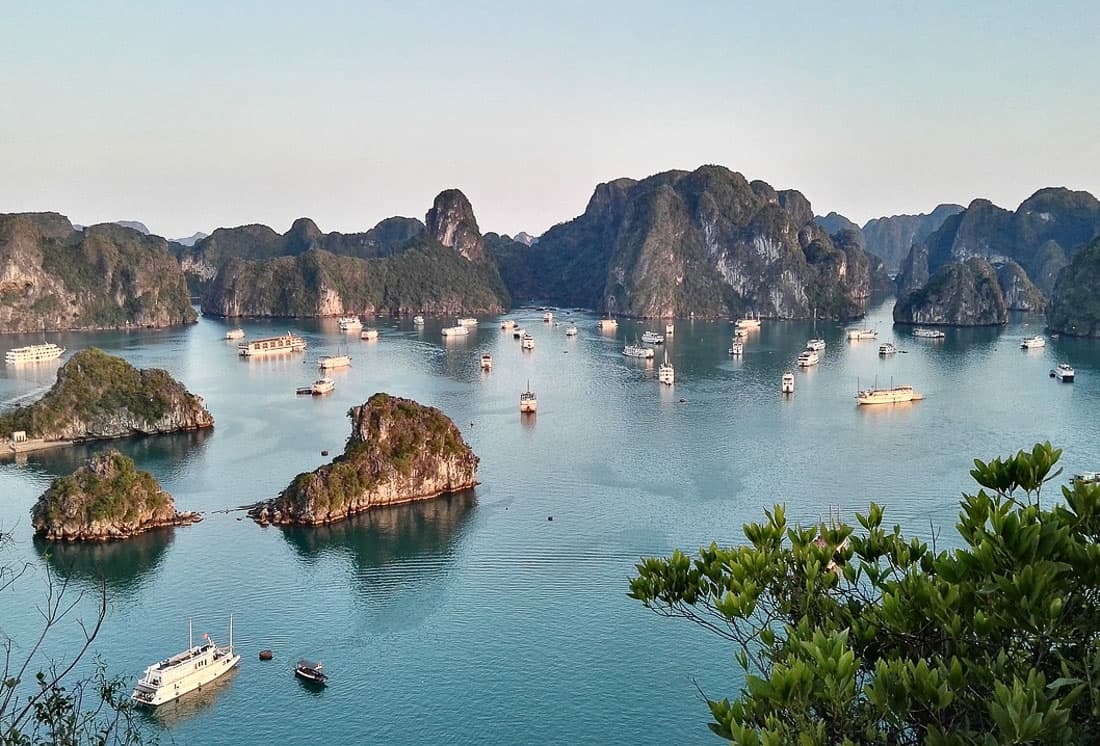
Choose Vietnam if you're a budget-conscious adventurer yearning for deep cultural immersion and unforgettable culinary journeys. Navigate the bustling street food scene of Hanoi's Old Quarter, cruise through the majestic Halong Bay, or explore the historical charm of Hoi An. It's truly best for those who thrive amidst vibrant local life and want their travel budget to go further for authentic experiences.
Choose Malaysia
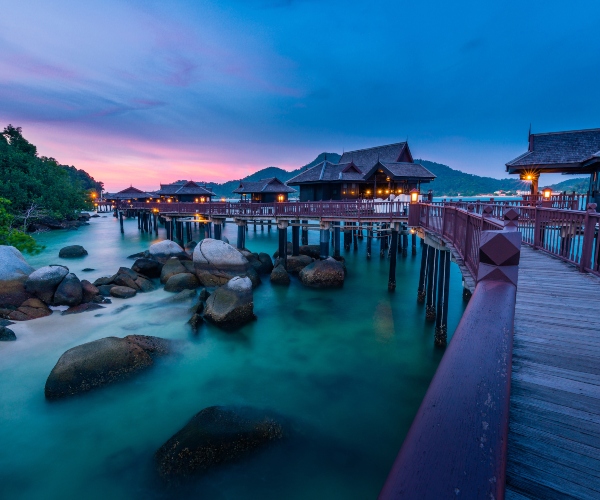
Choose Malaysia for a seamless blend of modern amenities, stunning natural landscapes, and diverse cultural influences, ideal for families or those seeking specific adventures. Marvel at Kuala Lumpur's iconic Petronas Towers, unwind on the pristine beaches of the Perhentian Islands, or encounter unique wildlife in Borneo's lush rainforests. It's perfect for travelers who appreciate excellent infrastructure, diverse attractions, and a slightly more relaxed pace.
📊 Visual Scorecard
🌤 When to Visit
Average high temperatures (°C). Green = best months, orange = avoid.
Quick Comparison
| Category | Vietnam | Malaysia | Winner |
|---|---|---|---|
| Costs & Budget | Significantly more affordable across accommodation, food, and transport. Daily budgets typically $40-70 USD. | Generally higher costs for accommodation and activities. Daily budgets typically $50-90 USD. | Vietnam |
| Food Scene | Fresh, herb-heavy, distinct flavors. Street food is abundant, cheap, and a cultural experience. | Diverse culinary influences from Malay, Chinese, Indian cultures. Offers a complex range of dishes. | Vietnam |
| Culture & History | Deep history with ancient temples, colonial architecture, and significant war memorials. Strong national identity. | Rich cultural diversity from Malay, Chinese, Indian, and indigenous groups. More recent history focus with colonial past. | Vietnam |
| Nature & Outdoors | Dramatic karst landscapes, terraced rice fields, caves, and national parks. Halong Bay is a major draw. | Lush rainforests, extensive national parks, significant wildlife, and impressive cave systems. | Malaysia |
| Beaches & Islands | Long coastlines with popular beaches like Phu Quoc and Mui Ne. Some good but not exceptional. Water quality can vary. | Several island groups with clear waters and coral reefs. Langkawi, Perhentian Islands, Tioman are prominent. | Malaysia |
| Nightlife | Energetic, varied nightlife from beer gardens to rooftop bars. Particularly lively in major cities. | More subdued in general due to religious conservatism, but Kuala Lumpur has modern bars and clubs. | Vietnam |
| Getting Around | Motorbikes are dominant; Grab ride-hailing is cheap. Sleeper buses and trains connect cities efficiently. | Good public transport in KL, buses connect cities. Ride-hailing (Grab) is widespread and affordable. | Vietnam |
| Accommodation | Abundant, affordable guesthouses, hostels, and boutique hotels. Homestays in rural areas. | Modern hotels, budget hostels, and resorts. Generally higher price points for similar quality. | Vietnam |
| Safety | Generally safe, but petty theft (snatch-and-grab) is common in cities. Traffic is a significant hazard. | Very safe, especially for solo female travelers. Low crime rates. Traffic is less chaotic than Vietnam. | Malaysia |
| Solo Travel | Easy to meet people, extensive backpacker trail, affordable. Can be overwhelming at times. | Very safe, good infrastructure, but perhaps less of a defined backpacker trail. Easier for independent exploration. | Vietnam |
💸 Costs & Budget
Vietnam stands out for its low daily costs, making it a favorite for budget travelers and those extending their trips. A decent private room in a guesthouse often costs $15-25…
Vietnam
Malaysia
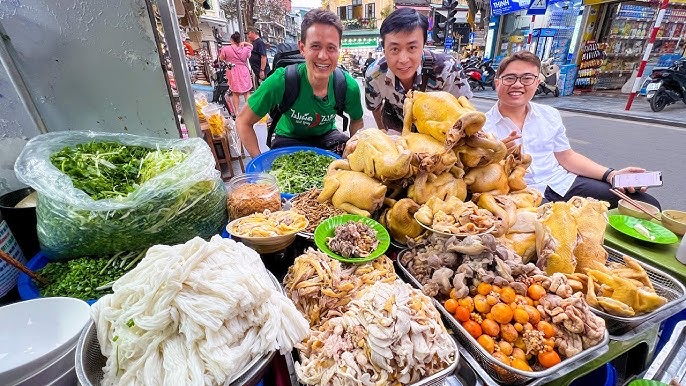
Vietnam stands out for its low daily costs, making it a favorite for budget travelers and those extending their trips. A decent private room in a guesthouse often costs $15-25 USD, while street food meals are $1.50-3 USD. Local transport like a Grab bike is cheap, and long-distance sleeper buses or trains are economical, e.g., Hanoi to Hue for 300,000-450,000 VND ($12-18 USD). Activities like entry to historical sites are usually under $5 USD. You can manage a comfortable budget of $40-70 USD per day here, including some tours and occasional nicer meals, or even lower for strict backpackers.
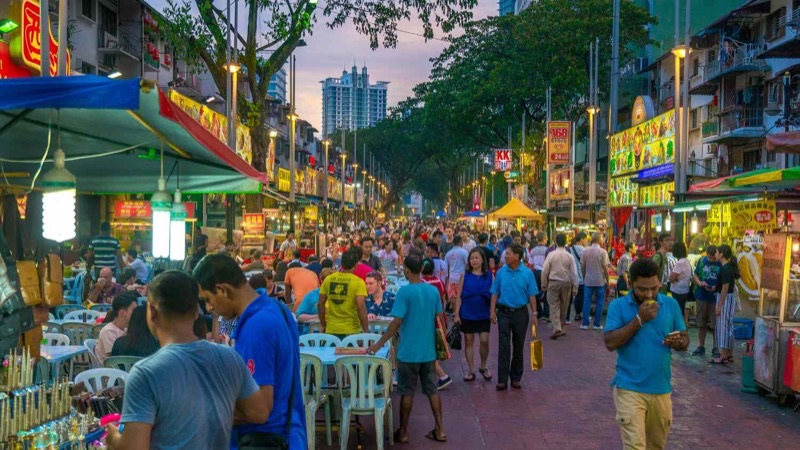
Malaysia, while still affordable by Western standards, has a higher price floor than Vietnam. A mid-range hotel room often starts at $30-50 USD, and hawker center meals are $3-6 USD. Specific attractions like the Petronas Towers Skybridge cost 80 MYR ($17 USD) for non-Malaysians, and national park entry fees can add up. Intercity travel, such as a bus from Kuala Lumpur to Penang, costs around 40-50 MYR ($8-11 USD). A daily budget of $50-90 USD is more realistic for comfortable travel, though backpackers might scrape by on $40-50 USD with careful planning.
Tabiji Verdict: Vietnam provides a noticeably better value for money for nearly every type of traveler.
- Winner: Vietnam
- Why: Vietnam offers lower prices for accommodation, food, and local experiences, allowing budgets to stretch further.
- Who this matters for: Budget travelers, long-term travelers, and those who want more experiences for less money.
🍜 Food Scene
Vietnam offers a culinary journey focused on fresh ingredients, herbs, and balanced flavors. Street food is king here, providing incredible value. In Hanoi, explore the Old…
Vietnam
Malaysia
Vietnam offers a culinary journey focused on fresh ingredients, herbs, and balanced flavors. Street food is king here, providing incredible value. In Hanoi, explore the Old Quarter for iconic dishes like Pho Bo (beef noodle soup) for 35,000-50,000 VND ($1.50-2.20 USD) or Bun Cha (grilled pork with noodles) for 40,000-60,000 VND ($1.70-2.60 USD). Ho Chi Minh City provides Banh Mi (Vietnamese baguette sandwich) for 20,000-35,000 VND ($0.80-1.50 USD) at stalls like Banh Mi Huynh Hoa. Beyond street stalls, local restaurants offer diverse regional specialties. Expect to spend $10-20 USD per person per day on food, eating well. Cooking classes, like those in Hoi An, are popular for learning to prepare local dishes such as fresh spring rolls and Cao Lau.
Malaysia presents a complex array of dishes influenced by Malay, Chinese, and Indian traditions. This means diverse flavors, from spicy curries to savory noodles. Penang is often considered the food capital, with hawker centers like Gurney Drive and Chulia Street offering Char Kuey Teow (stir-fried flat noodles) for 7-12 MYR ($1.50-2.60 USD) and Assam Laksa (sour fish noodle soup) for 8-15 MYR ($1.70-3.30 USD). Kuala Lumpur provides upscale dining and street food at Jalan Alor, where Nasi Lemak (coconut rice) can be found for 5-10 MYR ($1.10-2.20 USD). Indian Muslim mamak stalls are open late for Roti Canai. Expect daily food costs to be around $15-30 USD per person, slightly higher than Vietnam due to a generally higher cost of living and potentially more diverse mid-range restaurant options.
Tabiji Verdict: For sheer variety, low cost, and a distinct culinary identity, Vietnam offers a more impactful food experience for most travelers.
- Winner: Vietnam
- Why: Vietnam's street food culture is more pervasive, cheaper, and offers a more distinct regional identity.
- Who this matters for: Foodies, budget travelers, and those looking for an immersive eating experience.
🏛️ Culture & History
Vietnam's history is long and often turbulent, leaving behind countless sites. In Hanoi, explore the Temple of Literature, Hoa Lo Prison, and the Ho Chi Minh Mausoleum. Hue offers…
Vietnam
Malaysia
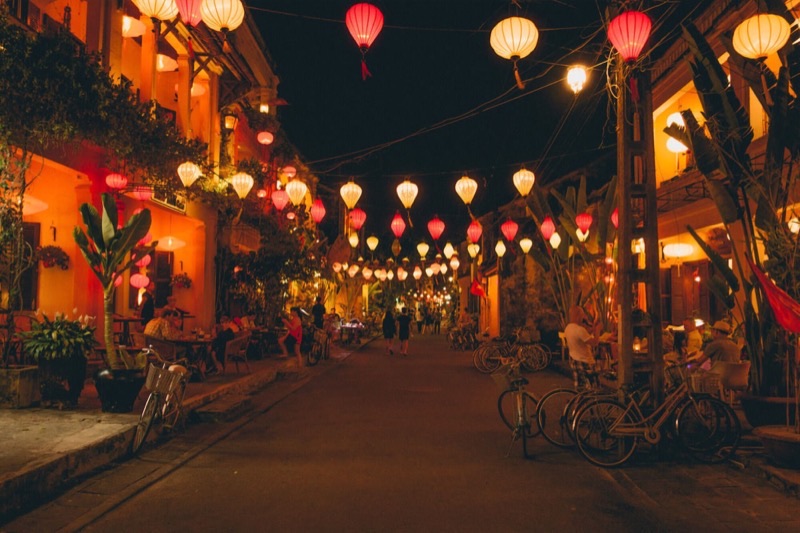
Vietnam's history is long and often turbulent, leaving behind countless sites. In Hanoi, explore the Temple of Literature, Hoa Lo Prison, and the Ho Chi Minh Mausoleum. Hue offers the Imperial City and royal tombs, like the Tomb of Khai Dinh. Hoi An preserves an ancient trading port with Japanese Covered Bridge and Chinese assembly halls. The War Remnants Museum in Ho Chi Minh City provides a stark look at the Vietnam War. These sites offer direct engagement with a nation's story, reflecting its struggles and resilience. Entrance fees for major sites are typically 30,000-150,000 VND ($1.20-6 USD).
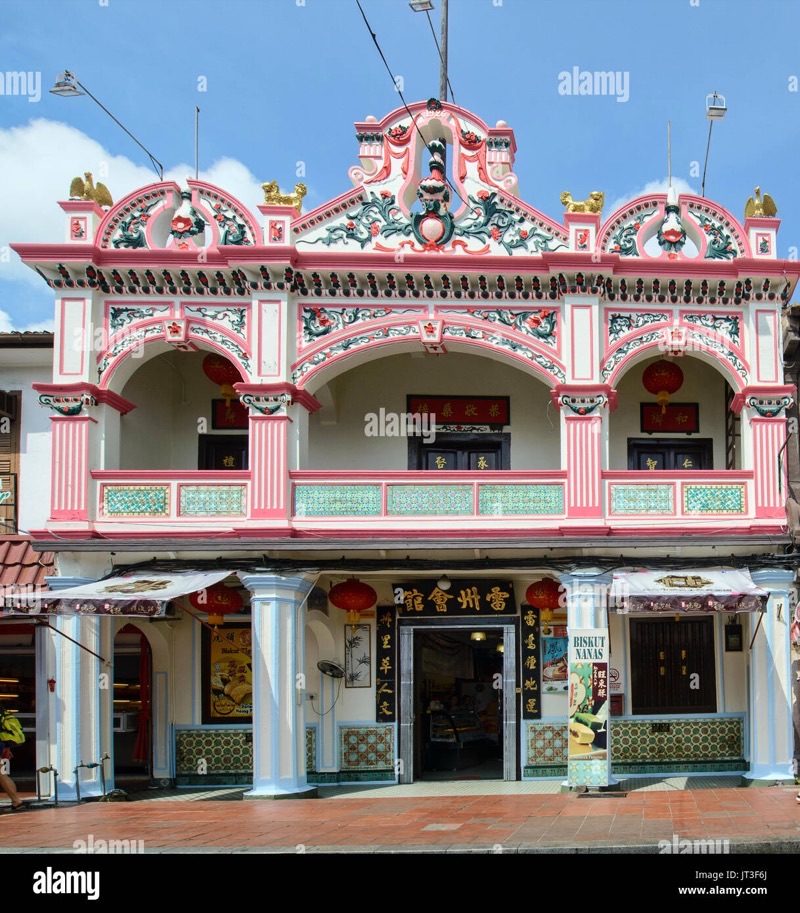
Malaysia's history is marked by trade, sultanates, and colonial influence. Malacca is a UNESCO site with Portuguese, Dutch, and British architecture, including Christ Church and St. Pauls Hill. Penang's Georgetown also holds UNESCO status, known for its colonial buildings and street art. Kuala Lumpur offers the Batu Caves, a significant Hindu temple site, and mosques like the Sultan Abdul Samad Building. While there are historical elements, the country's national narrative feels less central to the traveler experience compared to Vietnam. Entry to many sites is free or very low cost, e.g., the Blue Mansion in Penang is 25 MYR ($5.50 USD).
Tabiji Verdict: Vietnam provides a more cohesive and impactful historical narrative and cultural experience for travelers.
- Winner: Vietnam
- Why: Vietnam's historical sites and national narrative feel more central and emotionally resonant for travelers.
- Who this matters for: History buffs, those seeking cultural immersion, and travelers interested in national identity and post-colonial narratives.
⛰️ Nature & Outdoors
Vietnam offers striking natural beauty, from the limestone karsts of Halong Bay (tours from $50-150 USD) and Ninh Binh (Tam Coc boat ride 150,000 VND/$6 USD) to the terraced rice…
Vietnam
Malaysia
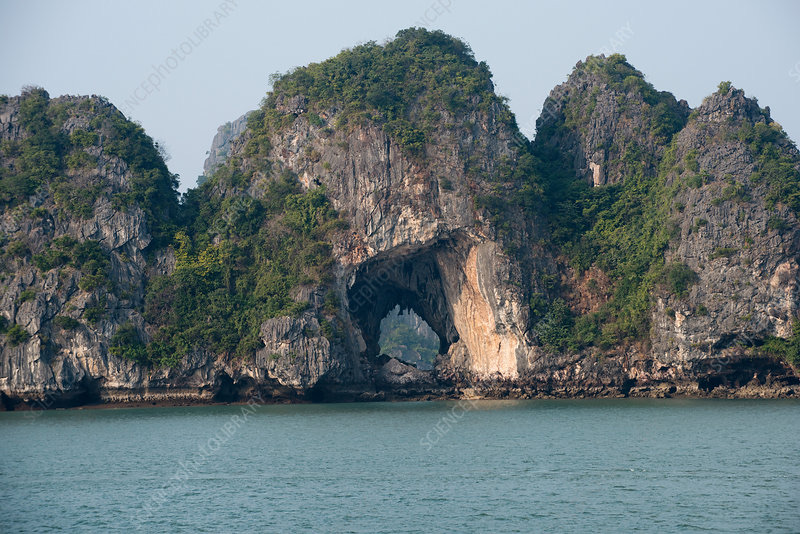
Vietnam offers striking natural beauty, from the limestone karsts of Halong Bay (tours from $50-150 USD) and Ninh Binh (Tam Coc boat ride 150,000 VND/$6 USD) to the terraced rice fields of Sapa and Ha Giang. Phong Nha-Ke Bang National Park is home to immense caves like Paradise Cave (250,000 VND/$10 USD) and Dark Cave. Trekking opportunities are available in northern mountains. While beautiful, some areas, like Halong Bay, experience heavy tourism, and environmental concerns are present.
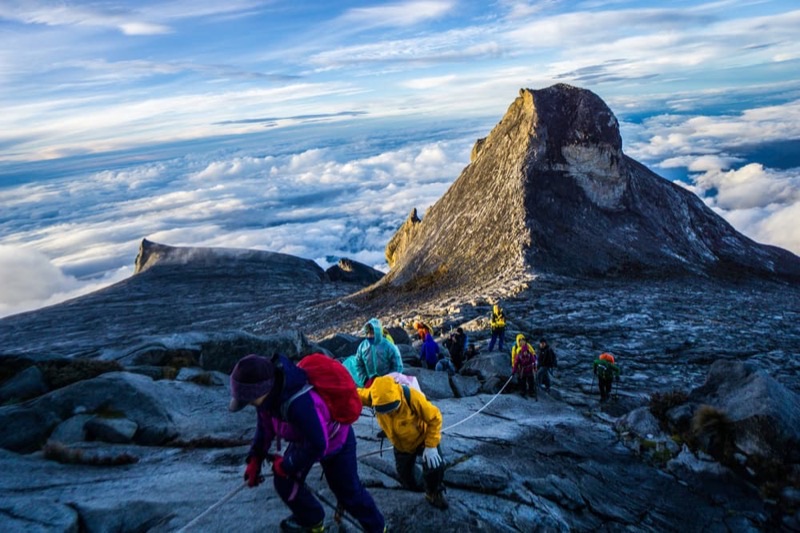
Malaysia boasts extensive rainforests, particularly on Borneo, with opportunities for wildlife spotting (orangutans in Sepilok, Sabah). Taman Negara is one of the world's oldest rainforests, offering jungle trekking and canopy walks. The Cameron Highlands provide tea plantations and cool air. Gunung Mulu National Park in Sarawak features incredible cave systems like Deer Cave and Lang Cave, requiring specific tours. The natural parks are generally well-maintained, and efforts for conservation are more visible. Expect to pay 10-20 MYR ($2-4 USD) for park entries, with specific tours costing more, e.g., Mulu cave tours can be 30-100 MYR ($6.50-22 USD) per cave.
Tabiji Verdict: Malaysia offers a more diverse range of well-preserved natural environments and unique wildlife experiences, particularly in Borneo.
- Winner: Malaysia
- Why: Malaysia offers a greater diversity of rainforest ecosystems and unique wildlife experiences, particularly in Borneo.
- Who this matters for: Wildlife enthusiasts, jungle trekkers, and those prioritizing biodiversity and conservation efforts.
🏖️ Beaches & Islands
Vietnam's coastline stretches for thousands of kilometers, offering beaches like My Khe in Da Nang, the sands of Mui Ne, and the islands of Phu Quoc. Phu Quoc has developed into a…
Vietnam
Malaysia
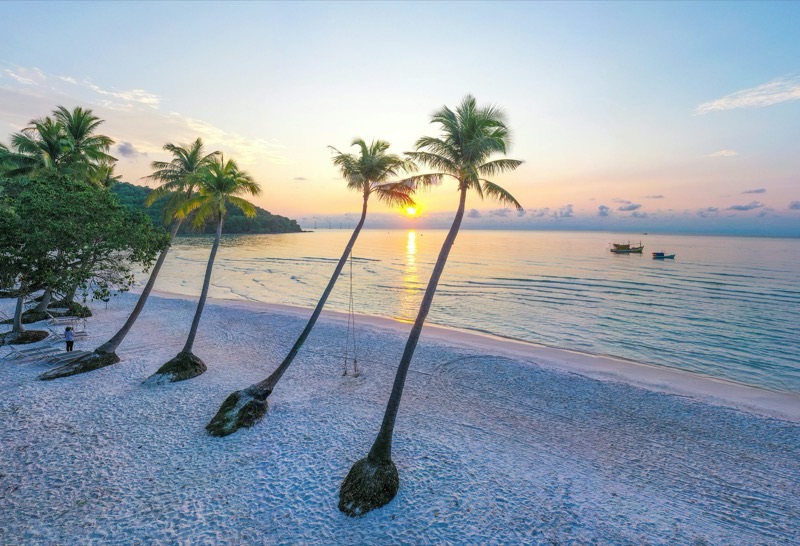
Vietnam's coastline stretches for thousands of kilometers, offering beaches like My Khe in Da Nang, the sands of Mui Ne, and the islands of Phu Quoc. Phu Quoc has developed into a resort island with varying beach quality, from busy Long Beach to quieter areas like Starfish Beach. Con Dao Islands offer more pristine nature and clearer water but require more effort to reach. Water quality near cities can be an issue. While pleasant, Vietnamese beaches are generally not considered the top-tier destinations in Southeast Asia compared to neighboring countries. A boat tour in Phu Quoc might cost 300,000-500,000 VND ($12-20 USD).
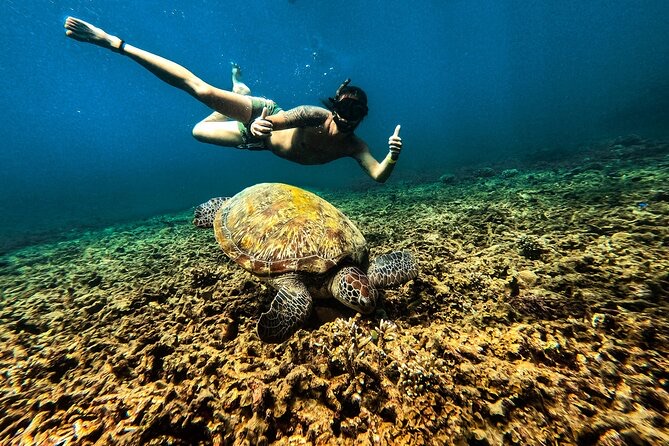
Malaysia features several island paradises, particularly on its east coast and in the Andaman Sea. The Perhentian Islands are known for clear turquoise waters, snorkeling, and diving (dive trip around 150-250 MYR/$33-55 USD). Tioman Island is another east coast option. On the west coast, Langkawi offers duty-free shopping, family-friendly resorts, and activities like the SkyBridge (65 MYR/$14 USD for entry). Borneo also has islands like Sipadan (permits required, expensive diving) and Mabul known for exceptional diving. The water clarity and coral health are generally superior to Vietnam's main tourist beaches.
Tabiji Verdict: Malaysia provides a better overall beach and island experience with clearer waters and more diverse marine life.
- Winner: Malaysia
- Why: Malaysia boasts clearer waters, better marine life, and a wider selection of genuinely high-quality island experiences.
- Who this matters for: Beach lovers, snorkelers, divers, and those seeking true island relaxation.
🌃 Nightlife
Vietnam's nightlife is generally more active and less restricted than Malaysia's. Ho Chi Minh City, particularly the Bui Vien Walking Street, is renowned for its cheap 'bia hoi'…
Vietnam's nightlife is generally more active and less restricted than Malaysia's. Ho Chi Minh City, particularly the Bui Vien Walking Street, is renowned for its cheap 'bia hoi' (fresh beer) at 10,000-20,000 VND ($0.40-0.80 USD) per glass, live music, and late-night clubs like Apocalypse Now. Hanoi offers a mix of beer corner culture in the Old Quarter, chic bars in Tay Ho, and more upscale lounges. Da Nang and Hoi An also have options. The atmosphere is often relaxed and social, making it easy to meet other travelers and locals.
Malaysia's nightlife is more concentrated in Kuala Lumpur, which has a selection of modern rooftop bars (e.g., Heli Lounge Bar, drinks 30-50 MYR/$6.50-11 USD) and clubs in areas like Changkat Bukit Bintang. Outside Kuala Lumpur, and especially in more conservative states, nightlife is considerably more subdued, often limited to hotel bars or very local establishments. Penang has some bars, but the focus is less on late-night revelry. Alcohol can also be more expensive due to taxes, with a local beer costing 10-15 MYR ($2.20-3.30 USD) in a bar.
Tabiji Verdict: Vietnam provides a more accessible, diverse, and budget-friendly nightlife experience for most travelers.
- Winner: Vietnam
- Why: Vietnam offers a more widespread, affordable, and less restricted nightlife scene, especially in major cities.
- Who this matters for: Party-goers, social travelers, and those looking for cheap drinks and late-night entertainment.
🛵 Getting Around
Getting around Vietnam is an experience itself. Motorbikes are king, and many travelers rent one (around $5-10 USD/day) or use Grab bike taxi for short distances (e.g.,…
Getting around Vietnam is an experience itself. Motorbikes are king, and many travelers rent one (around $5-10 USD/day) or use Grab bike taxi for short distances (e.g., 20,000-40,000 VND/$0.80-1.60 USD for a 15-minute ride). Intercity travel is primarily by comfortable sleeper buses (e.g., Ho Chi Minh to Nha Trang 250,000-350,000 VND/$10-14 USD) or the Reunification Express train. Domestic flights are also available and affordable (e.g., Hanoi to Da Nang from $40-80 USD). The infrastructure, while sometimes rudimentary, is effective for reaching most destinations.
Malaysia has a more developed infrastructure. Kuala Lumpur boasts an efficient public transport system with LRT, MRT, and monorail lines (fares 2-7 MYR/$0.40-1.50 USD). Intercity travel is mostly by modern, air-conditioned buses. Grab car is very prevalent and often cheaper than taxis (e.g., KLCC to Batu Caves 20-30 MYR/$4.40-6.60 USD). Domestic flights connect the peninsula to Borneo (e.g., Kuala Lumpur to Kota Kinabalu from $30-70 USD). While roads are generally better, car rental is more common for local exploration outside cities, especially in Borneo.
Tabiji Verdict: Vietnam wins for its unique blend of adventurous local transport and efficient long-distance options that are consistently cheaper.
- Winner: Vietnam
- Why: Vietnam offers a cheaper, more immersive, and often more adventurous range of transport options, from motorbikes to sleeper buses.
- Who this matters for: Adventure seekers, budget travelers, and those who enjoy experiencing local transport culture.
🏨 Accommodation
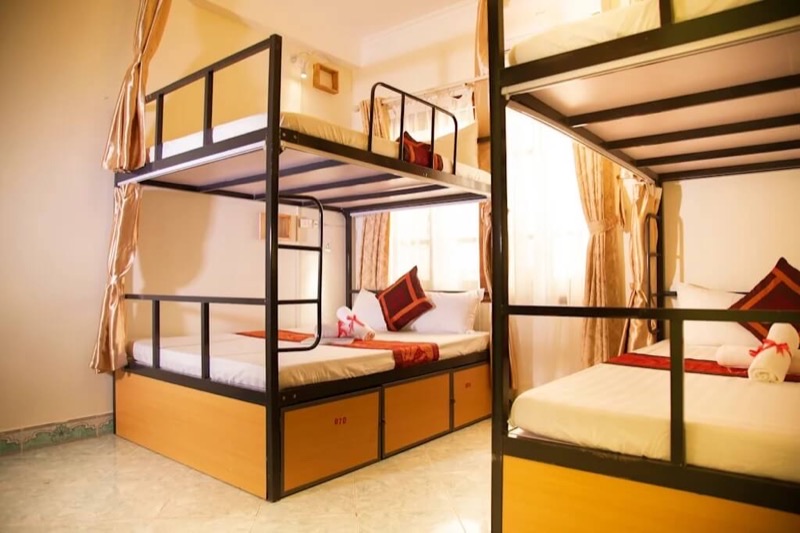
Vietnam excels in offering a vast range of accommodation options that are consistently budget-friendly. Hostels with dorm beds often cost $5-10 USD per night, including breakfast.…
Vietnam excels in offering a vast range of accommodation options that are consistently budget-friendly. Hostels with dorm beds often cost $5-10 USD per night, including breakfast. Private rooms in clean, centrally located guesthouses or small hotels are typically $15-30 USD. For those seeking more comfort, boutique hotels can be found for $40-70 USD. Homestays in places like Sapa or the Mekong Delta offer a cultural immersion for similar prices. The sheer volume of choices means deals are easy to find, even last minute.
Malaysia has a good selection of accommodation, but prices tend to be higher for similar quality. Dorm beds in hostels are usually $8-15 USD. Budget hotel rooms in cities like Kuala Lumpur or Penang typically start at $30-50 USD. Mid-range hotels are $60-100 USD. On islands like Langkawi, resorts can be found for $70-150 USD and up. While quality is often good, the price-to-value ratio is not as favorable as in Vietnam. Options for authentic homestays are less common in popular tourist areas.
Tabiji Verdict: Vietnam offers better value and a wider selection of charming, affordable stays for every budget.
- Winner: Vietnam
- Why: Vietnam provides significantly more affordable and diverse accommodation options for every budget.
- Who this matters for: Budget travelers, backpackers, and those seeking good value for money in their lodging.
🚨 Safety
Vietnam is generally a safe country for travelers, with low rates of violent crime. However, petty theft, especially bag snatching from motorbikes, is a concern in Ho Chi Minh…
Vietnam is generally a safe country for travelers, with low rates of violent crime. However, petty theft, especially bag snatching from motorbikes, is a concern in Ho Chi Minh City and Hanoi. It is advisable to keep valuables secure and out of sight. Traffic is the primary safety hazard; crossing streets can be daunting, and motorbike accidents are frequent. Scams involving taxis or tour operators can occur, so using reputable services and ride-hailing apps like Grab is recommended.
Malaysia is considered one of the safest countries in Southeast Asia for tourists. Violent crime against foreigners is rare. Petty crime, like pickpocketing, can occur in crowded areas of Kuala Lumpur, but it is less prevalent than in some other regional capitals. Solo female travelers often report feeling comfortable and safe. Traffic is more organized than in Vietnam, although caution is always advised. The general infrastructure and public safety measures are more developed.
Tabiji Verdict: Malaysia offers a more consistently safe and relaxed environment for travelers, with fewer common travel annoyances.
- Winner: Malaysia
- Why: Malaysia has lower rates of petty crime and more organized traffic, leading to a generally more relaxed travel experience.
- Who this matters for: Solo travelers (especially solo female travelers), families, and those prioritizing a hassle-free and secure environment.
🚶♀️ Solo Travel
Vietnam is exceptionally popular for solo travelers, particularly backpackers. The well-established North-to-South or South-to-North route makes planning easy, and hostels are…
Vietnam is exceptionally popular for solo travelers, particularly backpackers. The well-established North-to-South or South-to-North route makes planning easy, and hostels are abundant, fostering a social atmosphere where meeting other travelers is common. Group tours, like Halong Bay cruises or Sapa treks, are easy to join. The low costs allow solo travelers to extend their trips. While traffic can be chaotic, and some street touts can be persistent, the overall experience is rewarding for those seeking adventure and connection.
Malaysia is also a good option for solo travelers, especially due to its high safety ratings and developed infrastructure. It is easier to navigate independently without feeling constantly bombarded. However, it might feel less 'backpackery' than Vietnam, with fewer overt social hubs outside of major cities. While hostels exist, the community aspect might be less pronounced. Solo travelers will appreciate the ease of transport and variety of activities but might need to actively seek out social interactions.
Tabiji Verdict: Vietnam's established backpacker trail, affordability, and social scene make it a slightly better choice for most solo travelers looking to meet others.
- Winner: Vietnam
- Why: Vietnam's well-trodden backpacker route, abundant hostels, and social atmosphere make it easier for solo travelers to connect with others.
- Who this matters for: First-time solo travelers, backpackers, and those keen on meeting other travelers.
🎯 The Decision Framework
Choose Vietnam If…
- You want to ride a motorbike through epic landscapes for cheap.
- You crave pho, banh mi, and bun cha daily for under $5.
- You want to delve deep into a country's recent history and heritage.
- You prefer chaotic, immersive street scenes and local interactions.
- Your daily budget is strictly under $70 USD.
- You enjoy hopping on a sleeper bus and waking up in a new place.
- You want a defined backpacker trail where meeting others is easy.
- You appreciate the raw energy and authenticity of a developing country.
Choose Malaysia If…
- You prioritize safety and a generally relaxed travel environment.
- You want to explore ancient rainforests and spot orangutans in Borneo.
- You appreciate clear waters, coral reefs, and tranquil island getaways.
- You prefer modern cities with efficient public transport and diverse dining.
- You are interested in a blend of Malay, Chinese, and Indian cultures.
- You want to visit impressive cave systems that are well-managed.
- You enjoy duty-free shopping and more upscale resort experiences.
- You find the idea of chaotic traffic overwhelming and prefer smoother journeys.
📅 Sample Itineraries
Weekend in Ho Chi Minh City (3 Days)
💡 Use ride-hailing apps like Grab for affordable motorbike taxis or cars; a short ride typically costs $1-3 and saves time.
Weekend in Kuala Lumpur (3 Days)
💡 Utilize the free GOKL City Bus service to navigate between major attractions in the city center and save on transport costs.
One Week in Vietnam (7 Days)
💡 For inter-city travel, consider booking overnight sleeper buses ($10-20) to save on accommodation for a night and cover long distances efficiently.
One Week in Malaysia (7 Days)
💡 Utilize local food courts ('hawker centers' in Penang) for meals; you can get a filling, delicious dish for $3-7, offering significant savings compared to restaurants.
❓ Frequently Asked Questions
Which country is cheaper, Vietnam or Malaysia?
Vietnam is generally cheaper. A comfortable daily budget for a mid-range traveler in Vietnam is $40-70 USD, while Malaysia typically requires $50-90 USD for similar comfort levels. Food, accommodation, and local transport are consistently more affordable in Vietnam.
What are the average flight times from major hubs to Vietnam and Malaysia?
From major hubs like London, direct flights to Vietnam (Hanoi or Ho Chi Minh City) are around 11-12 hours. From the US West Coast (e.g., LAX), flights are 15-18 hours with one stop. To Malaysia (Kuala Lumpur), flights from London are also 12-13 hours direct, and from the US West Coast, 17-20 hours with one stop.
Is it easy to travel between Vietnam and Malaysia?
Yes, it is very easy. There are numerous direct flights between major cities like Ho Chi Minh City/Hanoi and Kuala Lumpur/Penang. Low-cost carriers like AirAsia offer frequent and affordable connections, with flight times typically around 2-3 hours.
Which country has better beaches?
Malaysia generally offers superior beaches and islands with clearer waters and more diverse marine life, particularly in destinations like the Perhentian Islands, Tioman, and parts of Langkawi. Vietnam's beaches, while pleasant, are generally not as pristine or postcard-worthy as Malaysia's top spots.
What is the food difference between Vietnam and Malaysia?
Vietnam's food is known for its freshness, herbs, and balanced flavors, with a strong emphasis on street food like pho and banh mi. Malaysia's cuisine is a diverse blend of Malay, Chinese, and Indian influences, offering a wider range of flavors from spicy curries to savory noodles, often found in hawker centers.
Which country is better for nature lovers?
Malaysia often edges out Vietnam for nature lovers, especially those interested in rainforests and wildlife. Borneo offers unique opportunities to see orangutans and explore ancient jungles. Vietnam has dramatic landscapes like Halong Bay, but Malaysia's national parks and biodiversity are more extensive and well-preserved.
Is Vietnam or Malaysia better for families with children?
Malaysia is generally considered more family-friendly due to its higher safety ratings, better infrastructure, and a wider range of modern attractions and resorts. Vietnam can be a rewarding family trip, but the chaotic traffic and less developed amenities might be challenging for some families.
What are the visa requirements for Vietnam and Malaysia?
Many nationalities, including most Western ones, can enter Malaysia visa-free for up to 90 days. For Vietnam, many nationalities also have visa exemptions for 15-45 days, but an e-visa or traditional visa is often required for longer stays or specific passports. Always check current regulations for your nationality.
Ready to plan your Southeast Asia trip?
Get a free custom itinerary for Vietnam, Malaysia, or both — built from real traveler insights.
👥 Travelers Also Compared
🎟️ Book Tours & Experiences
Hand-picked tours and activities for both destinations — book with free cancellation
Experiences via Viator — free cancellation on most tours