How we built this comparison
This page combines traveler discussion patterns, published price ranges, flight schedules, and seasonal data to help you decide between Vilnius and Tallinn.
- Reviewed 50+ Reddit threads from r/travel, r/solotravel, r/baltics, r/lithuania, and r/estonia for firsthand experiences and advice.
- Verified costs for accommodation, transport, food, and attractions against current booking platforms (e.g., Booking.com, Lux Express, local restaurant menus).
- Cross-referenced flight times, routes, and seasonal weather patterns using major flight aggregators and meteorological data.
⚡ The TL;DR Verdict
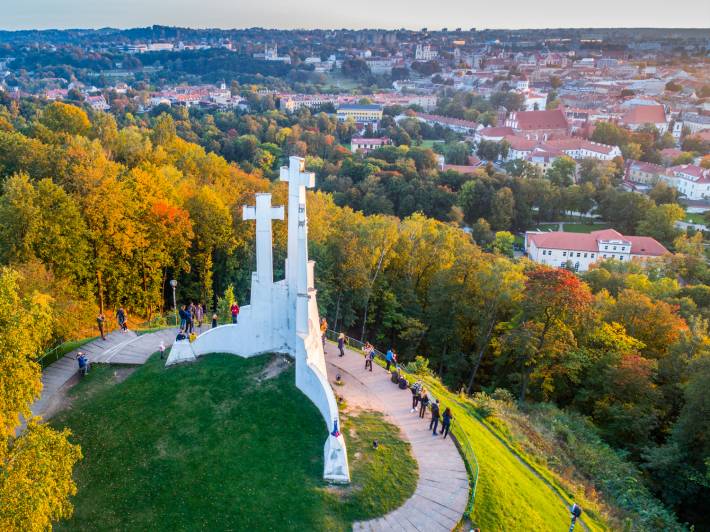
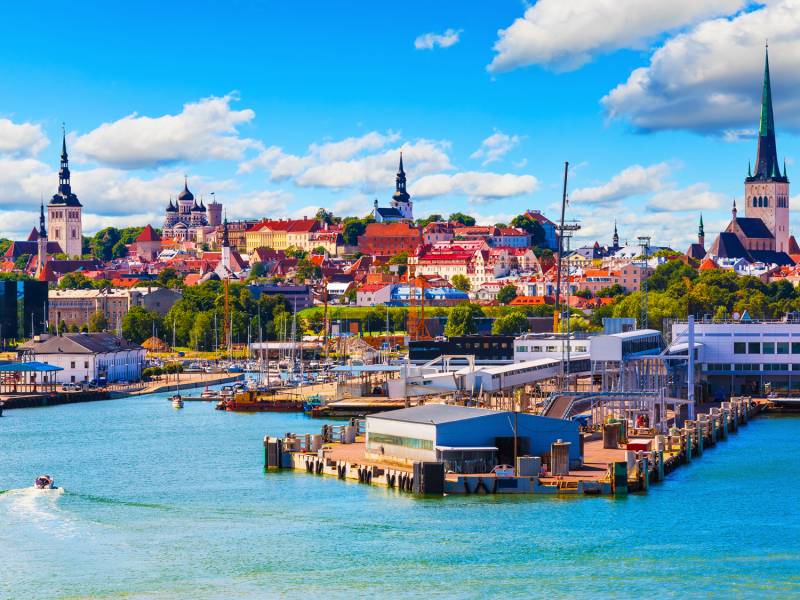
For the budget-conscious traveler seeking a vibrant, authentic experience with a strong local pulse, Vilnius is your winner, offering a fantastic daily budget of €40-70. If you prioritize postcard-perfect medieval charm, a more refined (and slightly pricier) Nordic feel, and unique day trips, Tallinn, with a daily budget of €60-100, will sweep you off your feet. Both are incredible, but they cater to slightly different tastes and wallets.
- Choose Vilnius: Pick Vilnius if you love exploring a city with a lively, bohemian vibe, excellent nightlife, incredible value for money, and a less polished, more 'real' feel. It's fantastic for solo travelers, backpackers, and anyone who wants to stretch their budget without compromising on experiences or delicious food.
- Choose Tallinn: Choose Tallinn for a fairytale-like medieval experience, stunning architecture, a sophisticated food scene, and a slightly more organized, Nordic atmosphere. It's perfect for couples, those interested in history and design, and travelers willing to pay a little more for a polished, charming escape, especially if combined with a ferry to Helsinki.
- Choose Both: Absolutely do both if you have 7-10 days! They're easily connected by a comfortable ~4-hour bus ride, making a fantastic Baltic itinerary. Start in Vilnius, soak up its energy, then head north to Tallinn for its unique medieval allure. This gives you the best of both worlds – history, culture, nightlife, and distinct city vibes.
Quick Comparison
| Category | Vilnius | Tallinn | Winner |
|---|---|---|---|
| Costs & Value | Significantly more affordable, especially for food, drinks, and transport. Great value for money across the board. | Noticeably pricier, closer to Western European levels. Expect to pay more for everything from coffee to cocktails. | Vilnius |
| Culture & History | Baroque Old Town, vibrant Uzupis, profound Soviet occupation history. Distinctive and intellectual. | Stunningly preserved medieval Old Town, Hanseatic league history, unique blend of Nordic and Eastern influences. | Tallinn |
| Food & Drink Scene | Hearty Lithuanian comfort food, burgeoning modern scene, excellent craft beer and coffee at great prices. | Refined Nordic-influenced cuisine, strong cafe culture, more international options, but at a higher cost. | Vilnius |
| Nightlife & Entertainment | Lively, student-friendly, and very affordable bar scene. Plenty of late-night options. | Sophisticated bars, trendy venues in Telliskivi, but generally pricier and sometimes quieter. | Vilnius |
| Getting There & Around | Vilnius International Airport (VNO) is well-connected. Excellent, cheap public transport. Very walkable. | Tallinn Airport (TLL) is highly efficient. Great public transport, very compact and walkable Old Town. | Tie |
| Accommodation | Wider range of budget-friendly hostels and mid-range hotels. Good value for quality. | High-quality options, especially boutique hotels in the Old Town, but generally higher prices for comparable standards. | Vilnius |
| Day Trips & Excursions | Iconic Trakai Castle, Rumšiškės Open-Air Museum, easily accessible via public transport. | Lahemaa National Park, charming coastal towns, easy ferry connection to Helsinki. | Tallinn |
| Vibe & Atmosphere | Authentic, bohemian, a bit gritty, less polished, with a strong local energy. Feels lived-in. | Charming, pristine, fairytale-like in the Old Town. More reserved, Nordic-influenced, often quieter. | Vilnius |
| Nature & Outdoors | Green city parks, nearby lakes (Trakai), forested hills. More inland focus. | Direct access to the Baltic Sea, coastal walks, proximity to national parks, and extensive forests. | Tallinn |
| Weather & Seasons | Continental climate: warm summers (20-25°C), cold winters (-5 to -10°C). | Maritime influence: slightly milder summers (18-23°C), slightly less extreme winters (0 to -5°C). | Tallinn |
💰 Costs & Value
When it comes to stretching your travel budget, Vilnius is the undisputed champion. You can easily find a delicious, hearty meal at a traditional restaurant like Etno Dvaras for €10-15 ($11-16 USD), including a local beer. A pint of craft beer at a lively bar might set you back €3-4 ($3.25-4.35 USD). Public transport tickets are around €1 ($1.08 USD) for a single ride, and a 3-star hotel often costs €60-80 ($65-87 USD) per night. Tallinn, on the other hand, feels a step up in price. A comparable meal can be €15-25 ($16-27 USD), and a pint of beer in the Old Town often costs €5-7 ($5.40-7.60 USD). Accommodation in a similar category might be €80-120 ($87-130 USD). While Tallinn offers excellent quality, that quality comes at a higher premium. "Honestly, Vilnius felt like I was cheating the system, everything was so good and so cheap. Tallinn was beautiful but my wallet definitely felt the difference." The difference isn't just a few euros; it compounds over a multi-day trip, making Vilnius a clear winner for budget-conscious travelers.
Winner takeaway
- Winner: Vilnius
- Why: Vilnius consistently offers better value for money across accommodation, food, drink, and activities, making it ideal for budget travelers.
- Who this matters for: Budget travelers, backpackers, and anyone looking for maximum bang for their buck.
🏛️ Culture & History
Both cities boast UNESCO World Heritage Old Towns, but their historical narratives and architectural styles diverge beautifully. Vilnius's Old Town is a magnificent Baroque masterpiece, less perfectly preserved but rich with grand churches like St. Anne's and Bernardine's, and the Presidential Palace. Its bohemian district of Uzupis, with its own constitution, adds a quirky, artistic layer. The Museum of Occupations and Freedom Fights (KGB Museum) offers a chilling, essential dive into Lithuania's Soviet past. Tallinn, however, wins for its almost unbelievably intact medieval Old Town, enclosed by formidable city walls and guard towers. Walking its cobblestone streets, past landmarks like Toompea Castle, Alexander Nevsky Cathedral, and the Raekoja Plats (Town Hall Square), feels like stepping into a fairytale. The Hanseatic League history is palpable, and climbing Kiek in de Kök cannon tower offers stunning views and historical context. "Tallinn's Old Town felt like a movie set, every corner was just perfect. Vilnius was cool, but Tallinn's medieval vibe is just next level." While Vilnius offers depth and a raw, authentic history, Tallinn's visual impact and immersive medieval atmosphere are truly unparalleled, especially for first-time visitors seeking that iconic European old-town feel.
Winner takeaway
- Winner: Tallinn
- Why: Tallinn's exceptionally well-preserved medieval Old Town provides a unique, immersive historical experience that feels like stepping back in time.
- Who this matters for: History buffs, architecture enthusiasts, and those seeking a quintessential European fairytale city experience.
🍽️ Food & Drink Scene
Vilnius offers a fantastic, diverse, and affordable food and drink scene that truly punches above its weight. You'll find traditional Lithuanian dishes like 'cepelinai' (potato dumplings) and 'šaltibarščiai' (cold beet soup) at places like Etno Dvaras, costing around €7-10 ($7.60-11 USD). Beyond tradition, there's a rapidly growing modern culinary scene with inventive restaurants in areas like Paupys or Pylimo Street offering tasting menus or fusion cuisine for a fraction of Western European prices. The craft beer scene is booming, with excellent local brews available for €3-4 ($3.25-4.35 USD) a pint at spots like Alaus Biblioteka. Tallinn has a very good food scene too, especially for modern Nordic cuisine, with acclaimed restaurants like NOA Chef's Hall. However, these experiences come with a significantly higher price tag, often €25-40 ($27-43 USD) for a main course. While Tallinn excels in refined dining and chic cafes, Vilnius provides a more accessible, authentic, and equally delicious culinary journey across a wider budget range. "Vilnius's food scene surprised me, so many good places and everything was so flavourful and cheap. Tallinn was good too but felt more... expected?" For sheer variety, value, and a genuine local taste, Vilnius edges it out.
Winner takeaway
- Winner: Vilnius
- Why: Vilnius provides an excellent balance of traditional, modern, and affordable dining options, coupled with a vibrant and accessible craft drink scene.
- Who this matters for: Foodies on a budget, craft beer enthusiasts, and travelers looking for authentic local flavors without breaking the bank.
🥂 Nightlife & Entertainment
For those who enjoy a lively night out, Vilnius is a clear winner. The city has a youthful energy, fueled by its large student population, leading to a vibrant and incredibly affordable bar scene, especially around Vokiečių Street and the Old Town. Places like Šnekutis (a classic local pub), Republic, or Craft & Draft offer cheap pints (often €3-4 / $3.25-4.35 USD) and a buzzing atmosphere until late. There are also plenty of clubs and hidden speakeasies. The vibe is generally unpretentious and friendly. Tallinn's nightlife is by no means bad; it has a more refined and sometimes trendier feel, particularly in the Telliskivi Creative City area with spots like F-hoone and various craft beer bars. The Old Town also has tourist-focused pubs and some cozier, upscale cocktail bars. However, drinks are notably more expensive (€5-7 / $5.40-7.60 USD for a beer, €10-15 / $11-16 USD for a cocktail), and the overall atmosphere can be a bit more subdued, especially outside of peak tourist season. "Vilnius just felt like it was always up for a good time, no matter the night. Tallinn was cool, but I had to search harder for the buzz." If you're looking for an energetic, budget-friendly night on the town with lots of options, Vilnius is your go-to.
Winner takeaway
- Winner: Vilnius
- Why: Vilnius offers a more energetic, student-friendly, and significantly more affordable nightlife scene with a greater density of lively bars and clubs.
- Who this matters for: Young travelers, party-goers, solo travelers looking to socialize, and those on a budget who still want a fun night out.
✈️ Getting There & Around
Both Vilnius and Tallinn are remarkably easy cities to navigate, both internationally and locally, making this category a tie. Vilnius International Airport (VNO) is just a short bus or train ride from the city center, with a train costing around €0.70 ($0.76 USD). The city itself has an extensive and reliable network of buses and trolleybuses, with single tickets costing €1 ($1.08 USD) from a kiosk or €1.50 ($1.63 USD) from the driver. The Old Town is largely pedestrian-friendly. Tallinn Airport (TLL) is famously close to the city, often hailed as one of the most convenient airports in Europe, with a tram taking you directly to the center for €2 ($2.17 USD). Tallinn's Old Town is even more compact than Vilnius's, making it incredibly walkable, and its public transport network (buses and trams) is efficient, with single tickets also around €2. "Seriously, both airports are a breeze to get to and from, makes a huge difference after a long flight." For inter-city travel within the Baltics, both are well-connected by comfortable bus services like Lux Express. While Tallinn's airport-to-city access is slightly more streamlined, both offer fantastic accessibility and in-city navigation.
Winner takeaway
- Winner: Tie
- Why: Both cities boast highly efficient international airports and excellent, affordable public transport systems, making arrival and local exploration equally seamless.
- Who this matters for: All travelers, as ease of transport is universally appreciated.
🏨 Accommodation
When planning where to rest your head, Vilnius typically offers more bang for your buck without sacrificing comfort or quality. A clean, well-located hostel bed can be found for €15-25 ($16-27 USD) per night, while a charming 3-star hotel in the Old Town or central areas like Hotel Artagonist often ranges from €60-90 ($65-98 USD). You'll find a wide selection of stylish apartments on Airbnb for similar prices. Tallinn, while offering excellent choices, tends to be noticeably pricier. A hostel bed usually starts from €20-35 ($22-38 USD), and a decent 3-star hotel in the Old Town, such as Hestia Hotel Barons, can easily cost €80-120 ($87-130 USD) or more. The demand for accommodation in Tallinn, especially during peak season, drives prices up, reflecting its status as a more established tourist destination. "I got such a great deal on a boutique hotel in Vilnius, I don't think I could've afforded anything similar in Tallinn." If you're looking to stretch your accommodation budget further and still enjoy comfortable, well-located stays, Vilnius is the clear winner, allowing you to allocate more funds to experiences or dining.
Winner takeaway
- Winner: Vilnius
- Why: Vilnius generally provides more affordable accommodation options across all categories, offering better value for quality and location.
- Who this matters for: Budget-conscious travelers, backpackers, and those seeking good value for comfortable stays.
🏞️ Day Trips & Excursions
Both cities offer fantastic day trip opportunities, but Tallinn edges it out due to the sheer diversity and the unique draw of a quick international hop. From Vilnius, the absolute must-do is Trakai Island Castle, a stunning 14th-century fortress on a lake, just a 30-minute bus ride (€2-3 / $2.17-3.25 USD) away. It's picturesque and well worth the visit. Another great option is Rumšiškės Open-Air Museum, showcasing traditional Lithuanian village life. Tallinn, however, offers a wider range of experiences. You can explore the beautiful coastal landscapes and waterfalls of Lahemaa National Park (best with a rental car or tour, about an hour away). Quaint seaside towns like Haapsalu or Pärnu are also accessible. The biggest draw is the ferry to Helsinki, Finland. A fast ferry (Eckerö Line, Tallink Silja, Viking Line) takes only 2-2.5 hours and costs around €25-40 ($27-43 USD) for a return trip, allowing for a fantastic day trip to another capital city. "Going to Helsinki for the day from Tallinn was so easy and cool, totally worth it. Trakai was great from Vilnius, but Helsinki felt like a bonus country." This unique international connection gives Tallinn the edge for diverse and exciting excursions.
Winner takeaway
- Winner: Tallinn
- Why: Tallinn offers more diverse day trip options, including national parks, charming coastal towns, and the unique opportunity to visit another capital city (Helsinki) via ferry.
- Who this matters for: Travelers who enjoy exploring beyond the city limits, nature lovers, and those keen on adding another country to their itinerary.
✨ Vibe & Atmosphere
The atmosphere of Vilnius is undeniably more authentic and lived-in. It has a youthful, bohemian energy, especially evident in its Užupis district and the bustling streets outside the main tourist zones. While beautiful, Vilnius's Old Town feels like a real city where people live, work, and socialize, rather than just a historical monument. There's a subtle grit and a vibrant local pulse that makes it feel less curated and more genuinely Eastern European. It’s a city of charming contradictions and artistic expression. Tallinn, particularly its Old Town, feels incredibly pristine, almost like a meticulously preserved museum or a theme park at times. It's undeniably beautiful and charming, evoking a true fairytale feel, but it can also feel a bit quieter and more reserved, especially in the evenings after the day-trippers leave. Its Nordic influence is palpable in its cleanliness and orderliness. "Vilnius felt real, like I was truly experiencing a Lithuanian city, not just a tourist show. Tallinn was beautiful but a bit sterile sometimes." If you crave a city with character, a bit of an edge, and a strong sense of local life, Vilnius's more bohemian and less polished vibe will resonate more deeply. It offers a more immersive cultural experience beyond just sightseeing.
Winner takeaway
- Winner: Vilnius
- Why: Vilnius offers a more authentic, bohemian, and 'lived-in' atmosphere with a strong local pulse, feeling less overtly tourist-focused.
- Who this matters for: Travelers seeking authentic local experiences, artists, bohemians, and those who prefer cities with a bit of an edge.
🌳 Nature & Outdoors
While Vilnius is a green city with lovely parks like Bernardine Garden and Vingis Park, its natural offerings are largely inland. The most prominent natural escape is the picturesque Trakai Lake region, a beautiful spot for boating, kayaking, and hiking around the famous castle. However, direct access to vast natural landscapes or significant water bodies is somewhat limited directly from the city. Tallinn, on the other hand, is a coastal city nestled on the Baltic Sea, which immediately gives it an edge. You can enjoy strolls along the Pirita Promenade, visit the sandy Pirita Beach, or explore the rocky coastline near the city. Kadriorg Park, while within the city, is a vast and stunning green space. More significantly, Tallinn serves as a gateway to Lahemaa National Park, one of Europe's most important forested areas, offering bog walks, hiking trails, and beautiful beaches, all within an hour's drive. "I loved being able to just hop on a bus and be at the beach or a coastal park in Tallinn. Vilnius was green, but not like that." The proximity to the sea and a major national park makes Tallinn a more appealing choice for travelers prioritizing outdoor activities and natural beauty.
Winner takeaway
- Winner: Tallinn
- Why: Tallinn's direct access to the Baltic Sea and its proximity to diverse coastal landscapes and national parks offer richer outdoor opportunities.
- Who this matters for: Nature lovers, hikers, beach enthusiasts, and those who enjoy coastal scenery and forest exploration.
☀️ Weather & Seasons
Both Vilnius and Tallinn experience distinct four-season continental climates, characterized by warm summers and cold, snowy winters. However, Tallinn's coastal location on the Baltic Sea gives it a slightly milder edge, particularly in summer. In Vilnius, average summer temperatures (June-August) hover around 20-25°C (68-77°F), sometimes spiking higher. Winters (December-February) are typically very cold, with averages often -5 to -10°C (23-14°F), and plenty of snow. Tallinn benefits from the sea's moderating effect. Its summers are a touch cooler, averaging 18-23°C (64-73°F), making for very pleasant sightseeing without intense heat. Winters are still cold and snowy but generally a few degrees milder, averaging around 0 to -5°C (32-23°F). Spring and autumn are beautiful but can be unpredictable in both. "Tallinn in summer was just perfect, warm enough to be outside but never stifling like some inland cities." While Vilnius can offer sunnier summer days, Tallinn's slightly cooler, more comfortable summer temperatures and slightly less extreme winter conditions make it marginally more appealing for year-round travel, offering a more consistently pleasant experience for walking and exploring.
Winner takeaway
- Winner: Tallinn
- Why: Tallinn's maritime influence provides slightly milder and more comfortable summer temperatures and less extreme winter conditions compared to inland Vilnius.
- Who this matters for: Travelers sensitive to extreme heat, or those preferring a slightly milder winter for city exploration.
❓ Frequently Asked Questions
Which city is better for a weekend trip?
For a short weekend trip (2-3 days), Tallinn might have a slight edge due to its incredibly compact and walkable Old Town, allowing you to see many key sights efficiently. However, Vilnius also offers a fantastic, vibrant weekend, especially if you prioritize nightlife and a more bohemian vibe. It really depends on your priorities: medieval charm (Tallinn) vs. vibrant authenticity (Vilnius).
Is it easy to travel between Vilnius and Tallinn?
Yes, it's very easy! The most popular and comfortable way is by bus. Companies like Lux Express offer frequent, modern, and affordable bus services between the two cities, with journey times typically around 4 to 4.5 hours. Tickets usually cost between €20-30 ($22-33 USD) and can be booked online in advance.
Which city is more family-friendly?
Both cities are quite family-friendly, offering parks, playgrounds, and generally safe environments. Tallinn might appeal more to younger children with its 'fairytale' medieval Old Town and attractions like the Seaplane Harbour Museum. Vilnius, with its green spaces and attractions like the Toy Museum, also caters well to families, but perhaps has a slightly more adult-oriented vibe.
How safe are Vilnius and Tallinn for solo female travelers?
Both Vilnius and Tallinn are considered very safe cities for solo female travelers. Crime rates are low, especially in tourist areas, and locals are generally helpful. Common sense precautions apply, such as being aware of your surroundings at night and not leaving drinks unattended. Public transport is reliable and safe in both.
Which city has better shopping?
Tallinn generally offers a more diverse and slightly higher-end shopping experience, especially for Estonian design, artisan crafts, and international brands, particularly in and around the Old Town. Vilnius has a good mix of traditional crafts, local boutiques, and larger shopping centers like Akropolis, but Tallinn feels a bit more curated for unique finds and modern design.
Do I need to speak Lithuanian or Estonian?
No, you don't need to speak either language. In both Vilnius and Tallinn, especially in tourist areas, hotels, restaurants, and shops, English is widely spoken by younger generations and those working in the service industry. Learning a few basic phrases like 'hello' (Laba diena/Tere) and 'thank you' (Ačiū/Aitäh) will always be appreciated.
Which city has better museums?
This is subjective, but both have excellent and distinct museums. Vilnius excels with its historical and poignant museums like the Museum of Occupations and Freedom Fights (KGB Museum) and the Palace of the Grand Dukes of Lithuania. Tallinn offers unique options like the Seaplane Harbour Museum (Lennusadam), Kumu Art Museum (one of the largest in Northern Europe), and the Estonian History Museum. For a deep dive into Soviet history, Vilnius wins; for maritime and art, Tallinn might edge it.
Is one city more touristy than the other?
Yes, Tallinn generally feels more touristy, particularly its Old Town, which is a major draw for cruise ship passengers and day-trippers. This can lead to more crowds and higher prices for souvenirs and meals in the immediate vicinity. Vilnius's Old Town, while popular, feels more integrated into local life, giving it a less 'touristy' and more authentic feel, even during peak season.
Ready to plan your Baltic adventure?
Get a free custom itinerary for Vilnius, Tallinn, or both — built from real traveler insights.
🎟️ Book Tours & Experiences
Hand-picked tours and activities for both destinations — book with free cancellation
Experiences via Viator — free cancellation on most tours