How we built this comparison
This page combines traveler discussion patterns, published price ranges, flight schedules, and seasonal data to help you decide between Vilnius and Warsaw.
- Reviewed 50+ Reddit threads from r/travel, r/solotravel, r/lithuania, r/poland, and r/europe for real traveler sentiment and tips.
- Verified costs for accommodation, transport, food, and attractions against current booking platforms and official tourist information (e.g., booking.com, Google Flights, local transport sites).
- Cross-referenced seasonal patterns and weather data from meteorological sources to provide accurate best-time-to-visit recommendations.
⚡ The TL;DR Verdict
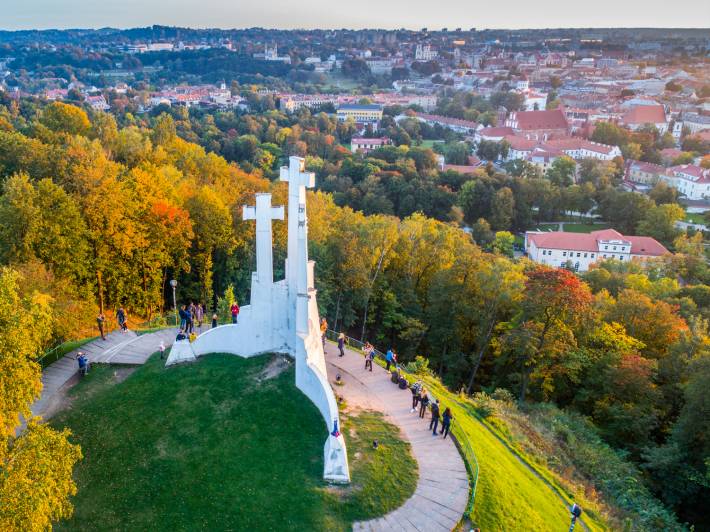
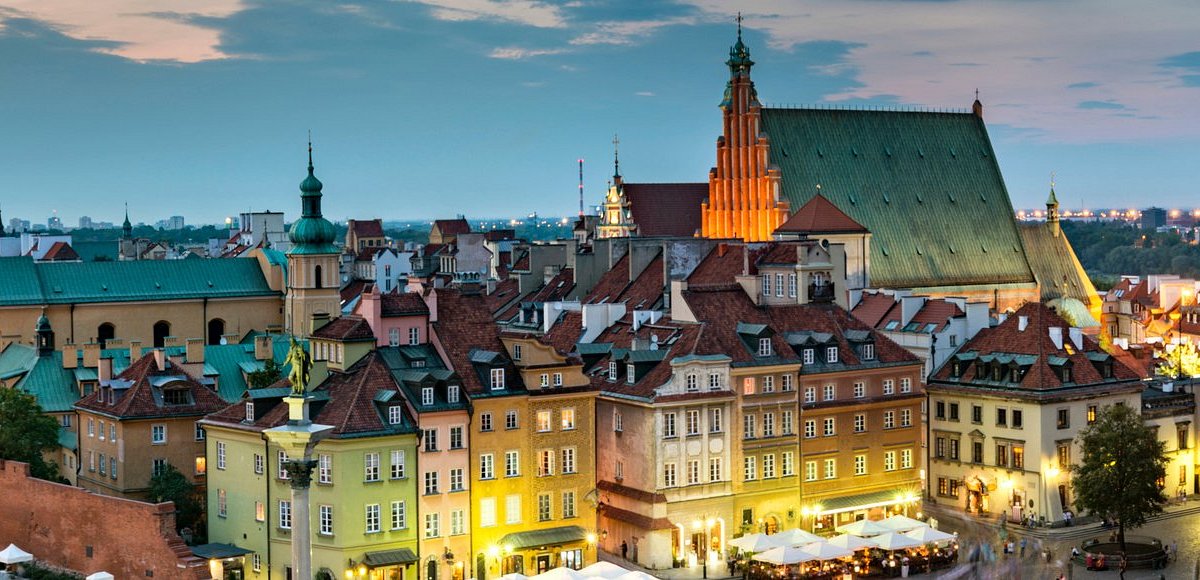
For budget-conscious travelers seeking an intimate, medieval charm and easy walkability, Vilnius is your winner, with daily budgets from $40-70 USD. If you crave a bustling, diverse metropolis with a vibrant food and nightlife scene, alongside poignant history and grand architecture, Warsaw offers more bang for your buck at $50-90 USD per day.
- Choose Vilnius: For romantics, history buffs, and those on a tighter budget who appreciate a compact, walkable city with a strong sense of unique identity and a more relaxed pace.
- Choose Warsaw: For city explorers, foodies, nightlife enthusiasts, and anyone looking for a dynamic, modern European capital with a powerful story of resilience and reconstruction, offering endless activities.
- Choose Both: Absolutely! A train or bus connects them in about 7-8 hours. Allocate 3 days for Vilnius and 4-5 days for Warsaw to fully appreciate both, ideally over a 7-10 day trip.
Quick Comparison
| Category | Vilnius | Warsaw | Winner |
|---|---|---|---|
| Food & Drink | Traditional Lithuanian fare (cepelinai, kibinai), burgeoning modern bistro scene, good craft beer, cheaper prices. | Massive culinary diversity, from milk bars to Michelin-starred, excellent pierogi, vibrant craft beer, more international options. | Warsaw |
| Nightlife | Cozy Old Town pubs, intimate cocktail bars, a few lively clubs, generally a relaxed vibe. | Extensive clubbing scene, trendy bars in multiple districts, lively student population, something for every taste. | Warsaw |
| Culture & History | UNESCO Old Town, medieval castles, Gediminas' Tower, bohemian Užupis, poignant KGB Museum, Jewish heritage. | City of resilience, meticulously rebuilt Old Town, Royal Castle, Warsaw Uprising Museum, POLIN Museum, Communist-era architecture. | Tie |
| Costs | Generally cheaper across the board: accommodation, food, public transport, and activities are excellent value. | Very affordable by Western European standards, but slightly pricier than Vilnius, especially for upscale options. | Vilnius |
| Getting There & Around | Smaller, central airport, extremely walkable Old Town, efficient local buses. | Two larger airports (WAW, WMI), extensive public transport (metro, trams, buses), city spread out. | Vilnius |
| Accommodation | Quaint boutique hotels, guesthouses in the Old Town, excellent value for money, charming atmosphere. | Wide range from luxury chains to budget hostels, more options, modern apartments, but slightly higher prices. | Vilnius |
| Day Trips | Iconic Trakai Island Castle, Kernavė archaeological site, charming Kaunas. | Łódź (industrial heritage), Lublin (historic charm), Żelazowa Wola (Chopin's birthplace). | Vilnius |
| Weather & Seasons | Cold, snowy winters; warm, pleasant summers; distinct shoulder seasons. | Very similar continental climate to Vilnius, cold winters, warm summers, distinct spring/autumn. | Tie |
| Safety | Generally very safe, low crime rates, comfortable for solo travelers. | Very safe for tourists, typical big-city precautions against pickpockets, well-lit and monitored. | Tie |
| Vibe & Atmosphere | Fairytale charm, bohemian, laid-back, intimate, historic, smaller city feel. | Bustling, cosmopolitan, resilient, grand, modern, dynamic, big city energy. | Warsaw |
🍽️ Food & Drink
Warsaw’s food scene is an absolute powerhouse compared to Vilnius. While Vilnius offers delightful traditional Lithuanian dishes at places like 'Etno Dvaras' (a hearty cepelinai for ~€6-8 / $6.50-8.50) and a growing number of modern cafes like 'Strange Love', Warsaw operates on a grander scale. You can find authentic Polish pierogi at a 'Bar Mleczny' (Milk Bar) like 'Bar Prasowy' for as little as 15 PLN (~$3.75 USD) for a generous plate, or explore high-end dining in the city center. The sheer variety, from Vietnamese pho to artisanal bakeries like 'Piekarnia A. Blikle' or craft beer meccas like 'Kufle i Kapsle' near the Palace of Culture and Science, is unmatched. Prices for a nice dinner out might be 50-70 PLN (~$12-18 USD) in Warsaw vs. €15-20 (~$16-22 USD) in Vilnius, but the spectrum in Warsaw is much wider. "Honestly, Warsaw's food scene blew me away, way more diverse than I expected. Vilnius was cute but Warsaw had everything."
Winner takeaway
- Winner: Warsaw
- Why: Warsaw offers vastly more culinary diversity, from budget-friendly traditional eats to high-end international dining, catering to every palate and price point.
- Who this matters for: Foodies, gourmands, and travelers who prioritize diverse dining experiences and culinary exploration.
🌃 Nightlife
Vilnius has a charming, more intimate nightlife, largely concentrated in the Old Town. Streets like Savičiaus gatvė offer cozy bars such as 'Alaus Biblioteka' with an impressive beer selection, or cocktail spots like 'Distillery', where a craft cocktail might cost €8-12 (~$8.50-13). It’s perfect for a relaxed evening. Warsaw, however, is a proper party city. The Praga district is known for its alternative clubs and bars, while Plac Zbawiciela (Savior Square) buzzes with trendy cafes and bars like 'Plan B'. For serious clubbing, places like 'Smolna' or 'Sound Garden' offer electronic music until dawn. A beer in a standard bar in Warsaw might be 15-20 PLN (~$3.75-5), while a cocktail could be 30-45 PLN (~$7.50-11). The sheer number of venues and the energy of Warsaw's nightlife are on a completely different scale. "Warsaw's nightlife is legit, way more options than Vilnius, especially for clubbing. Felt like a proper big city vibe."
Winner takeaway
- Winner: Warsaw
- Why: Warsaw boasts a significantly larger, more diverse, and energetic nightlife scene, with options ranging from intimate bars to large clubs across multiple districts.
- Who this matters for: Party-goers, social butterflies, and those looking for vibrant late-night entertainment and a wide array of venues.
🏛️ Culture & History
Both cities offer profound historical and cultural experiences, though distinctively so. Vilnius boasts one of Europe's largest surviving medieval Old Towns, a UNESCO World Heritage site, with stunning baroque architecture evident in St. Anne's Church and Vilnius Cathedral. The 'Museum of Occupations and Freedom Fights' (KGB Museum) offers a chilling insight into Soviet rule (€6 / $6.50 entry). The quirky, self-declared 'Republic of Užupis' adds a unique artistic flair. Warsaw, in contrast, is a testament to resilience, having been almost entirely destroyed in WWII. Its Old Town was painstakingly rebuilt, earning its own UNESCO status. Key sites include the Royal Castle (50 PLN / ~$12.50 entry), the moving Warsaw Uprising Museum (30 PLN / ~$7.50), and the POLIN Museum of the History of Polish Jews (45 PLN / ~$11). Warsaw's history is more about modern resilience and reconstruction, while Vilnius leans into its medieval and baroque past. "Vilnius felt like stepping into a fairytale, so perfectly preserved. Warsaw's story of rebuilding is incredibly powerful though, completely different vibe but equally impactful."
Winner takeaway
- Winner: Tie
- Why: Both cities offer incredibly rich, albeit different, historical and cultural narratives, making it impossible to pick a single winner.
- Who this matters for: All travelers, as both cities provide deep cultural immersion and historical insights, catering to different interests (medieval vs. modern resilience).
💸 Costs
When it comes to stretching your budget, Vilnius consistently offers better value. A hostel dorm bed can be found for €15-25 (~$16-27) per night, while a mid-range hotel might be €50-80 (~$54-87). A public transport ticket is €1 (~$1.10). A casual meal could be €8-12 (~$8.50-13), and a local beer €3-4 (~$3.20-4.30). Warsaw is still very budget-friendly for a capital city, but expect slightly higher prices. A hostel dorm averages 20-35 PLN (~$5-9) and a mid-range hotel 200-350 PLN (~$50-90). Public transport is 4.40 PLN (~$1.10) for a single ride. A casual meal might be 30-50 PLN (~$7.50-12.50), and a local beer 12-18 PLN (~$3-4.50). While both are excellent for budget travel, Vilnius consistently shaves off a few dollars here and there, making it slightly more economical overall. "If you're really pinching pennies, Vilnius wins. Everything just feels a tiny bit cheaper there, especially if you're eating local."
Winner takeaway
- Winner: Vilnius
- Why: Vilnius consistently offers slightly lower prices for accommodation, food, and activities, making it the more budget-friendly choice overall.
- Who this matters for: Budget travelers, backpackers, and anyone looking to maximize their travel funds without sacrificing experience.
✈️ Getting There & Around
Vilnius is incredibly compact and easy to navigate. Vilnius Airport (VNO) is just a 15-minute bus ride (€1 / $1.10) from the city center, or a short taxi for €10-15 (~$11-16). The Old Town is almost entirely pedestrian-friendly, and you can comfortably walk between most major attractions. For longer distances, an efficient bus network covers the city. Warsaw, on the other hand, is a much larger, more spread-out metropolis. It has two main airports: Chopin Airport (WAW) is well-connected by train/bus to the center (about 20-30 minutes, 4.40 PLN / ~$1.10), while Modlin (WMI), often used by low-cost carriers, is further out and requires a bus+train connection (around 1.5 hours, 20-30 PLN / ~$5-7.50). Once in the city, Warsaw boasts an extensive public transport system including a metro, trams, and buses, but distances can be significant. "Vilnius was a dream for walking, barely needed public transport. Warsaw's metro is great but you definitely cover more ground there."
Winner takeaway
- Winner: Vilnius
- Why: Vilnius's compact size, central airport, and highly walkable Old Town make it significantly easier and quicker to get around.
- Who this matters for: Travelers who prefer walking, value convenience, and dislike spending time on public transport or long commutes.
🏨 Accommodation
Vilnius excels in offering charming and affordable accommodation, especially within its historic Old Town. You can find boutique hotels like 'Hotel Artagonist' or 'Bernardinu B&B House' for €70-120 (~$76-130) per night, often with breakfast included, in stunning historic buildings. Budget travelers will find comfortable hostels like 'Downtown Forest Hostel & Camping' for €15-25 (~$16-27) a night. The experience often feels more intimate and authentic. Warsaw has a much broader selection due to its size and status as a major business hub. You can stay in luxury at the 'Hotel Bristol' or 'Raffles Europejski' for 800+ PLN (~$200+) or find countless modern chain hotels and Airbnbs. Hostels are plentiful, like 'Dream Hostel Warsaw' for 60-100 PLN (~$15-25). While Warsaw offers more choices, Vilnius delivers exceptional character and value, particularly for those seeking a unique stay in a historical setting. "We got such a beautiful room in Vilnius right in the Old Town for what felt like a steal. Warsaw had lots of options but nothing quite as 'charming' for the price."
Winner takeaway
- Winner: Vilnius
- Why: Vilnius offers exceptional value and charming, authentic accommodation options, especially in its historic Old Town, often at lower price points.
- Who this matters for: Travelers seeking characterful, well-located, and budget-friendly accommodation, particularly those who appreciate historic properties.
🗺️ Day Trips
Vilnius offers a standout day trip that is a must-do for almost every visitor: Trakai Island Castle. This stunning 14th-century castle, situated on an island in Lake Galvė, is just a 30-minute bus ride from Vilnius (~€2-3 / $2.20-3.20 return) and entry is €12 (~$13). It's incredibly picturesque and well-preserved. Other options include Kernavė, a UNESCO World Heritage site of ancient hill forts, or the charming city of Kaunas, Lithuania's second-largest city, easily reachable by train. Warsaw's day trip options, while interesting, don't quite have the same iconic 'wow factor'. Łódź offers a fascinating look into Poland's industrial past with its revitalized factories and street art, about a 1.5-hour train ride (30-50 PLN / ~$7.50-12.50). Lublin, with its beautiful Old Town, is a longer 2.5-hour journey. "Trakai was just magical, totally worth the short trip from Vilnius. It's one of those postcard places you just have to see. Nothing quite compared to that from Warsaw for a day trip."
Winner takeaway
- Winner: Vilnius
- Why: Vilnius wins due to the easily accessible and iconic Trakai Island Castle, which is a major, unique attraction and a perfect day trip.
- Who this matters for: Travelers who enjoy exploring beyond the main city and are looking for iconic, easily accessible excursions.
☀️ Weather & Seasons
Both Vilnius and Warsaw experience a similar continental climate, meaning cold, often snowy winters and warm, sometimes hot, summers. Winter (December-February) sees average temperatures around -5°C (23°F), often dropping lower, with daylight hours being short. While picturesque with snow, outdoor exploration is limited. Spring (April-May) and Autumn (September-October) are shoulder seasons, offering pleasant temperatures (10-20°C / 50-68°F), fewer crowds, and beautiful foliage, making them ideal for sightseeing. Summer (June-August) brings average highs of 20-25°C (68-77°F), though heatwaves can push temperatures into the 30s°C (80s-90s°F), making it perfect for outdoor dining and festivals. Ultimately, there's no significant difference in climate patterns that would make one city definitively 'better' than the other for specific weather. "Both cities get proper cold in winter, and summers can be surprisingly warm. I'd say late spring or early autumn is best for both if you want good walking weather without the extreme temps."
Winner takeaway
- Winner: Tie
- Why: Both cities share very similar continental climates, experiencing distinct seasons without a significant advantage in weather patterns.
- Who this matters for: Travelers sensitive to extreme temperatures or those planning their trips around specific seasonal activities like winter sports or summer festivals.
🛡️ Safety
Both Vilnius and Warsaw are considered very safe cities for tourists, reflecting the generally low crime rates in both Lithuania and Poland. Violent crime against tourists is extremely rare in both locations. In Vilnius, you can feel comfortable walking around the Old Town and central areas even at night. The main concerns are petty theft, like pickpocketing, especially in crowded tourist areas or on public transport, which applies equally to Warsaw. In Warsaw, like any major European capital, be mindful of your belongings in busy areas such as the Old Town, around the Central Station, or on crowded trams. Taxis should always be official, metered vehicles. "Honestly, I felt super safe walking around both Vilnius and Warsaw, even late at night. Just use common sense, like you would anywhere else, and you'll be fine."
Winner takeaway
- Winner: Tie
- Why: Both cities are remarkably safe for travelers, with similar low risks and typical big-city precautions being sufficient.
- Who this matters for: Solo travelers, families, and anyone prioritizing a sense of security and peace of mind during their trip.
✨ Vibe & Atmosphere
Vilnius radiates a unique, almost fairytale-like charm. Its Baroque Old Town feels like stepping back in time, with cobbled streets, hidden courtyards, and a relaxed, bohemian vibe, especially in the self-proclaimed Republic of Užupis. It’s intimate, walkable, and feels slightly quieter and more 'undiscovered' than many European capitals. The pace is slower, encouraging leisurely strolls and cafe-hopping. Warsaw, conversely, is a city of immense energy and resilience. It's a grander, more bustling metropolis, a blend of meticulously reconstructed historical sites, Soviet-era brutalism (like the Palace of Culture and Science), and gleaming modern skyscrapers. The atmosphere is dynamic and cosmopolitan, with a palpable sense of a city constantly evolving and looking forward, yet deeply proud of its defiant past. You'll find a wider array of international influences and a more 'big city' feel. "Vilnius is beautiful and charming, but Warsaw just has this incredible buzz. It feels more alive, more like a proper modern European capital, despite all its history."
Winner takeaway
- Winner: Warsaw
- Why: Warsaw's dynamic, resilient, and cosmopolitan energy offers a more vibrant and diverse 'big city' atmosphere, appealing to those who love bustling urban environments.
- Who this matters for: Travelers who prefer dynamic, energetic cities with a modern cosmopolitan feel over quaint, quiet charm.
❓ Frequently Asked Questions
How many days are enough for Vilnius and Warsaw?
For Vilnius, 2-3 full days are usually enough to see the main sights and soak in the atmosphere. For Warsaw, a minimum of 3-4 full days is recommended due to its larger size and extensive museums and attractions.
Is it easy to travel between Vilnius and Warsaw?
Yes, direct buses connect Vilnius and Warsaw multiple times a day, with journey times typically around 7-8 hours. Popular operators include Lux Express and FlixBus, offering comfortable coaches with Wi-Fi.
Which city is better for families with children?
Warsaw likely offers more diverse family-friendly attractions, including Copernicus Science Centre, City Zoological Garden, and numerous parks. Vilnius has its charm, but fewer specific child-oriented attractions.
Which city has better public transportation?
Warsaw has a more extensive public transportation network, including a metro, trams, and buses, covering a larger area. Vilnius has an efficient bus network, but its compact size makes walking the primary mode of transport for tourists.
What's the best time of year to visit both cities?
Late spring (May-June) and early autumn (September-October) offer the best balance of pleasant weather, fewer crowds, and comfortable temperatures for sightseeing in both cities.
Are English speakers common in Vilnius and Warsaw?
Yes, English is widely spoken in tourist areas, hotels, restaurants, and by younger generations in both cities. You'll generally have no trouble communicating in either destination.
Which city is more suitable for solo female travelers?
Both cities are very safe for solo female travelers. Standard precautions apply as in any major city, but you'll generally feel comfortable and secure exploring either Vilnius or Warsaw on your own.
What are the local currencies and should I use cash?
Lithuania uses the Euro (€), while Poland uses the Złoty (PLN). While card payments are widely accepted in both, it's always good to have some local cash for smaller purchases, markets, or in case of card machine issues.
Ready to plan your Central/Eastern Europe trip?
Get a free custom itinerary for Vilnius, Warsaw, or both — built from real traveler insights.
🎟️ Book Tours & Experiences
Hand-picked tours and activities for both destinations — book with free cancellation
Experiences via Viator — free cancellation on most tours