How we built this comparison
This page combines traveler discussion patterns, published price ranges, flight schedules, and seasonal data to help you decide between Warsaw and Berlin.
- Reviewed 100+ Reddit threads from r/travel, r/solotravel, r/Poland, r/Germany, r/Warsaw, r/Berlin, r/backpackingeurope for authentic traveler experiences and advice.
- Verified current costs for accommodation, food, transport, and attractions against recent booking platforms and official tourism sites.
- Cross-referenced flight routes, train schedules, and seasonal weather patterns using major travel aggregators and meteorological data.
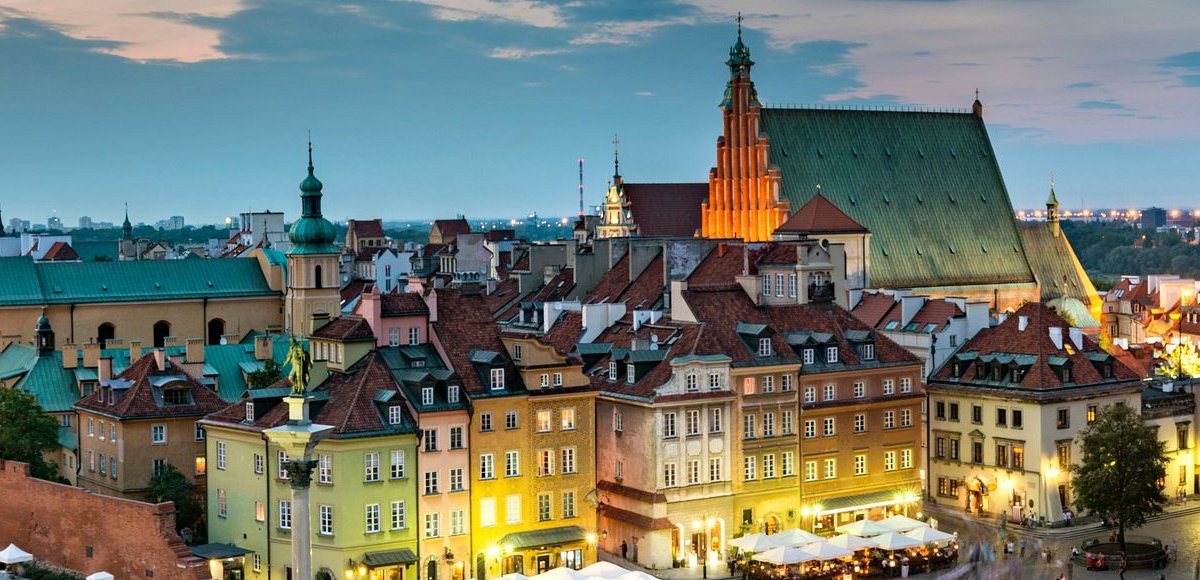
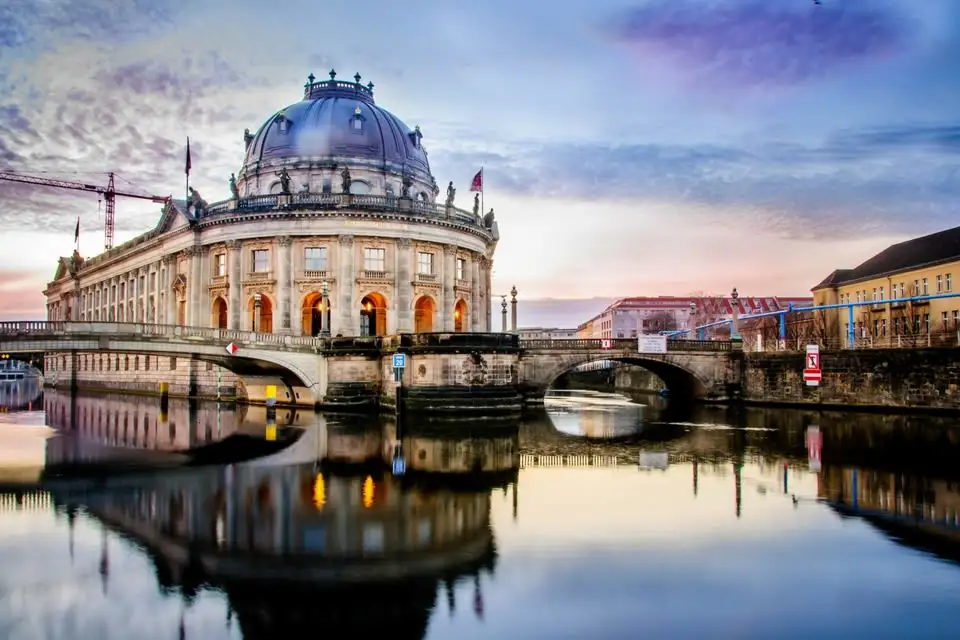
⚡ The TL;DR Verdict
If your wallet is thin but your desire for rich history and vibrant culture is strong, Warsaw is your champion, offering exceptional value for around $40-70 USD a day. For those craving cutting-edge art, legendary nightlife, and a slightly more polished Western European vibe, Berlin delivers, though expect to spend closer to $70-120 USD daily. Pick your pace and your budget wisely!
- Choose Warsaw: Go for incredible value, poignant history, delicious traditional food, and a surprisingly dynamic modern scene that's still off the main tourist radar for many.
- Choose Berlin: Opt for world-class museums, unparalleled nightlife, a raw artistic edge, and a city that has shaped modern European history in profound ways, even if it costs more.
- Choose Both: If you have 7-10 days, flying between them is quick (1.5 hrs) and affordable (~$50-100 USD one-way), allowing you to experience both Central European gems without feeling rushed.
Quick Comparison
| Category | Warsaw | Berlin | Winner |
|---|---|---|---|
| Costs & Value | Significantly more affordable, especially for food, accommodation, and transport. Get more for your money. | Higher prices across the board, comparable to other major Western European cities. | Warsaw |
| Culture & History | Focus on resilience, WWII devastation, and post-war reconstruction, with a strong emphasis on Polish identity. | Rich with Cold War, WWII, and reunification history; a hub for contemporary art and political commentary. | Berlin |
| Nightlife | Vibrant, affordable, and diverse, from elegant cocktail bars to underground clubs and casual pubs. | Legendary, world-renowned club scene with a focus on electronic music, open for days, plus trendy bars. | Berlin |
| Food Scene | Traditional Polish comfort food, milk bars, and an emerging modern culinary scene at excellent prices. | International culinary hub, famous for street food like Currywurst and Döner, with Michelin-starred options and diverse global flavors. | Berlin |
| Accommodation | Excellent value, with affordable hostels, stylish boutique hotels, and spacious apartments available. | More expensive, with a wide range of options from budget hostels to luxury hotels, often requiring advance booking. | Warsaw |
| Getting There & Around | Well-connected by air and train. Excellent public transport, very walkable city center. | Major international hub with extensive flight and train connections. Superb and easy-to-use public transport system. | Berlin |
| Day Trips | Offers historical sites, nature parks, and other Polish cities for cultural immersion. | Rich with historical sites, picturesque towns, and unique natural landscapes like Spreewald. | Berlin |
| Safety | Generally very safe, with low crime rates. Usual precautions apply in crowded areas. | Generally safe, but has areas with higher petty crime (pickpocketing) and occasional demonstrations. | Warsaw |
| Weather & Seasons | Classic continental climate: hot summers, cold snowy winters. Shoulder seasons are mild. | Similar continental climate, but often slightly milder winters and hotter summers due to urban heat island effect. | Tie |
| Solo Travel Friendliness | Very safe, welcoming locals, easy to meet other travelers in hostels and bars. Great value. | Excellent hostel scene, diverse population, easy to navigate, but can feel overwhelming and slightly less intimate. | Warsaw |
💰 Costs & Value
When it comes to stretching your travel budget, Warsaw is the undisputed champion. You can easily find a fantastic hostel bed for 80-150 PLN ($20-37 USD) or a comfortable mid-range hotel for 200-400 PLN ($50-100 USD) per night. Eating out is a joy, with a hearty meal at a traditional 'bar mleczny' (milk bar) costing as little as 15-25 PLN ($3.75-6.25 USD), while a good sit-down dinner might run you 40-70 PLN ($10-17.50 USD). A local beer is usually 12-18 PLN ($3-4.50 USD). Public transport is incredibly cheap at around 4.40 PLN ($1.10 USD) for a single ride. Berlin, in contrast, is noticeably pricier. Hostel dorms start from 25-45 EUR ($27-48 USD), and mid-range hotels are typically 80-150 EUR ($86-162 USD). A basic meal out will be 12-20 EUR ($13-22 USD), and a nice dinner 20-40 EUR ($22-43 USD). Expect to pay 4-6 EUR ($4.30-6.50 USD) for a beer. A single public transport ticket is 3.20 EUR ($3.45 USD). "Honestly, I was shocked how cheap Warsaw was. I ate like a king and barely spent anything compared to Berlin where every meal felt like a splurge." Warsaw offers incredible value without compromising on quality or experience.
Winner takeaway
- Winner: Warsaw
- Why: Warsaw provides a significantly lower cost of living and travel, making it an ideal destination for budget-conscious travelers.
- Who this matters for: Budget travelers, long-term backpackers, and anyone who wants to maximize their experiences without breaking the bank.
🏛️ Culture & History
Both cities bear the scars of 20th-century history, but their narratives and cultural offerings differ significantly. Warsaw's story is one of incredible resilience and rebirth. The Old Town, meticulously reconstructed after WWII, is a UNESCO site, a testament to Polish determination. Must-sees include the POLIN Museum of the History of Polish Jews (entry ~40 PLN / $10 USD) and the impactful Warsaw Uprising Museum (entry ~30 PLN / $7.50 USD). Chopin's legacy is celebrated throughout the city. Berlin, however, offers a more immediate and stark confrontation with recent history. From the Brandenburg Gate to the Reichstag, the remnants of the Berlin Wall at the East Side Gallery, the Memorial to the Murdered Jews of Europe, and the powerful Jewish Museum (entry ~8 EUR / $8.60 USD), history is palpable everywhere. The city's contemporary art scene is also legendary, with countless galleries and alternative spaces. "Berlin just feels like history is still breathing down your neck, in a good way. The museums are next level, especially the ones about the war and the Wall." While Warsaw's story is deeply moving, Berlin's pervasive historical presence and its role as a global cultural powerhouse give it an edge.
Winner takeaway
- Winner: Berlin
- Why: Berlin's layered history, from its Cold War divisions to its vibrant contemporary art scene, offers a more diverse and globally impactful cultural experience.
- Who this matters for: History buffs, art lovers, political science enthusiasts, and those interested in the raw, recent past of Europe.
🎶 Nightlife
Berlin's nightlife is not just famous; it's a global institution, particularly for electronic music. Clubs like Berghain, Sisyphos, and Watergate are legendary, operating non-stop from Friday night into Monday morning, with entry typically ranging from 15-25 EUR ($16-27 USD). The vibe is inclusive, hedonistic, and truly unique. Beyond the super-clubs, areas like Kreuzberg and Prenzlauer Berg are packed with trendy bars, dive bars, and pubs offering everything from craft beer to inventive cocktails. Warsaw's nightlife is also excellent and significantly more affordable, but it operates on a different scale. Mazowiecka Street is popular for its high-energy clubs, while the Praga district offers more alternative venues. Areas like Piekna Street have chic cocktail bars like Weles Bar or unique spots like Bar & Books. You can get into most clubs for 20-50 PLN ($5-12.50 USD), and a fancy cocktail is usually 30-50 PLN ($7.50-12.50 USD). "Berlin's clubs are a pilgrimage for anyone into techno, it's an experience you just can't get anywhere else. Warsaw is fun, but it's not Berghain." While Warsaw offers a fantastic night out, Berlin's singular, world-class club culture sets it apart.
Winner takeaway
- Winner: Berlin
- Why: Berlin's nightlife is globally renowned for its unique, boundary-pushing club culture and 24/7 party scene.
- Who this matters for: Party-goers, electronic music fans, those looking for an iconic and unforgettable nightlife experience.
🍜 Food Scene
Berlin is a true melting pot when it comes to food, offering an incredible range of international cuisines alongside its famous street food. You absolutely have to try Currywurst (around 4-6 EUR / $4.30-6.50 USD) and a Döner Kebab (5-8 EUR / $5.40-8.60 USD), often hailed as the best outside of Turkey, especially from places like Mustafa's Gemüsekebap. Beyond that, neighborhoods like Mitte, Kreuzberg, and Prenzlauer Berg are brimming with everything from Michelin-starred restaurants to innovative vegan eateries and bustling food markets like Markthalle Neun. Warsaw offers a delightful journey into traditional Polish cuisine, which is hearty and comforting. Pierogi (dumplings), Zurek (sour rye soup), and Bigos (hunter's stew) are must-tries. You can experience authentic Polish food at 'Bar Mleczny' (milk bars) for incredibly low prices (e.g., 15-25 PLN / $3.75-6.25 USD for a meal) or explore modern Polish gastronomy at places like 'U Kucharzy' or 'Specjały Regionalne' for 70-120 PLN ($17.50-30 USD) for a main. "Berlin's food scene is just insane, you can eat something different and amazing every single day, from a Michelin star to the best street food you've ever had. Warsaw is good for Polish, but Berlin has the world." While Warsaw excels in its own cuisine, Berlin's sheer diversity and quality across global flavors make it the winner for foodies.
Winner takeaway
- Winner: Berlin
- Why: Berlin boasts an incredibly diverse international food scene, from iconic street food to high-end dining, catering to all tastes and budgets.
- Who this matters for: Foodies, adventurous eaters, those seeking a wide variety of international cuisines, and fans of unique street food.
🏨 Accommodation
Finding comfortable and affordable accommodation is significantly easier in Warsaw. A bed in a top-rated hostel like Oki Doki Hostel or Dream Hostel Warsaw typically costs 80-150 PLN ($20-37 USD) per night. Mid-range hotels, such as the Hotel Bristol or even chain hotels, offer excellent value, with rooms often found for 200-400 PLN ($50-100 USD). Even stylish boutique options or well-located Airbnb apartments are surprisingly affordable. Berlin, on the other hand, comes with a higher price tag. While there are plenty of hostels (e.g., Generator Hostel Berlin, The Circus Hostel) at 25-45 EUR ($27-48 USD) per night, quality can vary, and prime locations fill up fast. Mid-range hotels like Motel One or Ibis typically start from 80-150 EUR ($86-162 USD), and can go much higher during peak season or major events. "I got a really nice private room in Warsaw for what I'd pay for a dorm in Berlin. Way more bang for your buck there." Booking in advance is almost essential in Berlin, especially for popular times. Warsaw consistently offers better value and often higher quality for the price point, across all accommodation types.
Winner takeaway
- Winner: Warsaw
- Why: Warsaw offers significantly better value for accommodation across all categories, from hostels to luxury hotels.
- Who this matters for: Budget travelers, families, and anyone looking for a comfortable stay without overspending.
✈️ Getting There & Around
Both cities are well-connected, but Berlin slightly edges out Warsaw due to its status as a larger, more central European hub. Berlin Brandenburg Airport (BER) has direct flights from more major international cities, including numerous North American and Asian routes, often resulting in slightly more competitive flight prices (e.g., round trip from NYC can range $500-800 USD). Warsaw Chopin Airport (WAW) is also very well-served, particularly within Europe, and has some direct long-haul flights (e.g., from NYC around $600-900 USD). When it comes to getting around, both cities boast excellent public transport systems. Warsaw's ZTM system (trams, buses, metro) is efficient and very affordable (single ticket ~4.40 PLN / $1.10 USD). Berlin's BVG system (U-Bahn, S-Bahn, trams, buses) is renowned for its efficiency, coverage, and ease of use (single ticket ~3.20 EUR / $3.45 USD). "Getting around Berlin is a breeze, the U-Bahn gets you everywhere quickly and you never wait long. Warsaw's good too, but Berlin's network feels a bit more intuitive for a first-timer." Berlin's more extensive international flight connections and its slightly more robust and user-friendly public transport network make it the winner here.
Winner takeaway
- Winner: Berlin
- Why: Berlin offers broader international flight connectivity and an arguably more comprehensive and intuitive public transport system.
- Who this matters for: International travelers seeking direct flights, and those who prioritize ultra-efficient urban transit for easy exploration.
🌳 Day Trips
Berlin offers a richer and more diverse array of easily accessible day trips. Potsdam, with its stunning Sanssouci Palace (entry ~22 EUR / $24 USD) and gardens, is a must-see UNESCO World Heritage site just a short train ride away. The Sachsenhausen Concentration Camp Memorial (free entry, audio guide ~3.50 EUR / $3.80 USD) provides a profoundly moving and important historical experience. For nature lovers, the Spreewald Biosphere Reserve, with its unique network of canals and traditional villages, offers charming boat trips and kayaking. From Warsaw, popular day trips include Żelazowa Wola, the birthplace of Frédéric Chopin (entry ~25 PLN / $6.25 USD), the historic city of Lublin, or the Kampinos National Park for some forest hiking. While these are worthwhile, Berlin's options feel more varied and globally significant. "Potsdam and Sachsenhausen from Berlin are absolutely essential day trips, so much history and beauty packed into a short train ride. Warsaw's day trips are good, but not quite as impactful." The sheer historical weight and natural beauty available from Berlin make its day trips stand out.
Winner takeaway
- Winner: Berlin
- Why: Berlin provides access to a more diverse and globally significant range of day trips, from historical palaces to poignant memorials and unique natural landscapes.
- Who this matters for: History enthusiasts, those interested in WWII/Cold War history, and travelers looking for diverse excursions beyond the city center.
🚨 Safety
Both Warsaw and Berlin are generally safe cities for travelers, but Warsaw consistently ranks as one of Europe's safest capitals. Violent crime is rare, and while petty theft like pickpocketing can occur in tourist-heavy areas or on public transport, it's less prevalent than in many Western European counterparts. Walking alone at night in most central areas of Warsaw feels very comfortable. Berlin, while also safe, has a slightly higher incidence of petty crime, particularly in crowded tourist spots like Alexanderplatz or on busy U-Bahn lines. There have also been occasional reports of bicycle theft and more organized pickpocketing rings. "I felt super safe walking around Warsaw late at night, even as a solo female traveler. In Berlin, I was a bit more aware of my surroundings, especially in busy spots." While both cities require standard travel vigilance, Warsaw's lower overall crime rates and a palpable sense of security give it the edge, especially for solo travelers or those with safety concerns.
Winner takeaway
- Winner: Warsaw
- Why: Warsaw generally experiences lower crime rates and a stronger sense of public safety compared to Berlin.
- Who this matters for: Solo travelers (especially females), families, and anyone prioritizing a very low-stress and secure environment.
☀️ Weather & Seasons
Both Warsaw and Berlin share a very similar continental climate, meaning they experience distinct seasons with warm summers and cold, snowy winters. Summers (June-August) in both cities are generally pleasant and warm, with average temperatures ranging from 20-25°C (68-77°F), though heatwaves can push temperatures higher, sometimes into the 30s°C (80s-90s°F). Winters (December-February) are cold, with average temperatures often hovering around 0°C (32°F) or below, and snowfall is common, creating picturesque but chilly landscapes. Spring (April-May) and Autumn (September-October) are shoulder seasons, offering milder temperatures, beautiful foliage, and fewer crowds – often considered the best times to visit for pleasant weather and lower prices. Berlin might feel marginally warmer in winter due to its larger urban heat island effect, and conversely, summers can sometimes feel a bit more intense in the city center. "Both cities get proper winters and decent summers. I visited both in October and the crisp air and changing leaves were perfect for walking around." There isn't a significant difference in climate patterns that would make one a clear 'winner' over the other; choosing depends more on your preference for heat, cold, or temperate weather.
Winner takeaway
- Winner: Tie
- Why: Both cities share very similar continental climates with distinct seasons, making neither a clear winner based on weather.
- Who this matters for: Travelers who have a strong preference for specific seasonal weather (e.g., hot summers, snowy winters).
🚶♀️ Solo Travel Friendliness
For solo travelers, Warsaw offers a fantastic and highly rewarding experience. Its superior safety rating (as discussed), combined with its exceptional value, means you can explore extensively without financial strain. The hostel scene in Warsaw is vibrant, with many social hostels like Oki Doki Hostel actively organizing events, making it easy to meet fellow travelers. Locals, while not always as outwardly effusive as in some other cultures, are generally helpful and appreciative of visitors. Navigating the city alone is straightforward, and the smaller scale compared to Berlin can feel less intimidating. Berlin is also very solo-traveler friendly, particularly due to its robust hostel network and diverse, open-minded population. However, it's a much larger, more spread-out city, which can sometimes feel a bit overwhelming for a first-time solo adventurer. "Warsaw felt really manageable and welcoming as a solo traveler. I made friends easily at my hostel and never felt unsafe, even late at night. Berlin was cool, but a bit more intense to navigate alone." While Berlin offers endless opportunities for exploration and socialising, Warsaw's combination of safety, affordability, and a slightly more intimate atmosphere makes it a slightly more comfortable and less daunting choice for many solo travelers, especially those new to independent travel.
Winner takeaway
- Winner: Warsaw
- Why: Warsaw offers an ideal blend of affordability, high safety, and a welcoming, manageable environment that makes solo exploration comfortable and rewarding.
- Who this matters for: First-time solo travelers, budget-conscious soloists, and those who prioritize safety and ease of meeting others.
❓ Frequently Asked Questions
Which city is better for a weekend trip?
For a quick weekend trip, Warsaw might be slightly better due to its more compact city center and excellent public transport, allowing you to see many highlights without feeling rushed. Berlin, being larger and more sprawling, benefits from at least 3-4 full days to truly appreciate its diverse neighborhoods and major attractions.
Is English widely spoken in Warsaw and Berlin?
In both cities, English is widely spoken, especially in tourist areas, hotels, restaurants, and among younger generations. You'll have no problem getting by. However, learning a few basic phrases in Polish (Warsaw) or German (Berlin) is always appreciated by locals.
Which city has better museums?
Berlin arguably has a more diverse and internationally renowned museum landscape, particularly focused on modern history (e.g., Museum Island, Jewish Museum, DDR Museum). Warsaw's museums are incredibly impactful, especially those dedicated to its WWII history (e.g., Warsaw Uprising Museum, POLIN Museum), but Berlin's sheer volume and variety of world-class institutions give it an edge.
Can I easily travel between Warsaw and Berlin?
Yes, absolutely! Traveling between the two cities is very convenient. You can take a direct train, which typically takes around 5.5-6.5 hours, with tickets costing roughly 30-70 EUR ($32-75 USD). Flying is even faster, with direct flights lasting about 1.5 hours and often available for 50-100 EUR ($54-108 USD) on budget airlines.
Which city is better for families with children?
Both cities offer family-friendly attractions. Warsaw boasts interactive science centers like Copernicus, lovely parks, and less overwhelming crowds. Berlin has excellent zoos, interactive museums, and large green spaces like Tiergarten. Warsaw's lower costs might make it more appealing for family budgets, but Berlin offers a wider array of universally recognized attractions.
What's the best time of year to visit both cities?
The best time to visit both Warsaw and Berlin is during the shoulder seasons: late spring (April-May) or early autumn (September-October). The weather is pleasantly mild, crowds are thinner than in summer, and prices for flights and accommodation can be more favorable. Summers are warm but can be crowded, while winters are cold but offer festive Christmas markets.
Are there any major cultural differences to be aware of?
While both are European capitals, Warsaw is deeply rooted in Polish traditions, with a strong sense of national identity and resilience. Berlin is more of a transient, international hub with a 'live and let live' attitude, often perceived as more edgy and liberal. Polish culture can be more reserved initially, while Berliners can seem direct. Both are welcoming, but their vibes differ.
Which city has better shopping?
Berlin offers a more diverse shopping experience, from high-end boutiques on Kurfürstendamm to trendy independent stores in Mitte and vintage markets in Mauerpark. Warsaw has modern shopping malls like Złote Tarasy and Arkadia for mainstream brands, and some charming local boutiques, but Berlin's range of fashion and unique finds is broader.
Ready to plan your Central Europe trip?
Get a free custom itinerary for Warsaw, Berlin, or both — built from real traveler insights.
🎟️ Book Tours & Experiences
Hand-picked tours and activities for both destinations — book with free cancellation
Experiences via Viator — free cancellation on most tours