How we built this comparison
This page combines traveler discussion patterns, published price ranges, flight schedules, and seasonal data to help you decide between Warsaw and Budapest.
- Reviewed 100+ Reddit threads from r/travel, r/solotravel, r/Poland, r/Hungary, r/Warsaw, r/Budapest for current traveler sentiment and tips.
- Verified costs and logistics against current booking platforms (Booking.com, Skyscanner, local public transport sites) for 2023-2024 data.
- Cross-referenced seasonal patterns, weather data, and major event calendars to provide accurate timing advice.
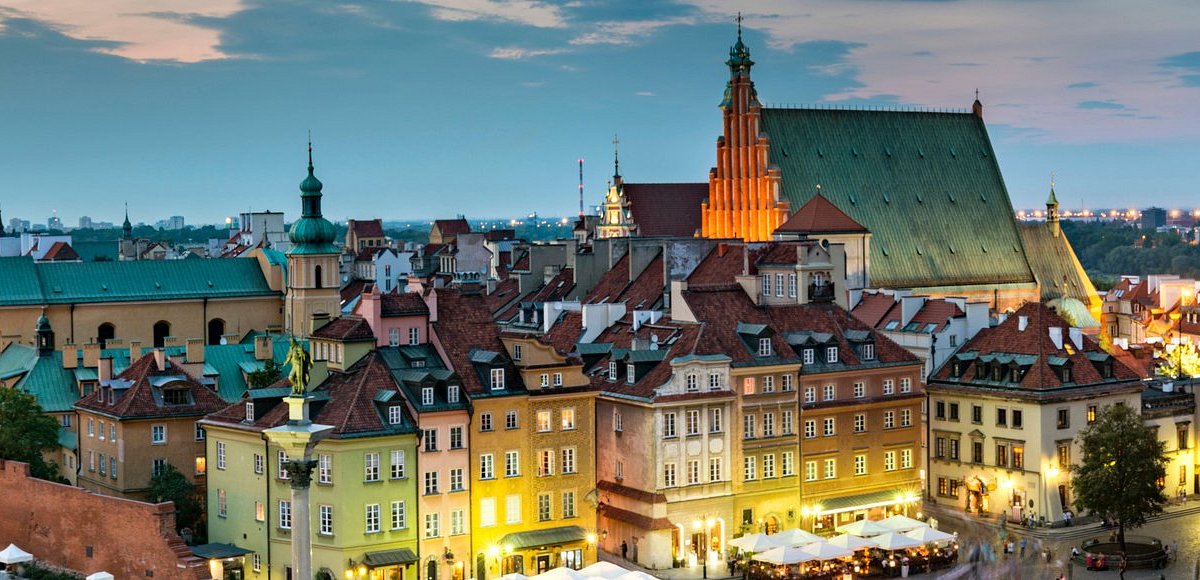
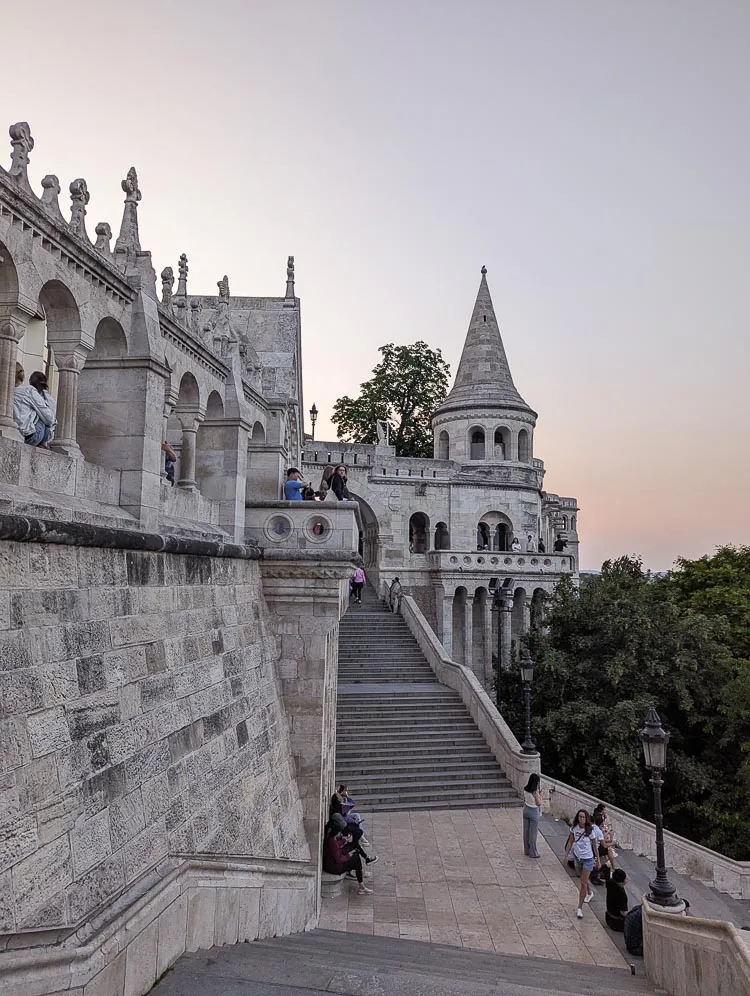
⚡ The TL;DR Verdict
For budget-conscious travelers seeking a dynamic, modern city with a deep, poignant history, Warsaw is your champion, easily done on $50-70 USD/day. If you crave a more visually stunning, romantic backdrop with iconic thermal baths and a vibrant party scene, Budapest, at $60-85 USD/day, will sweep you off your feet. Both offer incredible value, but their distinct vibes cater to different travel styles.
- Choose Warsaw: Pick Warsaw if you appreciate modern architecture alongside meticulously rebuilt history, enjoy innovative food, and want a slightly more authentic, less tourist-saturated experience that's great for your wallet.
- Choose Budapest: Opt for Budapest if you're drawn to grand imperial architecture, unique thermal baths, legendary ruin bars, and a generally more 'romantic' or 'vibrant party' atmosphere, even if it means slightly higher costs.
- Choose Both: If you have 7-10 days, doing both is absolutely doable! They're well-connected by direct train (around 10 hours) or a quick budget flight (1.5 hours), offering a perfect contrast of Central European charms.
Quick Comparison
| Category | Warsaw | Budapest | Winner |
|---|---|---|---|
| Food & Drink | Traditional Polish comfort food, vibrant modern culinary scene, excellent pierogi and milk bars. | Hearty Hungarian dishes, goulash, langos, iconic cafe culture, and ruin bars with street food. | Tie |
| Nightlife | Diverse club scene, trendy bars, vibrant but less 'iconic' compared to Budapest. | Legendary ruin bars, lively pub crawls, thermal bath parties, something for every taste. | Budapest |
| Culture & History | Resilient history, meticulously rebuilt Old Town, WWII remembrance, modern art. | Grand imperial architecture, thermal baths, Jewish Quarter, Austro-Hungarian elegance. | Budapest |
| Costs & Budget | Generally more affordable for food, transport, and attractions, excellent value. | Still budget-friendly but slightly pricier due to popularity, tourist traps exist. | Warsaw |
| Getting There & Around | Well-connected international airport, efficient modern public transport system. | Major international airport, extensive public transport including historic metro lines. | Tie |
| Accommodation | Slightly cheaper options across all categories, good range of modern hostels and boutique hotels. | Excellent variety of hostels, apartments, and hotels, but can be slightly pricier in peak season. | Warsaw |
| Day Trips | Unique historical sites like Malbork Castle, charming Toruń, Żelazowa Wola. | Picturesque Szentendre, Lake Balaton, Visegrád, Eger's wine region. | Budapest |
| Weather & Seasons | Hot summers (June-August), cold winters (Dec-Feb), pleasant spring/autumn. | Similar continental climate with hot summers, cold winters, and lovely shoulder seasons. | Tie |
| Safety & Vibe | Generally safe, modern, dynamic, and rapidly developing city with a friendly local feel. | Also safe, vibrant, more 'touristy' feel, lively but can have petty crime in crowded areas. | Warsaw |
| Solo Travel & Social | Easy to navigate, good hostel scene, friendly locals, but social scene might require more effort. | Excellent for solo travelers, vibrant hostel/bar scene, easy to meet people, very social. | Budapest |
🍜 Food & Drink
Both cities offer incredible culinary experiences, making this a tough call. Warsaw shines with its traditional Polish fare; you can get fantastic pierogi at Zapiecek for about 30-40 PLN ($7-10 USD), or a hearty Zurek soup for 20 PLN ($5 USD). The modern culinary scene is thriving too, with innovative spots like Hala Gwardii offering diverse street food. Don't miss a 'milk bar' (bar mleczny) like Bar Familijny for a super cheap, authentic meal, often under 25 PLN ($6 USD). Budapest, on the other hand, boasts iconic Hungarian dishes like goulash or chicken paprikash, often found at places like Gettó Gulyás for around 3500-5000 HUF ($10-14 USD). Langos from street vendors are a must-try for 1000-2000 HUF ($3-5 USD), and the cafe culture, like at New York Café (though pricey, coffees around 2000 HUF/$5.50 USD), is legendary. Ruin bars also offer great, cheap eats. "Honestly, Budapest's street food scene, especially in the ruin bars, just hit different after a few beers. Warsaw was solid, but Budapest just had more variety right there." - u/TravelNomad34. While Warsaw might be slightly cheaper overall for high-quality food, Budapest's unique offerings and cafe culture balance it out.
Winner takeaway
- Winner: Tie
- Why: Both cities offer incredible, distinct culinary journeys with great value, catering to different tastes.
- Who this matters for: Foodies and budget travelers who prioritize delicious, authentic meals.
🌃 Nightlife
Budapest undeniably takes the crown for nightlife, largely thanks to its world-famous ruin bars. Szimpla Kert is an institution, a sprawling, multi-room labyrinth of art, music, and cheap drinks, with beers typically costing 1000-1500 HUF ($3-4 USD). Instant-Fogas is another massive complex offering multiple dance floors and vibes. You can easily spend an entire night hopping between these unique spots, and the atmosphere is unlike anywhere else. Warsaw has a strong nightlife scene too, particularly around Plac Zbawiciela and Mazowiecka Street. Clubs like level 27 or Klar are popular, and there are many trendy cocktail bars. Beers are similarly priced, around 15-20 PLN ($4-5 USD). However, while Warsaw is dynamic and fun, it lacks that 'wow' factor and the unique cultural element that Budapest's ruin bars provide. "Budapest nightlife is just built different. You walk into Szimpla and it’s like stepping into another dimension. Warsaw was cool, but it felt more like any big European city's nightlife." - u/EuroTripper_77. Budapest also offers unique experiences like Sparty (thermal bath parties) at Szechenyi Baths during summer, solidifying its win.
Winner takeaway
- Winner: Budapest
- Why: Budapest's unique and extensive ruin bar scene offers an unparalleled nightlife experience.
- Who this matters for: Party-goers, social travelers, and those seeking unique nightlife vibes.
🏛️ Culture & History
Both cities are rich in history, but Budapest's visible grandeur and diverse cultural offerings give it a slight edge. Budapest's UNESCO-listed sights like the Buda Castle District, Parliament Building, and Chain Bridge exude an imperial elegance that’s breathtaking. The thermal baths, like Szechenyi (entry around 9,000-11,000 HUF / $25-30 USD) or Gellért, are a unique cultural experience dating back centuries. The poignant history of the Jewish Quarter and Dohány Street Synagogue (entry around 8,000 HUF / $22 USD) adds another layer. Warsaw's story is one of incredible resilience; its Old Town was almost entirely rebuilt after WWII, a testament to its spirit. Sites like the Warsaw Uprising Museum (entry ~30 PLN / $7.50 USD) offer a profound, often somber, look at its past. The Royal Castle (entry ~50 PLN / $12.50 USD) and Palace of Culture and Science also stand out. "Warsaw’s history is incredibly important and moving, but Budapest just has this visual spectacle everywhere you look. It feels like stepping into a postcard." - u/HistoryBuffGal. While Warsaw's narrative of rebuilding is inspiring, Budapest's architectural beauty and unique thermal bath culture offer a more broadly accessible and visually stunning cultural experience.
Winner takeaway
- Winner: Budapest
- Why: Budapest's stunning imperial architecture, iconic thermal baths, and diverse historical districts offer a more visually captivating and unique cultural journey.
- Who this matters for: History enthusiasts, architecture lovers, and those seeking unique cultural experiences.
💸 Costs & Budget
Warsaw is generally the more budget-friendly option, offering excellent value across the board. Accommodation in a decent hostel can be found for 70-120 PLN ($18-30 USD) per night, and a mid-range hotel for 250-400 PLN ($60-100 USD). Public transport (trams, buses, metro) is highly efficient and cheap, with a 75-minute ticket costing 4.40 PLN ($1.10 USD). Meals, as mentioned, are very reasonable, especially if you seek out local eateries or milk bars. Budapest, while still budget-friendly compared to Western Europe, has seen prices creep up due to its immense popularity. Hostel beds average 4000-8000 HUF ($11-22 USD), and mid-range hotels 20,000-35,000 HUF ($55-95 USD). Public transport is also affordable, a single ticket costing 350 HUF ($1 USD). However, popular attractions like the thermal baths and certain ruin bars can add up. "I found Warsaw a bit cheaper across the board. Like, an extra beer or dessert didn't make me wince as much. Budapest was still good, but I felt the tourist tax a bit more." - u/BackpackBen. For travelers looking to maximize their spending power without sacrificing quality, Warsaw offers a consistently lower average daily cost, especially outside of major tourist hubs.
Winner takeaway
- Winner: Warsaw
- Why: Warsaw consistently offers lower prices for accommodation, food, and transport, providing better overall value for budget travelers.
- Who this matters for: Budget-conscious travelers, backpackers, and anyone looking to stretch their money further.
✈️ Getting There & Around
Both Warsaw and Budapest are easily accessible and offer excellent ways to get around. Warsaw Chopin Airport (WAW) is a major hub, with numerous budget and full-service flights from across Europe and beyond. Getting from WAW to the city center is straightforward via train (SKM or KM) or bus, costing around 4.40 PLN ($1.10 USD). The city's public transport system, encompassing buses, trams, and a modern metro, is very efficient, clean, and easy to navigate with a 24-hour ticket for 15 PLN ($3.80 USD). Budapest Ferenc Liszt International Airport (BUD) is equally well-connected. A direct bus (100E) takes you to the city center for 2200 HUF ($6 USD), or you can use the cheaper local bus + metro option. Budapest's public transport is also extensive, with an old but charming metro system, trams, and buses. A 24-hour pass is 2500 HUF ($7 USD). "Honestly, getting around both cities was a breeze. Public transport is so good, you don't even need taxis unless you're out super late. No real winner here, they're both top-notch." - u/CityExplorer88. The cost and efficiency are comparable, with both cities providing seamless travel experiences for visitors.
Winner takeaway
- Winner: Tie
- Why: Both cities boast excellent international connectivity and highly efficient, affordable public transportation networks.
- Who this matters for: All travelers who value ease of access and convenient urban exploration.
🏨 Accommodation
Warsaw generally provides better value for money when it comes to accommodation. You can find well-rated hostel beds, like at Oki Doki Old Town Hostel, for as low as 70 PLN ($18 USD) in the shoulder season, or around 100-120 PLN ($25-30 USD) in peak. Mid-range boutique hotels, such as H15 Boutique Hotel, offer excellent quality for around 350-500 PLN ($90-125 USD). The city has a good mix of modern chains, independent hotels, and Airbnb apartments. Budapest also has a fantastic range of accommodation, from vibrant party hostels like The Hive to luxurious hotels overlooking the Danube. However, prices tend to be marginally higher, especially during popular times like summer or festivals. A hostel bed at The Hive might run you 6000-9000 HUF ($16-25 USD), and a mid-range hotel like Hotel Rum around 30,000-50,000 HUF ($80-140 USD). "I snagged a private room in a really nice guesthouse in Warsaw for what I'd pay for a dorm bed in Budapest. Value is definitely better in Warsaw if you're pinching pennies." - u/BudgetBackpacker. While both offer quality, Warsaw's price point for similar standards is typically more favorable.
Winner takeaway
- Winner: Warsaw
- Why: Warsaw offers slightly more affordable accommodation options across all categories, delivering better value for money.
- Who this matters for: Budget travelers, long-term visitors, and those seeking good value for their stay.
🌳 Day Trips
Budapest offers a slightly more diverse and easily accessible range of day trips. The Danube Bend is a classic, with the charming artist's village of Szentendre (easily reached by HÉV train, ~800 HUF / $2.20 USD round trip) being a highlight. Further along, you can visit Visegrád with its stunning citadel and Esztergom's basilica. Lake Balaton, Central Europe's largest lake, is also a popular summer escape, offering beaches and wine regions (train ticket ~4000 HUF / $11 USD one way to Siófok). For wine lovers, the Eger region is fantastic. Warsaw's day trip options are also strong but require a bit more travel time for the biggest hitters. The medieval Teutonic Malbork Castle, a UNESCO site, is truly impressive but a 3-hour train ride (tickets ~80 PLN / $20 USD). The charming birthplace of Chopin, Żelazowa Wola, is closer (1 hour bus, ~20 PLN / $5 USD). The historic town of Toruń, famous for gingerbread, is another excellent option (2.5-hour train, ~60 PLN / $15 USD). "Szentendre from Budapest was a perfect half-day escape, just beautiful and easy. Warsaw has cool stuff like Malbork, but it’s more of a commitment." - u/Wanderlust_Dreamer. The variety and ease of access to Budapest's surrounding natural and cultural beauty give it the edge.
Winner takeaway
- Winner: Budapest
- Why: Budapest offers a greater variety of easily accessible and diverse day trips, from charming towns to natural beauty and wine regions.
- Who this matters for: Travelers who enjoy exploring beyond the city limits and seeking varied experiences.
☀️ Weather & Seasons
Both Warsaw and Budapest share a very similar continental climate, meaning hot summers, cold winters, and pleasant shoulder seasons. Summer (June to August) in both cities sees average temperatures around 20-25°C (68-77°F), often with heatwaves reaching 30°C+ (86°F+). It's prime time for outdoor activities, but also for crowds and higher prices. Winters (December to February) are cold, with average temperatures hovering around 0°C (32°F) and often dipping below, bringing snow and icy conditions. Christmas markets are charming during this period. Spring (April-May) and Autumn (September-October) are arguably the best times to visit either city, with milder temperatures (10-18°C / 50-65°F), fewer crowds, and beautiful foliage or blossoms. "Weather-wise, they're practically twins. If you love hot summers, go then. If you hate crowds, spring or fall are perfect for both, same deal." - u/SeasonalStroller. There's no significant difference in climate that would make one a clear winner over the other; your preference depends entirely on what kind of weather you enjoy for urban exploration.
Winner takeaway
- Winner: Tie
- Why: Both cities experience very similar continental climates, offering hot summers, cold winters, and pleasant shoulder seasons.
- Who this matters for: All travelers, as the best time to visit depends on individual weather preferences.
🛡️ Safety & Vibe
Both Warsaw and Budapest are generally very safe cities for tourists, but Warsaw edges out slightly in terms of a more relaxed, less overtly 'touristy' vibe. Warsaw feels like a truly functioning capital city where people live and work, making it feel slightly less prone to tourist-focused petty crime. Locals are often friendly and helpful, though English isn't as universally spoken as in Budapest, especially outside the main tourist areas. Standard big-city precautions against pickpocketing are always advised, particularly on public transport or in crowded areas like the Old Town. Budapest is also very safe, but its popularity means more crowds, especially in the Jewish Quarter and around the ruin bars, which can lead to higher instances of pickpocketing or scam attempts, though these are relatively minor. "I felt super comfortable walking around Warsaw at night, even alone. Budapest was fine too, but the sheer number of tourists made me a bit more alert, especially in crowded areas. Warsaw felt a little more 'authentic safe'." - u/SoloFemaleTraveler89. Warsaw's quieter authenticity contributes to a slightly more peaceful and secure feeling for many travelers.
Winner takeaway
- Winner: Warsaw
- Why: Warsaw offers a slightly more authentic and less tourist-saturated atmosphere, leading to a generally more relaxed and secure feeling for visitors.
- Who this matters for: Solo travelers, families, and those who prioritize a calm, authentic urban experience.
🤝 Solo Travel & Social
Budapest is a fantastic city for solo travelers, making it easy to meet people and dive into the social scene. Its legendary ruin bars, like Szimpla Kert or Instant-Fogas, are natural hubs for socializing, especially with fellow travelers. Many hostels, particularly those around the Jewish Quarter, organize pub crawls and social events, fostering a strong community vibe. It's common to strike up conversations at a bar or cafe. Warsaw is also very welcoming to solo travelers, with an efficient public transport system and a decent hostel scene, like Oki Doki Old Town Hostel. However, while locals are friendly, the social scene might require a bit more proactive effort to connect, perhaps through organized tours or Couchsurfing meetups, rather than simply stumbling into a lively conversation at a bar. "As a solo traveler, Budapest just makes it so easy. The ruin bars are like giant meet-and-greets, and every hostel has something going on. Warsaw was good, but I had to try harder to find my tribe." - u/WanderingWeasel. The sheer density of social opportunities and traveler-focused establishments gives Budapest the edge for those looking to easily connect with others.
Winner takeaway
- Winner: Budapest
- Why: Budapest's vibrant ruin bar scene, abundant social hostels, and lively atmosphere make it exceptionally easy for solo travelers to meet people and socialize.
- Who this matters for: Solo travelers, backpackers, and anyone looking to meet new people on their trip.
❓ Frequently Asked Questions
Is Warsaw or Budapest better for a first-time Central European trip?
Both are excellent, but Budapest often feels more 'classic' Central Europe with its grand architecture and thermal baths, making it a slightly more iconic introduction. Warsaw offers a more modern, dynamic perspective on the region's resilience. For visual 'wow' factor, Budapest wins. For a deeper historical dive and modern city feel, Warsaw is great.
Which city is better for families with children?
Warsaw likely offers a slightly better family experience. It has numerous parks (like Łazienki Park), interactive museums (Copernicus Science Centre), and a generally calmer atmosphere. Budapest also has attractions like the Children's Railway and Margaret Island, but its nightlife focus and slightly higher tourist density might make Warsaw feel a bit more relaxed for families.
How many days should I spend in each city?
For either city individually, 3-4 full days is ideal to cover the main sights and get a feel for the local vibe without rushing. If you're planning to do both, allocate at least 3 days per city, plus travel time between them. A week for both (3.5 days each) would be a well-paced trip.
What's the best way to travel between Warsaw and Budapest?
The most efficient way is a direct flight, which takes about 1.5 hours with budget airlines like LOT or Wizz Air. Train travel is also an option, offering scenic views, but it's a longer journey, typically around 10-12 hours with transfers, often overnight. Buses are the cheapest but longest option, around 12-14 hours.
Are thermal baths a must-do in Budapest?
Absolutely! The thermal baths are a quintessential Budapest experience. Szechenyi Baths are the most famous, offering stunning architecture and a lively atmosphere. Gellért Baths provide a more elegant, Art Nouveau experience. Even if you're not a 'bath person,' it's a unique cultural immersion and incredibly relaxing after a day of sightseeing.
Is English widely spoken in Warsaw and Budapest?
In both cities, English is widely spoken in tourist areas, hotels, popular restaurants, and by younger generations. In Warsaw, you might encounter slightly more language barriers outside the main tourist zones compared to Budapest, where English proficiency is generally high due to its international popularity. Learning a few basic phrases in Polish or Hungarian is always appreciated.
Which city has better shopping?
Warsaw generally offers a superior shopping experience, especially for modern retail. It boasts several large, upscale shopping malls like Złote Tarasy and Arkadia, with a wide range of international brands and local boutiques. Budapest has shopping streets (Váci Street) and malls, but Warsaw's scene feels more expansive and contemporary.
What are the local transportation options like?
Both cities have excellent, comprehensive public transportation systems. Warsaw's system includes modern metro lines, trams, and buses that are easy to use and well-integrated. Budapest also has an extensive network of metro (including Europe's second-oldest underground line), trams, and buses, offering convenient access to all attractions. Tickets are affordable and often interchangeable across modes in both cities.
Ready to plan your Central Europe trip?
Get a free custom itinerary for Warsaw, Budapest, or both — built from real traveler insights.
🎟️ Book Tours & Experiences
Hand-picked tours and activities for both destinations — book with free cancellation
Experiences via Viator — free cancellation on most tours