How we built this comparison
This page combines traveler discussion patterns, published price ranges, flight schedules, and seasonal data to help you decide between Washington Dc and Boston.
- Reviewed 70+ Reddit threads from r/travel, r/solotravel, r/washingtondc, r/boston, etc.
- Verified costs and logistics against current booking platforms (Expedia, Google Flights, Amtrak, etc.)
- Cross-referenced seasonal patterns and weather data from NOAA and local tourism boards
⚡ The TL;DR Verdict
If you crave grand monuments, free museums, and a diverse culinary scene, Washington D.C. is your winner with a typical daily budget of $150-250. For cobblestone charm, revolutionary history, and a vibrant college-town atmosphere, Boston shines, generally requiring $170-280 per day. Both offer rich experiences but cater to slightly different travel styles.
- Choose Washington Dc: You're a history buff fascinated by American government and monumental architecture, love world-class museums (especially free ones!), and appreciate diverse food options. Great for families and those on a tighter sightseeing budget.
- Choose Boston: You're drawn to colonial history, charming walkable neighborhoods, a strong sports culture, and fantastic seafood. Ideal for those who enjoy a European feel mixed with American heritage, and don't mind a slightly higher price tag.
- Choose Both: If you have 7-10 days and want a comprehensive Northeast history tour, combining both is fantastic. A high-speed Amtrak train connects them in about 7 hours, offering a scenic and efficient way to experience both the nation's capital and its revolutionary birthplace.
Quick Comparison
| Category | Washington Dc | Boston | Winner |
|---|---|---|---|
| Culture & History | Unparalleled access to American history, government, and world-class museums (many free). Grand monuments and a serious, educational vibe. | Birthplace of the American Revolution, charming colonial architecture, strong academic and artistic presence. More intimate, walkable historical sites. | Washington Dc |
| Food Scene | Incredibly diverse and international, from Michelin-starred dining to vibrant ethnic enclaves and iconic local eats like Ben's Chili Bowl. | Renowned for fresh seafood, particularly lobster and clam chowder. Strong Italian-American presence in the North End. Good craft beer scene. | Washington Dc |
| Costs & Budgeting | Higher accommodation costs, but many free attractions help balance the budget. Public transport is efficient and affordable. | Generally similar accommodation costs, but fewer free attractions mean more spending on entry fees. Food can be pricier, especially seafood. | Washington Dc |
| Getting There & Around | Three major airports, extensive Metro system. Very walkable downtown core. Good train connections. | Major international airport, decent subway system ('the T'). Extremely walkable historic core. Good train connections. | Tie |
| Accommodation | Wide range from luxury hotels to boutique options. Peak season (spring/fall) can be pricey. Good hostel scene. | Charming boutique hotels, historic inns, and modern chains. Availability can be tight during college events or marathon. | Tie |
| Nightlife & Entertainment | Vibrant bar scene in U Street Corridor, Adams Morgan, and Dupont Circle. Excellent live music venues and comedy clubs. | Strong pub culture, especially near college campuses. Lively bar scene around Faneuil Hall and Seaport. Sports-focused. Diverse live music. | Washington Dc |
| Day Trips & Beyond | Easy access to historic Alexandria, charming Annapolis, Harper's Ferry, and Shenandoah National Park (requires a car). | Quick access to Salem, Cape Cod (seasonal), Plymouth, and scenic New England towns. Excellent train connections to NYC and Montreal. | Boston |
| Family Friendliness | Unbeatable for educational family trips with free museums and vast open spaces for kids to run around. | Rich in history, engaging museums like the Children's Museum and Museum of Science. Less open space but charming walks. | Washington Dc |
| Weather & Best Time | Four distinct seasons. Spring (cherry blossoms) and Fall are ideal. Summers are hot and humid, winters can be cold with occasional snow. | Similar four distinct seasons. Late Spring to early Fall offer the best weather. Winters are cold and snowy, summers can be humid. | Tie |
| Vibe & Solo Travel | Serious, cosmopolitan vibe with a mix of professionals and tourists. Generally safe for solo travelers, easy to navigate. | Historic, intellectual, and charming. Strong college-town energy. Very safe and welcoming for solo exploration. | Boston |
🏛️ Culture & History
Washington D.C. truly stands alone for its sheer volume of free, world-class museums, particularly the Smithsonian institutions like the National Museum of Natural History, National Air and Space Museum, and National Museum of American History. You could spend a week just exploring these, not to mention the iconic monuments like the Lincoln Memorial and Washington Monument. It's a living history lesson, but can sometimes feel a bit formal. Boston, on the other hand, immerses you in a different kind of history – the American Revolution. The Freedom Trail is a 2.5-mile walking path connecting 16 historically significant sites, from the Boston Common to the USS Constitution. While some attractions like Paul Revere's House ($6-8) have entry fees, the overall experience is more about wandering charming cobblestone streets. D.C.'s history is grand, Boston's is granular and feels more personal. "Seriously, the sheer scale of the Lincoln Memorial at night is just... it hits different. And then you walk to the MLK Memorial. Chills." DC offers more breadth and depth without a single entrance fee for most major attractions, making it a clear winner for educational value and accessibility.
Winner takeaway
- Winner: Washington Dc
- Why: D.C. offers an unmatched concentration of free, world-class museums and monumental history, providing immense educational value.
- Who this matters for: History buffs, families, and budget travelers seeking deep cultural immersion.
🍽️ Food Scene
Washington D.C.'s food scene has exploded in diversity and quality over the last decade. It's truly a melting pot, reflecting its international population. You'll find everything from Michelin-starred tasting menus in Georgetown to incredible Ethiopian food in Adams Morgan, vibrant Salvadoran pupusas in Columbia Heights, and classic half-smokes at Ben's Chili Bowl (a must-try for ~$8-12). Casual dining can range from $15-25 for a solid lunch, while a nice dinner might be $40-70+ per person. Boston, while excellent, is more specialized. Its strength lies in incredibly fresh seafood – think lobster rolls (seasonal, $25-40), clam chowder (Neptune Oyster has a fantastic one, main courses $30-60+), and oysters. The North End offers authentic Italian fare, with classic pasta dishes (around $20-35) and famous pastries from Mike's Pastry or Modern Pastry ($5-8 per cannoli). "DC's food scene is just *more*. You can eat a different cuisine every night for a month and never repeat. Boston's seafood is top-tier, but DC's variety wins." While Boston excels in its niches, D.C.'s sheer breadth, quality, and global representation give it the edge for foodies looking for variety.
Winner takeaway
- Winner: Washington Dc
- Why: D.C. boasts a far more diverse and international culinary landscape, catering to every palate and budget, from street food to fine dining.
- Who this matters for: Foodies, adventurous eaters, and those seeking global flavors.
💰 Costs & Budgeting
Both D.C. and Boston are expensive East Coast cities, but D.C. offers a significant advantage due to its free attractions. While mid-range hotel rooms in both cities typically run $180-300+/night, D.C.'s major draw – the Smithsonian museums and national monuments – are all free. This saves visitors potentially hundreds of dollars in entrance fees. In Boston, you'll pay for many top attractions like the Museum of Fine Arts ($27), Isabella Stewart Gardner Museum ($20), and various Freedom Trail sites (some are free, others charge $5-15). Public transport in D.C. (Metro) is efficient, with fares ranging from $2.00-$6.00 depending on distance and time. Boston's MBTA (the 'T') is also good, with a subway fare of $2.40. Food costs are comparable, though Boston's high-end seafood can push budgets up. A reasonable daily budget for D.C. is $150-250, while Boston leans slightly higher at $170-280 due to attraction costs. "If you're trying to stretch your dollar, DC is a no-brainer with all the free museums. Boston's great, but those entry fees add up fast." The sheer volume of free, high-quality experiences in D.C. makes it more budget-friendly overall.
Winner takeaway
- Winner: Washington Dc
- Why: D.C.'s abundance of free, world-class museums and monuments significantly reduces overall sightseeing costs compared to Boston.
- Who this matters for: Budget-conscious travelers, families, and those who prioritize maximizing experiences without breaking the bank.
✈️ Getting There & Around
Both cities are exceptionally well-connected and easy to navigate. Washington D.C. is served by three major airports: Reagan National (DCA) is closest to downtown and Metro-accessible, Dulles International (IAD) and Baltimore-Washington International (BWI) offer more international flights but require longer transfers. From NYC, an Amtrak train to D.C. takes about 3.5 hours ($40-80). D.C.'s Metro system is extensive, clean, and efficient, covering most tourist areas. Boston's Logan International Airport (BOS) is very convenient to downtown via water taxi, shuttle bus, or the 'T'. Amtrak from NYC to Boston is around 4 hours ($45-90). Boston's 'T' subway system is older but covers key areas. Crucially, both city centers are incredibly walkable. You can easily stroll between major attractions in both D.C. (National Mall, Capitol) and Boston (Freedom Trail, North End). "Honestly, you barely need a car in either city. Metro in DC or the T in Boston, plus your own two feet, covers 90% of what you'll want to do." While D.C. has a slightly more modern and comprehensive Metro system, Boston's historic core is arguably even more compact and walkable, making them both highly accessible destinations.
Winner takeaway
- Winner: Tie
- Why: Both cities offer excellent accessibility via major airports, efficient public transportation, and highly walkable central districts.
- Who this matters for: All travelers, particularly those who prefer not to drive or rely on public transport and walking.
🏨 Accommodation
Finding accommodation in both D.C. and Boston can be a similar experience: expect high prices, especially during peak seasons or major events. In D.C., you'll find a spectrum from luxurious hotels like The Willard InterContinental ($400-700+) to mid-range chains (Hilton, Marriott $200-350+) in areas like Downtown, Foggy Bottom, and Dupont Circle. Budget options include hostels like HI Washington, DC ($40-70/night for a dorm bed). Boston also offers historic luxury properties like The Omni Parker House ($350-600+) and boutique hotels in areas like Beacon Hill or the North End (often $250-450+). More budget-friendly options can be found slightly outside the immediate city center or in hostels like HI Boston ($50-80/night dorm). Booking in advance is crucial for both, particularly if visiting during cherry blossom season in D.C. or college graduation/Marathon season in Boston. "Airbnb can be a good option in both if you're staying longer, but hotel prices are just steep everywhere on the East Coast right now." Both cities offer a good variety, but the price points and availability challenges are remarkably similar, leading to a tie in overall accommodation experience.
Winner takeaway
- Winner: Tie
- Why: Both cities present similar challenges and opportunities for accommodation, with high prices but diverse options across various neighborhoods.
- Who this matters for: All travelers, as accommodation will be a significant factor in any budget for either city.
🍻 Nightlife & Entertainment
Washington D.C. offers a surprisingly robust and diverse nightlife. The U Street Corridor is famous for its live music venues (like the legendary 9:30 Club, tickets typically $30-70) and jazz clubs, harkening back to its 'Black Broadway' roots. Adams Morgan is packed with lively bars and restaurants, while Dupont Circle has a mix of upscale lounges and LGBTQ+ friendly spots. You'll find everything from trendy cocktail bars to laid-back pubs. A typical drink might cost $10-15. Boston, with its large student population, naturally has a strong pub culture. Areas like the Faneuil Hall Marketplace can be very touristy but offer many bars. The Seaport District has emerged as a trendy spot for upscale cocktail bars and lounges. Live music is present, often focused on local bands or smaller venues. Fenway Park area is buzzing on game nights, with sports bars aplenty. "DC's nightlife always surprises me. It's not just stuffy government types; U Street on a Friday is electric." While Boston has its charms, D.C.'s variety, from iconic music venues to diverse neighborhood vibes, provides a more comprehensive and dynamic nightlife experience.
Winner takeaway
- Winner: Washington Dc
- Why: D.C. offers a more diverse and vibrant nightlife, with distinct neighborhoods catering to different tastes, from jazz clubs to upscale lounges.
- Who this matters for: Young adults, music lovers, and those seeking a lively evening scene beyond just pubs.
🚗 Day Trips & Beyond
Both cities offer excellent day trip opportunities, but Boston's are slightly more varied and accessible for different interests. From Boston, you can easily reach Salem, MA (30-minute train ride, $8-10 one way), famous for its witch trials history. Cape Cod is a popular summer getaway (2-3 hour drive/bus, depending on destination), offering beaches and charm. Plymouth, MA (1 hour drive) provides Pilgrim history. The scenic beauty of coastal New England is within easy reach. D.C. offers Old Town Alexandria, VA (15-20 min Metro ride, ~$5), a charming historic waterfront. Annapolis, MD (45-min drive) is another beautiful historic state capital. For nature lovers, Harper's Ferry, WV (1.5-hour drive) offers hiking and history, and Shenandoah National Park (1.5-2 hour drive) is stunning, but generally requires a car. "Salem for a spooky day trip is iconic from Boston. And getting out to the Cape for a weekend feels so distinctly New England." While D.C. has solid options, Boston's day trips feel more quintessentially New England and offer slightly more diversity in terms of coastal towns and unique historical sites accessible without a car.
Winner takeaway
- Winner: Boston
- Why: Boston offers a slightly more diverse range of iconic New England day trips, many easily accessible by public transport.
- Who this matters for: Travelers looking to explore charming coastal towns, unique historical sites, and classic New England scenery.
👨👩👧👦 Family Friendliness
Washington D.C. is arguably one of the best cities in the US for families, especially with school-aged children. The sheer number of free, interactive Smithsonian museums (Natural History, Air and Space, American History) means endless engagement without breaking the bank. The National Mall provides vast open spaces for kids to run, picnic, and unwind between museum visits. There are also specific family-friendly activities like the International Spy Museum (adults $32, kids $24) and the National Zoo (free). Boston is also very family-friendly, particularly for older children who can appreciate the historical significance of the Freedom Trail. The Boston Children's Museum ($22 for everyone over age 1) and the Museum of Science ($30 for adults, $25 for kids) are excellent, though they come with entrance fees. Faneuil Hall and Boston Common offer some open space. "Honestly, DC with kids is amazing. Free museums save so much money, and there's always something to keep them interested without feeling forced." While Boston is good, D.C.'s combination of free, high-quality educational attractions and expansive outdoor spaces makes it the superior choice for most families.
Winner takeaway
- Winner: Washington Dc
- Why: D.C.'s abundance of free, engaging museums and spacious outdoor areas on the National Mall make it an unparalleled destination for family travel.
- Who this matters for: Families with children of all ages, particularly those seeking educational and budget-conscious experiences.
☀️ Weather & Best Time
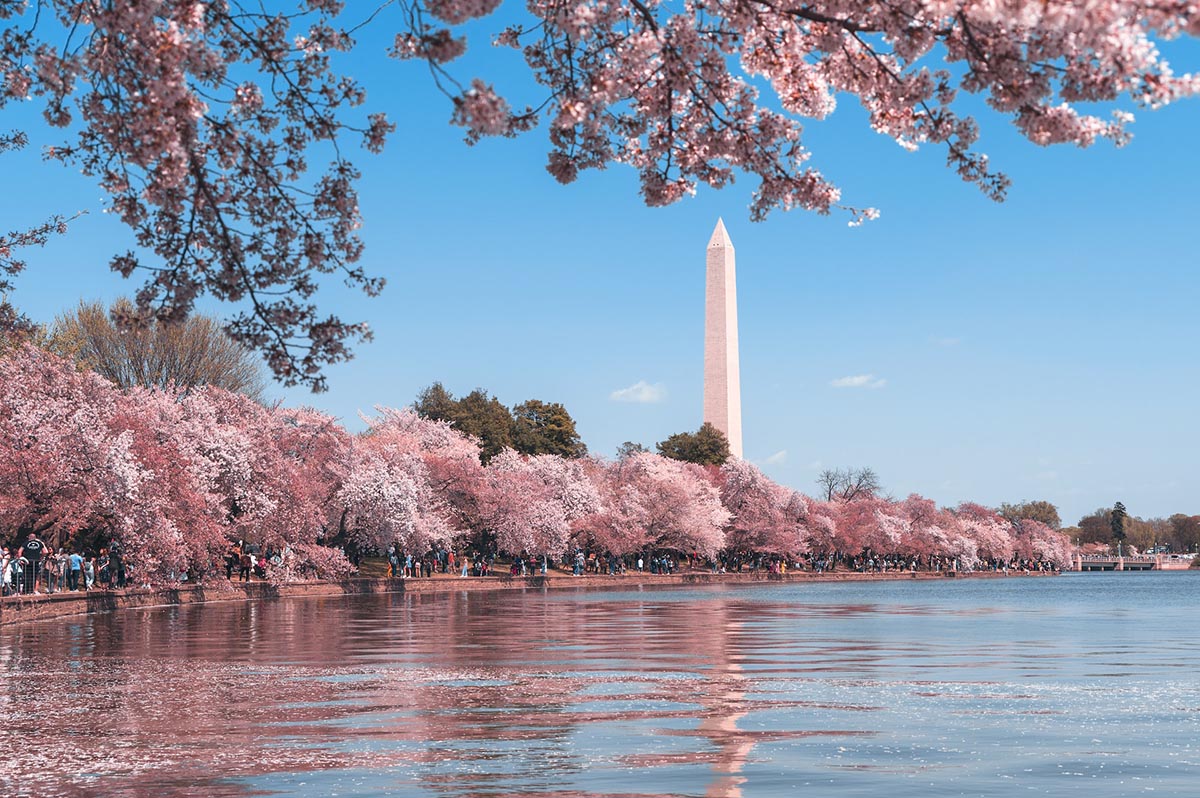
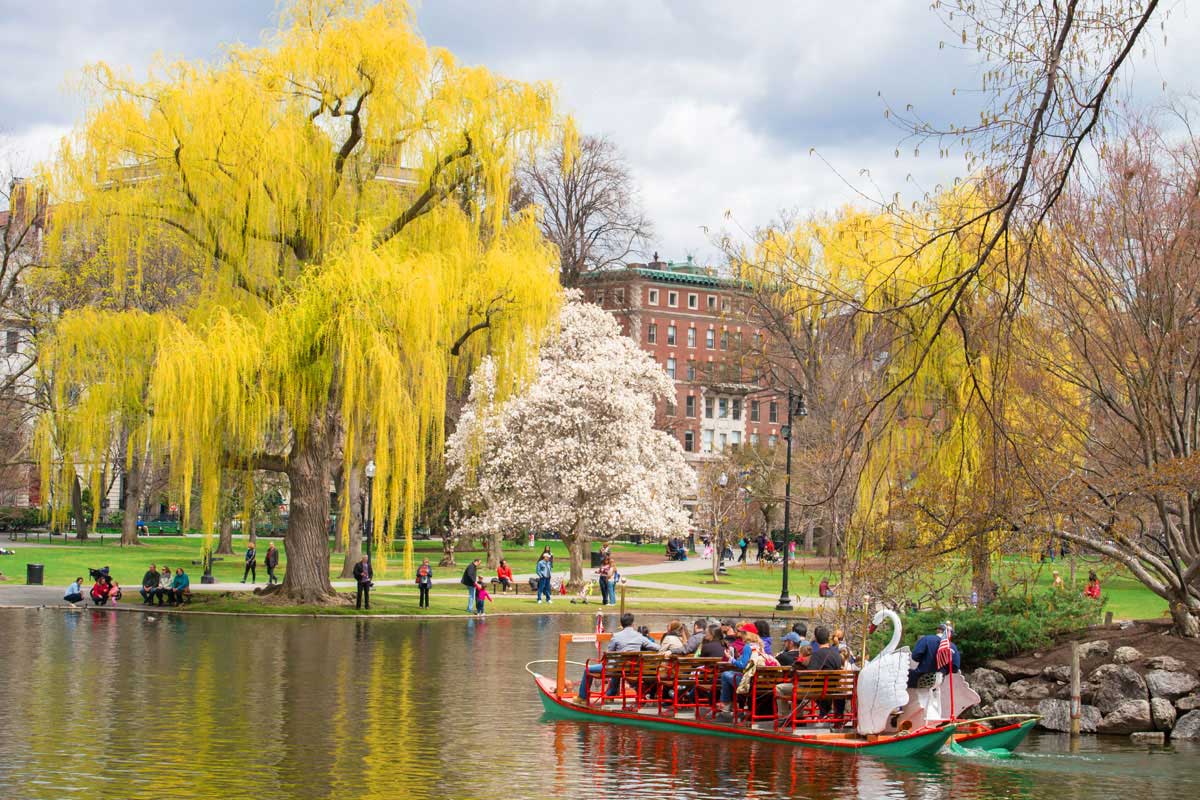
Both Washington D.C. and Boston experience four distinct seasons, with similar weather patterns. The absolute best times to visit both cities are late Spring (April-May) and Fall (September-October). In D.C., Spring brings the famous cherry blossoms (late March-early April, check forecasts!), which are stunning but also mean huge crowds and higher prices. Fall offers crisp air and beautiful foliage along the Potomac. Summers (June-August) in D.C. are hot and extremely humid (often 90°F/32°C with high humidity), making outdoor activities challenging. Winters (December-February) are cold, with average lows around 20-30°F (-6 to -1°C) and occasional snow. Boston's best times mirror D.C.'s. Late Spring offers pleasant temperatures and blooming gardens. Fall foliage throughout New England is spectacular and easily accessible from Boston. Summers can be warm and humid (mid-80s°F/28-30°C), though coastal breezes can provide some relief. Winters are cold and often snowy, with average lows similar to D.C., sometimes colder. "I love Boston in October, the leaves are amazing and it's perfect walking weather. DC's cherry blossoms are pretty, but the crowds are insane." Neither city has a distinct advantage; the best time depends on what kind of weather and activities you prefer.
Winner takeaway
- Winner: Tie
- Why: Both cities share very similar seasonal patterns, with pleasant springs and falls, hot humid summers, and cold snowy winters.
- Who this matters for: All travelers, as weather significantly impacts the enjoyment of outdoor activities and overall comfort.
🚶♀️ Vibe & Solo Travel
Washington D.C. has a vibe that is serious, professional, and undeniably cosmopolitan, often blending government workers and international visitors with a burgeoning young professional scene. While largely safe, especially around tourist areas, some neighborhoods can feel a bit quiet or transient after dark. Solo travelers will find it easy to navigate the Metro and participate in tours. The free museums are perfect for independent exploration. Boston, on the other hand, possesses a charming, intellectual, and distinctly East Coast feel. Its smaller, more intimate scale and a strong college-town energy contribute to a vibrant yet relaxed atmosphere. Boston consistently ranks as one of the safest major cities in the US, making it exceptionally comfortable for solo female travelers or anyone exploring alone. The compact, walkable nature of its historic core means you can cover a lot of ground independently and feel very secure. "Boston just feels instantly welcoming as a solo traveler. You can wander for hours and always feel safe, even at night." While D.C. is safe, Boston's compact size, historic charm, and reputation for safety give it a slight edge for solo travelers looking for a more intimate and reassuring experience.
Winner takeaway
- Winner: Boston
- Why: Boston's compact, highly walkable, and consistently safe environment, combined with its charming atmosphere, makes it slightly more appealing and comforting for solo travelers.
- Who this matters for: Solo travelers, especially those prioritizing safety, ease of navigation, and a charming, intimate city experience.
❓ Frequently Asked Questions
Which city is better for a quick weekend trip?
Boston is often preferred for a quick weekend due to its highly walkable, compact historic core. You can hit many major Freedom Trail sites and key neighborhoods in 2-3 days without feeling rushed. D.C. has many free museums, but they are vast and can take longer to fully appreciate, potentially feeling more rushed on a short timeline.
Is one city noticeably safer than the other?
Both cities are generally safe for tourists, especially in their main tourist areas. Boston consistently ranks among the safest large cities in the US and its compact, historic core feels very secure for walking day or night. D.C. is also safe, but its spread-out nature means some areas outside the National Mall and downtown can be less vibrant after dark. Always practice general urban safety precautions in both.
Which city has better public transportation?
Both cities have excellent public transportation. D.C.'s Metro is more modern, extensive, and generally covers more ground, directly connecting to major airports. Boston's 'T' is older but effectively serves its compact city center. For getting around the core tourist areas, both are highly efficient and reliable, making them tied in terms of public transport utility for visitors.
Can I visit both D.C. and Boston in one trip?
Absolutely! Many travelers combine them for a comprehensive East Coast history tour. An Amtrak Acela Express train connects the two cities in about 7 hours (or slightly longer for regional trains). It's best to allocate at least 3-4 full days for each city to experience their highlights without feeling rushed, making for a 7-10 day trip.
Which city is better for history buffs?
It depends on the type of history. D.C. is unparalleled for American government, monumental history, and world-class museums chronicling national and global events. Boston is the birthplace of the American Revolution, offering an intimate look into colonial and revolutionary history with charming, walkable sites. For grand national history, D.C.; for colonial origins, Boston.
What's the best way to save money in each city?
In D.C., leverage the free Smithsonian museums and National Mall monuments. Consider walking or using the Metro instead of taxis. For Boston, look for free walking tours (like portions of the Freedom Trail), utilize the 'T' to get around, and consider packing some snacks. Eating in ethnic enclaves in D.C. or finding local pubs in Boston can be cheaper than tourist traps.
Which city has better shopping?
D.C. offers a mix of high-end boutiques in Georgetown, mainstream stores downtown, and diverse local shops. Boston also has upscale shopping on Newbury Street, department stores in Downtown Crossing, and unique independent boutiques in areas like Beacon Hill. Both offer excellent shopping, with Boston perhaps having a slight edge for more charming, unique boutiques and a generally more concentrated shopping district.
Are there good options for outdoor activities?
D.C. has the vast National Mall for walking, biking, and picnicking, plus Rock Creek Park for hiking and nature. The Potomac River offers kayaking. Boston boasts the Esplanade along the Charles River for walking/biking, Boston Common and Public Garden, and easier access to coastal activities and beaches (seasonal) via short drives or public transport. Both have good urban green spaces.
Ready to plan your Northeast USA trip?
Get a free custom itinerary for Washington Dc, Boston, or both — built from real traveler insights.
🎟️ Book Tours & Experiences
Hand-picked tours and activities for both destinations — book with free cancellation
Experiences via Viator — free cancellation on most tours