How we built this comparison
This page combines traveler discussion patterns, published price ranges, flight schedules, and seasonal data to help you decide between Wellington and Queenstown.
- Reviewed 50+ Reddit threads from r/travel, r/solotravel, r/newzealand, r/Wellington, and r/Queenstown.
- Verified costs and logistics against current booking platforms (e.g., Booking.com, Skyscanner, activity operators).
- Cross-referenced seasonal patterns, weather data, and local event calendars for optimal timing.
⚡ The TL;DR Verdict
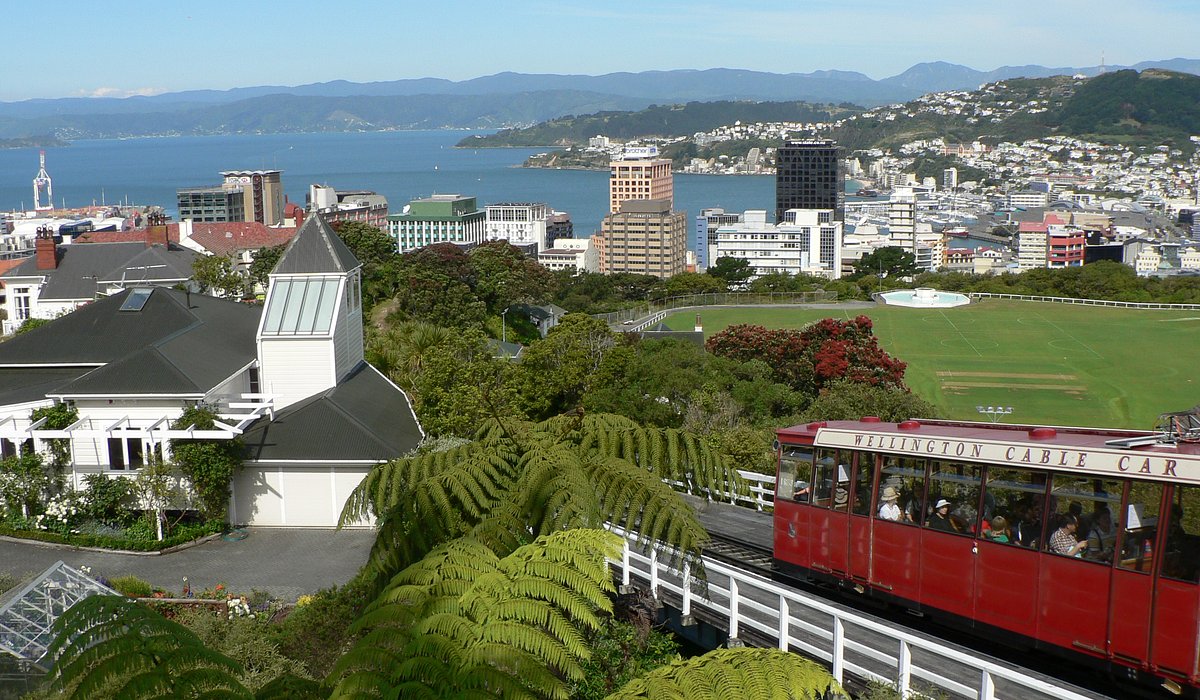
If you're after a vibrant city experience with incredible food, craft beer, and a thriving arts scene, Wellington is your pick. But if epic outdoor adventures, stunning landscapes, and a lively backpacker vibe are top priorities, Queenstown reigns supreme. Budget-wise, expect to spend roughly NZD $150-250 (USD $90-150) per day in Wellington, and NZD $200-350+ (USD $120-210+) in Queenstown, especially if you're hitting the activities.
- Choose Wellington: Choose Wellington for a sophisticated urban getaway. It's perfect for foodies, culture vultures, and those who appreciate a walkable city with cozy cafes and unique boutiques, all without the extreme price tag of adventure sports.
- Choose Queenstown: Opt for Queenstown if your trip is all about adventure, breathtaking scenery, and adrenaline-pumping activities. It's the undisputed capital for bungee jumping, skiing, hiking, and jet boating, ideal for thrill-seekers and nature lovers.
- Choose Both: Doing both offers the ultimate New Zealand experience, contrasting urban sophistication with raw natural beauty. Allocate 3-4 days for Wellington to soak in the city, and 4-5 days for Queenstown to truly embrace the adventure and surrounding landscapes like Milford Sound.
Quick Comparison
| Category | Wellington | Queenstown | Winner |
|---|---|---|---|
| Food & Drink | Culinary capital with diverse eateries, craft beer, and coffee culture. | Lively dining scene focused on tourist palates, famous for Fergburger. | Wellington |
| Nightlife & Entertainment | Sophisticated bars, live music venues, and vibrant arts scene. | Bustling bars, pubs, and clubs catering to backpackers and thrill-seekers. | Wellington |
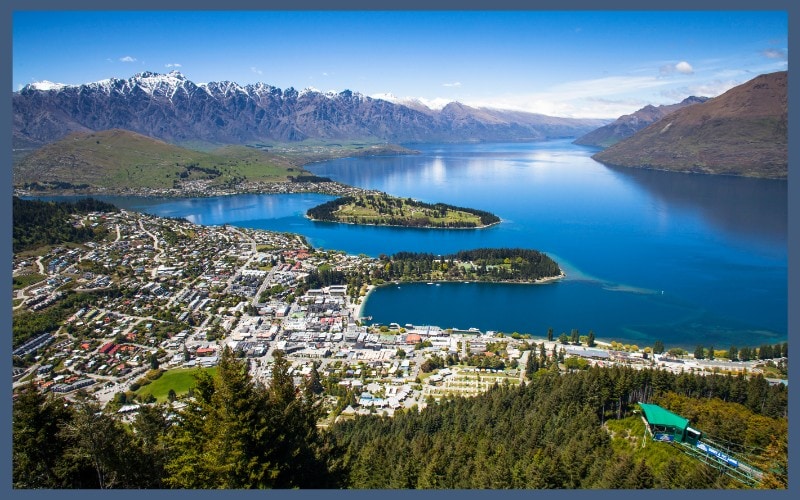
| Nature & Scenery | Rugged coastline, botanical gardens, and city views. | World-renowned alpine landscapes, lakes, and fjords. | Queenstown |
| Adventure & Activities | Urban adventures, Te Papa, Zealandia, cable car. | Global adventure capital: bungee, jet boating, skiing, hiking. | Queenstown |
| Culture & Museums | National museum, vibrant arts, film industry, political heart. | Limited cultural offerings, focus on local history, Māori cultural shows. | Wellington |
| Costs & Budget | Generally more affordable than Queenstown, especially for food and activities. | Higher prices for accommodation, food, and especially activities. | Wellington |
| Getting There & Around | Well-connected domestic and international airport, walkable city center. | Domestic airport, less walkable, reliant on shuttles for activities. | Wellington |
| Accommodation | Good range of hotels, hostels, and boutique stays, often better value. | Diverse options from luxury to budget, but often pricier due to demand. | Tie |
| Day Trips | Wine regions, coastal towns, nature reserves. | Milford Sound, Arrowtown, Glenorchy, Wanaka, mountain passes. | Queenstown |
| Weather & Seasons | Windy, temperate climate; mild winters, warm summers. | Distinct four seasons; cold, snowy winters perfect for skiing; hot, dry summers. | Wellington |
🍔 Food & Drink
Wellington absolutely shines as New Zealand's culinary capital. Cuba Street alone offers an overwhelming array of choices, from fine dining at Loretta to casual eats at Fidel's Cafe. The craft beer scene is unparalleled, with numerous breweries like Garage Project and venues like Hashigo Zake. Coffee is an art form here, with cafes like Customs by Coffee Supreme setting high standards. Expect a main course at a good restaurant to cost NZD $30-50 (USD $18-30). Queenstown's food scene is good, but generally more tourist-centric and pricier, though you'll find excellent options like Amisfield Bistro (a short drive) or waterfront dining at Botswana Butchery. And yes, Fergburger is iconic, but the queues can be insane. "Honestly, Fergburger is good, but Wellington's craft beer and unique restaurants are next level. Queenstown food is just... more basic, mostly." For a fine dining experience, Wellington has more depth, while Queenstown's strength lies in its scenic dining. A typical dinner in Queenstown might run NZD $40-70 (USD $24-42) per person.
Winner takeaway
- Winner: Wellington
- Why: Wellington offers a more diverse, innovative, and authentic culinary experience, from casual eats to fine dining and an unmatched craft beer scene.
- Who this matters for: Foodies, craft beer enthusiasts, coffee lovers, and those seeking genuine local flavours.
🍻 Nightlife & Entertainment
Wellington boasts a more mature and diverse nightlife. Courtenay Place and Cuba Street are packed with options, from speakeasy-style bars like Hawthorn Lounge to energetic live music venues like San Fran. You can catch a play at Circa Theatre, enjoy a comedy show, or find a quiet cocktail bar for a sophisticated evening. Drinks generally cost NZD $12-18 (USD $7-11) for a cocktail. Queenstown, on the other hand, is a party town, especially popular with backpackers and ski crowds. Bars like Below Zero Ice Bar offer a unique experience, while Rhino's Ski Shack and Bungalow are popular for late-night revelry. It’s loud, boisterous, and fun, but lacks the variety and cultural depth of Wellington. "Queenstown is great if you wanna get wasted with other backpackers, but for actual cool bars and live music, Wellington wins hands down." While Queenstown has its charm for a wild night, Wellington offers more nuanced options, from jazz clubs to late-night art house cinemas, making it a more comprehensive entertainment hub.
Winner takeaway
- Winner: Wellington
- Why: Wellington provides a more varied, sophisticated, and culturally rich nightlife and entertainment scene beyond just drinking.
- Who this matters for: Those who enjoy live music, theatre, unique bars, and a more diverse evening experience.
🏞️ Nature & Scenery
Queenstown is simply breathtaking, a postcard-perfect destination surrounded by the Remarkables mountain range and nestled beside Lake Wakatipu. The sheer scale and beauty of the Southern Alps, combined with access to iconic locations like Milford Sound (reachable via a scenic bus tour, around NZD $200-300 / USD $120-180), make it an unparalleled natural wonder. Hiking trails like the Ben Lomond Track offer incredible panoramic views. Wellington's nature is more accessible and urban-integrated, with the beautiful Botanic Garden (free entry), Zealandia ecosanctuary (NZD $24 / USD $15 entry), and stunning coastal walks like the Southern Walkway. While beautiful in its own right, with rugged coastlines and green hills, it doesn't offer the dramatic, 'wow-factor' alpine landscapes of Queenstown. "Nothing in Wellington compares to seeing the Remarkables reflected in Lake Wakatipu at sunrise, or the drive to Milford Sound. It's just next level." Queenstown is a nature photographer's dream, offering endless opportunities for stunning vistas right on its doorstep and further afield.
Winner takeaway
- Winner: Queenstown
- Why: Queenstown's dramatic alpine scenery, pristine lakes, and proximity to world-famous fjords offer a far more iconic and awe-inspiring natural experience.
- Who this matters for: Nature photographers, hikers, scenic drivers, and anyone seeking dramatic, grand landscapes.
🪂 Adventure & Activities
When it comes to adventure, Queenstown is in a league of its own, earning its title as the 'Adventure Capital of the World.' This is where commercial bungee jumping was born (AJ Hackett Kawarau Bridge Bungee, from NZD $269 / USD $165). You can go jet boating (Shotover Jet, from NZD $189 / USD $115), white-water rafting, canyoning, paragliding, or hit the slopes at Coronet Peak or The Remarkables in winter. The options are endless and cater to every level of thrill-seeker. Wellington offers its own unique urban adventures: exploring the interactive exhibits at Te Papa museum (free entry), riding the iconic Cable Car (NZD $6 / USD $3.70 return), or exploring the native wildlife at Zealandia. However, these are more cultural and ecological experiences rather than high-octane thrills. "If you're going to New Zealand for adrenaline, Queenstown is the only answer. Wellington is cool but it's not bungee jumping cool." While Wellington offers engaging activities, it simply cannot compete with the sheer volume and intensity of adventure sports available in Queenstown, making it the clear winner for thrill-seekers.
Winner takeaway
- Winner: Queenstown
- Why: Queenstown offers an unparalleled range of high-octane adventure activities that cater to every thrill-seeker imaginable.
- Who this matters for: Adrenaline junkies, thrill-seekers, skiers/snowboarders, and outdoor activity enthusiasts.
🏛️ Culture & Museums
Wellington is New Zealand's cultural and creative heart. The jewel in its crown is Te Papa Tongarewa, the national museum (free entry), offering incredibly interactive and engaging exhibits on Māori culture, natural history, and art. Beyond Te Papa, you'll find numerous art galleries like City Gallery Wellington, independent theatres, and a strong connection to the film industry (Weta Workshop tours start from NZD $49 / USD $30). It's also the political capital, adding another layer of historical and civic interest. Queenstown has some local history museums, like the Lakes District Museum & Art Gallery in Arrowtown (NZD $10 / USD $6 entry), and you can experience Māori culture through dinner and show experiences (e.g., Skyline Gondola & Haka experience, around NZD $150 / USD $90). However, its cultural depth pales in comparison to Wellington. "Wellington feels like a proper cultural hub. Te Papa alone is worth the trip, and there's always some cool art show or indie film screening." For those interested in art, history, and the pulse of New Zealand's creative spirit, Wellington offers a far richer and more diverse experience.
Winner takeaway
- Winner: Wellington
- Why: Wellington, as the capital and creative hub, offers a much deeper, broader, and more accessible range of cultural institutions and artistic experiences.
- Who this matters for: History buffs, art lovers, film enthusiasts, and those seeking cultural immersion.
💸 Costs & Budget
While neither city is 'cheap' by international standards, Wellington generally offers better value for money, especially for daily expenses. Accommodation in Wellington can range from NZD $30-50 (USD $18-30) for a hostel bed to NZD $150-250 (USD $90-150) for a decent hotel. Eating out is diverse, with budget-friendly options existing alongside fine dining; a casual meal might be NZD $20-30 (USD $12-18). Many of Wellington's best attractions, like Te Papa and the Botanic Garden, are free or low-cost. Queenstown is significantly pricier, largely due to its adventure tourism focus. A hostel bed can easily be NZD $40-70 (USD $24-42), and hotels start around NZD $200-350+ (USD $120-210+). Activities like bungee jumping or jet boating can quickly add hundreds to your budget. "Queenstown drained my wallet faster than anything else in NZ. Wellington felt way more manageable, especially for food and beer." Even groceries tend to be a bit higher in Queenstown. If you're on a tighter budget and want to experience more without breaking the bank, Wellington offers a more economical trip.
Winner takeaway
- Winner: Wellington
- Why: Wellington offers a more budget-friendly travel experience, with lower costs for food, accommodation, and many attractions compared to Queenstown's premium pricing.
- Who this matters for: Budget travelers, long-term backpackers, and anyone looking to stretch their NZD further.
✈️ Getting There & Around
Wellington is incredibly easy to navigate. Wellington International Airport (WLG) is close to the city, and a bus (Airport Flyer, NZD $20 / USD $12 return) or taxi (NZD $40-50 / USD $24-30) gets you into the CBD quickly. The city center itself is very walkable, and public buses are efficient for venturing further afield. You can easily spend days exploring on foot. Queenstown Airport (ZQN) is also convenient, about a 15-20 minute drive to town, with shuttles (NZD $15-25 / USD $9-15) and taxis available. However, Queenstown itself is less walkable once you leave the main hub, and many adventure activities require transport to their launch sites outside town. "Wellington's compact and so easy to walk everywhere. Queenstown you kinda need a car or rely on expensive shuttle buses to do anything major." While both have decent airport access, Wellington's urban design makes getting around, especially without a car, significantly more convenient and cost-effective for the average traveler.
Winner takeaway
- Winner: Wellington
- Why: Wellington's compact and walkable city center, combined with efficient public transport, makes getting around significantly easier and more enjoyable.
- Who this matters for: Solo travelers, those without a rental car, and travelers who prefer walking to explore.
🏨 Accommodation
Both Wellington and Queenstown offer a broad spectrum of accommodation, from budget-friendly hostels to luxurious hotels, but the value proposition differs. In Wellington, you'll find excellent boutique hotels like QT Wellington or Ohtel for around NZD $250-400 (USD $150-240), and reliable chains like Rydges. Hostels are plentiful, such as Nomads Capital or The Dwellington, typically NZD $35-50 (USD $21-30). Queenstown also has a robust accommodation market, from high-end resorts like The Rees or Matakauri Lodge (NZD $500-1000+ / USD $300-600+) to popular hostels like JUCY Snooze or Adventure Queenstown Hostel (NZD $40-70 / USD $24-42). The key difference is price and availability, especially during peak seasons (ski season in Queenstown, summer in both). Queenstown's demand often drives prices higher, and booking well in advance is crucial. "Finding a decent, affordable place in Queenstown during winter was a nightmare. Wellington felt like I had more options for my budget." While Queenstown offers more high-end luxury resort experiences, Wellington's overall value and consistency across price points make them both strong contenders, depending on your budget and travel style. Therefore, it's a tie, as both have compelling options but for different reasons.
Winner takeaway
- Winner: Tie
- Why: Both cities offer a wide array of accommodation options from budget to luxury, though Queenstown's higher demand often leads to higher prices.
- Who this matters for: Travelers with varying budgets; value-seekers might prefer Wellington, while luxury resort-goers might find more tailored options in Queenstown.
🚗 Day Trips
Queenstown boasts an incredible array of world-class day trips that are often destinations in themselves. The journey to Milford Sound is legendary (a full-day tour including cruise, ~NZD $200-300 / USD $120-180), offering dramatic fjords and waterfalls. The historic gold mining town of Arrowtown is a charming step back in time (20-minute drive). Glenorchy, 'The Gateway to Paradise,' offers stunning Lord of the Rings scenery (45-minute drive). Further afield, Wanaka (1-hour drive) provides a more laid-back lake town vibe with unique attractions like 'That Wanaka Tree.' Wellington's day trip options are excellent but less dramatic. Martinborough wine region (1.5-hour drive) offers fantastic cellar door experiences (wine tasting fees typically NZD $10-20 / USD $6-12). The Kapiti Coast provides beautiful beaches and the Kapiti Island bird sanctuary (requires ferry booking, ~NZD $150-200 / USD $90-120). "Queenstown's day trips felt like going to different worlds, from Milford Sound to Glenorchy. Wellington's are nice, but less epic." While Wellington's day trips offer relaxation and cultural experiences, Queenstown's proximity to globally renowned natural wonders gives it the edge for sheer impact and variety.
Winner takeaway
- Winner: Queenstown
- Why: Queenstown offers a richer selection of iconic, world-renowned day trips that showcase New Zealand's most stunning natural landscapes.
- Who this matters for: Road trippers, nature lovers, photographers, and those seeking iconic New Zealand scenery.
☀️ Weather & Seasons
Wellington is famously known as 'Windy Welly,' which is true, but it also enjoys a relatively mild, temperate climate year-round. Summers (Dec-Feb) are warm and pleasant, around 20-25°C (68-77°F), ideal for exploring. Winters (Jun-Aug) are cool but rarely freezing, averaging 10-15°C (50-59°F), with plenty of clear days. The city's sheltered bays and microclimates often offer respite from the wind. Queenstown experiences more extreme weather, with distinct four seasons. Summers (Dec-Feb) are hot and dry, often reaching 25-30°C (77-86°F), perfect for lake activities. However, winters (Jun-Aug) are cold and snowy, with temperatures often hovering around 0-5°C (32-41°F), making it a prime ski destination. If you're not into snow sports, winter can feel quite limited. "I hated how cold Queenstown was in winter when I wasn't skiing. Wellington felt much more consistently comfortable for just exploring the city." While Queenstown's snowy winters are a draw for a specific type of traveler, Wellington's more moderate climate makes it a more versatile and comfortable destination for sightseeing across all seasons, with less reliance on specific activities.
Winner takeaway
- Winner: Wellington
- Why: Wellington's more temperate and less extreme climate offers a more consistently pleasant experience for general sightseeing and city exploration year-round.
- Who this matters for: Travelers sensitive to extreme temperatures, those not planning winter sports, and visitors seeking comfortable year-round exploration.
❓ Frequently Asked Questions
Which city is better for a family trip?
Wellington offers more family-friendly museums (Te Papa!), interactive exhibits, and the Zealandia ecosanctuary. Queenstown is great for active families with older kids who enjoy adventure sports, but younger children might find some activities less accessible or too intense. Wellington also has more varied dining for different tastes.
Is public transport good in both cities?
Wellington has excellent public transport, especially within the city center, and it's highly walkable. Queenstown has a decent local bus service, but many activities and scenic spots outside the main town require shuttle services, tours, or a rental car, making it less reliant on public transport for full exploration.
Which city has better shopping?
Wellington offers a more diverse and unique shopping experience, especially along Cuba Street with its independent boutiques, vintage stores, and local designers. Queenstown's shopping is more geared towards outdoor gear, souvenirs, and international brands, catering heavily to tourists.
When is the best time to visit each city?
For Wellington, summer (Dec-Feb) offers the best weather for exploring, though spring and autumn are also pleasant. Queenstown shines in summer for hiking and lake activities, and in winter (Jun-Aug) for skiing and snowboarding. Shoulder seasons (spring/autumn) offer fewer crowds and milder weather for both.
Which city is better for solo travelers?
Both are great, but for different reasons. Wellington is fantastic for solo explorers who enjoy walkable cities, good food, and cultural immersion. Queenstown is excellent for solo adventurers looking to easily join group tours for activities and meet other travelers in hostels and bars. Your preference for city vs. adventure will dictate the best fit.
Is it easy to meet people in either city?
Yes, it's generally easy in both! Wellington's lively bar scene and student population make it easy to strike up conversations. Queenstown, being a hub for backpackers and adventure tourists, has a very social hostel scene and many group activities where you'll naturally meet like-minded travelers. It really depends on your social preference.
Do I need a rental car for Wellington or Queenstown?
You can absolutely get by without a car in Wellington; it's very walkable and has good public transport. For Queenstown, a car isn't strictly necessary if you plan to stick to guided tours and the main town, but it offers much more flexibility to explore the surrounding areas like Glenorchy, Arrowtown, and Wanaka at your own pace. If you want maximum freedom in Queenstown, a car is recommended.
Which city is more suitable for a relaxed trip?
Wellington is better for a relaxed trip. You can wander through museums, enjoy long meals, browse shops, and stroll along the waterfront without feeling pressured to participate in high-energy activities. Queenstown, while beautiful, often has a bustling, active vibe, and its main draw is often the adventure, which isn't always 'relaxing.'
Ready to plan your New Zealand trip?
Get a free custom itinerary for Wellington, Queenstown, or both — built from real traveler insights.
🎟️ Book Tours & Experiences
Hand-picked tours and activities for both destinations — book with free cancellation
Experiences via Viator — free cancellation on most tours