How we built this comparison
This page combines traveler discussion patterns, published price ranges, flight schedules, and seasonal data to help you decide between Wild Atlantic Way and Nc500.
- Reviewed 100+ Reddit threads from r/travel, r/solotravel, r/irelandtravel, r/scotland, and related subreddits for authentic traveler experiences and tips.
- Verified costs for accommodation, car rental, fuel, and dining against current booking platforms (Booking.com, Rentalcars.com, gas price trackers) and average consumer prices.
- Cross-referenced seasonal weather patterns, midge reports, and road conditions data from national tourism boards and local travel blogs to provide realistic expectations.
⚡ The TL;DR Verdict
For those seeking vibrant culture, charming towns, and a slightly softer adventure with more accessible amenities, the Wild Atlantic Way is your soulmate. If you crave dramatic, isolated landscapes, a truly wild driving challenge, and aren't afraid of unpredictable weather and fewer creature comforts, the NC500 beckons. Budget-wise, expect €100-€180 / $110-$200 daily for WAW and £100-£200 / $125-$250 for NC500, excluding flights.
- Choose Wild Atlantic Way: Choose WAW if you love lively pubs, traditional music, historic sites, and a more developed tourist infrastructure that still feels authentic. It's fantastic for families, foodies, and those who enjoy a blend of nature and culture.
- Choose Nc500: Pick the NC500 for unparalleled wild landscapes, challenging single-track roads, breathtaking remote beaches, and a sense of true escape. Ideal for seasoned road-trippers, nature photographers, and anyone seeking solitude and epic vistas.
- Choose Both: Doing both is ambitious but incredible for a longer trip (3+ weeks). Tackle WAW first for its social charm, then NC500 for its stark beauty, or vice-versa. Combine by flying Dublin to Inverness via a UK hub like Manchester or connecting through Glasgow/Edinburgh.
Quick Comparison
| Category | Wild Atlantic Way | Nc500 | Winner |
|---|---|---|---|
| Nature & Scenery | Dramatic cliffs (Cliffs of Moher), rolling green hills, sandy beaches, diverse peninsulas. Rugged but often interspersed with towns. | Wild, untamed mountains (Assynt, Torridon), vast lochs, remote white-sand beaches, stark moorland. Truly epic and remote. | Nc500 |
| Costs & Budget | Generally slightly more affordable for accommodation and food, especially outside peak season. Fuel is a major expense. | Can be pricier due to limited options in remote areas and higher demand. Fuel, especially diesel, is a significant cost. | Wild Atlantic Way |
| Getting Around | Excellent roads, but can be narrow in peninsulas. More forgiving for less experienced drivers. | Many single-track roads with passing places, requiring more patience and skill. Driving is a significant part of the adventure. | Wild Atlantic Way |
| Culture & History | Rich Celtic history, vibrant traditional music, lively pub culture, ancient ruins, and a strong sense of community. | Ancient Pictish and Viking history, clan heritage, remote castles, and a quieter, more resilient Highland culture. | Wild Atlantic Way |
| Food & Drink | Excellent seafood, hearty traditional fare, modern cuisine in larger towns, and world-renowned Guinness. | Exceptional fresh seafood, wild game, hearty pub grub, and fine whisky distilleries. Fewer high-end dining options. | Wild Atlantic Way |
| Accommodation | Wide range of B&Bs, guesthouses, hotels, and self-catering. More options in towns. | Fewer options, especially in remote areas. Booking well in advance is crucial for anything beyond basic B&Bs or camping. | Wild Atlantic Way |
| Weather & Seasons | Unpredictable, often mild and rainy. Best in late spring/early autumn for fewer crowds. | Extremely changeable, often colder, windier, and rainier. Midges are a significant factor from late spring to early autumn. | Wild Atlantic Way |
| Beaches & Activities | Golden sandy beaches (Lahinch, Inch), surfing, kayaking, cycling, hiking. More varied activities. | Stunning remote white-sand beaches (Achmelvich, Balnakeil), challenging hiking, sea kayaking, wildlife spotting. Focus on wild recreation. | Wild Atlantic Way |
| Nightlife & Social Scene | World-famous pub culture, live traditional music, lively towns, easy to meet locals. | Quiet, cozy pubs in small villages, focused on local conversation rather than bustling activity. Limited late-night options. | Wild Atlantic Way |
| Solo Travel / Vibe | Friendly locals, easy to meet people in pubs, good mix of solitude and social opportunities. Generally very welcoming. | More focused on solitude and self-reliance. Fewer easy social opportunities outside of organized tours. Can feel very remote. | Wild Atlantic Way |
🏞️ Nature & Scenery
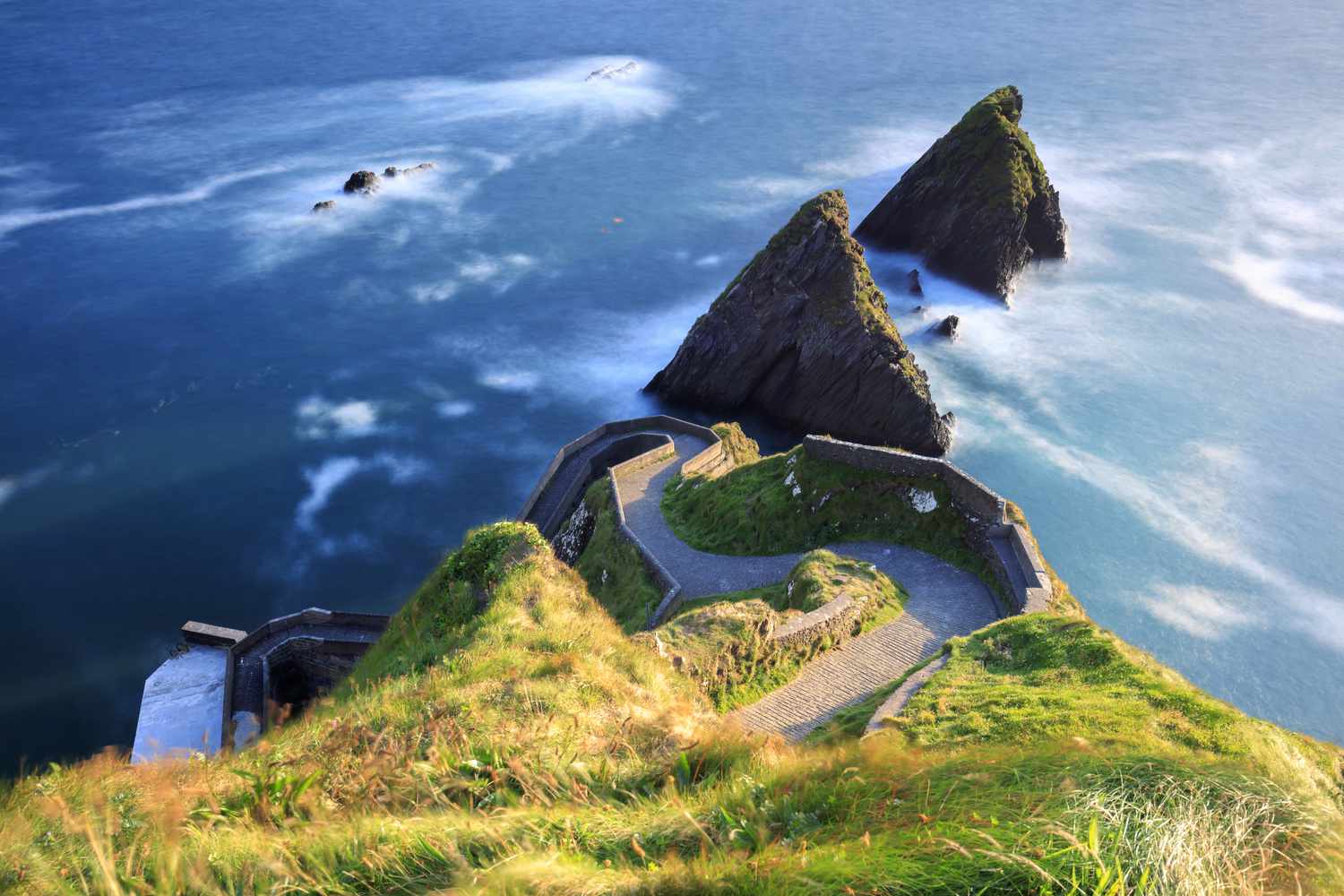
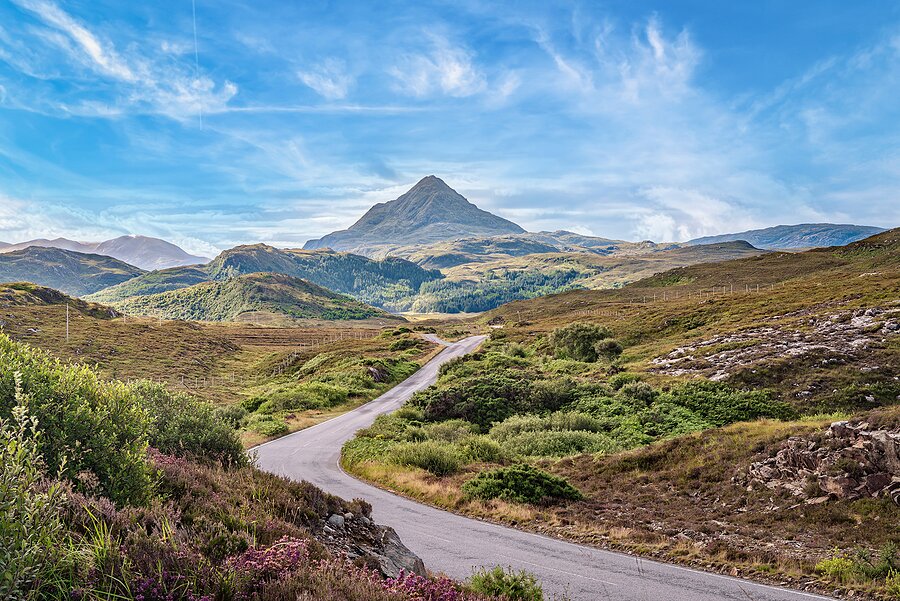
While the Wild Atlantic Way boasts iconic, breathtaking views like the Cliffs of Moher and the Dingle Peninsula, its beauty often feels more 'accessible' and interwoven with human settlement. You'll find charming villages nestled into stunning landscapes. The NC500, however, offers an almost otherworldly level of raw, untamed wilderness. Think the rugged peaks of Assynt and Torridon, the vast, shimmering lochs, and isolated white-sand beaches like Achmelvich or Clashnessie that could rival the Caribbean if not for the temperature. The sheer scale and desolation of the Scottish Highlands along the NC500 create a profound sense of awe and solitude that's harder to replicate on the WAW. You'll drive for miles without seeing another soul, feeling truly immersed in nature's grandeur. 'Just did NC500, the landscapes around Lochinver and Applecross blew my mind. Felt like I was on another planet compared to the Cliffs of Moher crowds.' This remote beauty also means fewer facilities, but that’s part of the appeal for many.
Winner takeaway
- Winner: Nc500
- Why: The NC500 wins for its sheer scale of wild, untamed, and often desolate beauty, offering a more profound sense of escape and raw natural grandeur.
- Who this matters for: Photographers, serious hikers, adventure seekers, and those craving solitude.
💰 Costs & Budget
Both routes demand a significant budget, primarily due to car rental and fuel. For the Wild Atlantic Way, you can expect B&Bs to range from €80-€150 ($85-$160) per night, while a good pub meal with a pint might be €25-€35 ($27-$38). A pint of Guinness averages around €6.50 ($7.00). Fuel is roughly €1.80-€2.00 per liter ($7.00-$7.80 per gallon). The NC500 often feels more expensive, particularly for accommodation, where limited options in popular spots like Ullapool or Durness can push basic hotel rooms to £120-£200 ($150-$250) a night in peak season. Food, while excellent, can also be a bit more. A fish and chips can be £15-£20 ($19-$25), and a pint of beer around £5.50-£6.50 ($7-$8). Fuel prices are comparable to Ireland, sometimes slightly higher in very remote spots, around £1.75-£1.95 per liter ($6.80-$7.60 per gallon). 'We found NC500 accommodation super competitive, had to book months out for anything decent under £150.' WAW offers more budget-friendly options, especially if you're willing to stay just outside major towns.
Winner takeaway
- Winner: Wild Atlantic Way
- Why: The Wild Atlantic Way generally offers slightly more budget-friendly options for accommodation and dining, especially outside of peak summer, due to more varied infrastructure.
- Who this matters for: Budget-conscious travelers, families, and those looking to stretch their trip further.
🚗 Getting Around
Both routes are best experienced by car, offering unparalleled freedom. The Wild Atlantic Way generally features well-maintained, if sometimes winding, two-lane roads. While some peninsulas like Dingle or Beara have narrow stretches, they are usually manageable for confident drivers. Public transport exists between larger towns but isn't practical for exploring the scenic highlights. Rental cars are plentiful at Dublin, Shannon, or Cork airports, with automatics costing a bit more. Expect to pay €30-€60 ($32-$65) per day for a compact manual. The NC500, by contrast, is renowned for its numerous single-track roads with 'passing places.' These demand a higher level of concentration, spatial awareness, and courtesy towards oncoming traffic. Routes like the Bealach na Bà are particularly challenging with steep ascents, hairpin bends, and sheer drops. 'Honestly, driving the Bealach na Bà was exhilarating but I almost had a heart attack a few times. Not for beginners!' Car rental from Inverness or major Scottish cities will range from £40-£80 ($50-$100) per day for a compact. While NC500's roads are part of the adventure, the WAW offers a smoother, less stressful driving experience overall, making it more accessible for a wider range of drivers.
Winner takeaway
- Winner: Wild Atlantic Way
- Why: The Wild Atlantic Way offers a more forgiving and less stressful driving experience with fewer demanding single-track roads, making it accessible to more drivers.
- Who this matters for: Less experienced drivers, those preferring a relaxed pace, and travelers with larger vehicles.
📜 Culture & History
Ireland's Wild Atlantic Way is steeped in a palpable, living culture that truly engages visitors. From the ancient Ogham stones on the Dingle Peninsula to the prehistoric forts of the Aran Islands, history feels alive. But it's the vibrant, spontaneous traditional music sessions (séisúns) in pubs across towns like Doolin, Westport, or Galway that truly define the cultural experience. You can walk into a pub any night and hear world-class musicians. Storytelling is an art form, and the locals are renowned for their warmth and wit. 'Every night in Doolin was a party, just incredible music and craic with strangers!' The NC500 also has a rich history, from Pictish brochs like Clachtoll to the ruins of Ardvreck Castle and the legacy of the Highland Clearances, which you can learn about at the Timespan Museum in Helmsdale. However, the culture is often more subtle, reserved, and tied to the land rather than the bustling social hubs. While there are excellent local museums and historical sites, the vibrant, interactive cultural immersion found in Ireland's pubs and towns is less prevalent. The NC500 offers a different kind of cultural depth, one of resilience and connection to a harsh but beautiful land.
Winner takeaway
- Winner: Wild Atlantic Way
- Why: The Wild Atlantic Way excels with its vibrant, accessible living culture, particularly its world-famous traditional music scene and warm, engaging pub culture.
- Who this matters for: Culture vultures, music lovers, history buffs, and those seeking lively social interactions.
🍽️ Food & Drink
Both routes offer incredible culinary experiences, heavily influenced by their coastal locations. The Wild Atlantic Way shines with its abundance of fresh seafood, from oysters in Galway to Dingle Bay prawns and delicious fish & chips found everywhere. Towns like Dingle, Westport, and Galway boast a fantastic array of restaurants, from Michelin-starred to charming gastropubs. You'll find traditional Irish stews, soda bread, and the ubiquitous, perfectly poured pint of Guinness (€6.50 / $7.00). The food scene feels more diverse and established, with more options at various price points. 'The seafood chowder in Dingle was probably the best thing I ate all year, and every pub had amazing food.' The NC500, while having fewer high-end dining establishments, excels in its quality of local produce. Expect phenomenal fresh scallops, langoustines, and crabs directly from the fishing boats, often served in simple, rustic settings or food trucks like the Kylesku Hotel or the Seafood Shack in Ullapool. Wild game is also prominent. And of course, Scotland is whisky country, with numerous distilleries to visit, especially in the Speyside region (a slight detour but worth it). While NC500's food is top-notch, the WAW offers more variety, accessibility, and a slightly more developed gastronomic scene across its length.
Winner takeaway
- Winner: Wild Atlantic Way
- Why: The Wild Atlantic Way offers a more diverse and established culinary scene with excellent restaurants, gastropubs, and a wider range of options, alongside its iconic traditional beverages.
- Who this matters for: Foodies, those seeking variety in dining, and beer enthusiasts.
🛌 Accommodation
Accommodation on the Wild Atlantic Way is generally more plentiful and varied. You'll find charming family-run B&Bs averaging €80-€150 ($85-$160) a night, mid-range hotels like the Clayton Hotel in Galway or the Park House Hotel, and numerous self-catering cottages. Even in peak season, while popular spots book up, there's usually an alternative nearby. It's easier to find last-minute options or slightly cheaper stays by venturing a short drive from major attractions. The NC500 presents a different challenge. Due to the remote nature of many areas, accommodation options are far more limited. In peak season (June-August), securing anything other than campsites or very basic B&Bs can be incredibly difficult without booking 6+ months in advance. Hotels like the Kylesku Hotel or The Ceilidh Place in Ullapool are popular but book out fast and can be pricey, often £150-£250 ($190-$315) a night. 'We tried to wing it on the NC500 and ended up sleeping in the car twice. Book EVERYTHING, seriously.' Campervans and camping are very popular on the NC500, but wild camping requires understanding Scottish access rights. For variety, ease of booking, and generally better value, the WAW wins.
Winner takeaway
- Winner: Wild Atlantic Way
- Why: The Wild Atlantic Way offers a wider array of accommodation types and price points, with greater availability, especially during peak season, making planning less stressful.
- Who this matters for: Travelers who prefer flexibility, those on a mid-range budget, and planners who don't want to book a year in advance.
🌧️ Weather & Seasons
Both Ireland and Scotland are notorious for their unpredictable weather, often experiencing 'four seasons in one day.' The Wild Atlantic Way generally benefits from the Gulf Stream, making it slightly milder, though still prone to rain and wind. Summers (June-August) average 15-20°C (59-68°F), with spring (April-May) and autumn (Sept-Oct) being fantastic for milder temps, fewer crowds, and stunning light. 'We went to Ireland in September and had perfect sunny days, it was gorgeous and no midge issues.' The NC500, being further north, generally experiences colder, windier, and often wetter conditions. Summer temperatures rarely exceed 15-18°C (59-64°F), and strong winds are common. A major differentiator is the Scottish midge, tiny biting insects that can make evenings unbearable from late May through September, especially near water and during calm conditions. Repellents like Smidge or Avon Skin So Soft are essential. For a more comfortable and less 'buggy' experience, the WAW is preferable, particularly if you're sensitive to cold or insects. If you choose NC500, pack layers, waterproofs, and midge repellent, no matter the season.
Winner takeaway
- Winner: Wild Atlantic Way
- Why: The Wild Atlantic Way offers a slightly milder climate with fewer extreme weather conditions and is largely free from the notorious midges that plague the Scottish Highlands.
- Who this matters for: Travelers sensitive to cold, those who dislike insects, and those seeking a more consistently 'pleasant' outdoor experience.
🏖️ Beaches & Activities
Both routes boast incredible coastlines and opportunities for outdoor activities. The Wild Atlantic Way offers a broader range of accessible activities. Its beaches, like Lahinch in Clare or Inch Beach in Kerry, are fantastic for surfing, swimming, and family days out. You'll find numerous surf schools, kayaking tours around sea caves, and well-marked hiking trails like the Kerry Way. Cycling is popular, particularly on dedicated greenways. 'Renting bikes in Westport and cycling the Great Western Greenway was a highlight, so easy and beautiful!' The NC500’s beaches, such as Achmelvich, Sandwood Bay (a hike to get to), or Balnakeil, are undeniably breathtaking with their turquoise waters and white sands. They feel wilder, more remote, and often less crowded. Activities here lean towards more rugged pursuits: serious hiking in the mountains of Assynt, challenging road cycling, wild swimming (for the brave!), and sea kayaking in sheltered lochs. Wildlife spotting (deer, eagles, seals, puffins) is also a major draw. While the NC500 offers truly epic, untamed adventures, the WAW provides a more varied, accessible, and often less physically demanding array of activities catering to a wider audience, including families and those looking for a mix of active and relaxed days.
Winner takeaway
- Winner: Wild Atlantic Way
- Why: The Wild Atlantic Way offers a more diverse and accessible range of activities, including excellent surfing, easier hiking trails, and family-friendly beach options.
- Who this matters for: Families, active travelers seeking variety, and those interested in water sports like surfing.
🍻 Nightlife & Social Scene
When it comes to nightlife and a vibrant social scene, the Wild Atlantic Way is the clear winner. Irish pub culture is world-renowned, and along the WAW, it's alive and thriving. Towns like Galway, Dingle, Westport, and Doolin come alive in the evenings with traditional music sessions, friendly locals, and a palpable sense of 'craic' (fun and lively conversation). You can easily spend hours chatting with strangers, listening to incredible live music, and soaking in the atmosphere. 'Every night in Galway felt like a celebration, the pubs were buzzing with music and stories.' Pints of Guinness and local craft beers flow freely, and many pubs offer great food alongside the entertainment. The NC500, by contrast, is much quieter. Its 'nightlife' typically consists of a cozy evening in a small village pub, perhaps with a dram of whisky and quiet conversation. While these experiences can be incredibly charming and authentic, they lack the bustling energy and spontaneous music of Ireland. Larger towns like Ullapool might have a couple of livelier spots, but they are the exception. If connecting with locals over a pint and live music is high on your priority list, the WAW delivers in spades.
Winner takeaway
- Winner: Wild Atlantic Way
- Why: The Wild Atlantic Way boasts an unparalleled, vibrant pub culture with world-class traditional music and a highly social, engaging atmosphere that's integral to the experience.
- Who this matters for: Solo travelers, social butterflies, music lovers, and those seeking authentic local interactions.
🚶♀️ Solo Travel / Vibe
For solo travelers, both routes offer unique experiences, but the Wild Atlantic Way often feels more approachable and socially engaging. The inherent friendliness of the Irish, combined with the accessible pub culture, makes it incredibly easy to strike up conversations and meet people. You can find a perfect balance of exploring stunning landscapes in solitude during the day and enjoying lively social evenings. 'As a solo female traveler, I felt incredibly safe and welcomed everywhere on the WAW. Always someone to chat with at the bar.' Public transport, while not ideal for the full scenic drive, does connect major towns, offering a safety net. The NC500 offers a different kind of solo journey – one of profound solitude and self-reliance amidst epic landscapes. It's perfect for introspection, challenging yourself, and truly disconnecting. Social opportunities are fewer and farther between, usually limited to brief interactions at campsites, small B&Bs, or the occasional village pub. While incredibly rewarding for those who seek deep immersion in nature and quiet reflection, it can feel isolated if you crave regular social interaction. Safety is excellent in both regions, but the NC500's remoteness means you need to be more self-sufficient and prepared for any eventuality. For a blend of adventure and social connection, WAW edges out.
Winner takeaway
- Winner: Wild Atlantic Way
- Why: The Wild Atlantic Way is more conducive to solo travel due to its friendly locals, vibrant social scene, and easier opportunities to connect with others while still enjoying stunning scenery.
- Who this matters for: Solo travelers seeking social interaction, first-time solo road-trippers, and those who prefer a less isolating experience.
❓ Frequently Asked Questions
Which route is better for a first-time international road trip?
The Wild Atlantic Way is generally more forgiving for first-timers. Roads are less challenging, towns are more frequent for breaks and amenities, and the overall infrastructure is slightly more developed. The NC500 demands more confidence in navigating single-track roads and preparedness for remote conditions.
Are midges a problem on both routes?
Midges are a significant problem on the NC500, especially from late May to September, predominantly in still, damp conditions and near water. They are far less prevalent and generally not an issue on the Wild Atlantic Way, making Ireland a more comfortable choice if you're sensitive to biting insects.
Can I do either route without renting a car?
While public transport connects larger towns on the Wild Atlantic Way, it's not practical for experiencing the scenic highlights. For both routes, a car (or campervan) is essential to fully explore and appreciate the landscapes. Relying on tours or limited bus services will severely restrict your flexibility and reach.
Which route is better for families with young children?
The Wild Atlantic Way is generally more family-friendly. It has more accessible beaches, a wider range of activities, more frequent towns for breaks, and better availability of family accommodation and dining options. The NC500's remoteness and challenging driving might be less suitable for very young children.
What's the best time of year to visit each route?
For both, late spring (May-June) and early autumn (September-October) are ideal. You'll find fewer crowds, potentially milder weather, and beautiful light. Avoid the NC500 in peak midge season (July-August) if possible, and be prepared for rain and wind in any month on both routes.
Which route has better hiking opportunities?
Both offer incredible hiking. The NC500 features more challenging, remote mountain hikes with truly wild, untamed landscapes, like those in Assynt or Torridon. The Wild Atlantic Way offers a mix of coastal walks, hill climbs (e.g., Croagh Patrick), and gentler trails, often more accessible and closer to amenities.
Is wild camping allowed on these routes?
In Scotland, wild camping is generally permitted under the Scottish Outdoor Access Code, provided you're responsible and follow 'leave no trace' principles. In Ireland, wild camping is generally not legally permitted on private land without permission, though some discreet, respectful wild camping occurs on public lands. Always check local regulations.
How long should I plan for each road trip?
For a good taste, allocate at least 7-10 days for the Wild Atlantic Way, focusing on a specific region like Kerry or Galway. For the full NC500 experience, plan for a minimum of 7 days, but 10-14 days allows for a more relaxed pace and detours into the stunning wilderness. Rushing either is a mistake.
Ready to plan your unforgettable road trip?
Get a free custom itinerary for Wild Atlantic Way, Nc500, or both — built from real traveler insights.
🎟️ Book Tours & Experiences
Hand-picked tours and activities for both destinations — book with free cancellation
Experiences via Viator — free cancellation on most tours