How we built this comparison
This page combines traveler discussion patterns, published price ranges, flight schedules, and seasonal data to help you decide between Wroclaw and Berlin.
- Reviewed 50+ Reddit threads from r/travel, r/solotravel, r/Wroclaw, r/Berlin, etc.
- Verified costs and logistics against current booking platforms (Booking.com, Airbnb, Deutsche Bahn, FlixBus, local transport sites)
- Cross-referenced seasonal patterns and weather data for optimal travel timing
- Consulted up-to-date travel blogs and local guides for specific recommendations and insights
⚡ The TL;DR Verdict
If you're after incredible value, a fairytale-like old town, and a relaxed, student-friendly vibe, Wroclaw is your pick with a daily budget of $40-70. For a high-energy, diverse cultural scene, world-class nightlife, and deep dives into modern history, Berlin offers an unforgettable experience, budgeting $80-150+ per day.
- Choose Wroclaw: Perfect for budget travelers, history buffs interested in medieval/Bohemian pasts, those seeking a relaxed pace, charming architecture, and a strong student energy. Great for a long weekend or a stop on a Central European itinerary.
- Choose Berlin: Ideal for art and music lovers, history enthusiasts focused on 20th-century events, solo adventurers looking for diverse neighborhoods, world-renowned museums, and an epic nightlife. Demands more budget and time to explore thoroughly.
- Choose Both: Absolutely combine them for a comprehensive Central European experience. Dedicate 3-4 days to Wroclaw and 4-6 days to Berlin. A direct train connection (around 4-5 hours) makes it an easy, scenic journey between the two, costing about €30-50 ($33-55).
Quick Comparison
| Category | Wroclaw | Berlin | Winner |
|---|---|---|---|
| Costs & Value | Significantly cheaper across the board: accommodation, food, transport, and attractions offer exceptional value. | More expensive, in line with other major Western European capitals, but offers excellent value for the quality of experiences. | Wroclaw |
| Food & Drink | Focus on hearty, traditional Polish cuisine (pierogi, bigos) and a growing modern food scene, plus excellent craft beer and coffee. | Incredibly diverse international cuisine, vibrant street food, innovative fine dining, and a strong craft beer and cocktail culture. | Berlin |
| Nightlife | Lively student-driven pub scene, charming riverside bars, and some smaller clubs, often more relaxed and affordable. | World-famous clubbing destination, diverse bar scene from grungy to chic, known for techno and all-night parties. | Berlin |
| Culture & History | Rich medieval, Bohemian, Prussian, and Polish history; fairytale architecture, unique 'dwarf' scavenger hunt, strong academic and artistic scene. | Pivotal 20th-century history (Cold War, WWII, Holocaust), avant-garde art, world-class museums, diverse neighborhood cultures. | Berlin |
| Getting There | Wroclaw Airport (WRO) has good connections to European hubs; often requires a connecting flight from North America. | Berlin Brandenburg Airport (BER) is a major international hub with direct flights from many global cities. | Berlin |
| Getting Around | Compact and highly walkable city center; excellent public transport (trams, buses) for longer distances, very affordable. | Sprawling city, requires extensive use of efficient public transport (U-Bahn, S-Bahn, trams, buses); walking within neighborhoods is common. | Wroclaw |
| Accommodation | Excellent value for money, from boutique hotels in historic buildings to modern hostels and charming apartments. | Wide range of options from budget hostels to luxury hotels, but generally higher prices, especially for central locations. | Wroclaw |
| Day Trips | Historic castles, mountain ranges, and other charming Polish towns are easily accessible. | Historic palaces, picturesque towns, and unique natural parks within easy reach. | Tie |
| Weather & Seasons | Continental climate with warm summers and cold, snowy winters. Pleasant springs and autumns. | Similar continental climate, generally slightly milder winters than Wroclaw, but still with distinct seasons. | Tie |
| Solo Travel & Safety | Very safe, welcoming, and easy to navigate for solo travelers; English is widely spoken in tourist areas; friendly atmosphere. | Generally safe, but being a larger city, requires more awareness; very easy to meet people; excellent public safety infrastructure. | Wroclaw |
💰 Costs & Value
Wroclaw is a dream for budget-conscious travelers. You can get a hearty traditional Polish meal for 25-45 PLN ($6-11), a local beer for 10-15 PLN ($2.50-4), and public transport tickets are just a few PLN. A comfortable hostel bed can be found for 50-80 PLN ($12-20) per night, while a decent hotel room often runs 180-350 PLN ($45-90). Attractions like the Panorama of the Battle of Racławice are around 50 PLN ($12). Berlin, in contrast, will see you paying €12-25 ($13-27) for a standard meal, €4-6 ($4.50-6.50) for a beer, and a day pass for public transport costs €9.90 ($11). Hostel beds are €25-45 ($27-50) and hotels €80-180+ ($88-195+). While Berlin offers amazing experiences, Wroclaw’s value proposition is simply unbeatable for travelers stretching their dollar. "Honestly, Wroclaw felt like a cheat code for a European city break – so much charm for so little money. My daily budget there was literally half of what I spent in Prague, let alone Berlin."
Winner takeaway
- Winner: Wroclaw
- Why: Wroclaw provides an outstanding travel experience at a fraction of Berlin's cost, making it the clear winner for value.
- Who this matters for: Budget travelers, long-term backpackers, and anyone wanting to maximize their travel funds.
🍽️ Food & Drink
Wroclaw’s food scene is comforting and delicious, with a strong emphasis on traditional Polish fare. You’ll find incredible pierogi at places like Pierogarnia Stary Młyn, delicious traditional soups, and hearty meat dishes. The city also has a burgeoning craft beer scene, with numerous pubs like Kontynuacja and good coffee shops. Expect a traditional Polish dinner for two with drinks to be around 100-150 PLN ($25-38). Berlin, however, is a culinary melting pot. From Michelin-starred restaurants to incredible street food at Markthalle Neun (don't miss the Street Food Thursday!), Turkish kebabs at Mustafa's Gemüsekebap, Vietnamese pho, and a vast array of vegan/vegetarian options, Berlin caters to every palate imaginable. Its craft beer scene is thriving, and its cocktail bars are world-class. A diverse dinner for two can range from €40 ($44) for a casual spot to €100+ ($110+) for something more upscale. "Berlin’s food blew me away. I thought I’d just eat currywurst, but ended up having amazing Vietnamese, the best kebab of my life, and some seriously inventive vegan stuff. Wroclaw was good, but Berlin's variety is just insane."
Winner takeaway
- Winner: Berlin
- Why: Berlin's unparalleled culinary diversity, international flair, and innovative food scene offer a broader and more exciting gastronomic journey.
- Who this matters for: Foodies, adventurous eaters, those with dietary restrictions, and anyone seeking global flavors.
🌃 Nightlife
Wroclaw's nightlife revolves heavily around its large student population, creating a vibrant, yet generally more relaxed atmosphere. The Rynek (Market Square) is packed with pubs and bars, like Speakeasy, and there are many cozy spots in the Jewish Quarter and along the Odra River, such as Wyspa Słodowa (Malt Island) for open-air summer drinks. You’ll find local craft beer pubs, live music venues, and a few smaller clubs that go until the early hours. Drinks are affordable, usually 12-20 PLN ($3-5) for a beer or simple cocktail. Berlin, on the other hand, is a global epicenter for electronic music and club culture. Berghain, Sisyphos, Watergate – these names are legendary. Beyond the techno temples, neighborhoods like Kreuzberg and Neukölln offer an endless array of grungy bars, cocktail lounges, and underground venues. Parties often start late and continue well into the next day, sometimes for entire weekends. Drinks are pricier, €5-8 ($5.50-9) for a beer and €10-15+ ($11-16.50+) for cocktails, with club entry fees often €15-30 ($16.50-33). "I went to a club in Berlin and literally didn't leave until Sunday afternoon. It's a whole different beast compared to any other city. Wroclaw was fun for a few beers, but Berlin is where you go to lose yourself for a weekend."
Winner takeaway
- Winner: Berlin
- Why: Berlin’s legendary club scene and diverse range of unique bars make it a world-class destination for nightlife enthusiasts.
- Who this matters for: Party-goers, electronic music fans, night owls, and those seeking an intense and varied nightlife experience.
🏛️ Culture & History
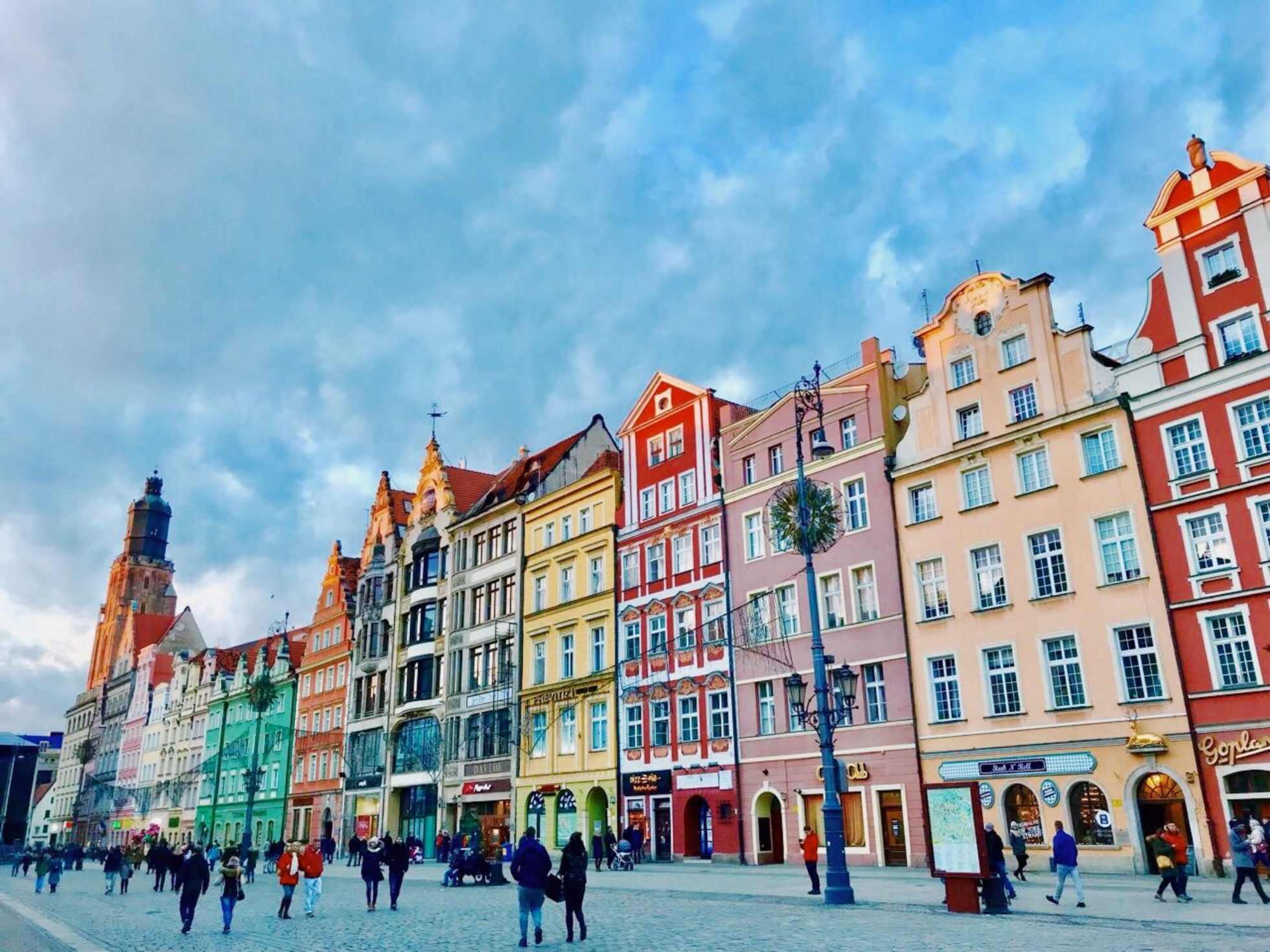
Wroclaw boasts a fascinating history, having been ruled by Bohemia, Austria, Prussia, and finally Poland. Its Old Town, meticulously rebuilt after WWII, is stunning, centered around one of Europe's largest market squares. You can explore Gothic cathedrals on Cathedral Island (Ostrów Tumski), the impressive Centennial Hall (UNESCO site), and of course, hunt for the hundreds of bronze dwarf statues scattered across the city. The Panorama of the Battle of Racławice is a unique 360-degree painting experience. While Wroclaw's past is deep and multi-layered, Berlin's history is perhaps more impactful and recent. It's a city defined by the 20th century: the Berlin Wall Memorial, Brandenburg Gate, Reichstag Building, Checkpoint Charlie, and the chilling Memorial to the Murdered Jews of Europe. Its museum landscape is phenomenal, particularly Museum Island (Pergamon Museum, Neues Museum), and its street art and alternative culture are unparalleled. A visit to the East Side Gallery (free) and the Topography of Terror (free) can take hours. "Wroclaw's old town is straight out of a storybook, and the dwarfs are a blast. But Berlin's history, especially around the Wall and the Holocaust, just hits different. It’s raw, important, and you feel it everywhere."
Winner takeaway
- Winner: Berlin
- Why: Berlin's profound and tangible connection to pivotal 20th-century events, coupled with its world-class museums and vibrant contemporary arts, offers a more globally significant and impactful cultural experience.
- Who this matters for: History buffs (especially modern history), art lovers, museum enthusiasts, and those interested in impactful political and social narratives.
✈️ Getting There
For travelers from outside Europe, Berlin is generally much easier to reach. Berlin Brandenburg Airport (BER) serves as a major international hub, with direct flights from numerous cities across North America (e.g., New York JFK, Toronto Pearson) and Asia, as well as extensive connections across Europe. A direct flight from New York to Berlin can cost anywhere from $500-900+ round trip and takes about 8-9 hours. Wroclaw's Copernicus Airport (WRO) is well-connected to European cities by budget airlines (Ryanair, Wizz Air) and national carriers, but direct long-haul flights are rare. Most North American travelers will need a connecting flight, typically through Warsaw (WAW), Frankfurt (FRA), or Munich (MUC). A flight from New York to Wroclaw might cost $600-1000+ with one stop, taking 10-12+ hours total. If traveling between the two cities, a direct train from Berlin Hbf to Wrocław Główny takes around 4.5 hours and costs €30-50 ($33-55) for a standard fare. "Getting to Berlin was a breeze from the States, just one direct flight. For Wroclaw, I had to connect in Warsaw, which added a few hours, but it was worth it for the price difference once I was there."
Winner takeaway
- Winner: Berlin
- Why: Berlin's status as a major international airport hub with abundant direct long-haul flights makes it significantly easier and often quicker to access for most travelers.
- Who this matters for: International travelers, those with limited travel time, and anyone prioritizing convenience and direct routes.
🚶 Getting Around
Wroclaw is a wonderfully walkable city, especially its charming Old Town and surrounding islands like Ostrów Tumski and Wyspa Słodowa. Most major attractions are within a 15-20 minute stroll of the Market Square. For longer distances or when tired, the public transport system (trams and buses) is efficient, extensive, and very affordable, with single tickets around 3.40 PLN ($0.85) and 24-hour passes for 15 PLN ($3.75). Berlin is a much larger, more spread-out metropolis, making walking between major sights impractical. Its public transport system (BVG) is one of the best in Europe, seamlessly integrating U-Bahn (subway), S-Bahn (city rail), trams, and buses. A single ticket costs €3.20 ($3.50) and a day ticket is €9.90 ($11). While extremely efficient, you'll spend more time and money on transport in Berlin. Renting a bike is also a popular way to explore Berlin's flat terrain. "Wroclaw was a dream, barely even touched a tram because everything was so close. Berlin, though, you definitely need that U-Bahn pass, I averaged like 15,000 steps a day even with it!"
Winner takeaway
- Winner: Wroclaw
- Why: Wroclaw's compact and highly walkable city center, complemented by its affordable public transport, makes it exceptionally easy and pleasant to navigate on foot.
- Who this matters for: Walkers, those who prefer not to rely heavily on public transport, and travelers on a tight budget.
🏨 Accommodation
Wroclaw shines in the accommodation department for its incredible value. You can find stylish boutique hotels like The Granary – La Suite Hotel (often €90-150 / $98-165 per night) or the Art Hotel (similar pricing) right in the city center for prices that would barely get you a basic chain hotel in Western Europe. High-rated hostels like Hostel Cinema or MoHo Hostel offer beds for as little as 50-80 PLN ($12-20) and private rooms for 120-180 PLN ($30-45). Airbnb options are also plentiful and affordable, especially for longer stays. Berlin offers a vast selection, but prices are notably higher. A good hostel bed in a popular area like Mitte or Kreuzberg will be €25-45 ($27-50), while a mid-range hotel often starts at €80-150 ($88-165) and can easily exceed €200 ($220) for something well-located and comfortable. Luxury options are plentiful but come with a significant price tag. Booking well in advance is essential for Berlin, especially during peak season. "We stayed in a gorgeous apartment in Wroclaw overlooking the market square for less than a basic hotel room would cost in Berlin. It felt like a steal."
Winner takeaway
- Winner: Wroclaw
- Why: Wroclaw offers significantly better value and quality for accommodation, allowing travelers to enjoy more luxurious stays for less.
- Who this matters for: Budget-conscious travelers, those seeking charming or boutique accommodations without breaking the bank, and longer-term visitors.
🗺️ Day Trips
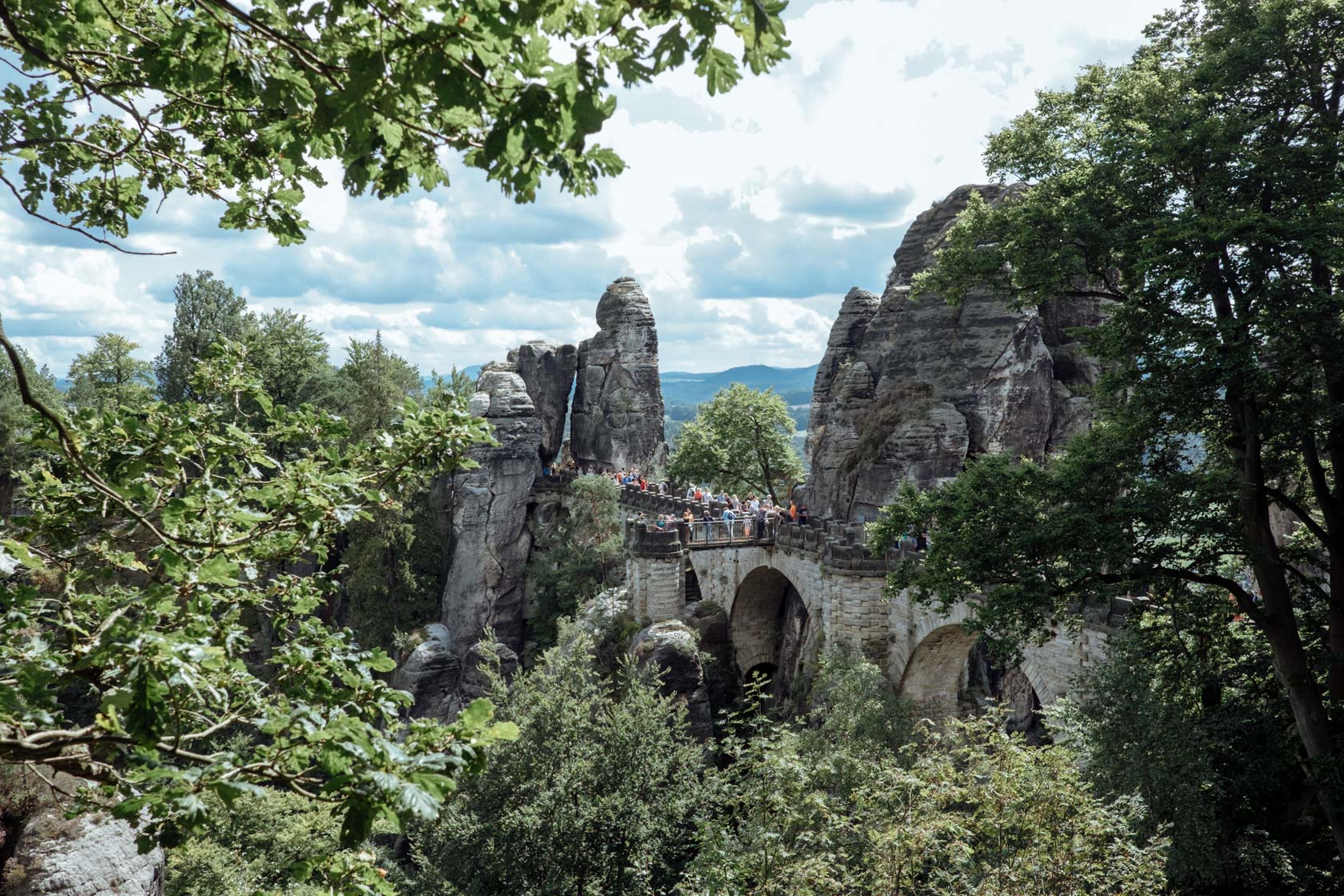
Both cities offer fantastic day trip opportunities, catering to different interests. From Wroclaw, you can easily visit the stunning Książ Castle, Poland's third-largest castle, taking about an hour by car or a combination of train/bus for around 20-30 PLN ($5-7.50) each way. The charming medieval town of Wałbrzych, or even the scenic Karkonosze Mountains for hiking, are also within reach. You could also take a train to Poznań (2-3 hours, 40-70 PLN / $10-17.50) for another dose of Polish charm. Berlin's proximity to Potsdam is a huge draw, famous for its magnificent Sanssouci Palace and gardens (train takes 30 mins, covered by Berlin ABC ticket for €4.40 / $4.80). Another excellent option is the Spreewald Biosphere Reserve, a unique network of canals perfect for kayaking or punt rides, roughly an hour by train (€15-20 / $16.50-22). Saxony's Dresden, with its rebuilt Baroque splendor, is also a popular, slightly longer day trip (2 hours by train, €20-40 / $22-44). "I loved the relaxed vibe of kayaking in Spreewald from Berlin, but seeing Książ Castle from Wroclaw felt like stepping into a fantasy novel. Both were equally amazing escapes from the city."
Winner takeaway
- Winner: Tie
- Why: Both cities provide diverse and compelling day trip options that cater to various interests, from historical grandeur to natural beauty.
- Who this matters for: Travelers who like to explore beyond the main city, history enthusiasts, and nature lovers.
☀️ Weather & Seasons
Both Wroclaw and Berlin experience a continental climate, meaning warm to hot summers, cold and often snowy winters, and pleasant shoulder seasons. For Wroclaw, July and August are the warmest months, with average temperatures around 20-22°C (68-72°F), perfect for outdoor dining and river walks. Winters (December-February) are cold, averaging around 0°C (32°F), often with snow, making the Christmas markets magical. Spring (April-May) and autumn (September-October) offer mild temperatures and fewer crowds, with averages around 10-15°C (50-59°F). Berlin shares a similar pattern, with summer averages often a degree or two higher, sometimes hitting 25-30°C (77-86°F), ideal for park picnics and outdoor concerts. Winters are also cold, with slightly less consistent snow cover than Wroclaw, but still very much a winter city. The best times to visit both are late spring/early summer (May-June) or early autumn (September-October) when the weather is mild and pleasant, and major events might be fewer than peak summer. "I visited Berlin in October and the fall colors were stunning, perfect for walking around. My friend went to Wroclaw for their Christmas markets, and said the snow made it absolutely magical, even if it was freezing."
Winner takeaway
- Winner: Tie
- Why: Both cities offer distinct and enjoyable experiences across all four seasons, with shoulder seasons being ideal for pleasant weather and fewer crowds.
- Who this matters for: Travelers with specific seasonal preferences (e.g., summer festivals, winter markets) or those who prefer mild weather.
🚶♀️ Solo Travel & Safety
Wroclaw is an excellent destination for solo travelers. Its compact size, friendly locals, and low crime rate make it feel incredibly safe, even at night. Walking around the city center or taking public transport alone is generally worry-free. English is widely understood in tourist-facing businesses, and the student population contributes to a welcoming, open vibe. It's easy to strike up conversations in pubs or join walking tours. A solo female traveler will feel very comfortable exploring independently. Berlin is also generally safe for solo travelers, but as a much larger, bustling metropolis, it demands a higher level of urban awareness. Petty crime (pickpocketing) can occur in crowded tourist areas or on public transport. However, Berlin's excellent public transport, late-night options, and diverse social scene make it incredibly easy to meet other travelers or locals. There's a strong sense of personal freedom, and being alone is the norm. "Wroclaw was such a chill city for solo travel, I felt completely at ease walking home late. Berlin's awesome for meeting people and the trains run all night, but I definitely kept a closer eye on my bag there, especially in busy spots."
Winner takeaway
- Winner: Wroclaw
- Why: Wroclaw's intimate size, exceptionally low crime rate, and overtly friendly atmosphere provide a more reassuring and relaxed experience for solo travelers.
- Who this matters for: First-time solo travelers, those who prioritize feeling safe and comfortable exploring independently, and travelers seeking a friendly, less overwhelming urban environment.
❓ Frequently Asked Questions
Is Wroclaw much cheaper than Berlin?
Yes, significantly. Wroclaw offers exceptional value, with daily expenses often 30-50% lower than Berlin for similar quality. Accommodation, food, drinks, and public transport are all noticeably more affordable in Wroclaw, allowing your budget to stretch much further.
What's the best time to visit Wroclaw and Berlin?
The shoulder seasons (May-June and September-October) are ideal for both cities, offering pleasant weather, fewer crowds, and often better prices. Summers (July-August) are warm and lively but can be crowded, while winters (December-February) are cold but magical with Christmas markets.
Which city is better for history buffs?
It depends on your historical interest. Wroclaw shines with medieval, Bohemian, and Polish history, featuring fairytale architecture and a unique past. Berlin is unparalleled for its deep dives into 20th-century history, particularly WWII, the Cold War, and the Holocaust, offering raw and impactful experiences.
Can I combine a trip to Wroclaw and Berlin?
Absolutely! Combining them offers a rich Central European experience. There's a convenient direct train connection that takes around 4.5 hours, making it an easy and scenic journey between the two cities. Allocate 3-4 days for Wroclaw and 4-6 days for Berlin.
How safe are Wroclaw and Berlin for solo female travelers?
Both cities are generally safe. Wroclaw feels exceptionally safe due to its smaller size and friendly atmosphere, making it very comfortable for solo female travelers. Berlin is also safe, but as a large city, typical urban precautions against petty theft are advisable. Public transport in both is reliable and runs late.
What are the main differences in nightlife?
Wroclaw's nightlife is characterized by a vibrant, student-friendly pub scene, cozy bars, and some smaller clubs, often more relaxed and budget-friendly. Berlin is world-renowned for its intense clubbing scene, especially techno, and its diverse range of edgy bars and all-night parties, offering a more high-energy and alternative experience.
Which city has better food?
Berlin wins for its sheer diversity and international flair, offering everything from Michelin-starred dining to incredible street food from around the globe, with strong vegan/vegetarian options. Wroclaw offers delicious, hearty traditional Polish cuisine, a growing modern scene, and excellent craft beer, but with less variety overall.
Is English widely spoken in both cities?
Yes, English is widely spoken in both cities, especially in tourist areas, hotels, restaurants, and by younger generations. You'll have no problem communicating your needs in either Wroclaw or Berlin. Learning a few basic phrases in Polish or German is always appreciated though!
Ready to plan your Central European trip?
Get a free custom itinerary for Wroclaw, Berlin, or both — built from real traveler insights.
🎟️ Book Tours & Experiences
Hand-picked tours and activities for both destinations — book with free cancellation
Experiences via Viator — free cancellation on most tours