How we built this comparison
This page combines traveler discussion patterns, published price ranges, flight schedules, and seasonal data to help you decide between Xi An and Beijing.
- Reviewed 50+ Reddit threads from r/travel, r/solotravel, r/ChinaTravel, etc.
- Verified costs and logistics against current booking platforms (Trip.com, Booking.com, China Highlights)
- Cross-referenced seasonal patterns and weather data for optimal travel timing
⚡ The TL;DR Verdict
Choose Xi An if you're a history buff on a tighter budget, seeking a more authentic, ancient vibe and incredible street food. Beijing is for those who want the grand scale of imperial history, modern amenities, vibrant nightlife, and are prepared to spend a bit more.
- Choose Xi An: Perfect for history enthusiasts, foodies, and budget travelers keen on experiencing ancient China without the overwhelming scale of a mega-city. Ideal for 2-3 days.
- Choose Beijing: Best for those wanting iconic imperial sites, a bustling modern metropolis, and a wider range of international dining and entertainment. Budget accordingly for 3-5 days.
- Choose Both: If you have 7-10 days, doing both offers a comprehensive view of China's past and present. Fly into Beijing, take a high-speed train to Xi An (around 4.5-6 hours, 500-550 CNY / ~$70-75 USD), then fly out of Xi An or back to Beijing.
Quick Comparison
| Category | Xi An | Beijing | Winner |
|---|---|---|---|
| Culture & History | Home to the Terracotta Army, ancient city walls, and a deep Islamic heritage. | Imperial grandeur with the Forbidden City, Great Wall, and Temple of Heaven. | Tie |
| Food Scene | Legendary Muslim Quarter street food, Biang Biang noodles, and Roujiamo. | Peking Duck, imperial cuisine, and diverse international options. | Xi An |
| Costs & Budget | Significantly more budget-friendly for accommodation, food, and transport. | Higher costs across the board, particularly for hotels and international dining. | Xi An |
| Getting There | Served by Xi'an Xianyang International Airport (XIY), good domestic connections. | Major international hub with two large airports, extensive global connections. | Beijing |
| Getting Around | Compact city center, walkable, efficient metro system. | Extensive metro, but vast distances mean more reliance on public transport/taxis. | Xi An |
| Accommodation | Good value hostels and mid-range hotels, charming boutique options. | Wide range from budget hostels to ultra-luxury, more international brands. | Beijing |
| Day Trips | Mount Hua, Famen Temple, and Mausoleum of Emperor Jingdi. | Great Wall sections, Summer Palace, and Ming Tombs. | Beijing |
| Nightlife & Entertainment | More low-key, local bars and traditional performances. | Vibrant bar streets, clubs, live music, and international shows. | Beijing |
| Shopping | Local crafts, souvenirs, and specialty foods. | Luxury brands, international fashion, bustling markets, and modern malls. | Beijing |
| Solo Travel & Safety | Generally very safe, manageable size, friendly locals. | Safe overall, but larger scale can be overwhelming, more crowded. | Xi An |
📜 Culture & History
When it comes to sheer historical impact, both cities are titans, making this a tough call. Xi An boasts the breathtaking Terracotta Army (120 CNY / ~$17 USD entrance), a truly unique archaeological wonder that feels incredibly personal and ancient. Walking or cycling the perfectly preserved City Wall (54 CNY / ~$7.50 USD) offers an unparalleled perspective on the city's past. The Muslim Quarter's Great Mosque also provides a fascinating glimpse into China's diverse religious history. Beijing, on the other hand, delivers on imperial grandeur. The Forbidden City (60 CNY / ~$8.50 USD) is a sprawling testament to dynastic power, while the various sections of the Great Wall (e.g., Mutianyu, ~40-60 CNY / ~$5.50-8.50 USD entrance, plus transport) are simply awe-inspiring in their scale. The Temple of Heaven (35 CNY / ~$5 USD) offers serene beauty and cultural insight. Xi An feels older, more grounded in ancient roots, while Beijing showcases the pinnacle of imperial power. "Honestly, for 'wow' factor history, the Terracotta Army hit different than anything in Beijing for me. Beijing's grand, but Xi'an felt more profound." It really depends on whether you prefer ancient wonders or imperial splendor.
Winner takeaway
- Winner: Tie
- Why: Both cities offer distinct and equally compelling historical experiences, appealing to different facets of historical interest.
- Who this matters for: History buffs and culture seekers.
🍜 Food Scene
Xi An's food scene is an absolute dream for adventurous eaters, largely centered around the vibrant Muslim Quarter. Here, you'll find an explosion of unique flavors, from steaming bowls of Biang Biang noodles (30-50 CNY / ~$4-7 USD) to savory Roujiamo (Chinese 'hamburger,' 15-25 CNY / ~$2-3.50 USD) and various lamb skewers and persimmon cakes. The atmosphere is bustling, authentic, and incredibly immersive. Beijing, while famous for its Peking Duck (a whole duck at Quanjude or Bianyifang can be 200-400 CNY / ~$28-55 USD), often feels more curated and less 'street-level' in its distinctiveness. You can find excellent regional Chinese cuisine from all over the country, and a much wider array of international dining, but its local street food scene, especially after recent crackdowns, isn't as robust or uniquely 'Beijing' as Xi An's is 'Xi An.' For a truly distinct and memorable culinary adventure focused on local specialties, Xi An wins hands down. "Honestly, Xi'an's Muslim Quarter was the best food I had in China. Forget Peking Duck, Roujiamo is where it's at."
Winner takeaway
- Winner: Xi An
- Why: Xi An offers a more unique, immersive, and distinct street food experience rooted in its local culture.
- Who this matters for: Foodies and budget travelers looking for authentic local flavors.
💰 Costs & Budget
This is where Xi An truly shines for budget-conscious travelers. You can comfortably explore Xi An on a mid-range budget of around 600-1000 CNY (~$85-140 USD) per day, including a decent hotel, all meals, and attractions. A hostel bed can be as low as 80-120 CNY (~$11-17 USD), and street food is incredibly affordable. For example, a delicious bowl of noodles might cost 30 CNY (~$4 USD). Beijing, as the capital, is noticeably pricier. A comparable mid-range budget in Beijing would be closer to 1000-1800 CNY (~$140-250 USD) per day. Hostel beds are around 100-180 CNY (~$14-25 USD), and dining out, especially in more established restaurants or international eateries, adds up quickly. Even local transport, while efficient, will be slightly more expensive due to the sheer size of the city. "Beijing is expensive, man. Budget double what you'd spend in Xi'an for the same 'level' of comfort. My Xi'an hostel was cleaner and half the price of my Beijing one."
Winner takeaway
- Winner: Xi An
- Why: Xi An offers significantly better value for money across all major travel categories without compromising quality.
- Who this matters for: Budget travelers, long-term travelers, and those looking to stretch their yuan further.
✈️ Getting There
Beijing is undoubtedly the winner for international accessibility. Beijing Capital International Airport (PEK) and Beijing Daxing International Airport (PKX) are two of the busiest airports in the world, with direct flights from most major cities globally. This makes arriving in China, especially from North America or Europe, significantly easier and often cheaper, with typical round-trip flights from the US ranging from $800-1500 USD. Xi An Xianyang International Airport (XIY) is a major domestic hub but has fewer direct international routes, often requiring a layover in another major Asian city or Beijing/Shanghai if coming from further afield. This can add both time and cost to your journey. For travelers already in China, both cities are well-connected by high-speed rail, with the Beijing-Xi An route taking around 4.5-6 hours and costing 500-550 CNY (~$70-75 USD) for a second-class seat. "Flying into Beijing was a breeze, direct from LA. To get to Xi'an, I had to connect in Beijing anyway, so might as well start there."
Winner takeaway
- Winner: Beijing
- Why: Beijing offers superior international flight connectivity, making it an easier and often more direct entry point into China.
- Who this matters for: International travelers, especially those making China their first stop.
🚇 Getting Around
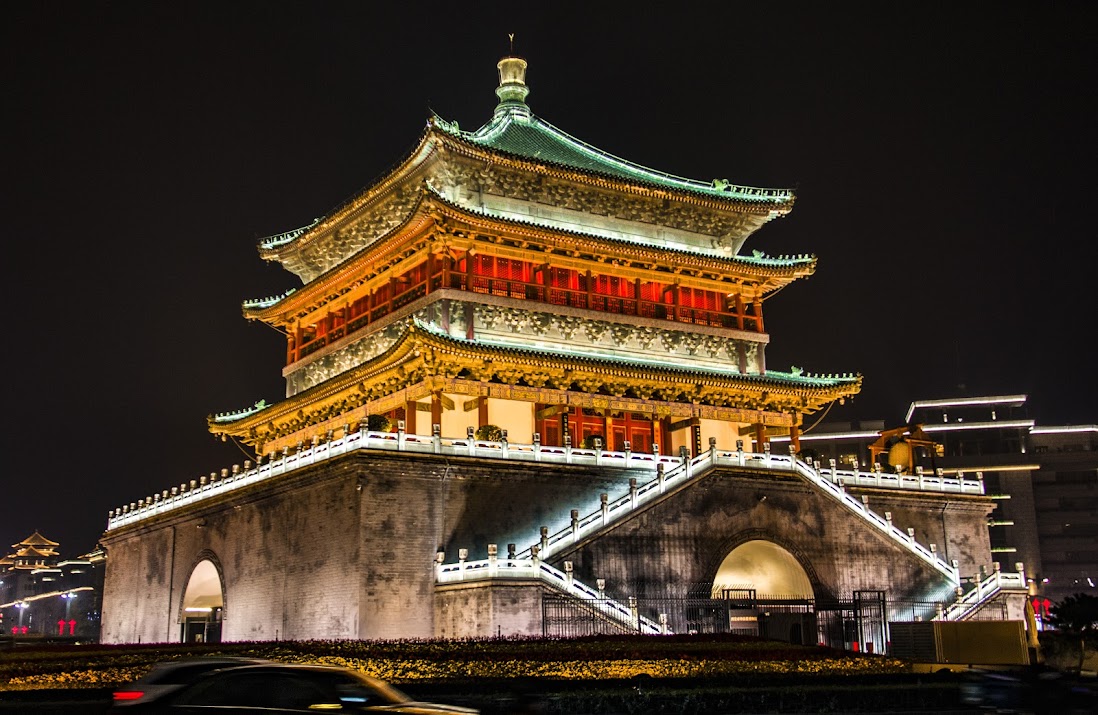
Xi An's relatively compact city center, enclosed by its ancient wall, makes it incredibly manageable for tourists. Many key attractions like the Bell Tower, Drum Tower, and Muslim Quarter are within walking distance of each other. The metro system, while not as vast as Beijing's, is efficient and covers all major tourist sites, including easy connections to the train station for the Terracotta Army bus. Fares are cheap, typically 2-6 CNY (~$0.30-0.85 USD). Beijing, being a sprawling mega-city, requires more strategic planning. Its metro system is phenomenal and extensive, covering almost every corner of the city, but distances between attractions can be vast, necessitating frequent metro rides or taxis. Expect to spend more time commuting. While Beijing's public transport network is impressive in scale, Xi An's smaller, more walkable core and simpler navigation make it a less stressful experience for a first-time visitor. "I loved how walkable Xi'an was; felt like I saw so much just on foot. Beijing was great, but you're constantly on the metro or in a Didi."
Winner takeaway
- Winner: Xi An
- Why: Xi An's compact nature and accessible core make it easier and more pleasant to navigate for tourists.
- Who this matters for: First-time visitors, those who prefer walking, and travelers who dislike long commutes.
🏨 Accommodation
Beijing offers an unparalleled breadth of accommodation options, from super budget hostels like Happy Dragon Hostel (~100-180 CNY / ~$14-25 USD per night) to world-class luxury hotels such as The Opposite House or Rosewood Beijing (~2000+ CNY / ~$280+ USD per night). You'll find every major international hotel chain here, providing familiar comforts. Boutique hotels in restored hutongs also offer a unique, authentic experience. Xi An, while having excellent value, especially in the mid-range, doesn't quite match Beijing's sheer variety or its high-end luxury offerings. You can find great hostels like Hantang Inn (80-120 CNY / ~$11-17 USD) or solid 4-star hotels near the city wall (400-800 CNY / ~$55-110 USD). However, truly bespoke or ultra-luxury options are fewer and farther between. If you're looking for specific chain loyalty or a truly lavish experience, Beijing has more choices. "Finding a great, clean hostel in Xi'an was super easy and cheap, but if you want proper luxury or familiar chains, Beijing has way more options." The sheer volume and diversity of choices, especially at the higher end, give Beijing the edge.
Winner takeaway
- Winner: Beijing
- Why: Beijing boasts a wider and more diverse range of accommodation, from budget to ultra-luxury, including all major international brands.
- Who this matters for: Luxury travelers, business travelers, and those seeking specific hotel chains or amenities.
🌄 Day Trips
Beijing offers more iconic and easily accessible day trips that complement the city experience. The various sections of the Great Wall, especially Mutianyu (around 1.5-2 hours drive, expect 800-1200 CNY / ~$110-170 USD for a private car for the day, or cheaper bus tours), are world-famous and a must-do. The Summer Palace and Ming Tombs are also significant historical sites within easy reach. Xi An has fantastic day trip options too, like the stunning Mount Hua (Hua Shan, about 2-3 hours drive, 160 CNY / ~$22 USD entrance, plus cable car costs), a dramatic and challenging hike known for its precipitous trails. Famen Temple with its relics of the Buddha is another compelling spiritual destination, and the Hanyangling Mausoleum (Mausoleum of Emperor Jingdi) offers a more intimate historical experience than the Terracotta Army. However, the sheer global recognition and accessibility of Beijing's day trips, particularly the Great Wall, make them slightly more compelling for a broader range of travelers. "Mutianyu was incredible, totally worth the early start from Beijing. Xi'an's Hua Shan looked amazing but I wasn't up for such a strenuous hike on my trip."
Winner takeaway
- Winner: Beijing
- Why: Beijing's day trips, especially the Great Wall and Summer Palace, are more globally recognized and generally more accessible for a wider range of physical abilities.
- Who this matters for: First-time visitors to China, those seeking iconic landmarks, and families.
🌃 Nightlife & Entertainment
Beijing clearly takes the crown for nightlife and entertainment. Areas like Sanlitun are packed with trendy bars, clubs, and international restaurants, catering to a diverse crowd. You can find anything from rooftop bars with craft cocktails (expect 60-120 CNY / ~$8-17 USD per drink) to pulsing dance clubs. Houhai Lake also offers a charming array of lakeside bars with live music, perfect for a more relaxed evening. Beijing also has a thriving arts scene, with numerous theaters and performance venues for opera, acrobatics, and contemporary shows. Xi An's nightlife is much more subdued. While it has some pleasant bar streets like Defu Lane near the South Gate, offering local pubs and KTVs (karaoke), the scene is generally focused on local socialising rather than high-energy clubs or international venues. You can find traditional Tang Dynasty music and dance shows, which are culturally rich but a different kind of 'nightlife.' "If you're looking to party or even just have a few late-night drinks with expats, Beijing's Sanlitun is the only real option. Xi'an gets quiet pretty early." For those seeking vibrant evenings out, Beijing is the undisputed winner.
Winner takeaway
- Winner: Beijing
- Why: Beijing offers a significantly more diverse and energetic nightlife with a wide array of bars, clubs, and entertainment options catering to all tastes.
- Who this matters for: Young travelers, party-goers, and those seeking modern entertainment and social scenes.
🛍️ Shopping
Beijing offers a truly comprehensive shopping experience, catering to every taste and budget. From the high-end luxury boutiques in Sanlitun and Wangfujing Street (featuring brands like Gucci, Louis Vuitton, and countless international fashion stores) to sprawling modern malls and more traditional markets like the Silk Market (for bargaining on clothes, electronics, and souvenirs), Beijing has it all. You can find everything from cutting-edge electronics to traditional Chinese art and antiques. Xi An's shopping scene is more focused on local specialties and souvenirs. The Muslim Quarter is fantastic for unique local snacks, traditional crafts, and small trinkets. You'll find jade, replicas of Terracotta Warriors, and local delicacies. While there are modern malls, they don't quite match the scale or variety of Beijing's. If you're looking for global brands, diverse fashion, or a serious retail therapy session, Beijing is the place. "I snagged some great knock-offs at the Silk Market in Beijing, and then hit up Sanlitun for actual fashion. Xi'an was more about little souvenirs for family." For sheer breadth and depth of retail options, Beijing is unmatched.
Winner takeaway
- Winner: Beijing
- Why: Beijing provides a vastly superior and more diverse shopping experience, encompassing luxury brands, international fashion, and extensive markets.
- Who this matters for: Fashion enthusiasts, luxury shoppers, and those seeking a wide variety of retail options.
🚶♀️ Solo Travel & Safety
Both Xi An and Beijing are generally very safe cities for travelers, including solo adventurers. China has a low crime rate, and tourist areas are well-monitored. However, Xi An edges out Beijing for solo travel due to its more manageable size and slightly less intense pace. The city center is compact, making navigation easier and less overwhelming, especially if you're traveling alone. You're less likely to feel lost in a crowd, and getting around via metro or walking is straightforward. Locals in Xi An are often perceived as very friendly and helpful. Beijing, while safe, can be intimidatingly vast and crowded. The sheer scale and constant bustle can be a lot for a solo traveler to navigate, and while public transport is excellent, the long distances and dense crowds can be tiring. English proficiency is still limited in both cities, though slightly more common in tourist-heavy areas of Beijing. "As a solo female traveler, I felt incredibly safe and comfortable exploring Xi'an on my own. Beijing was fine too, but the crowds and sheer size were a bit much sometimes." For a more relaxed and less overwhelming solo experience, Xi An is a great choice.
Winner takeaway
- Winner: Xi An
- Why: Xi An's smaller, more manageable size and generally calmer atmosphere make it a less overwhelming and more approachable destination for solo travelers.
- Who this matters for: Solo travelers, first-time visitors to China, and those preferring a less hectic environment.
❓ Frequently Asked Questions
Which city is better for a first-time visitor to China?
Beijing offers a more comprehensive introduction to China's imperial history and modern development, with iconic landmarks like the Great Wall and Forbidden City. However, Xi An provides a more intimate look at ancient China and is less overwhelming, making it a great alternative or complement.
Is English widely spoken in Xi An or Beijing?
English proficiency is limited in both cities. You'll find some English spoken in major tourist areas, hotels, and international restaurants in Beijing, but less so in Xi An. Using translation apps (like Baidu Translate or Google Translate with a VPN) is highly recommended.
How many days should I spend in each city?
For Xi An, 2-3 full days are usually sufficient to see the main sights like the Terracotta Army, City Wall, and Muslim Quarter. For Beijing, plan for 4-5 full days to cover the Forbidden City, Great Wall, Temple of Heaven, Summer Palace, and experience its various districts.
What's the best way to travel between Xi An and Beijing?
The high-speed train is highly recommended. It takes about 4.5-6 hours and costs around 500-550 CNY (~$70-75 USD) for a second-class seat, offering a comfortable and efficient journey. Domestic flights are also an option but often similar in price and add airport transfer time.
What local dishes must I try in each city?
In Xi An, you absolutely must try Roujiamo (Chinese 'hamburger'), Biang Biang noodles, and various street foods in the Muslim Quarter. In Beijing, Peking Duck is essential, along with traditional imperial cuisine and perhaps some local hot pot.
Are taxis or ride-sharing apps better for getting around?
Ride-sharing apps like Didi Chuxing (China's Uber equivalent) are generally preferred in both cities. They're convenient, often cheaper than street taxis, and allow you to input your destination in Chinese characters, avoiding language barriers. Taxis are also plentiful but ensure the meter is running.
What's the best time of year to visit?
Spring (April-May) and Autumn (September-October) are ideal for both cities, offering pleasant temperatures and clear skies. Summers (June-August) can be hot and humid with occasional rain, while winters (November-March) are very cold, especially in Beijing, but offer fewer crowds.
Should I visit the Badaling or Mutianyu section of the Great Wall?
For Beijing, Mutianyu is generally preferred over Badaling. Mutianyu is slightly further but less crowded, offers stunning views, and has a cable car/chairlift up and a fun toboggan ride down. Badaling is closer but much more touristy and often packed.
Ready to plan your China trip?
Get a free custom itinerary for Xi An, Beijing, or both — built from real traveler insights.
🎟️ Book Tours & Experiences
Hand-picked tours and activities for both destinations — book with free cancellation
Experiences via Viator — free cancellation on most tours