How we built this comparison
This page combines traveler discussion patterns, published price ranges, flight schedules, and seasonal data to help you decide between Yokohama and Tokyo.
- Reviewed 50+ Reddit threads from r/JapanTravel, r/solotravel, r/Tokyo, and r/travel for authentic traveler experiences and advice.
- Verified costs for accommodation, dining, and transportation against current booking platforms (e.g., Booking.com, Google Maps, Japan Rail) and major restaurant review sites.
- Cross-referenced seasonal weather patterns and event schedules to ensure practical and timely recommendations.
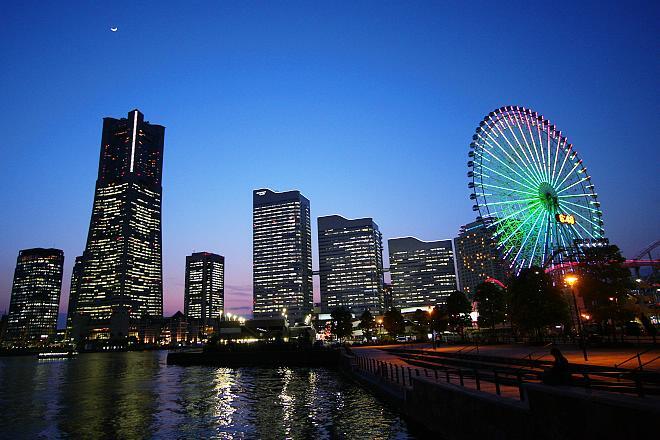
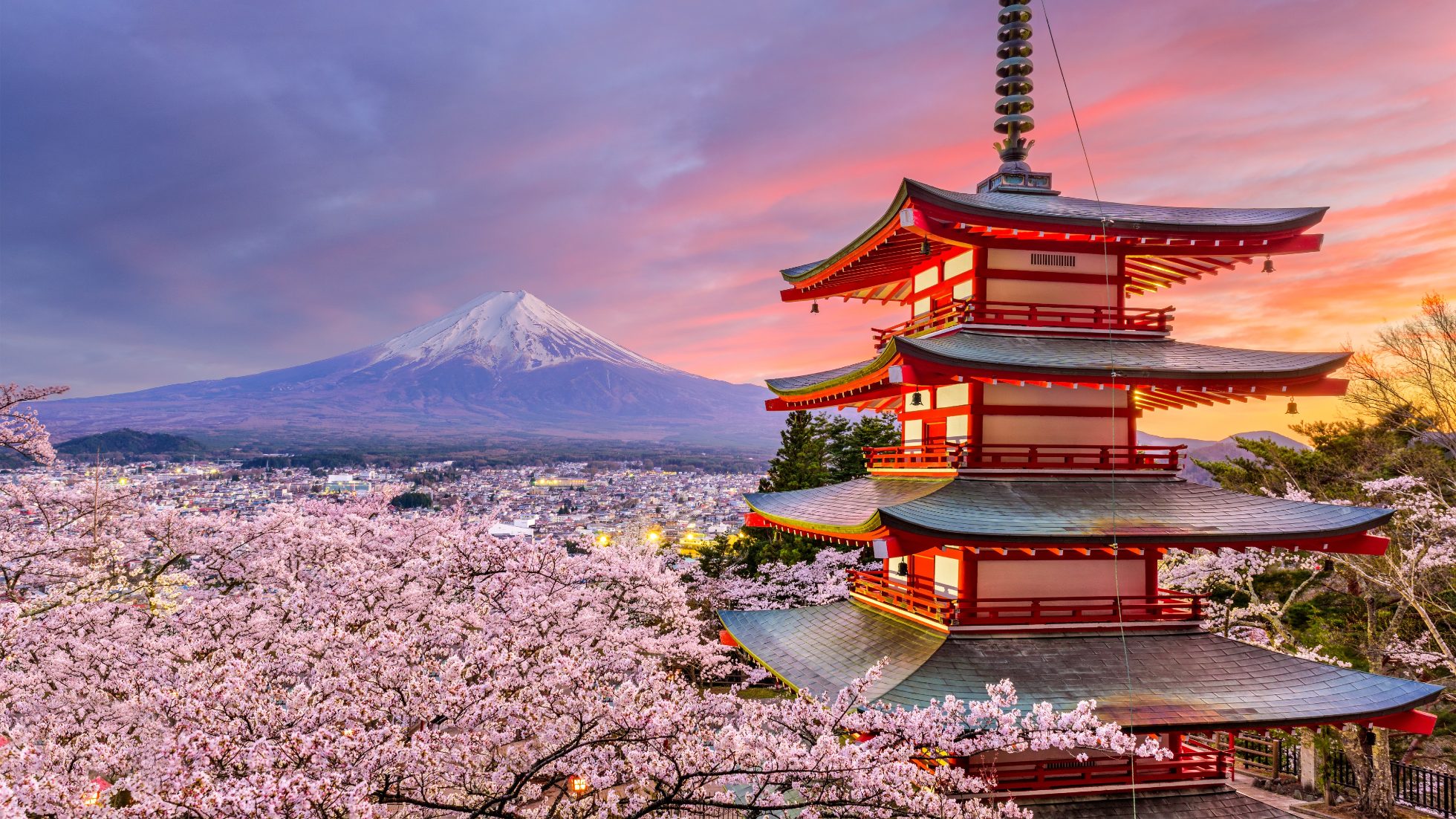
⚡ The TL;DR Verdict
For first-timers craving iconic sights, relentless energy, and endless options, Tokyo is your undisputed champion, budget around ¥15,000-¥30,000 ($100-$200+) daily. If you prefer a more laid-back, scenic, and slightly less expensive experience with unique maritime history, Yokohama offers a refreshing alternative, usually ¥10,000-¥25,000 ($70-$170) per day. They're so close, though, you might just do both!
- Choose Yokohama: Pick Yokohama if you're looking for a slower pace, beautiful waterfront views, unique museums (like CupNoodles!), excellent food (Chinatown!), and a more family-friendly atmosphere without the overwhelming crowds of Tokyo. It's also a fantastic base if you prioritize a slightly lower cost of living and don't mind commuting for day trips.
- Choose Tokyo: Go for Tokyo if you want the full, high-octane Japan experience: neon-lit streets, world-class shopping, diverse nightlife, historical temples alongside futuristic skyscrapers, and access to an unparalleled variety of food and entertainment. It's perfect for first-time visitors to Japan, solo travelers, and anyone who thrives on constant stimulation and endless exploration.
- Choose Both: Absolutely do both! They're just a 30-40 minute train ride apart. I'd recommend a main base in Tokyo for 4-5 days to hit the big spots, then either a dedicated day trip to Yokohama or even a 2-3 night stay in Yokohama to soak in its distinct atmosphere. It makes for a well-rounded trip showing both sides of Kanto.
Quick Comparison
| Category | Yokohama | Tokyo | Winner |
|---|---|---|---|
| Vibe & Atmosphere | Relaxed, cosmopolitan port city with a distinct international flair and stunning waterfronts. | Hyper-modern, bustling metropolis with distinct neighborhoods, each offering a unique energy. | Tokyo |
| Costs & Budget | Generally 10-20% cheaper for accommodation and dining, especially outside major tourist zones. | Higher average costs for accommodation, dining, and some attractions, though budget options exist. | Yokohama |
| Food Scene | Famous for its vibrant Chinatown, unique seafood, and diverse international cuisine. | Culinary capital with everything from Michelin-starred fine dining to street food, representing all of Japan. | Tokyo |
| Culture & History | Pioneer of Japan's modernization, blend of traditional Japanese and Western influences, maritime history. | Rich tapestry of ancient temples, imperial history, and modern pop culture, covering centuries of Japanese heritage. | Tokyo |
| Nightlife | More relaxed bar scene, some live music, and excellent late-night dining in Chinatown. | World-famous, vibrant, and diverse nightlife, from neon-lit clubs to cozy izakayas. | Tokyo |
| Accommodation | Good range of mid-range hotels with more space for the price, some unique boutique options. | Extensive selection from budget hostels to luxury hotels, but often smaller and pricier. | Yokohama |
| Getting Around | Walkable city center, efficient Minatomirai Line, and accessible JR lines. | One of the world's best public transport systems, but can be complex and crowded. | Yokohama |
| Shopping | Unique boutiques, souvenir shops in Chinatown, large department stores in Minato Mirai. | Global shopping mecca, from luxury brands to quirky fashion and electronics. | Tokyo |
| Day Trips & Nature | Good access to Hakone, Kamakura, and nearby beaches; offers urban parks and gardens. | Excellent base for iconic day trips to Hakone, Kawaguchiko (Mt. Fuji), Nikko, and coastal areas. | Tokyo |
| Family Friendliness | Numerous parks, interactive museums, and a more relaxed, walkable environment. | Many kid-friendly attractions, but can be overwhelming with crowds and complex transport. | Yokohama |
✨ Vibe & Atmosphere
Yokohama offers a refreshing change of pace from Tokyo's relentless energy. It feels more open, with wide promenades along Minato Mirai, historic red brick warehouses, and a charming Chinatown. It's cosmopolitan but in a mellow, maritime way, great for leisurely strolls and soaking in the sea breeze. You'll find families enjoying parks and couples on romantic dates. However, Tokyo's sheer scale of distinct 'vibes' is unmatched. From the electric neon glow of Shinjuku and Shibuya to the traditional serenity of Asakusa, the fashion-forward streets of Harajuku, or the upscale elegance of Ginza – each district is its own world. Tokyo offers an unparalleled sensory experience that constantly evolves. "Yokohama was lovely for a day trip, definitely more chill, but Tokyo just kept blowing my mind with how different each area felt. Couldn't get enough of Shinjuku at night!" The sheer diversity means there's always something new to discover, catering to every mood and preference, making it a more dynamic and iconic representation of modern Japan.
Winner takeaway
- Winner: Tokyo
- Why: Tokyo wins for its incredible diversity of distinct neighborhood vibes, offering a constantly stimulating and varied experience.
- Who this matters for: First-time visitors to Japan, solo travelers, and those who thrive on constant exploration and diverse experiences.
💰 Costs & Budget
When it comes to your wallet, Yokohama is noticeably kinder. You can find decent business hotels like Hotel Associa Shin-Yokohama or Mitsui Garden Hotel Yokohama Minatomirai for around ¥10,000-¥18,000 ($70-$120) per night, whereas a comparable Tokyo hotel in a central area like Shinjuku or Shibuya would easily start at ¥15,000-¥25,000 ($100-$170+). Food in Yokohama, particularly in Chinatown or local eateries around Sakuragicho, can be incredibly affordable and delicious – a solid lunch might run you ¥800-¥1,500 ($5-$10). In Tokyo, while cheap eats are plentiful, the average meal cost in popular areas tends to be higher, often ¥1,000-¥2,500 ($7-$17) for a sit-down meal. "My hotel in Yokohama was way nicer for the price than anything I found in central Tokyo, made a big difference to my daily budget." Transportation within Yokohama is also slightly less complex and often cheaper than navigating Tokyo's extensive, multi-company train network. While Tokyo has budget options, getting a similar level of comfort and convenience for less cash is easier in Yokohama.
Winner takeaway
- Winner: Yokohama
- Why: Yokohama offers better value for money, particularly in accommodation and dining, allowing your budget to stretch further.
- Who this matters for: Budget-conscious travelers, families, and those planning longer stays who want to save on daily expenses.
🍜 Food Scene
Yokohama's food scene is a true gem, especially its sprawling Chinatown, the largest in Japan, where you can feast on authentic dim sum, Peking duck, and various regional Chinese dishes for a great price (e.g., all-you-can-eat for ¥3,000-¥4,000 / $20-$27). The port city also boasts excellent seafood, and spots like the Noge district offer a more traditional izakaya experience. However, Tokyo is simply unrivaled globally. It holds the most Michelin stars of any city, offering an astounding range of culinary experiences: world-class sushi at places like Sukiyabashi Jiro (reservations months in advance, ¥40,000+ / $270+ per person), ramen in every conceivable style (Ichiran, Ippudo, Tsuta for ¥1,000-¥1,500 / $7-$10), street food at Tsukiji Outer Market, and an endless array of international cuisines. "You just can't beat Tokyo for food. I had Michelin ramen one night and amazing yakitori from a tiny alleyway stall the next. Yokohama's Chinatown was cool, but Tokyo is another level." From high-end omakase to humble convenience store snacks, Tokyo is a foodie's ultimate paradise, constantly innovating and delivering.
Winner takeaway
- Winner: Tokyo
- Why: Tokyo offers an unparalleled diversity and quality of dining experiences, from global haute cuisine to hyper-local specialties.
- Who this matters for: Serious foodies, those seeking diverse culinary adventures, and travelers prioritizing world-class dining.
⛩️ Culture & History
Yokohama holds a unique place in Japanese history as one of the first ports opened to foreign trade in the 19th century. This has shaped its distinct international flavor, visible in areas like Yamate (The Bluff) with its Western-style houses, and the Red Brick Warehouse. Sankeien Garden offers a beautiful traditional Japanese escape, and the Silk Museum tells a specific trade story. However, Tokyo's cultural depth and breadth are monumental. From the ancient Sensō-ji Temple in Asakusa, the Edo-Tokyo Museum's immersive history, the Imperial Palace East Garden, to the modern cultural phenomena of Akihabara's anime scene and Harajuku's street fashion – Tokyo encompasses centuries of Japanese culture and its evolution. "Yokohama had some cool historical spots, especially the foreign settlement, but Tokyo's history just felt grander and more diverse, from samurai to kawaii culture." You can spend days exploring different eras and cultural facets within Tokyo, offering a more comprehensive and iconic journey through Japan's past and present.
Winner takeaway
- Winner: Tokyo
- Why: Tokyo provides a more comprehensive and iconic journey through Japan's diverse historical periods and cultural facets.
- Who this matters for: History buffs, those interested in both traditional and modern Japanese culture, and first-time visitors seeking iconic cultural landmarks.
🌃 Nightlife
Yokohama's nightlife is more subdued but still enjoyable. Areas like Noge and Isezakichō offer a charming, local izakaya and bar hopping experience, popular with salarymen and locals looking for a relaxed drink. Minato Mirai has some sophisticated bars with great city views, like the Sky Lounge at Landmark Tower. Chinatown stays lively late with restaurants, but it's not a clubbing destination. Tokyo, on the other hand, is a global nightlife powerhouse. Shinjuku's Golden Gai offers tiny, unique bars for an intimate experience, while Kabukicho is a sensory overload of neon and entertainment. Shibuya is home to massive clubs like Womb and Sound Museum Vision (entry ¥2,000-¥4,000 / $13-$27), while Roppongi caters to a more international crowd. "Yokohama had some nice quiet bars, but for actual going out and experiencing the buzz, Tokyo's Shibuya and Shinjuku were just insane. Never seen anything like it." Whether you want to sing karaoke till dawn, dance in a superclub, or find a themed bar, Tokyo has an overwhelming number of options to keep you entertained until the first train.
Winner takeaway
- Winner: Tokyo
- Why: Tokyo's nightlife is globally renowned for its immense diversity, energy, and sheer volume of options for every taste.
- Who this matters for: Party-goers, young adults, solo travelers looking to meet people, and those who want to experience Japan's famous after-dark scene.
🏨 Accommodation
Yokohama generally offers better value and often more spacious rooms for your money compared to Tokyo. You can find excellent 3-4 star hotels in prime locations like Minato Mirai (e.g., Yokohama Royal Park Hotel, Hotel New Grand) for ¥15,000-¥25,000 ($100-$170), often with stunning harbor views. There are also charming boutique hotels and traditional ryokans. Tokyo certainly has an overwhelming number of choices, from cheap capsule hotels (¥3,000-¥5,000 / $20-$35) and hostels (¥4,000-¥6,000 / $27-$40) to high-end luxury properties like the Park Hyatt Tokyo (¥50,000+ / $340+). However, even mid-range Tokyo hotels (¥18,000-¥30,000 / $120-$200) often feature notoriously small rooms, especially in popular districts like Shibuya or Shinjuku. "I stayed at a gorgeous hotel in Yokohama near the Red Brick Warehouse for less than a tiny business hotel in Shinjuku. Felt like a steal!" If space and value for a mid-range budget are priorities, Yokohama definitely comes out on top, giving you more bang for your buck without sacrificing convenience.
Winner takeaway
- Winner: Yokohama
- Why: Yokohama provides better value for money and often more spacious accommodation options compared to Tokyo's typically smaller and pricier rooms.
- Who this matters for: Families, couples, and travelers prioritizing comfort and space on a mid-range budget.
🚆 Getting Around
Yokohama's city center, particularly the Minato Mirai to Chinatown area, is incredibly walkable and pleasant to explore on foot. The Minatomirai Line efficiently connects major attractions, and the JR Negishi Line also serves key areas. It's a much less overwhelming system to navigate than Tokyo's. Tokyo, meanwhile, boasts an astonishingly efficient and extensive public transportation network (JR lines, Tokyo Metro, Toei Subway). You can get virtually anywhere quickly. However, the sheer scale, multiple operating companies, and often intense rush-hour crowds can be daunting for first-time visitors. "Yokohama was a breath of fresh air after Tokyo's subway. I could actually walk everywhere and the Minatomirai Line was super easy." While Tokyo's system is technically superior in reach, Yokohama wins for ease of use and a more relaxed navigation experience, especially for those who prefer not to spend too much time deciphering complex maps or battling crowds. It's more user-friendly for a casual tourist.
Winner takeaway
- Winner: Yokohama
- Why: Yokohama offers a more walkable city center and a less complex, less crowded public transport system, making it easier to navigate.
- Who this matters for: First-time visitors to Japan, travelers who prefer walking, and those who want a less stressful transport experience.
🛍️ Shopping
Yokohama offers a respectable shopping experience, with large department stores like Landmark Plaza and Queen's Square in Minato Mirai, offering familiar brands. Chinatown is fantastic for unique souvenirs, snacks, and traditional Chinese goods. The Red Brick Warehouse also features charming artisan shops. However, Tokyo is an undisputed global shopping capital. Ginza is synonymous with high-end luxury brands (think Dior, Chanel, for thousands of dollars). Shibuya and Harajuku are the epicenters of youth fashion and quirky trends, with countless boutiques and department stores like Shibuya 109. Akihabara is the go-to for electronics, anime, and manga (e.g., Yodobashi Camera, Mandarake). "I found some cool stuff in Yokohama, but Tokyo just has everything. I could spend days just in Shibuya or Akihabara looking for unique clothes and gadgets." From avant-garde fashion to traditional crafts, duty-free shopping to niche subculture goods, Tokyo's sheer variety and scale of retail therapy are unmatched anywhere, catering to every budget and interest.
Winner takeaway
- Winner: Tokyo
- Why: Tokyo offers an unparalleled and diverse shopping experience, catering to every style, budget, and interest imaginable.
- Who this matters for: Fashionistas, electronics enthusiasts, anime/manga fans, and anyone seeking extensive retail therapy.
🏞️ Day Trips & Nature
Yokohama is a great launchpad for some excellent day trips. You're closer to Kamakura (a 30-minute train ride, about ¥350 / $2.40), famous for its giant Buddha and temples, and also well-situated for Hakone (about 1.5-2 hours, around ¥1,200 / $8 by train) for its onsens and views of Mt. Fuji. Within Yokohama, Sankeien Garden offers a beautiful traditional Japanese landscape, and the waterfront provides ample green space. However, Tokyo's central location and extensive train network give it a slight edge for access to a wider variety of iconic day trips. From Tokyo, you can easily reach Hakone, but also Kawaguchiko (for the most iconic Mt. Fuji views, about 2 hours, ¥2,500 / $17 by bus), Nikko (UNESCO World Heritage, about 2 hours, ¥3,000 / $20 by train), and even coastal areas like Enoshima. "Yokohama was good for Kamakura, but for Fuji and those famous views, Tokyo was the better hub." While Yokohama is good, Tokyo's sheer connectivity to diverse natural and historical sites makes it a superior base for exploring the wider Kanto region.
Winner takeaway
- Winner: Tokyo
- Why: Tokyo offers slightly better and more direct access to a wider range of iconic and diverse day trip destinations.
- Who this matters for: Travelers who plan multiple day trips, photographers, and those wanting to see iconic natural landmarks like Mt. Fuji.
👨👩👧👦 Family Friendliness
Yokohama truly shines as a family-friendly destination. Its Minato Mirai area is designed for leisurely strolls with wide sidewalks, and features attractions like the CupNoodles Museum (entry ¥500 / $3.40), Yokohama Cosmo World amusement park (rides start around ¥700 / $4.80), and the beautiful waterfront parks. Chinatown is a fun place for kids to explore and try new foods. The overall pace is less hectic than Tokyo, making it easier to manage children. "Yokohama was perfect with our two kids. We loved the CupNoodles Museum, and it felt so much calmer than trying to navigate Shibuya with a stroller." Tokyo certainly has many family attractions – Disneyland/DisneySea, Ghibli Museum (requires advance booking, ¥1,000 / $7), Ueno Zoo – but navigating its crowded train stations and bustling streets with strollers or young children can be exhausting. While both offer plenty for families, Yokohama's more relaxed atmosphere, open spaces, and concentrated attractions make it a less stressful and more enjoyable choice for families with young kids.
Winner takeaway
- Winner: Yokohama
- Why: Yokohama offers a more relaxed pace, easier navigation, and a concentration of engaging, kid-friendly attractions, making it ideal for families.
- Who this matters for: Families with young children, travelers seeking a less stressful environment, and those who appreciate open spaces and interactive museums.
❓ Frequently Asked Questions
Is Yokohama worth visiting if I'm already going to Tokyo?
Absolutely! Yokohama is a fantastic day trip or even a 1-2 night stay from Tokyo. It offers a completely different vibe – more relaxed, with a unique international history, beautiful waterfronts, and Japan's largest Chinatown. It's a refreshing contrast to Tokyo's hustle and bustle.
How long should I spend in Yokohama vs Tokyo?
For Tokyo, aim for at least 4-5 full days to cover major areas. For Yokohama, a full day trip (8-10 hours) is sufficient to see the main sights like Minato Mirai, Chinatown, and the Red Brick Warehouse. If you want to delve deeper, 2 days and 1 night in Yokohama is ideal.
What's the easiest way to travel between Yokohama and Tokyo?
The easiest and fastest way is by train. The JR Tokaido Line takes about 25-30 minutes from Yokohama Station to Tokyo Station (around ¥480 / $3.30). The Tokyu Toyoko Line connects Yokohama's Minato Mirai area to Shibuya in about 30-40 minutes (around ¥470 / $3.20).
Is Yokohama cheaper than Tokyo?
Generally, yes, Yokohama is slightly cheaper than Tokyo, especially when it comes to accommodation. You can often find larger, better-value hotel rooms in Yokohama. Food costs, particularly outside of high-end areas, also tend to be a bit lower.
Can I use my JR Pass in Yokohama?
Yes, if you have a Japan Rail Pass, you can use it on JR lines to and from Yokohama Station and for local JR lines within Yokohama, such as the Negishi Line. This makes inter-city travel particularly cost-effective if you're pass-holder.
Are there any beaches near Yokohama or Tokyo?
Yes, you can find beaches near both. From Yokohama, Zushi Beach and Enoshima Island are relatively easy to reach by train, offering nice coastal views and swimming in summer. Tokyo itself doesn't have good swimming beaches, but spots like Odaiba Seaside Park offer waterfront relaxation, and Enoshima is also accessible from Tokyo for a beach day.
Which city is better for cherry blossom viewing?
Both cities offer beautiful cherry blossom viewing spots. Tokyo has iconic locations like Ueno Park, Shinjuku Gyoen, and the Meguro River. Yokohama boasts stunning views at Sankeien Garden, Mitsuike Park, and along the Ooka River. Tokyo might have more famous, larger-scale spots, but Yokohama's can be less crowded.
Is Yokohama suitable for a solo traveler?
Absolutely! Yokohama is very safe and easy to navigate for solo travelers. Its relaxed atmosphere, walkable areas, and unique attractions like Chinatown and the CupNoodles Museum make for a pleasant solo exploration. There are plenty of cozy cafes and bars to enjoy, too.
Ready to plan your Kanto Region trip?
Get a free custom itinerary for Yokohama, Tokyo, or both — built from real traveler insights.
🎟️ Book Tours & Experiences
Hand-picked tours and activities for both destinations — book with free cancellation
Experiences via Viator — free cancellation on most tours