How we built this comparison
This page combines traveler discussion patterns, published price ranges, flight schedules, and seasonal data to help you decide between Yosemite and Grand Canyon.
- Reviewed 500+ Reddit threads from r/travel, r/solotravel, r/Yosemite, r/GrandCanyon, etc.
- Verified costs and logistics against current booking platforms (e.g., NPS.gov, Expedia, Airbnb) and Google Flights.
- Cross-referenced seasonal patterns, weather data, and crowd predictions from NOAA and park services.
⚡ The TL;DR Verdict
Choose Yosemite for a more visually diverse, active adventure amidst towering granite and gushing waterfalls, ideal for those with a mid-to-high daily budget ($200-400+). Opt for the Grand Canyon if you crave awe-inspiring vastness and unique geological immersion, which can be done on a slightly tighter budget ($150-300+ daily) especially if staying outside the park.
- Choose Yosemite: You're seeking dramatic, diverse landscapes with waterfalls, giant sequoias, and world-class hiking/climbing. Ideal for active travelers who love forests, meadows, and granite giants.
- Choose Grand Canyon: Your priority is to witness one of the planet's most immense and iconic geological formations. Perfect for panoramic views, deep canyon hikes (if prepared), and a sense of profound scale.
- Choose Both: If you have 10-14 days and don't mind significant driving (or a connecting flight), you can combine both for the ultimate Southwest nature tour, especially during spring or fall.
Quick Comparison
| Category | Yosemite | Grand Canyon | Winner |
|---|---|---|---|
| Nature & Scenery | Jaw-dropping granite cliffs, lush valleys, towering sequoias, and powerful waterfalls. | Unparalleled vastness, colorful rock layers, and the majestic Colorado River. | Yosemite |
| Costs | Generally more expensive, especially for in-park accommodation and food. | Can be slightly more budget-friendly due to surrounding towns and flight options. | Grand Canyon |
| Getting There & Logistics | Best accessed via Fresno (FAT), or a longer drive from SF (SFO/OAK). | Easily reached from major hubs like Phoenix (PHX) or Las Vegas (LAS). | Grand Canyon |
| Getting Around | Free shuttle in Yosemite Valley, but a car is often needed for other areas. | Excellent free shuttle system on the South Rim reduces car dependency. | Grand Canyon |
| Accommodation | Limited, expensive in-park options, book far in advance; outside options require driving. | More diverse options, including budget-friendly hotels just outside the South Rim. | Grand Canyon |
| Activities & Experiences | World-class hiking, climbing, photography, and diverse nature exploration. | Iconic rim views, challenging inner-canyon hikes, mule rides, and helicopter tours. | Yosemite |
| Weather & Seasons | Iconic waterfalls in spring, warm summers, vibrant fall colors, snowy winters with road closures. | Ideal in spring/fall, hot summers (especially inner canyon), mild-to-cold winters on the rim. | Tie |
| Crowds | Yosemite Valley is extremely crowded during peak season, requiring early starts or reservations. | South Rim is popular but the vastness and shuttle system help manage density. | Grand Canyon |
| Families | Many easy walks, ranger programs, and interactive nature experiences. | Stunning views, paved rim trails, educational opportunities, and mule rides. | Yosemite |
| Solo Travel / Backpacking | Excellent for solo hikers, extensive trail system, and backcountry permits. | Also great for solo hikers, but inner-canyon requires meticulous planning and fitness. | Yosemite |
🏞️ Nature & Scenery
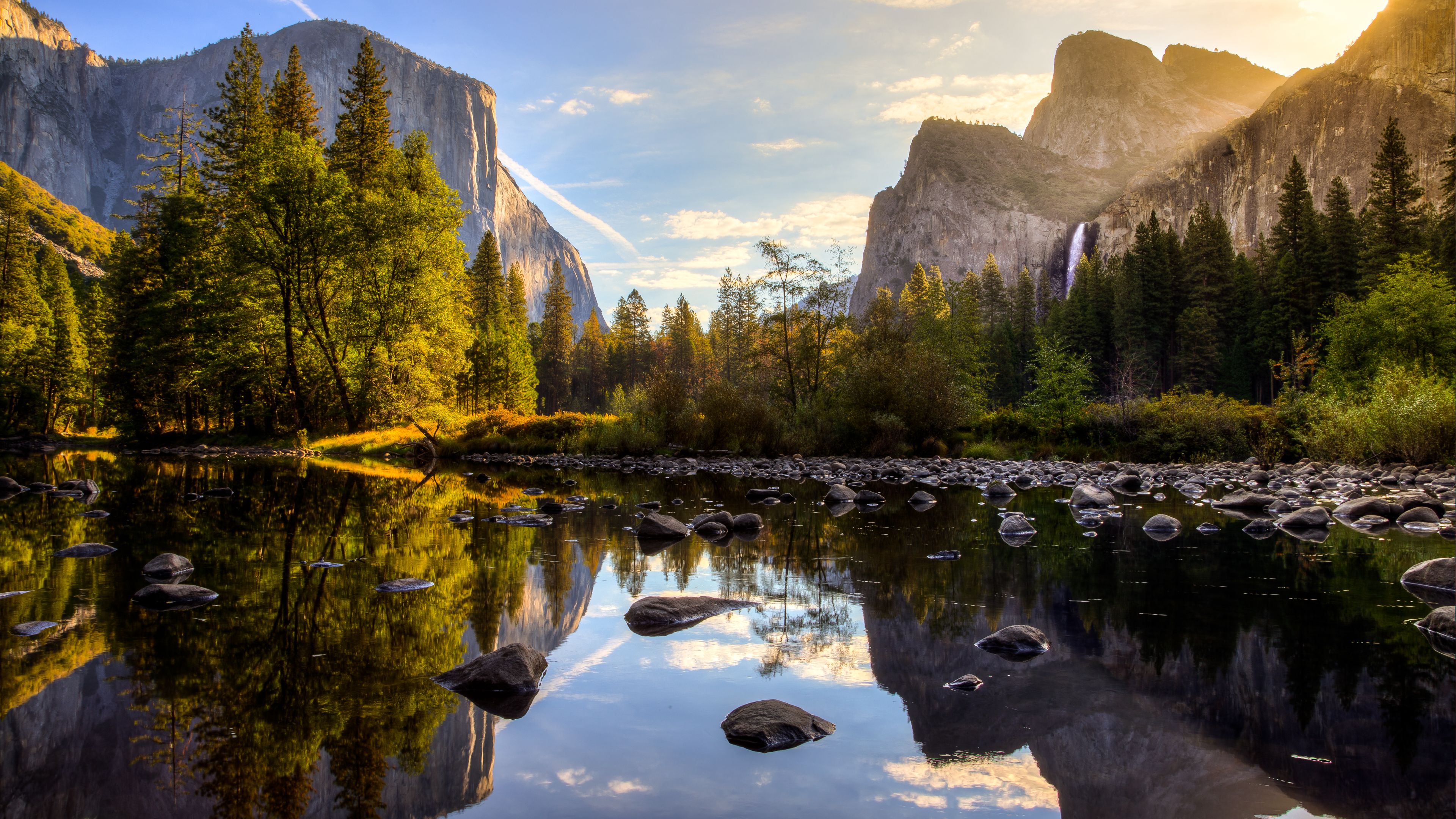
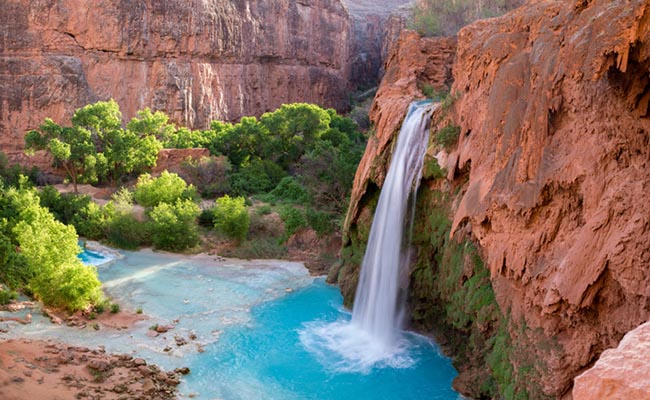
Yosemite's scenery feels more immediate and 'in your face' with its towering granite formations like El Capitan and Half Dome, and the sheer power of Yosemite Falls or Bridalveil Fall, especially in spring. The valley floor is a lush Eden, framed by these giants, offering meadows, forests, and the Merced River. Then you have the ancient, awe-inspiring Mariposa Grove of Giant Sequoias. It's a landscape of incredible diversity within relatively close proximity, constantly evolving with the seasons. The Grand Canyon, while undeniably epic, is a single, immense spectacle. Its beauty lies in its scale, the endless layers of geological time, and the shifting colors of light and shadow across the chasm. While hiking into it is an experience, the rim views, though spectacular, can feel a bit more singular compared to Yosemite's varied offerings. "Yosemite just hits different with the waterfalls in spring, it's like a painting everywhere you look, whereas the Grand Canyon is more about the sheer overwhelming scale." The distinct ecosystems, from alpine to valley floor, give Yosemite a slight edge for sheer visual variety and active engagement.
Winner takeaway
- Winner: Yosemite
- Why: Yosemite offers a more diverse range of iconic natural features, from waterfalls and granite monoliths to giant sequoias, all in a more concentrated area.
- Who this matters for: Hikers, photographers, and those who appreciate varied landscapes over singular grandeur.
💸 Costs
Both parks charge an entrance fee of $35 per vehicle for 7 days. Where costs diverge significantly is accommodation and food. Inside Yosemite, lodges like Yosemite Valley Lodge or The Ahwahnee can easily run $300-$600+ per night, and budget options like Curry Village tents are still $150-$250+. Food in the park's limited restaurants is pricey (e.g., a basic dinner at Yosemite Valley Lodge cafeteria might be $20-30 per person). Grand Canyon also has expensive in-park lodges like El Tovar ($300-500+), but the nearby town of Tusayan offers more motel-style lodging for $120-$200/night, and Flagstaff, just 1.5 hours away, provides even more affordable options ($100-180/night) with diverse dining. Car rentals are a necessity for both, typically $50-100/day. "Definitely pack all your snacks for Yosemite, those general store prices are wild, I spent like $15 on a sandwich and a soda." While both require careful budgeting, the Grand Canyon offers more flexibility to reduce costs by staying just outside the park without compromising the experience too much.
Winner takeaway
- Winner: Grand Canyon
- Why: The Grand Canyon provides more accessible and diverse budget-friendly accommodation and dining options in nearby towns, making it slightly easier to manage overall costs.
- Who this matters for: Budget-conscious travelers, families, and those looking for more flexibility in lodging choices.
✈️ Getting There & Logistics
Reaching Yosemite typically involves flying into a California airport like Fresno Yosemite International (FAT), which is about a 2.5-hour drive to the park's south entrance, or a larger international airport like San Francisco (SFO) or Oakland (OAK), which are 3.5-4 hours away. From these, a rental car is virtually essential. Public transport via Yosemite Area Regional Transit (YARTS) exists but is less flexible. The Grand Canyon, specifically the South Rim (the most popular and accessible), benefits from proximity to several major hubs. Phoenix Sky Harbor (PHX) is about a 3.5-4 hour drive, and Las Vegas (LAS) is roughly a 4-5 hour drive, both offering competitive flight prices and car rental options. Flagstaff (FLG) is even closer, about 1.5 hours, though with fewer direct flights. The option of the Grand Canyon Railway from Williams, AZ, also adds a unique arrival experience. "Driving from Vegas to the Grand Canyon is easy, but aim for sunrise if you want empty roads and good light for photos." The multiple major airport choices and relatively straightforward drives make the Grand Canyon marginally easier to access for a broader range of travelers.
Winner takeaway
- Winner: Grand Canyon
- Why: The Grand Canyon is more conveniently located to major airport hubs (PHX, LAS) with straightforward driving routes, offering more flexibility for arrivals.
- Who this matters for: Travelers flying in from distant locations, those with limited time, and those who prefer less remote access.
🚗 Getting Around
Once inside Yosemite Valley, a free shuttle system operates during peak seasons (spring through fall), connecting major trailheads, lodges, and viewpoints. However, to access iconic spots like Glacier Point (when open), Mariposa Grove, or Tioga Road (seasonal), a private vehicle is necessary, and parking can be a significant challenge and source of frustration, especially in summer. Some areas require reservations for entry during peak times. The Grand Canyon's South Rim has a fantastic, efficient, and free shuttle bus system that covers the most popular viewpoints and trailheads along Hermit Road and Kaibab Trail. This allows visitors to park their car once (often at the Visitor Center or a lodge) and rely on the shuttles, significantly reducing traffic and parking stress. While a car is still needed to reach different park entrances or the North Rim (which is a 4-5 hour drive from the South Rim), the core South Rim experience is very car-light. "The Grand Canyon shuttle is a lifesaver, especially getting to Hermit's Rest without parking drama and dealing with zero parking spots." This superior shuttle infrastructure for the main visitor area makes Grand Canyon the winner.
Winner takeaway
- Winner: Grand Canyon
- Why: The Grand Canyon's South Rim offers a more comprehensive and effective free shuttle system, significantly reducing the need for a private vehicle within the most popular areas.
- Who this matters for: Travelers who prefer to minimize driving and parking stress once inside the park, and those without a rental car.
🛌 Accommodation
Yosemite's in-park accommodation is highly coveted and incredibly difficult to book, often requiring reservations 12 months in advance the moment they become available. Iconic lodges like The Ahwahnee or Yosemite Valley Lodge offer basic rooms for $300-$500+, and even tent cabins in Curry Village can be $150-$250+. Options outside the park, in towns like El Portal, Mariposa, or Oakhurst, are more plentiful but add a 30-60 minute drive each way, impacting your time in the park. Camping inside Yosemite is also extremely competitive, often requiring a lottery or booking months ahead. The Grand Canyon offers several lodges on the South Rim (e.g., El Tovar, Bright Angel Lodge) that are also pricey ($250-$500+) and book up far in advance. However, the town of Tusayan, located just outside the South Entrance, has numerous hotels (Holiday Inn Express, Best Western) offering rooms for $120-$200/night, a much more accessible price point. Further out, Flagstaff, AZ, offers even more budget hotels and dining. "Staying inside Yosemite Valley is epic but good luck unless you book when they open reservations 366 days out. We ended up an hour away." The Grand Canyon's greater availability of reasonable, close-by lodging gives it the edge.
Winner takeaway
- Winner: Grand Canyon
- Why: The Grand Canyon provides more affordable and accessible accommodation options in the immediate vicinity of the park entrance, offering greater flexibility.
- Who this matters for: Travelers on a moderate budget, those who didn't plan a year in advance, and those seeking more hotel choices.
🥾 Activities & Experiences
Yosemite truly shines with its incredible diversity of activities. For hikers, there are options from easy strolls to Lower Yosemite Fall, moderate climbs like the Mist Trail to Vernal and Nevada Falls, to strenuous multi-day treks and the iconic Half Dome ascent (permit required). Rock climbing is world-renowned on El Capitan. Beyond hiking, you can enjoy rafting on the Merced River (seasonal), horseback riding, biking the valley loop, and stunning photography from viewpoints like Tunnel View and Glacier Point. Stargazing is excellent. The Grand Canyon focuses more on the immense view. While hiking the Bright Angel Trail or South Kaibab Trail into the canyon is an unforgettable, strenuous experience, the range of different types of activities is narrower. Mule rides down the canyon, helicopter tours for aerial views, and ranger programs are popular. "Hiking Half Dome was the hardest thing I've ever done, but totally worth the cables, the views are insane and the accomplishment feels so good." Yosemite offers a wider array of physical and visual experiences that appeal to a broader active audience.
Winner takeaway
- Winner: Yosemite
- Why: Yosemite provides a wider variety of outdoor activities and diverse natural experiences beyond just appreciating a single grand view.
- Who this matters for: Active travelers, hikers of all levels, climbers, photographers, and those seeking multiple ways to engage with nature.
☀️ Weather & Seasons
Yosemite's seasons dramatically transform the park. Spring (April-May) is when waterfalls are at their most powerful, and meadows are lush, though some high-country roads may still be closed. Summer (June-August) is warm, all areas are accessible, but it's peak season and very crowded. Fall (September-October) brings beautiful foliage and milder temperatures, with fewer crowds. Winter (November-March) is magical with snow, but many roads (like Tioga Road, Glacier Point Road) close, limiting access to the valley floor and Badger Pass skiing. The Grand Canyon's South Rim is most pleasant in spring (March-May) and fall (September-November) with comfortable temperatures. Summers (June-August) are intensely hot, especially below the rim, making inner-canyon hiking dangerous unless starting very early. Winters (December-February) see cooler temperatures, potential snow on the rim, and fewer crowds, offering stunning contrasts. The North Rim is closed from late October to mid-May. "Don't underestimate the heat hiking down into the Grand Canyon in July, even if the rim is mild, it's a completely different world down there." Both offer unique seasonal beauty, but the choice depends entirely on what experience you're seeking. Yosemite's waterfall peak is unmatched, while the Grand Canyon's winter serenity is distinct.
Winner takeaway
- Winner: Tie
- Why: Both parks offer distinct and equally compelling seasonal experiences; the 'best' season is highly dependent on personal preference and desired activities.
- Who this matters for: Travelers with specific seasonal preferences (e.g., waterfalls, snow, extreme heat tolerance).
👨👩👧👦 Crowds
Yosemite's main valley, especially during summer and popular weekends, can feel like a theme park. Parking is notoriously difficult, requiring arrivals before 8 AM or relying heavily on the shuttle. Certain popular trails (like Mist Trail) can become bottlenecks, and even entry into the park sometimes requires a reservation system during peak times, as seen in recent years. The sheer number of people can detract from the serene natural experience. The Grand Canyon's South Rim also sees immense crowds, particularly at popular viewpoints like Mather Point and Grand Canyon Village. However, the vastness of the canyon itself, combined with the efficient shuttle system that spreads people out along the rim, can make it feel slightly less congested than Yosemite Valley. The North Rim, open seasonally, offers genuine solitude if you're willing to make the extra drive. "Yosemite in August felt like Disneyland with all the cars and people trying to get to the same spots, it was wild." While both are popular, the Grand Canyon's scale and shuttle system handle the crowds a bit more gracefully.
Winner takeaway
- Winner: Grand Canyon
- Why: Despite its popularity, the Grand Canyon's sheer scale and effective shuttle system on the South Rim help to disperse visitors more effectively than Yosemite Valley.
- Who this matters for: Travelers who prioritize a sense of peace and solitude, or those who dislike battling for parking and trail space.
👨👩👧👦 Families
Yosemite is a fantastic family destination, especially with younger children. The flat, paved paths in Yosemite Valley (e.g., Lower Yosemite Fall Trail, Cook's Meadow Loop) are perfect for strollers and little legs. Kids love spotting deer, squirrels, and bears (from a safe distance!) and playing near the Merced River. Ranger programs, junior ranger activities, and the interactive Yosemite Valley Visitor Center offer engaging educational experiences. The 'wow' factor of the towering granite and gushing waterfalls is immediate and captivating for all ages. The Grand Canyon, while awe-inspiring, presents its grandeur in a more static way from the rim. There are safe, paved rim trails with guardrails, and ranger talks are informative. Older kids might enjoy a mule ride (if booked far in advance) or the IMAX theater in Tusayan. However, the sheer drop-offs can be a source of anxiety for parents of very young, active children, and inner-canyon hiking is too strenuous for most families. "My kids loved spotting deer in Yosemite Valley and playing in the Merced River, it felt like a giant playground." Yosemite offers more varied, accessible, and interactive natural features for a broader range of ages.
Winner takeaway
- Winner: Yosemite
- Why: Yosemite offers a more immediate, diverse, and interactive natural environment with numerous easy trails and engaging activities suitable for families with younger children.
- Who this matters for: Families with young children, those seeking gentle exploration, and those prioritizing interactive nature experiences.
🎒 Solo Travel / Backpacking
Yosemite offers an exceptional experience for solo travelers and backpackers. The extensive network of trails, from challenging day hikes to multi-day wilderness treks (requiring permits), caters to various skill levels. Solo hikers will find ample opportunities for solitude on less-traveled trails and within the backcountry. The main Valley also has a social atmosphere in lodges and campgrounds, making it easy to meet fellow adventurers if desired. The park's relatively clear trail marking and well-established infrastructure make solo navigation manageable. The Grand Canyon is also fantastic for solo hiking, particularly for those seeking the profound challenge of a rim-to-river-to-rim journey. However, inner-canyon backpacking requires meticulous planning, fitness, and awareness of extreme temperature changes and limited water sources – it's less forgiving for casual solo exploration. The South Rim, while busy, offers easy access to the main trails for solo day hikes. The North Rim provides more genuine solitude for soloists if you plan for its seasonal opening. "Doing a solo backcountry trip in Yosemite was transformative, just make sure you get those permits early and you'll find true peace out there." Yosemite's broader range of approachable solo hiking options and vibrant base camp atmosphere gives it a slight edge.
Winner takeaway
- Winner: Yosemite
- Why: Yosemite provides a wider and more approachable range of solo hiking opportunities, from day trips to multi-day backcountry adventures, with a supportive infrastructure.
- Who this matters for: Solo adventurers of varying experience levels, backpackers, and those seeking both solitude and opportunities to connect with other travelers.
❓ Frequently Asked Questions
Which park is better for a short trip (e.g., 2-3 days)?
For a shorter trip, the Grand Canyon (South Rim) is often slightly easier. You can fly into Phoenix or Las Vegas, drive a few hours, and immerse yourself quickly using the efficient shuttle system to see many viewpoints. Yosemite benefits from more time to explore its diverse regions.
Can I visit both Yosemite and Grand Canyon on the same trip?
Yes, but it requires at least 10-14 days and a significant amount of driving (10+ hours between them) or a connecting flight (e.g., from Fresno to Las Vegas/Phoenix). It's a grand road trip but plan your stops and don't rush either park.
Which park has better stargazing opportunities?
Both parks offer incredible stargazing due to their remote locations and minimal light pollution. Yosemite has specific ranger-led astronomy programs at Glacier Point (seasonal), while the Grand Canyon is an International Dark Sky Park, with phenomenal views from almost anywhere on the rim, especially the North Rim.
Are permits required for hiking in either park?
General day hiking does not require permits in either park. However, Yosemite requires a wilderness permit for overnight backpacking trips and a specific lottery permit for hiking Half Dome. The Grand Canyon requires a backcountry permit for any overnight camping below the rim.
Which park is more accessible for people with mobility challenges?
Both parks have accessible options. Yosemite Valley has many paved, flat trails and accessible viewpoints (like Tunnel View, Lower Yosemite Fall). The Grand Canyon South Rim offers miles of paved, flat rim trail with numerous accessible viewpoints via shuttle. Yosemite might feel slightly more engaging due to the variety of accessible features.
What's the best time of year to avoid crowds?
For both parks, the shoulder seasons (spring: April-May; fall: late September-October) offer a good balance of pleasant weather and fewer crowds compared to peak summer. Winter also sees significantly fewer visitors, though some roads and services may be limited, especially in Yosemite.
Should I book accommodation inside or outside the parks?
Inside-park accommodation offers convenience but is typically much more expensive and books up far in advance. Staying outside, especially for the Grand Canyon (Tusayan, Flagstaff), can save money and provide more options, but adds driving time. For Yosemite, staying outside means more driving, so weigh cost vs. convenience carefully.
Are there good food options in the parks?
Food options within both parks are limited and generally more expensive than outside. Expect cafeterias, general stores with grab-and-go items, and a few sit-down restaurants. Many seasoned travelers recommend packing your own snacks, drinks, and even picnic lunches to save money and maximize time on trails.
Ready to plan your ultimate US National Parks trip?
Get a free custom itinerary for Yosemite, Grand Canyon, or both — built from real traveler insights and tailored to your preferences.
🎟️ Book Tours & Experiences
Hand-picked tours and activities for both destinations — book with free cancellation
Experiences via Viator — free cancellation on most tours