How we built this comparison
This page combines traveler discussion patterns, published price ranges, flight schedules, and seasonal data to help you decide between Yosemite and Yellowstone.
- Reviewed 100+ Reddit threads from r/travel, r/solotravel, r/NationalParks, r/Yosemite, r/Yellowstone for firsthand experiences and common pain points.
- Verified costs for park entry, lodging (e.g., Ahwahnee Hotel, Old Faithful Inn), and rental cars against current booking platforms (NPS, Xanterra, Expedia).
- Cross-referenced seasonal patterns, road closures, and weather data with National Park Service official advisories.
- Utilized personal travel experience and feedback from a network of seasoned US national park visitors.
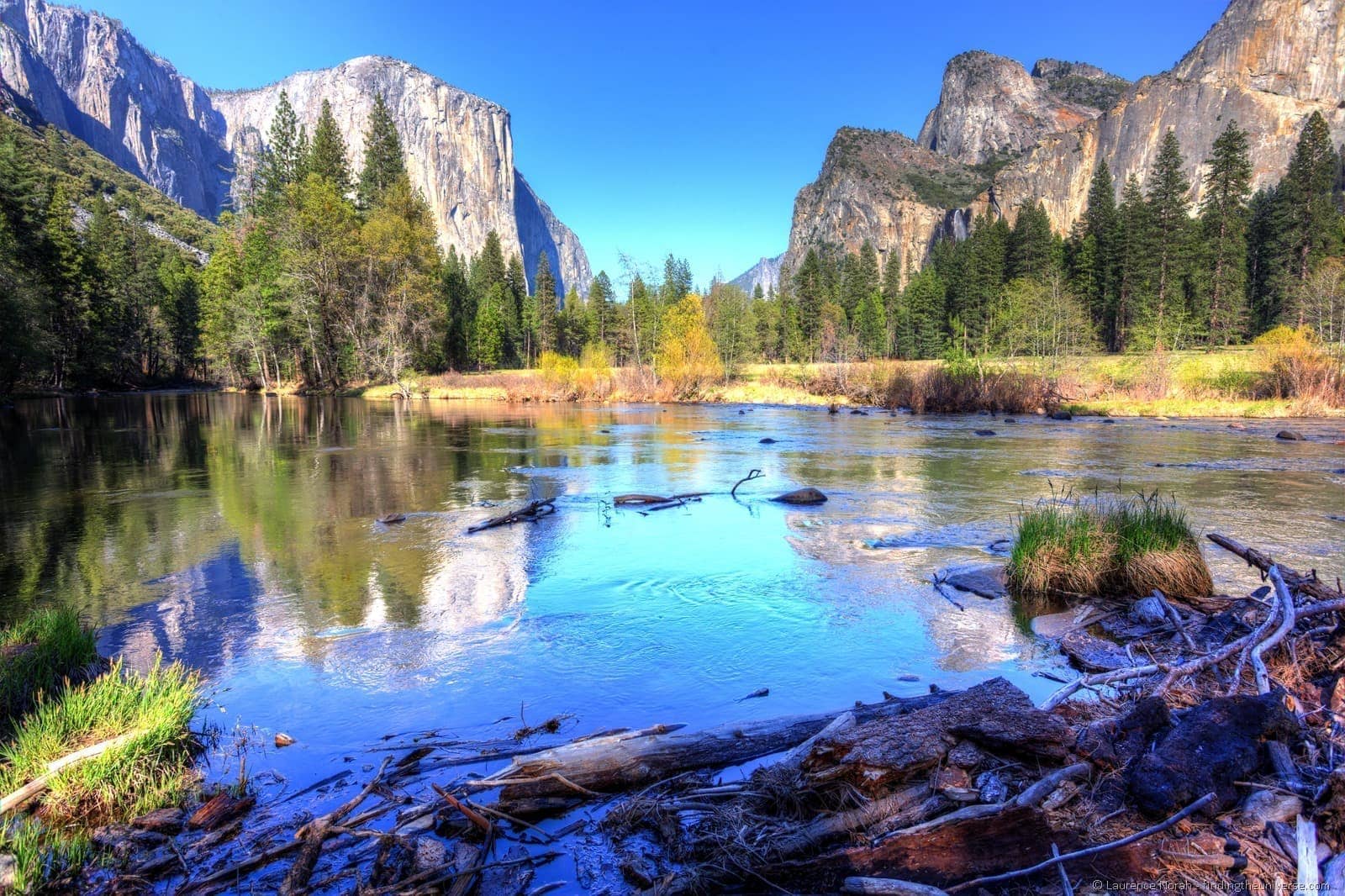
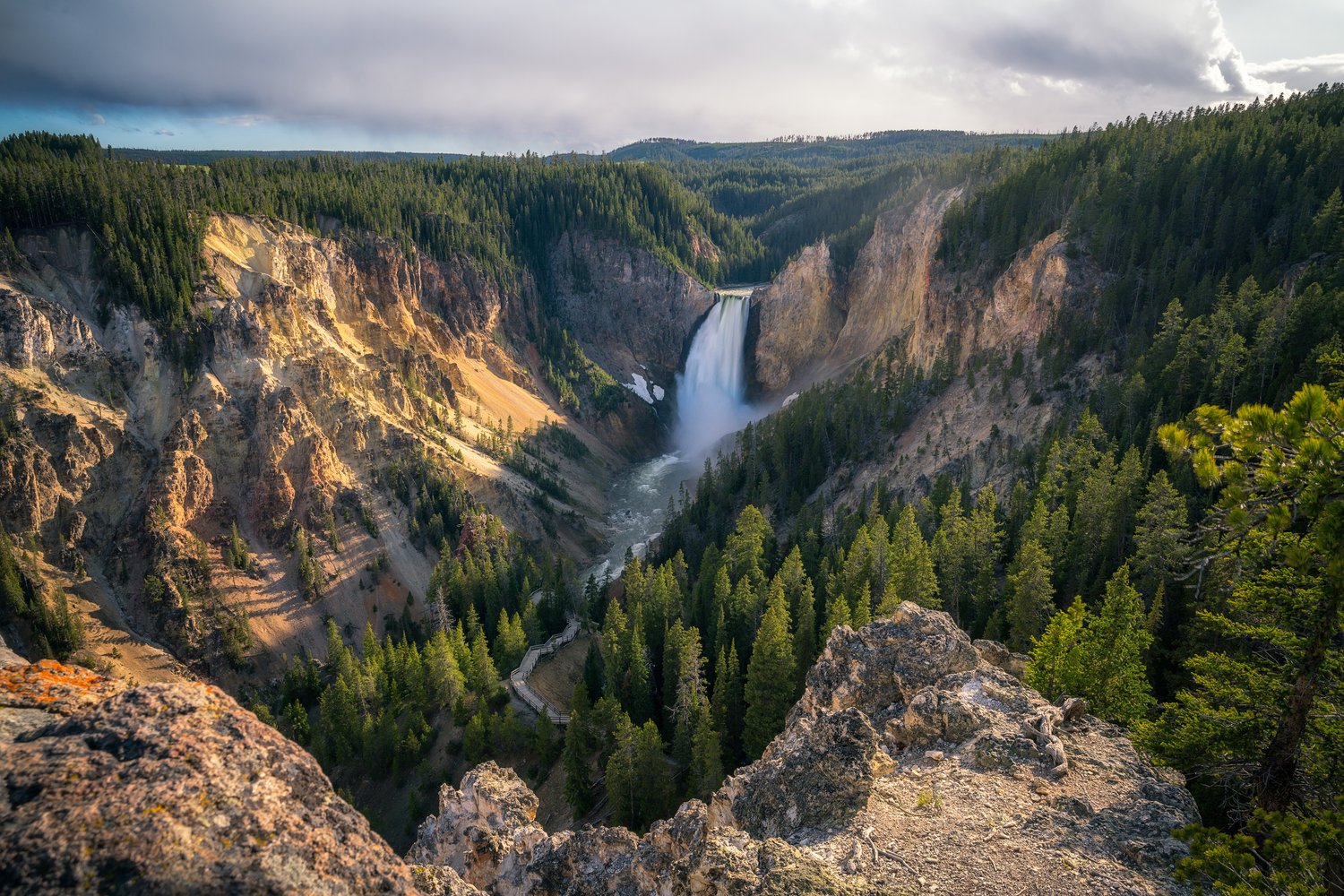
⚡ The TL;DR Verdict
Choosing between Yosemite and Yellowstone boils down to your priorities: Yosemite for awe-inspiring, accessible granite grandeur, perfect for hikers and climbers on a moderate budget ($150-$300/day). Yellowstone offers unparalleled geothermal features and wildlife in a vast, wild landscape, ideal for families and nature enthusiasts willing to splurge a bit more for the sheer scale ($200-$450/day).
- Choose Yosemite: Pick Yosemite if you're chasing iconic, postcard-perfect vistas, love challenging hikes (or easy valley strolls), and want to feel dwarfed by massive granite formations. It's more concentrated and generally easier to navigate for first-timers.
- Choose Yellowstone: Go for Yellowstone if your dream trip involves seeing bison roam, geysers erupting, and colorful hot springs, all within a sprawling, wild caldera. It's a driving park best for those who love diverse natural phenomena and extensive wildlife viewing opportunities.
- Choose Both: Doing both is an epic American road trip, but it demands at least 10-14 days. Start with Yosemite's valley, then fly or drive east to tackle Yellowstone's loops. Best done with a generous budget and a love for long drives.
Quick Comparison
| Category | Yosemite | Yellowstone | Winner |
|---|---|---|---|
| Nature & Scenery | Iconic granite monoliths, massive waterfalls, serene meadows. Unparalleled vertical grandeur. | Geysers, hot springs, canyons, forests, and vast volcanic landscapes. Incredible diversity. | Tie |
| Costs & Budget | Generally more affordable, especially camping. Entrance fee $35/car. Lodging competitive but books fast. | Higher average costs for lodging and food due to more remote location and limited options. Entrance fee $35/car. | Yosemite |
| Getting There | Easily accessible from major California airports, 3-4 hour drive. Limited public transport. | More remote, requires flights to smaller regional airports (BZN, JAC, IDA) then a 1-3 hour drive. | Yosemite |
| Getting Around | Compact core area with excellent free shuttle system. Car needed for outer areas. | Vast, primarily a driving park. Long distances between attractions. Limited public transport. | Yosemite |
| Accommodation | Diverse options from luxury hotels to budget tent cabins inside the park, plus more outside. | Fewer, more spread out, and generally pricier options inside. Gateway towns offer more variety. | Yosemite |
| Activities & Hikes | World-class hiking, rock climbing, photography, rafting. Centered around iconic views. | Geyser basin walks, wildlife viewing drives, backcountry hiking, fishing. Diverse experiences. | Yosemite |
| Wildlife Viewing | Deer, bears (less common), coyotes, diverse birds. Requires patience and luck. | Abundant and visible megafauna: bison, elk, bears, wolves. A primary draw. | Yellowstone |
| Crowds & Solitude | Yosemite Valley is extremely crowded in peak season. Solitude found on longer trails or outside the valley. | Can be crowded at major attractions, but vastness allows for solitude in less visited areas. | Yellowstone |
| Best Season | Late Spring (May-early June) for waterfalls, Fall (Sept-Oct) for fewer crowds. Winter is magical but limited. | Summer (June-August) for full access and wildlife. Fall (Sept-Oct) for fewer crowds and active animals. | Tie |
| Family Friendliness | Great for families with older kids (hiking). Valley floor is stroller-friendly but can be overwhelming. | Excellent for all ages due to diverse, often passive, attractions. Wildlife is a huge hit. | Yellowstone |
🏞️ Nature & Scenery
This is tough, like comparing apples to very different, equally delicious oranges. Yosemite, centered around its majestic Valley, offers breathtaking, immediate awe with granite giants like Half Dome and El Capitan, and waterfalls like Yosemite Falls. It's a place where you constantly look up. Yellowstone, on the other hand, is a geological wonderland – think Old Faithful, Grand Prismatic Spring, and Mammoth Hot Springs – alongside a sprawling, wild ecosystem with canyons and dense forests. The scale is immense, requiring a lot of driving to appreciate its varied beauty. Yosemite's beauty is more concentrated and visually dramatic, while Yellowstone's is about diverse, active natural phenomena. For sheer 'wow' factor from a single viewpoint, Yosemite might edge it, but for sheer variety across an entire park, Yellowstone shines. "Yosemite's views just hit you, like a punch to the gut, but Yellowstone's colors are something else entirely." The valley in Yosemite is truly singular, while Yellowstone offers a continuous spectacle of geothermal activity.
Winner takeaway
- Winner: Tie
- Why: Both offer world-class, unique natural beauty, making it impossible to declare one definitively 'better' than the other.
- Who this matters for: Everyone, as the primary draw for both parks is their natural beauty.
💰 Costs & Budget
Yosemite tends to be slightly more budget-friendly, primarily because it's closer to major California cities, offering more competition for services just outside the park, and a wider range of camping options. The entrance fee for both parks is $35 per vehicle for 7 days. Inside Yosemite, a basic tent cabin at Curry Village might run $150-250/night, while Yosemite Valley Lodge rooms are $300-500+. Food options are decent but basic, expect $15-25 for a casual meal. Gas prices are higher inside the park, but less extreme than Yellowstone. Yellowstone's remoteness means higher prices for almost everything. Lodging inside, like at Old Faithful Inn, can easily be $400-800/night for a standard room, while even cabins at Canyon Village are $300-600. Food is similarly priced, often $20-35 per person for a sit-down meal. Gas is significantly pricier within Yellowstone, sometimes $1-1.50/gallon more than outside. "We blew our budget way faster in Yellowstone just on gas and snacks inside the park. Yosemite felt more manageable." Flights to Yellowstone's closest airports can also be pricier and require more connections.
Winner takeaway
- Winner: Yosemite
- Why: Yosemite offers more varied accommodation, food, and transport options, leading to a generally lower overall trip cost.
- Who this matters for: Budget-conscious travelers, families, and those seeking good value for money.
✈️ Getting There
Yosemite is significantly easier to get to for most travelers. Flying into major California hubs like San Francisco (SFO), Oakland (OAK), or Sacramento (SMF) often yields cheaper flights. From there, it's a manageable 3-4 hour drive. You can also fly into smaller airports like Fresno (FAT) or Merced (MCO) for an even shorter drive (1.5-2 hours), though flights might be slightly more expensive. Rental cars are plentiful and competitively priced. There's also the YARTS bus service from gateway towns, offering a car-free option once you're close. Yellowstone's accessibility is its biggest hurdle. Most people fly into Bozeman, MT (BZN), Jackson Hole, WY (JAC), or Idaho Falls, ID (IDA). Flights to these airports are often more expensive and require connections. From BZN, it's a 1.5-2 hour drive to the North Entrance. From JAC, it's about an hour to the South Entrance (via Grand Teton). Rental cars can be limited and pricey at these smaller airports, especially during peak season. "Getting to Yosemite was a breeze from LA, just hop on the 99 and you're practically there. Yellowstone felt like a whole expedition just to reach the gate."
Winner takeaway
- Winner: Yosemite
- Why: Yosemite benefits from proximity to major airports and cities, making travel logistics simpler and often cheaper.
- Who this matters for: Travelers with limited time, those flying in, and anyone looking for a less complex journey.
🚗 Getting Around
Yosemite's primary attraction, Yosemite Valley, is incredibly pedestrian and shuttle-friendly. Once you've parked your car (which can be a challenge in peak season), you can easily navigate the Valley floor using the free shuttle system, which services all major trailheads, lodging, and points of interest. This reduces the need for constant driving and parking. To explore areas like Glacier Point, Tuolumne Meadows, or Mariposa Grove, you'll need your car (or YARTS). Yellowstone, conversely, is a massive driving park. Its 'Grand Loop' is over 140 miles, and distances between major attractions like Old Faithful and Canyon Village are substantial (e.g., 1.5-2 hours of driving). You'll spend a lot of time in your vehicle, often contending with 'bison jams' or 'bear jams' that can cause significant delays. There's no comprehensive internal shuttle system, so a personal vehicle is essential. "Yosemite's shuttle in the Valley saved us so much hassle, we barely touched our car for days. Yellowstone felt like a constant road trip, which was cool but tiring." Be prepared for long days behind the wheel in Yellowstone.
Winner takeaway
- Winner: Yosemite
- Why: Yosemite's efficient internal shuttle system within its most popular area significantly enhances the visitor experience.
- Who this matters for: Those who prefer walking or public transport, families with young children, and anyone tired of driving.
🏨 Accommodation
Yosemite offers a slightly better range of accommodations, both inside and just outside the park. Inside Yosemite Valley, you can find everything from the historic, opulent Ahwahnee Hotel (formerly Majestic Yosemite Hotel, often $600-1000+/night) to comfortable Yosemite Valley Lodge ($300-500/night) and budget-friendly tent cabins at Curry Village (from $150-250/night). Camping is also plentiful but books up 6 months in advance. Outside the park, gateway towns like El Portal, Groveland, or Oakhurst offer motels and Airbnbs for $150-300/night. Yellowstone's in-park lodging is more limited, often booked a year out, and generally pricier. Iconic spots like Old Faithful Inn ($400-800/night) or Lake Yellowstone Hotel offer a unique experience, but even standard cabins at Canyon Lodge can be $300-600. Options are spread out, meaning you might have long drives to your accommodation. Gateway towns like West Yellowstone or Gardiner offer more standard hotel chains for $200-450/night, but can feel very touristy. "Getting a last-minute spot in Yosemite wasn't impossible, but in Yellowstone? Forget about it, unless you're paying an arm and a leg in West Yellowstone." Yosemite's diverse price points and closer proximity to external options make it more accommodating.
Winner takeaway
- Winner: Yosemite
- Why: Yosemite provides a greater variety of in-park lodging options across different price points, and more convenient external choices.
- Who this matters for: Travelers with varying budgets, and those who prefer to stay close to the main attractions.
⛰️ Activities & Hikes
For pure hiking and iconic outdoor activities, Yosemite often takes the crown. It offers an unparalleled range of trails from easy valley strolls (like Mirror Lake Loop) to strenuous, bucket-list hikes like the Mist Trail to Vernal and Nevada Falls, or the Half Dome cables (permit required). Rock climbing on El Capitan is world-renowned. Photography opportunities are endless, and you can raft the Merced River in summer. The focus is often on physically engaging with the landscape. Yellowstone offers incredible walks around geothermal features (e.g., Grand Prismatic Spring boardwalk, Upper Geyser Basin), which are unique but less 'hiking' focused in the traditional sense. Its strength lies in wildlife viewing from your car or short roadside pullouts, fishing, and vast backcountry exploration. While there are excellent longer hikes like the Fairy Falls Trail, the sheer 'quantity' and 'iconic status' of Yosemite's hikes give it an edge. "Yosemite's hikes are just next level, every turn is a postcard. Yellowstone's boardwalks are cool, but not the same kind of challenge." If you're coming to hike, Yosemite delivers in spades.
Winner takeaway
- Winner: Yosemite
- Why: Yosemite's concentration of world-class hiking trails and rock climbing opportunities is unmatched.
- Who this matters for: Hikers, climbers, photographers, and those seeking active outdoor adventures.
🐻 Wildlife Viewing
This category is a clear win for Yellowstone. It's one of the best places in North America to see megafauna in their natural habitat. You are virtually guaranteed to see bison, often in massive herds, and elk. Grizzly and black bears, wolves, moose, and bighorn sheep are also frequently spotted, especially in areas like Lamar Valley and Hayden Valley. The sheer abundance and visibility of wildlife is a major highlight, with designated pull-offs and Ranger-led programs focused on spotting animals. You'll often experience 'bison jams' where traffic stops for crossing herds. Yosemite has its wildlife too – mule deer are common, and black bears, bobcats, and coyotes are present – but they are generally more elusive and require much more luck and patience to spot. You're more likely to see a bear rummaging through a garbage can than a wild herd of elk. "Yellowstone is basically a zoo without cages, the bison are everywhere! In Yosemite, we saw a deer and got excited." If seeing diverse and plentiful wildlife is high on your list, Yellowstone is the undisputed champion.
Winner takeaway
- Winner: Yellowstone
- Why: Yellowstone offers an unparalleled and highly visible array of megafauna, making wildlife viewing a primary, almost guaranteed, experience.
- Who this matters for: Families, wildlife enthusiasts, photographers, and anyone hoping to see iconic American animals.
🚶♀️ Crowds & Solitude
Both parks experience significant crowds, especially in summer. However, Yellowstone's immense size (over 2.2 million acres) allows for more opportunities to find solitude if you're willing to venture away from the main attractions. While Old Faithful or Grand Prismatic Spring boardwalks will be packed, you can quickly lose the crowds on a short hike just a mile or two away from the main roads. The distances between popular spots also naturally spread people out. Yosemite Valley, though stunning, is a relatively small area (7 square miles) that hosts the majority of visitors and infrastructure. In peak season (May-Sept), it can feel overwhelmingly crowded, like a natural theme park. Parking is a nightmare, shuttle buses are full, and popular trails are a constant stream of people. "Yosemite Valley in July felt like Times Square with trees. Yellowstone was busy at the geysers, but we'd drive 10 minutes and be totally alone." To find solitude in Yosemite, you typically need to hike strenuous, longer trails or visit less-accessible areas like Tuolumne Meadows (when open).
Winner takeaway
- Winner: Yellowstone
- Why: Yellowstone's sheer size and vastness make it easier to escape the crowds and find quiet, contemplative spaces.
- Who this matters for: Travelers seeking a sense of wilderness, photographers, and those who prefer less-crowded experiences.
☀️ Best Season
The 'best' season for both parks is highly subjective and depends on what you want to experience. For Yosemite, late spring (May-early June) is arguably ideal: waterfalls are at their roaring peak, the weather is pleasant for hiking, and the crowds haven't reached their absolute summer maximum. Fall (September-October) offers beautiful colors, cooler temperatures, and significantly fewer people. Winter is stunning but limits access to many roads and trails. For Yellowstone, summer (June-August) is when all roads and facilities are open, making it the easiest to explore, but also the most crowded. This is prime time for seeing young animals. Fall (September-October) is fantastic for wildlife viewing (especially the elk rut), fewer crowds, and crisp air, though some facilities begin to close. Winter in Yellowstone is a unique, snow-covered wonderland for intrepid travelers, but most roads are closed. "We went to Yosemite in May and the waterfalls were just insane. Yellowstone in September for the elk bugling was unforgettable." Both parks have their distinct seasonal advantages, catering to different priorities.
Winner takeaway
- Winner: Tie
- Why: Both parks offer unique and compelling experiences across multiple seasons, making it difficult to pick a single 'best'.
- Who this matters for: Travelers with specific interests (waterfalls, wildlife, solitude) or those with flexible travel dates.
👨👩👧👦 Family Friendliness
Yellowstone generally edges out Yosemite for overall family friendliness, especially with younger children. The park's diverse attractions, like watching geysers erupt, marveling at the vibrant colors of Grand Prismatic Spring, or spotting bison and elk from the car, are universally captivating for all ages. There are numerous easy boardwalks and short, paved trails that are perfect for strollers and little legs. The 'adventure' of constantly seeing new geological features and abundant wildlife keeps kids engaged without requiring strenuous hiking. Ranger programs are also excellent. Yosemite is fantastic for families too, particularly those with older kids who can tackle more challenging hikes. The Valley floor offers easy walks and bike rentals, and activities like rafting on the Merced River are popular. However, the sheer crowds in the Valley can be overwhelming, and many of Yosemite's 'must-do' experiences (like major waterfall hikes) are too strenuous for very young children. "My kids, 5 and 7, absolutely loved Yellowstone, especially seeing the bison right by the road. Yosemite was amazing, but the big hikes were a no-go for them." Yellowstone offers more consistent, engaging experiences for a broader age range without demanding high levels of physical activity.
Winner takeaway
- Winner: Yellowstone
- Why: Yellowstone's diverse, often passive, attractions and abundant wildlife offer continuous engagement for all family members, regardless of age or hiking ability.
- Who this matters for: Families with young children, multi-generational groups, and those seeking engaging yet less strenuous activities.
❓ Frequently Asked Questions
Which park is better for photography?
Both parks are a photographer's dream. Yosemite excels with its dramatic, iconic landscape photography – think sweeping vistas of Half Dome, El Capitan, and powerful waterfalls. Yellowstone offers incredible opportunities for wildlife photography, vivid geothermal features, and grand landscapes. If you prefer capturing majestic granite and waterfalls, choose Yosemite. If active geysers, colorful springs, and abundant wildlife are your focus, Yellowstone is your spot.
Can I visit both Yosemite and Yellowstone on the same trip?
Yes, but it requires significant time and planning. You'd need at least 10-14 days to do both parks justice, accounting for travel days between them. The drive alone is over 800 miles (13-15 hours without stops), so many people opt to fly between California (for Yosemite) and a Montana/Wyoming airport (for Yellowstone).
Which park is better for a winter trip?
Yellowstone offers a more unique and accessible winter experience, with snowmobiling, snow coaching, and cross-country skiing to see geothermal features surrounded by snow and wildlife. Yosemite's Valley remains open and magical in winter, but many iconic areas (like Glacier Point Road, Tioga Road) close, limiting access. For a quintessential winter wonderland national park experience, Yellowstone often wins out.
Are permits required for either park?
Both parks require an entrance fee ($35 per vehicle for 7 days). Additionally, Yosemite sometimes implements a peak-hour reservation system for vehicle entry during busy periods (check NPS website for current requirements). Specific high-demand trails in Yosemite, like Half Dome, require a wilderness permit obtained via lottery. Yellowstone generally doesn't require entry reservations beyond the fee, but backcountry camping permits are needed.
Which park is better for a solo traveler?
Both parks are great for solo travelers. Yosemite's well-marked trails and shuttle system make solo hiking and navigating easy. You'll find plenty of other solo adventurers. Yellowstone offers a more expansive, 'get lost in nature' feel, and the wildlife viewing can be a contemplative solo activity. Your choice depends on whether you prefer the focused hiking of Yosemite or the driving exploration and wildlife spotting of Yellowstone.
What's the best way to avoid crowds in either park?
To avoid crowds in both parks, travel during the shoulder seasons (April-May or late September-October). Arrive at popular viewpoints and trailheads at sunrise, and explore less-trafficked trails further from the main roads. In Yosemite Valley, use the shuttle and explore in the early mornings or evenings. In Yellowstone, visit major geyser basins early or late in the day and focus on less-known thermal features.
Are there good food options in the parks?
Food options within both parks are generally basic cafeteria-style or grab-and-go with a few sit-down restaurants. Expect higher prices and limited variety. Yosemite has Curry Village Pizza and the Ahwahnee Dining Room. Yellowstone has the Old Faithful Inn Dining Room and Mammoth Hot Springs Dining Room. Many travelers pack their own food and snacks or rely on gateway towns for better and more affordable dining experiences.
Which park is more suitable for someone with mobility issues?
Yellowstone often offers more accessible experiences. Its major geothermal features are largely viewed from extensive, flat boardwalks (e.g., Old Faithful, Grand Prismatic Spring), requiring minimal walking from parking areas. You can also enjoy significant wildlife viewing from your vehicle. Yosemite Valley has many paved, flat paths and shuttle access, but some of its most iconic views and waterfall bases require moderate to strenuous hikes. However, places like Tunnel View and Glacier Point (when open) are fully accessible by car.
Ready to plan your USA National Parks trip?
Get a free custom itinerary for Yosemite, Yellowstone, or both — built from real traveler insights.
🎟️ Book Tours & Experiences
Hand-picked tours and activities for both destinations — book with free cancellation
Experiences via Viator — free cancellation on most tours