How we built this comparison
This page combines traveler discussion patterns, published price ranges, flight schedules, and seasonal data to help you decide between Zagreb and Dubrovnik.
- Reviewed 50+ Reddit threads from r/travel, r/solotravel, r/Croatia, r/backpacking, and r/Europe
- Verified costs and logistics against current booking platforms (Booking.com, Skyscanner, Google Flights, local transport sites)
- Cross-referenced seasonal patterns and weather data from meteorological sources for accurate climate advice
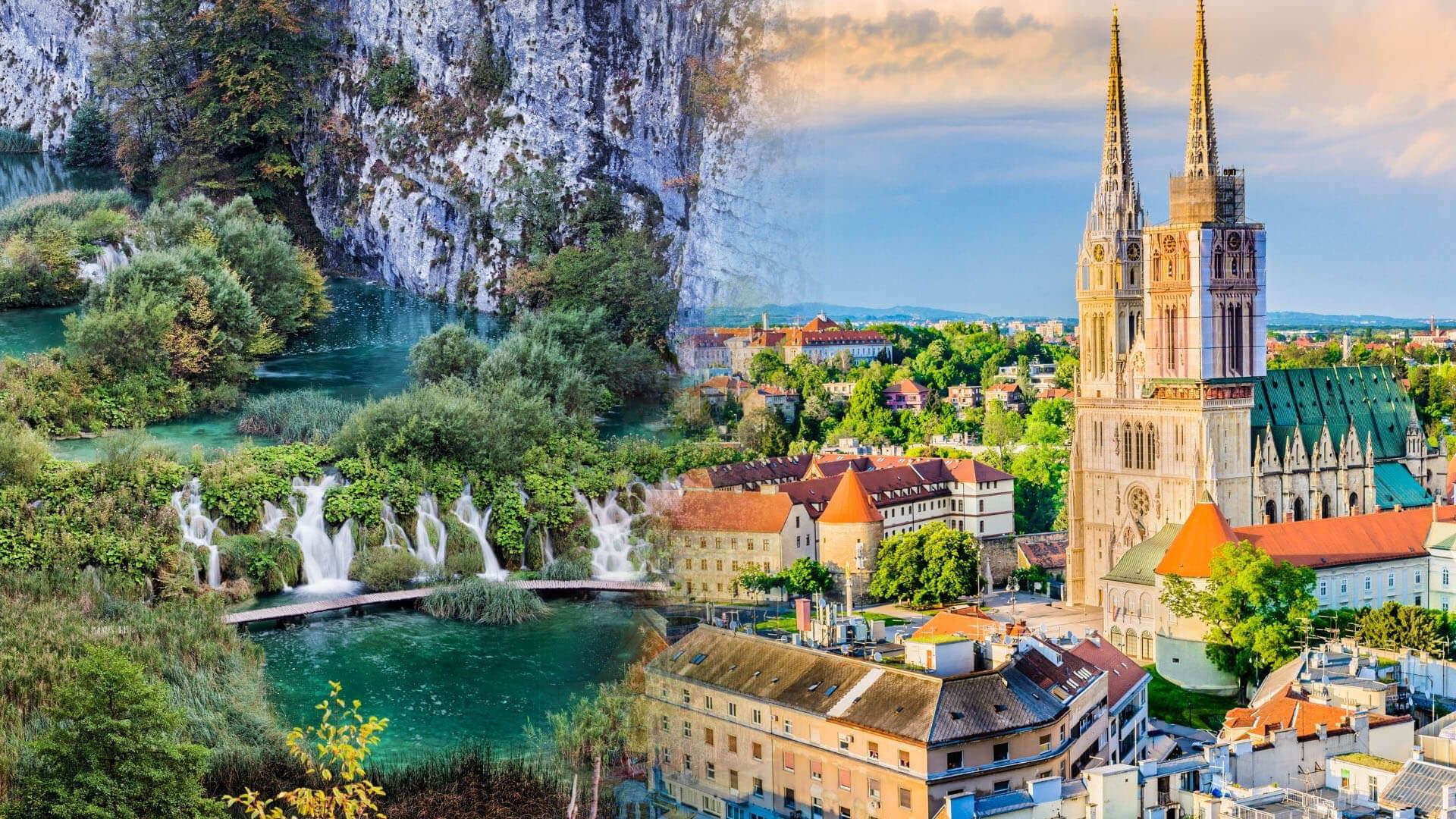
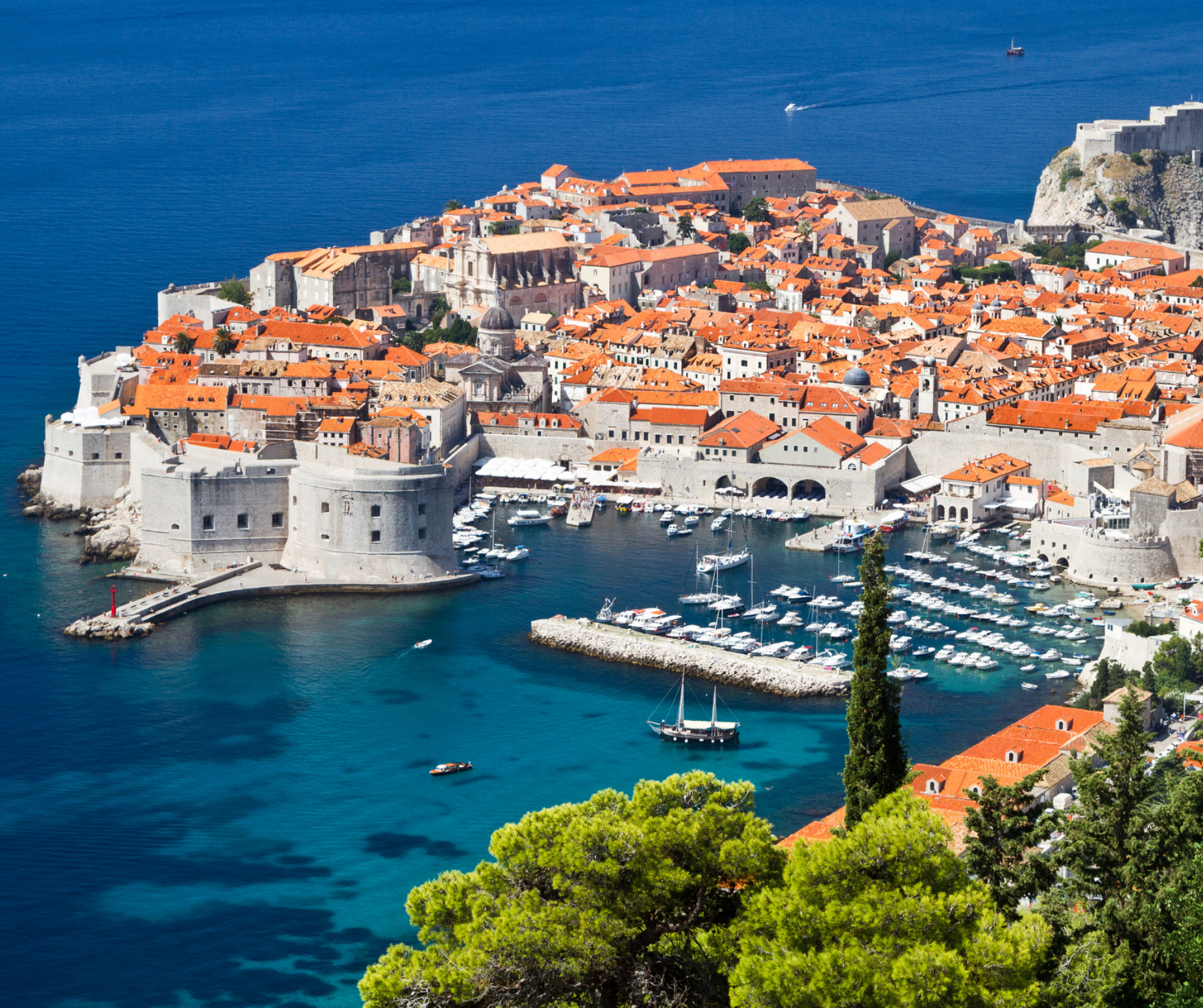
⚡ The TL;DR Verdict
If you're after culture, affordability, and a genuine local vibe, Zagreb is your winner for a budget of €50-80 ($55-90) daily. For breathtaking coastal views, historic walls, and a more resort-like feel, Dubrovnik wins, though expect to pay €80-150 ($90-170) or more per day, especially in peak season.
- Choose Zagreb: Pick Zagreb if you prioritize authentic city life, museums, a thriving café culture, and fantastic value for money. It's a great base for exploring inland Croatia and offers a more 'lived-in' European capital experience without the coastal crowds.
- Choose Dubrovnik: Opt for Dubrovnik if your dream Croatian trip involves stunning Adriatic views, ancient city walls, island hopping, and a more luxurious, sun-drenched atmosphere. It's perfect for honeymooners, beach lovers, and those seeking iconic photo opportunities, provided your budget allows.
- Choose Both: For the full Croatian experience, definitely do both! Spend 2-3 days in Zagreb to soak up its urban charm, then fly or take a scenic bus (6-8 hours) south to Dubrovnik for 3-4 days of coastal splendor. This offers a balanced perspective of Croatia's diverse landscapes and cultures.
Quick Comparison
| Category | Zagreb | Dubrovnik | Winner |
|---|---|---|---|
| Costs & Budget | Significantly more affordable across the board; excellent value for food, accommodation, and activities. | Notably expensive, especially within the Old Town. Prices can be double or triple Zagreb's, particularly in summer. | Zagreb |
| Culture & History | Rich Austro-Hungarian heritage, diverse museums, vibrant art scene, and a distinct Central European feel. | Iconic medieval walls, maritime history, stunning architecture, and a strong 'Game of Thrones' connection. | Tie |
| Food & Drink | Hearty continental cuisine, excellent coffee culture, vibrant street food, and diverse international options at great prices. | Focus on fresh seafood, traditional Dalmatian dishes, but often with higher prices and more tourist-oriented menus. | Zagreb |
| Nightlife | Vibrant, local, and diverse nightlife with lively bars, clubs, and a strong student presence. | More upscale, cocktail-focused nightlife within the Old Town, with a few larger clubs outside, generally pricier. | Zagreb |
| Getting There & Around | Major international hub (ZAG) with excellent connections. Efficient public transport (trams) and walkable city center. | International airport (DBV) primarily seasonal. Old Town is pedestrian-only, reliant on buses or walking for outer areas. | Zagreb |
| Nature & Day Trips | Proximity to Medvednica mountain, charming small towns, and access to Plitvice Lakes National Park (longer trip). | Stunning islands (Lokrum, Elaphiti), coastal vistas, and easy access to Montenegro and Bosnia & Herzegovina. | Dubrovnik |
| Beaches & Relaxation | No natural beaches; urban lakes (Jarun) offer swimming and recreation but lack the Adriatic charm. | Abundant stunning pebble beaches, crystal-clear Adriatic waters, and incredible island-hopping opportunities. | Dubrovnik |
| Accommodation | Wide range of options from budget hostels to luxury hotels, offering excellent value and availability. | Pricier and more limited options, especially in the Old Town. Boutique hotels, luxury villas, and fewer budget stays. | Zagreb |
| Safety | Very safe European capital with low crime rates; standard urban precautions apply. | Extremely safe, especially within the tourist-focused Old Town; minimal crime concerns. | Tie |
| Weather & Seasons | Continental climate: hot summers, cold winters with snow, pleasant springs and autumns. | Mediterranean climate: hot, dry summers, mild, wet winters, ideal shoulder seasons. | Dubrovnik |
💰 Costs & Budget
Zagreb is a budget traveler's dream compared to Dubrovnik. A decent hostel bed in Zagreb costs €20-35 ($22-38), while a similar spot in Dubrovnik can easily hit €40-70 ($44-77) in peak season. You can grab a delicious lunch in Zagreb for €8-15 ($9-17) at a place like Kava Tava, featuring local specialties like 'purica s mlincima,' whereas a comparable meal in Dubrovnik, even outside the Old Town, is typically €18-30 ($20-33). Public transport is cheap in Zagreb with tram tickets around €0.50 ($0.55), while Dubrovnik's buses are a bit pricier at €1.50-2 ($1.65-2.20) per ride. Even craft beers are €3-4 ($3.30-4.40) in Zagreb versus €5-7 ($5.50-7.70) in Dubrovnik. "Dubrovnik felt like a fancy tourist trap, my wallet cried, but Zagreb was such a refreshing change — I ate so well and spent so little!" It's clear that your money stretches much further in the capital, allowing for more experiences without constant budget worry.
Winner takeaway
- Winner: Zagreb
- Why: Zagreb offers exceptional value, making travel much more accessible and allowing for a richer experience on a tighter budget.
- Who this matters for: Budget travelers, backpackers, and anyone who prefers getting more for their money.
🏛️ Culture & History
Both cities offer distinct and compelling cultural experiences, making this a true tie. Zagreb boasts a Central European character, evident in its architecture, grand squares, and numerous museums. The Museum of Broken Relationships (entrance €7 / $7.70) is a unique, poignant experience, while the Croatian National Theatre showcases stunning architecture and performances. The Upper Town (Gornji Grad) with St. Mark's Church and its iconic tiled roof provides a historical walk through cobbled streets. Dubrovnik, on the other hand, is a living museum. Its UNESCO-listed Old Town, encircled by magnificent defensive walls (entrance ~€35 / $38.50), transports you to another era. Walking these walls offers unparalleled views and a deep dive into its Republic of Ragusa past. The Rector's Palace and Maritime Museum tell tales of its seafaring prowess. While Zagreb offers a broader, more diverse cultural tapestry, Dubrovnik’s historical impact and visual grandeur are unmatched. "Walking Dubrovnik's walls at sunset was epic, like stepping into a movie, but Zagreb's art galleries and quirky museums surprised me with their depth. Both are fantastic, just different vibes."
Winner takeaway
- Winner: Tie
- Why: Both cities provide deeply immersive historical and cultural experiences, appealing to different preferences for urban versus ancient-fortress settings.
- Who this matters for: History buffs, art lovers, and those interested in understanding Croatia's diverse heritage.
🍽️ Food & Drink
Zagreb's food scene is a delightful surprise, offering incredible variety and value. You can find traditional Croatian dishes like 'štrukli' (a baked cheese pastry) at places like La Štruk for around €5-7 ($5.50-7.70), or explore modern bistros and excellent street food. The coffee culture is paramount; spots like Cogito Coffee or Elis Caffeteria offer world-class brews for €2-3 ($2.20-3.30). Dolac Market is a fantastic place to sample local produce and snacks. Dubrovnik, while offering delicious fresh seafood, often does so at a premium. Expect to pay €25-40 ($27-44) for a main course at a well-regarded restaurant like Proto in the Old Town. While the quality can be high, the options feel more geared towards tourists and less diverse than Zagreb's burgeoning culinary landscape. You'll find great 'peka' (slow-cooked meat/octopus) but it's often a shared, pricier meal. "Zagreb's food scene is so underrated, you can eat like a king for cheap and try so many different things. Dubrovnik's is good, especially the seafood, but you pay for the view, and it can feel a bit same-y after a few days." For overall culinary exploration and value, Zagreb takes the cake.
Winner takeaway
- Winner: Zagreb
- Why: Zagreb offers a more diverse, authentic, and significantly more affordable culinary experience, from traditional fare to modern cafes.
- Who this matters for: Foodies, budget-conscious travelers, and those seeking local culinary adventures beyond just seafood.
🍻 Nightlife
Zagreb's nightlife is genuinely local and buzzing, reflecting its status as a university city. Tkalčićeva Street is the epicenter, lined with countless bars, cafes, and pubs where locals gather nightly. You can grab a beer for €3-4 ($3.30-4.40) and easily hop from a chill pub to a lively music bar. For clubs, venues like Masters Club or Funk Club offer diverse music scenes. The atmosphere is relaxed, friendly, and unpretentious. Dubrovnik's nightlife, while present, feels more curated and caters heavily to tourists. Cocktail bars within the Old Town, like Buža Bar (famous for its cliffside location), offer stunning views but come with a hefty price tag (€12-18 / $13-20 for cocktails). Culture Club Revelin, located within the city walls, is the main nightclub, but entry fees and drink prices are significantly higher. "Zagreb's Tkalčićeva Street is buzzing every night, I just wandered in and made friends. Dubrovnik bars felt more reserved and expensive, felt like I was paying for the experience, not just the drink." If you're looking for an authentic, energetic, and affordable night out, Zagreb is the clear winner.
Winner takeaway
- Winner: Zagreb
- Why: Zagreb offers a more authentic, diverse, and affordable nightlife scene with a stronger local vibe and more options.
- Who this matters for: Younger travelers, party-goers, and anyone seeking an unpretentious, lively night out.
✈️ Getting There & Around
Getting to and around Zagreb is generally easier and more economical. Zagreb's Franjo Tuđman Airport (ZAG) is a year-round hub with frequent flights from across Europe, often at competitive prices. It's also well-connected by bus and train to other major European cities. Once in Zagreb, the city center is incredibly walkable, and its extensive tram network (tickets ~€0.50 / $0.55) makes getting to further neighborhoods a breeze. Dubrovnik's Airport (DBV) has excellent summer connections but can be less frequent and more expensive off-season. While the Old Town is blissfully pedestrian-only, navigating to hotels outside the walls often requires buses or taxis, which can add up. There are no trains connecting Dubrovnik to the rest of Croatia, making long-distance travel primarily by bus (e.g., Dubrovnik to Split is 4-5 hours, Zagreb to Dubrovnik 6-8 hours). "Flying into ZAG felt so much easier and cheaper than DBV, especially out of peak season. Plus, Zagreb's trams are a lifesaver!" Zagreb's superior connectivity and internal transport efficiency give it the edge.
Winner takeaway
- Winner: Zagreb
- Why: Zagreb offers better international accessibility year-round and more efficient, affordable local public transport.
- Who this matters for: Travelers prioritizing easy logistics, budget-conscious transport, and those arriving outside peak season.
🌳 Nature & Day Trips
While Zagreb has its charms, Dubrovnik truly shines for its natural beauty and incredible day trip opportunities. Just a 15-minute ferry ride (€3.50 / $3.85 return) takes you to Lokrum Island, a nature reserve with botanical gardens, peacocks, and calm swimming spots – a perfect escape. The Elaphiti Islands (Koločep, Lopud, Šipan) offer pristine beaches, charming villages, and clear waters for swimming and kayaking, easily reachable by ferry or organized tours (€40-70 / $44-77 for a full day boat trip). Furthermore, Dubrovnik's location makes it an ideal base for cross-border day trips to the stunning Bay of Kotor in Montenegro or the historic city of Mostar in Bosnia & Herzegovina, both reachable within 2-3 hours by bus or guided tour. Zagreb offers Medvednica mountain (Sljeme peak) for hiking and skiing, and charming towns like Samobor, but its most famous natural wonder, Plitvice Lakes National Park, is a 2-hour drive and often done as a longer commitment. "Hiking Medvednica near Zagreb was a great escape, but nothing beats the turquoise waters around Dubrovnik's islands and the short hop to Montenegro's fjords. It’s a different league for natural beauty." For sheer variety of breathtaking natural landscapes and international exploration, Dubrovnik is unparalleled.
Winner takeaway
- Winner: Dubrovnik
- Why: Dubrovnik offers more immediate access to iconic natural beauty and unique cross-border day trip opportunities.
- Who this matters for: Nature lovers, island hoppers, and travelers keen on exploring neighboring countries easily.
🏖️ Beaches & Relaxation
This category isn't even a contest; Dubrovnik is the undisputed king of beaches and coastal relaxation. Within walking distance of the Old Town, you have Banje Beach, famous for its iconic views of the city walls and its lively beach club atmosphere. For something a bit more serene, Sveti Jakov beach offers similar stunning views with fewer crowds. Lapad Bay features several beautiful pebble beaches perfect for families, and of course, the nearby islands like Lokrum or the Elaphiti archipelago boast secluded coves and pristine swimming spots with azure waters. You can easily spend days simply relaxing by the sea, swimming, or sunbathing. Zagreb, being an inland capital, has no natural sea beaches. It offers Jarun Lake, an urban oasis popular for swimming, paddleboarding, and cycling, but it's a completely different vibe – more recreational park than picturesque coastline. "If you want pure beach bliss and crystal-clear Adriatic, Dubrovnik wins, no contest. Zagreb has lakes, but it's not the same; you go there for culture, not sunbathing." For a true beach holiday and ultimate relaxation by the sea, Dubrovnik is the only choice.
Winner takeaway
- Winner: Dubrovnik
- Why: Dubrovnik is synonymous with stunning Adriatic beaches and island relaxation, a feature Zagreb simply cannot offer.
- Who this matters for: Beach lovers, sun worshippers, swimmers, and those seeking a relaxing coastal getaway.
🛌 Accommodation
Accommodation in Zagreb is significantly more varied and budget-friendly. You can find excellent quality hostels like HI Hostel Zagreb for €20-30 ($22-33) per night, stylish boutique hotels in the city center for €80-120 ($88-132), or comfortable apartments on Airbnb starting from €50-70 ($55-77). Even luxury hotels like the Esplanade Zagreb Hotel or Canopy by Hilton offer better rates than their Dubrovnik counterparts. The market is less saturated with peak-season price hikes, meaning better deals are available year-round. In Dubrovnik, especially within the Old Town walls, accommodation is scarce and expensive. A basic hostel bed can be €40-70 ($44-77), and even a small apartment can easily cost €100-200 ($110-220) per night. Luxury hotels like Hotel Excelsior or St. Joseph's Arts Hotel are stunning but command premium prices, often starting at €300-500 ($330-550) or more. Booking well in advance is essential for Dubrovnik to secure anything reasonable. "Finding affordable, good accommodation in Dubrovnik during summer was a nightmare. Zagreb had so many great options, even last minute." Zagreb's abundance and value for lodging make it the clear winner.
Winner takeaway
- Winner: Zagreb
- Why: Zagreb offers a broader selection of accommodation types and significantly better value for money, regardless of budget.
- Who this matters for: All travelers, but especially those on a budget or looking for greater flexibility and choice.
👮 Safety
Both Zagreb and Dubrovnik are remarkably safe destinations, ranking among the safest cities in Europe. Visitors can generally feel comfortable walking around both cities, even at night. In Zagreb, as with any capital city, it's wise to be aware of your surroundings, particularly in crowded areas or on public transport, to avoid petty theft, though such incidents are rare. The city has a relaxed atmosphere, and locals are generally helpful. Dubrovnik, being a smaller, highly touristed city, also boasts an extremely low crime rate. The Old Town, in particular, feels very secure, with a constant presence of tourists and staff. The main concerns might be navigating crowded areas during peak season or potential price gouging, rather than safety. "Felt super safe walking alone in both Zagreb and Dubrovnik, even late at night. Croatians are generally very welcoming and the vibe is chill." For solo travelers, families, or anyone concerned about personal safety, both cities offer peace of mind, making it a tie in this crucial category.
Winner takeaway
- Winner: Tie
- Why: Both cities consistently rank as very safe destinations with low crime rates, offering peace of mind to travelers.
- Who this matters for: Solo travelers, families, and anyone prioritizing personal safety and a worry-free travel experience.
☀️ Weather & Seasons
When it comes to ideal travel weather, Dubrovnik's Mediterranean climate generally offers a more consistently pleasant experience for most tourists. Summers (June-August) are hot and dry, with temperatures often exceeding 30°C (86°F), perfect for beach days, though the Old Town can feel sweltering. The shoulder seasons (April-May and September-October) are ideal, with warm, sunny days around 20-25°C (68-77°F), fewer crowds, and still pleasant swimming temperatures. Winters are mild and wet, with average temperatures around 10°C (50°F), offering a quiet, atmospheric experience. Zagreb, in contrast, has a continental climate. Summers are also hot, but often accompanied by thunderstorms. Winters (December-February) are cold, often dropping below freezing, with frequent snow – charming for Christmas markets, but not for sightseeing without heavy gear. Spring and autumn are lovely, similar to Dubrovnik's shoulder seasons, but without the coastal allure. "Zagreb in winter with snow is magical but cold, great for Christmas markets. Dubrovnik in July was beautiful but almost too hot to walk the walls midday, shoulder season there is gold." For sustained comfortable travel, especially focused on outdoor activities and scenic beauty, Dubrovnik's climate is more universally appealing.
Winner takeaway
- Winner: Dubrovnik
- Why: Dubrovnik's Mediterranean climate provides a longer, more pleasant tourist season, especially for outdoor and coastal activities.
- Who this matters for: Sun-seekers, beach lovers, and those preferring warm weather for exploring outdoors.
❓ Frequently Asked Questions
Is it worth visiting Zagreb if I only want to see the Croatian coast?
While the coast is stunning, Zagreb offers a completely different, authentic Croatian experience. If you have at least 5-7 days for your trip, spending 2-3 days in Zagreb provides a fantastic contrast to the coast, delving into Croatian culture, history, and urban life before heading south. It's a great way to see more than just beaches.
How many days should I spend in Zagreb vs. Dubrovnik?
For Zagreb, 2-3 full days are usually sufficient to explore the Upper and Lower Towns, visit a few museums, and soak in the cafe culture. For Dubrovnik, 3-4 full days allow you to walk the city walls, explore the Old Town, take a day trip to Lokrum Island, and perhaps one other island or a trip to Montenegro. Factor in travel time if doing both.
What are the main differences in atmosphere between the two cities?
Zagreb has a bustling, authentic European capital vibe with a strong local student presence, lively cafe culture, and a relaxed, unpretentious feel. Dubrovnik, especially its Old Town, feels more like a stunning historical monument and a luxury resort destination, geared towards tourism with a more refined, often pricier, atmosphere.
Is it easy to get around each city without a car?
Absolutely! Both cities are very walkable. Zagreb has an excellent and affordable tram system covering most areas, making a car unnecessary. Dubrovnik's Old Town is pedestrian-only, and local buses efficiently connect it to other parts of the city like Lapad and Ploče. A car is more of a hindrance than a help in both city centers.
Which city is better for shopping?
Zagreb is significantly better for shopping. It offers a wider range of options, from international brands in large malls like Arena Centar to local boutiques, artisanal shops, and excellent markets (like Dolac Market) for fresh produce and souvenirs. Dubrovnik's shopping is mostly confined to tourist-oriented shops within the Old Town, selling souvenirs and luxury goods at inflated prices.
Are there direct flights between Zagreb and Dubrovnik?
Yes, Croatia Airlines operates direct flights between Zagreb (ZAG) and Dubrovnik (DBV), especially frequently during the high season. Flight time is typically around 45-60 minutes, making it the quickest way to travel between the two cities. Booking in advance is recommended for better prices, as they can be quite expensive last minute.
What are the essential things to pack for each destination?
For Zagreb, comfortable walking shoes are a must year-round. Layers are key for spring/autumn, a warm coat for winter. For Dubrovnik, pack swimwear, sandals, sunscreen, and a hat for summer. In shoulder seasons, a light jacket for evenings. Always bring a power bank and appropriate travel adapters for both.
Can I use the Euro in Croatia?
Since January 1, 2023, Croatia officially adopted the Euro (€) as its currency. So, yes, you can use Euros in both Zagreb and Dubrovnik. This simplifies travel considerably, as you won't need to exchange currency to Croatian Kuna anymore.
Ready to plan your Croatian adventure?
Get a free custom itinerary for Zagreb, Dubrovnik, or both — built from real traveler insights.
🎟️ Book Tours & Experiences
Hand-picked tours and activities for both destinations — book with free cancellation
Experiences via Viator — free cancellation on most tours