How we built this comparison
This page combines traveler discussion patterns, published price ranges, flight schedules, and seasonal data to help you decide between Zagreb and Split.
- Reviewed 50+ Reddit threads from r/travel, r/solotravel, r/Croatia, r/europetravel for authentic traveler perspectives.
- Verified costs and logistics against current booking platforms (Booking.com, Skyscanner, Flixbus) and local attraction websites (e.g., Museum of Broken Relationships, Plitvice Lakes).
- Cross-referenced seasonal patterns, weather data, and major event calendars to provide accurate 'best season' recommendations.
⚡ The TL;DR Verdict
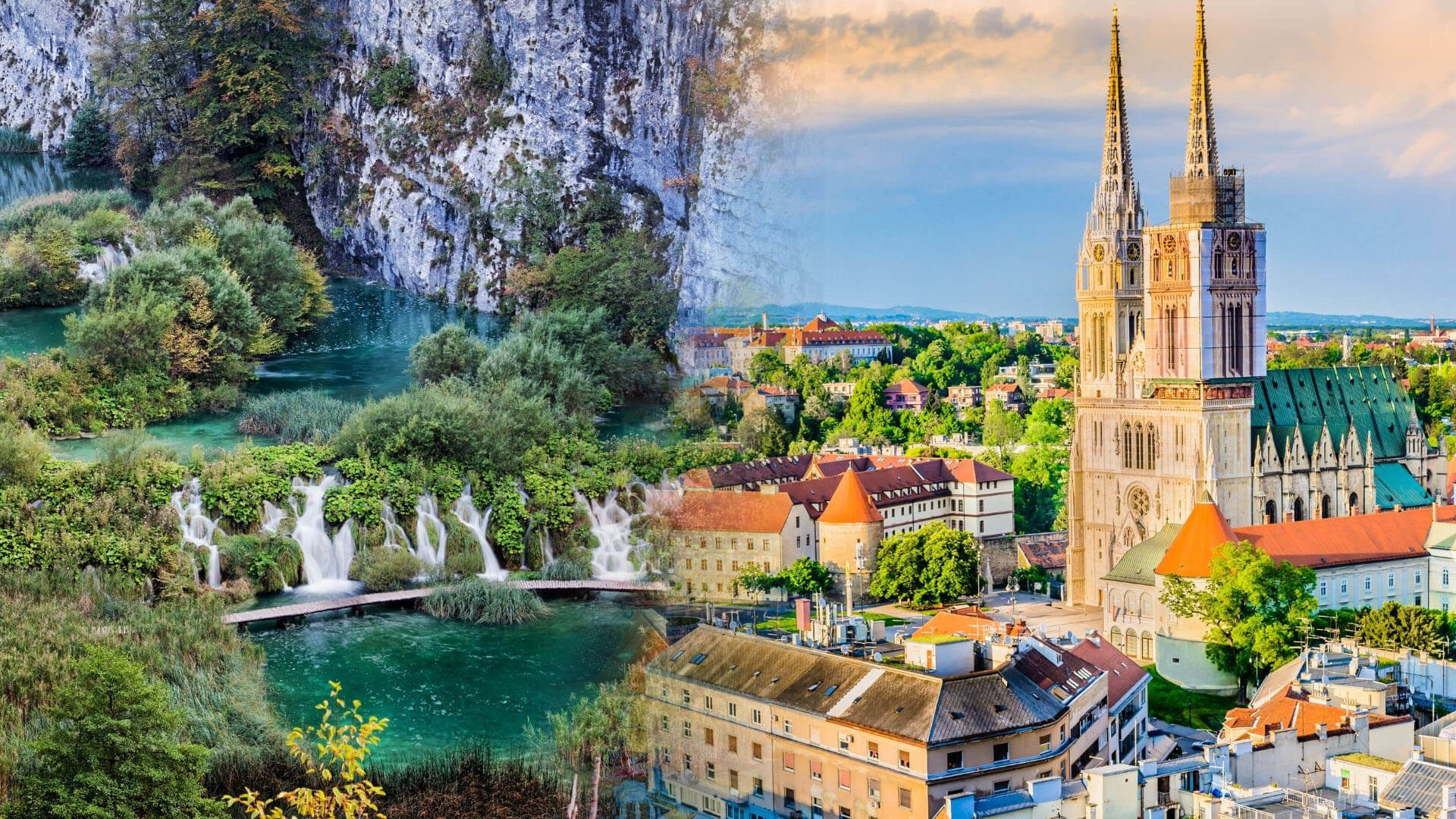
Choose Zagreb if you crave culture, history, and a more authentic, budget-friendly city experience away from the summer crowds. Pick Split for unparalleled island hopping, stunning Adriatic beaches, and a vibrant coastal party scene. A daily budget of €60-€100 (approx. $65-$110) per person can get you by comfortably in Zagreb, while Split often demands €80-€150+ (approx. $85-$165+) during peak season.
- Choose Zagreb: For those who love museums, Austro-Hungarian architecture, a vibrant café culture, and a more 'local' feel without the summer tourist frenzy. Great for budget travelers and culture vultures.
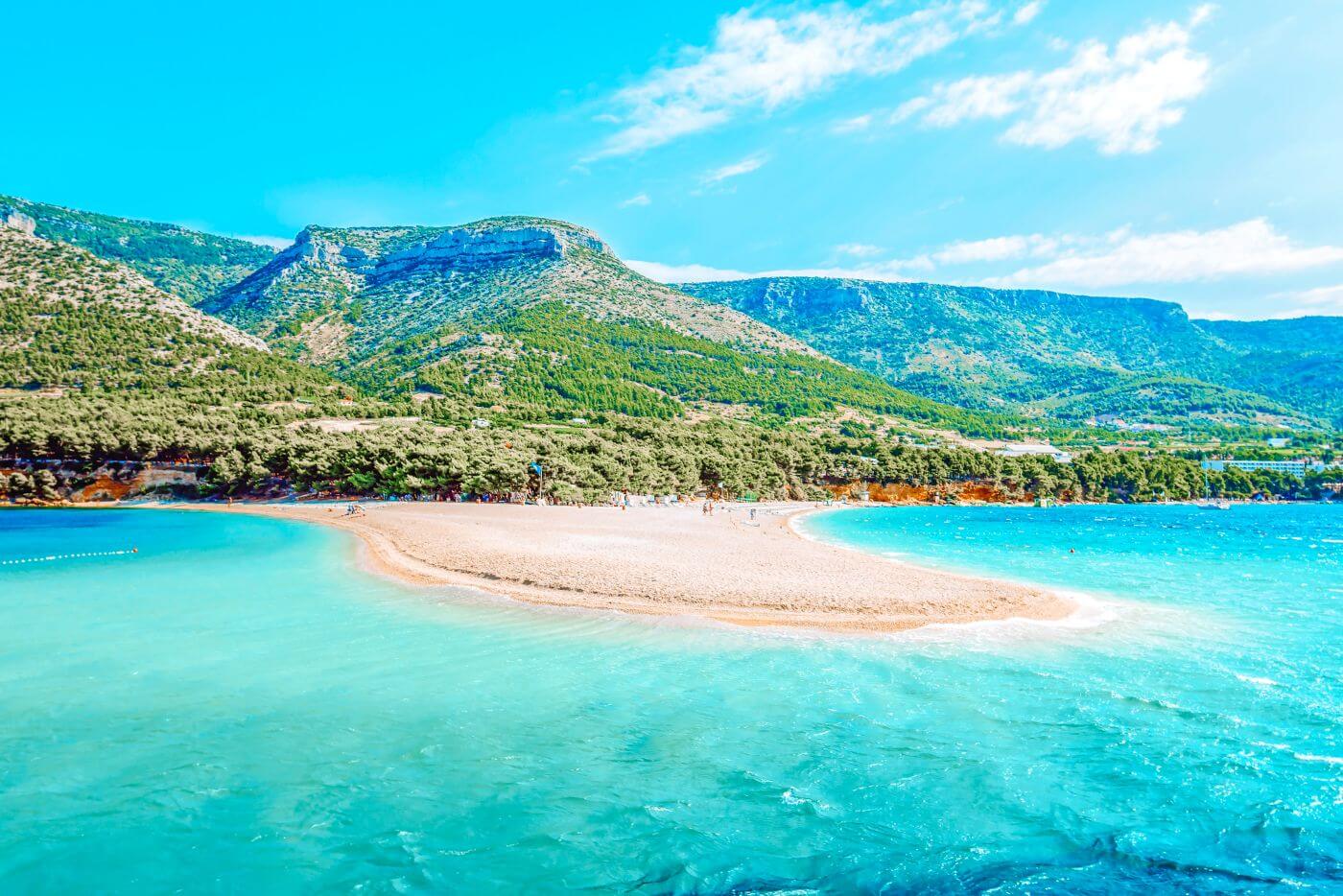
- Choose Split: Ideal for beach lovers, island hoppers, history buffs fascinated by Roman ruins, and those seeking a lively Mediterranean atmosphere. Perfect for summer vacations and easy access to the Adriatic islands.
- Choose Both: If you have at least 7-10 days, combining both offers a fantastic contrast. Spend 2-3 days in Zagreb to soak up the city, then take the scenic train or bus (around 4-5 hours, €20-€30) down to Split for 4-5+ days of coastal exploration and island adventures.
Quick Comparison
| Category | Zagreb | Split | Winner |
|---|---|---|---|
| Vibe & Atmosphere | Central European charm, vibrant café culture, laid-back yet bustling, authentic local feel. | Mediterranean energy, ancient history meets modern life, bustling Riva, party atmosphere in summer. | Tie |
| Costs & Budget | Generally more affordable for food, drinks, and accommodation, especially outside of peak festival times. | Significantly pricier in peak season (June-August) for accommodation, tours, and often food. | Zagreb |
| Culture & History | Rich Austro-Hungarian history, diverse museums, vibrant art scene, Central European influences. | Ancient Roman ruins (Diocletian's Palace), Venetian influences, coastal history, unique Dalmatian heritage. | Split |
| Food Scene | Diverse culinary offerings, traditional Croatian dishes, international cuisine, excellent street food, great markets. | Fresh seafood, Dalmatian specialties (peka), Mediterranean influences, tourist-oriented restaurants around the palace. | Zagreb |
| Nightlife | Year-round bar and club scene, student-driven, diverse pubs and cocktail bars, live music. | Vibrant summer nightlife, beach clubs, lively bars on the Riva, party boats, seasonal focus. | Zagreb |
| Beaches & Nature | No direct sea access, urban parks (Jarun Lake), Sljeme Mountain, nearby rivers and forests. | Direct access to stunning Adriatic beaches, crystal-clear waters, close to islands and national parks (Krka). | Split |
| Getting There & Around | Major international airport (ZAG), well-connected by bus/train to Central Europe, efficient tram system. | International airport (SPU), major ferry port, excellent for island hopping, walkable city center. | Zagreb |
| Accommodation | Diverse range of hotels, hostels, and apartments; generally better value outside of peak festival times. | Abundance of guesthouses, apartments within the palace, boutique hotels, high demand and prices in summer. | Zagreb |
| Day Trips | Plitvice Lakes (further but doable), Samobor, Varaždin, Medvednica Nature Park. | Krka National Park, Trogir, Hvar, Brač, Salona, countless islands, Bosnia & Herzegovina (Mostar). | Split |
| Best Season to Visit | Spring (April-May) and Autumn (Sept-Oct) for pleasant weather, fewer crowds, and festivals. Winter for Christmas markets. | Summer (June-August) for beaches, swimming, island hopping, and lively atmosphere. Shoulder seasons (May, Sept) for good weather and fewer crowds. | Tie |
✨ Vibe & Atmosphere
Zagreb offers a more Central European, continental vibe, reminiscent of cities like Vienna or Budapest but with its own distinct Croatian flair. Its streets are lined with grand Austro-Hungarian architecture, bustling outdoor cafes, and a relaxed pace during the day that transitions into a lively but not overwhelming evening scene. It feels genuinely lived-in, with locals going about their daily lives. You'll find a strong cultural emphasis, numerous museums (like the unique Museum of Broken Relationships), and a year-round vibrancy. Split, on the other hand, is pure Mediterranean magic. Centered around the ancient Diocletian's Palace, its winding stone streets, lively Riva promenade, and proximity to the sparkling Adriatic Sea create an intoxicating atmosphere. It's more tourist-centric, especially in summer, with a constant buzz of travelers, boat tours, and beach clubs. The energy is palpable, often feeling like a permanent holiday. While Split offers breathtaking beauty and a party pulse, Zagreb provides a deeper dive into modern Croatian urban life. A traveler on Reddit once commented, "Zagreb feels like a proper European capital, good for a few days of wandering and cheap beer. Split is just pure vacation mode, beautiful but way busier." Both offer distinct and compelling experiences, making it hard to pick an overall winner here as it truly depends on what 'vibe' you're chasing.
Winner takeaway
- Winner: Tie
- Why: Both cities offer distinct and equally compelling atmospheres, catering to different traveler preferences.
- Who this matters for: Everyone, as atmosphere sets the tone for your entire trip.
💰 Costs & Budget
Zagreb is noticeably kinder to your wallet, offering better value across the board. A casual meal at a local 'konoba' or 'restoran' can be found for €8-€15 (approx. $9-$16), with a craft beer around €3.50-€5 (approx. $4-$5.50). Accommodation in a decent hostel dorm averages €25-€40 (approx. $27-$43), while a mid-range hotel might cost €70-€120 (approx. $75-$130) per night. Public transport is efficient and cheap, with single tickets around €0.50. Split, particularly from June to September, sees prices surge. A similar casual meal often starts at €12-€20 (approx. $13-$22), and that craft beer can easily hit €6-€8 (approx. $6.50-$8.50) on the Riva. Hostel dorms can jump to €40-€70 (approx. $43-$75) during peak season, and mid-range hotels or Airbnbs often command €150-€300+ (approx. $160-$325+) per night. Island day trips and boat tours are also considerable expenses. "Split in July felt like I was back in Italy price-wise, Zagreb was a relief," said one user on r/travel. While both offer budget options if you seek them out, Zagreb consistently provides better value, making it the clear winner for budget-conscious travelers.
Winner takeaway
- Winner: Zagreb
- Why: Zagreb offers significantly better value for money on accommodation, food, and activities, especially during peak travel periods.
- Who this matters for: Budget travelers, long-term travelers, and those seeking to maximize their spending power.
🏛️ Culture & History
While Zagreb boasts a rich history with its Upper Town (Gornji Grad), St. Mark's Church, and a plethora of museums like the Mimara Museum and the unique Museum of Broken Relationships, its historical narrative feels more spread out across different eras and styles, from medieval to Austro-Hungarian. It’s a city of charming squares and impressive architecture. Split, however, is a living, breathing testament to ancient Roman history, built directly within and around the magnificent Diocletian's Palace. This UNESCO World Heritage site isn't just a ruin; it's the heart of the city, with people living, working, and dining within its 1700-year-old walls. Exploring its basements, Peristyle, and Jupiter's Temple offers an unparalleled immersive historical experience. The Venetian influence is also evident, adding layers to its story. "Walking through Diocletian's Palace felt like stepping back in time, nothing in Zagreb quite hit that same ancient grandeur," a traveler noted. For sheer impact and immersion in ancient history, Split's Palace is an undisputed marvel that makes it the winner in this category.
Winner takeaway
- Winner: Split
- Why: Split's Diocletian's Palace offers an unparalleled, immersive ancient Roman historical experience that is truly unique.
- Who this matters for: History buffs, lovers of ancient ruins, and those seeking truly unique cultural sites.
🍜 Food Scene
Zagreb's food scene is surprisingly diverse and dynamic, offering a fantastic blend of traditional Croatian fare with strong Central European influences, alongside a burgeoning modern and international restaurant scene. You can savor hearty 'štrukli' (baked cheese pastry), 'ćevapi', or 'purica s mlincima' (turkey with mlinci pasta). The Dolac Market is a vibrant hub for fresh produce, cheeses, and local delicacies. Eateries like La Štruk (for traditional štrukli) or Mali Bar (for modern tapas) showcase the city's range. Prices are reasonable, with many excellent bistros and street food options. Split, while famous for its fresh seafood and traditional Dalmatian cuisine (think 'peka' dishes, 'pašticada', and grilled fish), often caters more to the tourist palate, especially within the palace walls. While you can find incredible seafood at places like Konoba Matejuška, finding truly authentic and diverse options outside the tourist traps requires more effort and often costs more. "Zagreb's food scene felt more local and experimental, I ate so well for cheap. Split was good for fish, but kinda repetitive," a Reddit user mentioned. Zagreb wins for its variety, authenticity, and value.
Winner takeaway
- Winner: Zagreb
- Why: Zagreb offers a more diverse, authentic, and affordable culinary landscape with both traditional and modern options.
- Who this matters for: Foodies, adventurous eaters, and budget-conscious diners.
🍻 Nightlife
Zagreb boasts a more consistent and diverse nightlife scene that thrives year-round, largely thanks to its large student population. The Tkalčićeva Street area is famous for its endless row of bars, pubs, and cafes, perfect for a casual drink or people-watching. You'll find everything from cozy craft beer bars (like Craft Room) to sophisticated cocktail lounges and underground clubs (e.g., Funk Club, Masters Club) offering various music genres. There's a genuine local buzz, and options are plentiful any night of the week. Split's nightlife is undeniably vibrant during the summer months, with beach clubs like Bačvice Beach Club and lively bars along the Riva. It's fantastic for seasonal revelry, pre-party drinks, and clubbing focused on electronic music. However, outside of peak season, the options become significantly fewer and less energetic. "Zagreb had actual bars and clubs for locals, even in October. Split felt like everything shut down once the tourists left," was a common sentiment. Zagreb wins for its consistent, diverse, and authentic nightlife that doesn't solely rely on the tourist season.
Winner takeaway
- Winner: Zagreb
- Why: Zagreb offers a more consistent, diverse, and locally-driven nightlife scene that thrives year-round.
- Who this matters for: Party-goers, social travelers, and those seeking vibrant evenings outside of summer peak season.
🏖️ Beaches & Nature
This category is a clear win for Split. Zagreb is an inland city, offering urban parks like Maksimir Park, recreation at Jarun Lake (with its pebble beaches and water sports), and hiking opportunities on Sljeme Mountain. While lovely for city breaks, it doesn't offer sea access. Split, however, is a coastal paradise. It boasts numerous city beaches like Bačvice (sandy, popular for picigin) and Kašjuni Beach (pebble, stunning views). The water is incredibly clear and inviting. More importantly, Split is the perfect gateway to the Dalmatian islands like Hvar, Brač, and Vis, all easily reachable by ferry or catamaran. It's also a convenient base for visiting natural wonders like Krka National Park (famous for its waterfalls, about a 1-hour drive away) and the stunning Makarska Riviera. "Split is literally built for the sea. You step out and the Adriatic is right there, plus all the islands are so easy to get to. Zagreb has parks, but it’s not the same," a traveler aptly put it. For anyone prioritizing beaches, swimming, and coastal nature, Split is the undisputed champion.
Winner takeaway
- Winner: Split
- Why: Split offers direct access to the stunning Adriatic Sea, beautiful beaches, and serves as a gateway to countless islands and national parks.
- Who this matters for: Beach lovers, swimmers, island hoppers, and nature enthusiasts seeking coastal beauty.
✈️ Getting There & Around
Both cities have international airports. Zagreb's Franjo Tuđman Airport (ZAG) is the larger hub, with more direct flights to various European capitals. It's also exceptionally well-connected by bus and train to neighboring countries like Slovenia, Hungary, and Austria, making it a key entry point for overland travelers. Within the city, Zagreb boasts an extensive and efficient tram system, making it incredibly easy and cheap to navigate. Split's airport (SPU) is smaller but busy, especially during summer, with many seasonal flights. Its biggest asset is its major ferry port, making it the primary hub for exploring the Dalmatian islands. While Split's city center is very walkable, getting further afield without a car can be trickier, relying on less frequent buses. "Getting to Zagreb from Ljubljana by train was a breeze. Split felt a bit more isolated if you weren't flying directly in or out by ferry," commented a backpacker. While Split shines for island hopping, Zagreb's broader connectivity to mainland Europe and its superior intra-city public transport network give it the edge for overall ease of access and getting around.
Winner takeaway
- Winner: Zagreb
- Why: Zagreb offers superior international overland connectivity and a more comprehensive, efficient intra-city public transport system.
- Who this matters for: Overland travelers, those combining Croatia with other European countries, and travelers who rely on public transport.
🏨 Accommodation
Zagreb offers a wider and more consistent range of accommodation options year-round, often at better price points. You'll find large international hotel chains (e.g., Esplanade Zagreb Hotel, Hilton Garden Inn), charming boutique hotels, numerous well-regarded hostels (like Swanky Mint Hostel or Chillout Hostel Zagreb), and plenty of spacious Airbnbs. Prices are generally stable, with a good quality-to-cost ratio. A comfortable private room in a hostel might be €40-€60 (approx. $43-$65), while a decent 3-star hotel is €80-€120 (approx. $85-$130). Split, while having an abundance of guesthouses and apartments, especially within the ancient palace walls, suffers from extreme price fluctuations during the summer. Demand far outstrips supply, leading to inflated prices, especially for anything with a sea view. A small apartment in Diocletian's Palace might be €150-€250 (approx. $160-$270) a night in July, while a comparable place in Zagreb would be half that. Hostels are also pricier. "Finding good value in Split in August was impossible unless I booked months out. Zagreb had so many more options for my budget," a traveler mentioned. For consistent value and availability, Zagreb wins.
Winner takeaway
- Winner: Zagreb
- Why: Zagreb provides a broader range of accommodation options with more consistent availability and better value for money year-round.
- Who this matters for: Budget travelers, spontaneous bookers, and those seeking good value for comfortable stays.
🗺️ Day Trips
While Zagreb offers some excellent day trips, Split truly excels due to its prime coastal location and proximity to both natural wonders and other historical gems. From Zagreb, popular day trips include the charming town of Samobor (a short bus ride away), the Baroque city of Varaždin, and hiking in Medvednica Nature Park (Sljeme). Plitvice Lakes National Park, while stunning, is about a 2-hour drive and often requires a full day, sometimes feeling a bit rushed. Split, however, is a gateway to an incredible array of diverse day trips. Krka National Park, with its stunning waterfalls, is just over an hour's drive away and often preferred over Plitvice for its swimming opportunities. The ancient Roman ruins of Salona and the perfectly preserved medieval town of Trogir (a UNESCO site) are incredibly close. Most importantly, Split is the main hub for ferries and catamarans to countless Dalmatian islands like Hvar, Brač, and Vis, offering endless possibilities for beach days, wine tasting, and exploring picturesque towns. You can even do a day trip to Mostar in Bosnia & Herzegovina. "Split's day trip options felt endless; we did Trogir, Krka, and Hvar all in just a few days. Zagreb's options were good, but nothing beat the islands," a traveler noted. The sheer variety and accessibility of world-class destinations from Split make it the clear winner.
Winner takeaway
- Winner: Split
- Why: Split offers an unparalleled variety of stunning and easily accessible day trips, including islands, national parks, and other historical towns.
- Who this matters for: Adventurous travelers, island hoppers, and those who love exploring outside the main city.
☀️ Best Season to Visit
Choosing the 'best' season truly depends on what experience you're after, making this a tie. Zagreb shines brightest in spring (April-May) and autumn (September-October) when the weather is pleasant, the city is less crowded, and cultural events are abundant. The city truly comes alive in December with its world-famous Christmas markets, offering a magical winter experience. Its continental climate means hot summers and cold, sometimes snowy winters, but it maintains a steady charm year-round without the extreme tourist fluctuations of the coast. Split, by contrast, is a quintessential summer destination. From June to August, the city pulses with energy, the Adriatic is warm for swimming, and island hopping is in full swing. However, this also means peak crowds and prices. The shoulder seasons of May and September are fantastic compromises, offering warm weather, fewer tourists, and still plenty of activity. "If you want to party and swim, Split in July. If you want charming city vibes and no sweat, Zagreb in September," was a common comparison. Both cities offer distinct peak seasons for different reasons. Zagreb is great for a non-beach, authentic city break anytime but mid-summer, while Split is best for a classic Mediterranean summer vacation.
Winner takeaway
- Winner: Tie
- Why: Both cities offer distinct 'best seasons' that cater to different traveler preferences and activities.
- Who this matters for: All travelers, as weather and crowd levels significantly impact travel experience.
❓ Frequently Asked Questions
Is it easy to travel between Zagreb and Split?
Yes, it's very straightforward. The most common methods are by bus (around 4.5-5.5 hours, €20-€30) or by train (around 6-7 hours, more scenic, similar price). Flights are also available but often more expensive and less convenient given the short distance.
Which city is better for families with young children?
Zagreb might be slightly better for families due to its numerous parks (like Maksimir Park), museums (especially the Museum of Illusions), and less chaotic atmosphere compared to Split's crowded summer streets. Split offers beaches, but can be overwhelming with small kids during peak season.
How many days should I spend in each city?
For Zagreb, 2-3 full days are usually sufficient to explore the main sights and soak in the atmosphere. For Split, 3-4 full days are ideal, allowing for exploration of the palace, beaches, and at least one day trip to an island or Krka National Park.
Do I need a car to visit either city?
No, neither city requires a car for exploring its center. Zagreb has an excellent tram system, and Split's core is pedestrian-only. A car is only recommended if you plan extensive day trips or want to explore remote areas of the surrounding regions at your own pace.
Is English widely spoken in Zagreb and Split?
Yes, English is very widely spoken, especially among younger generations and anyone working in tourism. You'll have no trouble communicating in hotels, restaurants, shops, and attractions in both cities.
Which city is better for a solo traveler?
Both are great for solo travelers. Zagreb offers a safe, walkable city with a relaxed vibe and easy access to hostels and social events. Split is fantastic for solo travelers looking to meet others on island tours or at beach parties, especially in summer.
What's the main difference in cuisine between the two?
Zagreb's cuisine is more Central European influenced, featuring hearty meat dishes, stews, and pastries. Split, being coastal, focuses heavily on fresh seafood, grilled fish, olive oil, and light Mediterranean flavors, with strong Italian influences.
Are there good hiking opportunities near either city?
Yes! Near Zagreb, you can hike on Medvednica Mountain (Sljeme), offering various trails and viewpoints. Near Split, you can hike up Marjan Hill for stunning panoramic views of the city and islands, or explore the trails within Krka National Park.
Ready to plan your Croatian adventure?
Get a free custom itinerary for Zagreb, Split, or both — built from real traveler insights, tailored to your budget and interests.
🎟️ Book Tours & Experiences
Hand-picked tours and activities for both destinations — book with free cancellation
Experiences via Viator — free cancellation on most tours