How we built this comparison
This page combines traveler discussion patterns, published price ranges, flight schedules, and seasonal data to help you decide between Zurich and Munich.
- Reviewed 50+ Reddit threads from r/travel, r/solotravel, r/Switzerland, r/Germany, r/munich, r/zurich, and r/europe for authentic traveler opinions and tips.
- Verified costs and logistics against current booking platforms (e.g., Google Flights, Booking.com, Deutsche Bahn, SBB) and official city tourism sites.
- Cross-referenced seasonal patterns, weather data, and major event calendars to provide realistic best-time-to-visit advice.
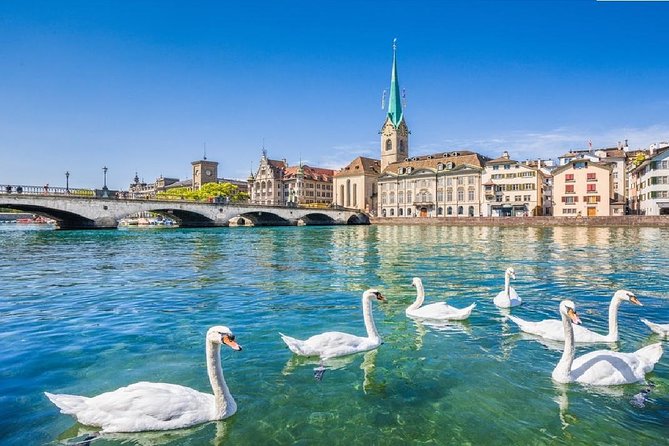
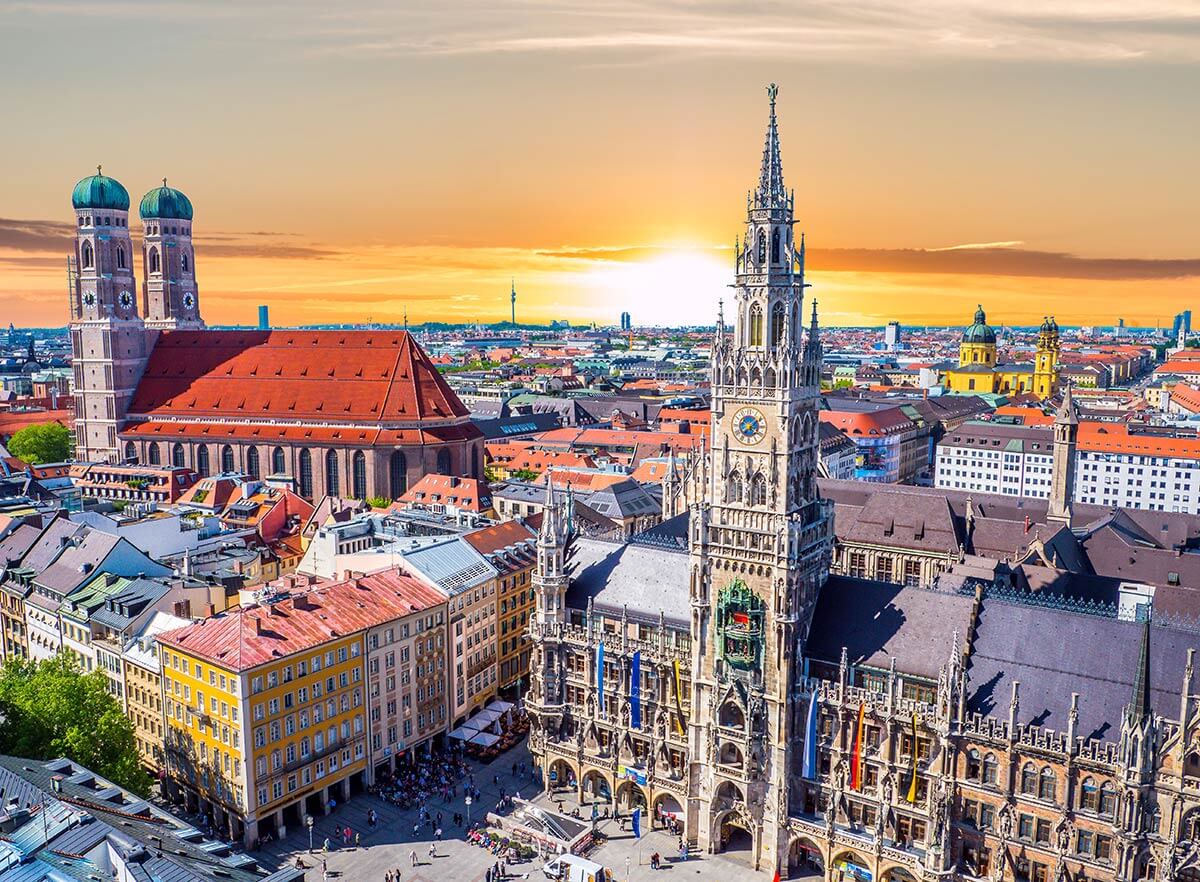
⚡ The TL;DR Verdict
Choose Zurich if you crave pristine efficiency, luxury shopping, and stunning lake views, with a daily budget starting around $150-$200 USD (excluding high-end accommodation). Opt for Munich for a richer historical tapestry, vibrant beer garden culture, and better value for money, where a comfortable daily budget can be $100-$150 USD. Both offer incredible day trips into the Alps, but their core personalities are miles apart.
- Choose Zurich: For travelers prioritizing cleanliness, safety, lakeside relaxation, high-end shopping, and easy access to the Swiss Alps. Ideal for those who don't mind a higher price tag for top-tier quality and efficiency.
- Choose Munich: For those seeking deep historical immersion, lively traditional Bavarian culture, excellent beer, beautiful parks, and a more robust nightlife that feels genuinely local. It offers a more budget-friendly experience compared to Zurich.
- Choose Both: If you have at least 7-10 days, you can absolutely do both! Take the scenic 3.5-4 hour train ride between them. Start in Zurich for 2-3 days, then head to Munich for 3-4 days, allowing for day trips from each base.
Quick Comparison
| Category | Zurich | Munich | Winner |
|---|---|---|---|
| Costs & Value | Extremely high cost of living; luxury comes at a premium. Expect to pay more for everything from coffee to accommodation. | Expensive by European standards but significantly more affordable than Zurich. Good value can be found with smart planning. | Munich |
| Food & Drink | Diverse international cuisine, high-quality ingredients, but Swiss specialties are pricey. Great chocolate and cheese. | Hearty Bavarian classics, legendary beer gardens, incredible pretzels, and surprisingly good international options. | Munich |
| Culture & History | Modern art, banking history, a charming Old Town (Altstadt), and strong Reformation roots. More understated. | Rich Bavarian royal history, WWII landmarks, vibrant traditional festivals like Oktoberfest, and world-class museums. | Munich |
| Nightlife & Entertainment | Sophisticated bars, trendy clubs in the Kreis 4 and 5 districts, and a vibrant electronic music scene. | Legendary beer halls, cozy pubs, and a growing club scene, though less focused on electronic music than Zurich. | Zurich |
| Nature & Scenery | Stunning Lake Zurich, the Limmat River, Uetliberg mountain for panoramic views, and easy access to the Alps. | Massive English Garden, Isar River, and excellent access to the Bavarian Alps and picturesque lakes. | Tie |
| Getting There | Excellent international airport (ZRH) with direct flights from major global hubs. Well-connected by rail. | Major international airport (MUC) with extensive global connections. Great central European rail hub. | Tie |
| Getting Around | Compact, highly walkable city center with an incredibly efficient and punctual public transport system. | Larger city center but still very walkable. Extensive and reliable U-Bahn, S-Bahn, tram, and bus network. | Zurich |
| Accommodation | Limited options, mostly high-end luxury, boutique hotels, and some mid-range. Very expensive, especially in peak season. | Wider range of hotels from luxury to budget hostels, including unique Bavarian guesthouses. Still pricey, but more variety. | Munich |
| Day Trips | Gateway to incredible Swiss Alps, Lucerne, Rhine Falls, and charming Swiss towns. Scenic train rides abound. | Easy access to fairytale castles (Neuschwanstein), stunning Bavarian lakes, the German Alps, and even Salzburg (Austria). | Tie |
| Safety & Vibe | Extremely safe, clean, and efficient, often described as pristine but can feel a bit reserved or quiet. | Very safe, friendly, and welcoming, with a relaxed and traditional Bavarian atmosphere. | Tie |
💰 Costs & Value
Let's be blunt: Zurich will hit your wallet hard. A basic lunch can easily run CHF 25-35 ($27-38 USD), a simple beer CHF 8-10 ($9-11 USD), and a decent hotel room often starts at CHF 180-250 ($198-275 USD) per night. Public transport day pass costs around CHF 9 ($10 USD). Munich, while not cheap, offers far better value. A hearty Bavarian lunch with a beer will set you back €15-25 ($16-27 USD), a half-liter beer at a Hofbräuhaus is around €5-6 ($5.50-6.50 USD), and mid-range hotels can be found for €100-150 ($108-162 USD). A day ticket for Munich's public transport system (MVV) starts at €8.20 ($9 USD) for the inner district. The difference is stark. "Zurich feels like it's designed for people who don't even look at prices, whereas in Munich, you can actually enjoy yourself without feeling like you're constantly bleeding cash." The quality is high in both, but Munich delivers more bang for your buck.
Winner takeaway
- Winner: Munich
- Why: Munich offers a much better value proposition, allowing travelers to experience high quality without the extreme price tags of Zurich.
- Who this matters for: Budget-conscious travelers, backpackers, and anyone who wants to stretch their travel funds further.
🍻 Food & Drink
Zurich's food scene is sophisticated and global, reflecting its international population. You'll find incredible Italian, Asian, and contemporary European restaurants, but expect prices like CHF 40+ ($44+) for a main course. Traditional Swiss dishes like Zürcher Geschnetzeltes (sliced veal in cream sauce) at places like Zeughauskeller are delicious but expensive. Their chocolate, though, like Sprüngli or Läderach, is heavenly. Munich, however, wins for its unique, delicious, and more accessible culinary identity. Think crispy Schweinshaxe (pork knuckle) at Augustiner-Keller, Weißwurst (white sausage) for breakfast, and endless varieties of pretzels. The beer culture is unparalleled, with historic beer halls like Hofbräuhaus, Augustiner, and Paulaner serving massive steins of local brews for €5-6. Even their international food scene, especially around the university areas, is excellent and more affordable. "Munich's beer gardens are an experience you just can't get anywhere else. And the food is proper comfort food, not fussy like some places in Zurich." For a genuine, flavorful, and iconic food and drink experience, Munich takes the cake (or rather, the pretzel and the beer).
Winner takeaway
- Winner: Munich
- Why: Munich offers a more distinct, hearty, and iconic food and drink culture, especially with its world-famous beer halls and Bavarian specialties, at a better price point.
- Who this matters for: Foodies interested in regional specialties, beer enthusiasts, and travelers looking for a unique culinary identity.
🏛️ Culture & History
Zurich boasts a charming medieval Altstadt, the Grossmünster and Fraumünster churches with their Chagall windows, and a strong association with the Reformation (Zwingli). It also has a thriving modern art scene at the Kunsthaus Zürich and a financial district that defines much of its modern identity. It's refined and offers subtle cultural depth. However, Munich is a powerhouse of history and culture. From the grand Königsplatz, the opulent Residenz palace, and Nymphenburg Palace to the solemn yet crucial Dachau Concentration Camp Memorial just outside the city, its history is palpable and diverse. The Deutsches Museum is one of the world's largest science and technology museums, and the Alte Pinakothek offers astounding art collections. Plus, the annual Oktoberfest is a global cultural phenomenon. "Munich just feels like it's bursting with history and tradition everywhere you look. Zurich is nice, but it doesn't have that same weight." For a truly immersive and varied cultural and historical experience, Munich is the clear winner, offering everything from royal grandeur to poignant modern history.
Winner takeaway
- Winner: Munich
- Why: Munich's rich Bavarian royal history, significant WWII landmarks, world-class museums, and iconic festivals offer a more profound and diverse cultural experience.
- Who this matters for: History buffs, art lovers, and travelers seeking deep cultural immersion and traditional experiences.
🎶 Nightlife & Entertainment
Zurich's nightlife is surprisingly vibrant and diverse for its size, especially if you're into modern clubs and sophisticated bars. The areas around Langstrasse (Kreis 4 and 5) are packed with trendy spots like Hive, Kaufleuten, and Exil, offering a strong electronic music scene and late-night options. There are also chic cocktail bars along the lake and in the Old Town. It feels very European and cosmopolitan. Munich's nightlife is famously centered around its beer halls, like the Hofbräuhaus, where lively communal drinking goes on well into the evening. There are also plenty of traditional pubs and a few club districts (like Kultfabrik or around Ostbahnhof), but the overall vibe is less cutting-edge than Zurich's. While the beer culture is an unparalleled experience, for sheer variety, modern clubs, and a more international party scene, Zurich edges it out. "Zurich's clubs actually go until sunrise, and the vibe is really international. Munich is great for beers, but after that, it's a bit harder to find diverse clubbing." If you're looking for sleek venues, top DJs, and a lively late-night club scene, Zurich delivers.
Winner takeaway
- Winner: Zurich
- Why: Zurich offers a more modern, diverse, and sophisticated club and bar scene, particularly strong in electronic music, appealing to those seeking an international party atmosphere.
- Who this matters for: Younger travelers, club-goers, electronic music fans, and those who prefer chic cocktail bars.
⛰️ Nature & Scenery
Both cities are incredibly fortunate when it comes to natural beauty. Zurich is nestled at the northern end of the shimmering Lake Zurich, with the Limmat River flowing through its heart. A boat trip on the lake is a must, and a quick tram ride takes you to Uetliberg, Zurich's 'local mountain,' offering breathtaking panoramic views of the city, lake, and distant Alps. The accessibility to the true Swiss Alps for hiking and skiing is unbeatable. Munich, on the other hand, boasts the sprawling Englischer Garten (English Garden), larger than New York's Central Park, with its famous Eisbachwelle (river wave surfing) and beer gardens. The Isar River provides beautiful riverside walks and cycling paths, and the Bavarian Alps are just a short train ride away, featuring gems like Eibsee or the Zugspitze (Germany's highest peak). "Honestly, you can't go wrong with either for nature. Zurich has that pristine lake and immediate mountain feel, but Munich's English Garden is a masterpiece, and the Bavarian Alps are just as stunning." Both offer immediate urban nature and incredible access to majestic mountain landscapes, making this a true tie.
Winner takeaway
- Winner: Tie
- Why: Both cities offer incredible natural beauty, from pristine lakes and rivers to immediate urban green spaces and easy access to stunning Alpine regions.
- Who this matters for: Nature lovers, hikers, photographers, and anyone who appreciates beautiful landscapes both within and just outside a city.
✈️ Getting There
Both Zurich Airport (ZRH) and Munich Airport (MUC) are major international hubs, consistently ranked among Europe's best for efficiency and amenities. You can find direct flights from major North American cities like New York (e.g., JFK to ZRH/MUC: ~8-9 hours) and Los Angeles (e.g., LAX to ZRH/MUC: ~10-11 hours) to both. Prices can fluctuate but are generally comparable. Once in Europe, both cities are incredibly well-connected by high-speed rail. For example, a train from Paris to Zurich takes about 4 hours, and to Munich about 6 hours. From Berlin, it's about 4 hours to Munich. Crucially, the train journey between Zurich and Munich is a pleasant 3.5-4 hour ride, making it very feasible to combine both cities into one trip. "Both airports are super easy to navigate, and getting into the city center is a breeze from either. No real advantage here, just pick whichever flight works best for your itinerary." The choice often comes down to which city acts as a better gateway for your broader European travel plans rather than a significant difference in accessibility.
Winner takeaway
- Winner: Tie
- Why: Both Zurich and Munich boast top-tier international airports with excellent global connections and are well-integrated into Europe's high-speed rail network.
- Who this matters for: International travelers, those combining with other European destinations, and anyone prioritizing ease of arrival and departure.
🚶♀️ Getting Around
Zurich's public transport system (ZVV) is the envy of many cities: punctual, clean, and incredibly comprehensive with trams, buses, and S-Bahn trains. The city center itself is quite compact and very walkable, allowing you to easily stroll between the Bahnhofstrasse, Old Town, and lakeside. A 24-hour pass is about CHF 9 ($10 USD). Munich is a larger city, but its central core is also very walkable, especially around Marienplatz and the English Garden. Its U-Bahn (subway) and S-Bahn (suburban train) network is extensive, connecting all major attractions efficiently. Trams and buses fill in the gaps. A single day ticket for the inner zone is €8.20 ($9 USD). While Munich's system is excellent, Zurich's smaller size and even higher density of transport options make it feel just a tad easier and more immediate. "Zurich's trams just get you everywhere so quickly, and the city itself is so small you barely need them for the main sights. Munich is good, but you cover more ground there." For sheer effortlessness in navigation and a supremely walkable core, Zurich nudges ahead.
Winner takeaway
- Winner: Zurich
- Why: Zurich's compact size combined with its world-class, exceptionally efficient public transport system makes getting around incredibly easy and stress-free.
- Who this matters for: Pedestrians, those who prefer not to use taxis, and anyone valuing effortless navigation and minimal commute times.
🏨 Accommodation
Finding affordable accommodation in Zurich can be a real challenge. Luxury hotels like the Dolder Grand or Baur au Lac are exquisite but come with astronomical price tags. Even mid-range hotels, such as the citizenM Zurich or Hotel St. Gotthard, typically start at CHF 180-250 ($198-275 USD) per night, with hostels like Oldtown Hostel Otter still costing CHF 50-70 ($55-77 USD) for a dorm bed. Availability can also be tight. Munich, while not cheap, offers a much broader spectrum of choices. You'll find grand hotels like Hotel Bayerischer Hof, but also plenty of reputable mid-range options like Hotel Jedermann or Motel One for €100-150 ($108-162 USD) per night. Hostels like Wombat's City Hostel or The Tent offer dorm beds for €30-50 ($32-54 USD). The sheer volume and variety mean you have more flexibility in finding something that fits your budget and style. "I found a decent hotel in Munich for like €120 a night in a great location. In Zurich, that would barely get you a broom closet outside the city!" For better availability and more diverse price points, Munich is the easier city to find a suitable stay.
Winner takeaway
- Winner: Munich
- Why: Munich offers a greater variety of accommodation options across different price points, providing more flexibility for travelers compared to Zurich's predominantly high-end and expensive market.
- Who this matters for: Budget travelers, families, and those seeking more choice and value in their lodging.
🚞 Day Trips
Both Zurich and Munich are phenomenal bases for day trips, offering some of Europe's most iconic destinations within easy reach. From Zurich, you can be in the fairytale town of Lucerne in just 45 minutes by train, explore the dramatic Rhine Falls (Europe's largest waterfall) in an hour, or embark on a stunning journey into the Bernese Oberland for hiking and mountain views at Interlaken or Grindelwald (2-3 hours). Even a quick trip to the capital, Bern, is just an hour away. Munich provides equally captivating options: the legendary Neuschwanstein Castle is a popular 2-hour train and bus journey, the beautiful Königssee lake (near Berchtesgaden) is about 2.5 hours, and you can summit Germany's highest peak, Zugspitze, in about 1.5 hours. "Choosing between day trips from Zurich or Munich is like choosing between two Michelin-star menus – everything is amazing! Neuschwanstein is iconic, but the Swiss Alps from Zurich are just on another level for hiking." You can even pop over to Salzburg, Austria, from Munich in under 2 hours. Both cities are exceptional launchpads for diverse and breathtaking excursions, making this a well-deserved tie.
Winner takeaway
- Winner: Tie
- Why: Both cities serve as outstanding hubs for a wide array of world-class day trips, from stunning natural landscapes and charming towns to iconic historical sites and neighboring countries.
- Who this matters for: Explorers, nature lovers, history enthusiasts, and anyone looking to maximize their travel beyond the city limits.
✅ Safety & Vibe
When it comes to safety, both Zurich and Munich are exemplary. They consistently rank among the safest major cities in the world, with very low crime rates. You can feel comfortable walking around both cities day or night, which is a huge plus for any traveler. The 'vibe' is where they differ slightly. Zurich is renowned for its Swiss precision, cleanliness, and efficiency. It feels very orderly, polished, and can sometimes come across as a bit reserved or quiet, especially in the evenings outside the main nightlife areas. It's chic and sophisticated. Munich, on the other hand, projects a more relaxed, jovial, and traditionally friendly atmosphere, often referred to as a 'big village.' The Bavarian hospitality is palpable, particularly in its beer gardens and local eateries. "I felt incredibly safe in both, but Munich just felt more 'warm' and inviting, especially when you're in a beer garden with locals." While Zurich exudes serene sophistication, Munich offers a more boisterous and community-oriented charm. Both are wonderfully safe, making the 'vibe' a matter of personal preference rather than an objective winner.
Winner takeaway
- Winner: Tie
- Why: Both Zurich and Munich are exceptionally safe cities with very low crime rates, providing travelers with peace of mind and a secure environment.
- Who this matters for: Solo travelers, families, and anyone prioritizing personal safety and a stress-free travel experience.
❓ Frequently Asked Questions
Which city is better for a weekend trip?
For a short weekend trip, Zurich might be slightly better due to its compact size and easy walkability. You can hit many highlights (Old Town, lake, Uetliberg) without feeling rushed. Munich's larger scope might feel a bit more spread out for just two days, although it's still fantastic for a quick dive into Bavarian culture.
Is Zurich or Munich more family-friendly?
Both are very family-friendly, safe, and have great public transport. Munich might have a slight edge due to its extensive parks (English Garden), interactive museums like the Deutsches Museum, and the general welcoming atmosphere of its beer gardens (many have playgrounds). Zurich also offers parks and the Zoo, but activities might be pricier.
Which city has better shopping?
Zurich excels in luxury shopping, particularly along Bahnhofstrasse with high-end brands like Rolex, Chanel, and exclusive Swiss boutiques. Munich offers a broader range, from luxury on Maximilianstrasse to department stores, unique Bavarian crafts, and more budget-friendly options. Zurich for opulence, Munich for variety.
Can I see the Alps from both cities?
Yes! From Zurich, you can see the distant Alps from viewpoints like Uetliberg, and they are incredibly accessible for day trips. From Munich, while the city itself is flatter, the Bavarian Alps are clearly visible on a clear day and also very easy to reach for hiking, skiing, or exploring beautiful lakes like Eibsee.
What's the best time of year to visit?
Spring (April-May) and Fall (September-October) are ideal for both, offering pleasant weather, fewer crowds than summer, and beautiful scenery. Summer (June-August) is great for lake activities in Zurich and beer gardens in Munich, but expect higher prices and more tourists. Winter offers festive markets but can be very cold.
Is English widely spoken in Zurich and Munich?
Yes, in both cities, English is very widely spoken, especially in tourist areas, hotels, restaurants, and by younger generations. You'll have no trouble getting around or communicating. Basic German phrases are always appreciated in Munich, but not strictly necessary for tourists.
Which city is better for a solo traveler?
Both are excellent choices for solo travelers due to their high safety, efficient public transport, and plenty to see and do. Munich might feel slightly more social with its communal beer garden culture, making it easier to strike up conversations. Zurich offers a serene, independent experience.
How long should I spend in each city?
For a good feel of each city, plan 2-3 full days in Zurich to explore the city, lake, and maybe a short mountain trip. For Munich, aim for 3-4 full days to cover its historical sites, museums, parks, and experience the beer garden culture, with an extra day for a castle or Alps day trip.
Ready to plan your Central Europe trip?
Get a free custom itinerary for Zurich, Munich, or both — built from real traveler insights.
🎟️ Book Tours & Experiences
Hand-picked tours and activities for both destinations — book with free cancellation
Experiences via Viator — free cancellation on most tours