⚡ Before You Go — Essentials
🛬 Getting Around
Get a Suica or Pasmo IC card and top up as you go — works on all trains, buses, and even vending machines. For day trips, buy individual tickets. Tokyo Metro and JR Yamanote Line cover 90% of in-city travel. Last trains around midnight — plan nightlife accordingly or budget for taxis.
💵 Money
Japanese Yen (¥). Japan is still cash-heavy — many izakayas, ramen shops, and small restaurants are cash-only. 7-Eleven and Japan Post ATMs accept international cards. Budget ¥10,000-20,000/day per person for food, activities, and transport depending on how much you splurge.
🗣️ Language
Japanese. English signage is good on transit but sparse in local neighborhoods. Download Google Translate offline Japanese pack and use camera mode for menus. Key phrases: sumimasen (excuse me), arigatou gozaimasu (thank you), oishii (delicious), kanpai (cheers), okaikei kudasai (check please).
🍂 Autumn Foliage (Koyo)
Late October through late November is peak koyo season in Tokyo. Ginkgo trees turn golden first (early-mid Nov), maples peak mid-late November. Best spots: Meiji Jingu Gaien (ginkgo avenue), Rikugien Gardens (illuminated at night!), Koishikawa Korakuen, Shinjuku Gyoen, and Inokashira Park. Day trips to Nikko (peaks early Nov) and Lake Kawaguchi offer even more dramatic colors.
🍜 Food Culture
Tokyo has more Michelin stars than any city on earth. But the real magic is in the ¥800 ramen bowls, standing sushi bars, and tiny izakayas. Depachika (department store basement food halls) are incredible for bento, wagashi, and free samples. Convenience store food is legitimately excellent.
🔒 Safety & Etiquette
Tokyo is extraordinarily safe. Don't tip — it's considered rude. Be quiet on trains. Remove shoes when entering homes, temples, and some restaurants. Don't eat while walking. Queue orderly. Carry your trash — public bins are rare.
🌙 Nightlife Tips
Golden Gai bars are tiny (5-8 seats) — some have cover charges (¥500-1,000). Most izakayas close 11pm-midnight. Last trains around midnight — if you miss them, karaoke boxes are the classic all-nighter solution until 5am first trains.
Arrival & Shinjuku Neon Welcome
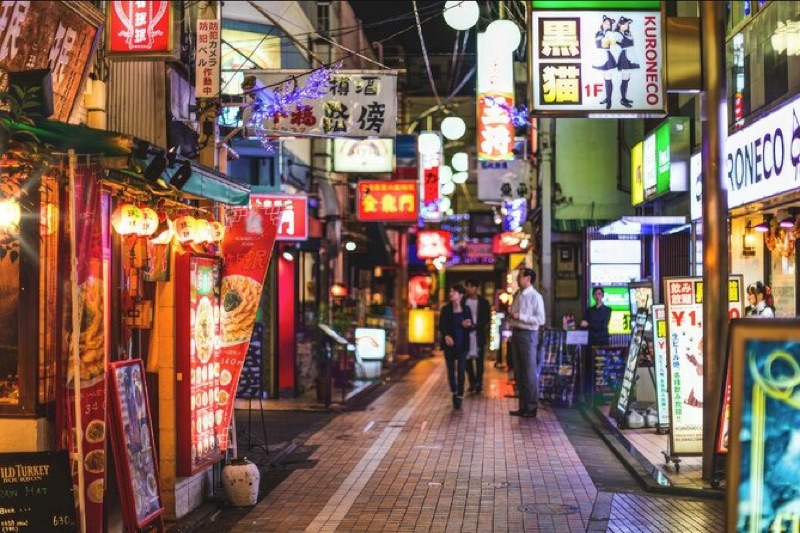
Land in Tokyo, settle in, and ease into the city with an evening stroll through Shinjuku's electric streets.
Arrive & Check In
Take the Narita Express or Keikyu Line to your accommodation. Pick up a Suica card at any station kiosk — it works on all trains, buses, and vending machines.
Shinjuku Gyoen Stroll
One of Tokyo's most beautiful parks with Japanese, English, and French gardens. In late October, early autumn color appears on cherry and maple trees. A perfect low-key start.
Ancient Temples & Ueno's Treasures
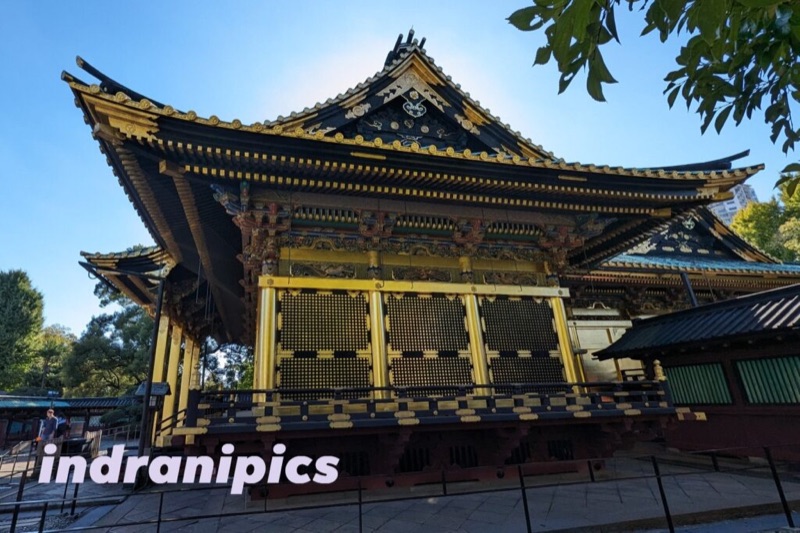
Tokyo's most iconic temple, traditional Asakusa backstreets, world-class museums, and early autumn in Ueno Park.
Senso-ji Temple & Nakamise-dori
Tokyo's oldest temple (645 AD). Walk through the iconic Kaminarimon Thunder Gate, browse snacks on Nakamise-dori, explore the five-story pagoda. Arrive early.
Asakusa Backstreets & Hoppy Street
West of Senso-ji, Denboin-dori has Edo-period storefronts. Hoppy Street is lined with open-air izakayas perfect for a late morning beer.
Tokyo National Museum
Japan's finest collection of samurai armor, ukiyo-e prints, and Buddhist sculptures. The Honkan and Toyokan galleries are world-class.
Ameyoko Market
Bustling open-air market between Ueno and Okachimachi. Seafood vendors, dried goods, clothing — chaotic and energetic.
Shrines, Street Style & Shibuya Crossing
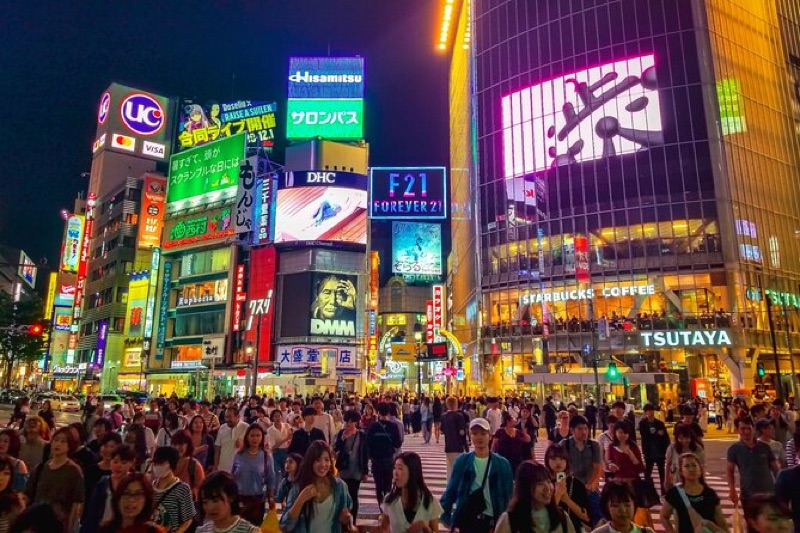
Sacred forest of Meiji Shrine, Harajuku kawaii culture, Omotesando architecture, and the iconic Shibuya scramble.
Meiji Shrine (Meiji Jingū)
Walk through massive torii gates into 170 acres of old-growth forest. Profoundly peaceful. The forest shows early autumn color in late October.
Harajuku & Takeshita Street
Candy-colored sensory overload — crepe shops, kawaii fashion, people-watching. Then escape to Cat Street for indie boutiques.
Omotesando Architecture Walk
Tokyo's Champs-Élysées lined with zelkova trees turning golden and stunning architecture by Tadao Ando, Kengo Kuma, and Herzog & de Meuron.
Shibuya Crossing & Shibuya Sky
World's busiest pedestrian crossing. Watch from above at Shibuya Sky observation deck for spectacular sunset views.
Tsukiji Market Feast & Ginza Elegance
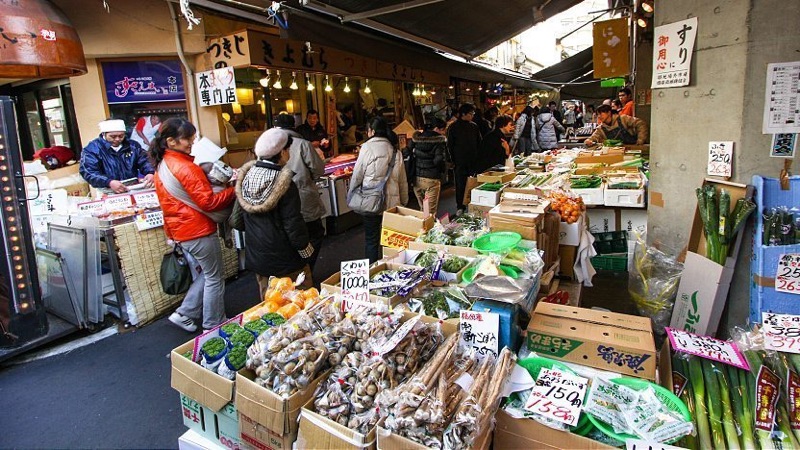
Morning feasting at Tsukiji Outer Market, elegant Ginza afternoon, and Halloween night chaos.
Tsukiji Outer Market Breakfast
Over 400 shops — freshest sushi, tamagoyaki, grilled seafood, wagyu skewers. Go hungry.
Tsukiji Hongan-ji Temple
Beautiful Indian-influenced Buddhist temple with unique stone carvings, stained glass, and a pipe organ.
Ginza Depachika & Shopping
Tokyo's most elegant district. Browse the incredible basement food halls at Mitsukoshi or Ginza Six for pastries, bento, and wagashi.
Kabuki-za Theatre
Japan's premier kabuki theater — single-act tickets let you experience one hour of this 400-year-old art form.
Otaku Culture & Sumo Country
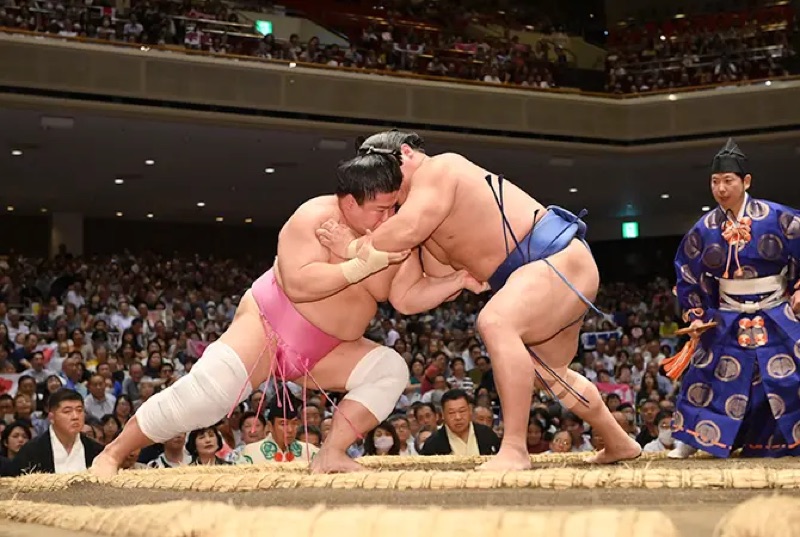
Anime/gaming paradise in the morning, sumo heartland in the afternoon — two iconic sides of Tokyo.
Akihabara Electric Town
Multi-story arcades, anime figures, maid cafés, retro game stores. Try crane games at Sega or Taito Station.
Kanda Myojin Shrine
1,300-year-old shrine near Akihabara. Famous for IT luck — people bring laptops for blessings.
Ryogoku Kokugikan & Sumo Museum
Visit the sumo arena and free museum. The November Grand Tournament runs Nov 8-22 — book tickets if you can!
Sumida Hokusai Museum
Sleek museum dedicated to ukiyo-e master Hokusai — original Great Wave prints and Edo-period art.
Vintage Village Crawl
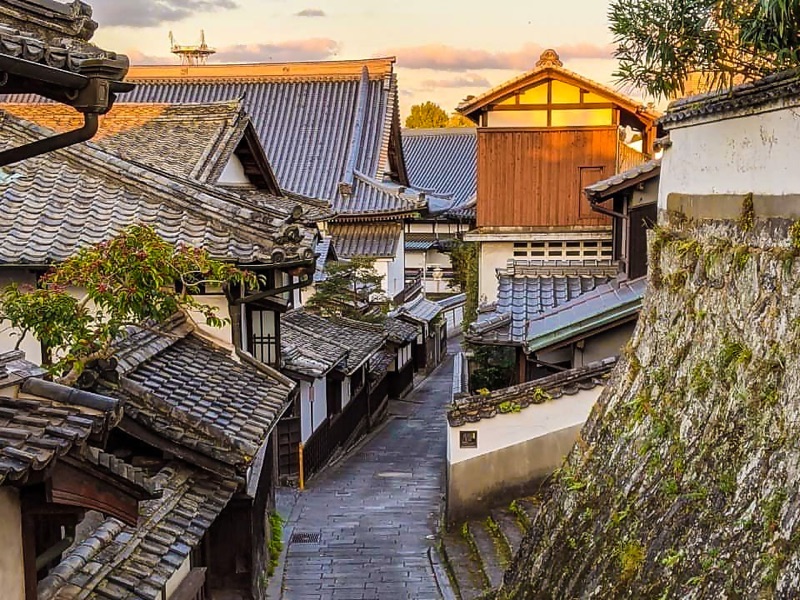
Tokyo's two best bohemian neighborhoods — vintage clothing, vinyl records, indie coffee, live music.
Shimokitazawa Exploration
Tokyo's bohemian village — vintage shops, record stores, indie bookshops. Shimokita Ekiue and Bonus Track are curated indie hubs under the tracks.
Shimokitazawa Theatre & Music Scene
Birthplace of Tokyo's indie music — check Shelter, Three, or Basementbar for tonight's shows.
Koenji Vintage District
Shimokitazawa's grittier cousin — more punk, more thrift. Dozens of shops line the PAL shotengai arcade.
Koenji Record & Jazz Bars
Incredible density of jazz kissaten and record bars. Neiro is a must — tiny bar with incredible vinyl-only sound system.
Old-Town Charm: Yanaka & Nezu
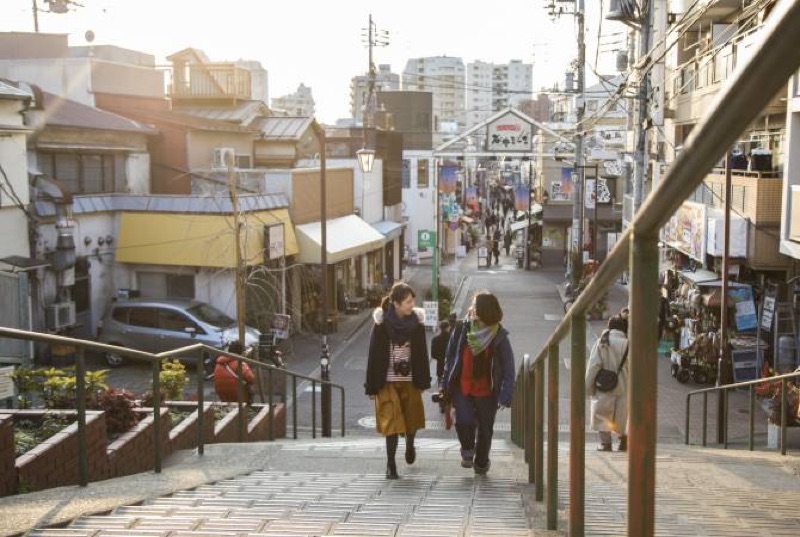
Step back in time in Tokyo's best-preserved old neighborhood — winding lanes, temples, cats, and Edo-era feel.
Yanaka Ginza Shopping Street
Old-fashioned shotengai with traditional snacks, craft shops, and the famous Yuyake Dandan sunset steps. Look for wooden cat sculptures on rooftops.
Yanaka Cemetery & Temple Walk
Sprawling, peaceful cemetery with gorgeous autumn foliage. Surrounded by dozens of tiny temples for a contemplative morning walk.
Nezu Shrine
1,900-year-old shrine with a stunning corridor of vermillion torii gates. The garden has beautiful autumn maples — far fewer tourists than Kyoto.
SCAI the Bathhouse
Contemporary art gallery in a converted 200-year-old bathhouse — quintessential Tokyo juxtaposition.
Nikko: Autumn's Crown Jewel
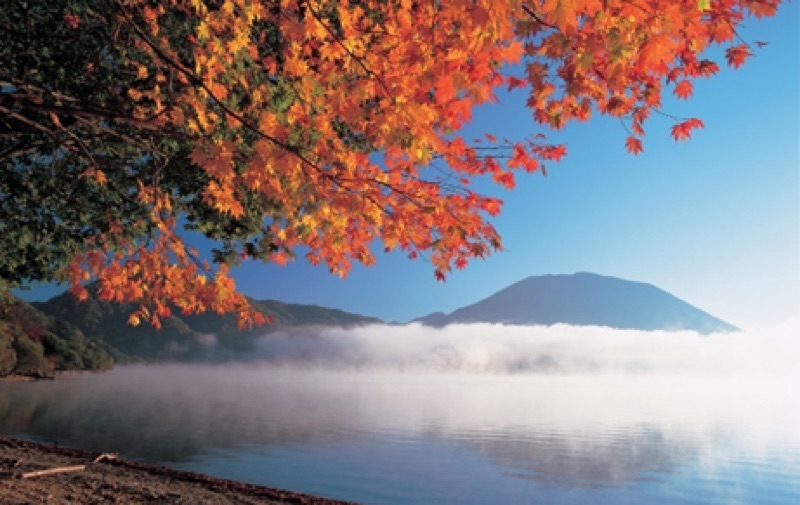
A day trip to one of Japan's most spectacular autumn foliage destinations — ornate shrines, sacred bridges, and mountains ablaze with color.
Train to Nikko
Take the Tobu Railway from Asakusa Station (limited express Revaty, ¥2,800, ~2 hours). Early November is peak koyo in Nikko — the mountain elevation means colors peak before Tokyo.
Toshogu Shrine
Japan's most lavishly decorated shrine complex, a UNESCO World Heritage site. The ornate carvings — including the famous "see no evil" monkeys and sleeping cat — are set against a backdrop of towering cedars and fiery autumn maples.
Shinkyo Bridge & Kanmangafuchi Abyss
The sacred vermillion Shinkyo bridge over the Daiya River is stunning against autumn foliage. Walk to Kanmangafuchi Abyss — a riverside trail lined with moss-covered Jizo statues (Bake Jizo), eerie and beautiful.
Lake Chuzenji & Kegon Falls
If time allows, take the bus up the winding Irohazaka road to Lake Chuzenji and the thundering 97-meter Kegon Falls. The lake is surrounded by mountains in full autumn color.
Slow Day: Coffee, Onsen & Neighborhood Life
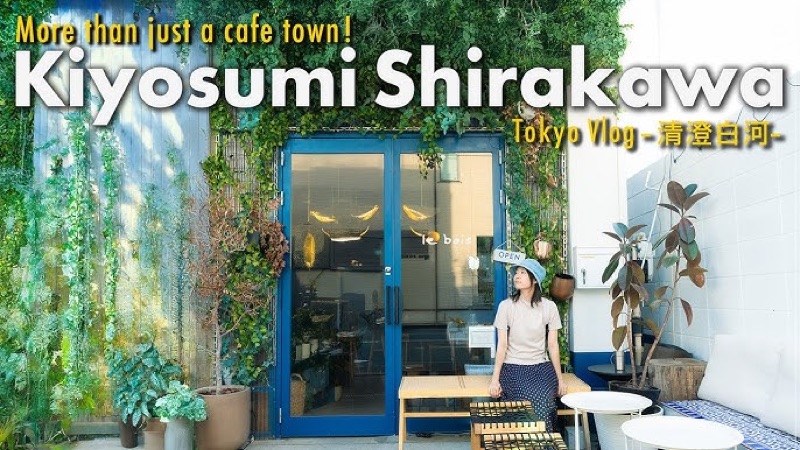
After a week of intense exploring, slow down. Sleep in, discover a local kissaten, soak in an urban onsen, and recharge.
Sleep In & Kissaten Morning
Find a local kissaten (traditional Japanese coffee shop) near your accommodation. Order a thick-slice toast set with butter, a hard-boiled egg, and pour-over coffee. Read, plan, or just watch the neighborhood wake up.
Laundry & Practical Errands
Perfect day to find a coin laundry (100-yen laundromat), stock up on convenience store essentials, and organize your photos.
Thermae-Yu Onsen (Kabukicho)
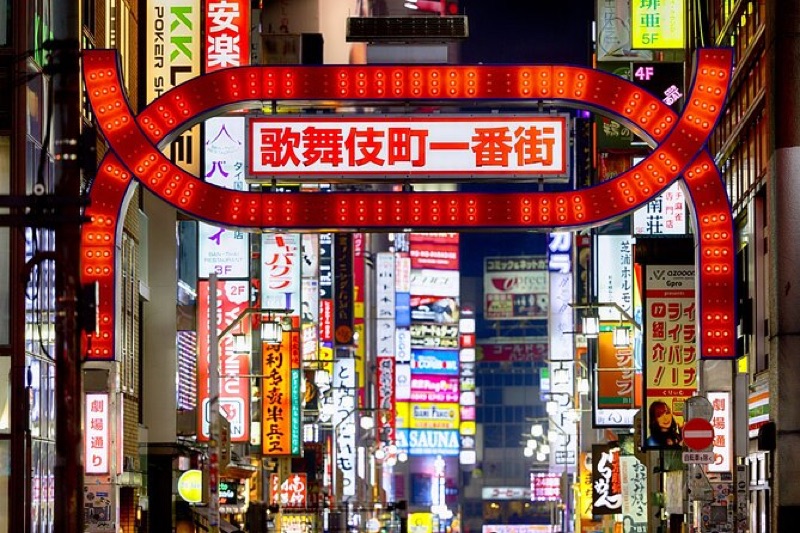
A modern onsen spa right in the heart of Shinjuku's Kabukicho entertainment district. Multiple baths (including rooftop), saunas, relaxation rooms, and a restaurant. The water is real natural hot spring piped from underground.
Evening Walk: Kabukicho & Golden Gai Scouting
While you're in the area, walk through Kabukicho's neon canyon and peek into Golden Gai — 200+ tiny bars in six narrow alleys. Tonight is just scouting; the deep dive comes later.
Roppongi: Art by Day, Party by Night
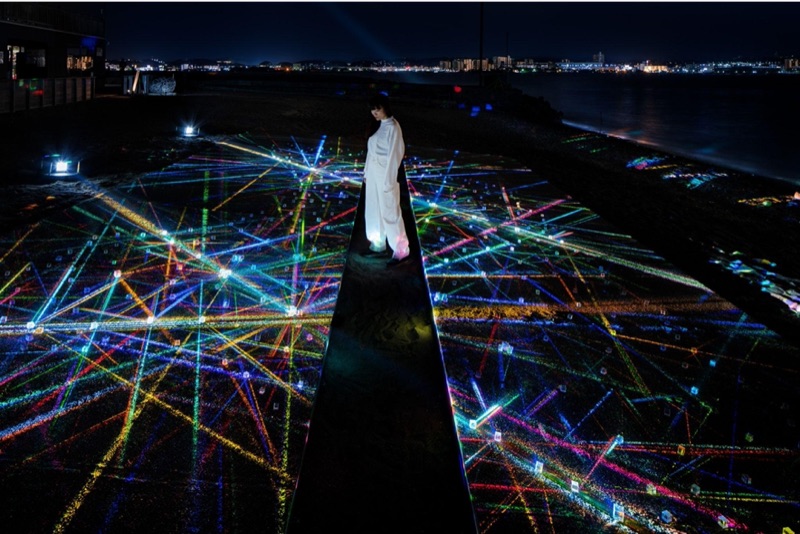
Tokyo's art triangle in the afternoon, followed by one of the city's biggest nightlife districts after dark.
teamLab Borderless (Azabudai Hills)
The world's most famous immersive digital art museum — rooms of flowing light, infinite mirrors, and interactive installations that respond to your movement. Allow 2-3 hours to get lost in it.
Mori Art Museum & Tokyo City View
Contemporary art museum on the 53rd floor of Mori Tower with panoramic city views. The rooftop Sky Deck is open-air and spectacular at sunset.
Roppongi Nightlife Crawl
Roppongi is Tokyo's most international nightlife district. Start with cocktails at a bar, then hit a club. The scene runs until 5am. Notable spots: A-Life, 1OAK, or V2 Tokyo for clubbing; Geronimo for a lively shot bar.
Azabu-Juban Late Night
If clubbing isn't your vibe, the nearby Azabu-Juban neighborhood has intimate wine bars and izakayas. Nissin World Delicatessen is open late for snacks.
Kamakura: Beach Town Temples & The Great Buddha
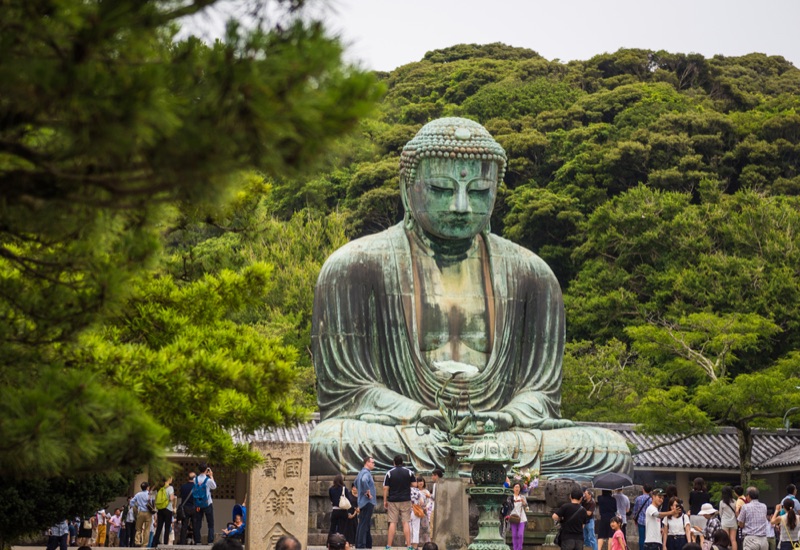
A coastal day trip to Japan's ancient capital — the Great Buddha, bamboo groves, zen temples, and a sunset beach walk.
Train to Kamakura
JR Yokosuka Line from Tokyo or Shinjuku (~60 min, ¥940). Kamakura was Japan's medieval capital and retains a powerful spiritual atmosphere with over 65 temples and shrines.
Tsurugaoka Hachimangu Shrine
Kamakura's main shrine, reached via a long approach road lined with shops. The complex sits atop a hill overlooking the whole town — gorgeous autumn colors on the surrounding trees.
Bamboo Temple: Hokokuji (竹寺)
A Zen temple famous for its serene bamboo grove — over 2,000 bamboo stalks create a mesmerizing green tunnel. Sit in the tea house with matcha (¥600) overlooking the grove.
Great Buddha (Kotoku-in)
The iconic 13-meter bronze Amida Buddha, cast in 1252. Originally housed inside a temple, a tsunami in 1498 swept away the building, leaving the Buddha sitting peacefully outdoors ever since.
Yuigahama Beach Sunset
End the day with a walk along Kamakura's main beach. In November, the crowds are gone and the sunset over the Pacific is serene.
November Grand Sumo Tournament — Opening Day!
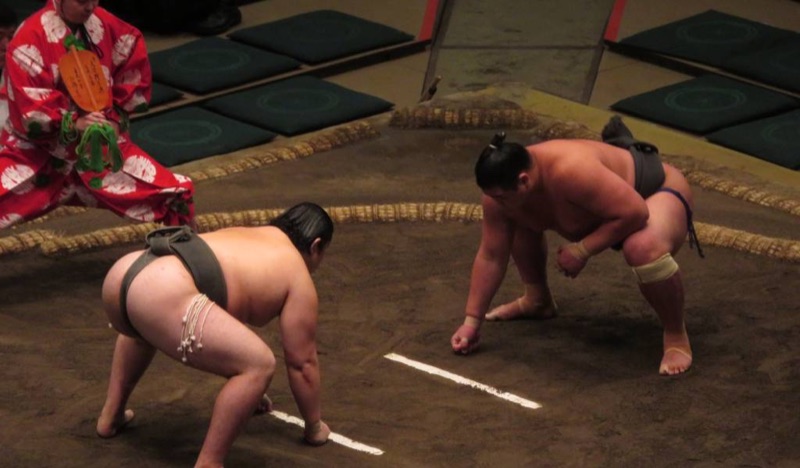
The November basho opens today at Ryogoku Kokugikan. Experience Japan's national sport — the rituals, the pageantry, the thunderous clashes.
November Grand Sumo Tournament
A full day at the sumo arena. Lower-ranked bouts start at 8:30am but the main action begins after 3pm with the top-ranked makuuchi wrestlers. The ring-entering ceremonies, salt-throwing rituals, and earth-shaking matches are absolutely electric. Stay for the bow-twirling ceremony at the end (~6pm).
Stadium Atmosphere & Chanko
The stadium sells bento, beer, and yakitori. The atmosphere is incredible — passionate fans, referees in Heian-period costumes, and the hair-styling ceremonies are fascinating between bouts.
Tokyo Tower, Temples & Ebisu Evenings
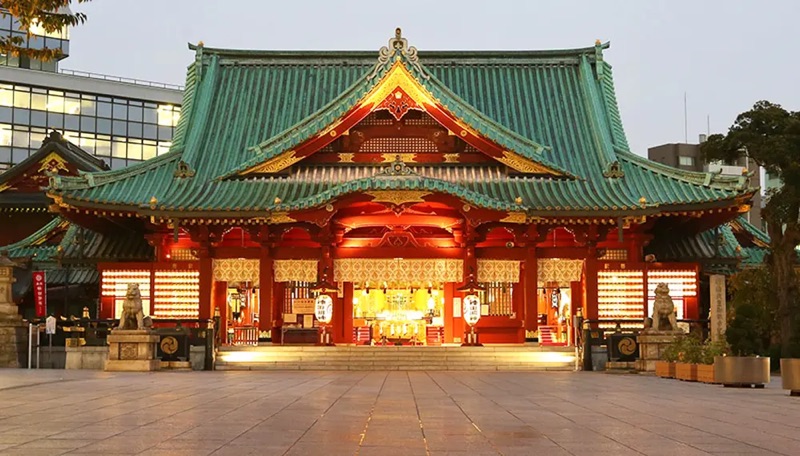
Classic Tokyo Tower views, a peaceful temple, and the sophisticated neighborhood of Ebisu for craft beer and dinner.
Zojoji Temple & Tokyo Tower
Zojoji is a major Pure Land Buddhist temple with the iconic Tokyo Tower rising directly behind it — one of the most photographed views in the city. The rows of small Jizo statues with pinwheels are poignant and beautiful.
Shibakoen & Shiba Toshogu
A quiet park around Zojoji with autumn trees and the small but pretty Shiba Toshogu shrine — a mini version of the famous Nikko shrine.
Ebisu Garden Place & Photography Museum
A sophisticated complex with the Tokyo Photographic Art Museum (excellent exhibitions), shops, and restaurants. The brick-lined courtyard is elegant.
Ebisu Craft Beer Scene
Ebisu is Tokyo's craft beer capital. Baird Beer Taproom has 15 taps of Japanese craft beer, or try Yona Yona Beer Works for a livelier atmosphere.
Hakone: Hot Springs, Mt. Fuji & Autumn Lake
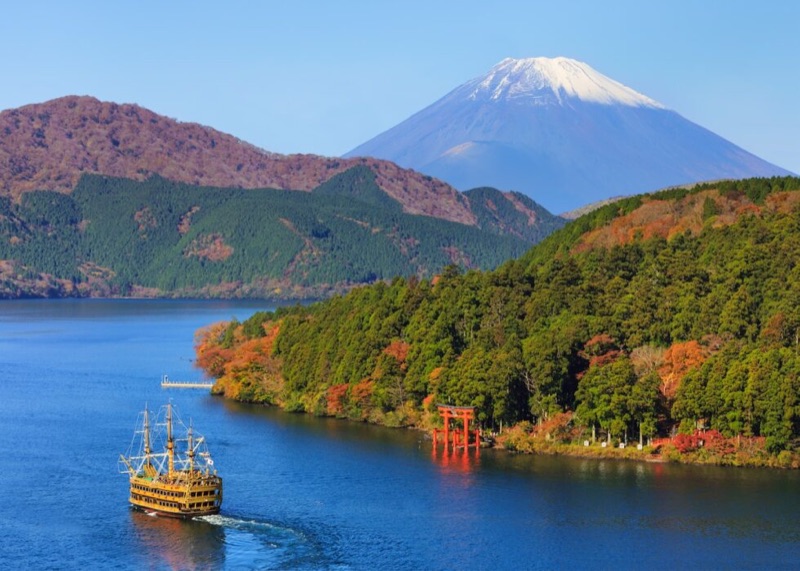
A rejuvenating day trip to Hakone — pirate ship on Lake Ashi, sulphur valley, cable car views, and a proper onsen soak with Mt. Fuji in the background.
Romancecar to Hakone
Take the Odakyu Romancecar from Shinjuku — a scenic limited express with mountain views. The Hakone Free Pass (¥6,100, 2-day) covers the Romancecar plus all Hakone transport.
Hakone Ropeway & Owakudani Valley
Ride the aerial tramway over the steaming, sulphurous Owakudani valley. Eat the famous black eggs (kuro-tamago) — volcanic-boiled and said to add 7 years to your life. On clear days, Mt. Fuji looms behind the valley.
Lake Ashi Pirate Ship Cruise
Take the replica pirate ship across Lake Ashi. In November, the surrounding mountains are blazing with autumn color reflected in the lake. If Fuji is visible, the view from the boat is iconic.
Hakone Onsen Soak
End the day at a traditional ryokan or day-use onsen. Tenzan Tohji-kyo is an excellent outdoor onsen with multiple pools nestled in the forest. Or splurge on Hakone Yuryo for a luxury experience.
Shinjuku Deep Dive & Golden Gai Night
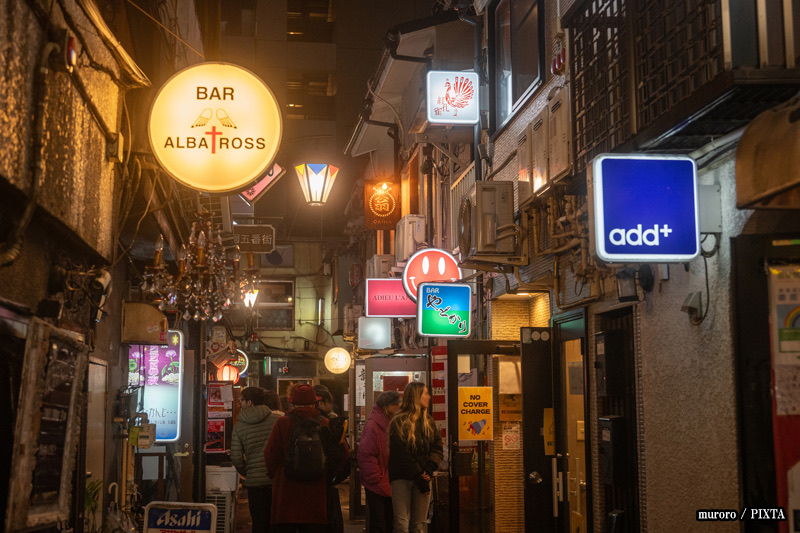
Explore Shinjuku's many layers — the government building viewpoint, ramen street, department stores, and an epic Golden Gai bar crawl.
Tokyo Metropolitan Government Building
Free 45th-floor observation deck with panoramic Tokyo views — Mt. Fuji visible on clear days. Zero cost, zero crowds compared to paid alternatives.
Shinjuku Department Store Food Halls
Isetan and Takashimaya depachika (basement food floors) are culinary wonderlands — wagashi, French pastries, bento, cured meats, and endless free samples.
Shinjuku Ramen Street (Ramen Yokocho)
In the basement of the Odakyu Ace building, several top ramen shops compete for your attention. Quick, delicious, and you can compare styles.
Golden Gai Bar Crawl
Six narrow alleys packed with 200+ tiny bars, each seating 5-8 people. This is the real magic of Tokyo nightlife. Some bars have themes (jazz, punk, film, literature), some have cover charges (¥500-1,000). Duck into 4-5 bars over the evening. Start around 9pm when they fill up.
Late Night Karaoke
If the night is going strong, finish with karaoke. Karaoke Kan in Kabukicho is where the Lost in Translation scene was filmed.
Japanese Cooking Class & Imperial Gardens
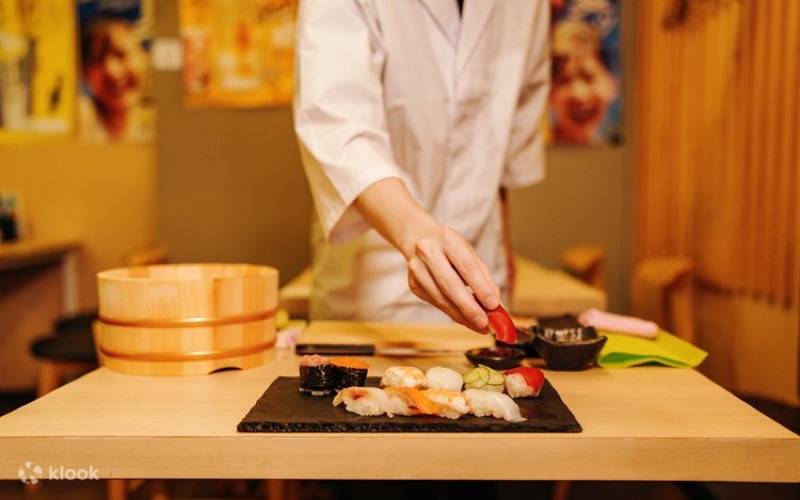
Learn to make ramen, gyoza, or sushi from scratch in the morning, then explore the Imperial Palace gardens in peak early-autumn beauty.
Japanese Cooking Class
A hands-on cooking class is one of the best experiences in Tokyo. Learn to make ramen from scratch (including the broth!), hand-fold gyoza, or prepare sushi. Most classes last 2-3 hours and include eating your creation.
Imperial Palace East Gardens
The only publicly accessible section of the Imperial Palace grounds. Beautiful Japanese gardens with early autumn foliage, remnants of Edo Castle walls, and the Ninomaru Garden with its stunning trees.
Marunouchi & Tokyo Station
Tokyo's business district has gorgeous red-brick Tokyo Station (1914), tree-lined Marunouchi Naka-dori (being lit up for winter illumination soon), and the excellent KITTE shopping center.
Mt. Takao: Autumn Hike & Mountain Temple
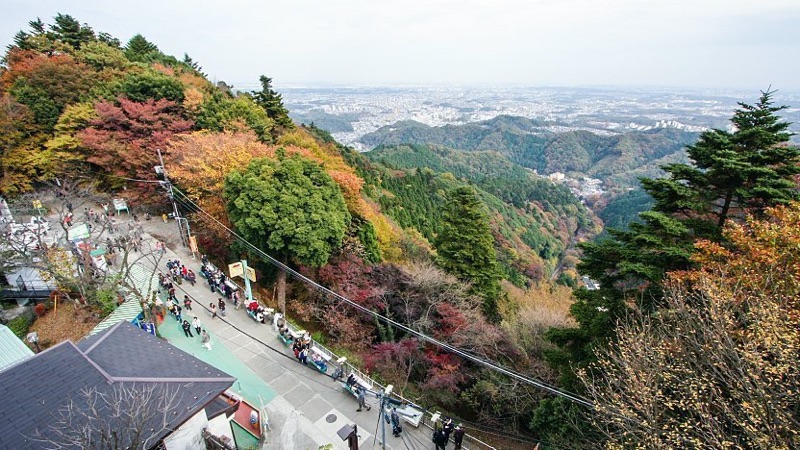
A sunrise hike through blazing autumn foliage to the summit of Tokyo's favorite mountain — sacred temples, mountain soba, and forest bathing.
Train to Mt. Takao
Keio Line from Shinjuku to Takaosanguchi (47 min, ¥390). Mt. Takao (599m) is the most popular hiking destination near Tokyo and mid-November is peak autumn color — the entire mountain blazes red and gold.
Trail 1 Hike to Summit
Trail 1 (Omotesando) is the main route — paved, with the atmospheric Yakuoin Temple halfway up. The trail passes through a tunnel of maples that are spectacular in November. ~90 minutes to summit.
Yakuoin Temple
A 1,200-year-old Buddhist temple complex built into the mountainside. Tengu (long-nosed goblin) statues guard the entrance. The autumn foliage around the temple buildings is some of the best on the mountain.
Summit & Beyond
The summit has panoramic views including Mt. Fuji on clear days. If you're feeling strong, continue along the ridgeline to Mt. Jinba (4 hours round trip) through pristine forest.
Toyosu Market Dawn & Odaiba Futurism
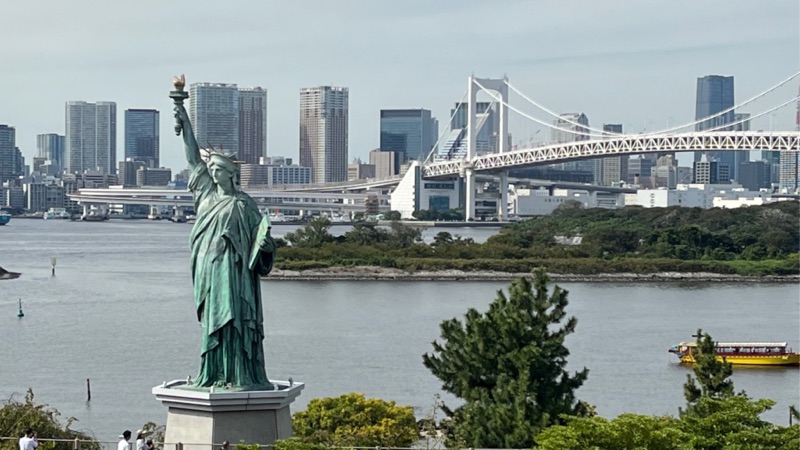
Early morning tuna auction at the new fish market, then cross to Odaiba for waterfront parks, robot restaurants, and futuristic attractions.
Toyosu Fish Market Tuna Auction
The world's largest fish market moved here from Tsukiji in 2018. Watch the tuna auction from a glass-enclosed gallery — massive frozen tuna going for tens of thousands of dollars. Book the tuna auction tour online in advance.
Toyosu Market Restaurants
The market restaurants serve the freshest sushi in Tokyo. Sushi Dai and Daiwa Sushi moved here from Tsukiji — same legendary quality, slightly less cramped.
Odaiba Seaside Park
Cross Rainbow Bridge to the artificial island of Odaiba. The waterfront park has a replica Statue of Liberty, beach, and stunning views of the Tokyo skyline across the bay.
MEGA Web / Miraikan Science Museum
Miraikan (National Museum of Emerging Science) has fascinating exhibits on robotics, AI, and space exploration — including ASIMO demonstrations.
Golden Ginkgo Avenue & Aoyama Afternoon
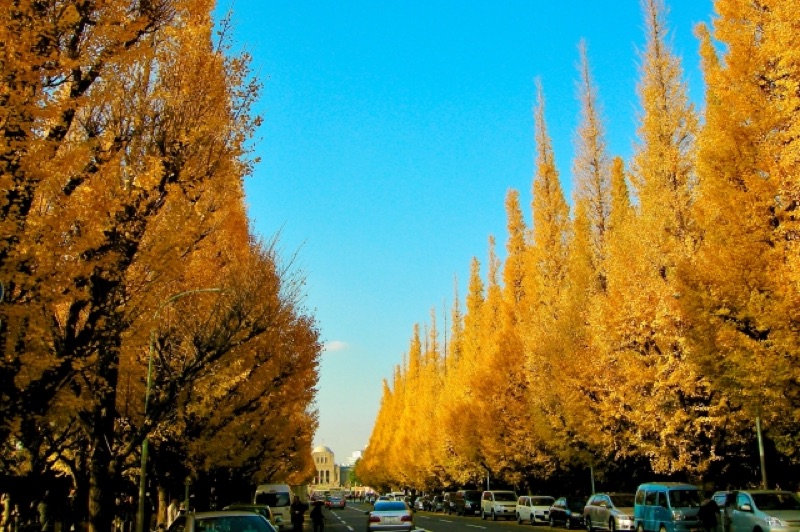
Tokyo's most famous autumn spectacle — the golden ginkgo tree avenue at Meiji Jingu Gaien, followed by trendy Aoyama's galleries and cafés.
Meiji Jingu Gaien Ginkgo Avenue 🍂
THE iconic autumn sight in Tokyo. A 300-meter avenue lined with 146 ginkgo trees that turn brilliant golden yellow in mid-November. The golden tunnel effect with fallen leaves carpeting the ground is breathtaking. Go early morning for the best light and thinnest crowds.
Meiji Jingu Gaien Park
The broader park area around the avenue has sports facilities, nice walking paths, and autumn trees. The Meiji Memorial Picture Gallery is an elegant building worth photographing.
Aoyama Gallery Hop
Aoyama is Tokyo's most fashion-forward neighborhood with excellent galleries. Spiral Building has rotating exhibitions. Nezu Museum combines art with a gorgeous traditional garden — perfect in autumn.
Aoyama & Omotesando Cafés
This area has Tokyo's best specialty coffee scene. Blue Bottle Coffee, Koffee Mameya, and % Arabica are all within walking distance.
Slow Day: Nakameguro Canal & Daikanyama Books
A chill day along the canal — autumn trees reflected in the water, the world's most beautiful bookstore, and cozy cafés.
Nakameguro Canal Walk
Famous for cherry blossoms in spring, but equally gorgeous in autumn when the trees turn golden and red. The canal-side path is lined with independent boutiques, cafés, and restaurants.
Onibus Coffee & Neighborhood Cafés
Nakameguro has some of Tokyo's best third-wave coffee. Onibus Coffee, Blue Bottle, and Sidewalk Stand are all excellent.
Daikanyama T-Site (Tsutaya Books)
Often called the world's most beautiful bookstore — three interconnected buildings housing books, music, films, and a gorgeous Starbucks. The architecture by Klein Dytham is stunning. Browse for hours.
Daikanyama Boutique Walk
Tokyo's most sophisticated small neighborhood — independent fashion boutiques, design shops, and quiet tree-lined streets. It feels like a village within the city.
Yokohama: Chinatown, Ramen & Waterfront
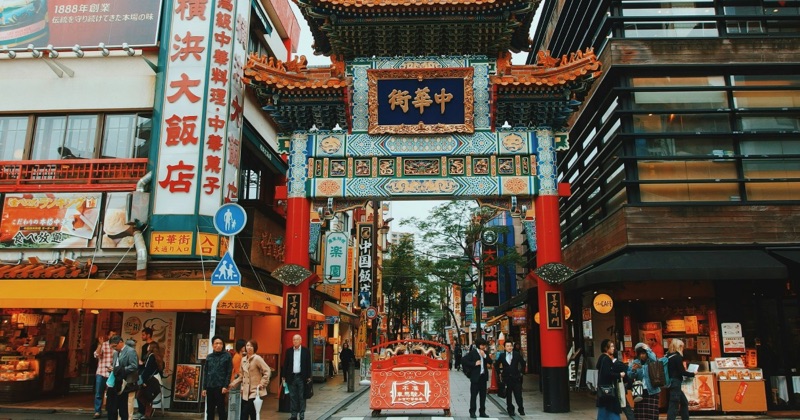
Japan's largest Chinatown, the Cup Noodles Museum, Sankeien Garden autumn foliage, and a stunning waterfront sunset.
Train to Yokohama
JR from Shinjuku or Shibuya — 30 minutes to Yokohama Station, or direct to Motomachi-Chukagai for Chinatown.
Yokohama Chinatown
Japan's largest and most vibrant Chinatown — over 500 shops and restaurants in a colorful, gate-lined neighborhood. Famous for nikuman (steamed buns), xiaolongbao, and Peking duck.
Sankeien Garden 🍂
A spectacular traditional garden with historical buildings relocated from Kyoto and Kamakura. In mid-November, the maples and ginkgos are at peak color — the three-story pagoda reflected in the pond with autumn foliage is iconic.
Cup Noodles Museum
Interactive museum where you learn about instant ramen's history and create your own custom Cup Noodles — choose your soup base, toppings, and design the cup. Fun and uniquely Japanese.
Sake Tasting, Tea Ceremony & Traditional Tokyo
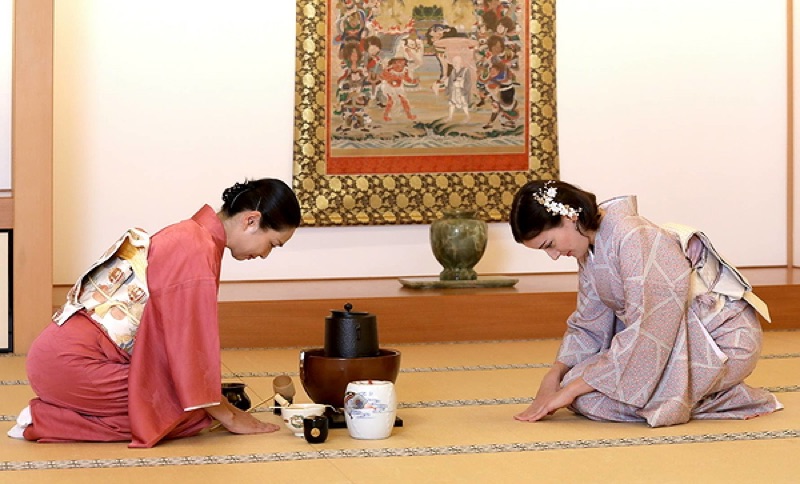
A deep dive into Japanese drinking and tea culture — sake brewery visits, a traditional tea ceremony, and an evening of nihonshu appreciation.
Tea Ceremony Experience
A proper tea ceremony (chado) is a profound meditation on mindfulness, beauty, and impermanence. Many tea houses offer 60-90 minute sessions where you learn the rituals, taste matcha, and appreciate the aesthetics.
Nihonbashi Heritage Walk
Tokyo's original commercial center — the "Bridge of Japan" where all distances in Japan were once measured. The area retains Edo-era atmosphere with traditional shops selling hand-made knives, fans, and paper.
SAKE Scene Museum & Tasting
Kurand Sake Market in Ikebukuro lets you taste over 100 different sake for one entry fee (all-you-can-drink for 30 min). Or visit Japan Sake and Shochu Information Center near Shimbashi for free tastings and education.
Evening Sake Bar Crawl
Sake bars are a different vibe from izakayas. GEM by Moto in Ebisu is world-class. Stands Ginjo in Shinbashi is a standing sake bar. Ponshukan in Tokyo Station has a sake vending machine wall with 100+ options.
Rikugien: Illuminated Autumn Masterpiece
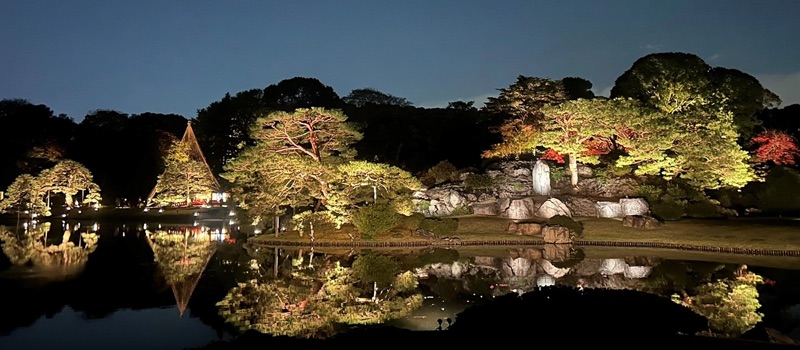
Tokyo's most beautiful traditional garden hosts its legendary autumn illumination — crimson maples lit up and reflected in the central pond. One of the trip's peak experiences.
Sugamo "Grandma's Harajuku"
A charming shopping street nicknamed "Grandma's Harajuku" — the clientele is mostly elderly Tokyo residents and the street has retained a wonderfully old-school atmosphere with traditional sweets, mochi shops, and healing temples.
Koishikawa Korakuen 🍂
One of Tokyo's oldest and most beautiful gardens (1629). The autumn colors here are spectacular — particularly the weeping cherry trees turned golden and the crimson maples around the Full Moon Bridge. Less crowded than Rikugien.
Rikugien Gardens Autumn Illumination 🍂✨
THE autumn event in Tokyo. Rikugien's masterful Edo-period garden is illuminated after dark, transforming the crimson maples, weeping cherries, and central pond into a mesmerizing light show. The reflection of lit-up autumn trees in the still water is breathtaking. Arrive at opening time (5:30pm) for the shortest lines.
Kawagoe: Little Edo Time Warp
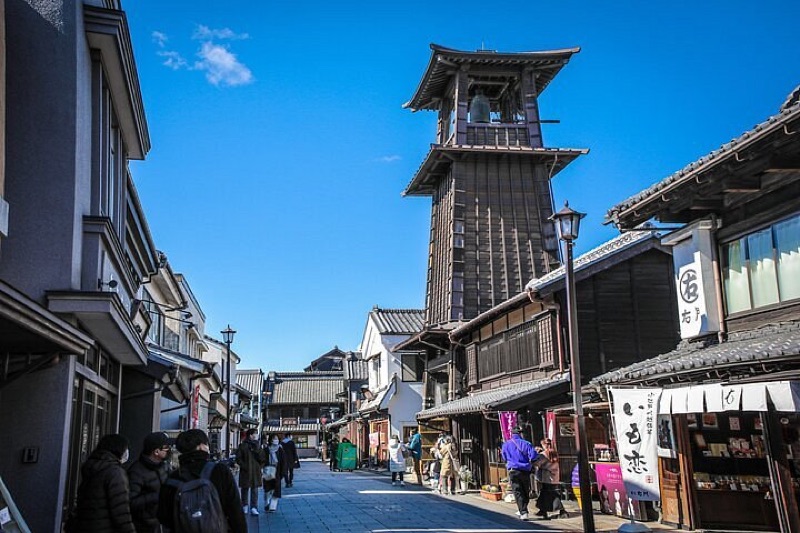
A day trip to "Little Edo" — a preserved Edo-period merchant town with clay-walled warehouses, sweet potato everything, and the ancient Bell Tower.
Train to Kawagoe
Tobu Tojo Line from Ikebukuro (30 min, ¥480) or Seibu Shinjuku Line (60 min). Kawagoe was a prosperous merchant city in the Edo period and has preserved its old storehouse district beautifully.
Kurazukuri Street (Warehouse District)
The main street is lined with clay-walled, fireproof merchant warehouses (kurazukuri) dating from the 1800s. Now housing shops, cafés, and museums, it's like walking through the Edo period.
Kashiya Yokocho (Penny Candy Alley)
A charming alley of traditional sweet shops selling old-fashioned Japanese candy, sweet potato snacks, and nostalgia. Try the enormous 95cm-long fuka-senbei crackers.
Kitain Temple & Gohyaku Rakan
A major temple housing the only surviving rooms from Edo Castle (moved here in 1638). The 500 Rakan statues — each with a unique expression — are fascinating and photogenic.
Return to the Ring & Asakusa After Dark
Catch the final days of the November sumo tournament, then explore Asakusa's nighttime charm — illuminated Senso-ji and hidden speakeasies.
November Sumo Tournament — Final Days
The tournament's final days (days 13-15) have the highest stakes — wrestlers fighting for the championship. The energy in the arena is incredible. Top bouts start around 3:30pm.
Sumo Souvenir Shopping
The shops around Kokugikan sell sumo-themed souvenirs — hand towels (tenugui) with wrestler prints, sumo figurines, and chanko spice mixes.
Senso-ji at Night
After the tourist crowds leave, Senso-ji is illuminated and almost empty. The five-story pagoda glows orange against the night sky, and Nakamise-dori is shuttered and atmospheric. A completely different experience from daytime.
Asakusa Hidden Bars
Asakusa has a growing cocktail scene. Bunka Hostel's bar has great drinks with Skytree views. Kamiya Bar (est. 1880) is Tokyo's oldest Western-style bar — try the Denki Bran cocktail.
Lake Kawaguchi: Fuji with Autumn Foliage
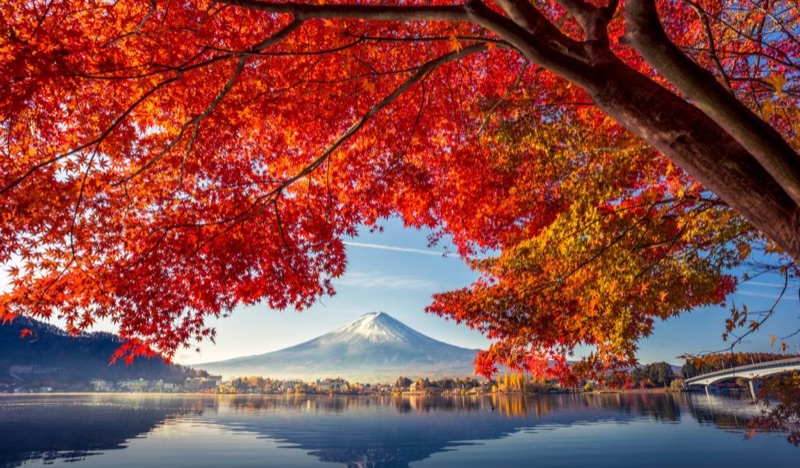
One of Japan's most iconic views — Mt. Fuji reflected in Lake Kawaguchi, framed by blazing autumn maples. Peak koyo at the lake usually hits mid-to-late November.
Bus to Lake Kawaguchi
Keio Bus direct from Shinjuku Expressway Bus Terminal (90 min, ¥1,800 one-way). Or JR Chuo Line to Otsuki, then Fujikyu Railway to Kawaguchiko.
Momiji Corridor (Maple Leaf Corridor) 🍂
The north shore of Lake Kawaguchi has a famous stretch of maple trees (100+ trees) that create a tunnel of red and gold. This is arguably the most photographed spot in Japan for autumn foliage — crimson maples with Mt. Fuji as the backdrop. Peak is mid-to-late November.
Lake Kawaguchi Boat Cruise
A short boat cruise on the lake gives you the classic Fuji reflection view. The red maple trees along the shore and the reflected snow-capped peak make for one of Japan's most beautiful photographs.
Chureito Pagoda
The five-story Chureito Pagoda atop 398 stone steps offers one of Japan's most famous views — Fuji framed by the pagoda. The surrounding maple trees are crimson in November.
Jazz Bars & The Ultimate Ramen Day
A self-guided ramen research mission across three legendary bowls, followed by Tokyo's best jazz bars after dark.
Ramen Research Mission
With a month in Tokyo, you can do a proper ramen deep dive. Today's mission: three different ramen styles across three legendary shops. Space them out over the afternoon.
Shinjuku Afternoon
Walk through Shinjuku's various neighborhoods before the jazz evening. The Takashimaya Times Square building has a great food floor and observation area.
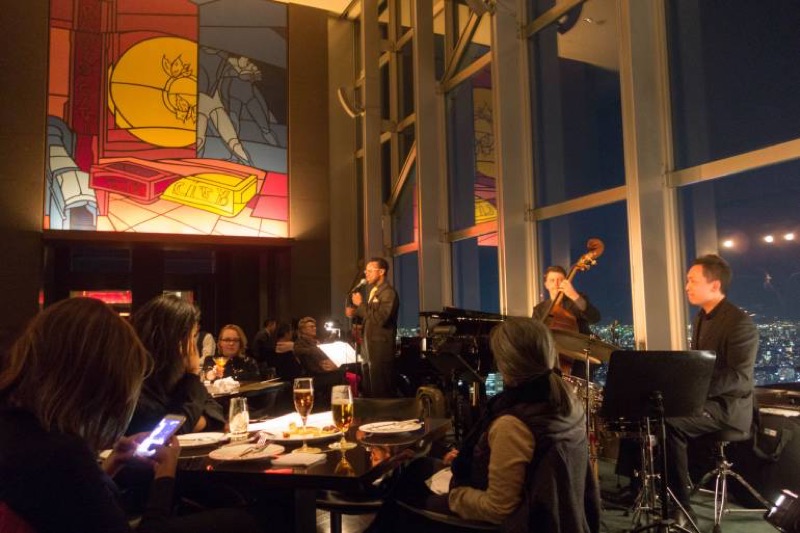
Tokyo Jazz Night
Tokyo has a world-class jazz scene rooted in post-WWII culture. Top picks: Shinjuku Pit Inn (legendary small club since 1965 — two shows nightly at 2:30pm and 7:30pm), Body & Soul in Minami-Aoyama (intimate and upscale), DUG in Shinjuku (classic jazz kissaten since 1966).
Nonbei Yokocho (Shibuya)
Tokyo's other famous bar alley — "Drunkard's Alley" near Shibuya is a quieter, more local version of Golden Gai. Intimate wood-paneled bars, jazz and blues, regular clientele.
Ikebukuro: Sunshine City, Anime & Great Views
Tokyo's second otaku hub — J-World theme park, the tallest building with free views, Jiyugaoka sweets, and a final Toshimaen garden visit.
Sunshine City & Sunshine 60 Observatory
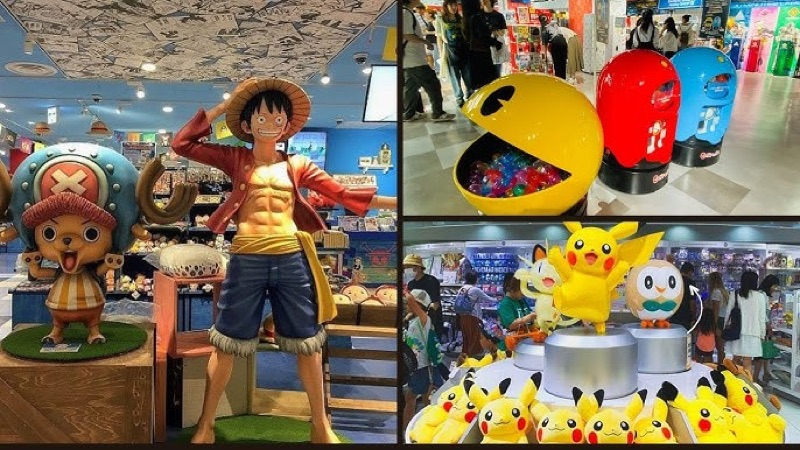
Sunshine 60 was Tokyo's tallest building in 1978 and still offers spectacular views from the 60th floor. The attached Sunshine City complex has the fascinating Ancient Orient Museum, Pokémon Center Mega, and an indoor theme park.
Ikebukuro Otome Road
Ikebukuro is the female counterpart to Akihabara's male-dominated otaku scene. Otome Road (Maiden Road) is lined with shops for anime figures, BL manga, cosplay, and idol merchandise.
Jiyugaoka Sweets Walk
Tokyo's European-styled sweets district, famous for Mont Blanc (chestnut cream desserts), French pastries, and charming café alleys. Montblanc and Bûche de Noël shops line the streets.
Free Afternoon in Ikebukuro
Use the afternoon to shop, explore, or get a final onsen session. Spa LaQua in Tokyo Dome City is a spectacular day spa with indoor/outdoor onsen, saunas, and a roller coaster view.
Final Dispatch: Ginza Shopping & Farewell Dinner
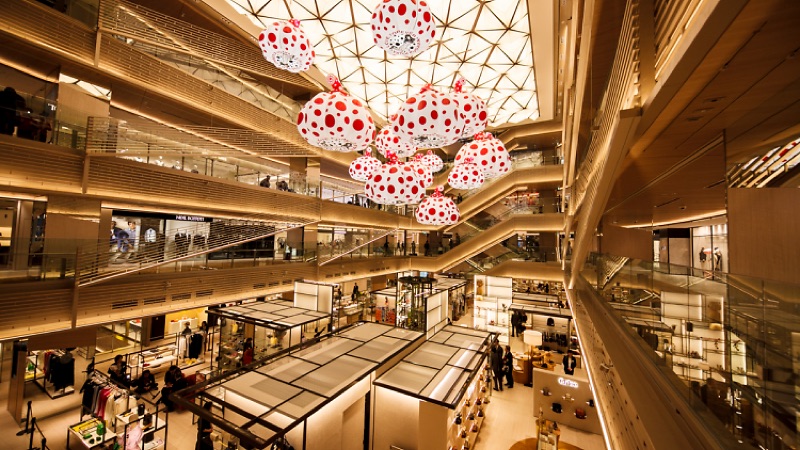
Last full day — gather final souvenirs, revisit favorite spots, and end with a proper farewell omakase dinner.
Souvenirs & Final Food Hall Raid
Final round of souvenir shopping. Best spots: Tokyu Hands for quirky Japanese goods (kitchenware, stationery, beauty), Loft for design goods, and the Ginza/Mitsukoshi depachika for premium food gifts.
Kappabashi Kitchen Town
The wholesale kitchen district near Asakusa — entire blocks of restaurants supply shops selling knives, ceramics, lacquerware, and the famous plastic food replicas used in restaurant windows. Best knife souvenir destination in Japan.
Final Stroll Through Your Favorite Neighborhood
Walk through Shinjuku, Asakusa, Nakameguro, or wherever became your favorite spot in these 30 days. Take your time. Notice the details.
Sayonara, Tokyo
A gentle final morning, last bites, and the journey home — carrying 30 days of memories.
Final Morning Walk
Wake up early one last time. Walk through your neighborhood as the city comes alive — the bread vans making deliveries, the convenience stores freshening their shelves, salarymen in suits heading to work. Tokyo in the morning has a particular magic.
Packing & Checkout
Pack carefully — you've probably accumulated a lot! If your bags are heavy, send them ahead via luggage delivery service (takkyubin) from a convenience store to the airport.
🏨 Where to Stay
- Shinjuku — central hub, close to everything (Shinjuku Granbell Hotel ~¥15,000/night)
- Asakusa — traditional neighborhood feel, excellent access (Nohga Hotel ~¥18,000/night)
- Nakameguro — hip and stylish, good nightlife access (Claska Hotel ~¥20,000/night)
- Shibuya/Daikanyama — trendy and central (Trunk Hotel ~¥30,000/night)
- With 30 days, consider splitting your stay between 2 neighborhoods — Shinjuku for the first half, Nakameguro/Shibuya for the second
✈️ Getting to/from the Airport
- From Narita: Narita Express (N'EX) to Shinjuku 80 min, ¥3,250 · Keisei Skyliner to Ueno 36 min, ¥2,520
- From Haneda: Keikyu Line direct to Shinjuku ~35 min, ¥660 · Tokyo Monorail to Hamamatsucho 20 min
- Luggage delivery: Yamato Transport (クロネコヤマト) at airport arrivals — ship bags to your hotel for ¥1,500-3,000, arrives next day
📱 Connectivity
- Rent a pocket Wi-Fi at the airport (¥500-900/day, unlimited) — easiest option
- Buy an eSIM before arrival — IIJmio or Ubigi (¥2,000 for 15GB/30 days)
- Free Wi-Fi at most konbini, stations, cafés, and hotels
🎌 Etiquette Essentials
- Never tip — it's considered rude in Japan
- Be quiet on trains — no phone calls, keep voice low
- Remove shoes at temples, some restaurants, and all homes
- Don't eat while walking (except at festivals and designated food areas)
- Queue properly — the Japanese queue culture is an art form
- Carry a small handkerchief — many restrooms don't have paper towels
🍂 Autumn Foliage Calendar
- Late October: First color in Nikko and higher elevations
- Early November (1-7): Nikko peak · First color in Tokyo (Yanaka Cemetery, temple grounds)
- Mid-November (8-15): Ginkgo trees peak · Rikugien begins illumination · Shinjuku Gyoen maples start
- Late November (16-26): FULL PEAK in Tokyo · Rikugien, Koishikawa Korakuen, Meiji Jingu Gaien all at maximum · Lake Kawaguchi peak
🚂 Day Trip Rail Guide
- Nikko: Tobu from Asakusa, 2hr, ¥2,800 with Nikko All Area Pass
- Kamakura: JR from Tokyo/Shibuya, 55-65 min, ¥940
- Hakone: Odakyu Romancecar from Shinjuku, 85 min, ¥2,100-2,700 · Get the Hakone Free Pass ¥6,100 (2-day)
- Kawagoe: Tobu from Ikebukuro, 30 min, ¥480
- Yokohama: JR from Shibuya, 30 min, ¥290
- Lake Kawaguchi: Highway bus from Shinjuku Busta, 90 min, ¥1,800 — book ahead