🇯🇵 Your Custom Itinerary

Japan in Bloom: 21 Days of Food, Temples, Onsen & Soft Adventure: Three spring weeks for two, from Tokyo neon and Hakone baths to Kyoto lantern alleys, Miyajima trails, and a sakura-leaning Tokyo finale

March is one of Japan's most beautiful in-between seasons: plum blossoms linger, the air is crisp but gentle, hot springs still feel perfect at night, and by late month the first cherry blossoms begin teasing the big cities. This route gives you the full emotional spectrum of a first big Japan trip for two, without turning it into a death march. You get Tokyo energy, Hakone calm, Kanazawa craft, Takayama mountain charm, Kyoto depth, Osaka food, Hiroshima perspective, Miyajima nature, and one last Tokyo stretch timed for early spring atmosphere. It's balanced for adventure, cultural immersion, memorable meals, and enough slower afternoons to actually enjoy each place instead of just collecting train tickets.

Duration: 21 days / 20 nights
Dates: Mar 6 – Mar 26, 2027
Budget: $$–$$$ with a few well-placed splurges
Pace: Balanced
Best for: Couples, first-time Japan trips, food lovers, culture seekers, soft-adventure travelers

⚡ Before You Go — Essentials

🚄 Rail Game Plan

This is a classic long-distance route, so build the trip around smart train days instead of constant hotel changes. Buy Shinkansen tickets for the long legs once you land, use an IC card for city transit, and pack light enough that luggage forwarding feels like a luxury, not a necessity.

🌸 March Timing

Early March is more about plum blossoms, crisp weather, and onsen comfort than full sakura. By the final week, Tokyo and Kyoto can start showing early cherry bloom activity, so the route deliberately saves a softer Tokyo finale for the end.

♨️ Book the Splurges Early

Lock in the Hakone ryokan, Kinosaki Onsen stay, teamLab Planets, and any kaiseki or sumo session as soon as flights are set. Those are the pieces most likely to sell out or lose the best time slots.

💴 Cash + Cards

Japan is far more card-friendly than it used to be, but cash still matters for temples, markets, bathhouses, and smaller eateries. Carry a working credit card plus some yen, and use 7-Eleven or Japan Post ATMs when needed.

🧳 Luggage Strategy

Forward the big suitcases at least twice: Hakone to Kyoto, then Kyoto or Osaka to Tokyo. It makes mountain-town transitions, station transfers, and the Miyajima leg dramatically more pleasant.

🍣 Dining Style

Since your preference is “mix of everything,” the plan intentionally rotates between market breakfasts, casual noodle shops, izakaya nights, regional specialties, and one or two higher-end meals so it feels fun instead of repetitive.

Day 1 Asakusa · Ueno · Sumida River

Arrival in Old Tokyo, Lantern Light & a Gentle First Night
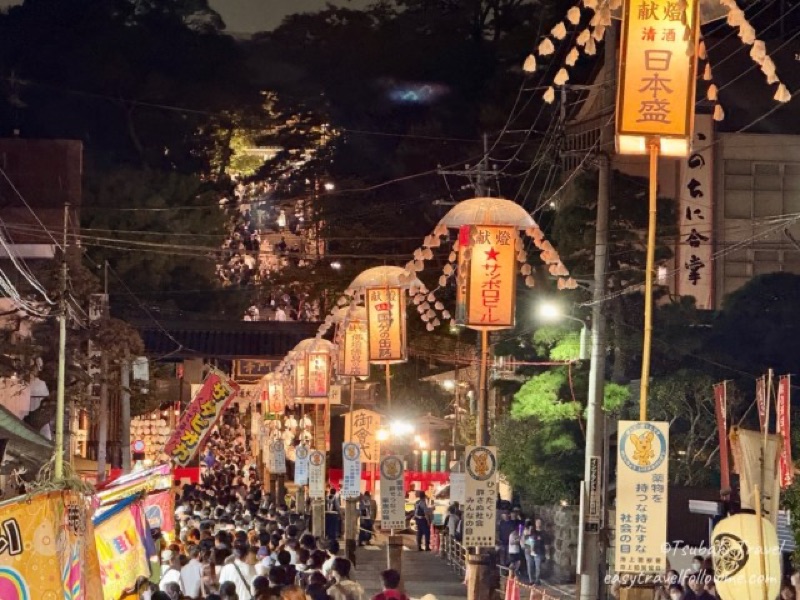
Arrival in Old Tokyo, Lantern Light & a Gentle First Night, Japan

Keep the first day emotionally rich but physically easy. Stay on Tokyo's east side, where temple streets, market lanes, and river walks give you the thrill of arrival without demanding too much after a long flight.

Afternoon

Check In Around Asakusa or Ueno

Base yourselves somewhere simple and connected, ideally near the Ginza Line or JR Yamanote. That keeps the first 48 hours easy and puts you close to Tokyo's most atmospheric low-key evening walks.

🏨 Good arrival zones: Asakusa for old-Tokyo charm, Ueno for rail convenience
🚇 Pick up Suica / Pasmo or add one to your phone on arrival
🛁 If jet lag hits hard, choose a hotel with a public bath or deep soaking tub

Ease Into the City at Senso-ji and Nakamise

Walk through Kaminarimon into Senso-ji in the late afternoon, when the shopping lane is still lively and the temple grounds start glowing. It is touristy, yes, but the energy on a first Japan night absolutely works.

⛩️ Best first-night route: Kaminarimon → Nakamise → Senso-ji → Asakusa backstreets
🍘 Snack on ningyo-yaki, melon pan, or a warm sweet potato treat
📸 The grounds feel especially good after sunset when the lanterns come on
If you are running on fumes, skip any “must-do” checklist tonight. A temple walk and an early dinner is the right move.
Evening

Riverside Stroll or a Casual Tokyo Skytree View

Walk toward the Sumida River for open air and a wide city view. The goal tonight is not to max out Tokyo. It is to feel like you are finally here.

🌃 Sumida riverside paths are easy, wide, and calming after a flight
📷 You get a clean first skyline view without needing a formal observation deck
🍽️ Dinner
Daikokuya or a similar tempura spot in Asakusa
Start with something classic and comforting: tempura, soba, or grilled skewers instead of a hard-to-book omakase. Keep it delicious, not stressful.
💰 $$ · Reserve only if you want certainty on night one
Try to stay awake until at least 9pm local time. It makes the next morning much kinder.
Day 2 Meiji Jingu · Harajuku · Omotesando · Shibuya

Tokyo Contrast Day, Forest Shrine to Neon Crosswalk

Tokyo Contrast Day, Forest Shrine to Neon Crosswalk, Japan

Today is about seeing how Tokyo flips registers effortlessly: shrine stillness, fashion streets, great coffee, people-watching, and a cinematic night view that feels earned because you walked the city all day.

Morning

Meiji Jingu Before the Crowds

Start in the forested precincts of Meiji Jingu, where the approach itself is part of the experience. It is a grounding counterpoint to the rest of the day and one of Tokyo's best morning moods.

🌲 Go early for the quietest shrine atmosphere
⛩️ The broad gravel pathways feel almost rural despite being in the middle of Tokyo
☕ Grab coffee after, not before, so the shrine remains the real opening note
☕ Breakfast
Coffee and pastries in Harajuku / Omotesando
Keep breakfast simple, then let lunch be the first real indulgence of the day.
💰 $–$$
Afternoon

Harajuku Side Streets and Omotesando Design Browsing

Skip turning the afternoon into a giant shopping mission. Wander the smaller lanes, peek into concept stores, and enjoy the design-forward side of Tokyo without trying to buy your bodyweight in souvenirs.

🛍️ Cat Street is better for wandering than just doing Takeshita Street wall-to-wall
🏙️ Omotesando is excellent for architecture, coffee, and people-watching
🍜 Save room for a proper lunch instead of random snacking all afternoon

Cross Into Shibuya for the Big-City Hit

By late afternoon, shift into Shibuya when the energy ramps up. The scramble, the screens, the station flow, and the layered streets all feel most electric once the light starts changing.

🚦 Walk the scramble once, then get above it for the second view
🎵 Shibuya works best if you let yourselves drift instead of over-planning every block
🍜 Lunch
A ramen, tonkatsu, or yakitori lunch in Omotesando / Shibuya
Tokyo rewards flexible dining. Pick the line that looks promising and move.
💰 $$
If shopping is not your thing, replace half the afternoon with Nezu Museum garden or a longer coffee stop in Omotesando.
Evening

Shibuya Sky at Dusk

This is one of the best big-view Tokyo experiences for a first trip. Go up late enough to catch the city in transition, when the sky is still readable and the lights begin taking over.

🌆 Book a timed slot around sunset
💨 Bring a layer, the rooftop gets windy
📸 Stay through blue hour, not just sunset
🍸 Dinner
Izakaya hopping in Nonbei Yokocho or nearby Shibuya backstreets
Order a spread instead of one heavy meal: skewers, sashimi, potato salad, seasonal greens, and a highball.
💰 $$–$$$ · Great first real izakaya night
Tokyo gets better when you stop chasing the “best” version of every neighborhood and just let one good evening unfold.
Day 3 Tsukiji · Hamarikyu · Toyosu · Nakameguro

Market Breakfasts, Digital Art & an Easy Tokyo Night
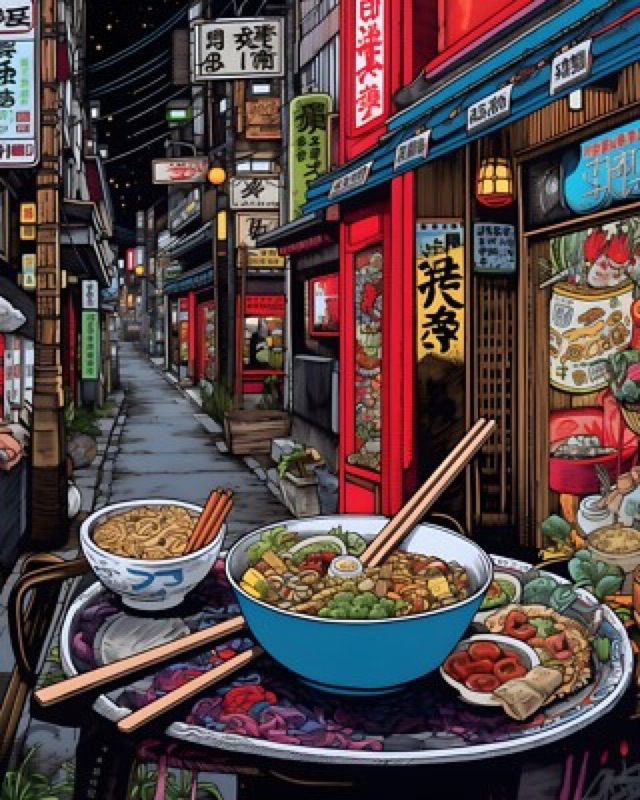
Market Breakfasts, Digital Art & an Easy Tokyo Night, Japan

Your final Tokyo opener day leans foodie and playful: market breakfast, one clean gardens-and-water break, then a modern immersive museum before an evening neighborhood that feels cooler and softer than Shibuya.

Morning

Breakfast Crawl at Tsukiji Outer Market

Come hungry and avoid overthinking it. Grilled seafood, tamagoyaki, uni bowls, coffee, and knife shops all sit side by side. This is a great “mix of everything” dining morning.

🐟 Go early enough to beat the densest crowds
🍣 Aim for 3 to 4 small bites instead of one giant bowl
🔪 Kappabashi is another option later if you want kitchenware, but Tsukiji is enough for today

Walk or Cruise Toward Hamarikyu

After the market energy, shift into Hamarikyu Gardens for breathing room. The skyline framing around the garden makes it feel distinctly Tokyo instead of just “pretty park.”

🌿 March can still bring plum blossom color here
🍵 Tea house stop is worth it if you want a slower reset
This is one of the strongest days to keep the schedule loose. Tokyo gives a lot back when you stop sprinting.
Afternoon

teamLab Planets in Toyosu

Use the afternoon for something contemporary and memorable. teamLab Planets is touristy, yes, but it genuinely lands for couples when the rest of the trip also includes temples, trains, and historic districts.

🎟️ Reserve ahead, this is not a same-minute gamble spot
🦶 Some rooms are barefoot and immersive, so dress accordingly
🍱 Lunch
Flexible seafood or donburi around Tsukiji / Toyosu
No need to force a formal lunch after a market breakfast. Follow appetite, not the clock.
💰 $$
Evening

Nakameguro or Ebisu for a More Local-Feeling Tokyo Night

Finish the Tokyo opener with a neighborhood that feels a bit less monumental and a bit more livable. Nakameguro is lovely for a riverside stroll, while Ebisu is better if dinner is the main event.

🌙 Nakameguro is especially good if early blossoms have started teasing the river
🍷 Ebisu works well for a longer dinner and one last drink without club energy
🍣 Dinner
Neighborhood sushi, izakaya, or bistro in Nakameguro / Ebisu
This is a good night for a slightly nicer dinner without needing a luxury tasting menu.
💰 $$–$$$
If you love the east side more, swap this for an evening in Kagurazaka. The itinerary can absorb that kind of preference change easily.
Day 4 Odawara · Hakone-Yumoto · Gora

Shift Gears in Hakone, Trains, Sculpture & Onsen Silence
Shift Gears in Hakone, Trains, Sculpture & Onsen Silence, Japan

Leave Tokyo before it starts feeling normal. Hakone gives you a deliberate tempo change: mountain air, slower movement, and the first true relaxation chapter of the trip.

Morning

Tokyo to Hakone by Romancecar or Shinkansen + Local Train

Travel light today and make the arrival itself part of the fun. Hakone feels best when you reach it before lunch and still have time to enjoy the ryokan before dinner.

🚄 Odawara is the practical transfer point if you do not take Romancecar direct
🧳 Forward large luggage onward if your hotel makes that easy
♨️ Prioritize a ryokan with a strong bath setup over one extra sightseeing stop
🍙 Train Lunch
Ekiben or station bento
Japan train days are better when you embrace the bento ritual instead of scrambling on arrival.
💰 $–$$
Afternoon

Hakone Open-Air Museum

Once you arrive, go straight into Hakone's art-meets-landscape mood. The Open-Air Museum is spacious, playful, and gentle on jet-lagged or travel-tired bodies.

🗿 Outdoor sculpture works even better in cool March weather than peak summer
🎨 The Picasso pavilion is worth the detour even if you are not museum maximalists

Check In and Enjoy the Ryokan Properly

Do not turn the ryokan into a place you merely sleep in. Arrive with enough time to bathe, change into yukata, snack a little, and settle into the mountain quiet.

🛁 Bath before dinner, not after, if you want the full reset effect
🍵 Most good ryokan rooms are built for lingering, so actually linger
Hakone is where you should stop proving how efficient you can be.
Evening

Kaiseki Dinner and an Early Night

Tonight is about warm food, seasonal textures, and doing very little. A well-run ryokan dinner is one of the easiest splurges on the whole route to justify.

🥢 Expect multiple small courses rather than one heavy centerpiece
🌙 If your room has a private bath, use it again before bed
🍶 Dinner
Ryokan kaiseki
Mountain vegetables, sashimi, simmered dishes, rice, pickles, and a graceful sequence rather than a rushed restaurant meal.
💰 Included with many ryokan stays or $$$ if booked separately
Day 5 Owakudani · Lake Ashi · Moto-Hakone

Volcanic Valley, Lake Ashi Views & a Second Onsen Night
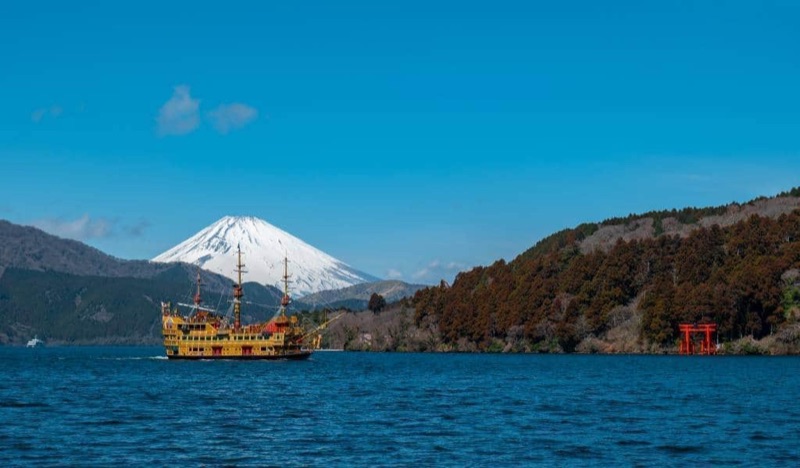
Volcanic Valley, Lake Ashi Views & a Second Onsen Night, Japan

Use today for Hakone's scenic loop, but keep your standards realistic. Weather will decide how dramatic Fuji is, and that is fine. Even on a cloudy day, this route is beautiful.

Morning

Ropeway to Owakudani

Take the ropeway into Hakone's steaming volcanic landscape. It feels genuinely wild compared with the polished calm of the ryokan experience.

🌋 Expect sulfur smell, steam vents, and shifting visibility
🥚 Try the black eggs if you want the classic Owakudani ritual
🧥 March wind up here can be sharper than you expect
Afternoon

Cruise or Ferry Across Lake Ashi

This is the most “scenic Japan trip” part of Hakone, but it still works if you approach it as a fun transit experience rather than a profound spiritual event.

⛴️ Treat the lake crossing as transport with views, not a luxury cruise
🗻 Fuji visibility is a bonus, not the only measure of success

Hakone Shrine and the Shoreline Around Moto-Hakone

Once on the lake side, slow down and enjoy the cedar-lined approach to Hakone Shrine and the quieter feel of Moto-Hakone.

⛩️ The lakeside torii is photogenic, but the wooded approach is the better part
🍦 This is also a nice place for a coffee or soft-serve pause before heading back
🍛 Lunch
Simple curry, soba, or lakeside café meal in Moto-Hakone
Nothing fancy needed. The real luxury today is the rhythm, not the reservation.
💰 $$
If visibility or ropeway closures get messy, just stay bath-forward and do less. Hakone is forgiving that way.
Evening

Second Bath Night and a Slow Dinner

The value of staying two nights is that the second one never feels rushed. You already know where everything is, so you can settle in more deeply.

♨️ This is the night to book a private family bath if your ryokan offers one
🍶 Order one local sake and keep the evening intentionally short
🍽️ Dinner
Ryokan dinner or a cozy nearby izakaya
A relaxed repeat-style dinner is perfect here. Do not chase nightlife in Hakone.
💰 $$–$$$
Day 6 Kanazawa Station · Omicho Market · Higashi Chaya

Seafood, Crafts & a Very Different Kind of Beauty in Kanazawa
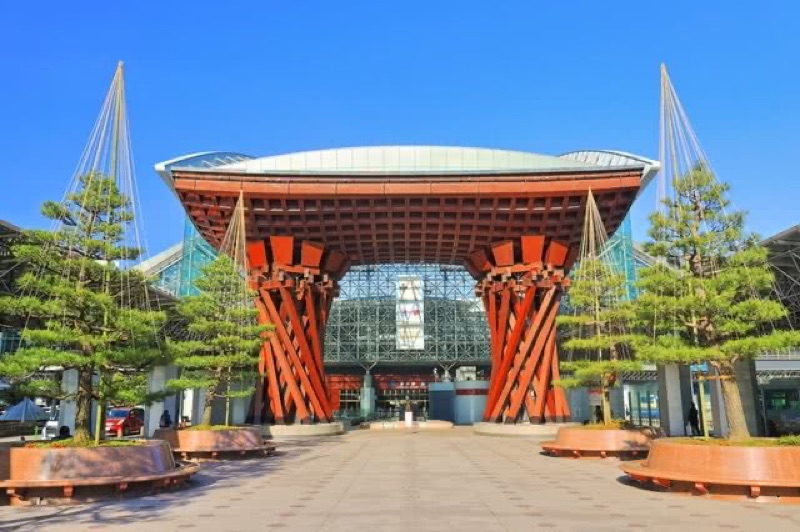
Seafood, Crafts & a Very Different Kind of Beauty in Kanazawa, Japan

Today is a longer transit day, but Kanazawa rewards the effort fast. The mood shifts from mountain resort calm to compact cultural city, with some of the trip's best seafood and craft atmosphere.

Morning

Travel from Hakone to Kanazawa

Use the morning to move cleanly and avoid over-programming the arrival day. Kanazawa works well because the historical core is dense and easy to dip into quickly.

🚄 Odawara → Tokyo → Kanazawa is the cleanest rail sequence
🧳 Try to arrive by early afternoon so the old quarters are still lively
Afternoon

Omicho Market Late Lunch

Kanazawa's market culture is one of the best in Japan for travelers who want quality without fuss. Go straight for seafood rice bowls, grilled shellfish, or a multi-stop graze.

🦀 Kanazawa is strong for crab, shrimp, nodoguro, and market donburi
🍶 This is also a fine place to sample local sake without making it a whole event

Higashi Chaya District at Golden Hour

The former teahouse district is elegant rather than flashy, and it photographs beautifully in low light. This is more about mood than checklist box-ticking.

🏮 Wander slowly and duck into gold leaf, sweets, or craft shops
🍵 A matcha or wagashi stop works especially well here
🦐 Late Lunch
Seafood bowl or market tasting crawl at Omicho
One of the easiest high-value meals on the trip.
💰 $$–$$$
Kanazawa shines when you keep the afternoon uncluttered and let the streets do the work.
Evening

Short Night Walk and Early Rest

After the travel day, keep evening ambitions modest. A good dinner and a walk through the quieter streets is enough.

🌙 Kanazawa feels intimate at night in a way larger cities do not
🥢 Tomorrow has more culture built in, so save energy
🍽️ Dinner
Kappo or izakaya dinner near Korinbo / central Kanazawa
Seafood, grilled dishes, and local sake are the move here.
💰 $$–$$$
Day 7 Kenrokuen · Kanazawa Castle · Nagamachi

Garden Grandeur, Samurai Streets & Kanazawa at Full Depth
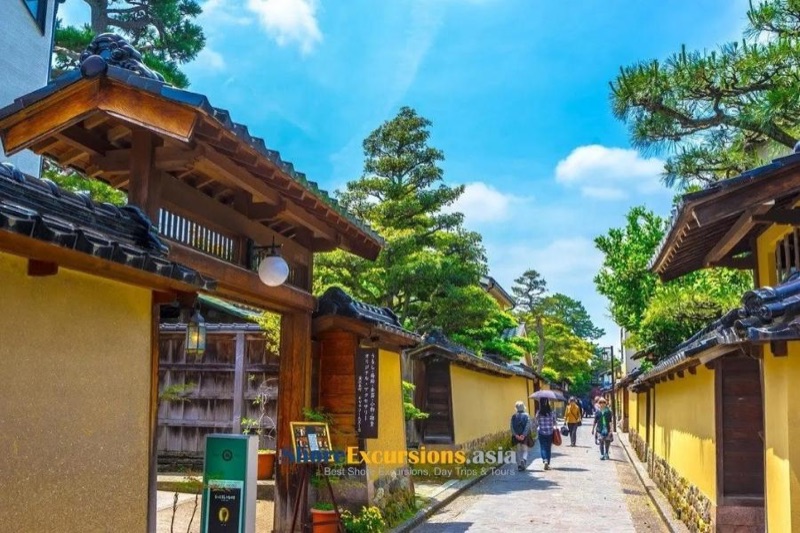
Garden Grandeur, Samurai Streets & Kanazawa at Full Depth, Japan

This is your best pure culture day outside Kyoto: refined gardens, samurai-era lanes, contemporary art if you want it, and enough excellent food to keep it from ever feeling academic.

Morning

Kenrokuen and Kanazawa Castle Area

Start with the city's showpiece and give it proper time. Kenrokuen is famous for good reason, but what makes it great is the layering: ponds, stone bridges, borrowed scenery, and careful pacing rather than one giant reveal.

🌸 Even before full sakura, March light makes the garden beautiful
🏯 Pair it with the castle grounds right beside it for a richer morning walk
☕ Breakfast
Hotel breakfast or coffee before the garden
Keep breakfast light so you can enjoy a stronger lunch later.
💰 $–$$
Afternoon

Nagamachi Samurai District

Shift from formal garden beauty to lived-in history. The earthen walls and narrow lanes of Nagamachi feel quieter and more human-scale than the grander sights.

🗡️ Nomura-ke is worth entering if you want one beautifully kept samurai residence
📷 This district rewards wandering more than map precision

21st Century Museum or a Long Café Break

Choose your energy honestly. If you want a modern counterpoint, the 21st Century Museum works. If you want rest, take the café break. Either option suits the day.

🎨 The museum is best if the weather turns gray or wet
☕ Kanazawa has plenty of stylish coffee and dessert stops nearby
🍱 Lunch
Seafood, oden, or set lunch around Korinbo / market side
Kanazawa is a great place for a polished but not punishingly expensive lunch.
💰 $$
This is a strong night for a cocktail bar or dessert stop instead of a huge dinner if you are feeling saturated from travel.
Evening

Second Kanazawa Dinner, This Time More Relaxed

Use tonight for whatever food lane you missed yesterday: crab, oden, nodoguro, or just a small plate crawl and sake.

🍢 Kanazawa oden is especially good in cool weather
🥂 No need to over-reserve, the city suits a flexible evening
🍶 Dinner
Local oden or seafood-focused izakaya
Regional specialties without Tokyo prices.
💰 $$–$$$
Day 8 Shirakawa-go · Takayama Old Town

Thatched Roofs, Mountain Roads & Takayama by Night
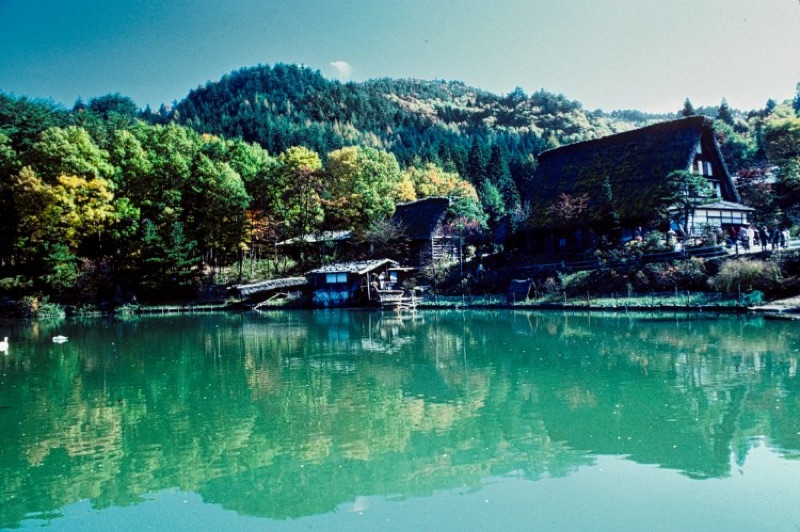
Thatched Roofs, Mountain Roads & Takayama by Night, Japan

Move south through one of central Japan's most photogenic rural stretches. Today gives you the scenic village stop and the alpine small-town landing all at once.

Morning

Bus to Shirakawa-go

Travel by bus through the mountains and stop at Shirakawa-go on the way to Takayama. In March it can still hold traces of winter, which makes the village feel especially atmospheric.

🚌 Reserve this transfer ahead if possible
🏔️ Even partial snow remaining on the roofs makes the village extra beautiful
🧳 Travel light today or use station lockers smartly
Afternoon

Explore Shirakawa-go Without Rushing the Viewpoint

Walk through the village first, then go to the lookout if visibility is decent. The houses, channels, and mountain framing matter more than speed-running photo stops.

🏡 Focus on the lived-in village feel, not just one panorama
🍡 This is a great stop for a warm snack and coffee before the next leg

Continue to Takayama and Wander Sanmachi Suji

By late afternoon, arrive in Takayama and shift into wooden merchant-house streets, sake breweries, and a slower mountain-town mood.

🍶 The old town works especially well just before dusk
🚶 Everything central is pleasantly walkable
🍜 Lunch
Village snack lunch in Shirakawa-go
Think grilled skewers, noodles, buns, and whatever looks warm and local.
💰 $–$$
This is one of the best travel days of the trip if you do not overstuff it.
Evening

Sake and Hida Beef Night

Takayama makes dinner easy. Go for Hida beef in one form, then let sake or an izakaya finish the evening.

🥩 Try Hida beef as nigiri, grilled slices, or a proper set meal
🍶 Local breweries often sell tasting pours or easy bottles to share
🍽️ Dinner
Hida beef dinner in Takayama old town
A mountain-town classic and one of the more memorable regional meals on the route.
💰 $$–$$$
Day 9 Miyagawa · Hida Folk Village · Higashiyama

Morning Markets, Folk Architecture & a Quiet Takayama Walk
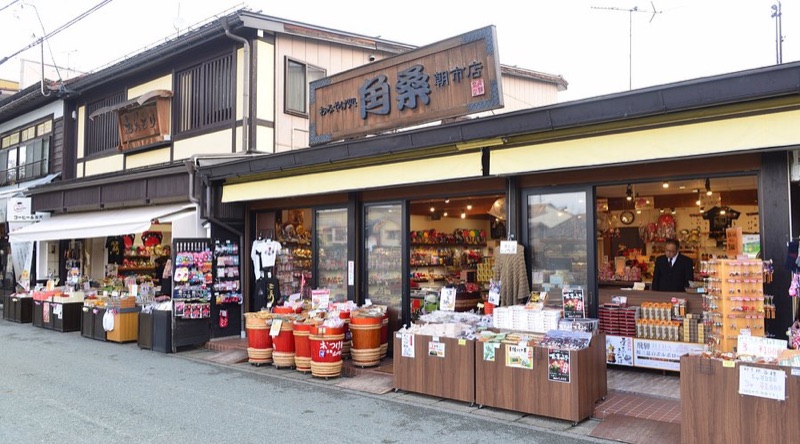
Morning Markets, Folk Architecture & a Quiet Takayama Walk, Japan

Stay in Takayama long enough to enjoy what makes it work: the market rhythm, the architecture, and the sense that this stretch of the trip actually breathes.

Morning

Miyagawa Morning Market

This is exactly the kind of market that makes traveling in Japan feel human and local instead of just famous. Wander, snack, and let breakfast turn into browsing.

🍡 Look for mitarashi dango, pickles, miso products, and local sweets
🧺 This is more charming than high-pressure, which is why it works

Takayama Jinya or Old Town Backstreets

If you want one structured historical stop, use Takayama Jinya. Otherwise, keep wandering the backstreets and small river lanes.

🏛️ Jinya adds context if you want a little more formal history
📷 Backstreets often beat the main street for atmosphere
Afternoon

Hida Folk Village

Take the afternoon for the open-air folk village, where the architecture and interiors add depth to what you saw in Shirakawa-go yesterday.

🏠 Good follow-up after the actual village visit because you can go inside more structures
🌬️ March weather makes the whole place feel especially vivid

Higashiyama Walk or a Café Reset

If you still have energy, do a portion of Takayama's temple walk. If not, take the café reset. Both are valid choices.

🌲 The temple-side walk is serene and underhyped
☕ Takayama is also a good place to do intentionally less
🍱 Lunch
Soba or hōba miso set
Classic Hida-region flavors without needing a big production.
💰 $$
This is the perfect place in the itinerary to leave a little blank space.
Evening

Final Mountain-Town Dinner

Give yourselves one more relaxed Takayama night before heading into Kyoto's denser cultural pace tomorrow.

🍶 Great night for one last sake tasting
🌙 Takayama after dark is quiet in a lovely way
🍶 Dinner
Izakaya or small local restaurant near the station / old town
Keep dinner flexible and regional.
💰 $$
Day 10 Kyoto Station · Higashiyama · Gion

Enter Kyoto Through Stone Lanes, Temples & Lantern Glow
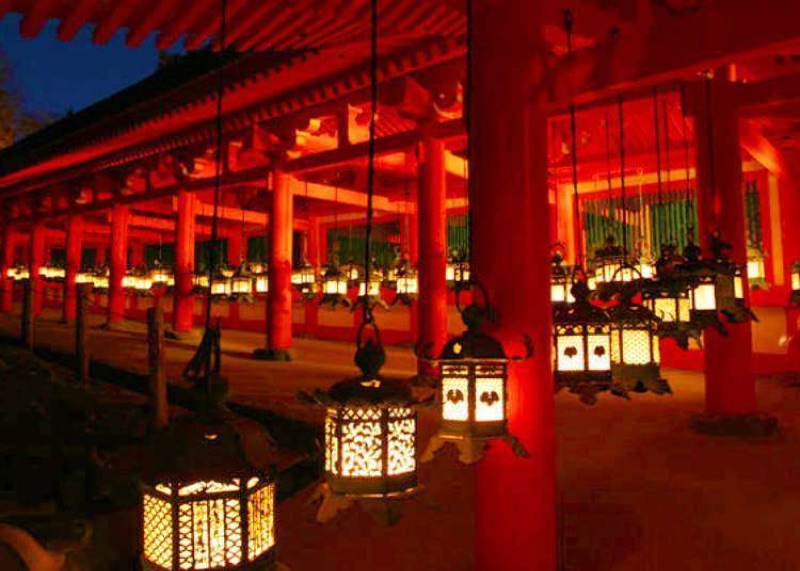
Enter Kyoto Through Stone Lanes, Temples & Lantern Glow, Japan

Kyoto rewards a strong first impression, so arrive, drop bags, and head straight into the eastern lanes before they fill with evening energy.

Morning

Takayama to Kyoto Travel Day

This move is straightforward by Japanese standards but still long enough that you should avoid pretending it is a sightseeing morning too.

🚄 Give yourselves a calm breakfast and clean departure
🏨 Staying in Gion or downtown Kyoto makes the next five days much smoother
Afternoon

Kiyomizu-dera and the Slopes Below It

Once checked in, head to Kiyomizu-dera and then walk back down through Sannenzaka and Ninenzaka. This is Kyoto's classic postcard zone, but it still works when timed well.

🏮 Late afternoon into early evening is the sweet spot
📷 The slope streets glow once the daytime rush starts thinning
🍡 Snack your way downhill rather than planning a rigid lunch
🍵 Late Snack / Lunch
Tea, sweets, or small plates around Ninenzaka
Use this window more like a graze than a formal meal.
💰 $$
Evening

Yasaka Shrine and Gion After Dark

This is one of the strongest first-night-in-Kyoto combinations. The shrine, the lantern light, and the quiet side streets make the whole city click emotionally.

🌙 Hanamikoji is best enjoyed as a walk, not a photo hunt
🥢 Great night for an elegant but not overly formal Kyoto dinner
🍽️ Dinner
Kyoto-style set dinner in Gion or nearby Higashiyama
Think grilled fish, seasonal vegetables, tofu, and dishes that feel precise rather than heavy.
💰 $$–$$$
Kyoto is not a city to conquer. It opens up when you keep the pace a little gentler than your excitement wants.
Day 11 Arashiyama · Sagano · Western Kyoto

Arashiyama Done Properly, Early Start, Bamboo, River & Hills
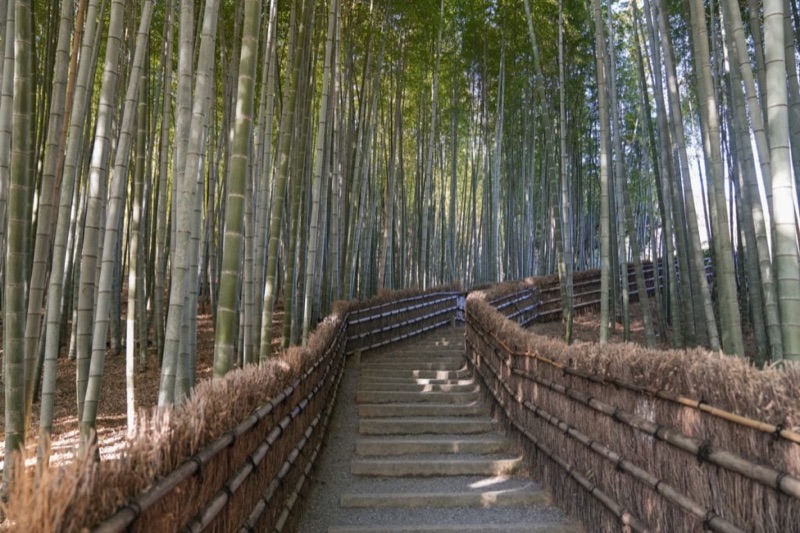
Arashiyama Done Properly, Early Start, Bamboo, River & Hills, Japan

Arashiyama can be magical or maddening depending on timing. Today only works if you get there early and treat the area as more than a single bamboo path selfie.

Morning

Early Arashiyama Bamboo Grove and Tenryu-ji

Arrive as early as you can tolerate. The bamboo grove is lovely when quiet, then Tenryu-ji gives the morning more substance and balance.

🌅 Early arrival is the whole game here
🎋 Walk through the grove, but do not let that be the only reason you came
🪴 Tenryu-ji garden adds the contemplative piece
☕ Breakfast
Light breakfast before departure or coffee on arrival
This is a better morning for an early start than a long sit-down breakfast.
💰 $–$$
Afternoon

Choose Between Iwatayama, Okochi Sanso, or a River Walk

This is where you tailor the adventure level. If you want a little exertion, do Iwatayama. If you want a beautifully maintained quieter garden, do Okochi Sanso. If you want a reset, walk the river.

🐒 Iwatayama gives the best active option and big views over Kyoto
🌿 Okochi Sanso is quieter and prettier than many people expect
🚶 The river and bridge area is good when your feet need less drama
🍱 Lunch
Tofu, soba, or unagi in Arashiyama
A regionally appropriate lunch feels better here than generic café food.
💰 $$–$$$
Arashiyama gets better the further you drift from the main photo choke points.
Evening

Back to Central Kyoto for a Softer Night

Return to your base and keep the night easy. Kyoto evenings do not need a grand production every day.

🍶 Pontocho, Kiyamachi, or a neighborhood izakaya all work
🛁 If your hotel has a bath, use it. Kyoto walking miles add up fast
🍜 Dinner
Casual Kyoto dinner back in town
Good noodles, grilled fish, or izakaya plates are perfect after Arashiyama.
💰 $$
Day 12 Fushimi Inari · Uji · Fushimi Sake District

Shrine Gates at Dawn, Matcha in Uji & Sake by Evening
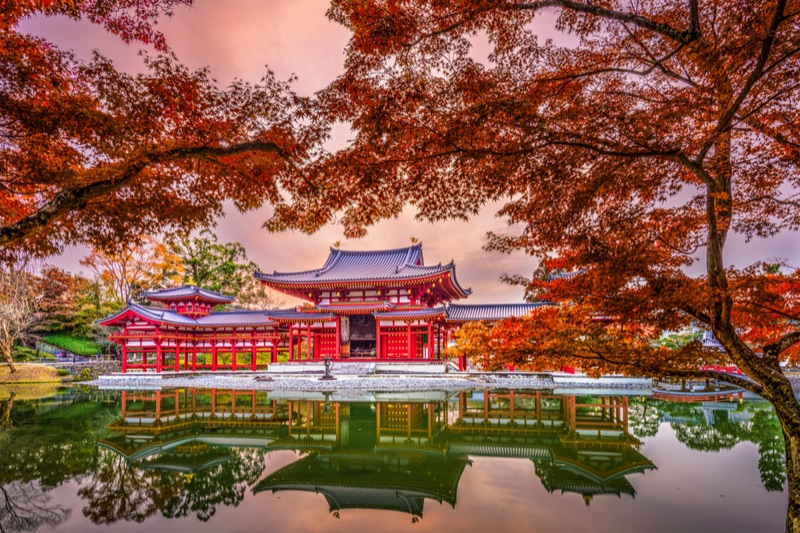
Shrine Gates at Dawn, Matcha in Uji & Sake by Evening, Japan

This is one of the most satisfying Kyoto area day pairings because it moves from high-icon drama to something more intimate and delicious.

Morning

Fushimi Inari Before the Tour Buses Fully Hit

Go early, and commit to walking beyond the first gate clusters. The best part is not the entrance photo, it is the rhythm of climbing further into the mountain.

⛩️ Even 60 to 90 minutes on the lower and middle sections feels worthwhile
🥾 You do not need to summit for the experience to land
📷 The path gets quieter the farther you continue
This is your cleanest “adventure before breakfast” morning in Kyoto.
Afternoon

Train to Uji for Matcha, Byodo-in, and River Walks

Uji is one of the best side-trips for couples who want culture and food at a softer pace. The matcha focus feels distinct from the rest of Japan, not just another pretty town.

🍵 Order real matcha sweets or tea rather than generic green tea lattes
🏯 Byodo-in adds a strong cultural centerpiece
🌊 The riverside paths are part of why Uji works so well
🍵 Lunch
Matcha soba, tea sweets, and a light lunch in Uji
One of the most fun specialty-food afternoons on the trip.
💰 $$
Evening

Finish in the Fushimi Sake Area or Back in Central Kyoto

If you still have curiosity left, stop for a sake tasting in Fushimi. If not, head back early. Either way, the day already delivered.

🍶 Fushimi is a historic sake-brewing area, not just a random extra stop
🌙 This is a fine night for a more casual dinner after a content-rich day
🍶 Dinner
Neighborhood dinner with optional sake tasting
Keep it unfussy, the highlight today is the sequence itself.
💰 $$
Day 13 Nara Park · Todaiji · Naramachi

Nara Day Trip, Big Temple Scale & a Playful Slower Pace
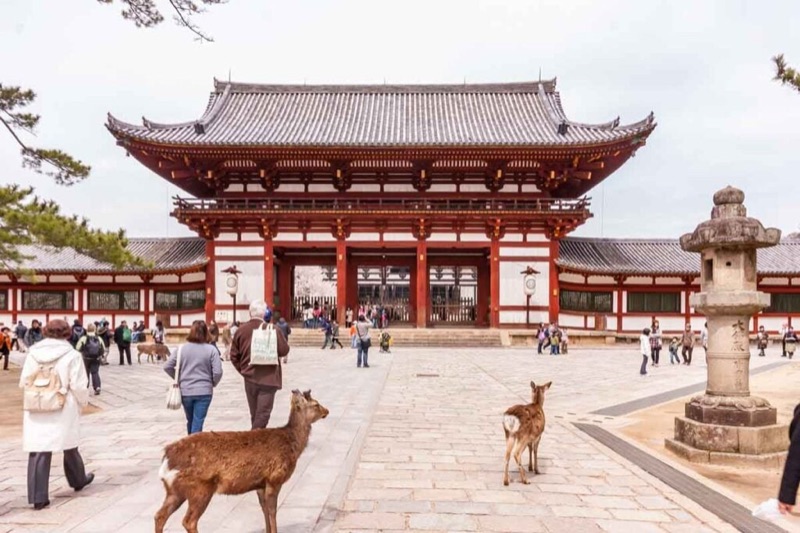
Nara Day Trip, Big Temple Scale & a Playful Slower Pace, Japan

Nara keeps the trip from becoming all urban texture and temple corridors. It is spacious, green, and a little whimsical, but still deeply historic.

Morning

Train to Nara and Walk Through Nara Park

Give yourselves enough time to enjoy the park as more than just “the place with the deer.” The openness and shifting vistas are exactly why the city feels different from Kyoto.

🦌 Deer are charming until food is involved, so keep expectations playful
🌳 March is excellent park weather for long walks

Todaiji and the Great Buddha Hall

The scale of Todaiji still surprises even people who know it is famous. It is one of the strongest “wow, Japan is really old and really ambitious” moments on the trip.

🏛️ The size of the wooden hall is part of the emotional effect
🙏 Slow down inside, this one benefits from a little more attention
Afternoon

Kasuga Taisha or Naramachi Backstreets

After the big temple energy, choose either the shrine-and-forest atmosphere of Kasuga Taisha or the smaller-scale merchant-house charm of Naramachi.

🏮 Kasuga Taisha is stronger if you want another atmospheric ritual space
🏘️ Naramachi is stronger if you want shops, cafés, and gentler wandering
🍛 Lunch
Nara lunch set, curry, or soba
Keep lunch comfortable and simple. Save bigger food energy for Osaka tomorrow.
💰 $$
Nara is a great day to ease off the “must see everything” impulse and just enjoy the spaciousness.
Evening

Back to Kyoto for an Easy Night

Do not force a huge evening after the day trip. Kyoto can be lovely when dinner is the only real plan.

🍶 A local izakaya or tofu spot is enough
🛏️ Tomorrow is a built-in lower-key day, so you can either rest or stay out a little longer
🍽️ Dinner
Casual Kyoto dinner back near your hotel
Low-key and satisfying beats ambitious tonight.
💰 $$
Day 14 Philosopher’s Path · Nanzen-ji · Ginkaku-ji

Kyoto Flex Day for Spring Light, Early Blossoms & Doing a Little Less
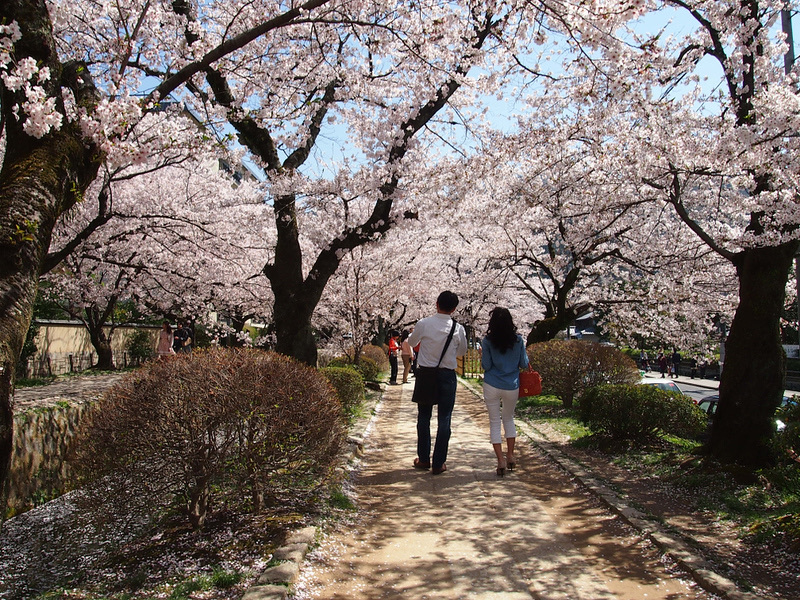
Kyoto Flex Day for Spring Light, Early Blossoms & Doing a Little Less, Japan

This day exists on purpose. Late March can start to soften Kyoto with early sakura hints, and after nearly two weeks in Japan, the smartest move is often to give beauty time to breathe.

Morning

Philosopher’s Path at Whatever Bloom Stage Nature Gives You

If blossoms have started, you will be glad this day is here. If not, the canal walk is still graceful and quiet enough to earn its place.

🌸 Early bloom, plum traces, or no bloom at all, the path is still worth it
🚶 Start from Nanzen-ji and drift north if you want a cleaner flow
☕ Breakfast
Bakery and coffee before the walk
Keep it light and easy.
💰 $–$$
Afternoon

Nanzen-ji or Ginkaku-ji, Then a Long Lunch

Pick one or two sights, not all of them. The power of this day is that it feels spacious.

🏯 Nanzen-ji is stronger for temple atmosphere and stone / garden texture
🍃 Ginkaku-ji is stronger if you want a more composed temple finish to the walk
🥢 Take a real lunch break instead of eating on the run
🍵 Lunch
Soba, tofu, or a café lunch near the eastern hills
Keep the meal aligned with the day: calm, precise, and unhurried.
💰 $$
If you are templed-out, use this entire afternoon for a sento, café, shopping, or just reading by the river. The itinerary can handle it.
Evening

Last Kyoto Night, Choose Your Favorite Mood

Repeat the neighborhood that felt most like your version of Kyoto, whether that was Gion, Pontocho, a tiny izakaya, or simply the river at night.

💛 Repeating a favorite spot is often better than chasing one more new one
🧳 Pack a little tonight, tomorrow is a relocation day
🍽️ Dinner
Favorite Kyoto return spot
A deliberate repeat is the right emotional note for your final Kyoto evening.
💰 $$–$$$
Day 15 Kinosaki Onsen · Ropeway · Bathhouse Streets

One-Night Reset in Kinosaki, Yukata, Steam & Zero Rush

One-Night Reset in Kinosaki, Yukata, Steam & Zero Rush, Japan

Kinosaki is here because long Japan trips deserve one night that is built almost entirely around pleasure and recovery. This is that night.

Morning

Travel from Kyoto to Kinosaki Onsen

This is a satisfying relocation because the destination is the reward. Once you arrive, there is very little to optimize except relaxation.

🚆 Reserve seats if possible, it makes the move smoother
🧳 Pack an overnight bag if forwarding the main luggage helps
Afternoon

Check In, Change Into Yukata, and Explore Slowly

Stroll the willow-lined canal, snack a little, and get your first bath in before dinner. Kinosaki works because everyone is participating in the same gentle ritual rhythm.

♨️ Bathhouse-hopping in yukata is the whole point here
🧺 Most inns provide the passes and basics you need
🚠 If timing works, ride the ropeway for the late-day view
🍡 Snack
Small sweets, crab buns, or coffee around town
Keep the afternoon food light so dinner feels like an event.
💰 $–$$
Do not treat this as a place to “fit in more.” The restraint is the luxury.
Evening

Ryokan Dinner and Multiple Baths

This is one of the most romantic and restful nights of the trip. Let it be that simple.

🦀 Crab and seasonal seafood show up often here
🌙 Post-dinner bathhouse walk in yukata is the memory-maker
🍶 Dinner
Ryokan dinner in Kinosaki
Regional seafood, careful plating, and a fully unhurried pace.
💰 Included or $$$ depending on the inn
Day 16 Namba · Kuromon Market · Dotonbori

Osaka Starts Loud, Fast & Extremely Well-Fed

Osaka Starts Loud, Fast & Extremely Well-Fed, Japan

After Kinosaki quiet, Osaka feels gloriously alive. Lean into the contrast instead of resisting it. The city's gift is that fun and food are often the same thing.

Morning

Travel to Osaka and Drop Bags in Namba

Keep your Osaka base central and easy. Namba is ideal for this short stay because so much of the food and evening life is right outside.

🚆 Kinosaki to Osaka is an easy enough reposition if you start on time
🏨 Namba keeps the next 36 hours efficient and fun
Afternoon

Kuromon Market Snack Crawl

Osaka does not need a solemn introduction. Dive into market bites, grilled seafood, fruit, wagyu skewers, and random things that just look good.

🐙 The move is variety, not one giant meal
🍓 Kuromon excels at “that looks good, let’s split it” travel logic

Namba Backstreets and Hozenji Yokocho

Once you have eaten enough to be happy, wander the old lanes tucked behind the brighter chaos. They give Osaka some texture and history beneath the neon.

🏮 Hozenji Yokocho feels intimate compared with the giant-sign overload nearby
📸 This is a great place to let the afternoon drift
🍢 Lunch
Kuromon market graze
One of the best flexible food sessions in the country.
💰 $$
Evening

Dotonbori for the Full Osaka Hit

Yes, it is loud and crowded. That is also why it is fun. Do the canal-side walk, the giant signs, the chaos, then duck into a place that actually feeds you well.

🌃 Better as an evening experience than a daylight one
🥟 This is a night for takoyaki, kushikatsu, okonomiyaki, or all three
🍺 Dinner
Street-food dinner or casual sit-down in Dotonbori / Namba
Osaka is the city to have a little less restraint and a little more fun.
💰 $$–$$$
Osaka is the least precious city on the route. That is part of the charm.
Day 17 Osaka Castle · EDION Arena · Shinsekai · Umeda

Osaka Culture Day, Castle Grounds, Possible Sumo & Skyline Finish
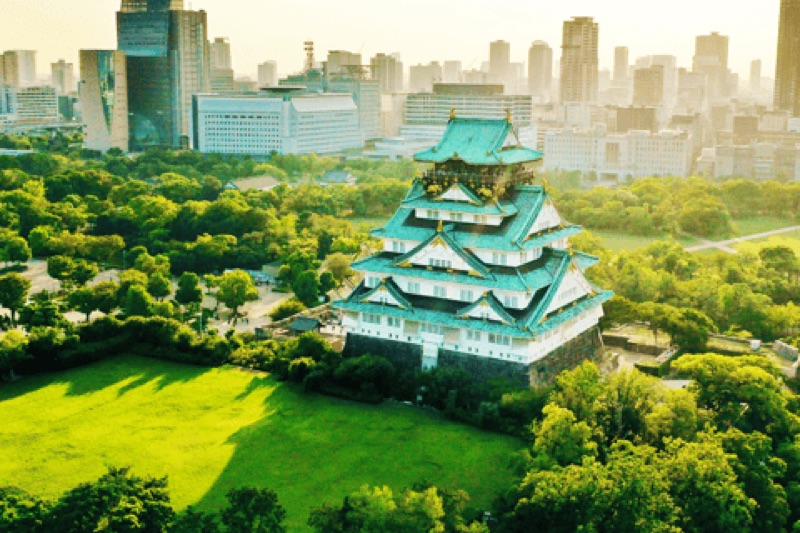
Osaka Culture Day, Castle Grounds, Possible Sumo & Skyline Finish, Japan

Give Osaka a second day so it becomes more than just a food blur. The city can handle history, spectacle, and humor all at once.

Morning

Osaka Castle Park

Come for the grounds and the seasonal atmosphere more than the reconstructed keep itself. The park is what gives this stop real value in March.

🏯 Good place for a longer walk and an easier morning pace
🌸 Depending on the season, you may catch the very first hints of blossom activity here
☕ Breakfast
Hotel breakfast or coffee in Namba
Keep the morning simple so the rest of the day has room.
💰 $–$$
Afternoon

March Grand Sumo Tournament if Dates and Tickets Align

If you can secure tickets, this is the cultural wildcard that makes the Osaka stop feel extra alive. Even partial attendance works. If not, pivot to a museum, spa, or more neighborhood wandering.

🤼 Osaka hosts the major March tournament in a typical year
🎟️ Book ahead rather than hoping for same-day magic
🧖 Backup plan: spa / sento afternoon or Umeda browsing

Shinsekai for a More Gritty, Old-Osaka Feel

This district is goofy, photogenic, and proudly a little rough around the edges in the best possible way.

🍢 Kushikatsu belongs here
📸 Shinsekai is stronger when you lean into its weirdness
🍤 Lunch
Kushikatsu or neighborhood lunch in Shinsekai
This is not the refined Osaka meal. It is the fun one.
💰 $$
If sumo is unavailable, do not mourn it all day. Osaka has enough backup personality to absorb the change.
Evening

Umeda Sky or a Kita-Area Dinner Finish

Close Osaka with one final city view or a polished dinner zone in the north. It is a good tonal bridge into tomorrow's more reflective Hiroshima stop.

🌆 Umeda Sky is a nice contrast to Shibuya Sky earlier in the trip
🍷 Kita works well if you want one more grown-up dinner before Hiroshima
🍽️ Dinner
Umeda / Kita dinner
A slightly sleeker Osaka evening to round out the stay.
💰 $$–$$$
Day 18 Peace Memorial Park · Hondori · Hiroshima

Hiroshima, A Reflective Day with Real Heart and Great Food
Hiroshima, A Reflective Day with Real Heart and Great Food, Japan

Hiroshima changes the emotional register of the trip in an important way. Give the history the time it deserves, then let the city's warmth bring the day back into balance.

Morning

Travel to Hiroshima and Go Straight to Peace Memorial Park

Start with the place that matters most. The park and museum are moving without being performative, and they deserve unrushed attention.

🕊️ Plan emotional bandwidth here, not just clock time
🏛️ The museum can take longer than you think if you engage with it properly
Afternoon

Museum, Atomic Bomb Dome, and Riverside Walk

Take in the core memorial sites, then give yourselves a little time to decompress by the river or in a quieter part of central Hiroshima.

📚 This is not a place to speed through just to “cover” it
🌳 The surrounding park softens the day in a necessary way

Light Central Hiroshima Wandering

After the memorial sites, a little city life helps. Hondori shopping arcade or Shukkeien are both useful palate cleansers.

🌿 Choose Shukkeien if you want calm
🛍️ Choose Hondori if you want energy back
🍜 Lunch
Simple lunch near the park or station
Keep lunch functional. The real food moment is dinner.
💰 $$
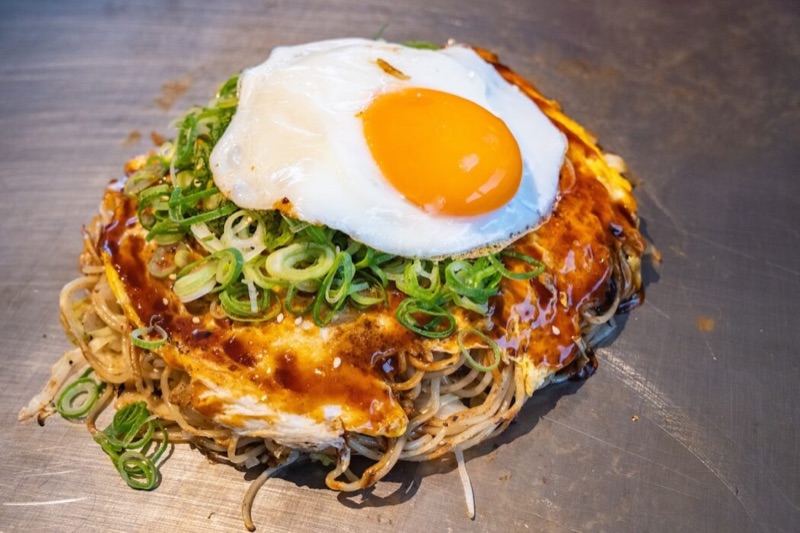
Tonight is the perfect night for Hiroshima-style okonomiyaki. It feels local, hearty, and restorative after the day’s emotional weight.
Evening

Okonomiyaki Dinner and a Gentle Night

Hiroshima-style okonomiyaki is layered, comforting, and one of the most satisfying regional foods on the route.

🥬 Hiroshima style means layered noodles and cabbage, not mixed batter like Osaka
🍻 Keep the rest of the night easy
🍽️ Dinner
Okonomimura or another Hiroshima-style okonomiyaki spot
A defining regional meal and one of the trip’s comfort-food peaks.
💰 $$
Day 19 Miyajima · Itsukushima · Mount Misen

Miyajima Day, Shrine Views, Deer, Ropeway & a Real Hike Option
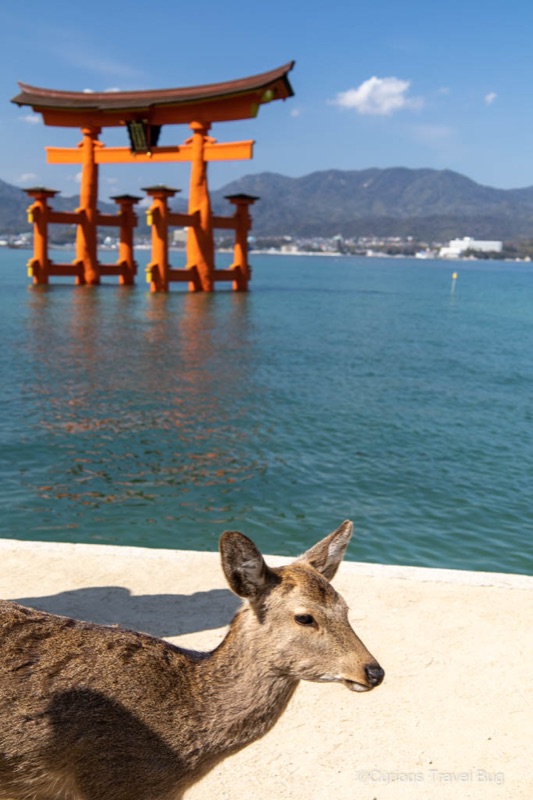
Miyajima Day, Shrine Views, Deer, Ropeway & a Real Hike Option, Japan

Miyajima gives you the nature-and-icon mix this trip needs before heading back to Tokyo. It can be easygoing, active, or both.

Morning

Ferry to Miyajima and Explore the Shrine Zone

Get over early enough that the island still feels calm. The floating torii and shrine complex are iconic, but the broader island mood is what makes the day memorable.

⛴️ Early ferry makes a big difference
🦌 The deer are part of the atmosphere, but unlike Nara they are more of a side note
📸 Tide conditions will change the look of the torii, and either version is good
Afternoon

Mount Misen by Ropeway + Walk or a Longer Hike

This is your best final active stretch of the itinerary. Choose the version your legs want: ropeway plus viewpoint walks, or a fuller hiking effort.

🥾 Even the easier version adds a satisfying adventure note
🌊 The island-and-sea views are the payoff
🍁 Momijidani area is beautiful even if you skip the bigger climb

Daisho-in or Slow Island Wandering

If you prefer culture over elevation, Daisho-in is one of the island's most atmospheric temple complexes and is absolutely worth your time.

🪷 Daisho-in feels quieter and more textured than many people expect
🍵 This is a nice island for a relaxed snack break before returning
🍱 Lunch
Oysters, anago, or a simple island lunch
Miyajima is famous for oysters and grilled conger eel, but there are plenty of easier options too.
💰 $$
If weather is rough, make the day shrine + Daisho-in + slow cafés, and skip the mountain. It still works beautifully.
Evening

Return to Hiroshima for an Early Night

Tomorrow is a long transfer, so let tonight stay calm.

🛏️ Organize luggage tonight rather than on the fly tomorrow
🍜 A small dinner is enough after the island day
🍜 Dinner
Light Hiroshima dinner near your hotel
Noodles, curry, or a simple izakaya is all you need.
💰 $–$$
Day 20 Tokyo Station · Ginza · Marunouchi

Back to Tokyo, One Last City Chapter with Room to Enjoy It

Back to Tokyo, One Last City Chapter with Room to Enjoy It, Japan

Return to Tokyo with enough time to do more than sleep before departure day. The final city chapter should feel polished and easy, not like transit leftovers.

Morning

Shinkansen Back to Tokyo

This is the longest move left, so make the morning about getting there cleanly and comfortably.

🚄 An ekiben lunch on the train is still fun this late in the trip
🧳 This is where forwarded luggage feels smartest
🍱 Train Lunch
Ekiben on the Shinkansen
A final classic Japan travel ritual.
💰 $–$$
Afternoon

Check In Near Tokyo Station, Ginza, or Nihonbashi

A central final-night base makes departure day much easier and gives you a cleaner last Tokyo evening.

🏨 Tokyo Station / Ginza is ideal if your next day is flight-focused
🛍️ Ginza also works nicely for last gifts without chaos

Marunouchi or Ginza Walk

Spend the afternoon on broad sidewalks, polished storefronts, and a more composed version of Tokyo than your east-side opener.

🏙️ Marunouchi gives you good architecture and easy station access
🍰 This is a good dessert-and-shopping afternoon
Do not schedule something huge tonight. You already did the hard part by getting back to Tokyo early enough.
Evening

Farewell Dinner in Ginza, Nihonbashi, or a Favorite Repeat Style

Use your final full dinner for something that feels like a summary of the trip: sushi, tempura, yakitori, or a polished set menu.

🥂 This is a strong night for one final splurge if you still want one
🎁 Also a good moment to buy the nice edible souvenirs before the airport rush tomorrow
🍣 Dinner
Final Tokyo dinner in Ginza / Marunouchi / Nihonbashi
A polished but easy farewell meal.
💰 $$–$$$$
Day 21 Ueno · Yanaka · Airport Transfer

Departure Day with One Last Taste of Tokyo

Departure Day with One Last Taste of Tokyo, Japan

Keep the final day gentle, photogenic, and logistically kind. The goal is to leave feeling complete, not frantic.

Morning

Ueno Park or Yanaka Morning Depending on Flight Time

If you have a comfortable departure window, start with one last calm neighborhood moment. Ueno gives park space and museums; Yanaka gives a quieter old-neighborhood farewell.

🌸 By late March, Ueno may start showing the earliest real sakura energy
🏘️ Yanaka is better if you want low-key atmosphere and snacks over spectacle
☕ Breakfast
Coffee, bakery breakfast, or simple kissaten send-off
Keep the last meal easy and punctual.
💰 $–$$
Afternoon

Final Shopping and Clean Airport Transfer

Leave more transfer buffer than you think you need. Japan is efficient, but departure days are happier when they are boring.

✈️ Narita and Haneda have very different transfer personalities, so plan accordingly
🧳 Use hotel luggage help if you need it, it is often excellent
🍱 Lunch
Station lunch or airport meal
Nothing heroic required on departure day.
💰 $$
If you wake up tired, skip sightseeing entirely and enjoy a slow breakfast near the hotel. The trip is already full.

💰 Budget Breakdown

CategoryLowMidSplurge
Hotels / ryokan$140–190$220–320$420+
Food for 2$55–80$95–150$220+
Long-distance rail$35$55$75
Local transit + admissions$20$35$55
Typical daily total for 2$250–340$405–560$770+

Where to Splurge

  • Spend up for a real Hakone ryokan with private or reservable onsen, because that becomes one of the emotional peaks of the trip.
  • Use one Kyoto dinner for a memorable kaiseki, charcoal-grilled, or seasonal tasting menu rather than trying to dine fancy every night.
  • If you want a final “wow” hotel moment, use it in Tokyo at the end, when the trip already has momentum and you can actually enjoy the room.

Where to Save

  • Breakfasts are easiest to save on: bakeries, station coffee, market snacks, and konbini picnic breakfasts are excellent in Japan.
  • Takayama and Kanazawa reward small local meals more than expensive tasting menus, so you can eat beautifully without pushing the budget.
  • You do not need taxis in most of this route. Trains, subways, buses, ferries, and short walks cover nearly everything.

Best Hotel Base Split

  • Tokyo 3 nights → Hakone 2 → Kanazawa 2 → Takayama 2 → Kyoto 5 → Kinosaki 1 → Osaka 2 → Hiroshima/Miyajima 2 → Tokyo 2.
  • That rhythm gives you long enough stays to settle in, while still letting the route feel like a real cross-country Japan journey.
  • If you want to simplify later, the easiest cut is Kanazawa or Kinosaki, but as written the route is still very doable.

Love this format? Get your own.

Every tabiji itinerary is custom-built from real traveler intelligence — specific restaurants, actual addresses, local timing tricks.

Get Your Personalized Itinerary — $1

Delivered within 24 hours. 2 free revisions. 100% satisfaction guaranteed.

📄 Export to Google Docs

Get an editable Google Doc of this itinerary — perfect for sharing with your travel group and adding your own notes.

The doc will be shared to your email as an editor.

✅ Your Google Doc is ready!

We've shared it with . Check your Google Drive or click below.

Open Google Doc →

Tip: You can edit, add notes, and share it with your travel group!