⚡ Before You Go — Essentials
🌸 Cherry Blossom Timing
Late March is typically peak bloom (mankai) in Tokyo. March 20-23 lands right in the sweet spot. Trees along Meguro River and Chidorigafuchi are usually at full bloom, while Shinjuku Gyoen’s 70+ varieties extend the season. Check japan-guide.com/sakura for real-time updates.
🚃 Getting Around
Get a 72-hour Tokyo Subway Ticket (1,500 yen) covering all Metro and Toei lines. Buy at Narita/Haneda or major stations. For JR Yamanote Line, use a Suica/Pasmo IC card. Most hanami spots are a short walk from a station.
🍡 Seasonal Sakura Foods
Spring means sakura mochi (pink rice cake with cherry leaf), sakura lattes, hanami dango (tri-color skewered rice balls), and limited-edition sakura Kit-Kats. 7-Eleven and Lawson stock seasonal sakura onigiri and bento — they vanish after April.
🎒 Solo Travel Tips
Japan is the best country on Earth for solo travelers. Counter seating is standard at ramen, sushi, and yakitori spots. Ichiran Ramen has private solo booths. Coin lockers at every station hold your bags (300-700 yen). Nobody bats an eye at a solo diner here.
📸 Golden Hour Strategy
Cherry blossoms photograph best at dawn (soft pink light) and dusk (warm golden tones). Meguro River and Chidorigafuchi have stunning nighttime illuminations (yozakura). Arrive at major spots by 7 AM for crowd-free photos. A solo traveler’s biggest advantage: no one to wait for.
🏨 Where to Stay
Shinjuku is the ideal base — central to all major lines, walking distance to Shinjuku Gyoen, and packed with solo-friendly dining. Look for Tokyu Stay or Mitsui Garden hotels near Shinjuku-sanchome Station.
Shinjuku Gardens & Golden Gai
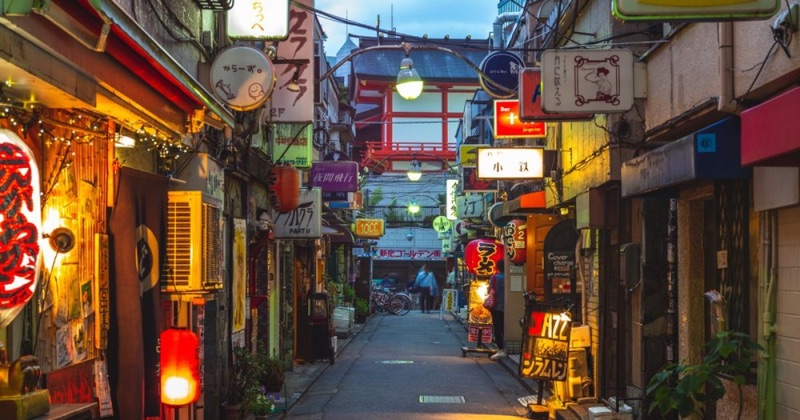
Ease into Tokyo with the city's most beautiful cherry blossom garden, explore Meiji Shrine's ancient forest and Harajuku's colorful chaos, then end the night in Golden Gai's legendary tiny bars.
Shinjuku Gyoen Cherry Blossom Walk
Arrive when gates open at 9 AM for the most peaceful hanami in Tokyo. Over 1,000 cherry trees across 70+ varieties bloom here - pale-pink Somei Yoshino, deep-pink Kanzan, and rare weeping varieties. Spread a sheet on the wide English-style lawns with a konbini bento and soak it in. The Taiwan Pavilion and French Formal Garden are the most photogenic corners.
Meiji Jingu Shrine
Walk through the towering torii gate into 170 acres of ancient woodland. Built in 1920 and dedicated to Emperor Meiji, the shrine feels impossibly serene just minutes from Harajuku. Write a wish on an ema wooden prayer board (500 yen) and hang it among thousands of others.
Harajuku and Takeshita Street
Exit through the Harajuku gate and dive into Takeshita Street. Crepe stands, kawaii fashion, cotton candy bigger than your head. Then walk Ura-Harajuku (Cat Street) for vintage shops and designer boutiques away from the tourist crush.
Omoide Yokocho (Memory Lane)
This narrow alley of smoky yakitori stalls next to Shinjuku Station dates to the post-war black market era. Squeeze onto a stool, order 5-6 skewers (800-1,200 yen), wash it down with cold Asahi. Smoke, sizzle, packed counters - Tokyo distilled into one alley.
Golden Gai
Six narrow alleys containing roughly 200 tiny bars, each fitting 4-8 people. THE solo traveler experience in Tokyo. Many bars have themes: jazz, punk, cinema, manga. Some charge a 500-1,000 yen seating fee (normal). Pick one that looks interesting, sit down, and let the bartender conversation unfold.
Imperial Sakura and Asakusa Heritage
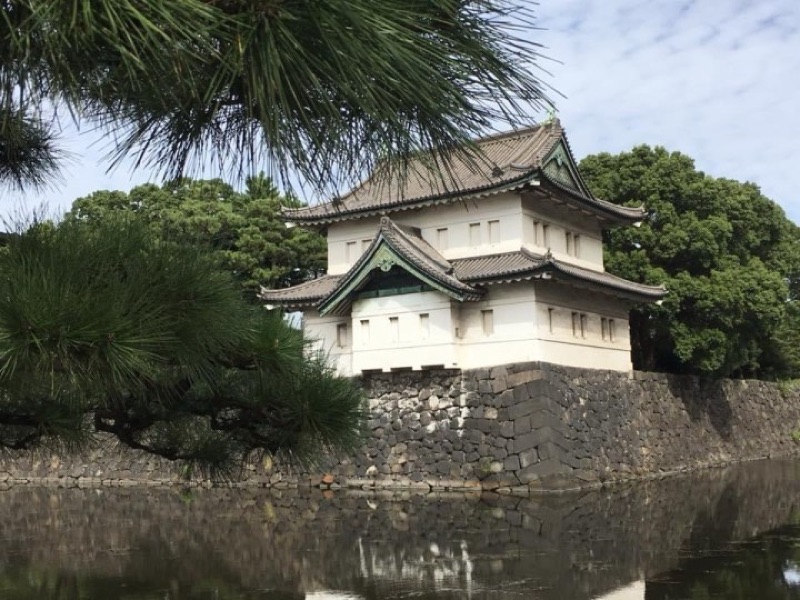
Start with Tokyo's most spectacular cherry blossom moat, journey east to Asakusa's ancient temples and Sumida River hanami, then finish the night with illuminated sakura along Meguro River.
Chidorigafuchi Cherry Blossom Walkway
The postcard shot of Tokyo sakura. Hundreds of cherry trees cascade over the Imperial Palace moat, their branches forming a pink tunnel reflected in still green water below. Walk the free 700-meter promenade on the west side. For the ultimate experience, rent a rowboat (800 yen per 30 min) and paddle through a carpet of floating pink petals.
Kitanomaru Park
Adjacent to Chidorigafuchi, Kitanomaru Park has hundreds more cherry trees in a relaxed setting. The National Museum of Modern Art Crafts Gallery (250 yen) showcases Japanese ceramics and lacquerware in a beautiful Meiji-era brick building.
Senso-ji Temple
Tokyo's oldest temple (628 AD). Walk through the iconic Kaminarimon Thunder Gate with its massive red lantern, browse Nakamise-dori for traditional snacks and souvenirs, then draw an omikuji fortune scroll (100 yen) at the main hall. Cherry trees through the grounds contrast beautifully against the vermillion architecture.
Sumida Park Cherry Blossoms
Five minutes from Senso-ji, Sumida Park stretches along the Sumida River with hundreds of cherry trees and Tokyo Skytree views. Grab a canned beer from a vending machine (250 yen), find a riverside bench, and watch boats pass beneath the blossoms. This is where locals actually do hanami.
Meguro River Yozakura (Night Cherry Blossoms)
About 800 cherry trees line the Meguro River canal for nearly 4 kilometers, creating Tokyo's best nighttime sakura (yozakura) experience. Soft lanterns illuminate the trees and their reflections ripple across the dark water. Canal-side streets fill with food stalls and wine bars. Walk from Nakameguro Station southward for the densest stretch.
Old Tokyo, Vinyl and Craft Coffee
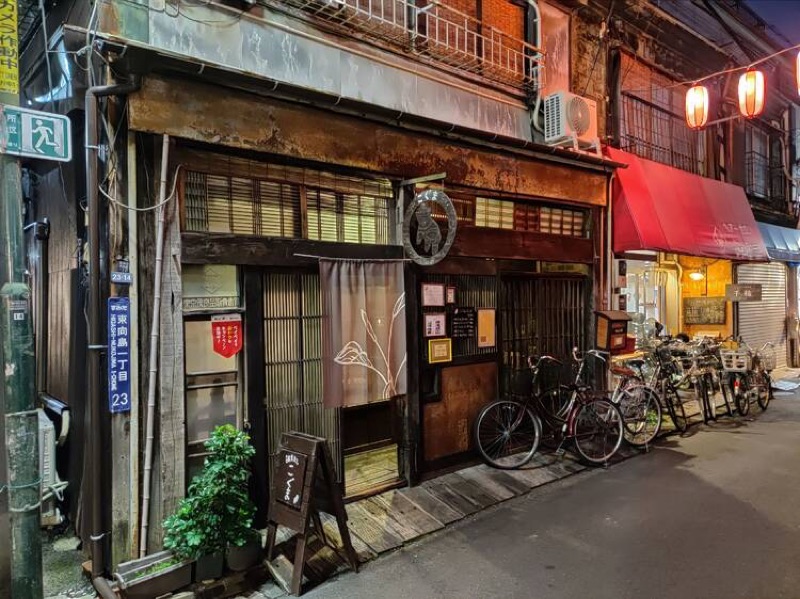
Explore Tokyo's most nostalgic shitamachi neighborhood with temple-lined lanes and stray cats, then head west to Shimokitazawa for vintage shopping, third-wave coffee, and a rowboat hanami at Inokashira Park.
Yanaka Ginza and Cemetery Cherry Blossoms
Yanaka is Tokyo's most atmospheric old neighborhood - narrow lanes, traditional houses, craft shops, and cats sunbathing everywhere. Walk through Yanaka Cemetery where hundreds of cherry trees create a pink canopy over winding paths. Then descend to Yanaka Ginza, a retro shopping street that feels like 1960s Japan.
Nezu Shrine
One of Tokyo's oldest shrines (1706) with a stunning vermillion torii tunnel - like a miniature Fushimi Inari without the tour groups. In late March, early cherry blossoms frame the elegant architecture beautifully.
Shimokitazawa Vintage and Cafe Crawl
Take the Keio Inokashira Line west to Shimokitazawa - Tokyo's bohemian heart. Dense with vintage clothing shops, record stores, independent bookshops, live music venues, and Japan's best third-wave coffee. Wander without a plan - every side street reveals something new.
Inokashira Park Hanami
A 10-minute walk from Shimokitazawa (or one stop to Kichijoji), Inokashira Park has hundreds of cherry trees surrounding a central pond. Rent a swan-shaped pedal boat (700 yen per 30 min) and paddle under a blossom canopy - one of Tokyo's most magical solo moments. The park has a Ghibli-esque calm about it.
Sushi Counter Omakase
Tonight is the splurge - solo omakase dinner at a Ginza sushi counter. The beauty of solo omakase: center counter seat facing the chef, full attention, and a deeply personal dining experience. Spring is peak season for sawara (Spanish mackerel), hotaru-ika (firefly squid), and shirasu (baby whitebait).
Tsukiji, Ueno Sakura and Farewell Tokyo
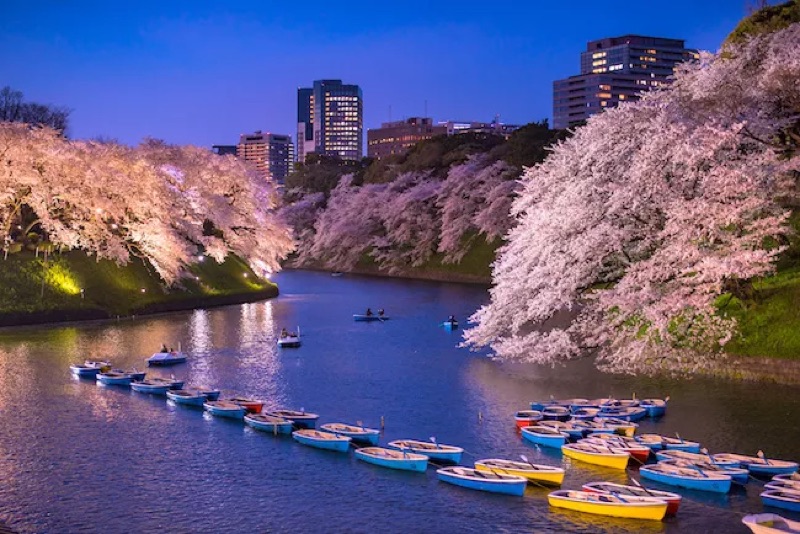
Wake early for Tsukiji's legendary seafood market breakfast, spend your final afternoon at Ueno Park's iconic cherry blossom festival, browse Ameyoko market, then say farewell to Tokyo at Shibuya Crossing.
Tsukiji Outer Market Breakfast
While the inner wholesale market moved to Toyosu, the outer market remains one of Tokyo's greatest food destinations. Over 400 stalls and restaurants serve the freshest seafood, tamagoyaki (rolled omelet), and street food. Walk, eat, repeat. Start with a uni (sea urchin) bowl or fresh sashimi set, then graze the stalls for tamagoyaki and grilled scallops.
Ueno Park Cherry Blossom Festival
One of Japan's most famous hanami spots since the Edo period. Over 1,000 cherry trees line the main boulevard and ring Shinobazu Pond. The atmosphere is pure festival - blue tarps spread everywhere, office workers celebrating, food stalls lining the paths. This is communal Tokyo hanami at its most joyful. A perfect farewell to sakura season.
Ameya-Yokocho (Ameyoko) Market
A lively street market running from Ueno to Okachimachi Station - everything from dried fish and fresh produce to sneakers and cosmetics at discount prices. Great for last-minute authentic souvenir shopping and one final street food snack.
Shibuya Sky and Shibuya Crossing
End your Tokyo trip at the world's most famous intersection. Head to the Shibuya Sky observation deck (2,000 yen, book online) for a 360-degree sunset view of the city. Then descend into the chaos of the Shibuya Scramble Crossing itself - a mesmerizing human tide.