⚡ Before You Go — Essentials
✈️ Getting There
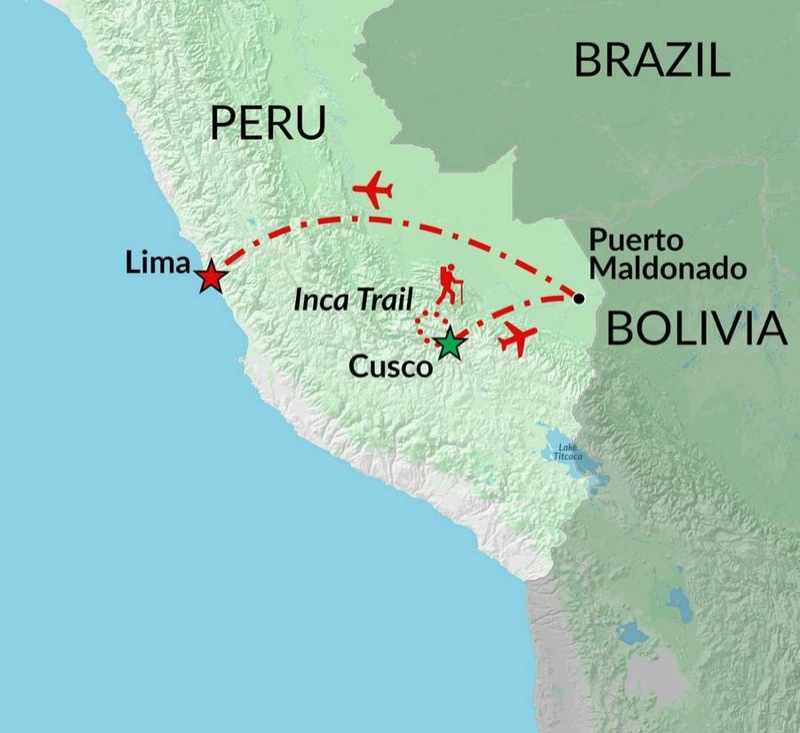
Fly into Lima's Jorge Chávez International (LIM). Internal flights to Puerto Maldonado, Cusco, and Arequipa via LATAM or Sky Airline. Book 2-3 weeks ahead for best prices.
🏔️ Altitude Warning
Cusco sits at 3,400m (11,150ft). Take it easy Day 5. Drink coca tea, stay hydrated, avoid alcohol for 24 hours. Diamox available at Cusco pharmacies.
💰 Currency & Budget
Peruvian Sol (PEN). 1 USD ≈ 3.7 PEN. Budget $100-150/day mid-range. ATMs and credit cards available in cities.
🚌 Getting Around
Cruz Del Sur and Oltursa for buses. PeruRail/IncaRail for Machu Picchu trains. Domestic flights save days between regions.
🎫 Book Ahead
Machu Picchu tickets sell out 2+ months ahead (machupicchu.gob.pe). Huayna Picchu limited to 200/day. Book Tambopata lodges 1-2 months ahead.
🧳 Packing
Layers essential — jungle 30°C, Cusco 5-15°C, Titicaca is cold. Rain jacket, sunscreen, insect repellent, hiking shoes.
Arrive in Lima — Miraflores & Barranco
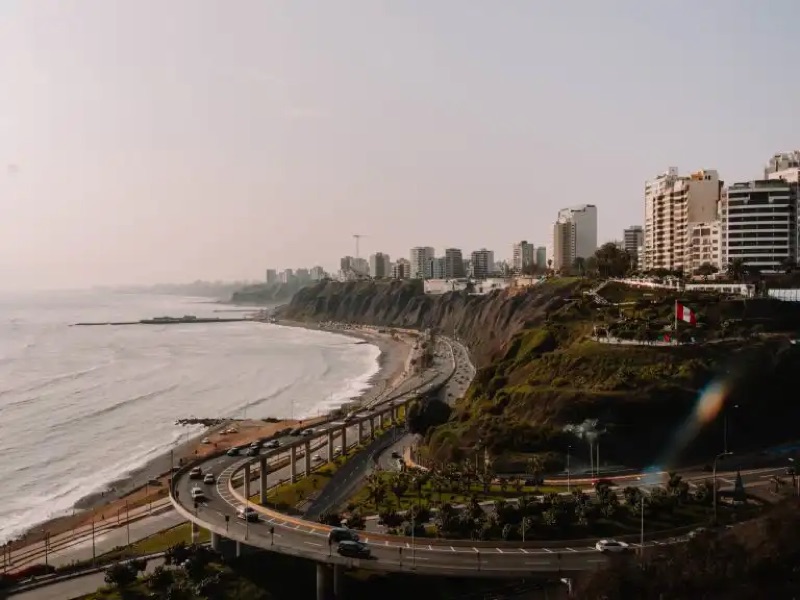
Land in Lima & Walk the Malecón
Arrive at Jorge Chávez airport, taxi to Miraflores (30-40 min, ~30 soles). Walk the 6km clifftop Malecón along the Pacific — Parque del Amor with mosaic benches, paragliders soaring off cliffs, ocean views stretching forever.
Museo Larco
Peru's finest pre-Columbian museum in Pueblo Libre. 18th-century mansion housing 45,000 years of artifacts — stunning gold pieces, textiles, and the famous erotic pottery gallery. Garden café is perfect for a break.
Barranco: Pisco Sours & Live Music
Head to bohemian Barranco. Cross the Puente de los Suspiros, wander galleries and street art, then Ayahuasca Bar (restored mansion) for pisco sours and Peña del Carajo for live criolla music.
Lima Markets & Fly to the Amazon
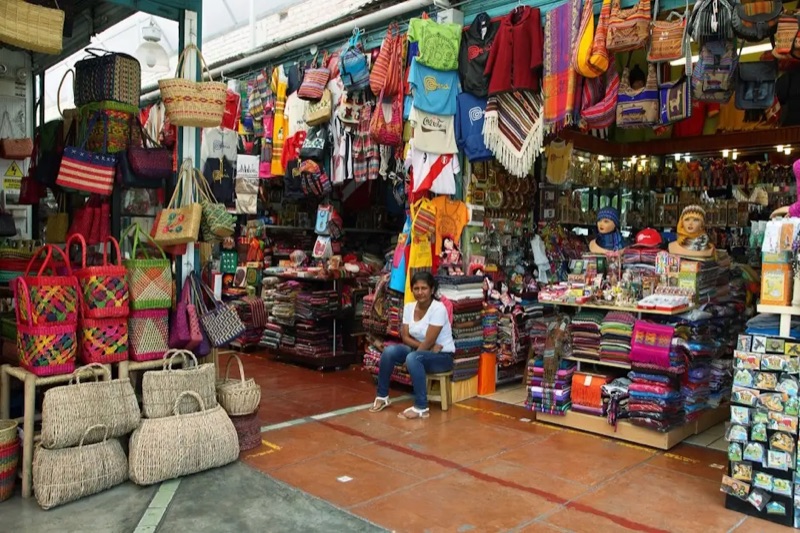
Mercado de Surquillo & Cooking Class
Lima's best food market — exotic fruits (lucuma, cherimoya, camu camu), 3,000+ potato varieties, fresh seafood. Then a hands-on cooking class: ceviche, lomo saltado, and pisco sour making.
Lima Centro: Plaza Mayor & Catacombs
Grand Plaza Mayor, cathedral with Pizarro's remains, Convento de San Francisco with bone-lined catacombs holding 25,000 skeletons. Entire area is UNESCO-listed.
Fly to Puerto Maldonado
Evening flight to the Amazon gateway (1.5 hours). Lodge arranges airport pickup and 1-3 hour boat ride into the reserve. Arrive for candlelit dinner surrounded by jungle sounds.
Into the Amazon — Tambopata Reserve
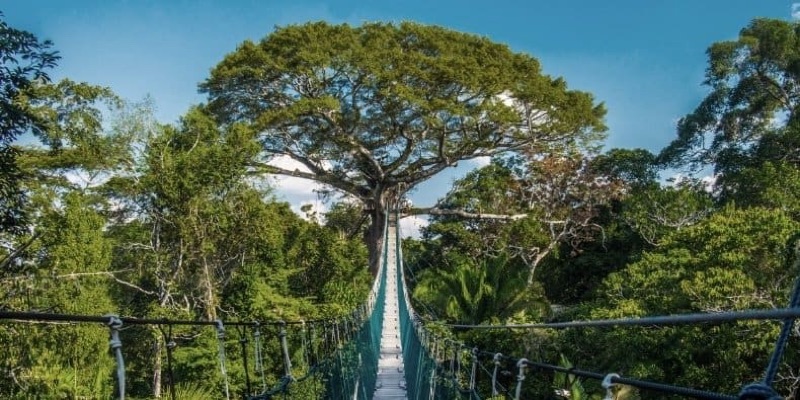
Boat Ride into the Reserve
Board a motorized canoe deeper into Tambopata. Your guide spots herons, kingfishers, capybaras, and possibly giant river otters. Canopy closes in 30 meters above with howler monkeys calling.
Jungle Nature Walk
2-3 hour guided trek through primary rainforest. Medicinal plants, poison dart frogs, leafcutter ant highways, monkeys, and toucans. The Amazon holds 10% of all species on Earth.
Nighttime Caiman Spotting
Head out by boat with flashlights. Black caimans and spectacled caimans — eyes glow red in torchlight. Also tarantulas, tree frogs, nocturnal birds. The Amazon at night is thrilling.
Macaw Clay Lick & Canopy Walk
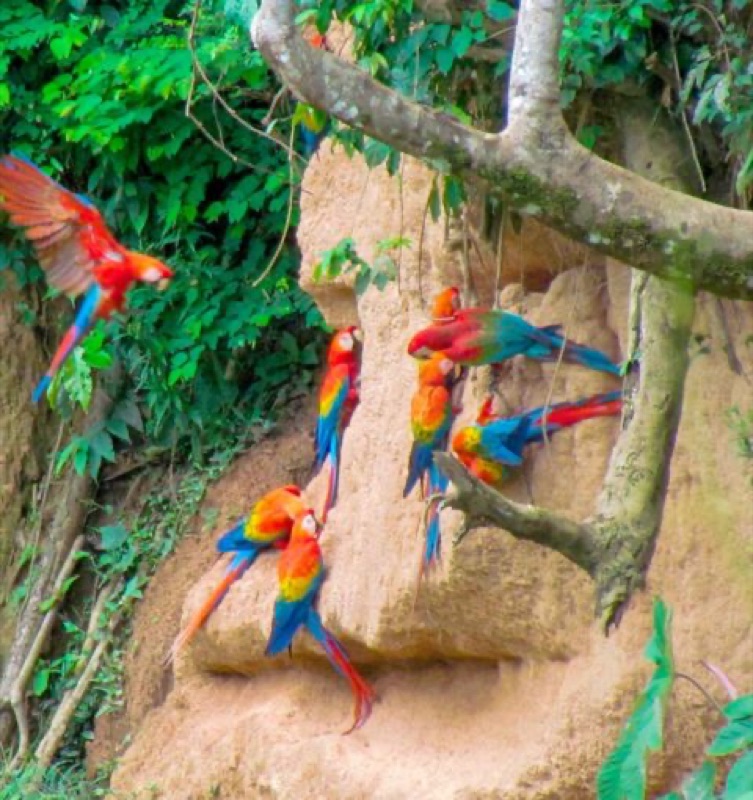
Macaw Clay Lick at Dawn
Wake at 4:30am for nature's greatest spectacle. Hundreds of scarlet, blue-and-gold, and green macaws descend on exposed clay. They eat clay to neutralize fruit toxins. The noise and color are overwhelming.
Canopy Walk & Oxbow Lake
30-meter canopy tower for bird's-eye views — toucans, parrots, maybe a sloth. Then canoe an oxbow lake with giant river otters, caimans, piranhas. Try piranha fishing.
Sunset River Cruise
Golden hour on the river. Capybaras grazing, monkeys settling in, unforgettable sunset over jungle canopy.
Amazon to Cusco — Acclimatize
Final Jungle Walk & Departure
Last morning walk — maybe spider monkeys or harpy eagle. Boat back to Puerto Maldonado (1-3 hours).
Fly to Cusco & Acclimatize
Fly to Cusco (1 hour) — from 200m to 3,400m. You WILL feel it. Afternoon for gentle acclimatization: coca tea, constant water, no exertion. Light walk through San Blas artisan quarter.
Gentle San Blas Stroll
If okay, slow walk through cobblestone streets. Craft shops, sunset from the church steps. Early bedtime — sleep helps acclimatization.
Sacred Valley — Pisac & Ollantaytambo
Pisac Ruins & Market
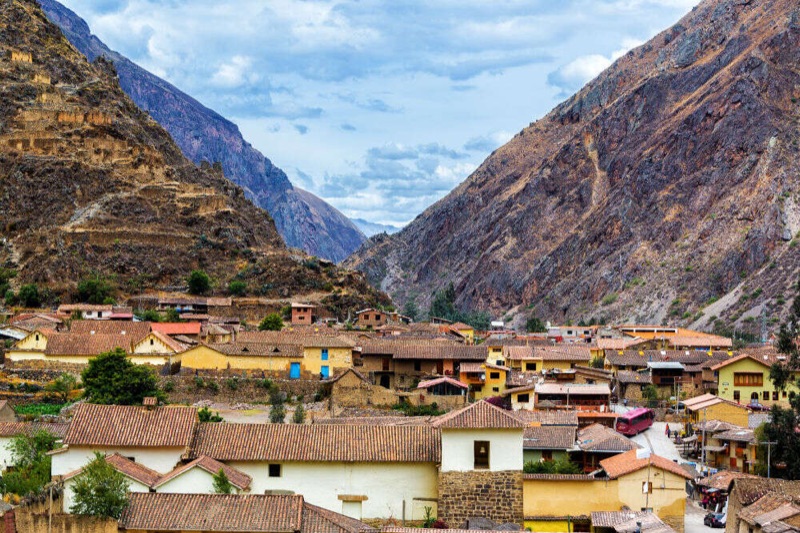
Head down to the Sacred Valley (2,800m — easier breathing). Pisac: massive Inca terraces, temples, and one of the largest Inca cemeteries. The colorful market below sells textiles, ceramics, silver.
Ollantaytambo Fortress
The last living Inca town. Climb massive terraces where Incas defeated the Spanish. Temple of the Sun at top with six monoliths transported 6km across a river valley. The town's Inca foundations and working water channels are remarkable.
Evening in Ollantaytambo
Far more atmospheric than Cusco for overnight. Narrow Inca-era streets, babbling water channels, illuminated fortress above.
Maras, Moray & Train to Aguas Calientes
Maras Salt Mines & Moray Terraces
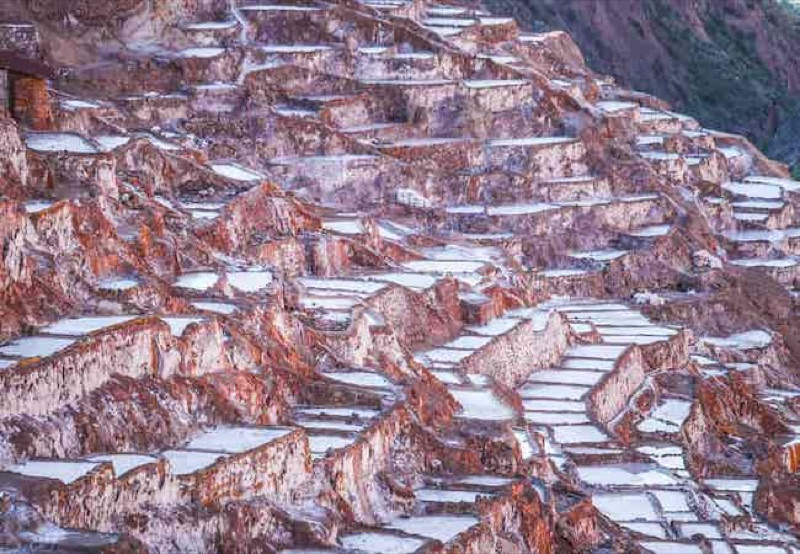
3,000+ salt evaporation pools cascading down a hillside — in use since Inca times. Otherworldly landscape. Nearby Moray: concentric circular terraces the Incas used as an agricultural laboratory with 15°C temperature variation between rings.
Chinchero Weaving Community
Quechua-speaking women demonstrate traditional weaving passed down for generations. Watch wool washing with saponin root, dyeing with cochineal insects, and intricate pattern weaving. Each design holds Andean cosmological meaning.
Train to Aguas Calientes
PeruRail Vistadome from Ollantaytambo (1.5 hrs). Panoramic windows, dramatic scenery following the Urubamba River. Arrive, dinner, early bed for tomorrow.
Machu Picchu
Machu Picchu at Sunrise
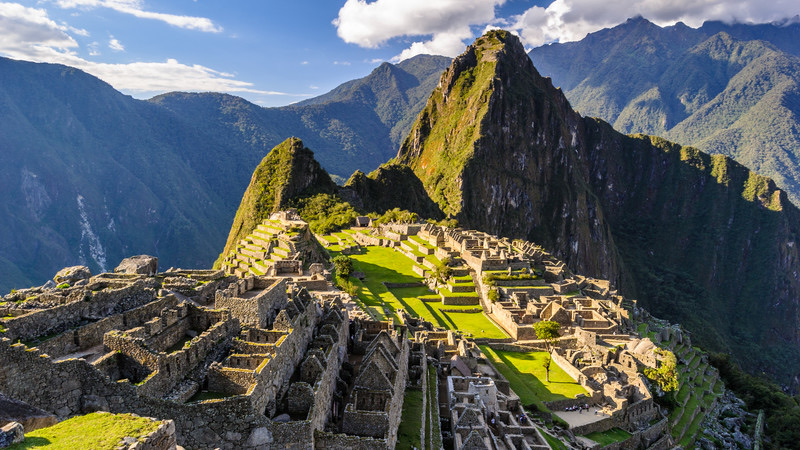
First bus at 5:30am (or hike 1.5 hrs). Enter and climb to the Guardian's House for THE iconic photo — the entire citadel below with Huayna Picchu towering behind. Circuit 1 or 2 for classic viewpoints. Morning mist burning off to reveal the ruins is genuinely magical.
Guided Tour & Optional Huayna Picchu
Temple of the Sun, Intihuatana stone (astronomical clock), Room of the Three Windows come alive with a guide. Huayna Picchu (if booked): 1-hour steep climb with vertigo-inducing views over the citadel. Only 200 permits/day.
Train Back to Cusco
Afternoon train to Ollantaytambo, then transfer to Cusco by van (1.5 hrs). Collapse into your Cusco hotel with the satisfaction of having seen one of humanity's greatest achievements.
Cusco Exploration
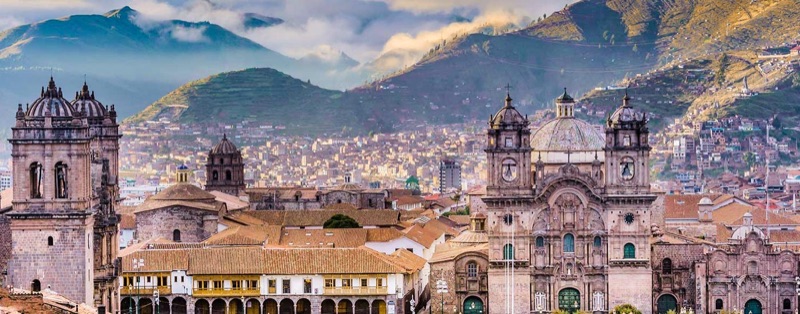
Sacsayhuamán & Qenqo Ruins
Taxi or walk uphill (20 min) to the colossal fortress of Sacsayhuamán — zigzag walls of stones weighing up to 200 tons, fitted together without mortar so precisely you can't slide paper between them. Nearby Qenqo is a mysterious carved rock shrine with an underground altar.
Plaza de Armas & San Pedro Market
Cusco's grand central plaza surrounded by colonial churches built on Inca foundations. The Cathedral has stunning baroque interiors with a painting of The Last Supper featuring guinea pig. San Pedro Market is the city's beating heart — stalls of fresh juice, empanadas, cheese, herbs, and roasted guinea pig.
Chocolate Museum & Evening Stroll
ChocoMuseo offers free chocolate-making demonstrations (and tastings!). Then wander the narrow streets as the city lights up — Cusco is magical at night with its mix of Inca walls and colonial balconies.
Cusco to Puno — Scenic Altiplano
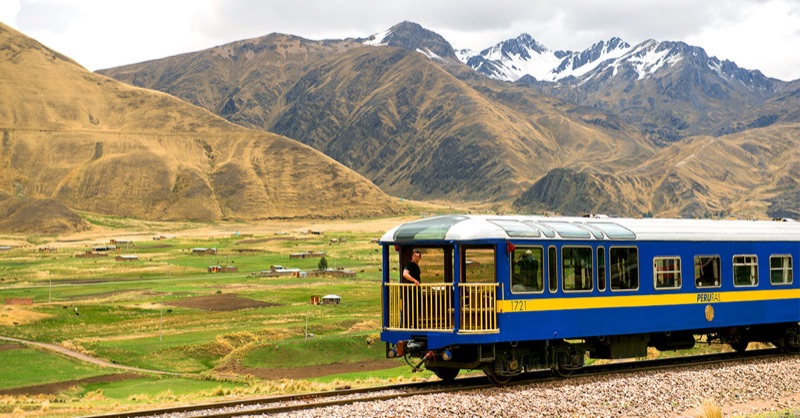
Scenic Bus with Cultural Stops
Depart Cusco early on a tourist bus to Puno (10 hours with stops). First stop: Andahuaylillas church — called the Sistine Chapel of the Americas for its jaw-dropping painted ceiling and gilded altar. Then Raqchi, ruins of the Temple of Viracocha with towering stone columns.
La Raya Pass & Descent to Puno
Cross the stunning La Raya pass at 4,335m — the highest point of the journey. Snow-capped peaks, herds of llamas and alpacas grazing on the altiplano, and the air so thin you'll gasp. From here the landscape opens into vast grasslands as you descend to Lake Titicaca.
Arrive Puno
Arrive in Puno on the shores of Lake Titicaca — the world's highest navigable lake at 3,812m. The town itself is scrappy but the lake views are stunning. Rest up for tomorrow's island hopping.
Lake Titicaca — Uros & Taquile Islands
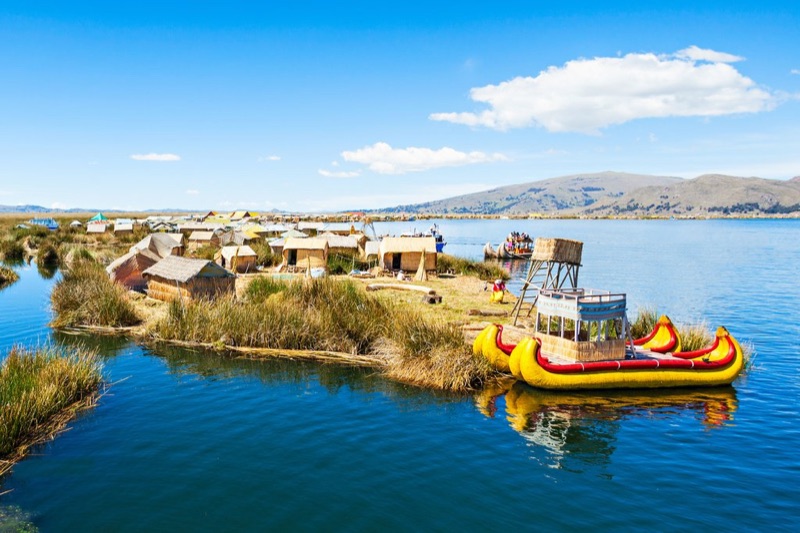
Uros Floating Reed Islands
Boat from Puno harbor to the extraordinary Uros floating islands — entirely made of totora reeds, constantly rebuilt as the bottom layers rot. Around 1,200 Uros people live on 60+ floating islands. You'll visit a family, learn how the islands are constructed, and maybe ride a reed boat.
Taquile Island
Continue by boat to Taquile Island (3 hours from Uros). This traditional Quechua-speaking community is famous for textile art — UNESCO Intangible Heritage. Men knit elaborate hats whose colors indicate marital status. Climb the 500+ stone steps to the hilltop for breathtaking 360° lake views and lunch.
Return to Puno & Overnight Bus
Boat back to Puno (2.5 hours). Depending on schedule, take an overnight bus to Arequipa (5-6 hours, arriving early morning) or rest in Puno and catch an early morning bus.
Arequipa & Drive to Colca Canyon
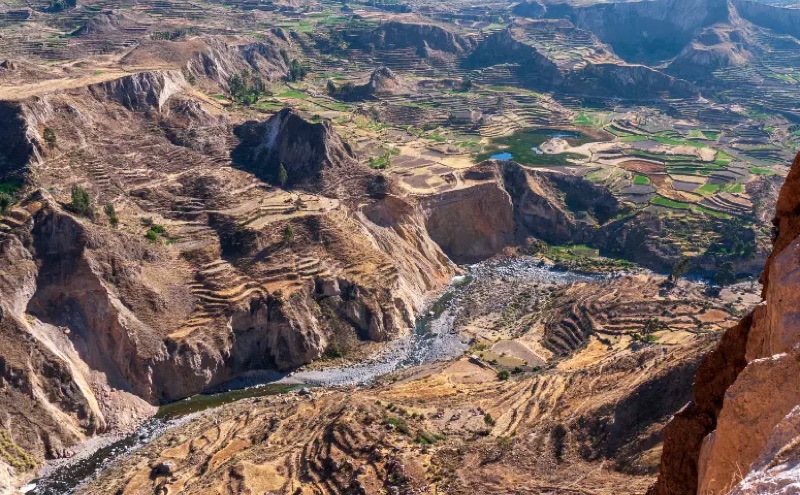
Arrive & Explore Arequipa
Arrive early morning from Puno. Arequipa is Peru's most beautiful city — nicknamed the White City for its sillar (white volcanic stone) architecture. Visit the stunning Santa Catalina Monastery — a city-within-a-city with colorful streets and cloisters where 450 nuns once lived in total isolation.
Bus to Chivay (Colca Canyon)
After lunch, catch a bus or shared van to Chivay (3-4 hours), gateway to Colca Canyon — twice as deep as the Grand Canyon. The drive crosses the altiplano at 4,900m with vicuña herds and flamingo lakes along the way.
Hot Springs at La Calera
Arrive in Chivay and head straight to La Calera hot springs — natural thermal pools at 3,600m with views of terraced mountains and a starlit sky. Perfect after a long travel day.
Colca Canyon — Condors & Terraces
Cruz del Condor at Sunrise
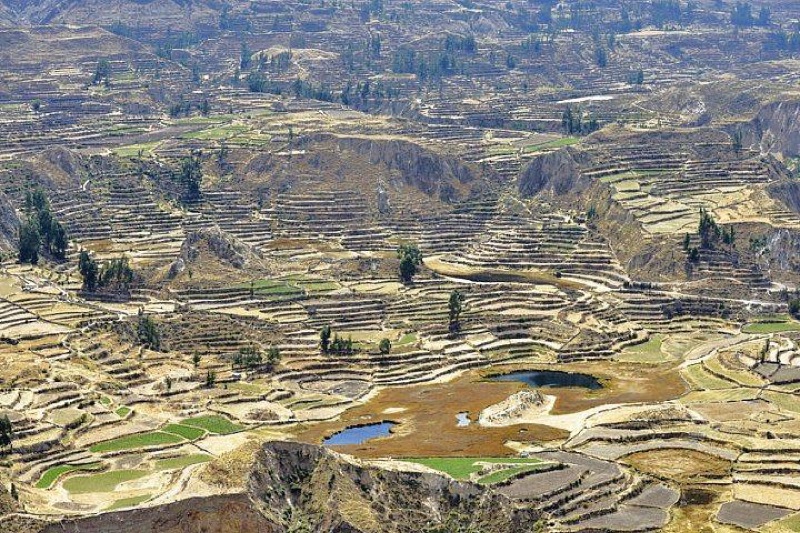
Leave Chivay at 6am for the Cruz del Condor viewpoint (1.5 hours). As the canyon heats up, Andean condors — with 3-meter wingspans — ride the thermals right past the viewing platform, sometimes at eye level. Colca Canyon drops 3,400m below you. It's breathtaking in every sense.
Terraced Villages & Canyon Hike
Drive back along the canyon rim stopping at pre-Inca terraced villages — Yanque, Maca, and Achoma — where Collagua people still farm terraces built 1,500 years ago. Optional: hike down into the canyon to the Sangalle oasis (3-4 hours down, much harder up!). Or take a gentler walk along the rim.
Final Evening in Chivay
Last evening in the mountains. Return to the hot springs if you like, pack for tomorrow's early departure. Reflect on two incredible weeks spanning jungle, mountains, lakes, and canyons.
Return to Lima — Farewell Peru
Drive Back to Arequipa & Fly to Lima
Early morning drive from Chivay back to Arequipa (3 hours). Quick visit to the Yanahuara viewpoint for one last look at the volcanoes framing the city. Catch a midday flight to Lima (1.5 hours).
Farewell Lima & Departure
Back where you started. If time allows, squeeze in one final ceviche at your favorite spot, walk the Malecón one more time, or visit the trendy Mercado 28 food hall in Miraflores. Then head to the airport for your international flight home.
Departure
Head to Jorge Chávez airport. You've explored the Amazon rainforest, ancient Inca citadels, the world's highest navigable lake, and one of the deepest canyons on Earth — all in two weeks. Peru is a country that stays with you long after you leave.
💰 Budget Breakdown
| Category | Item | Amount | Notes |
|---|---|---|---|
| International flights | $600–1,200 | Varies by origin city and season | |
| Internal flights (3) | $150–250 | Lima→Puerto Maldonado, PM→Cusco, Arequipa→Lima | |
| Accommodation (13 nights) | $400–700 | Mix of mid-range hotels and jungle lodge | |
| Tambopata Lodge (3 nights) | $300–600 | All-inclusive: meals, guides, activities | |
| Machu Picchu train + ticket | $120–200 | PeruRail Vistadome + entrance ticket | |
| Food & drinks | $250–400 | Mix of markets, local restaurants, and splurges | |
| Activities & entrance fees | $100–200 | Boleto Turístico, museums, tours | |
| Local transport | $80–150 | Buses, taxis, colectivos | |
| TOTAL (excl. int'l flights) | $1,400–2,500 | Per person, mid-range comfort |
Best Time to Visit
- May–September (dry season) is ideal for trekking and clear skies
- April and October shoulder months offer fewer crowds with occasional rain
- Avoid January–March for heavy rains that can close roads and trails
Altitude Acclimatization
- Arrive in Cusco from lower altitude (Amazon or Lima) and rest Day 1
- Drink coca tea constantly, avoid alcohol and heavy meals for 24 hours
- Diamox is available at any Cusco pharmacy if symptoms persist (headache, nausea, dizziness)
Machu Picchu Booking
- Tickets sell out 2+ months ahead — book at machupicchu.gob.pe
- Circuit 1 or 2 for the classic viewpoint photos
- Huayna Picchu permits limited to 200/day — book early
- Train: perurail.com or incarail.com, book 2+ weeks ahead
Safety
- Generally safe for tourists — use registered taxis or apps (InDriver, Uber)
- Keep valuables in hotel safes, avoid flashy jewelry
- Lima Centro can be sketchy at night — Cusco and tourist areas are well-patrolled
Health
- Yellow Fever vaccine recommended for the Amazon (not required)
- Strong sunscreen essential — altitude UV is intense
- DEET insect repellent for the jungle, altitude medication for the highlands
Language & Tipping
- Spanish is the main language, Quechua in the highlands, limited English outside tourist zones
- Tip 10% at restaurants if not included, guides $5-10/day, porters $3-5/day
- Google Translate works well offline — download Spanish before your trip